













In Fano in the Marche the discovery of the Basilica of Vitruvius opens a new chapter in tourism.
An excavation in Fano's central square
For more than two thousand years, the Basilica of Vitruvius existed on paper. Now, beneath the streets of Fano, in the heart of Italy's Marche region, one of the most anticipated archaeological discoveries in the history of Roman architecture has brought it back to life. And it is a discovery set to put this Adriatic city firmly on the international cultural tourism map. Announced by Italy's Ministry of Culture in January 2026, the remains emerged during archaeological excavations for the redevelopment of the central Piazza Andrea Costa. The monumental public building unearthed corresponds to the description in De Architectura, the celebrated ten-book treatise by Marcus Vitruvius Pollio.
 Basilica of Vitruvius - ph credits: Municipality of Fano
"An epoch-making discovery"
The discovery has repercussions far beyond archaeology. Vitruvius' writings shaped Western architectural thought, influencing figures such as Leon Battista Alberti, Andrea Palladio and Leonardo da Vinci. The latter famously translated Vitruvian principles into the iconic Vitruvian Man. Fano now offers visitors the extraordinary opportunity to encounter the physical remains behind an architectural legacy that has influenced generations. “The basilica attributed to Vitruvius is an epoch-making discovery," says mayor Luca Serfilippi. The discovery is already attracting visitors. “We have created a dedicated itinerary exploring underground Fano, including the work on the Vitruvius discovery, allowing tourists to see the city's extraordinary Roman heritage.”
 ph credits: Municipality of Fano
Much more than an archaeological destination
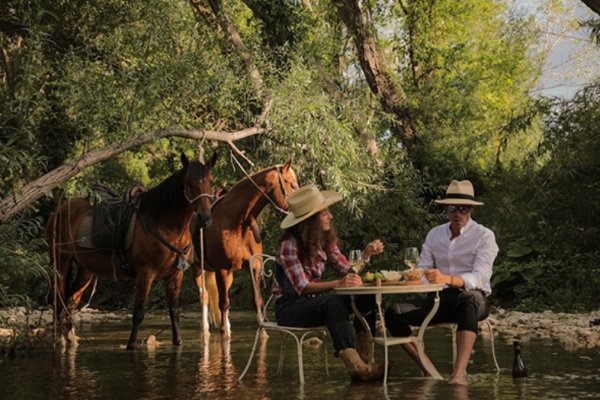
Fano's Roman identity is deeply woven into its urban landscape and it occupied a strategic position along the Via Flaminia, the Roman consular road connecting Rome with the Adriatic. Yet Fano is much more than an archaeological destination. It has a lively harbour, beaches and longstanding maritime traditions. Councillor Alberto Santorelli describes it as “a land of sea where coastal landscapes meet the hinterland. In just a few kilometres visitors can travel from the sea through the hills to the mountains, discovering beautiful historic villages and tasting local products.”
 ph credits: Municipality of Fano
Exploring the Marche region
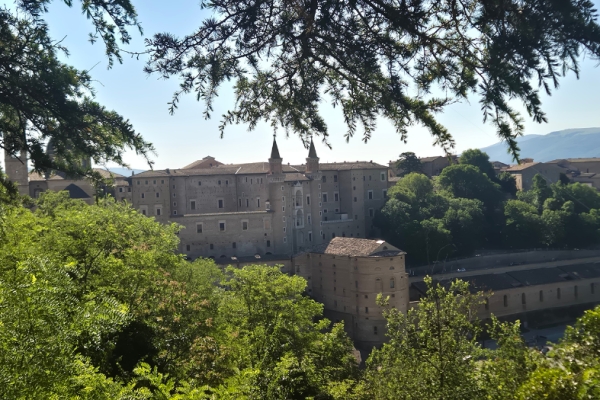
Its location also makes Fano an ideal starting point for exploring the Marche region: from Urbino, a UNESCO World Heritage Site and jewel of the Renaissance, to the historic villages of the Metauro and Cesano valleys and landscapes leading towards the Apennines. Local gastronomy, traditional products and a rich calendar of events and summer festivals add further dimensions to the experience. With Ancona Airport just over an hour away and Bologna and its international airport within a couple of hours by car, Fano is also well positioned to welcome international travellers. The challenge now is to preserve and make this extraordinary archaeological heritage accessible while developing its potential as a cultural attraction, the aim being to link the new find with Fano's underground itinerary giving the city, after two thousand years, a remarkable new story to tell.
 ph credits: Municipality of Fano

