


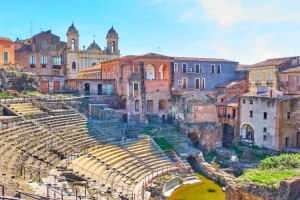



It is a well-established fact that Naples and the Amalfi Coast have long captivated North American travelers. But that Sicily has now made its way into the hearts of the tourists is quite another story. A beautiful story, still to be written, although it will probably not come as a surprise, considering the island's rich historical and cultural heritage, counterbalanced by its equally unique and fascinating landscapes and natural settings. A land that lavishes its charms on those who come seeking them.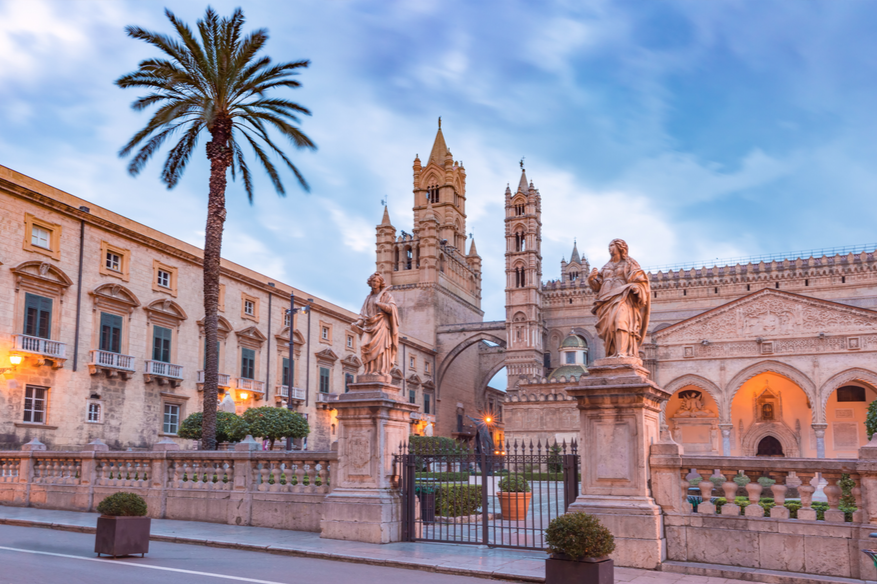 Catania
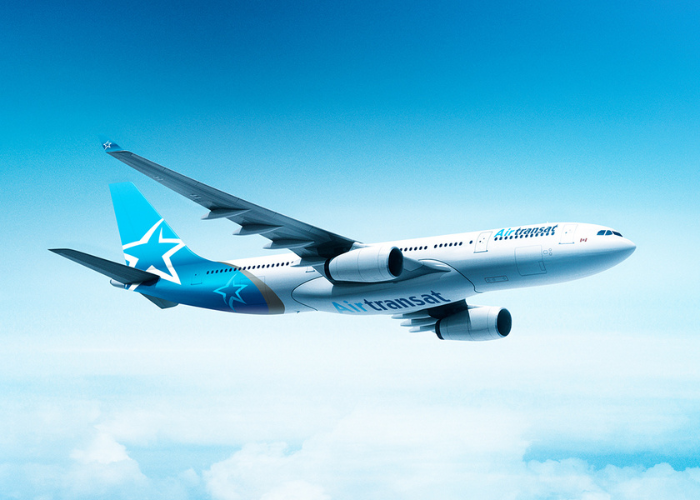
Writing a new page in this tale - which further encourages travellers to choose Sicily as their holiday destination - is the recent proliferation of direct air connections from the United States. Years after the pioneering Eurofly on the Palermo-New York route in the early 2000s. Starting with the recent debuts of Italy's Neos in May 2024 on the New York JFK-Palermo route, United Airlines May 2025 new Newark-Palermo /which was announced before Covid and then postponed), and Delta Air Lines New York JFK-Catania route this May. And this trio will be joined from June 2026 by Air Canada with its new route from Montreal to Catania.
Expectations are therefore sky-high for Sicilian tourism, which in 2024 totalled 21.5 million overnight stays and 6.9 million arrivals, +3.3% over the previous year. The figures are from the region's tourism department and they show how foreign visitors drove last season's figures, “with a 54.9% share of the total, up 11.2% on 2023”. In addition to the traditional French and German markets, new markets have also appeared. Sicily, however, continues to captivate American visitors, its cinematic spotlight—thanks to hits like The White Lotus—turning it into a must-see destination, and the investments in aviation are giving the Region a renewed impetus to elevate the traveler experience, from its hospitality offerings to the quality of its road network.This is the picture of the Italian hotel real estate sector that emerged from the Hospitality Forum 2025, organized by Scenari Immobiliari and Castello SGR, which captures a period of exceptional growth for the hotel market, following investments of 2.2 billion in 2024 which are projected to reach 3 billion this year, which is to say a 50% increase in just 12 months. With almost 90 transactions completed between 2024 and early 2025, the sector recognizes luxury and upscale hôtellerie as primary drivers of growth, having attracted 60% of investments in the last 18 months.
In short, Italy “is one of the most attractive countries in Europe, with the hotel sector worth up to 30% of real estate transactions,” observes Giampiero Schiavo, managing director and general manager of Castello SGR, affirming the spotlight on new destinations alongside the classic favorites Milan, Rome, Florence, and Venice: new ‘dream-destinations’ in “secondary” cities such as Bologna, Genoa, Naples, Palermo and Verona, as well as many lake and seaside resorts. On the other hand, Italy now has the largest number of luxury destinations from Cortina and Courmayeur to Portofino, the Amalfi Coast, Puglia and Taormina. It is the territory itself that becomes a strategic asset in which investors place their trust, and it is benefitting from this great interest if it is true that “investing in luxury means not only redeveloping hotel assets but also the context in which the hotels are located, with all associated services.”
The future is an optimistic one: the Italian hotel market, buoyed by growing tourist demand - particularly from international visitors - is poised for a five-year period of further development which will position our country among the European leaders in hospitality real estate.”
 Mariella Cattaneo
Journalist
Mariella Cattaneo
Journalist
“The route would not be sustainable”
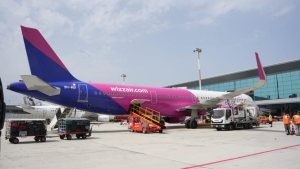
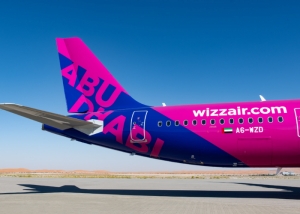
In a brief statement, the Hungarian low-cost airline recently announced that “Due to unexpected changes in market conditions and operational considerations, we have taken the difficult decision to suspend the launch of our new Abu-Dhabi-Milan Malpensa route.” The launch was announced last September in Milan by Wizz Air CEO Jozsef Varadi, who now states: “Although we were excited to offer this service to our customers, careful analysis has determined that, at this time, it would not be sustainable. We remain committed to exploring future opportunities in line with customer demand and our strategic objectives.”
Competition from Etihad Airways
The blame therefore lies with the low number of tickets sold on the route and the fact that not many passengers seem to be willing to spend almost six hours sitting in the cramped seats of an ultra-low-cost airline. It also probably lies with the fierce competition that the announcement had triggered with the only other direct connection between Abu Dhabi and Milan Malpensa which is operated by the Gulf carrier Etihad Airways.
The ball is now in Wizz Air’s court
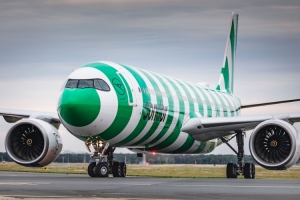
Etihad was not caught unprepared, choosing to modify (in other words, lower) its fares, at least for the time being, in order to discourage Wizz Air's ambitions on the route. This strategy seems to have proved the Emirati airline right. Wizz Air now needs to decide whether the idea of using an A321Xlr aircraft for long-haul flights is the right type of plane to put on routes of this type given that the Hungarian low-cost airline was also planning to open a route from Europe to India with the same aircraft.
“We carried almost 6 million passengers at Linate last year”
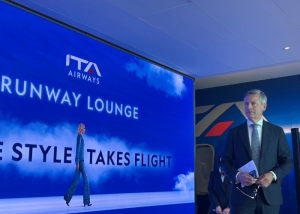
“This 500-square-metre lounge with 125 seats, a food, business and relaxation areas, meets all the needs of Lufthansa Group passengers,” explains CEO and general manager Joerg Eberhart. The lounge is a significant milestone for the company, which carried almost 6 million passengers at Linate last year and 1.25 million in the first quarter of 2025. “Linate is a strategic airport for us, not only because it is an important city airport for business traffic, but also for leisure passengers, who can reach 27 direct destinations from here and, via flights from Rome Fiumicino airport, have access to the company's entire network, including 16 intercontinental destinations.”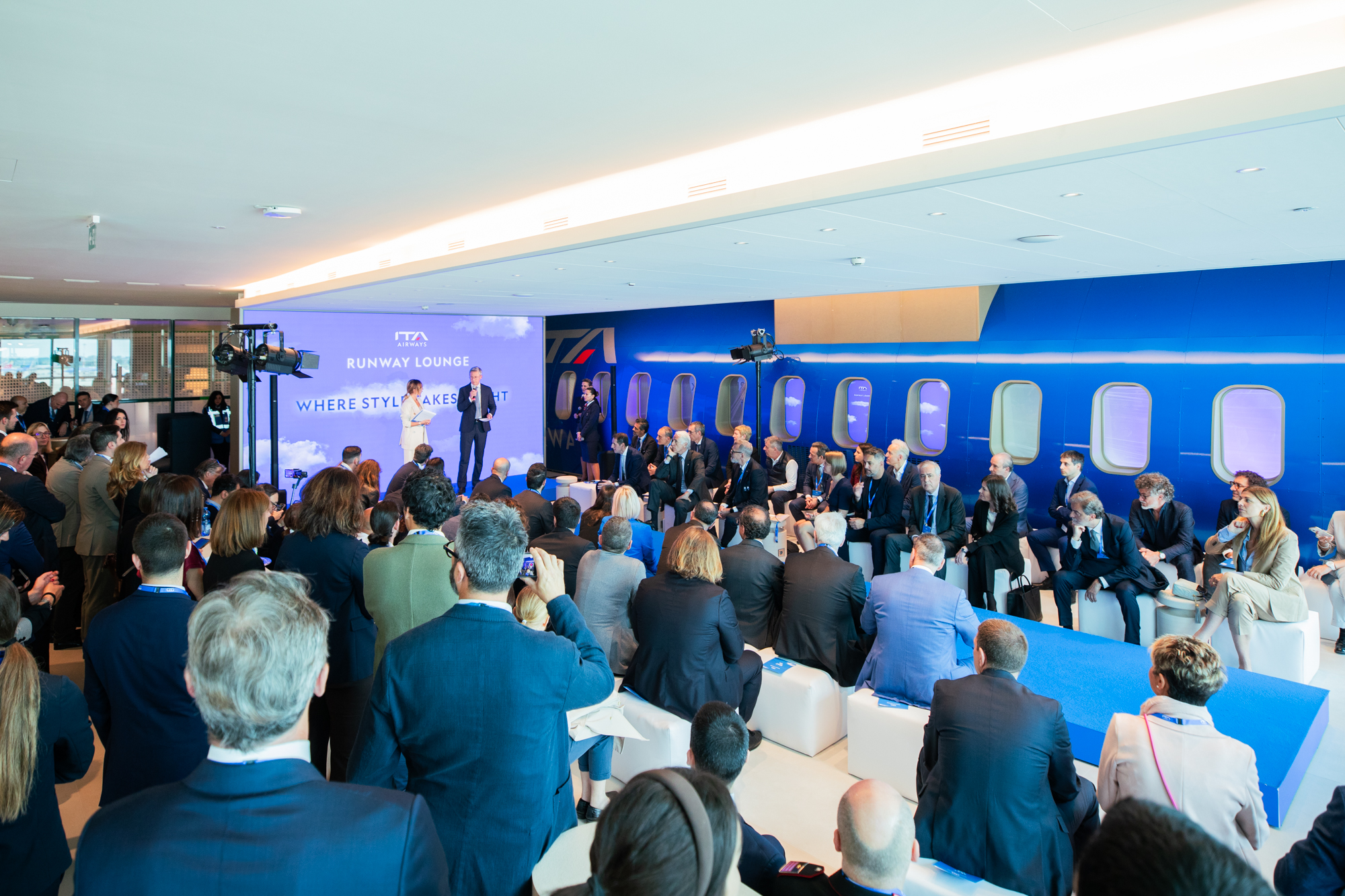 Milan Linate Runway Lounge
Partners who are symbols of Italian style
The name “Runway” has a double meaning: on the one hand, it refers to the runway where aircraft take off and land, and on the other, it evokes the catwalks on which fashion collections are shown, paying homage to Italian style, excellence and the city of Milan, the world capital of fashion. Like all other ITA Airways lounges, the Runway Lounge has been designed to be not just a waiting area, but a place where passengers can feel at home and begin their Italian-style travel experience. The partners of excellence who contributed to the creation of the Runway Lounge are symbols of Italian style: Campari Group, illycaffè, iGuzzini and Poltrona Frau.
Seating for 125 passengers
The Runway Lounge is the first ITA Airways lounge to display the “Member of Lufthansa Group” endorsement. It is strategically located for passengers departing from and arriving at Milan Linate Airport, close to gates A17 and A21, has 135 seats and is open every day from 6 a.m. to 10 p.m.
Available for premium passengers
The Lounge is accessible to all passengers with a Business Class ticket on ITA Airways and Lufthansa Group airlines, Executive and Premium members of the Volare loyalty programme, Hon Circle and Senator members of the Miles&More programme, and Star Alliance Gold Card holders departing on Lufthansa Group flights. ITA Airways American Express Gold or Platinum members and Frequent Flyer Partners customers travelling on an ITA Airways flight are also welcome.
A runway lounge “Where style takes off” is the slogan for the new ITA Airways lounge at Milan Linate Airport. It is a space imbued with the flavour of Italian excellence: the red of Campari, the aroma of illycaffè, the lighting by iGuzzini, and the clean, comfortable lines of Poltrona Frau. A place that evokes the very identity of the city of Milan, the beating heart of fashion and design.
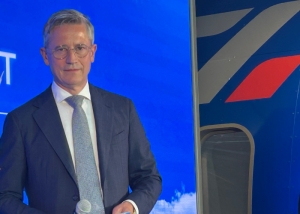
But there is also the vision of a CEO, Joerg Eberhart, who, with his feet firmly on the ground, is focusing on the company's priorities in the wake of Lufthansa's 41% stake in the company. A CEO who is aiming for a “sustainable break-even” after the 2024 financial statements recorded a positive EBIT for the first time.
Now, the Italian airline's entry into the German giant's ranks may or may not be welcome. But “the German from Verona” (Eberhart has lived in the Veneto city for some time and speaks perfect Italian after being at the helm of Air Dolomiti for over seven years, but with a professional career that also saw him as a flight attendant and then a pilot on the A320) seems to have found some solid ground on which to steer ITA towards the LH Group's stated goal of an 8% margin (as for all the Group's carriers).
In an international context that would be an understatement to describe as complex - and therefore makes it “difficult to make predictions for the coming months” - Eberhart is counting on synergies with the Lufthansa Group (which will be more tangible when the Germans increase their stake in the Italian carrier, potentially as early as June) and on the entry into the joint venture with United Airlines and Air Canada. And there is also room for the return of the beloved old Alitalia brand: “We don’t yet have a definite plan for when and how it will return, but it will certainly be promoted.”
Mariella Cattaneo
Journalist
“The route would not be sustainable”
In a brief statement, the Hungarian low-cost airline recently announced that “Due to unexpected changes in market conditions and operational considerations, we have taken the difficult decision to suspend the launch of our new Abu-Dhabi-Milan Malpensa route.” The launch was announced last September in Milan by Wizz Air CEO Jozsef Varadi, who now states: “Although we were excited to offer this service to our customers, careful analysis has determined that, at this time, it would not be sustainable. We remain committed to exploring future opportunities in line with customer demand and our strategic objectives.”
Competition from Etihad Airways
The blame therefore lies with the low number of tickets sold on the route and the fact that not many passengers seem to be willing to spend almost six hours sitting in the cramped seats of an ultra-low-cost airline. It also probably lies with the fierce competition that the announcement had triggered with the only other direct connection between Abu Dhabi and Milan Malpensa which is operated by the Gulf carrier Etihad Airways.
The ball is now in Wizz Air’s court
Etihad was not caught unprepared, choosing to modify (in other words, lower) its fares, at least for the time being, in order to discourage Wizz Air's ambitions on the route. This strategy seems to have proved the Emirati airline right. Wizz Air now needs to decide whether the idea of using an A321Xlr aircraft for long-haul flights is the right type of plane to put on routes of this type given that the Hungarian low-cost airline was also planning to open a route from Europe to India with the same aircraft.
Mariella Cattaneo
Journalist




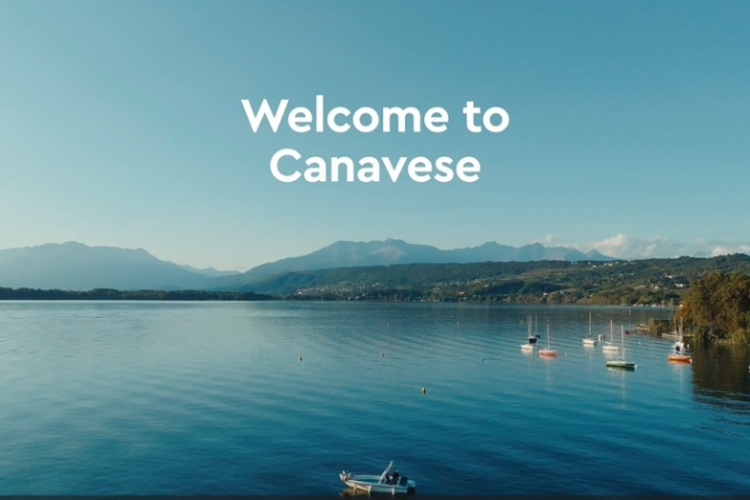
Welcome to Canavese, an unexpected corner of Piedmont where …
255Welcome to Canavese, an unexpected corner of Piedmont where …
255
