






A land of slow tourism and great wines
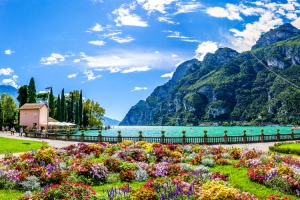
Between the towns of Verona and Brescia, Lake Garda is a destination of charm, wellness and slow tourism. An area where the culture of the territory and the art of the good life meet, in events like “Lugana Armonie Senza Tempo,” an event dedicated to wine, the culture of the area and the art of living well, that has just concluded in Rome in the elegant setting of Palazzo Brancaccio.
One of Europe’s most fascinating wine destinations
The Lugana DOC area is one of the most complete and fascinating wine tourism destinations in Europe with over 25 million tourist ovenights a year. Here, wine is not only an excellence to be tasted but an excuse to slow down and enjoy authentic quality and hospitality. This is the Lugana: a bridge between places, people and stories,’ says Fabio Zenato, president of the Lugana Consortium. 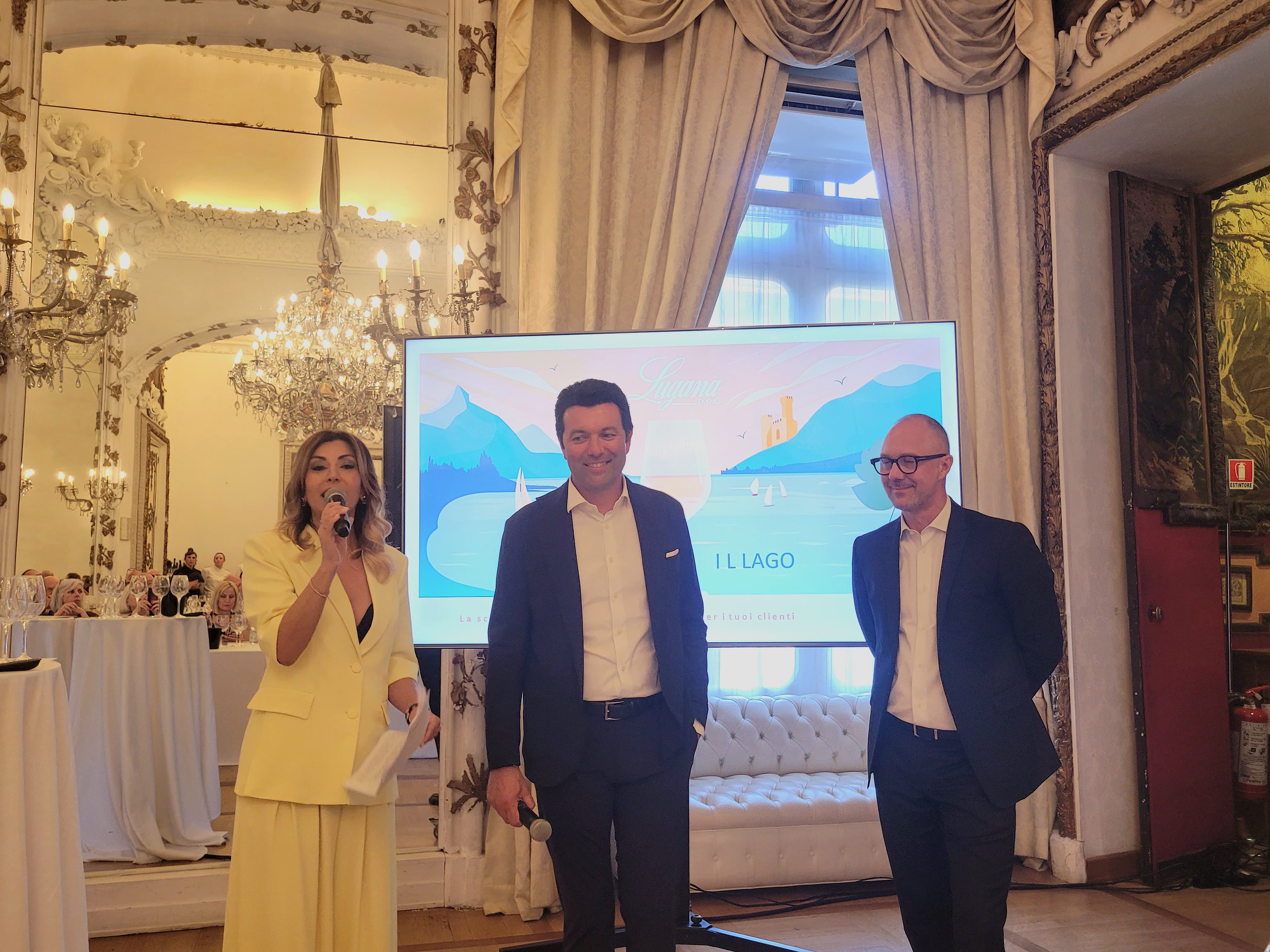
Wineries offer a range of experiences
Tourists in the Lugana area can enjoy immersive multi-sensory experiences that range from sunset tastings in vineyards to walks along the paths of the “Lugana On Foot” project, the first Iter Vitis Council of Europe certified itinerary. They can explore the area by bicycle with a wine guide, picnic and enjoy yoga sessions among the vines with locally-produced products and take local cookery courses in wine cellars. Some wineries offer olfactory trails in wine museums, others offer wellness treatments with wine therapy, meditation sessions or sensory experiences combined with music, and in many wineries you can also sleep and dine. Here wine tourism is combined with slow tourism, soft sports like trekking, biking, golf and canoeing, excellent gastronomy and local crafts.
Archaeological sites and a UNESCO World Heritage site
At the tip of the Sirmione peninsula on Lake Garda, the archaeological area of the Grotte di Catullo contains the remains of one of the largest Roman villas in northern Italy. The villa covers an area of some two hectares and is surrounded by a historic olive grove with over 1,500 trees. The microclimate of the lake favours its growth, making this area home to the northernmost olive groves in Europe. The Venetian fortifications of Peschiera del Garda, on the other hand, are a complex defence system dating back to the 16th century, and now a UNESCO World Heritage Site. Desenzano del Garda's calendar of summer events is also packed with wine, history and culture.
A market worth $357 billion worldwide and growing
The survey is also in collaboration with the tourism group Sonders & Beach and ELTA (European LGBTQ Travel Alliance) and regards June 2025 Pride tourism trends worldwide. Long-haul, solo and mostly leisure travel for the LGBTQ+ tourism market is now worth $357 billion worldwide and is set to grow, and Italian destinations are among the most sought-after destinations. “According to the latest estimates, LGBTQ+ travellers reached a total value of €55 billion in Europe, up from the pre-covid figure of EUR 75 billion,” says Alessio Virgili, ceo of Sonders & Beach and president of ELTA.
“Looking for a meaningful experience”
“Our ongoing sector studies for this market segment show that these travellers are looking not only for a destination but for a meaningful experience. The emotional aspect weighs heavily on the trip, which is why brands that invest in Pride, both as a tourist destination and as support for these events, can have an important return, and not only from the LGBTQ+ world, but from all those who value social sustainability."
Rome is in third place in flight searches for Pride
Over 45% of Pride trips are for long haul, with 58% of people being solo-travellers. Travel is mostly for pleasure, although trips combining business and leisure are on the rise. Europeans are those who travel the most for Pride (35%), followed by North Americans (33%), with the United States (38%) being the largest country of origin. On a more micro level, Rome ranks fourth among Pride destinations while Milan, which will have its Pride on 28 June, ranks tenth. On a European level, Rome is in third place in flight searches for Pride (16.7%), after London, and Athens, while maintaining third place (13.6%) in hotel booking searches, after London and Madrid, and with Milan ranking eighth.
A summer of music, dance, theatre and films
The village of Fiesole is 10 kilometres from Florence, a small Etruscan town perched above the capital, among the Tuscan hills. The annual summer festival, now in its 78th edition, finds its fulcrum in the Roman Theatre, a work dating back to the 1st century B.C., which will host concerts ranging from classical music to jazz, prose and dance performances, themed evenings, theatre, dance, cinema under the stars, historical re-enactments and an open-air film festival.
Free shuttles to the centre of Florence and Villa Fiesole
The FH55 Hotels Group will provide a free shuttle service, running 7 days a week until 31 October, which will allow guests of the Villa Fiesole Hotel to easily reach the centre of Florence. It will also allow those staying in the Calzaiuoli Hotel to go to the Villa Fiesole for gourmet dining in the one-star Michelin Serrae Villa Fiesole Restaurant. Housed in two historic palazzi, both properties are elegantly styled 4-star boutique hotels where period charm meets modern comfort, in the city and in the hills.
An 18th century garden in Florence
To complete the cultural offer, the historic Garden of Villa La Quiete in Florence has recently reopened to the public. This 18th-century garden which is closely linked to the Medici history, can be visited, with guided tours lasting one hour. The visit also includes a tour of the frescoed rooms, the Church of the Holy Trinity, the 17th-century pharmacy and works by masters such as Botticelli and Ghirlandaio.
A garden dating back to Grand Duke Cosimo I de' Medici
The Giardino dei Semplici in Florence is another green oasis in the city. One of the oldest botanical gardens in the world, it is rich in centuries-old trees and flowers as well as rare, tropical, carnivorous and poisonous plants in the large greenhouses dating back to the 19th century, and also many animal species. The Garden has been at the service of the community since the 15th century, when Grand Duke Cosimo I de' Medici made it available to medical students, and today it offers families and children a wide range of sensorial and cognitive paths to learn about nature.
A cultural event of extraordinary importance
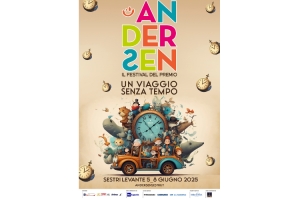
With a total of 44 events this year and some 80,000 visitors per edition, the Andersen Festival's evocative locations are ready once again to welcome guests with a programme packed with events. “The Andersen Festival is a cultural event of extraordinary importance, not only for Sestri Levante, but for our entire region,” said the president of the Liguria Region, Marco Bucci.
Sestri Levante blends simplicity with sophistication
The Andersen Festival showcases Liguria: a region that spans the sea and mountains, history, art, festivals and important cultural initiatives, offering a unique tourist experience, and Sestri Levante combines the quiet rhythms of a seaside village with the more dynamic pace of a holiday in a sophisticated location.
A stage on water and historic settings
From the Baia del Silenzio with its stage on the water to the Baia delle Favole, from the ruins of the Oratory of Santa Caterina to the Convent of the Annunciation, from historic buildings to town squares and streets: each of these spaces, within walking distance, is transformed for four days, from morning until evening. “The theme that will accompany the next three editions will be Time: a concept that will guide us every day and that through art can be observed, recounted and even suspended,” says Duccio Forzano, the new artistic director of the Festival. The Andersen - Baia delle Favole Prize, a literary competition for unpublished fairy tales, now in its 58th edition, will award the winners on Saturday 7 June. For information: www.andersensestri.it
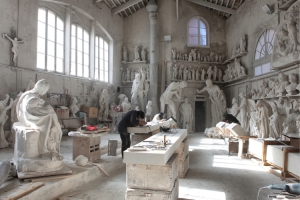
Carrara, in Tuscany, is aa shining example of how art can play a role in wellbeing and become a therapeutic tool.
Viewing art can reduce stress
Slowness, beauty and contemplation are the new keywords for museum tourism. Recent research by the University of Milan-Bicocca, has revealed that visiting museums is not only a cultural experience, but can also become a real therapeutic tool. The study showed that following a mindfulness programme in an art gallery reduces stress and anxiety levels by up to 25%.
Art therapy for dementia patients
Whether using art as a therapeutic method or participating in a guided tour, the reduction in stress and anxiety is still 20%. In an age where the frenzy of everyday life has a profound impact on mental well-being, museums offer a “slow” space, where slowness becomes a resource and contemplation an antidote to stress. One example is the Musei Toscani per l'Alzheimer (Tuscan Museums for Alzheimer's) project which offers art therapy activities for people with dementia and their carers for two years.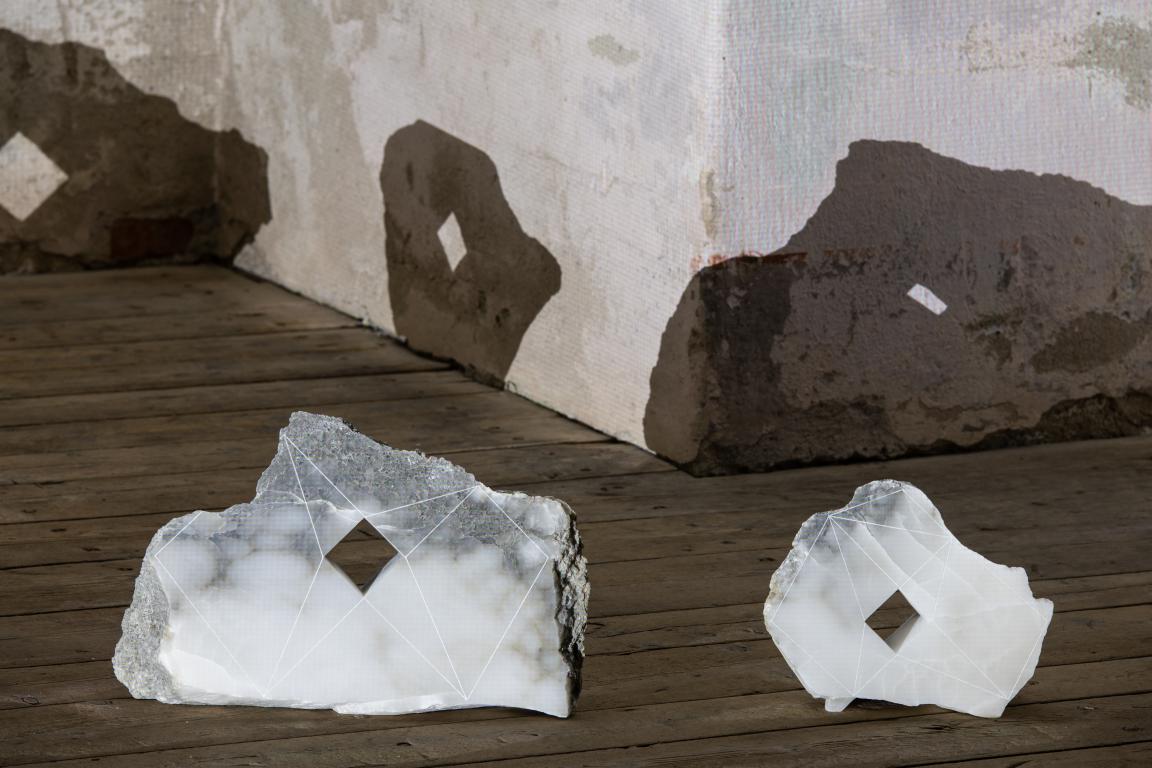
“Carrara’s marble is everywhere in the world”
“Carrara is a natural laboratory for wellbeing through art,- explains Gea Dazzi, councillor for culture of the Municipality of Carrara. -With its marble, Carrara is everywhere in the world. This continuous dialogue between tradition and innovation, between the marble of the quarries and that transformed into art, creates a unique environment where the aesthetic experience also becomes an experience of wellbeing”.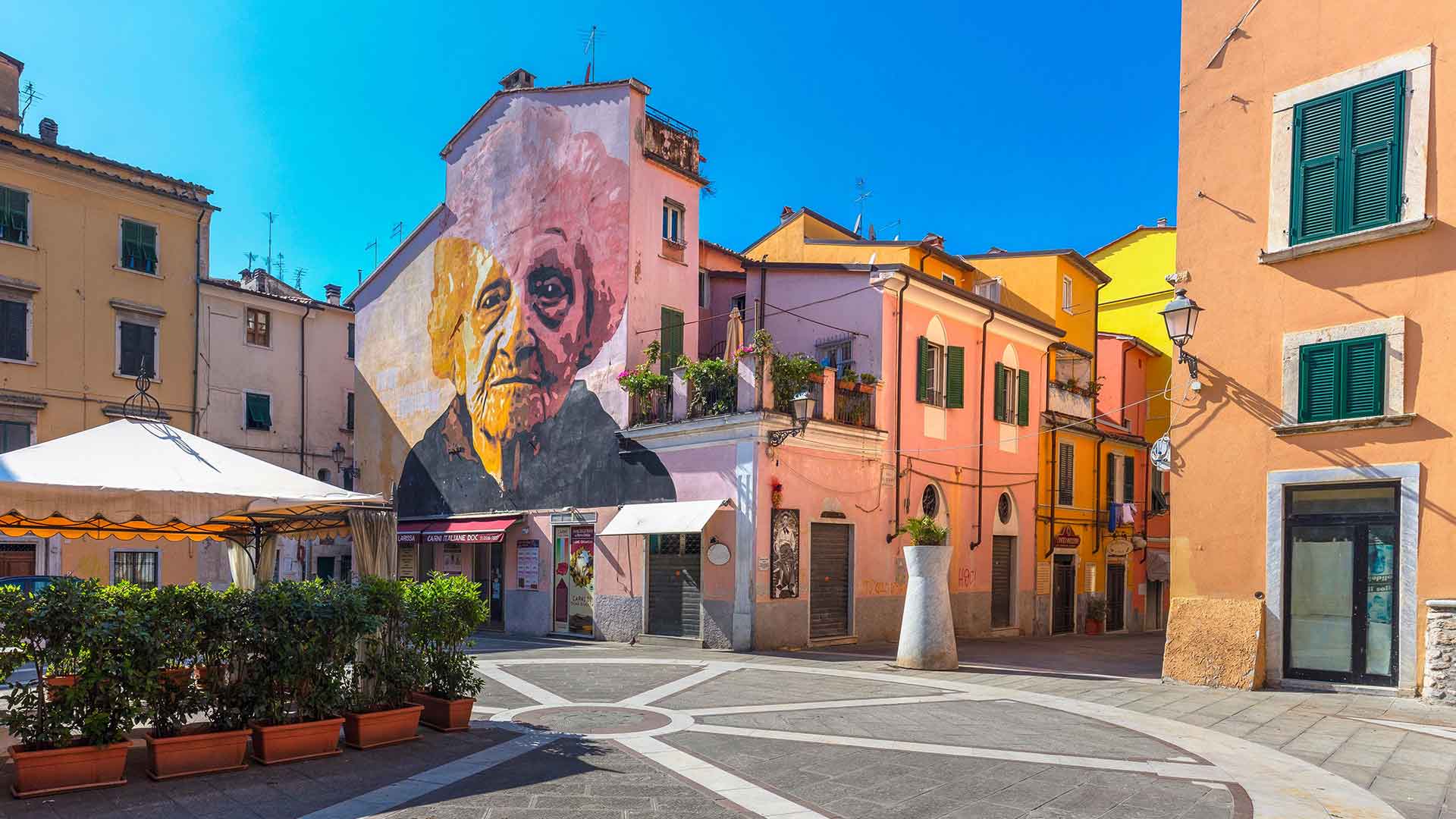 Ortica Noodles A Francesca Rolla murale Carrara 2013
Celebrating Michelangelo and Canova
At the CARMI (Carrara and Michelangelo Museum), until 26 October, “Per Forza di Levare” is a photographic exhibition celebrating the 550th anniversary of Michelangelo's birth through the work of great 19th-century photographers who, over the course of 120 years, immortalized his masterpieces. Until 28 September, the mudaC (Carrara Museum of Arts) is hosting an exhibition that reinterprets the traditional perception of marble, called “Stars and Dust,” and every Saturday morning, the Academy of Fine Arts is open to visitors, with original works by Canova.
For information: https://www.visitacarrara.it
Italy placed third after the UK and Spain
In third place on the podium, behind only the United Kingdom and Spain, Italy confirms its status as a highly appealing destination, with 26% of preferences, thanks to its unique combination of art, culture, breathtaking landscapes and cuisine. Travel trends for 2025 highlight a strong desire to explore international destinations: 91% of consumers plan to travel abroad, with a preference for 7-9 night stays (37%).
City breaks are the most popular choice
Among the most sought-after experiences, city breaks are chosen by 69% of travellers, followed by beach holidays (58%) and country retreats (51%). Some 76% of respondents say that their main interest when choosing a trip is food and wine, followed by nature and outdoor activities. Art and culture attract 48% of the public, while wellness interests 44% of respondents looking for experiences related to spas and relaxing treatments.
Comfortable beds were quoted as a must
When it comes to choosing accommodation, 60% of travellers choose boutique hotels and luxury resorts, looking in particular for comfortable beds (72%), breakfast included (69%) and quality dining (60%). When booking, the most important factors are the weather and the cost of accommodation, which are considered priorities by 67% of respondents. Before confirming a booking, 82% of travellers consult between two and five websites, while 70% prefer to finalize their booking directly on the official hotel websites.
High-end travellers use Instagram for inspiration
Instagram remains the main platform for high-end travellers, used by 69% for inspiration or to share content. Another significant finding concerns trust in influencers, who are decisive for 21% of users who say they chose a property on the recommendation of a content creator.
Over 150 grape varieties to taste
The festival of indigenous grape varieties from Vigneto Italia, this year in its sixth edition, is the only one in the world to bring together in the same location more than 150 grape varieties from all over Italy. In addition to the hundreds of wines produced for free tasting, there will be guided tastings with Luca Maroni, an internationally renowned sensory analyst.
Right in the heart of the Eternal City
For three days it will be possible to taste the most important and special Italian native grape varieties by moonlight in the historic garden of Rome, which, with its 12 hectares of natural varieties from all over the world (it is located between the Trastevere district and the Janiculum Hill) is also one of the largest botanical gardens in Italy. Its privileged position, at the foot of the Janiculum Hill allows visitors to enjoy a panoramic view of the city, for a unique experience that combines the natural and historical beauty of Rome, as well as being a reference point for scholars and plant enthusiasts, and for all those who wish to spend a quiet moment immersed in nature.
Fern Garden and Succulent Gardens
With a vast collection of Mediterranean and exotic plants from all over the world, it hosts several thematic areas, such as the Fern Garden and the Garden of Succulents which allow visitors to explore different environments and ecosystems.
Perugia hosts the festival every summer
Founded in 1973 today the Festival takes place annually in Perugia every July, with the primary objective of linking an international vision to the promotion of the great Umbria region. The festival winds its way through the streets and squares of Perugia, on the stages of the Teatro del Pavone and Teatro Morlacchi, with the main stage in the Arena Santa Giuliana, and they will all host big names in jazz and and many international artists.
Orvieto and Terni also host jazz
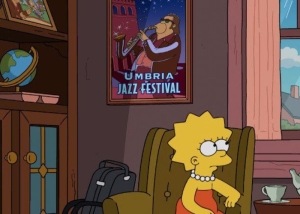
From the success of the Perugia event, two other main branches have sprung up over the years linked to the Umbria Jazz brand: Umbria Jazz Winter in the town of Orvieto, this year from 30 December to 3 January, and Umbria Jazz Weekend from 11 to 14 September in Terni, at the end of the summer. An did you know that Umbria Jazz was even mentioned in an episode of The Simpsons?
A major event in international sailing
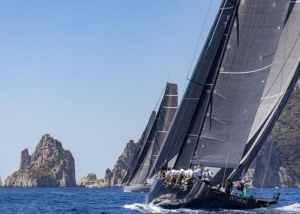
This is the 70th edition of the Tre Golfi Regatta, one of the most prestigious events in international sailing and which is sure to draw enthusiastic crowds at all stages of its itinerary. It starts on 7 May with the measurements and inspections in Sorrento, thenm on 8-10 May there will be the ORC Championship with regattas on the buoys in the Gulf of Naples, on 16 May the start of the 70th Three Gulfs Regatta from Naples, and on 19 to 22 May the IMA Maxi European Championship with coastal and buoy regattas in Sorrento.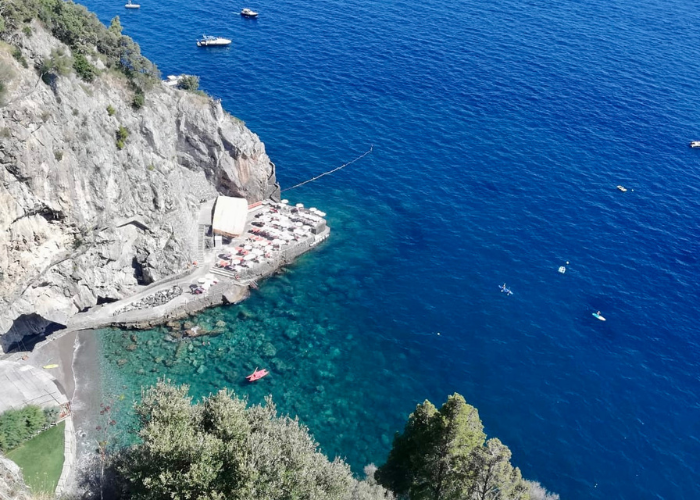
Exclusive side events
Many exclusive side events are scheduled, such as the crew party with star chefs at Le Axidie and the traditional spaghettata at CRV Italia with the RYCC Savoia. The Tre Golfi Regatta, one of the longest-running and most fascinating offshore regattas in the Mediterranean, will cover 156 nautical miles, starting on 16 May at 5 pm at the foot of Castel dell'Ovo, one of the symbols of Naples. From here the night sailing will start between the gulfs of Naples, Salerno and Gaeta and the boats will circumnavigate the islands of Capri, Ischia, Procida and Ventotene.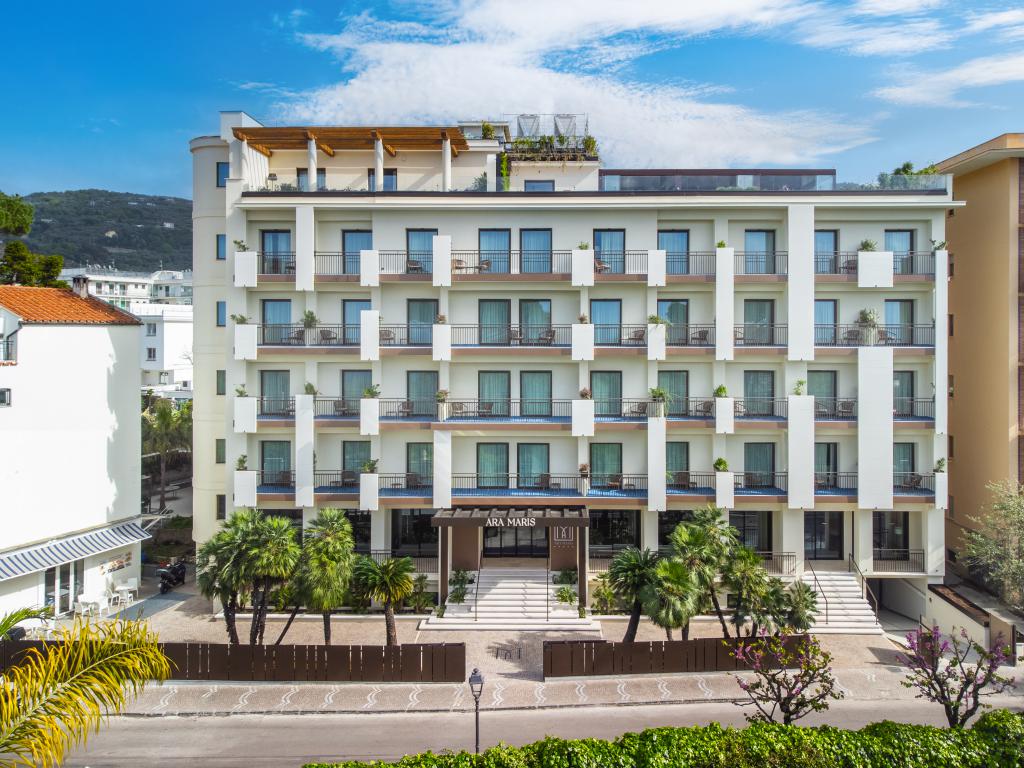
Staying at the Ara Maris in Sorrento
For a refined and elegant stay, the 5-star Ara Maris Hotel is the ideal starting point on the Sorrento Peninsula to enjoy the Tre Golfi regatta week. This luxury establishment, which has views over the Gulf of Naples has the Cora Bistrot, which offers traditional dishes with local flavours, the Lumi Sky Lounge cocktail bar, a gourmet restaurant and the Thala Spa, which can boast a swimming pool and a solarium surrounded by greenery. 
A special package for the month of May
This blend of wellness, nature and discovery of the territory, finds its perfect starting point at The Sense Experience Resort 5*L, on the Gulf of Follonica which is offering a special package for the month of May: the Private E-Bike History & Wine Tour. 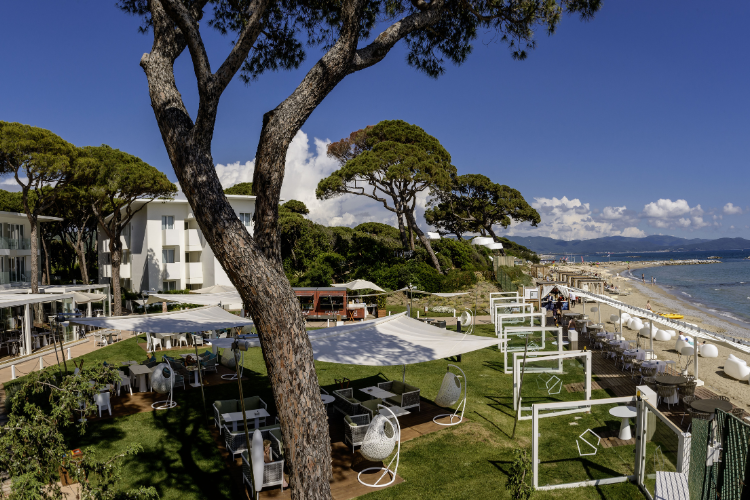
Visits to wineries, oil mills and farmhouses
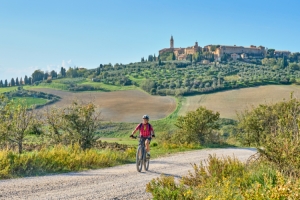
This exclusive experience combines sport, history with local food and wine and visits to wineries, oil mills and farmhouses. The guided tour is a six-kilometre loop of easy difficulty, thanks to the use of e-bikes, and includes a visit to the village of Massa Marittima and the Museum of Ancient Organs. Participants then cycle through the vineyards, ending the tour with a light lunch of typical Maremma products accompanied by a tasting of local wines. The package also includes the VIP Suite Programme, a two-night stay in a Superior Sea View Room or Deluxe Double Sea View Room, breakfast, soft drinks from the minibar and a 30% discount. All starting at £800 for two people.
Well signposted trails
Discover the Tuscan Maremma by bike, cycling through hills, trails and scenic roads along cycling routes in the Maremma which are well signposted and suitable for all levels. Trails that wind their way from the coast to the hinterland, through vineyards, dirt roads, woods and ancient villages such as Pienza and Montepulciano, with food and wine stops at wineries, oil mills and farmhouses. Each excursion is led by expert local guides who share interesting facts, history and traditions of the area, making the experience even more immersive.
Many e-bike itineraries to choose from
Thanks to a collaboration with tour operator Hakuna Matata Outdoor, participants can choose from a wide variety of guided bike and e-bike tours, with the convenience of departing directly from The Sense Experience Resort 5*L. Among the most fascinating itineraries to explore by bike is the Val d'Orcia, a UNESCO World Heritage Site. Other experiences not to be missed include the L'Eroica Route in the province of Siena and the picturesque Val d'Arno, the green corridor that connects Arezzo to Florence. For information: www.thesenseresort.it




Welcome to Canavese, an unexpected corner of Piedmont where …
847Welcome to Canavese, an unexpected corner of Piedmont where …
847
