




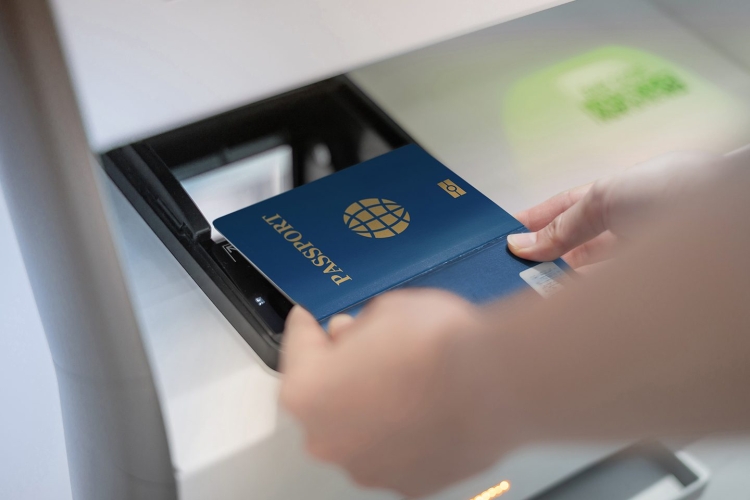








The European Union’s Entry/Exit System (EES) that has been fully operational since 10 April is causing queues and disruptions in European airports.
Over 24,000 people have been denied entry
Following a phased roll-out that began on 12 October in 29 European countries. passport stamps are being replaced by digital records of entries and exits, as well as entry refusals for non-EU travellers on short stays. The new system was introduced to modernize the EU’s border security and immigration management systems, as well as to reduce crime, fraud and identify security risks. According to the European Commission since the system’s introduction over 24,000 people have been denied entry for reasons such as expired or forged documents, or for failing to fully justify the purpose of their visit. 
Aimed at speeding up procedures
The biometric passport is not mandatory, but it allows travellers to use self-service kiosks and speed up procedures. Those without one must complete the initial registration at the counters, providing a photograph and fingerprints. The provision of data is mandatory: refusal will result in entry being denied. Children under 12 are exempt from fingerprinting, but not from the photograph. Biometric information such as facial images and fingerprints is also recorded, along with the personal data contained in the travel document. The information remains valid for three years (unless the passport is renewed) and allows for faster checks on subsequent journeys, including via automated gates.
The EES applies to a range of travellers
The EES applies to non-EU/Schengen citizens travelling to Schengen or EU countries for short stays of up to 90 days within a 180-day period. This includes UK nationals, as well as visa-exempt travellers, regardless of whether they are travelling for tourism or business. It also applies to people who own property in the EU but do not hold a residence permit. The system applies to citizens of EU Member States and the Schengen area, as well as to persons holding long-stay visas or residence permits issued by these countries, including non-EU citizens. Similarly, family members of EU citizens holding a residence card issued by one of these countries are exempt, along with local residents holding valid local border traffic permits. Crew members on international trains and aircraft are also exempt, as are armed forces personnel and their families on missions under the ‘Partnership for Peace’ programme or NATO. Ireland and Cyprus are also exempt from using the EES, meaning they will continue to carry out manual passport checks.
More disruptions and delays at airports?
As has already been the case since October 2025, processing times at airports could increase during the first few months of the EES’s full operation, despite the EU’s promise to allow some flexibility to cope with excessive queues, particularly during the summer peak travel periods. “Waiting times now regularly reach two hours at peak times, with some airports reporting even longer queues,” ACI Europe and Airlines for Europe (A4E) stated in a joint declaration.


