









Pietrasanta, the little Versilian coastal town in Tuscany, is big on art
Known as the City of Artists
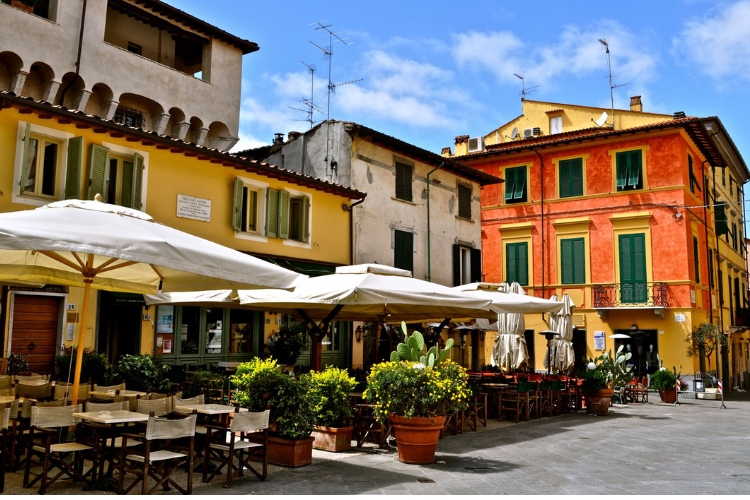
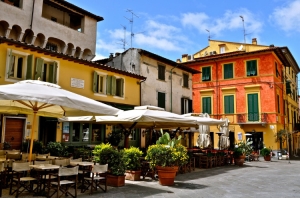
On the coast, not far from Pisa and the fashionable seaside resort of Forte dei Marmi, Pietrasanta captivates with its elegant piazzas, stone-paved streets, historic palazzi and the beautiful Cathedral of San Martino, with a striking marble façade that dominates the main square. Known as the “City of Artists" Pietrasanta has always attracted sculptors from around the world, drawn by its centuries-old marble-working tradition and the expertise of its artisan workshops.
Squares with marble and bronze statues
The nearby Apuan Alps are famous for their marble quarries, and Michelangelo travelled to the area to select stone for many of his masterpieces. Today this legacy continues in studios where skilled craftsmen transform marble and bronze into works of art. Sculptures occupy squares, courtyards and streets, and galleries and exhibitions turn the historic centre into an open-air museum. The town is also home to the Church of Sant’Agostino, which hosts exhibitions and cultural events, reinforcing Pietrasanta’s role as a meeting point for artists and collectors.
Stuffed pasta and cured port fat
Pietrasanta offers visitors an appealing blend of Tuscan elegance and relaxed coastal living. The Apuan Alps provide a dramatic backdrop, while the beaches of Marina di Pietrasanta and fashionable Forte dei Marmi are just a short drive away. With fresh seafood, seasonal vegetables, handmade pasta and local olive oil sharing the table with regional specialties, some local dishes not to be missed are: tordelli alla versiliese, stuffed pasta served with a rich meat sauce, and lardo di Colonnata, the celebrated cured pork fat aged in marble basins in the nearby Apuan Alps.
UNESCO. The Leaning Tower of Pisa
Some 30 kilometres away Pisa’s Piazza del Duomo, a UNESCO World Heritage site, brings together four extraordinary monuments: the Cathedral, Baptistery, monumental cemetery and iconic Leaning Tower. Known as the Square of Miracles, this architectural ensemble reflects the wealth and ambition of Pisa, once a powerful maritime republic. For modern visitors these remarkable buildings re an unforgettable encounter with Italy’s artistic and architectural heritage.


