



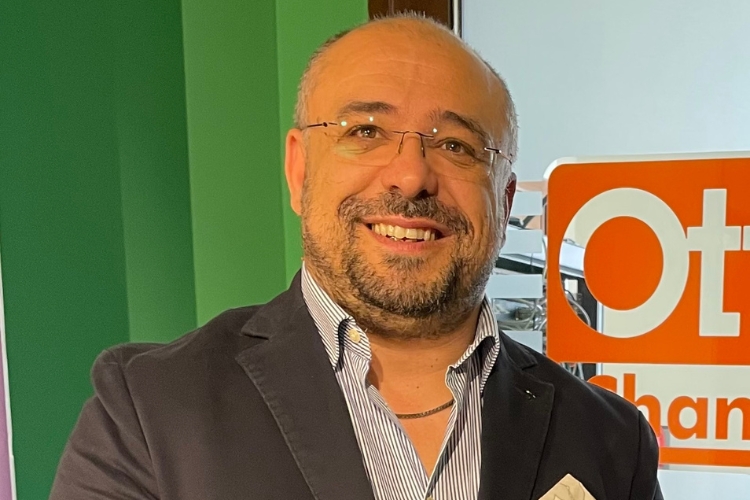



ItaliAbsolutely spoke with Marco Sansiviero, president of Fenailp Turismo of the Fenailp trade union about the trade federation’s vision for 2025 (Fenailp is the National Federation representing entrepreneurs and professionals across all sectors of micro, small, and medium-sized enterprises).
What markets are you targeting and with which products?
“We are targeting markets such as Germany, France, Northern Europe and the United States where there is a strong demand for authentic experiences linked to culture, nature, food and wine. We are also looking at emerging markets like South America and South-East Asia, which are showing great interest in lesser-visited Italian destinations.”
How is the domestic market responding?
“Domestic tourism remains fundamental, also as a lever for deseasonalization and the discovery of lesser-known inland areas. After the pandemic Italians rediscovered the beauty of their own regions, and today they are especially interested in staycations, cultural and experiential tourism.”
What are your aims for 2025?
For 2025 we will be working on four main trajectories The first is innovation and digitalization, to facilitate the matching of supply and demand and improve competitiveness Then we are enhancing minor territories and destinations by setting up DMOs. Training and qualification of operators is another essential aim, and so is environmental and economic sustainability because the tourism of the future will have to be responsible, inclusive and attentive to the needs of the territory.
Which markets do you consider as the most strategic?
Some traditional markets like Russia and part of the Middle East have slowed down, but we are seeing growing interest from the United States, Canada and Asia with South Korea, Japan and India in the forefront. Today strategic markets are seeking authenticity, safety, sustainability and beauty ad authenticity rather than mass-produced Italy.
How much is individual tourism and how much organized?
Individual tourism is constantly growing thanks to digitalization but organized and group tourism linked to food and wine, cultural tours and senior tourism continues to play an important role, also because it stretches throughout the year.
What are your future strategies?
They are based on a strong alliance between the public and private sectors, and on strengthening DMOs for marketing, promotion and territorial planning. And we will focus on digitalization, the internationalization of smaller destinations and innovative ways of presenting Italy to attract new global tourists who are looking for excitement, authenticity and value for money.


