





Also intermodal train+bus services
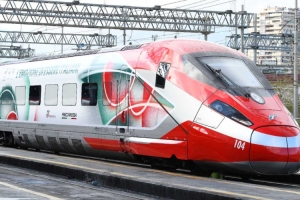
There will be many extraordinary services towards the main competition areas will, including increased High Speed and Regional services, flanked by integrated intermodal train+bus services. Road transport will be further intensified to meet the needs of both spectators and athletes, guaranteeing easier and more capillary travel throughout the territory. Frecciarossa, on weekends from 7 February to 15 March 2026, will reach Malpensa airport with direct services from Milan to Venice/Udine.
Frecciarossa trains plus bus services
From 31 January until 16 March, after the conclusion of the Games, the intermodal FrecciaLink train+bus will guarantee daily services with Cortina d'Ampezzo and the Cadore, Tesero and Predazzo areas. The offer to Cortina d'Ampezzo will make it possible to leave by Frecciarossa from Milan, Naples, Rome, Florence, Bologna and Padua, continuing the journey from Venice Mestre by bus. In addition, departing from Rome, Florence, Bologna and Verona and stopping at Ora (Bolzano), it will be possible to reach Val di Fiemme by bus to Tesero, the new FrecciaLink stop, and also Predazzo.
Regional trains will also be boosted
Trenitalia will also reinforce the Regional trains towards the Belluno area, gateway to Cortina d'Ampezzo. On the Venice-Belluno line the service will be guaranteed every day, for a total of 39 trips daily, while on the Padua-Belluno line there will be 40 trips daily. The Treviso-Montebelluna and Belluno-Calalzo lines will also be upgraded. Thanks to the collaboration with Dolomitibus, the “Cortina 2026 Link” will be available, allowing passengers to reach Cortina with a single train+bus ticket, starting from Ponte nelle Alpi station.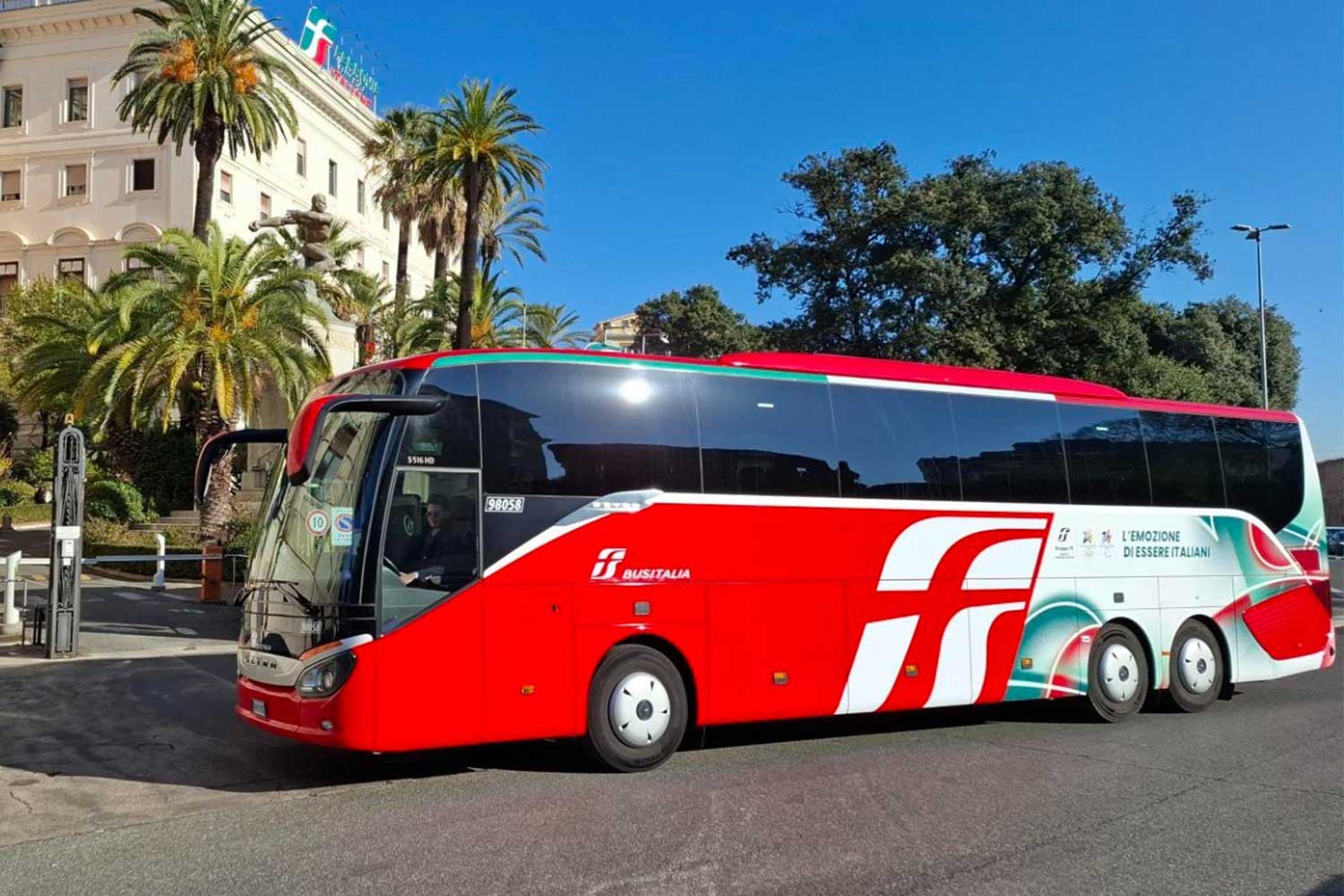
Enhanced Busitalia services
More options are also available with Busitalia, which has activated daily connections to Cortina d'Ampezzo and Livigno from the AV stations of Padua and Milan, with convenient connections also from the airports of Orio al Serio and Venice Marco Polo. The Padua-Cortina Link will connect Padua to Ponte nelle Alpi, Longarone, Tai di Cadore, San Vito di Cadore and Cortina d'Ampezzo, offering a direct and continuous service to the Dolomites.
Airports will also be connected
The new Milan-Livigno line is the only direct service between Milano Centrale and the main ski resorts of Alta Valtellina-Bormio, Valdidentro and Livigno. The service operates from Monday to Friday, departing from Milan at 9:45 a.m. and returning from Livigno at 3:00 p.m. On weekends departures are scheduled at 10:15 a.m. from Milan and at 3:30 p.m. from Livigno. Airport connections complete the offer: Orio al Serio Airlink, with 24 trips per day also operating at night, and the Padova-Venezia Marco Polo service, operating all week with 54 trips daily.
50,000 reserved seats for accreditations
Some 50 charter trains and more than 400 buses daily will be provided for athletes, sports staff and accredited persons to travel to the Olympic venues. More than 50 thousand seats reserved for the event will also be available on high-speed trains on the main routes, in particular the Milan-Venice and Milan-Trento lines.
Sicily’s Aeolian Islands
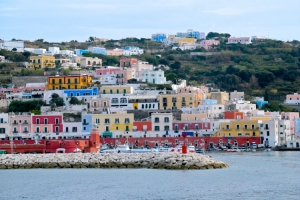
The Aeolian Islands—Lipari, Salina, Vulcano, Stromboli, Filicudi, Alicudi, and Panarea—are a UNESCO World Heritage site of volcanic origins and with dramatic landscapes. Each island carries its own unique character, but Panarea is often considered the crown jewel: small in size but with oodles of charm. Getting there is part of the adventure and the gateway is Sicily, with Milazzo, Messina, and sometimes Naples serving as main departure points. Milazzo is the closest and most popular port. Services are by ferry or high-speed hydrofoil and the journey lasts just over an hour, making Panarea really accessible despite its remote allure. In summer booking tickets in advance is essential as the island’s popularity means that seats fill up fast, especially during the peak season. 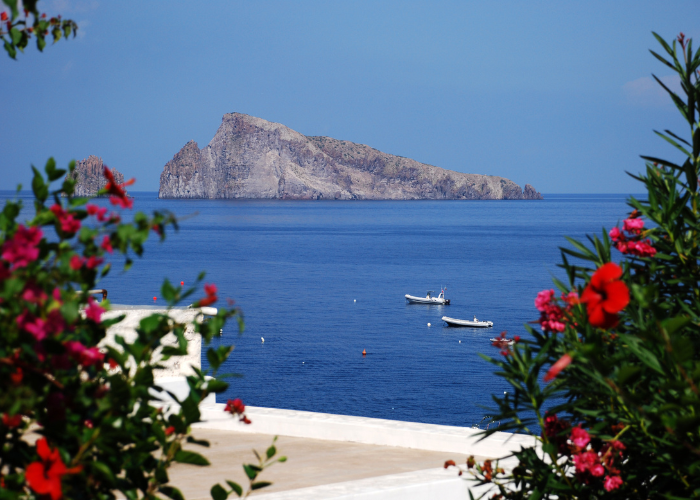
Crystal-clear waters and boat excursions to Stromboli
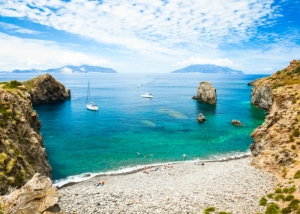
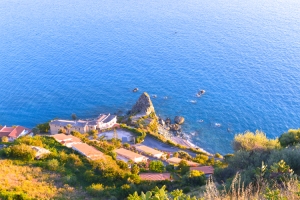
Panarea’s compact size is perfect for leisurely exploration. Its narrow, cobbled streets are lined with whitewashed houses and blooming bougainvillea. Punta Milazzese is an ancient archaeological site with ruins of a prehistoric village perched on a cliff overlooking the sea and very popular with history lovers and photographer. The crystal-clear waters surrounding Panarea are ideal for snorkeling and swimming especially in hidden coves like Cala Junco, where the sea shades from azure to emerald. Renting a small boat is a must to cruise around the island or take a day trip to Stromboli to witness the awe-inspiring spectacle of an active volcano. 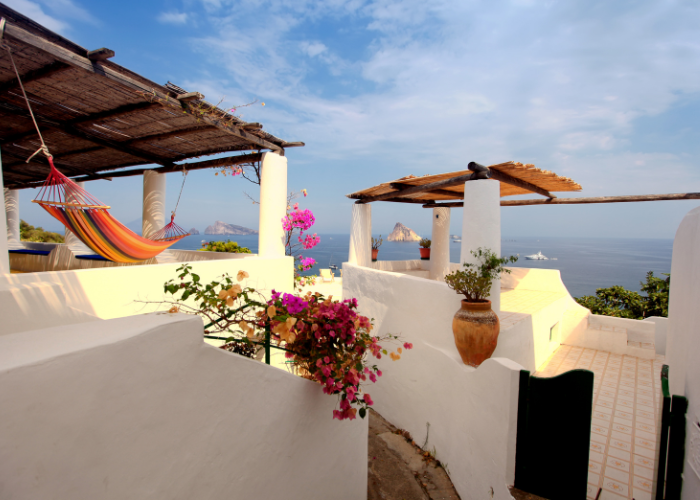
Dolce Vita vibes and seafood dining
At sunset Panarea’s nightlife is chic yet relaxed and much of it takes place on the charming piazza square where locals and visitors mingle over aperitivos and seafood dining, capturing the true Dolce Vita vibe. Panarea’s cuisine is a celebration of Mediterranean seafood from spaghetti with clams to grilled swordfish, and the traditional fish couscous. Pane cunzato is a rustic local bread topped with olive oil, tomatoes, anchovies, and cheese. A simple but unforgettable dish to be enjoyed with a glass of Malvasia delle Lipari, the island’s aromatic sweet white wine.
Prices are lower in May, June, and September
The ideal time to visit Panarea is from late spring to early autumn, which means May through September, when the weather is warm, the sea inviting, and nature in full bloom. July and August are the months to choose for those seeking social vibes while May, June, and September offer a more serene, intimate experience with fewer tourists…and also lower prices.
As Europeans mentally start packing their bags for 2026, Italy is once again high on their wish list. According to Jetcost, Italy is officially the second most searched country by Europeans to welcome the start of 2026, just behind Spain and well ahead of France, Portugal and the UK. Not bad for a country that already spends most of the year hosting everyone else’s holidays.
With flight searches at the end of 2025 up by 10%, staying home in the New Year is not an option, and Italy, with its mild winters, rich cultural calendar, good value hotels and legendary cuisine offers the perfect excuse to escape. The most searched cities are Milan, which is particularly popular with British and Portuguese travellers, while Rome remains everyone’s favourite. Venice continues to enchant with its timeless beauty, and Naples draws visitors with its energy and food.
Southern destinations are also shining. Sicily, especially Catania and Palermo, tempts travellers with lots of sunshine even in winter, while Cagliari keeps Sardinia firmly on the map. Tuscany appeals for citlies like Florence and Pisa, Bologna is high in the rankings, and cities such as Genoa, Bari, Turin and Bolzano complete the picture.
The message is clear: to start 2026 in style the top choice is Italy which can boast more beauty, culture and delicious food than anywhere else on Earth.
 Pamela McCourt Francescone
Executive Editor
Traditional Kosher flavors and heritage
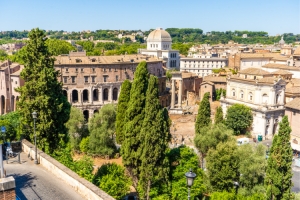
Discover the traditional flavors and heritage of Rome with the first-ever Chalav Yisrael Kosher Food Tour, offered by Rome Kosher Food Tour. Take this tour through the heart of Rome’s historic Jewish Ghetto, which is one of the oldest continuous Jewish communities in the world, on an immersive journey through over 2,000 years of Jewish-Roman history and cuisine.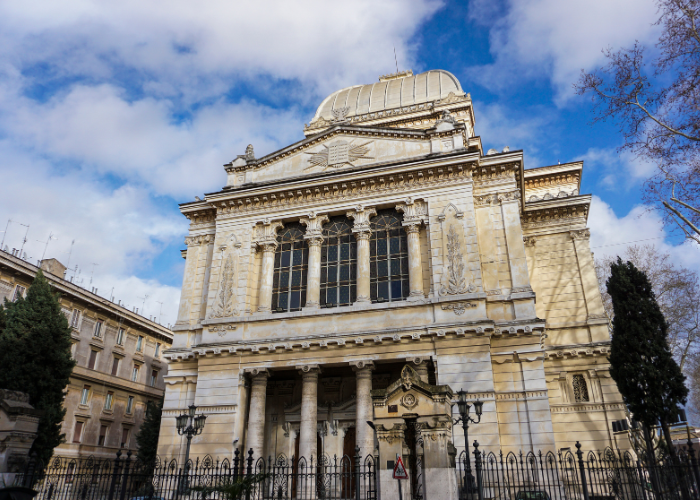
Stopping in local bakeries and restaurants
Guided by experts in Jewish culture and culinary traditions, each tour stop has been carefully selected for its Chalav Yisrael kosher certification and authentic connection to Jewish-Roman life. From local bakeries to hidden trattorias, participants enjoy full tastings of traditional dishes that have been passed down through generations.
Vegetarian and other dietary options
They will be discovering such Roman favourites as Cariofi alla Giudia Jewish-style artichokes which are deep-friend to crisp perfection, and classic Roman pasta dishes like Pasta with Chickpeas, and Pasta with Sardines, as well as desserts like Ricotta and Sour Cherry Tart and the spicy Panpepato fruit and nut cake, all prepared with kosher ingredients. There are also vegetarian and other dietary options to ensure that no one misses out on the experience.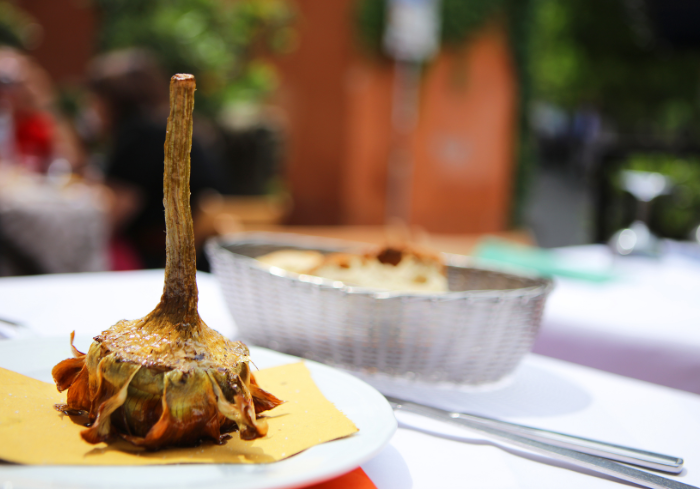
Special pasta-making classes
Beyond the food this tour is a fascinating cultural experience, bringing to life the resilience, creativity, and spirit of Rome’s Jewish community and participants get a digital brochure, listing the stops they have made and encapsulating what they have learned about the many culinary traditions they have encountered along the way. And for those who want to get hands-on, a special pasta master class follows the tour, with a local chef revealing the secrets of kosher pasta which is yet another way to connect with Rome’s Jewish heritage through its age-old culinary traditions. For information: www.romekosherfoodtour.com
A further two million passengers over the New Year
The record was set on the eve of the Christmas holidays, during which Aeroporti di Roma, a Mundys Group company, expects to welcome a further two million travellers from 22 December to 7 January, in addition to the 180,000 expected at Ciampino rome’s second airport. 2025 will therefore close with more than 51 million passengers in total, an increase of more than 4% over 2024, and two million additional transits. The airport serves a network of 240 destinations, and this year 30 new routes were inaugurated to 80 countries around the by a hundred airlines, including six new carriers that chose Fiumicino in 2025. 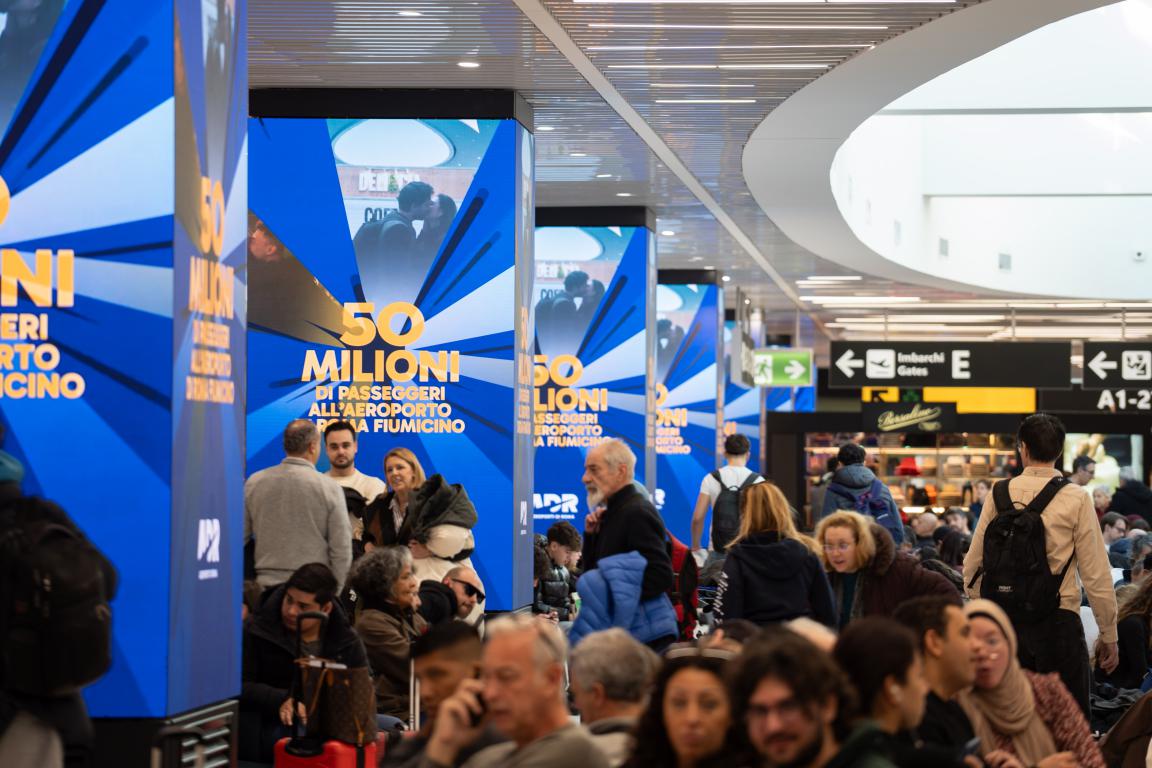
Long-haul was one of the main drivers of growth
"The 50 million passenger milestone is thanks to operational planning, a long-term industrial vision, consistent investments and the work of a great team of people who contribute to consolidating Rome Fiumicino's position as a global hub, - said Marco Troncone, CEO Aeroporti di Roma. -The numbers confirm the role that this starred airport plays for Italy. This record is a further driver in the implementation of our Sustainable Development Plan, designed to guarantee capacity, resilience and sustainability also in the coming decades.” Long-haul confirmed itself as one of the main drivers of growth with North America maintaining its leadership by closing the year with 4.7 million passengers, with summer peaks of 40 daily departures whil in November and December traffic grew by 20% over 2024 and by more than 75% compared to the pre-Covid period.
Strong demand from Asia as Fiumicino is named “Airport of the Year”
Asian movements increased by 16% in 2025, thanks to strong demand to Korea, Japan and Bangladesh and the return of the Cathay Pacific flight from Hong Kong. The short and medium haul market was driven in particularly by carriers such as Wizz Air and easyJet, whlle the entry of Lufthansa into ITA Airways is destined to further consolidate Leonardo da Vinci's role as a reference hub for Southern Europe. Rome’s Fiumicino airport, confirmed for the eighth consecutive time by ACI World as the best airport in Europe and named “Airport of the Year” at the recent International Airport Summit 2025 in Berlin, is a key infrastructure for Italy's international connectivity.
60 contemporary guestrooms
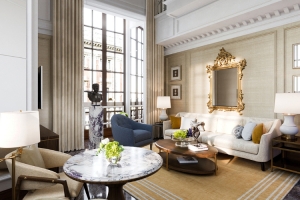
Marking the group's debut in Italy and designed in 1914 by architect Marcello Piacentini, the building has spanned the capital's 20th-century history as an imposing financial headquarters. Acquired by Reuben Brothers in 2019, it now becomes a Corinthia Hotel following a multi-year restoration of its 9,700 sqm on seven levels. Original features such as precious marble, frescoes and carved wood have been preserved and restored, and the interiors by G.A. Design create a style with contemporary and refined details. The hotel has a total of 60 rooms that combine historical charm with contemporary craftsmanship.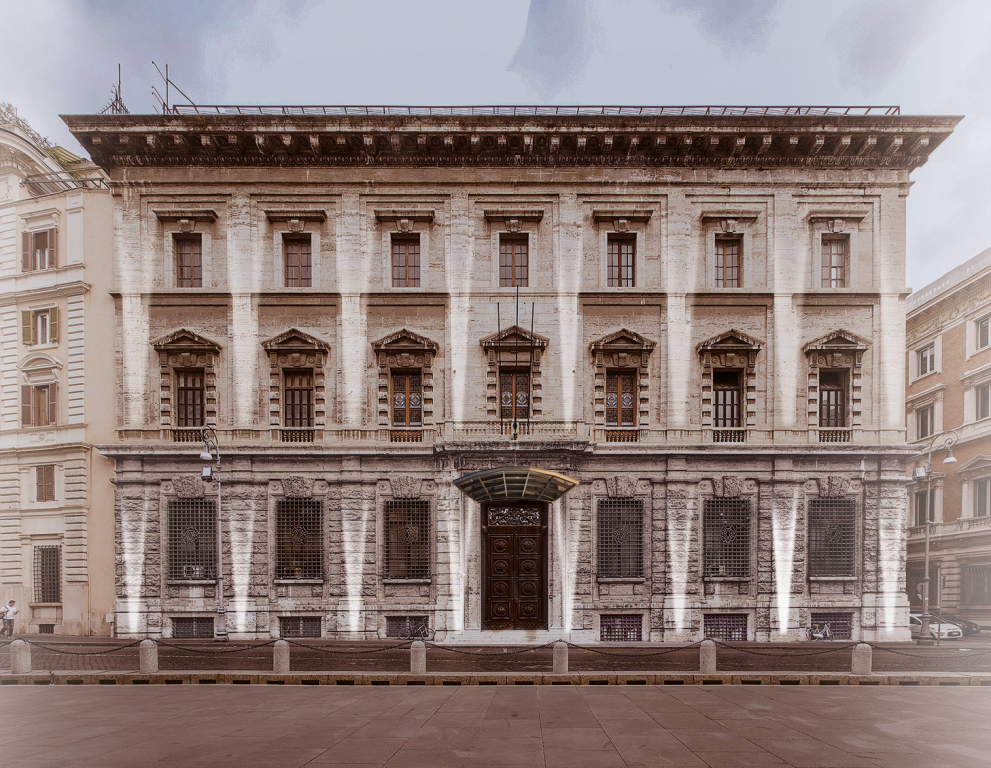
Carlo Cracco’s Rome debut
Corinthia Rome will have 21 suites as well as two restaurants and a bar overlooking an inner courtyard and a spa created from the bank's old vault. This project also marks the arrival of chef Carlo Cracco in Rome, bringing his culinary creativity to the capital for the first time for a collaboration that aims to position the hotel among the new gastronomic excellences in Italy.
“A benchmark for guests and Romans”
The opening is part of the group's global expansion strategy, with recently opened new properties in New York, Brussels and Bucharest. Danilo Zucchetti, managing director of Corinthia Rome, explains: "We look forward to welcoming our guests in the heart of Rome. We are in the centre of a city that is undergoing a remarkable renewal in the hotellerie scene. Our goal is to become a benchmark not only for international guests, but also for Romans, who will find here the art of hospitality in all its forms.
The hotel is right in the centre of Rome
The hotel's location gives guests easy access to the Pantheon, the Spanish Steps and the political centre of Rome. In keeping with the building's original size and architectural style, the 60 rooms and suites are spaciousness with natural light and a perfect balance of restored historical details and contemporary Italian design. Corinthia Rome is commited to celebrating and preserving its cultural heritage, and will offer a selection of original experiences for guests, allowing them to discover new angles of the immense cultural heritage of a city like Rome.
Three weekly Airbus A321neo flights
The new flight, active from 30 March 2026, will be operated with an Airbus A321neo aircraft three times weekly on Mondays, Wednesdays and Fridays, offering Calabrian passengers a direct bridge to the Polish capital, and bringing inbound passengers right into Calabria.
Flights from Sofia, Katowice and Budapest
Wizz Air's development plan in Calabria gets this new route in addition to the four flights already operating at the Calabrian airport: from Sofia, with two weekly flights on Tuesdays and Saturdays, starting from 31 March 2026, and from Katowice, with three weekly flights on Tuesdays, Thursdays and Saturdays, the first flight being scheduled for 31 March 2026; and from Bratislava, with two weekly flights on Mondays and Fridays, with the first flight operating from 14 November. Then there are flights from Budapest, again three times weekly on Tuesdays, Thursdays and Saturdays, with the first flight scheduled for 30 April 2026.
“Focusing on affordable fares and quality standards”
The activation of this new route, the result of the excellent relations and constant work of the airline and SACAL - Calabria's airports management company - aims to give a strong boost to inbound tourism to Calabria, opening the region's doors to new flows of visitors from Central and Eastern Europe. Salvatore Gabriele Imperiale, Corporate Communications Manager of Wizz Air, said: "This new Warsaw route joins the flights already announced - and some already operational - from Bratislava, Sofia, Katowice and Budapest, confirming the ambitious growth project we have in Calabria. Italy is our main market and, thanks to our “Customer First Compass” and a €14 billion investment, we continue to improve the travel experience by focusing on affordable fares and quality standards. Lamezia Terme is an important airport where we intend to continue investing and continuing to grow, and our relationship with SACAL facilitates our expansion as well as improving and expanding mobility for our Calabrian passengers."
“Lamezia Terme Airport is a strategic infrastructure”
Marco Franchini, Sacal's Sole Administrator, said: "With the launch of the Warsaw-Lamezia Terme flights, Wizz Air brings to five the number of routes operating from our airport, consolidating a solid and structured growth path. This new route reinforces the role of Lamezia Terme Airport as a strategic infrastructure, increasingly integrated in European networks, capable of attracting new tourist flows, supporting the local economy and enhancing the extraordinary potential of Calabria as a new and credible opportunity on the European stage, both for tourism and business.”
Further investments are on the way
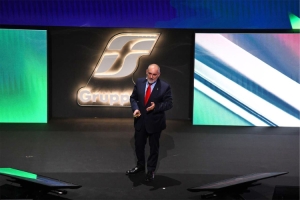
Of these €18 billion some seven billion were for the implementation of the National Recovery and Resilience Plan (PNRR), as highlighted by Stefano Donnarumma, CEO of the FS Group. “These results,’ said the CEO, - are the foundation of the long-term trajectory outlined in the update of the Strategic Plan, which envisages further investments of €177 billion in 2026-2034. Next year we aim to exceed the €18 billion target.”
New infrastructure and modernization of the regional network
In a note, the FS group explained that “the intensity of investments has supported the advancement of the country's main infrastructural works, strengthening of the European corridors, development of the new HS/HC sections, resilience interventions and modernization of the regional network. The increased industrial focus has allowed for more rigorous planning of construction sites, with direct benefits on punctuality and service quality. The PNRR is progressing at a rate of some €7 billion invested over the last 12 months, reaching €18 billion out of the total €25 allocated to the FS group." 2025 was also a turning point in energy management with the creation of FS Energy, the new company dedicated to the group's energy supply and efficiency. “The objective is to reach 19% of the Group's energy consumption covered by renewable sources by 2029 and 40% by 2034.”
Punctuality has improved
With regards to punctuality: “I’m not saying that to increas the punctuality percentage by 10,000 trains is impossible, but it is very difficult. We have done this by cooperating with the group companies on an unprecedented level. The performance of the service has shown significant improvements, with about 3% more punctuality on High Speed, 1% more for Regional trains, and 3% more for Intercity trains, with more than 35,000 trains arriving on schedule in 2025, confirming the effectiveness of the new industrial system.”
Aiming to close 2025 with a positive result
The economic targets set for 2029 of €20 billion in revenues, €3.5 billion in EBITDA and a net result of €500 million, is consistent with the growth trajectory envisaged for the next few years (...) We started with a gap, and then were confirmed. Last year we had to close the budget with a €200 million loss, due to several factors, which we have tried to mitigate with very strong actions, and I believe that we should be able to close 2025 with a positive result.”
Hong Kong-Milan flights three days a week
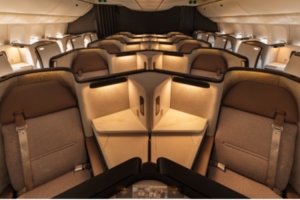
The Hong Kong-Milan flights will initially operate three times a week - Mondays, Wednesdays and Saturdays - with the aim of achieving a daily frequency in the first half of next year. Hong Kong-Milan is Cathay's third European route to receive the new Business Class cabin, which is also available on daily flights from Hong Kong to London Heathrow and Frankfurt. The refurbished Boeing 777-300Er also offers a new Premium Economy cabin and a revamped Economy cabin.
Cathay Pacific: over 15 years in Italy
“Milan is an important city for Cathay Pacific, which we have been serving for more than 15 years.- Brian Tsoi, general manager Europe, Cathay. -With the introduction of the Aria Suite we offer our passengers even more comfort and a travel experience that sets a new standard. Together with the resumption of our summer flights between Hong Kong and Rome in June 2025, this helps underline the importance of the Italian market for Cathay Pacific, and is an important step in further strengthening connections between Hong Hong, Italy and Europe."
A re-imagined cabin experience
The Aria Suite was officially launched in Hong Kong in October last year and has since been in service on flights to London, Sydney, Melbourne, Vancouver and Frankfurt. From 31 December, the new Business Suite will also be available on selected flights between Hong Kong and San Francisco. The Aria Suite is a completely re-imagined cabin experience, combining unprecedented comfort, human-centred design and carefully thought-out functionality. With an even more customizable on-board experience and elegant finishes, the Aria Suite sets new standards for premium travel.
In collaboration with Michelin-starred restaurants
In the Aria Suite, passengers can customize their space to suit their needs be they for relaxing, working or resting; elements such as suite doors for greater privacy, lighting and wireless charging further enhance the in-flight experience. On long-haul flights from Hong Kong, passengers can enjoy a selection of menus developed in collaboration with Michelin-starred restaurants for an authentic experience of Hong Kong's renowned culinary scene.
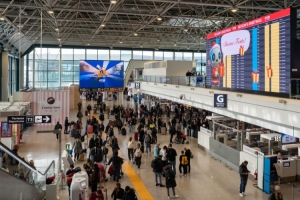
In 2026 Aeroporti di Roma will be on a path of growth and innovation: Ivan Bassato's vision.
5 Skytrax stars, and ACI’s Best Airport in Europe
Consolidation, marked growth, especially on the international front, and a drive for innovation, including AI. These are just some of the issues highlighted by Ivan Bassato, chief aviation officer of ADR, who looks at 2025 as a year that has seen Roma Fiumicino “maintain the 5 Skytrax stars and confirm itself for the eighth consecutive year as ACI’s Best Airport in Europe.”
What 2025 was like for Roma Fiumicino?
"2025 was a year of strong consolidation and growth for Fiumicino, which we expect to surpass the 50 million passenger threshold, confirming us as one of Europe’s main hubs. After a record-breaking 2024 - in which we were the airport with the highest growth among the EU's major airports (+21% vs 2023 and +13% vs 2019) - Fiumicino strengthened its network, which now has some 100 carriers, 80 countries served and more than 230 connected destinations. This year Fiumicino saw the opening of over 30 new routes, including 13 new destinations served directly, including Denver, Mauritius and Minneapolis, and Cathay Pacific's return to Hong Kong, as well as six new carriers choosing to operate on Rome. In the first ten months of the year traffic at Fiumicino grew by 4.4% over 2024, and by +17.3% over to pre-Covid levels, with international traffic being the main growth driver. The cargo sector is also giving us great satisfaction, with Fiumicino establishing itself not only as a logistics benchmark for Central Italy, but also as a new strategic cargo hub within the multi-hub development of Lufthansa Cargo.”
"Of course. Innovation is a fundamental strategic element: our goal is to transform Rome’s two airports into a digital, sustainable and efficient smart city. We have launched an industrial conversion, integrating Artificial Intelligence into the services offered to passengers and in operations. This allows us to improve punctuality, efficiency and the quality of the travel experience, positioning Fiumicino and Ciampino as benchmarks for airport innovation. Thanks to Outsight, we monitor passenger flows in real time, preventing congestion and optimizing space. ADR has also launched its conversational assistant to enhance direct interaction with our users. Regarding operations, to ensure high performance and punctuality, we have implemented tools such as Assaia Apron AI, which monitors aircraft turnaround with computer vision and AI, including the Aeroficial Intelligence platform that tracks aircraft movements in the airspace, runways and taxiways. In addition, there are safety solutions such as Argos AI, which automatically detects FOD (Foreign Object Debris) using cameras and deep learning, and thereby reducing operational risks, and we have a new automatic connection system for boarding bridges.”
The main network and carrier innovations for 2026?
“2026 promises to be a year of further expansion, both on long-haul and European networks. Among the main intercontinental novelties, Qantas will almost double its capacity on the Perth-Rome route, extending the operating period and adding frequencies. In the North American market Alaska Airlines will make its debut with new Seattle-Rome flights, while Delta will operate the same route, confirming the growing demand and the role of Rome as a transatlantic gateway. ITA Airways, with its entry into the Lufthansa group, will further strengthen Fiumicino's position as a southern European hub. There is news also on the European front: easyJet will launch flights from Glasgow and Birmingham, Norwegian will fly from Billund, Lot will add Krakow, while Wizz Air will open new routes from Podgorica and Bratislava."
What's new for passengers on international flights?
"In early summer additional baggage reclaim belts were introduced to T3, as well as new e-gates for passport control. The baggage reclaim area in T1 has not only been given three new belts, but has also been extended with areas available for passengers and operators. Also at T1 two new lounges for premium passengers will be opened by Christmas. A new lounge will also be available at Pier E in 2026. Next year we are also planning a reconfiguration and expansion of the arrivals border area in order to welcome passengers in a newer and more comfortable environment. From 2022, there will be a number of Pet Areas at the airport in both the transit and arrivals and departures areas.”
What changes has the adoption of the Entry-Exit System made at the airport?
"The reorganization of flows in the passport control area is a necessary adjustment to the entry into force of the Entry-Exit System (EES). On 12 October the EES was activated at Roma Fiumicino in advance, with redesigned layouts and flow management methods to allow the acquisition of the biometric and documentary data required by the regulations. We have made 71 EES self-service kiosks operational out of the nearly 200 that ADR installed over three years ago. These are for passengers of non-Schengen nationality in possession of biometric passports and over 12 years of age, the aim being to support the registration process and progressively facilitate the adaptation to the new procedure.”


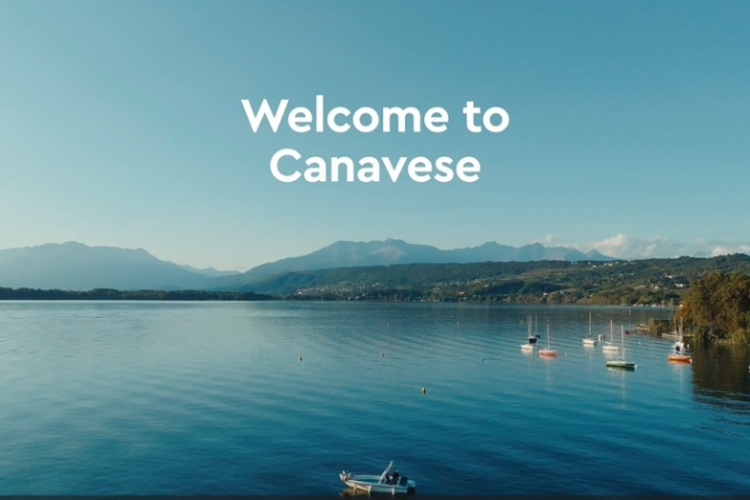
Welcome to Canavese, an unexpected corner of Piedmont where …
844Welcome to Canavese, an unexpected corner of Piedmont where …
844
