







 A city to experience, explore and enjoy
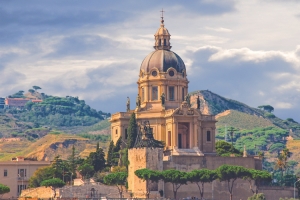
All too often dismissed as “a city of passage,” and long overshadowed by Palermo and Catania, Messina is now positioning itself as the true port of Sicily, a place that blends history, gastronomy, culture, and sea in a uniquely authentic way. “For too long Messina has been the Cinderella of Sicily. Today, thanks to the work we have done, we are the port of Sicily in every sense, not just a place you cross to reach the island, but a place to experience and enjoy,” says Federico Basile, the city’s mayor.
National Geographic named Capo Peloro Italy’s most beautiful beach
Messina recently became the first Italian metropolitan city to receive the coveted Blue Flag for the quality of its waters. Positioned 90 and 60 minutes from the airports of Reggio Calabria and Catania, and with 53 kilometres of beaches, it is the longest city in Italy. Two years ago National Geographic named Capo Peloro, the iconic point where the Ionic and Tyrrhenian seas meet, Italy’s most beautiful beach. The mayor highlights Messina’s strong cultural revival. “We’ve reopened the crypt under the cathedral, restored 20 historic villas and many parks, and we have the largest and world’s most complex astronomical clock.”
New pedestrian areas and cycle paths
But Messina’s rebirth extends beyond heritage. With over €220 million invested in new pedestrian areas, cycle paths, electric transport, concerts and sporting events, the city is fast becoming a dynamic, livable hub. “Messina is no longer a city you pass through - says the mayor - it’s a place where you want to stay.”
A year-end gastronomic festival
Under the slogan “GO! Borderless,” the two cities celebrate cultural unity with more than 400 events, from concerts and art installations to culinary festivals and open-air performances, with the focus on connection, coexistence, and creativity. The year-long celebrations began with the spectacular “From Station to Station” procession of music, theatre and dance that symbolically erased the border. And to year-end “Taste Without Borders” brings together the region’s finest wines and local dishes in a gastronomic festival that perfectly captures the spirit of Gorizia’s cuisine, with Italian flair meeting Central European traditions.
Historic sites like the Parco della Rimembranza
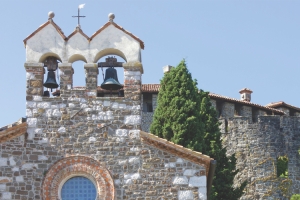
Gorizia is a place where history, art, and gastronomy truly know no borders. The nearest airport is Trieste–Friuli Venezia Giulia Airport, just 30 kilometres away and the new high-speed rail link brings the city closer than ever to Venice, Bologna, Florence and Rome. The medieval Castle of Gorizia dominates the skyline and has panoramic views across the Isonzo Valley. The nearby Parco della Rimembranza park commemorates the fallen of the First World War while, across the invisible border, the peaceful Kostanjevica Monastery and its ancient library will appeal to lovers of culture.
Local delicacies include the ruby-red radicchio
Gorizia’s architecture reflects its Austro-Hungarian past and can be admired in elegant palaces such as the Palazzo del Tribunale, while the local gastronomy echoes that crossroads of influences present throughout the city. Don’t miss the celebrated “Rosa di Gorizia,” a ruby-red radicchio unique to the area, or traditional dishes like “frico,” a cake of cheese, potatoes and onions pan-fried until crispy,“jota,” a bean and sauerkraut soup, and “presnitz” a pastry with nuts, chocolate and spices.
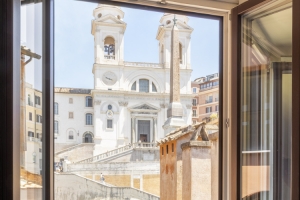
Casa Naman, the newest property of Naman Hotellerie, redefines the Roman residence experience through art, design, and timeless beauty. Designed by the Milanese studio 13.1 Architecture & Decor, founded by Filippo Fiora and Federico Sigali, Casa Naman has transformed an 18th-century palazzo overlooking world-famous Spanish Steps into three private residences of contemporary luxury and quiet splendour.
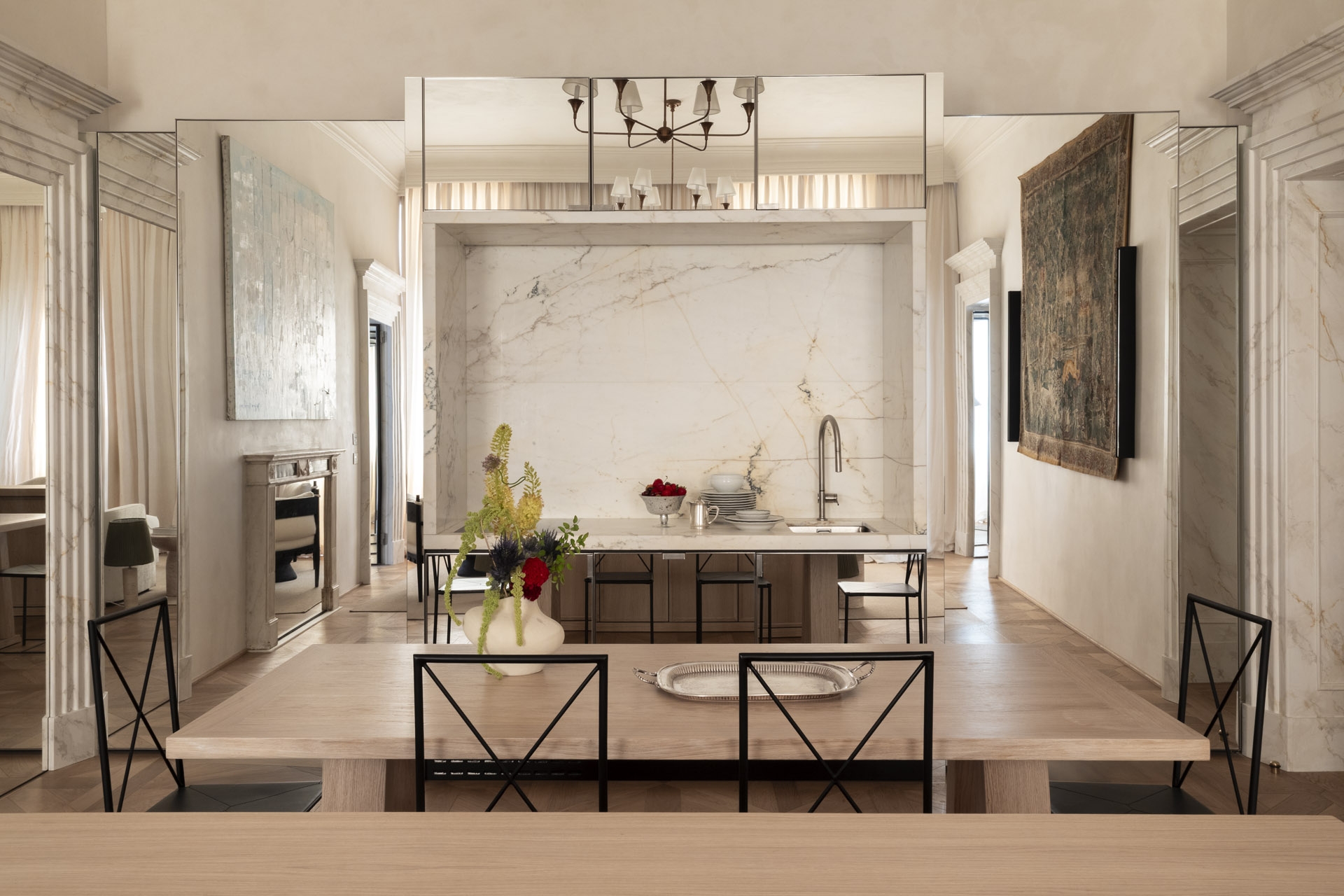
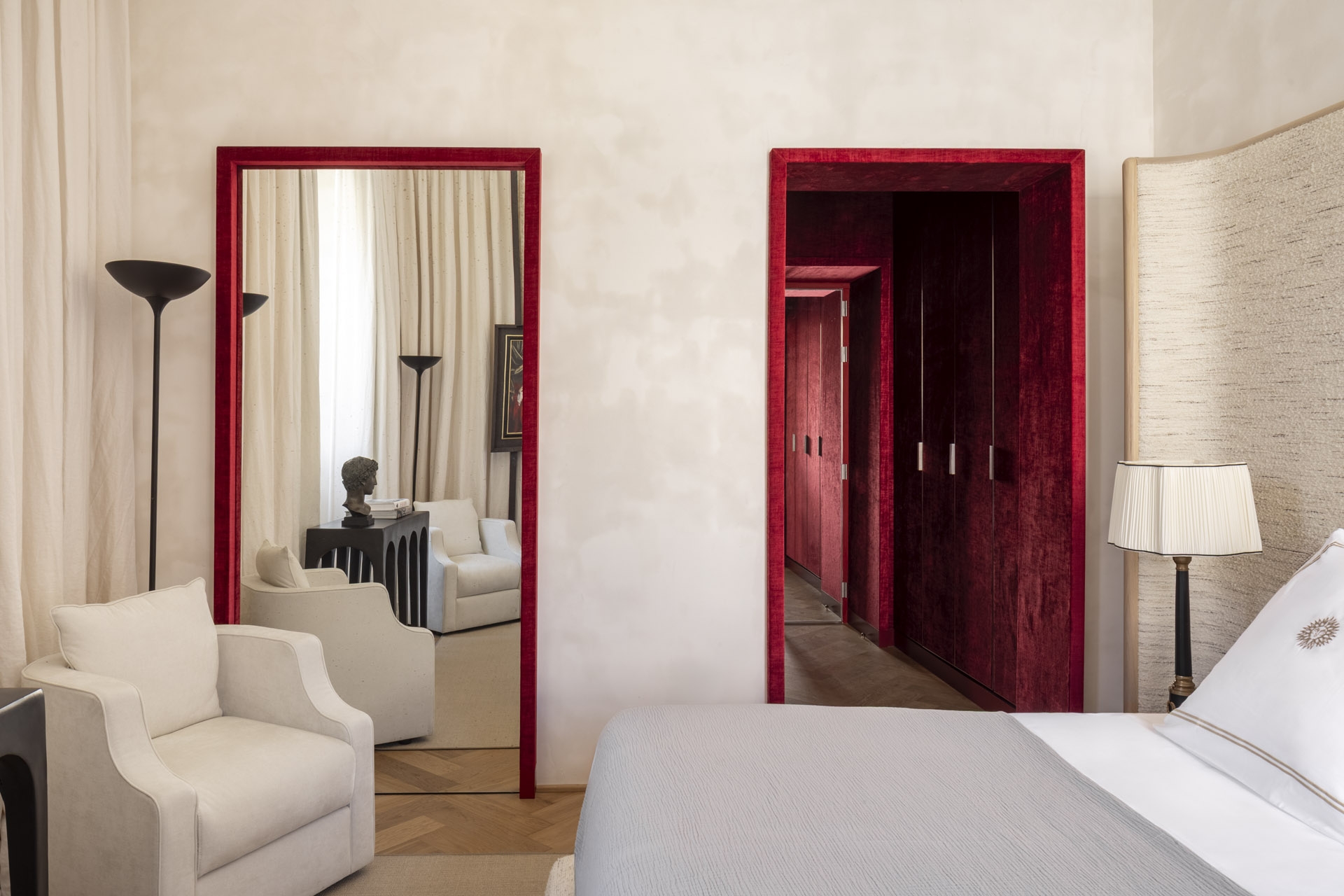
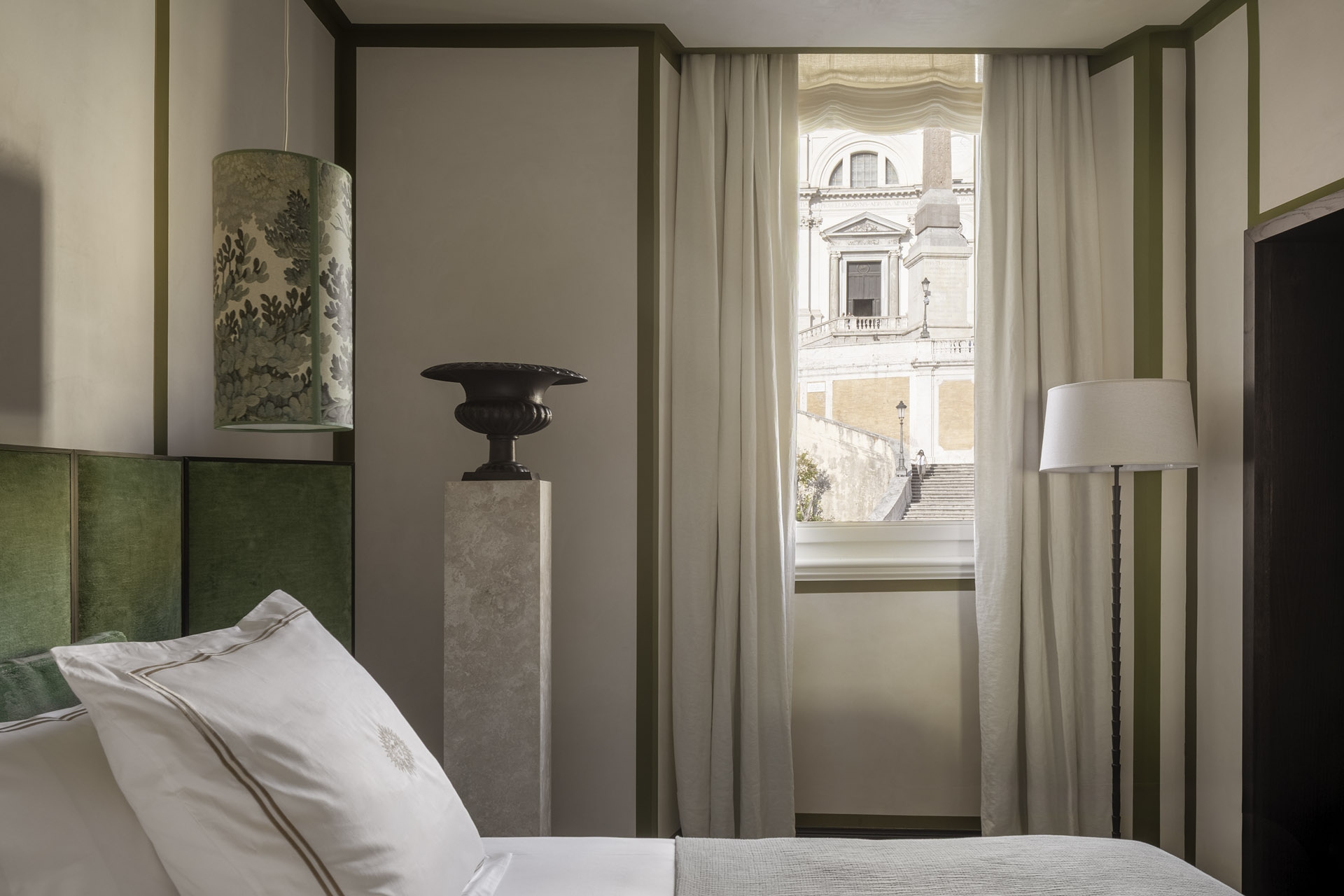
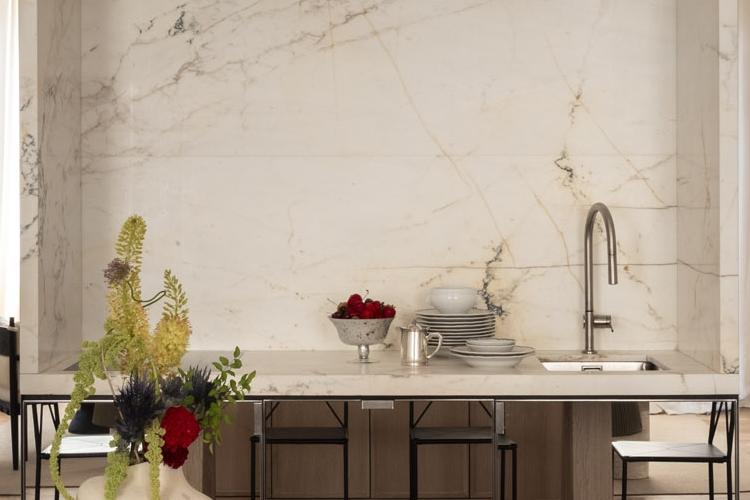
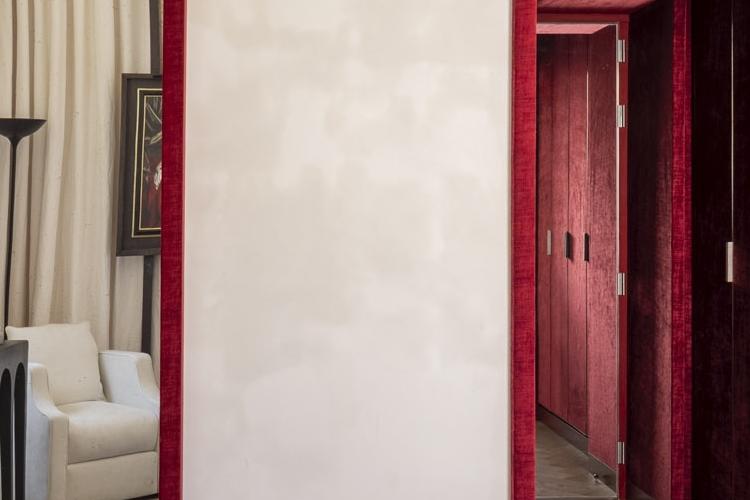
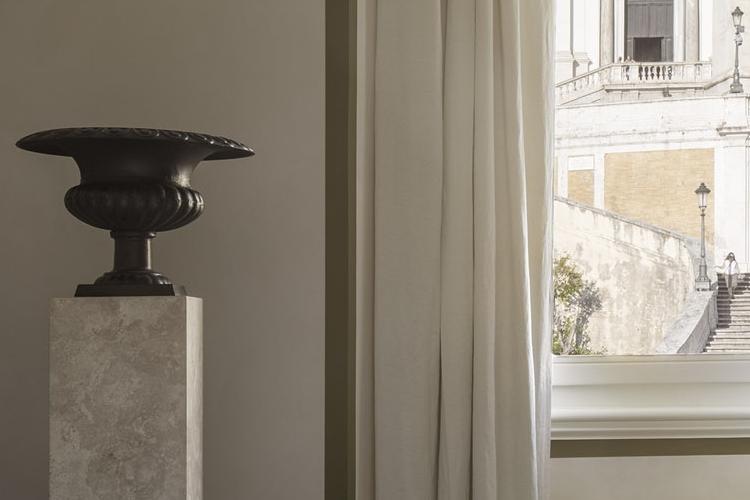
The three apartments of Casa Naman, Janus, Aeneas, and Vesta, each inspired by classical mythology and with a distinctive architectural identity, use natural woods, linen, Italian marbles, and handcrafted furnishings for a refined, sensual, and deeply Roman aesthetic. Janus, a 93sqm apartment for two, blends mirrored surfaces and warm red tones reminiscent of a cardinal’s robes with majestic porphyry columns and antique details, and the small private terrace has an intimate view of the Spanish Steps.
Art collections and views of Trinità dei Monti
Aeneas, at 129sqm, is the grandest of the three. With two sumptuous bedrooms, a luminous living area with mirrored doors, a dining room with a precious 19th-century tapestry, and a curated art collection, it reflects the grandeur of ancient Rome wih modern elegance. Vesta, the smallest at 89sqm is named after the goddess of welcome, and has sloping ceilings, ivory-toned fabrics and marble finishes. It has two bedrooms and an airy living area and views of Trinità dei Monti.
A rooftop loggia with a sauna and Turkish bath
The Otium area, crowned by a panoramic altana rooftop loggia has a 360-degree view over Piazza di Spagna, Trinità dei Monti, and the rooftops of Rome. The sauna and Turkish bath invite quiet reflection and are ideal for yoga at dawn, a leisurely breakfast on the terrace, or simply drinking in the Eternal City from this privileged viewpoint.
Experiencing Rome from its beating heart
Every detail at Casa Naman has been thoughtfully styled to achieve perfect harmony, uniting artistic expression and refined comfort. Custom-designed pieces by Italian artisans, sculptural accents and a palette of cream, ochre, and deep green create living spaces that feel both timeless and intimate and are an invitation to experience Rome to its fullest. For information: www.casanaman.it\com
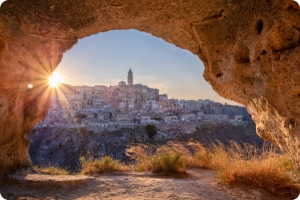
One of the key trends is Hushpitality which is the search for sweet silence and simplicity and nowhere fits this new mindset better than Italy. Beyond the big art cities and tourist hubs, it offers endless possibilities for the whycationer, from the gentle hills of the Marche to the medieval calm of Umbria’s villages, the culinary prowess of Emilia-Romagna, and the quiet coastlines of Calabria and Basilicata, Places where it is possible to slow down, savour local life, and reconnect with oneself and with others.
Many Italian travel professionals have already put this type of experience in their programmes, so 2026 is going to be the year not of getting away, but of coming back to what matters. The whycation is here, and Italy is already leading the way.
 Pamela McCourt Francescone
Executive Editor
Two daily flights from London to Rome
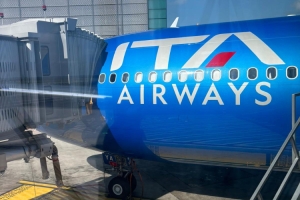
The new flights from London Heathrow to Rome Fiumicino will operate twice a day and, as per tradition, during the high summer season, direct flights will be offered from Rome Fiumicino and Milan Linate to the most popular tourist destinations in Greece, Spain and the Italian islands.
Meeting the changing needs of travellers around the world
In a note Lufthansa states that “ITA Airways” detailed summer schedule will be published at a later date (...). Throughout the summer season ITA Airways will continue to work hard to expand connections to and from the Rome Fiumicino hub, while offering Italian hospitality, style, innovation and connectivity to meet the changing needs of travellers around the world.”
Lufthansa Group's summer 2026
The Lufthansa Group's Summer 2026 flights are already available for booking, with new intercontinental and European destinations and numerous frequency increases for Lufthansa Airlines, Discover Airlines, Austrian Airlines, Swiss International Air Lines, Brussels Airlines, Edelweiss and ITA Airways. Next year, more than 14,000 weekly flights will be operated to and from 330 destinations in some 100 countries via hubs in Germany, Switzerland, Austria, Belgium and Italy.
The new stops launched on 16 October
The new stops in Graz, Villach and Klagenfurt, and the cities of Lugano and Zurich made their debuts from 16 October. And Croatia is also new with the addition of Rijeka and new tourist destinations and business cities connected to the whole of Italy will be added to the international destinations already served such as Ljubljana, Zagreb, Chambéry and Lyon.
Connecting to any Italian cities
There will be four daily serves to Zurich and Lugano (connected to Italian cities such as Milan, Como, Rome, Naples, Caserta, Florence, Siena, Bologna, Modena, Parma and Piacenza); four also for Rijeka (connected with Turin, Milan, Bergamo, Verona, Padua, Venice, Trieste, Florence, Rome, Bologna, Ferrara, Naples, Caserta and Salerno), two for Klagenfurt (reachable from Rome, Siena, Florence, Bologna, Padua, Venice and Udine), four for Graz (with departures and arrivals from Naples, Rome, Florence, Bologna, Ferrara, Padua, Venice, Trieste and Ljubljana) and two for Villach (connected with Rome, Siena, Florence, Bologna, Ferrara, Venice, Padua and Udine).
Intermodality is growing fast
Thanks to the Italo train plus Itabus bus intermodality, the Austrian destinations of Graz, Klagenfurt and Villach will also be served by the multimodal train plus bus connection, with the convenience of a single ticket valid for both means of transport. It will be possible to arrive by train as far as Venice Mestre railway station and from there board the connecting Itabus, or vice versa to reach Italy with Itabus (as far as Mestre) and then continue the journey with the connected Italo train.
“We are studying new destinations in Europe”
“We continue to expand our foreign network in order to offer an ever more extensive and widespread network to our travellers,- said CEO Francesco Fiore. Having consolidated the offer in Italy, we are now investing heavily in international destinations. A new step that will not be the last, as we are already studying new destinations in Europe for the near future.” Currently the company has 100 buses, and serves 112 cities in Italy
Simplifying and enriching the travel experience
An intermodal, fluid and digital travel experience: this is the goal of the renewed partnership between Trenitalia (Gruppo FS) and SkyTeam, the global alliance of 18 airlines. The Memorandum of Understanding signed last June consolidates a strategic collaboration focused on technological innovation and aimed at simplifying and enriching the travel experience.
An integrated digital platform for purchasing tickets
Over recent days the top management of the two companies have shared the next steps for the evolution of the intermodal project. Thanks to an integrated digital platform passengers will be able to purchase air and train tickets, to and from Italy, directly from the SkyTeam member airline's website, with a single payment and simplified management of the entire itinerary. The system will make it possible to book the complete journey – from the departure city to the final destination - with a seamless travel experience.
Award points on both flights and trains
The digital platform will also allow the customer to enter the code of the loyalty programme to which they are registered at the time of purchase. In this way CartaFreccia members will be able to accumulate award points on flights of airlines that are part of the SkyTeam alliance. This is thanks to an agreement with Trenitalia on intermodal tickets, while SkyTeam members will be able to accumulate miles when travelling on Trenitalia Frecce high-speed trains in connection with the airlines.
Access to railway lounges and other benefits
Trenitalia and SkyTeam further aim at providing exclusive benefits for CartaFreccia Platinum and Gold members and SkyTeam Elite and Elite Plus customers. These will include access to airport and rail lounges as well as access to a range of exclusive benefits throughout their intermodal journey. Trenitalia confirms its commitment to intermodality and sustainability, offering trains to 26 Italian airports and over 130 domestic destinations thanks to the 270 daily services of Frecciarossa which is also present in Spain and France.
Water dispensers past security checks
The airports are associated with Assaeroporti, and departing passengers will be able to refill their water bottles and flasks free of charge once they have passed the security barriers. In addition to the airports of Rome Fiumicino, Milan Malpensa and Linate, Naples, Venice, Bologna, Verona, Cagliari, Turin, Olbia, Alghero and Treviso - where the special dispensers are already active – “numerous others have been added to the list of airports that have implemented or are perfecting the installation of the dispensers,” says a note from the association.
Benefitting the environment and the community
“Refill points have been activated in the airports of Bergamo, Palermo and Cuneo, while by the end of the year they will also be present in Catania, Pisa, Florence, Trieste, Trapani, Pescara, Rimini, Comiso and Salerno, further extending national coverage. With different modalities but always at no cost to travellers, the airports of Genoa and Grosseto will also guarantee access to drinking water airside.” The initiative, Assaeroporti concludes, aims to improve the travel experience for passengers and contribute to the reduction of single-use plastic; a concrete action with benefits for the environment and the community, for increasingly sustainable and traveller-friendly airports.
This move from Kel 12 is in response to the increasingly clear need of the international market: to experience Italy in an authentic, profound and personal way. The project takes shape from a clear strategic vision: it is no longer enough to visit a place, today the real luxury is to live it, to enter it on tiptoe, to be surprised, to capture its soul.
Italy at its most authentic and treasured
"The Italian Journey is designed for culturally curious and attentive travellers who wish to discover Italy in an authentic and personal way. They could be here for the first time and are looking for something outside the usual tourist circuits. Then there are those who are returning to explore lesser-known aspects of Italy through tailor-made experiences, built with craftsmanship,- says Enrica Cazzin, sales manager of The Italian Journey. - This is Italy at its most authentic and treasured, which is revealed little by little, through thematic itineraries, authentic encounters and places that tell stories. Each trip is tailor-made, intimate, unrepeatable and tailored to the needs of the individual traveller. Our vision blends expertise, elegance, and a profound passion for the territory.”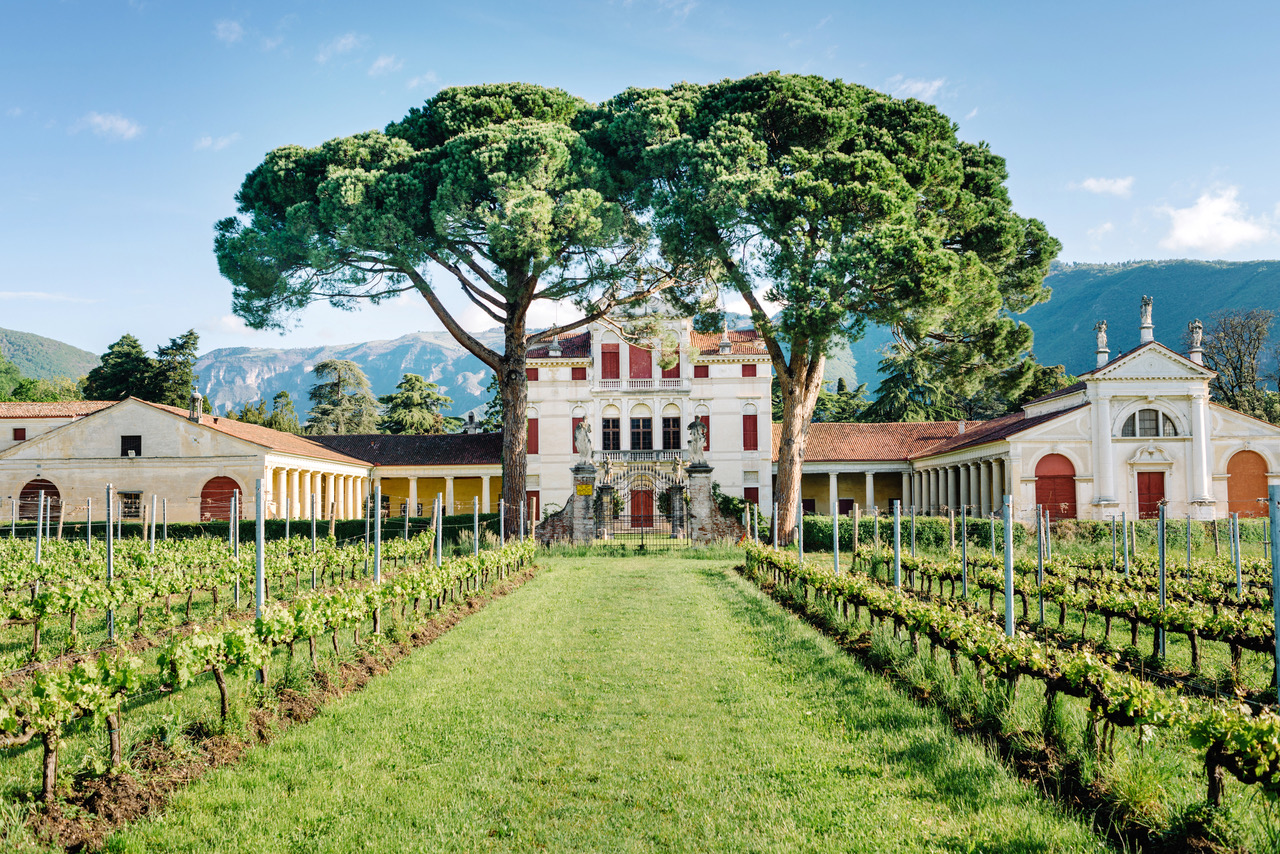
“There are no standard packages”
“Each itinerary is built around the traveller. There are no standard packages, they are customized, modelled on individual passions and interests. For The Italian Journey true luxury means fulfilling the traveller's desires and creating unique itineraries, with attention to detail: from the careful selection of suppliers to the quality of specialized guides, designing a journey paced to measure. The experiences are authentic and unrepeatable, designed to encourage encounters with the locals and their culture.” Then there is the dedicated conciergerie service: a discreet but constant presence, always ready to assist, advise, change a programme in a hurry, find a table for dinner or turn a new desire into an opportunity.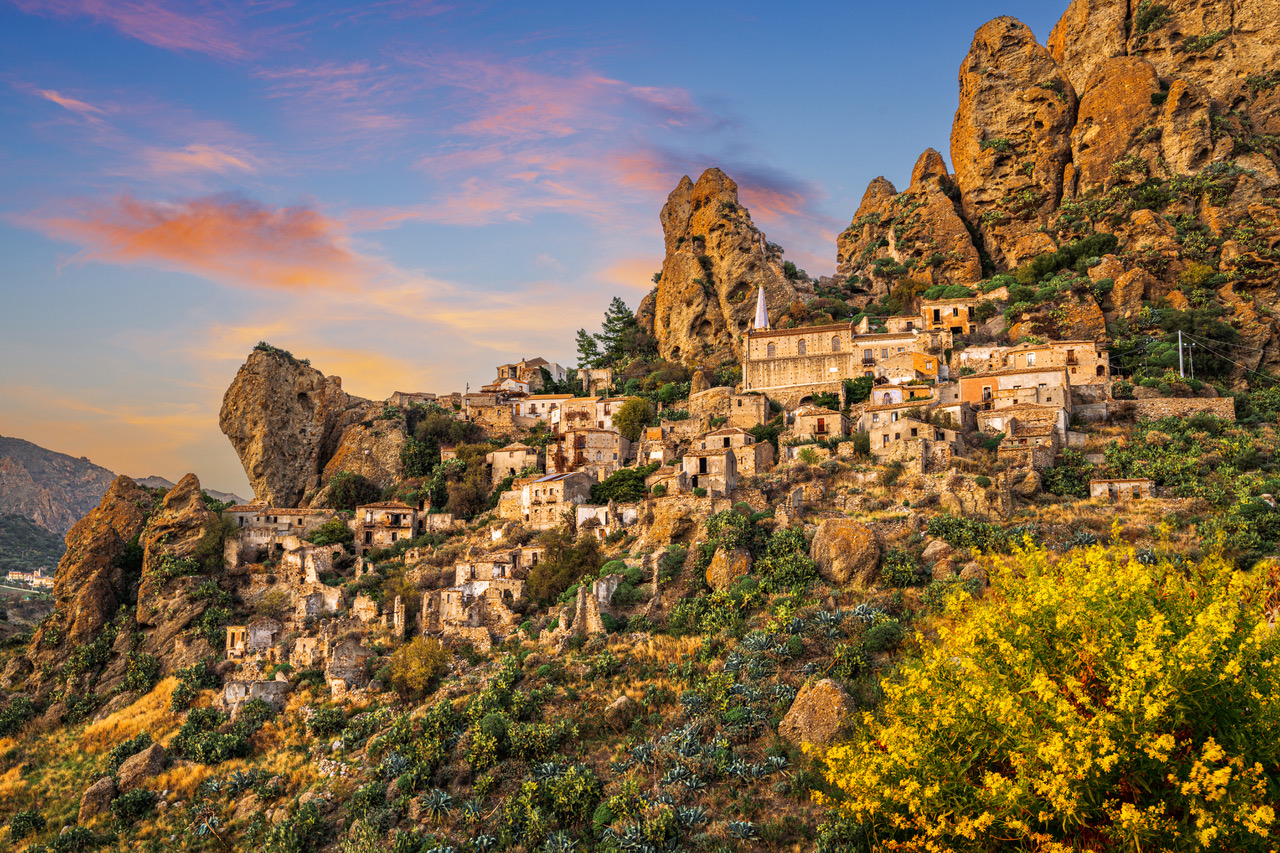
Rail travel becomes an integral part of the journey
The Italian Journey also offers itineraries that prioritize train travel reducing the environmental impact, enhancing slow mobility and allowing you to observe the landscape in an authentic way. Rail becomes an integral part of the journey, making it possible to discover lesser-known areas and easily reach historic towns and villages, while encouraging a sustainable approach, consistent with Kel 12's commitment to The Italian Journey.
Capturing the biometric data of non-EU and Schengen citizens
These new rules will provide for the use of the new digital Entry/Exit System (EES), which captures the biometric data of non-EU and Schengen citizens. EES digitally records entries and exits, as well as passport data, fingerprints and facial images of non-EU citizens (excluding those from Iceland, Lichtenstein, Norway and Switzerland) travelling for short stays in the EU Member States and the Schengen area. The system, the European Council explains, will “strengthen the security of the Schengen area and contribute to the prevention of irregular migration”: by digitally recording passport information and biometric data, it “can provide real-time information on compliance with the period of authorized stay”, as well as helping to “significantly reduce” identity fraud.
Milan and Rome are the first airports
However, EES will be implemented gradually, between now and 9 April 2026. In Italy, the first airports to start with the new control systems in test form are Milan - both Linate and Malpensa - and Rome Fiumicino: electronic systems to detect fingerprints are being tested in these airports. They are followed by the ports of Civitavecchia and Genoa. The gradual entry of the system envisages that from 20 October checks will be carried out at all airports with a quota of 10% of passengers in transit at the borders, a percentage that will rise to 100% by 9 April. The system covers non-EU travellers staying for up to 90 days in a 180-day period each year for short holidays, business trips and cross-border travel in the Schengen area.
In 2026 it will be the turn of ETIAS
The year 2026 will bring further novelties for travellers in Europe: from next year on, the European Travel Information and Authorization System (ETIAS) will come into force, Known as the Euro visa, to obtain it, it is necessary to register before travelling. In this case, it will be necessary to apply for the authorization online before leaving for Europe, paying €20 and it will remain valid for three years, or until your passport expires (minors under 18 and the over 70s are exempt from payment).



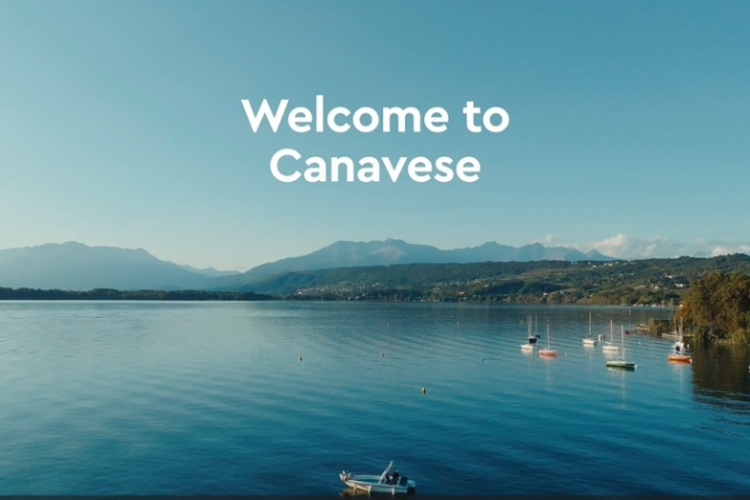
Welcome to Canavese, an unexpected corner of Piedmont where …
255Welcome to Canavese, an unexpected corner of Piedmont where …
255
