



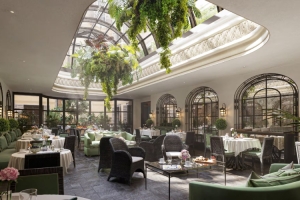


Tourism as a source of value
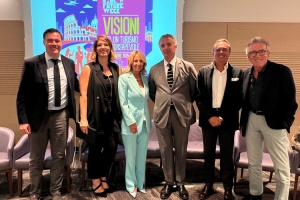
The day started with a discussion focused on issues facing iconic destinations like Rome - from managing flows and expectations to balancing competitiveness, sustainability, and culture. The panel of speakers offered complementary perspectives outlining the shared vision that tourism cannot be seen just as the movement of people, but as a source of value for communities, territories, and businesses.
Hotels as cultural hubs and community partners
Opening the conversation, Giacomo Guzzardi, general manager of Le Méridien Visconti Rome, and Palazzo Scanderbeg Marriott International, underlined the evolving role of hotels as not only places to stay, but also cultural hubs and community partners. This vision was echoed by Paolo Giuntarelli of Regione Lazio, who stressed the importance of getting visitors to stay longer and guiding them beyond traditional circuits into lesser-known areas, with itineraries liked to culture, sport, and local identity. Belinda Bortolan, founder of BortolanCarnevali & Partners, highlighted the need for coherent storytelling, while Davide Desario of AdnKronos reminded participants of the media’s role in shaping perceptions. 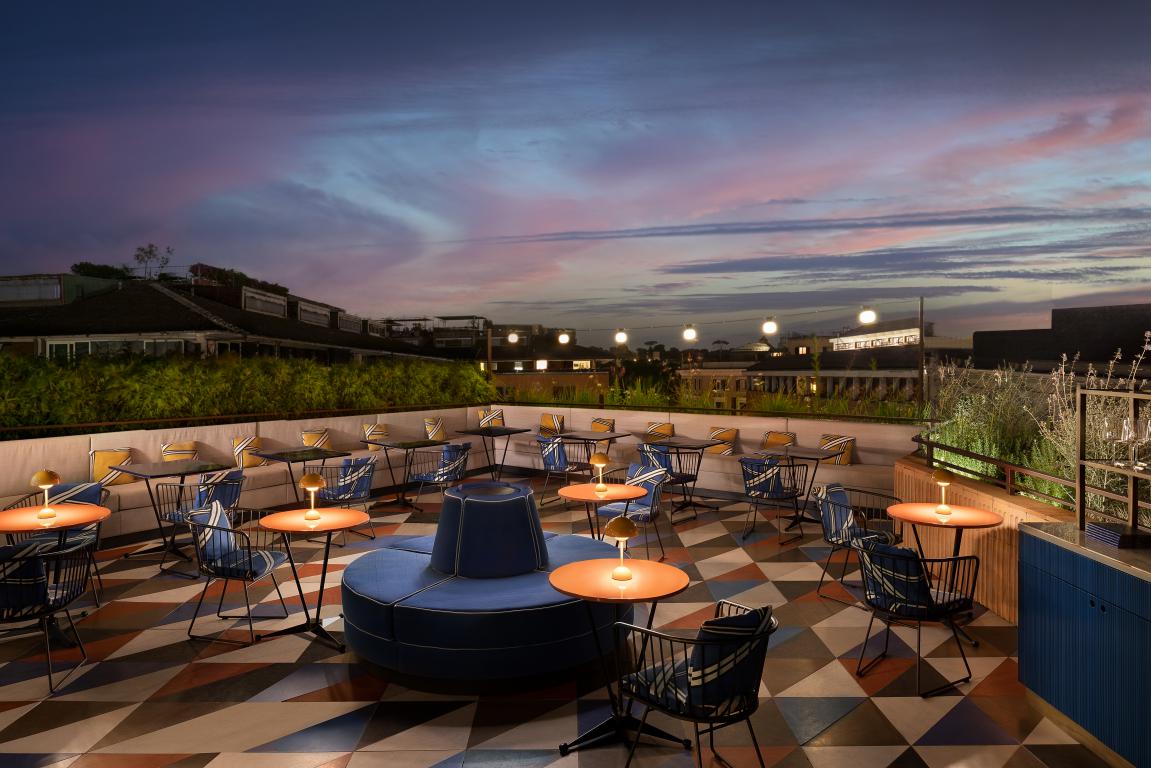
Revitalizing forgotten assets
Other voices enriched the debate with Daniele Manetti of Sojern pointing to the role of data and AI in managing flows and measuring impact, while Alberto Acciari, President of Tevere Day, showed how revitalizing forgotten assets such as the Tiber river can generate new forms of sustainable attraction. Concluding, journalist Claudiana Di Cesare stressed that sustainability, culture, skills, and innovation are not distinct paths, but integrated pillars on which the tourism of tomorrow will be built.
A privileged position in a seaside village
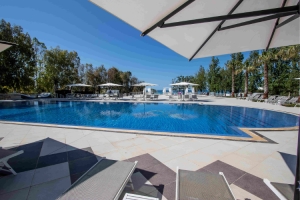
Le Dune Resort, BW Signature Collection is an elegant 4-star seafront hotel, located in Porto Palo di Menfi, an enchanting seaside village on the south-western coast of Sicily. With its golden beaches, crystal-clear sea and authentic atmosphere it is one of the most popular seaside resorts in the region. The hotel has 52 rooms, from Standard Rooms that are comfortable and ideal for a relaxing stay to Junior Suites which are spacious and perfect for families or groups of friends. Thanks to its privileged location and exclusive services the hotel is the ideal choice for spending relaxing moments immersed in the beauty of Sicily.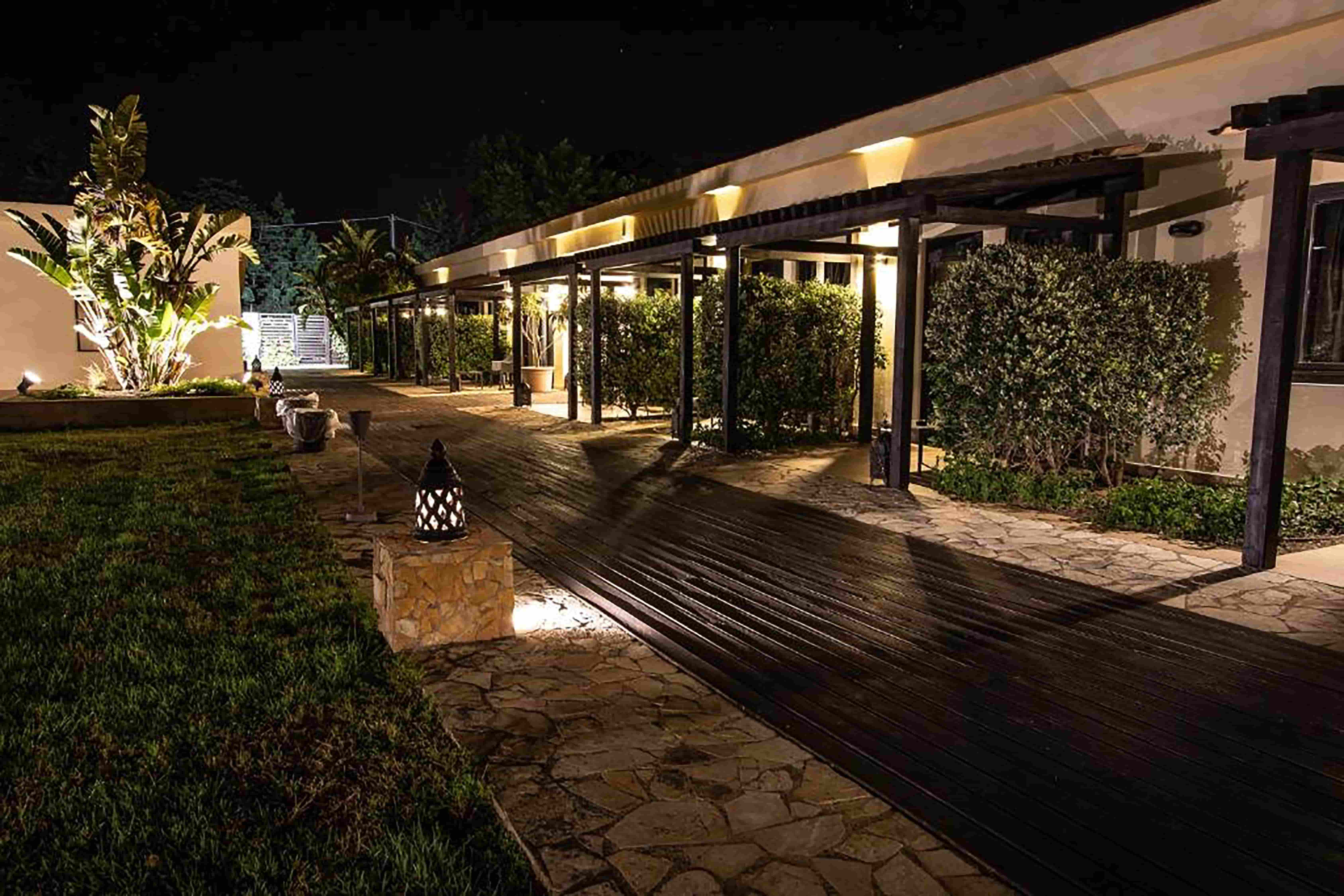
“Bringing our vision of hospitality also to Sicily”
"We are pleased to consolidate our collaboration with BWH Hotels Italia & Malta with the entry of Le Dune Resort into the Signature Collection by Best Western brand. After the affiliation of the Hotel Centrale in Tirano, we enthusiastically entrust a second structure to BWH, bringing our vision of hospitality also to Sicily. With the summer season just around the corner, we are ready to welcome travellers with exclusive services and an authentic atmosphere that enhances the charm of the destination," said Andrea Sangiani, owner of the Saint Jane Hotels & Suites Group.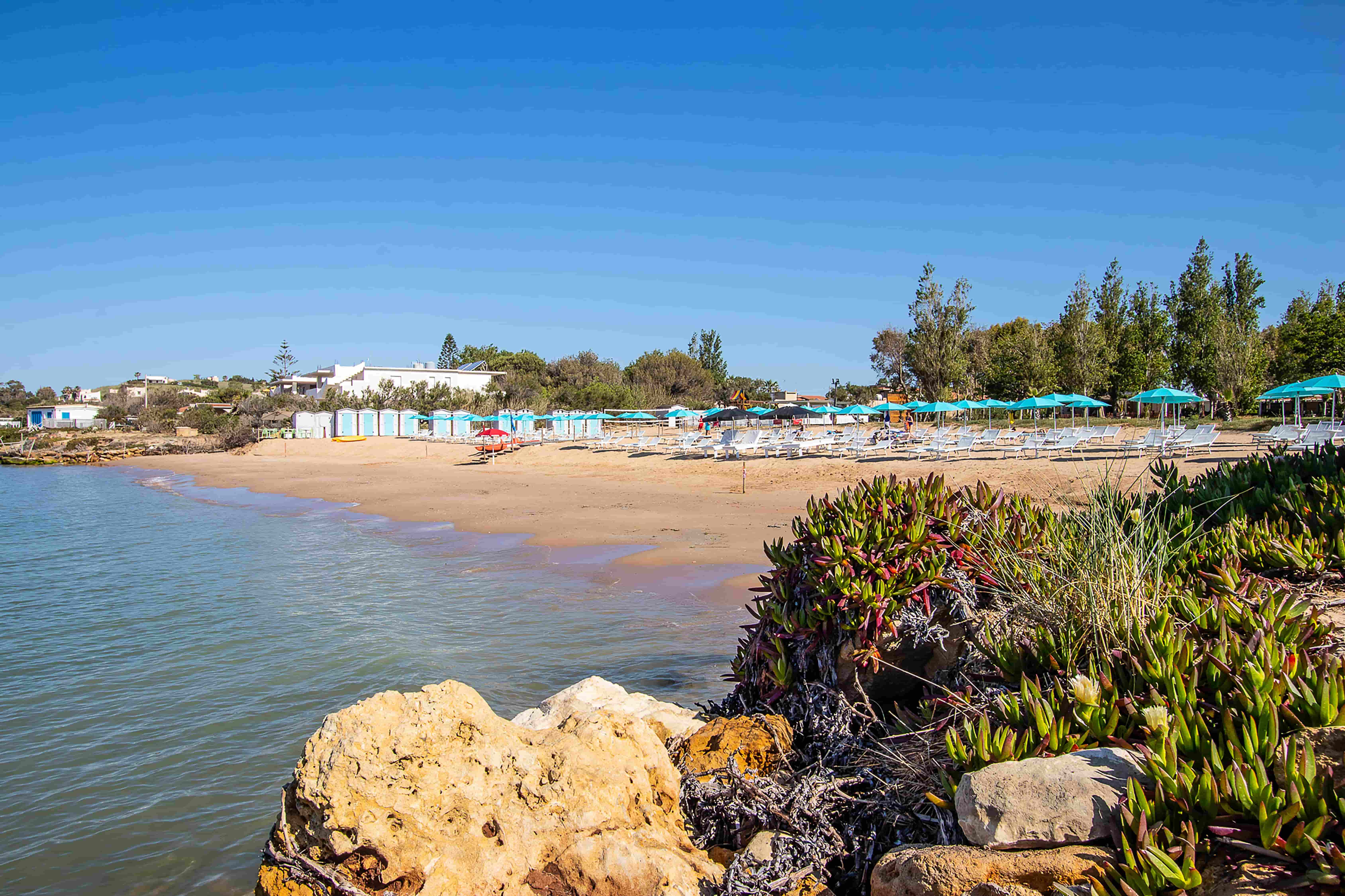
There are 11 BHW hotels in Sicily
Fabrizio Doria, chief development officer of BWH Hotels Italia & Malta, also welcomed the news. "The entry of Le Dune Resort into our network further strengthens our collaboration with the Saint Jane Group, confirming our trust in the brand. With this new property we reach a total of 11 hotels in Sicily. Signature Collection by Best Western is a brand that enhances the identity of each hotel and Le Dune Resort perfectly embodies this philosophy, offering an authentic and quality stay in one of the most fascinating locations in the region. We are proud to continue this journey together and to contribute to the enhancement of Porto Palo di Menfi as a destination of excellence.”
Wellness and fun facilities for adults and children
Le Dune Resort offers a wide range of services designed to guarantee comfort and relaxation to its guests. The restaurant offers refined cuisine that enhances local flavours, for wellness and fun there is a large swimming pool for adults and one for children, as well as Jacuzzis. The children's area has games and a mini club while the private beach is easily accessible. Guests can also take advantage of spaces designed for leisure time, such as the bar, solarium and fitness area, while those who want outdoor sports activities can try their hand at beach volleyball. The hotel also has an indoor and outdoor car park, and for those seeking an even more exclusive service, a massage area for a total wellness experience and an airport shuttle service for easy travel are available on request.
A promotional and marketing website
The aim is to offer an increasingly experiential, rejuvenating and sustainable experience, and at the heart of the strategy is the work is a consortium of local companies which is responsible for managing the promotional and marketing website for the destination. The portal, integrated with the official destination website, serves as a booking platform for accommodation facilities and local tourist experiences, promoting a range of themed offerings from green tourism to wellness, and from cycling to culture.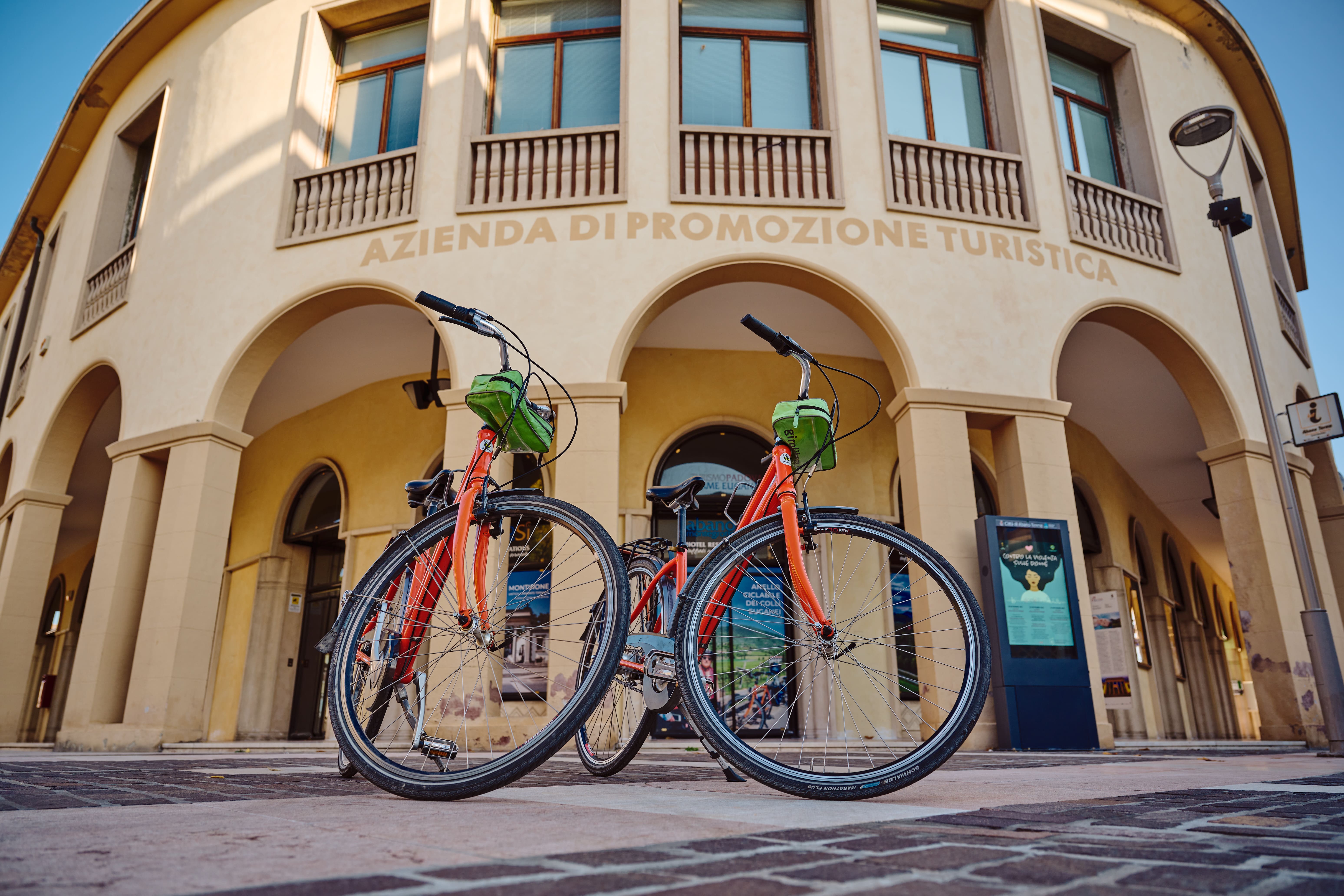 AbanoPadova CVBureau
Launch of the Discover Abano tours
The Discover Abano project, launched in April is a series of guided tours in Italian and German designed to tell the story of the city, its thermal heritage and its urban cultural heritage. The tours include stops at the thermal pools and meetings with local businesses and take place every Thursday until mid-June, resuming in September. Cultural activities include temporary exhibitions, with the “Women Power” has already attracting some 3,000 visitors in a month. Abano has an efficient IAT office, open 365 days a year, which not only provides valuable information to tourists, but also promotes and markets the tourist experiences offered by local operators, including those in the hospitality sector.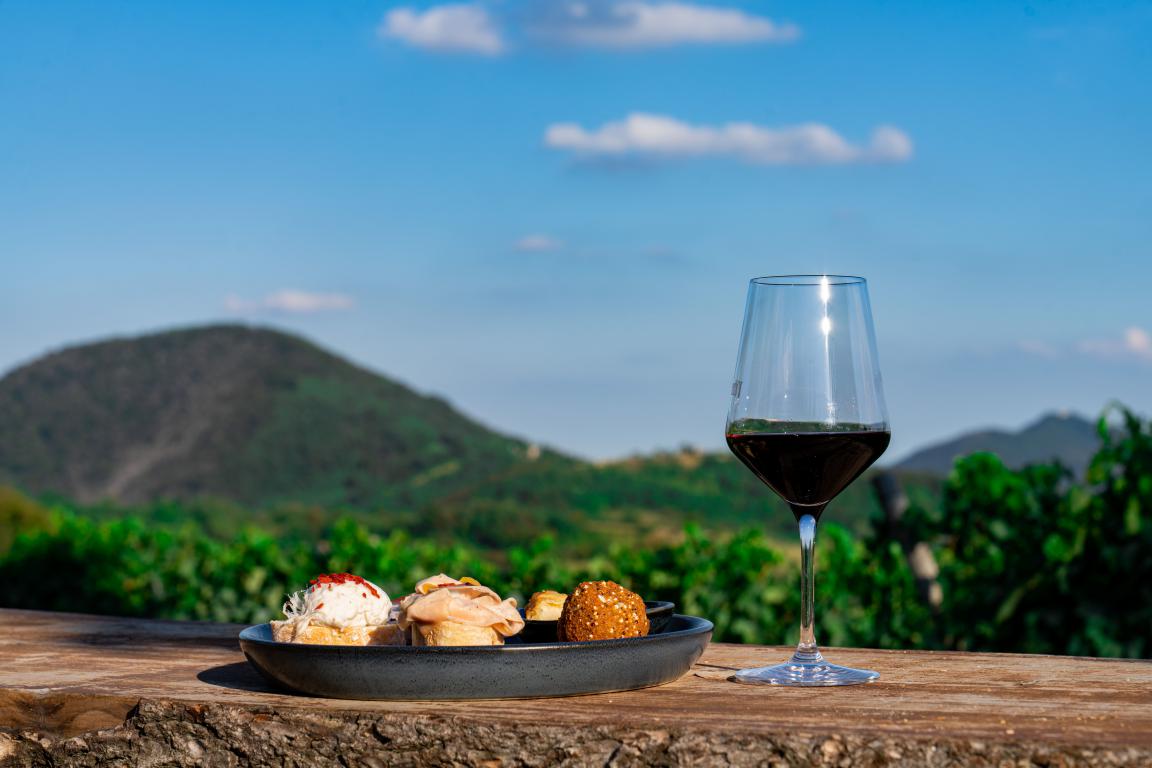 AbanoPadova CVBureau
Activation of an accommodation intelligence platform
All accommodation facilities equipped with management software can now access the platform provided by Hbenchmark and offered free of charge thanks to the synergy with the Padua Chamber of Commerce: an advanced accommodation intelligence analysis tool that enables tourism planning based on predictive and historical data The Municipality of Abano thus confirms its vision: to build an intergenerational, sustainable and authentic tourist destination, capable of integrating tradition and innovation to attract contemporary travellers. For information: www.experienceabanomontegrotto.com.
Tropea embodies the best of Italian coastal life
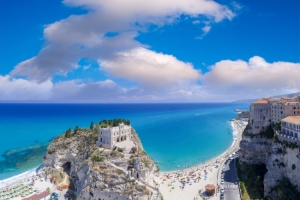
Dramatic cliffs meet the azure waters of the Tyrrhenian Sea on the Calabrian coast and, perched high above this stunning Southern Italian coastline, the little town of Tropea offers a blend of natural beauty, history, and the laid-back rhythm of Italian coastal life. Calabria, with its 485 miles of coastline and two seas, the Tyrrhenian and Ionian, is a region of contrasts, and Tropea is its crown jewel. 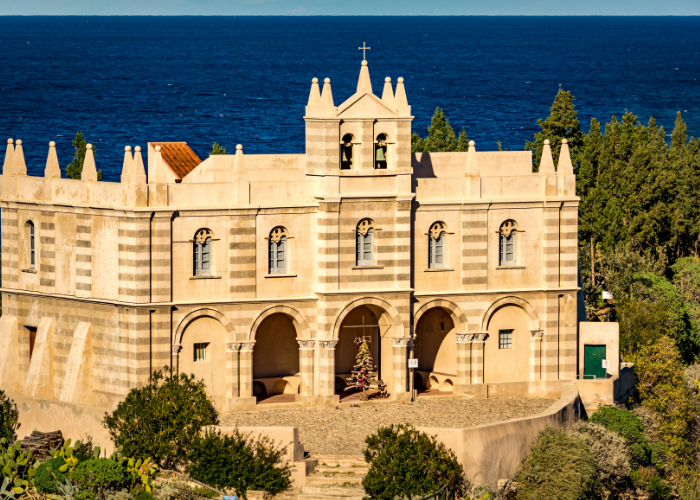
Lamezia Terme’s airport is just an hour away
Tropea is accessible by train or car, with the nearest major airport in Lamezia Terme just an hour away. The old historic center is a tangle of cobbled streets, ancient buildings, and panoramic views of the coastline. At its heart stands the Sanctuary of Santa Maria dell’Isola, an iconic monastery built on a rocky promontory. The sanctuary, surrounded by lush gardens, offers views that seem to stretch to infinity, with the sparkling sea and the distant Aeolian Islands as its backdrop. Tropea’s beaches – the Marina dell’Isola and Spiaggia della Rotonda are two of the most popular - have soft white sands and crystalline waters that are framed by rugged cliffs. 
Local seafood, onions and spicy salami
Tropea reflects the best of the Calabria region which has a rich landscape with three mountain ranges and several national parks, hiking trails through pristine forests, waterfalls, and ancient villages. The region is also known for its bold, rustic cuisine, and Tropea’s signature red onions, which are sweet and mild, are a staple in dishes ranging from salads to savory jams. Another local favourite is ‘Nduja, a spicy, spreadable pork salami flavored with Calabrian chili. Local seafood, fresh from the Tyrrhenian Sea, features prominently on menus, and should be accompanied by the simple but charming local wines.
Day trips to nearby islands and to a volcano
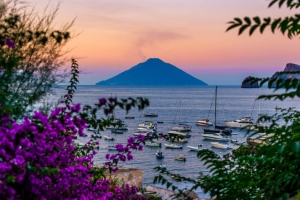
Exciting day excursions include the Capo Vaticano cape with its stunning beaches that are perfect for snorkeling, diving, and hiking. Boat tours explore hidden coves, grottos, the nearby Aeolian Islands and Stromboli, which has black sand beaches and impressive lava flows from its active volcano known as the “Lighthouse of the Mediterranean.”
Last-minute bookings are on the rise
The inbound tour operator focuses on the Spanish and French markets but is now also reaching out to the United States and South America. “Increasingly international markets are moving according to last-minute logic,- says general manager, Julian Zappalà. - This means that we work with a constant flow of requests, but with an increasingly smaller schedule than in the past. The traditional season runs from April to October, but we manage to extend it from March until November, with occasional peaks even in December.”
“A growing demand for customization and quality”
The outlook for the future is positive. "Demand is moving towards experientiality which means towards a less standardized product and more immersive content. There is a growing demand for customization and quality. There is also an increasing focus on sustainability, a commitment that we are consciously embracing. Among the other most evident trends are a wider seasonality, smaller groups and the demand for more flexible stays.”
A 9-day Sicilian tour with luxury accommodation
"Next year we are launching some new features for our regular tours. There is a new 9-day Sicilian Secrets, destined for the French market. It will feature the Palermo/Catania route and will be available from May to October to discover authentic Sicily. We will also be launching, as part of the Sicilian Secrets Collection series, the Unique Tour of Sicily for the UK market. This is a 9-day itinerary of Sicily aimed at small groups. It moves at a more relaxed pace and has luxury accommodation and exclusive experiences tailored for more mature travellers. These new projects will continue to be complemented by tailor-made products for all customer needs.”
Tickets are already on sale
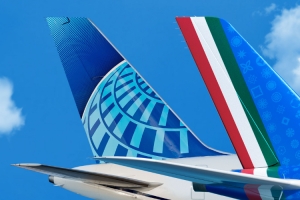
The agreement is part of the carrier's strategy to grow its long-haul connections and the number of intercontinental destinations that can be reached from its Rome Fiumicino hub. The aim being to seize the opportunities offered by growing markets, and meet the demand of an increasingly international clientele
“Consolidating our presence in the US market”
"The codeshare agreement with United Airlines represents a significant step in our network expansion strategy towards new intercontinental destinations,- said Joerg Eberhart, CEO and General Manager ITA Airways. -Thanks to this partnership we are consolidating our presence in the US market - the second most important after the domestic market – allowing passengers to reach further destinations in the US through the connections offered by our new partner, United Airlines. And we will be happy to carry American passengers to Italian and international destinations on our flights to and from Rome Fiumicino.”
Greater connectivity and a smoother travel experience
This step is part of a broader path of growth in international markets, which will culminate with ITA's entry into Star Alliance, scheduled for 2026, following its integration into the Lufthansa Group." United has been serving Italy for more than 33 years, and today operates direct flights to Rome, Milan, Naples, Venice and Palermo from the United States,- said Patrick Quayle, SVP global network planning and alliances United Airlines. -Ita Airways and United share a commitment to offer our customers more choices, more destinations and more opportunities to explore - and with this new loyalty and codeshare partnership, they will benefit from even greater connectivity and a smoother travel experience.
Connecting flights throughout Italy and Europe
Passengers will be able to earn and redeem points in their respective frequent flyer programmes, Volare and MileagePlus, and will also be able to access lounges depending on their tier. United Airlines passengers will further see their travel opportunities amplified not only in Italy- where they will be able to take advantage of connecting flights to visit cities like Bari, Bologna, Florence, Catania and Turin, to name only a few - but also in Europe and beyond including, for example, Athens, Amsterdam, Malta and Munich.
 “A peak of 180,000 passengers a day”
Catania Airport’s key role in the Mediterranean
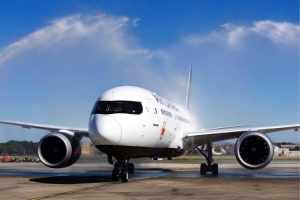
With three flights a week throughout the summer season, the new route will make it even easier for visitors from Canada and North America to discover the beauty of Sicily, while offering Sicilian travellers direct access to one of Canada's most dynamic metropolises. With this new route, Catania Airport confirms its key role among Mediterranean airports by responding to the growing demand for direct connections between major international destinations and Italy.
Positioning Sicily as a leading international destination
“The new Catania-Montreal route is a strategic step for our airport and for the entire region, - said Nico Torrisi, CEO of Sac. -This direct flight will consolidate relations between Sicily and Canada, enhancing the cultural relations that have always united the two communities. Air Canada's arrival in Catania will not only contribute to increasing tourist flows, attracting travellers interested in experiencing our island, but will also offer new opportunities for economic development for local businesses looking to the Canadian and North American markets. This operation, which follows the activation of the Catania-New York route by Delta Air Lines, once again confirms the international vocation of Catania Airport, capable of successfully attracting first-class global partners. With great enthusiasm we welcome this new collaboration that marks a further step forward in the positioning of Sicily as a leading international destination".
“The only airline to operate scheduled services from Canada to Sicily and Majorca”
The Catania launch is part of the Canadian carrier's broader investment in expanding its network for summer 2026, as Majorca will also be reachable from Montréal. “Air Canada is the first Canadian carrier to operate direct flights to these two coveted Mediterranean destinations; the only airline to operate scheduled services from Canada to Sicily and Majorca,’ said Mark Galardo, Air Canada's executive VP and chief commercial officer.
An extra 8 weeks of Perth-Rome flights
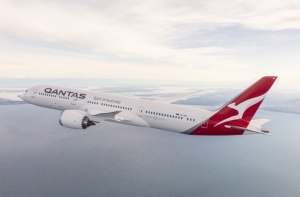
This extension of seasonal operations come with the addition of an extra weekly frequency, which will almost double the airline’s capacity by 2026. The route from Australia to Italy - operated exclusively by the Australian carrier - will therefore operate for an extra eight weeks. Traditionally operating from mid-June to the beginning of October, the connections will now be available from 3 May until 22 October, covering the period that marks the transition from autumn to Australian spring.
Over 70,000 passengers since June 2022
The extension will be accompanied by an increase in weekly frequencies, which will increase from three to four, from 28 June to 27 September 2026, with the introduction of a flight that departs on Sundays, for a total of more than 40 additional flights and 10,000 extra seats between Italy and Australia. To date, since the route opened in June 2022, Qantas has carried more than 70,000 passengers between the two countries. The route is operated with the Boeing 787-9 Dreamliner, configured with 236 seats in Business, Premium Economy and Economy cabins.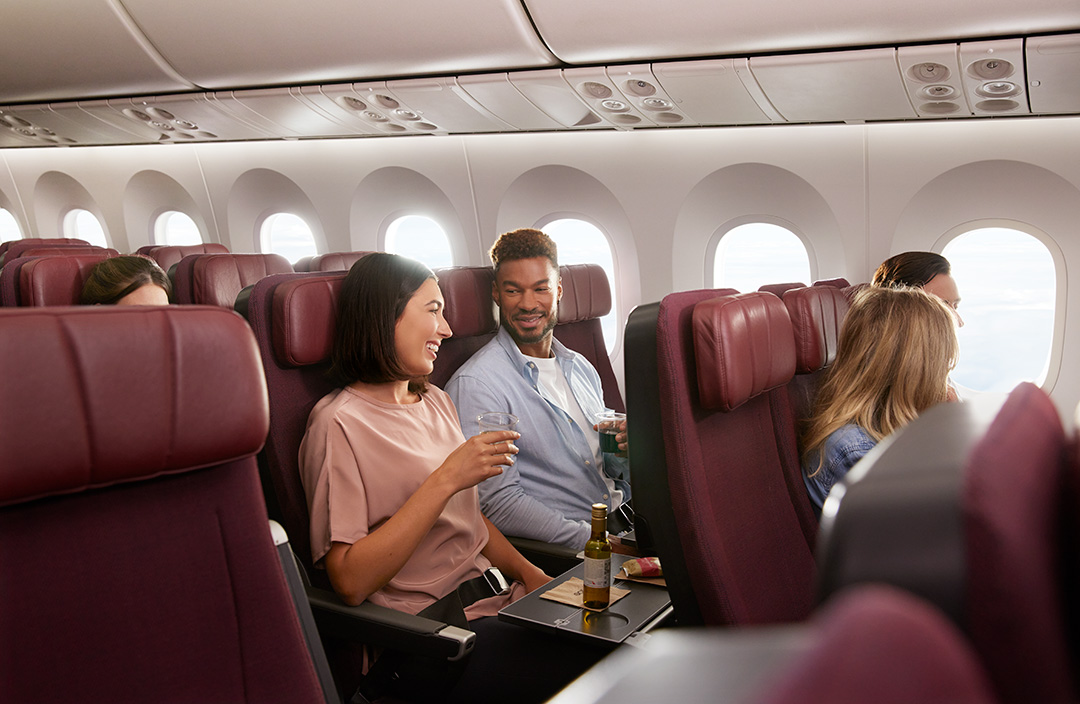
Exploring Perth and Western Australia
“With more non-stop flights and a longer operating season, it has never been easier for Italians to travel from and to Australia,- says Cam Wallace, CEO Qantas International. - Once in Perth, customers can explore the sights and attractions of Western Australia or continue seamlessly to other destinations thanks to our extensive network of domestic flights." "The extension of the operating season and the increased frequency of Qantas' non-stop flights between Perth and Rome confirm the success of this iconic connection and the strong attractiveness of Fiumicino as a gateway to Italy and the rest of Europe - adds Ivan Bassato, chief aviation officer of Aeroporti di Roma. -We would like to thank Qantas for the trust placed in our airport and for the constant cooperation, which allows us to further strengthen the direct bridge with Australia, to the benefit of long-haul connectivity, tourism and cultural and economic exchanges."
Rocco Forte Hotels' second 16th property
Following the opening of Rocco Forte House Milano in 2024, the Group is thus consolidating its presence in the city and continuing its growth in Italy. This will be the brand's sixteenth international property and comes at the end of a major five-year renovation by interior designers Philip Vergeylen and Paolo Moschino in collaboration with Olga Polizzi, the group's design director.
In the heart of Milan’s Fashion District
The choice of the name, The Carlton, pays homage to the tradition of hospitality that attributed to it the highest expression of excellence in service and attention to detail, which are expressed here in a contemporary key. Strategically located in the heart of the Fashion District, The Carlton Milano boasts a dual location, at 5 Via Senato and 8 Via della Spiga, and has 71 rooms and suites. The culinary offer, helmed by chef Fulvio Pierangelini, is an oasis in the dynamic Milanese context and includes a winter garden, a cocktail bar and a restaurant with a dehors overlooking the private garden.
A spa, gym and hairdressing salon
To crown the guest services the Irene Forte Spa introduces the brand's nature-inspired rituals and longevity programmes to the Lombard capital. The space dedicated to wellness also includes a gym, wet and relaxation areas, and treatment and beauty rooms adjacent to the hairdressing salon.



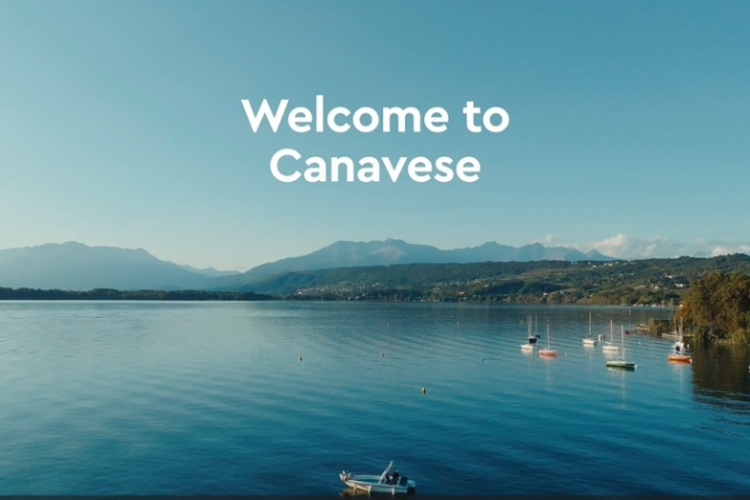
Welcome to Canavese, an unexpected corner of Piedmont where …
255Welcome to Canavese, an unexpected corner of Piedmont where …
255
