


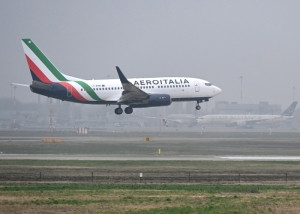


The main change concerns the Trieste–Salerno route, which is increasing from the current two to three weekly flights, operating on Mondays, Fridays and Sundays. In November and during the Christmas period, the schedule will be further expanded to four weekly flights, with the introduction of an additional flight on Saturdays.
The expansion of this route is particularly significant in view of the closure of Naples Airport in November 2026, thereby providing a direct air link between the north-east and Campania. During the Christmas holidays Aeroitalia is also expanding its services from Trieste to Sardinia, with special flights to Olbia and Alghero, offering passengers further travel opportunities over the festive period. The Trieste–Olbia route will operate on 24 and 30 December, and 2 and 6 January, and the Trieste–Alghero route will operate on 23, 26 and 29 December and 4 January.
Since 1 July 2026, Aeroitalia has been operating the Trieste–Milan Linate route as part of the territorial continuity scheme, with a timetable that makes it easy to organize same-day return journeys. The route is attracting growing interest, standing out for its high levels of punctuality and regularity, and is gradually establishing itself as a strategic link for travel between Friuli Venezia Giulia and Milan.
“We are pleased with the partnership we have established with Aeroitalia and the gradual consolidation of its presence at Trieste Airport. The increase in flight frequencies to Salerno and the special timetable for flights to Alghero and Olbia during the Christmas period further expand travel opportunities for our passengers. We are also pleased with the service provided by the airline on the route to Milan Linate, a vital route for our region, and on which we hope to see further growth in demand in the coming months,” says Fabio Gallo, Trieste Airport's chief executive.
“The increase in flight frequencies to Salerno and the introduction of special services to Olbia and Alghero over the Christmas period provide a concrete response to the region’s travel needs, offering passengers more convenient and flexible travel options,- adds Gaetano Intrieri, Aeroitalia's CEO. At the same time the service to Milan Linate, which forms part of our territorial continuity network, is of great value to us, designed to ensure efficient connections to a key hub for the country. We will continue to work, in collaboration with Trieste Airport, to develop an increasingly comprehensive service that meets the needs of travellers.”
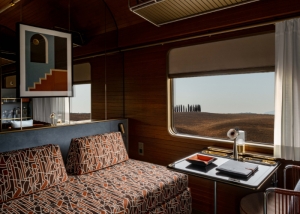
At the heart of every itinerary lies the belief that the journey can be just as extraordinary as the destination. Guests are thus invited to rediscover a slower, more immersive way of travelling, in which the rhythm of the train, the landscape outside and the pleasure of the journey become an integral part of the experience. Rome, Portofino, Venice and Tuscany are the stops on "From the Eternal City to the glamour of the Riviera, via Florence and La Serenissima." The itinerary takes in some of Italy’s most evocative scenery, with each stop showcasing a different facet of the country’s identity. From Rome, the train heads north towards Portofino and then Venice, and from the lagoon, the route finally leads to Florence.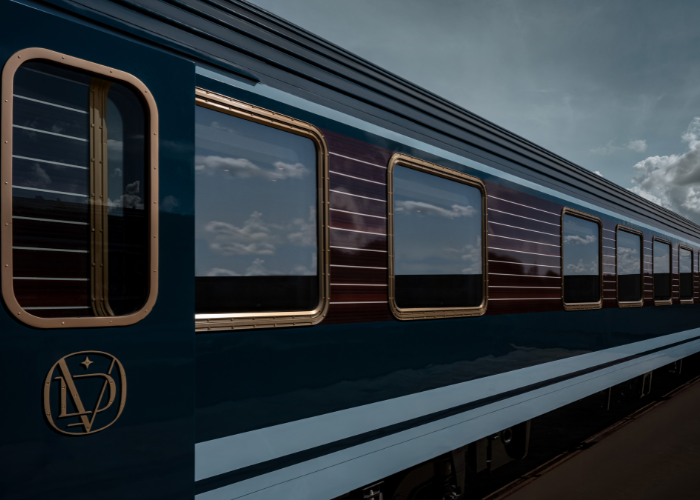 Photo Credits Mr.Tripper
Bolgheri and Verona, meanwhile, are the stops on “The Italian Wine Route,” which celebrates the country’s winemaking tradition stopping at Bolgheri and Verona, two destinations where exceptional terroir, gastronomy and centuries of tradition come together. Alba and the treasures of Piedmont feature on “The Truffle Route, which takes the La Dolce Vita Orient Express to Alba, in the heart of the Langhe. As well as truffles, the journey winds through the Langhe hills, where vineyards, historic villages and the famous Barolo and Barbaresco wines showcase the richness and refinement of Piedmont’s food and wine culture.
Finally, from Rome to Venice via the vineyards of Bolgheri, the journey follows the changing Italian landscape, from the Tuscan countryside to the timeless beauty of the Venetian lagoon. With these new itineraries, La Dolce Vita Orient Express invites travellers to discover Italy from a different perspective: not merely reaching a destination, but savouring the landscapes, flavours and moments that unfold along the journey.
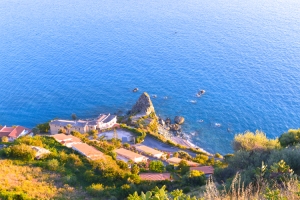
Beyond Calabria’s best-known tourist routes lies Amantea, a Tyrrhenian coastal town where sandy beaches, centuries of history, local flavours and spectacular views can be explored and enjoyed away from the crowds. Yet Amantea is more than a seaside destination: it is a town of two distinct personalities, from the lively modern town along the coast to the atmospheric old town rising dramatically up the hillside.
The historic centre, known as Amantea Vecchia, is a maze of narrow alleys, stone stairways, ancient buildings and quiet squares. Climbing up towards the medieval castle ruins the views open across terracotta rooftops and the blue Tyrrhenian Sea. Historic churches, traditional houses and unexpected viewpoints reveal a place best discovered slowly, on foot, enjoying the unfolding seascape.
Down on the waterfront Amantea retains a strong local identity, with fishing traditions, religious celebrations and a welcoming atmosphere that reflects the character of Calabria. The coastline can boast clear waters and long stretches of sand, while the surrounding hills provide a beautiful backdrop. Food is central to the experience with handmade pasta, fresh fish, cured meats, local cheeses such as caciocavallo, and the celebrated bucconotto di Amantea, a small traditional pastry filled with sweet preserves or chocolate. Chilli peppers, locally grown olives, sun-ripened tomatoes and extra-virgin olive oil bring bold Mediterranean flavours to even the simplest dishes.
Some150 kilometres away in neighbouring Campania, the UNESCO-listed archaeological site of Paestum and Velia, together with the Certosa di Padula and the Cilento and Vallo di Diano area become a journey through Mediterranean history. Paestum’s monumental Greek temples and Velia’s ancient ruins reveal the region’s classical heritage, while the surrounding landscapes combine archaeological treasures with remarkable natural beauty.
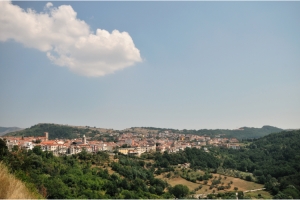
Because, if there is one Italian region international travellers have yet to truly discover, it could well be Molise. Agnone is a small mountain town in Upper Molise, surrounded by forests and spectacular Apennine landscapes. It is a place to slow down, explore a genuinely lived-in historic centre, eat well and discover traditions few international visitors get to experience. Pescara Airport is 70 kilometres away and Naples Airport, a hub for international flights, is about 100 kilometres distant.
Agnone’s charm is quiet: historic streets, stone doorways, old palaces, churches and small cafés where locals gather. The town is famous for its bell-making tradition and the Pontifical Marinelli Bell Foundry is one of the world’s oldest where bells are still produced using traditional techniques. At over 800 metres asl Agnone offers cooler summers and is particularly appealing in the autumn for the colours of its forests.
Molise is known for its mountain cuisine based on handmade pasta, cured meats, cheeses, truffles and wild mushrooms. A standout specialty is zuppa alla santè, a hearty Christmas soup of chicken broth, meat and cheese meatballs. While Agnone is also famous for ostie ripiene which are wafers filled with nuts, honey and chocolate, and confetti ricci, a traditional sugared almond sweet.
Molise (like Calabria) has no UNESCO site, but just 100 kilometres away the Royal Palace of Caserta with its spectacular park, Vanvitelli aqueduct and San Leucio Complex is a World Heritage site. In a grand Baroque and Neoclassical style, it has over 1,200 rooms, lavish royal apartments, monumental staircases and a theatre, while its vast gardens feature fountains, pools and waterfalls, and all this can easily be fitted into a day's itinerary or an overnight from Molise.
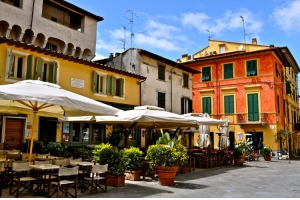
On the coast, not far from Pisa and the fashionable seaside resort of Forte dei Marmi, Pietrasanta captivates with its elegant piazzas, stone-paved streets, historic palazzi and the beautiful Cathedral of San Martino, with a striking marble façade that dominates the main square. Known as the “City of Artists" Pietrasanta has always attracted sculptors from around the world, drawn by its centuries-old marble-working tradition and the expertise of its artisan workshops.
The nearby Apuan Alps are famous for their marble quarries, and Michelangelo travelled to the area to select stone for many of his masterpieces. Today this legacy continues in studios where skilled craftsmen transform marble and bronze into works of art. Sculptures occupy squares, courtyards and streets, and galleries and exhibitions turn the historic centre into an open-air museum. The town is also home to the Church of Sant’Agostino, which hosts exhibitions and cultural events, reinforcing Pietrasanta’s role as a meeting point for artists and collectors.
Pietrasanta offers visitors an appealing blend of Tuscan elegance and relaxed coastal living. The Apuan Alps provide a dramatic backdrop, while the beaches of Marina di Pietrasanta and fashionable Forte dei Marmi are just a short drive away. With fresh seafood, seasonal vegetables, handmade pasta and local olive oil sharing the table with regional specialties, some local dishes not to be missed are: tordelli alla versiliese, stuffed pasta served with a rich meat sauce, and lardo di Colonnata, the celebrated cured pork fat aged in marble basins in the nearby Apuan Alps.
Some 30 kilometres away Pisa’s Piazza del Duomo, a UNESCO World Heritage site, brings together four extraordinary monuments: the Cathedral, Baptistery, monumental cemetery and iconic Leaning Tower. Known as the Square of Miracles, this architectural ensemble reflects the wealth and ambition of Pisa, once a powerful maritime republic. For modern visitors these remarkable buildings re an unforgettable encounter with Italy’s artistic and architectural heritage.
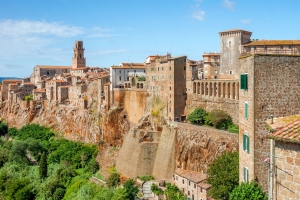
Pitigliano is a medieval town known as Tuscany’s Little Jerusalem and is perched dramatically on a volcanic tufa cliff in the Maremma.
Centuries-old Jewish heritage
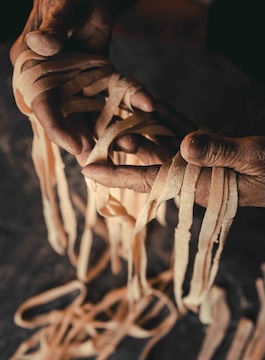
Located in the province of Grosseto, it is one of Tuscany’s most distinctive historic towns. Its medieval streets, Etruscan origins and centuries-old Jewish heritage have earned it the evocative nickname “Little Jerusalem.” Pitigliano’s Jewish history is deeply woven into the town’s identity. Explore the former Jewish quarter and its historic synagogue, as well as traces of traditional kosher food production. The town’s Jewish culinary heritage can still be tasted today in sfratto, a distinctive pastry filled with honey, walnuts and spices. Beyond the historic centre, the ancient vie cavelead through deep passages carved into the surrounding volcanic rock, believed to date back to Etruscan times.
Sovana and Sorano
Nearby Sovana and Sorano offer another fascinating glimpse into southern Tuscany’s Etruscan and medieval past. Their ancient settlements, rock-cut paths and atmospheric historic centres make them ideal companions to a visit to Pitigliano, offering a quieter side of Tuscany far from the region’s busiest destinations.
The UNESCO Leaning Tower
Around three hours by car from Pitigliano, Pisa’s Piazza del Duomo is one of Italy’s most extraordinary architectural ensembles and a UNESCO World Heritage site. Known as the Square of Miracles, the complex brings together the world-famous Leaning Tower, Cathedral, Baptistery and monumental Cemetery. Together, they showcase centuries of Italian art, architecture and history.
Traditional flavours
Pitigliano’s cuisine reflects both the traditions of the Tuscan Maremma and its historic Jewish community. Alongside sfratto, expect handmade pasta, wild boar dishes and locally produced pecorino cheese. The town is also known for Bianco di Pitigliano DOC, a fresh and elegant white wine. For heartier dishes, the structured red wines of the surrounding Maremma provide an excellent pairing, particularly with game and other meat-based specialities.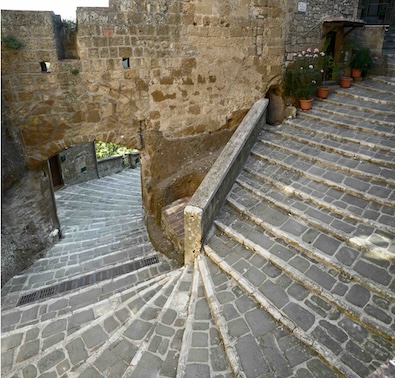
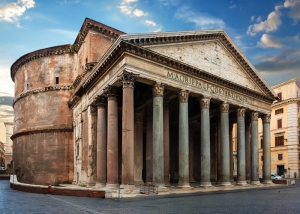
Leading the list of “The 20 buildings you must visit in your lifetime” compiled by The Telegraph’s travel correspondent Simon Calder is the Great Pyramid of Giza, and it is impossible to find fault with that. And in second place Simon puts the Pantheon in Rome which is unique for having the world’s largest unreinforced concrete dome.
Although official figures place the Pantheon as the Eternal City’s 5th most visited monument after the Colosseum, St Peter’s Basilica, the Vatican Museums and the Trevi Fountain, Simon says “There is nowhere greater to stand than directly under the oculus at the centre of Rome’s peerless Pantheon," describing the ancient temple as “a mingled miracle of heavenly symbolism and earthly engineering.” And once again it’s impossible to pick holes in his words.
Built in its present form under the Emperor Hadrian, the Pantheon is almost 2,000 years old. Through the central oculus in its dome, which opens directly to the sky, sunlight moves across the interior during the day, and rain falls through the opening onto the marble floor below.
Visitors still enter through the ancient portico, stepping into the vast circular interior. The building also serves as a church and contains the tombs of the Renaissance artist Raphael and members of the Italian royal family. Calder’s ranking puts it alongside the world’s great architectural landmarks, and its extraordinary survival provides a compelling reason why every visitor should put it high on their list of things to see in Rome.
 Pamela McCourt Francescone
Executive Editor
Magicland is close to Rome
Every day Magicland, which is just a few kilometres from Rome, offers more than 40 attractions for all ages, and it now comes alive with new themed settings, shows, parades, entertainment and special events featuring two distinct sides of Halloween. Halloween Horror is for those seeking adrenaline, suspense and intense thrills while Halloween Family is designed for children and families, with shows, music, colourful entertainment and fun. 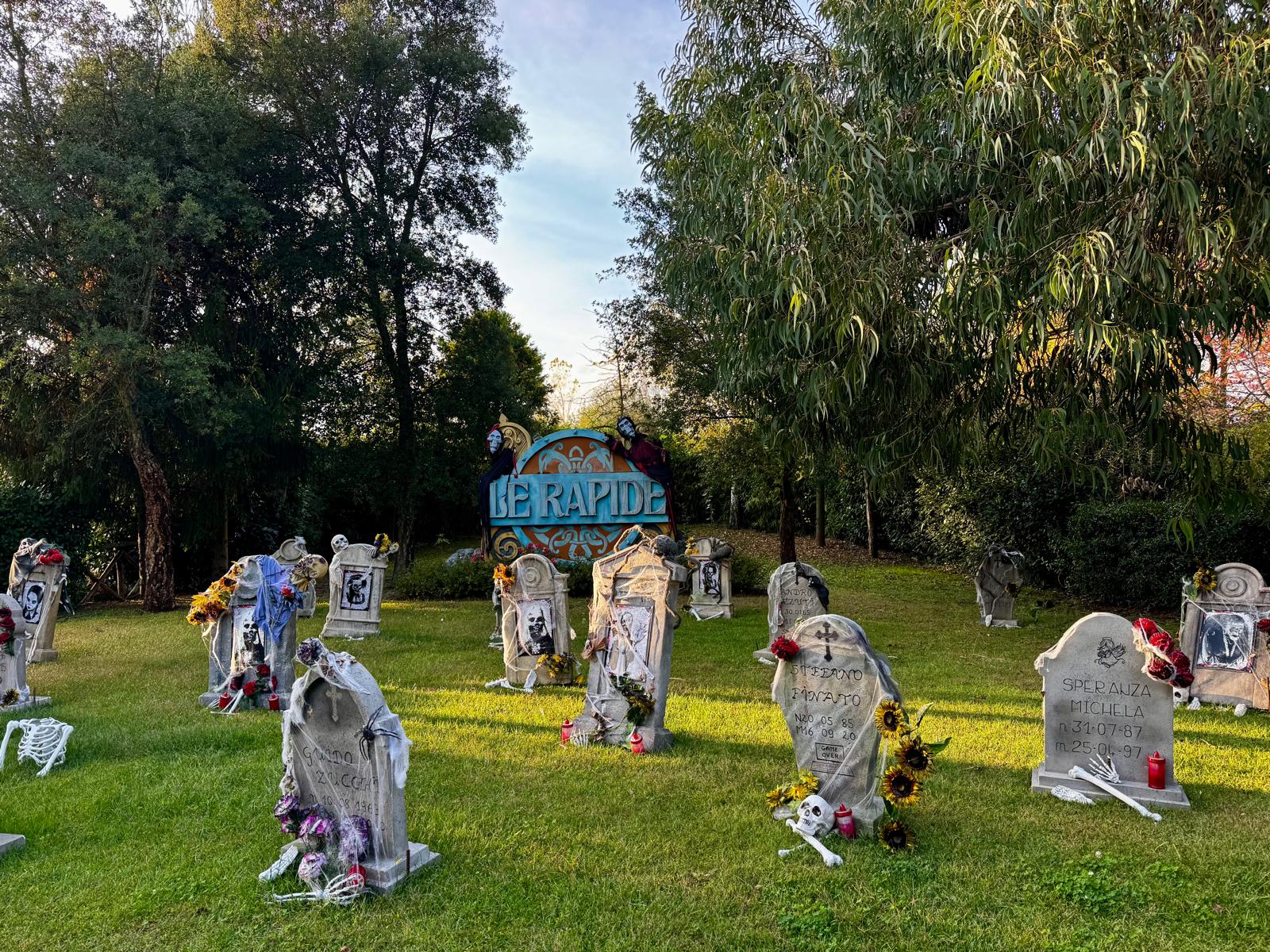
Halloween Horror. Fear has seven faces
The darker side of Halloween comes to life through seven horror experiences, featuring eerie settings, immersive trails and actors ready to surprise and terrify visitors. Among the new additions for 2026 is Asylum, a prison where murderers, criminals and out-of-control guards await visitors as they try to find their way out. The journey into fear continues with Katakumba, a cursed pyramid haunted by monstrous creatures; Haunted Hotel, a luxury hotel inhabited by eerie presences; Dungeons, a terrifying world of cells, chains and instruments of torture; The Cursed Lake, a campsite swallowed up by darkness; and Apocalypse Valley, a contaminated valley overrun by mutants. Then Transylvanian-The Horror Show will bring eerie characters, dark atmospheres and a touch of humour to the stage on 31 October and 1 November. Asylum, The Cursed Lake and Apocalypse Valley will be available exclusively during the evening openings on 24 and 31 October, when the Horror experience will reach its peak intensity.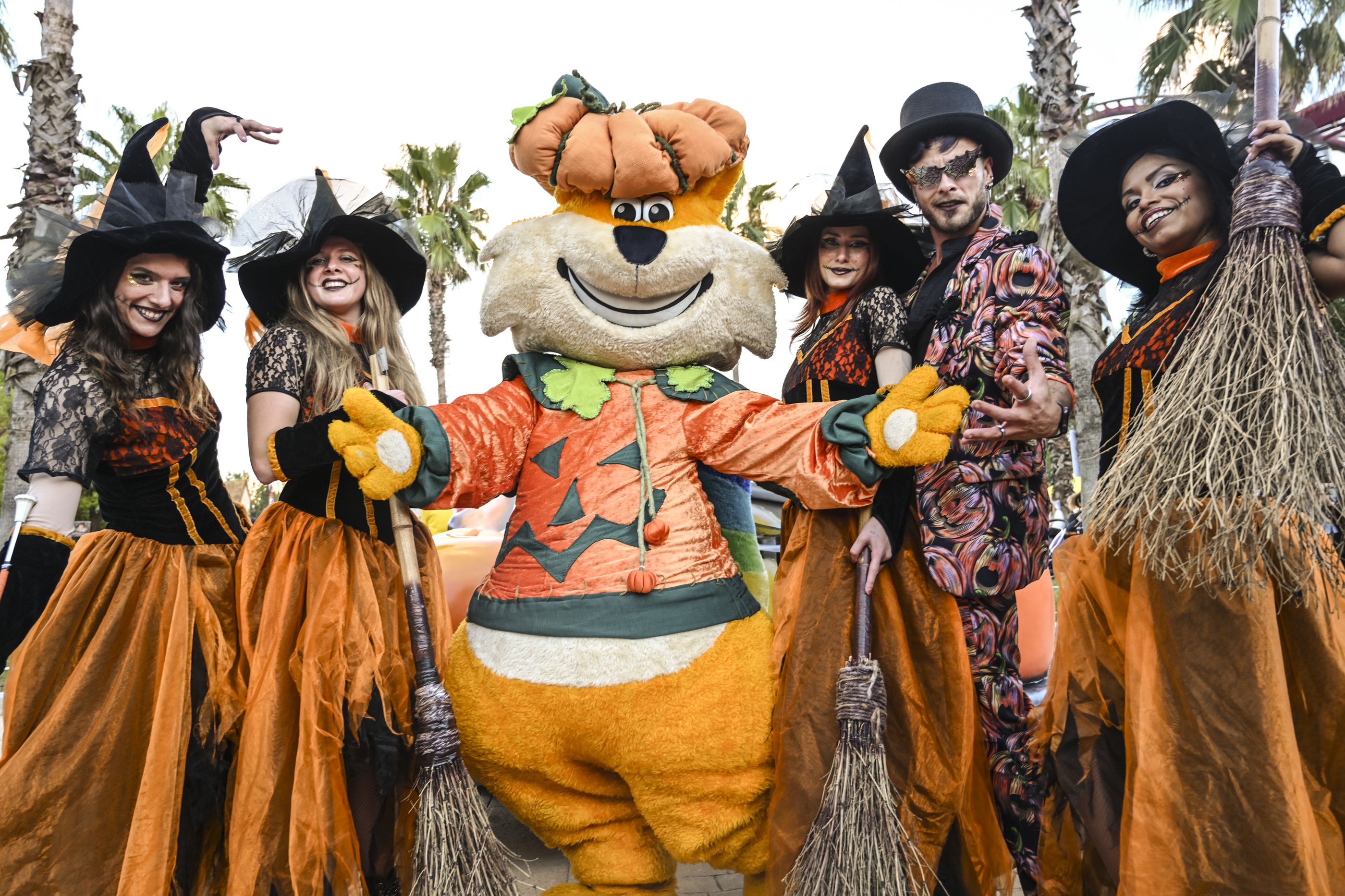
Halloween Family. Lots of new experiences for the whole family
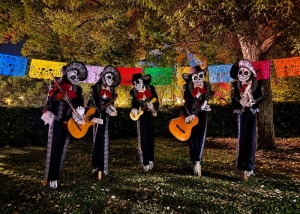
This year MagicLand presents Halloween Family for children and families with experiences, shows, parades and entertainment designed to celebrate Halloween in a fun-filled way. The Ghost Park is a fully Halloween-themed inflatable area with ghosts, pumpkins, bouncy castles and slides. At the Music Hall, La Fabbrica dei Mostriciattoli is a brand-new show for the whole family starring the most eccentric little monsters ever. The Fattoria delle Zucche is also back, where children can choose and decorate their own pumpkin before taking it home, and the Alebrijes Parade will bring colourful and fantastical creatures inspired by Mexican folklore to the streets of the park, with live music, dancers and face painting.
Magic Nights. Horror Edition
On 24 and 31 October, Halloween continues late into the night with Magic Nights-Horror Edition, two special events that transform MagicLand into a huge night-time party featuring DJ sets, music, horror experiences and attractions. On 24 October, DJ Ulisse Marciano will take centre stage with Ma Chi Kanta's karaoke show presented in a special Halloween edition, followed by a live DJ set. On Halloween night, 31 October, Carnival of Nightmares will take over the park with music, horror atmospheres and visual effects, featuring DJs Panico and Ulisse Marciano. Finally, on 31 October and 1 November, Wait & Rave-Horror Edition will bring DJ sets to the queuing areas of MagicLand’s main attractions, turning even the waiting times into part of the experience. For information: magicland.it
Milan-Munich and Rome-Munich trains
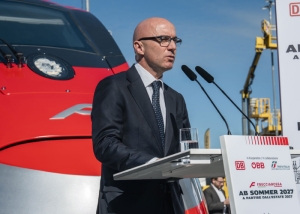
Technical trials are under way for the Frecciarossa’s debut on railways in Germany and Austria, with the first commercial services scheduled for summer 2027, once the international type-approval process for the new trains has been completed. The project for the new high-speed connections, which Trenitalia, an FS Group company, will implement alongside Deutsche Bahn and ÖBB, took centre stage at the latest edition of InnoTrans 2026. The service will include the first journeys on the Milan–Munich and Rome–Munich routes, marking a new phase in the Frecciarossa’s expansion beyond national borders.
"A new way of travelling"
“It gives us great satisfaction to bring the Frecciarossa to Germany and, together with Deutsche Bahn and ÖBB, to launch a new phase of our international expansion,” said Simone Gorini, managing director Trenitalia. -The Frecciarossa will offer German and Austrian travellers the chance to discover and experience a new way of travelling that combines comfort, quality and speed. The services to Munich are a further step in the international growth of Trenitalia and the entire FS Group and confirm our commitment to bringing to European passengers the know-how and experience we have developed in Italy in the high-speed rail sector.”
In 2028 expanding to ten connections
The initial service will comprise four services on the Milan–Munich and Rome–Munich routes. The journey from Milan will take around six and a half hours, with stops at Brescia, Verona, Rovereto, Trento, Bolzano and Innsbruck. From Rome, the journey is expected to take around eight and a half hours, with stops at Florence, Bologna, Verona, Rovereto, Trento, Bolzano and Innsbruck. The opening of the Brenner Base Tunnel will reduce journey times by around one hour. From December 2028, the full service will expand to ten connections between Italy and Germany, on routes linking Milan, Rome and Munich, with extensions to Naples and Berlin.
Frecciarossa 1000 high-speed trains
The trains operating will be the Frecciarossa 1000, Trenitalia’s high-speed train which complies with European technical specifications for interoperability and is designed to run on the rail networks of Italy, France, Germany, Spain, Austria, Switzerland, the Netherlands and Belgium, overcoming differences in power supply and signalling systems. After France and Spain the Frecciarossa is thus set to reach Germany too, moving towards the goal of a high-speed European metro capable of connecting some of the continent’s major cities. The new connection will also be able to meet the transport demand to other European destinations, including Frankfurt and Kraków, thereby strengthening rail integration between Italy, Germany and Austria.
The business is now run by the 4th generation
Combining its roots with a forward-looking approach to hospitality, after more than 90 years in hospitality, the Roscioli family is entering a new stage with the launch of 01 Hotels. The new brand builds on the family's experience while creating a platform for future growth and marks the transition to the family's fourth generation, with plans to expand the portfolio through new acquisitions starting in 2027.
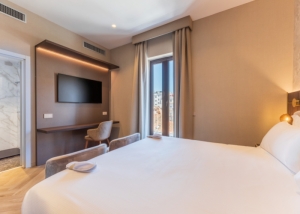
01 Hotels currently operates four-star hotels in central Rome, and a dedicated MICE offering. The portfolio includes the Best Western Premier Hotel Royal Santina, a four-star property on Via Marsala, just steps from Rome Termini station, and the Raffaello - Sure Hotel Collection by Best Western, a boutique hotel on Via Urbana in the Rione Monti district. This is a central location, and the property has the Tramonti rooftop and lounge bar, offering a contemporary perspective on one of Rome's most historic neighbourhoods.
The Roscioli family's hospitality business has evolved alongside Rome's transformation into an increasingly international destination. The launch of 01 Hotels intends to bring that experience into a new operating and brand framework, while responding to changing guest expectations and the evolution of the hotel market. “The launch of 01 Hotels is an important step in our family's history. With more than 90 years of experience in hospitality, today a fourth generation is taking this heritage forward, interpreting it with a new perspective and looking to the future.” The new brand places continuity alongside development, using the family's experience in the field of hospitality as a foundation for expansion.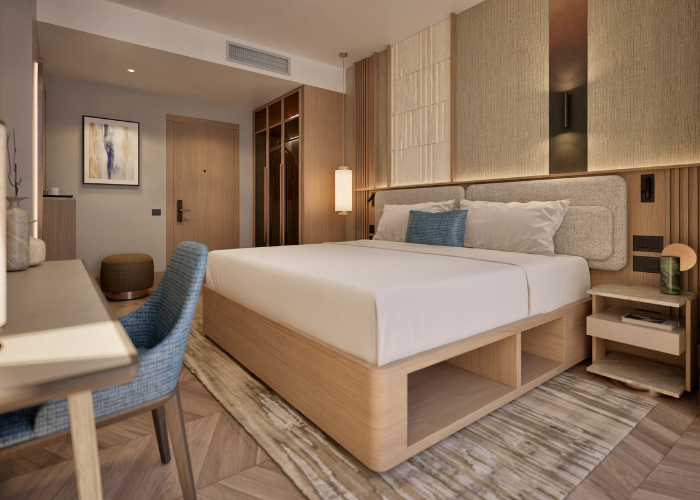
A key component of 01 Hotels is how it blends accommodation and food and beverage with meetings and events. The Royal Santina has the Centro Congressi Roma Termini with four meeting rooms on 225 sqm and can accommodate up to 200 people. Its location next to Rome's main railway station provides direct access for domestic and international delegates and it can host a range of events, from corporate meetings and conferences to training sessions and hybrid formats. Audiovisual technology, Wi-Fi and a LED wall in the plenary room support both in-person and phygital events, while catering can come from the hotel's The White Restaurant. This combination of guestrooms, meeting facilities and food and beverage services gives 01 Hotels a range that spans both leisure and business travel.
Rome remains central to the group's development strategy, with the two existing properties offering complementary locations within the capital. The Royal Santina benefits from its proximity to Termini Station, one of the city's principal transport hubs, while the Raffaello is located in Monti, within walking distance of the Colosseum, the Imperial Forums and other major historic attractions. The brand will make its official debut at TTG Travel Experience 2026 in Rimini from October 14 to 16. 01 Hotels will exhibit in Hall A1, Stand 528, presenting its new identity, current portfolio and development plans to tourism professionals, buyers and industry partners.



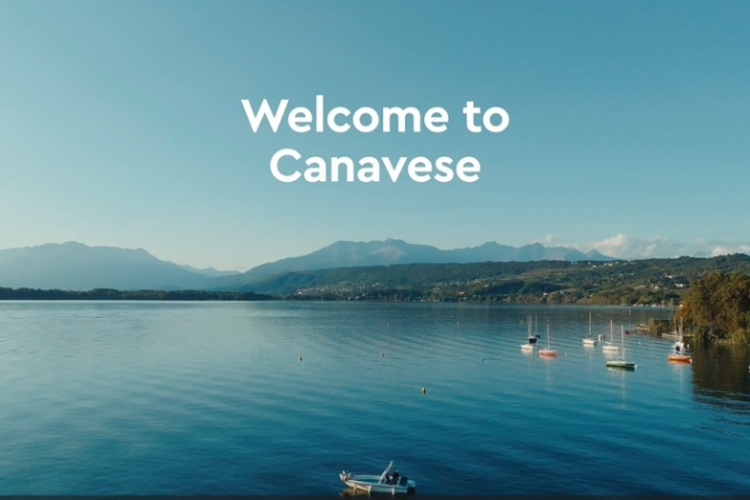
Welcome to Canavese, an unexpected corner of Piedmont where …
843Welcome to Canavese, an unexpected corner of Piedmont where …
843
