




More space per guest than any similar sailing yacht
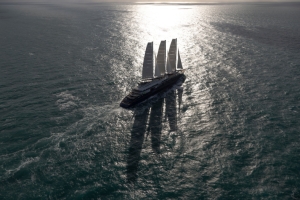
A true sailing yacht, far removed conceptually and aesthetically from a conventional cruise liner, with a sense of space and privacy that feels almost indecently generous, it offers more space per guest than other any similar craft, with just 54 Suites for 110 guests. Two hundred and twenty metres of pure statement, OE Corinthian uses pioneering Solid Sail technology, its three majestic masts rising over 68 metres, with glass fibre and carbon sails that catch the wind that can reach up to 15 knots. And when extra propulsion is needed liquefied natural gas, LNG, takes over.
Mediterranean and Adriatic summers and Caribbean winters
Following a moment of glamour at the Cannes Film Festival bookings will open for sailings from 19 July, and from May to October OE Corinthian will sail in the Mediterranean and the Adriatic, before crossing the Atlantic to winter in the Caribbean. Stops on the summer sailings will include Monte Carlo, Portofino, Venice, Amalfi and Sicily. At a pre-launch press conference Sébastien Bazin, chairman and CEO of Accor, the French hospitality giant that owns the Orient Express brand described the project as “a journey rooted in discovery, unhurried time, excellence, and elegance.”
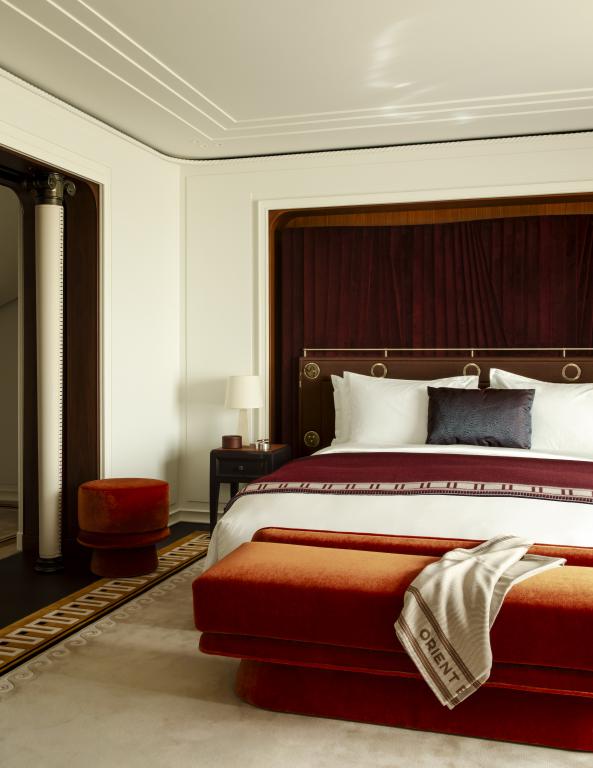
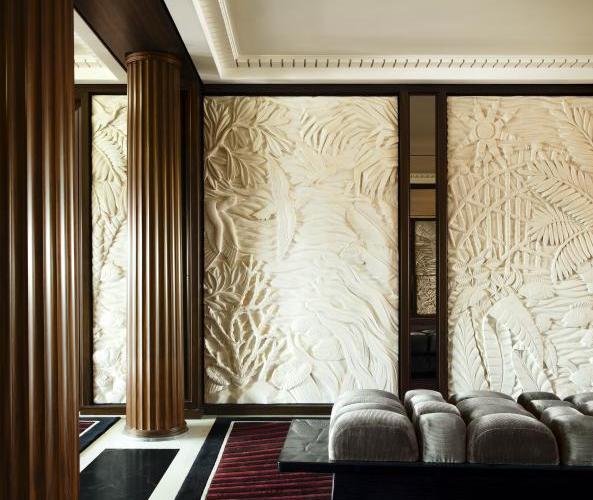
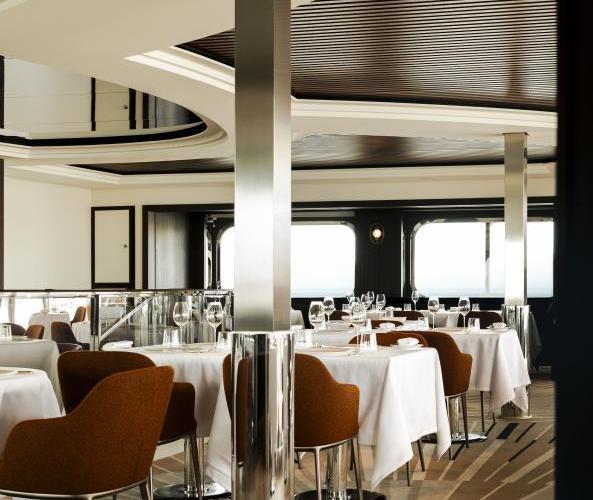
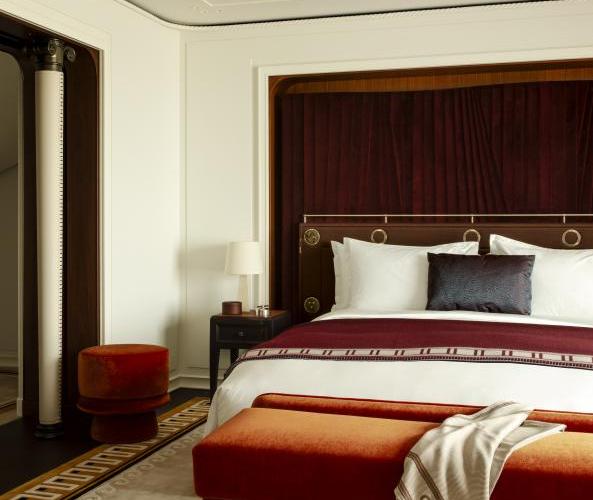
©AliceMesguich
All suites have dedicated butlers
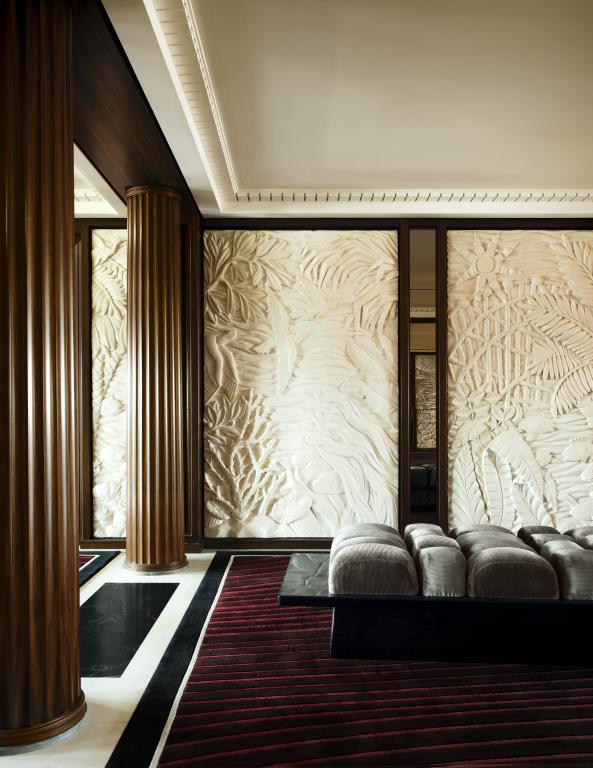
Intimate and refined with an aesthetic that whispers Art Deco, the interiors are a quiet nod to the golden age of the Orient Express trains and throughout there are arm tones of beige offset by deeper burgundy, adding richness yet maintaining a feeling of sleek elegance, The Panoramic Suites, the only ones without balconies, have ceiling to floor windows that let the light pour in. The Duplex Suites unfold over two levels, and the Penthouse Suites with XL terraces, also have separate dining areas. All suites have a dedicated butler and in total there are 170 crew members - that’s 1.6 per guest, in case you were wondering how seriously Orient Express takes the quality of their service.
Eight restaurants helmed by 18-star Michelin chef Alléno
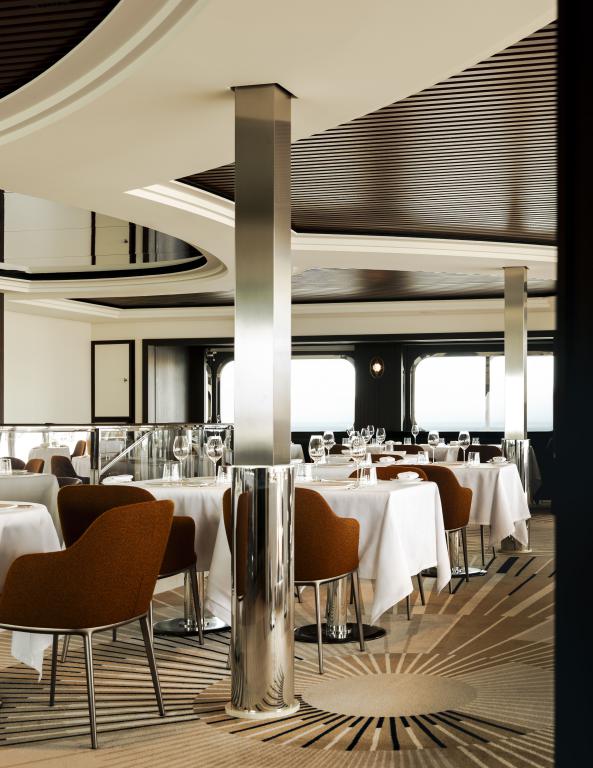
Dining is a whole performance, curated by Yannick Alléno who holds 18 Michelin stars. The eight restaurants include the exclusive La Table de l’Orient Express - just 6 tables and a double-height ceiling - which is not included in the all-inclusive formula, because exclusivity must remain exclusive. Same story for the treatments in the Guerlain Spa, naturellement.
Sister ship Orient Express Olympian will launch in 2027
There is also a library of international classics, eight bars and lounges, a theatre, a cinema and even a recording studio as well as an unusual 16-metre lap pool under the sails which can be privatized, as can the whole yacht for private or corporate events and happenings. The Marina at the stern with its own pool has direct access to the sea and an area for water activities. In 2027 Corinthian's twin, the Orient Express Olympian, will be launched at the same St. Nazaire shipyard....because one icon is never enough.
Volotea's Rome Fiumicino hub
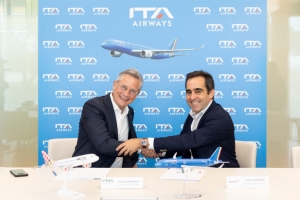
Offering passengers a comprehensive combined network featuring up to 104 available routes, the agreement centres on Volotea’s existing network to Rome Fiumicino and ITA Airways’ network at the Rome hub, enabling more efficient connections between numerous European destinations and significantly expanding connection options. Once the technical implementation is complete it will enable increased connectivity via Rome Fiumicino to Italian and European destinations within the ITA Airways network including Milan Linate, Catania, Palermo, Brindisi, Trieste, Genoa, Reggio Calabria, Frankfurt, Paris, London, Zurich, Tirana and Amsterdam, whilst also offering new routes via the Madrid and Barcelona hubs to destinations such as Murcia, Asturias and Vitoria, operated by Volotea.
Enabling ITA Airways to expand its destinations
At the same time, the agreement strengthens Volotea’s commercial visibility in new European markets and enables ITA Airways to expand its offering by including destinations served by the low-cost carrier’s network. These include cities such as Asturias, Bilbao, Bordeaux, Lourdes/Tarbes, Nantes and Strasbourg, with further connection opportunities thanks to links via Spain.
"Comfort, accessibility and quality of service at the forefront"
“Building on the path set out by the interline agreement signed last year, followed by the joint bid submitted for the territorial continuity tender in Sardinia, this partnership is the natural evolution of a process that allows us to offer our passengers an even greater number of destinations and travel combinations, whilst keeping comfort, accessibility and quality of service at the forefront, ” ” said Carlos Muñoz, founder and CEO of Volotea.
Improving connectivity to and from Rome
“With the codeshare agreement with Volotea, a highly reliable partner, we are further expanding travel opportunities for our customers,- added Joerg Eberhart, CEO and General Manager ITA Airways, -improving connectivity to and from Rome Fiumicino and making it easier to reach numerous destinations in Italy and Europe with a single ticket.”
Nature, culture, gastronomy and B2B meetings
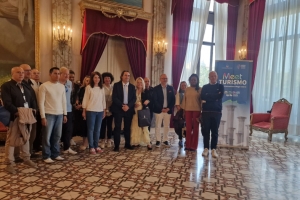
Combining nature, culture, gastronomy and encounters with local stakeholders, the event offered the group of selected interntional buyers a curated immersion into this lesser known yet deeply authentic corner of Southern Italy. Reggio Calabria's tourism councillor Giovanni Latella says the fam trip offered a rich and authentic discovery of Reggio Calabria and its wider territory, combining culture, history, nature, and genuine local experiences. The itinerary had been carefully designed to showcase not only the city itself but also a selection of lesser known yet remarkable towns across both the Tyrrhenian and Ionian coasts.
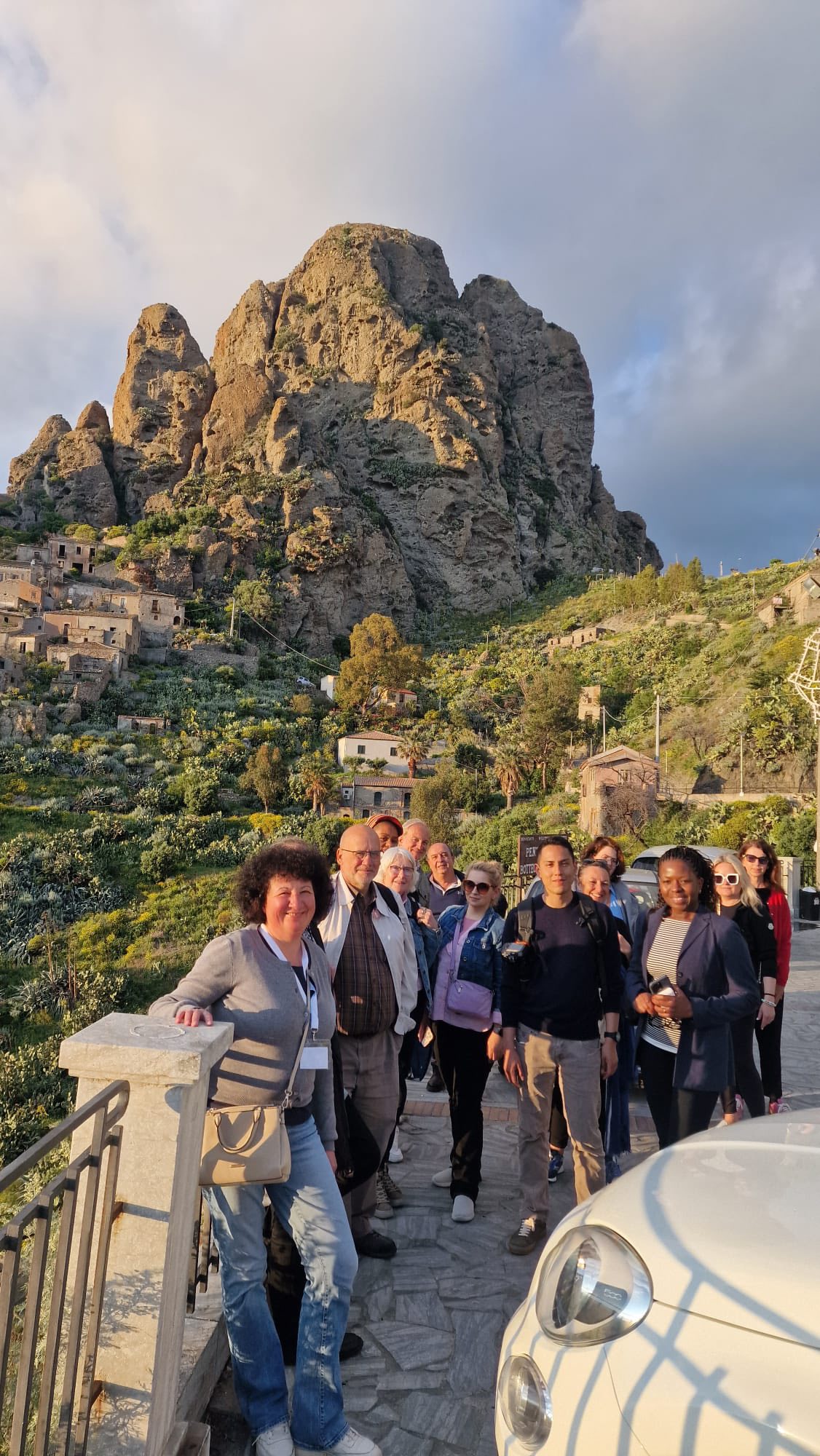
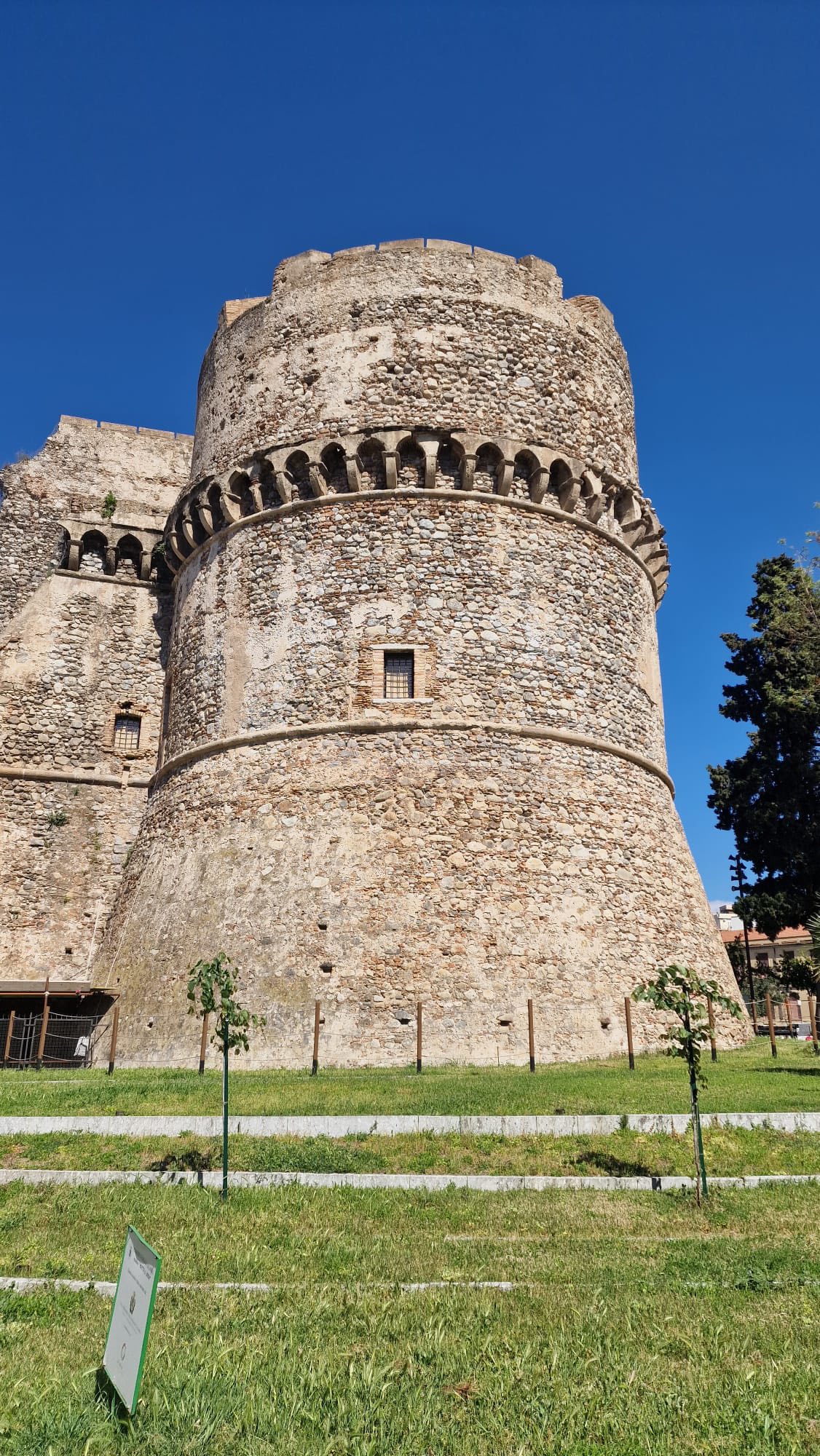
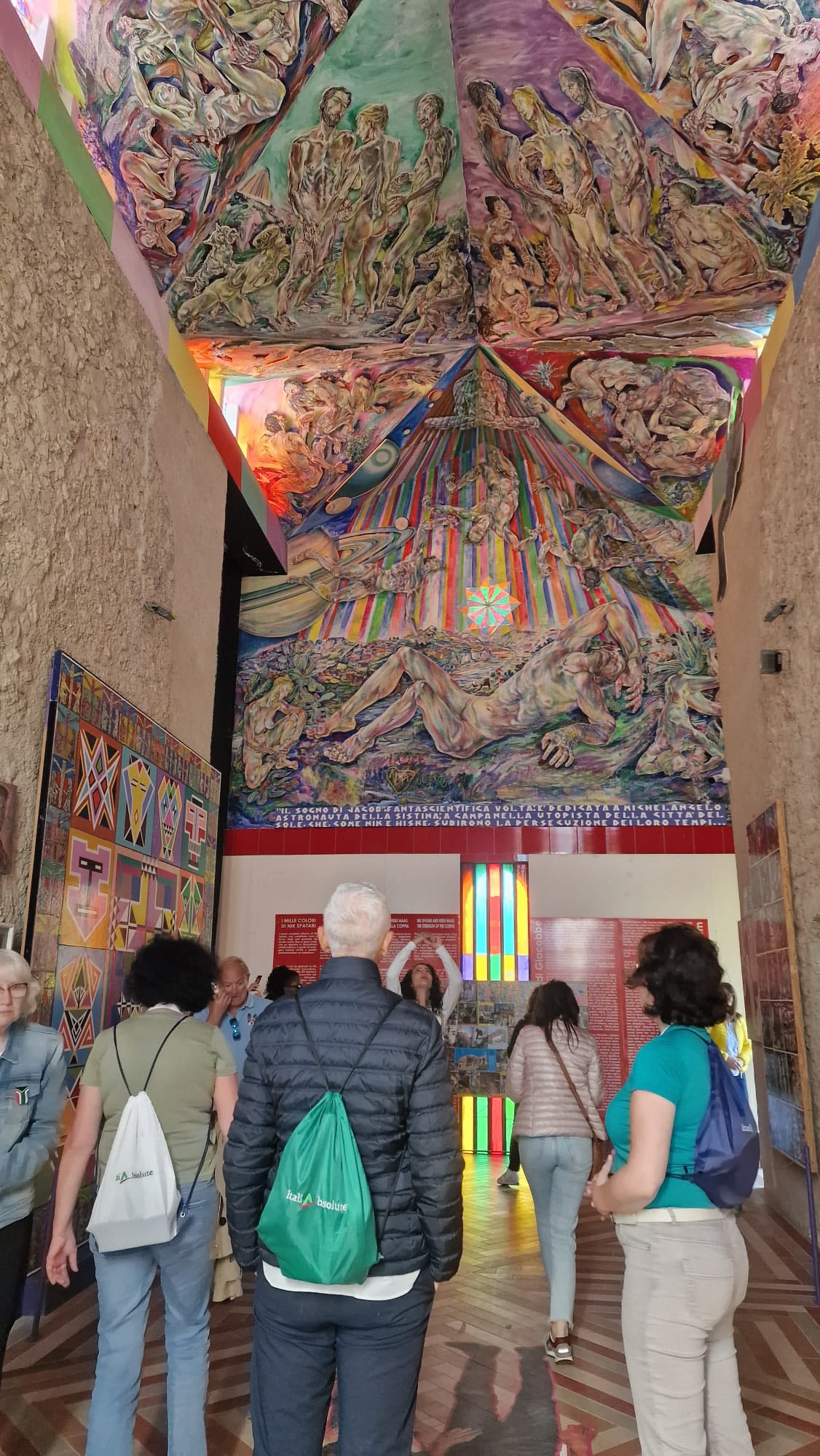

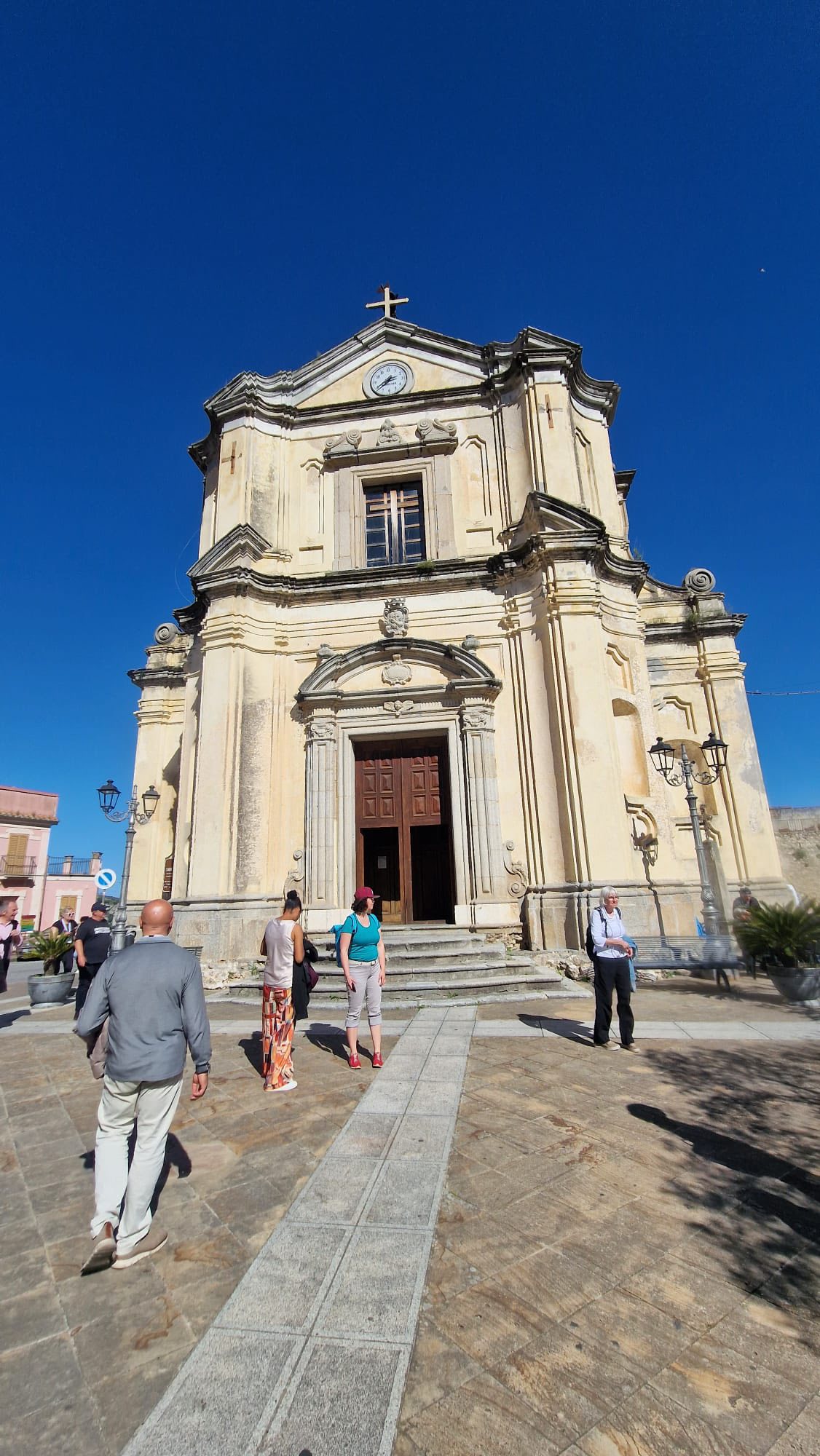

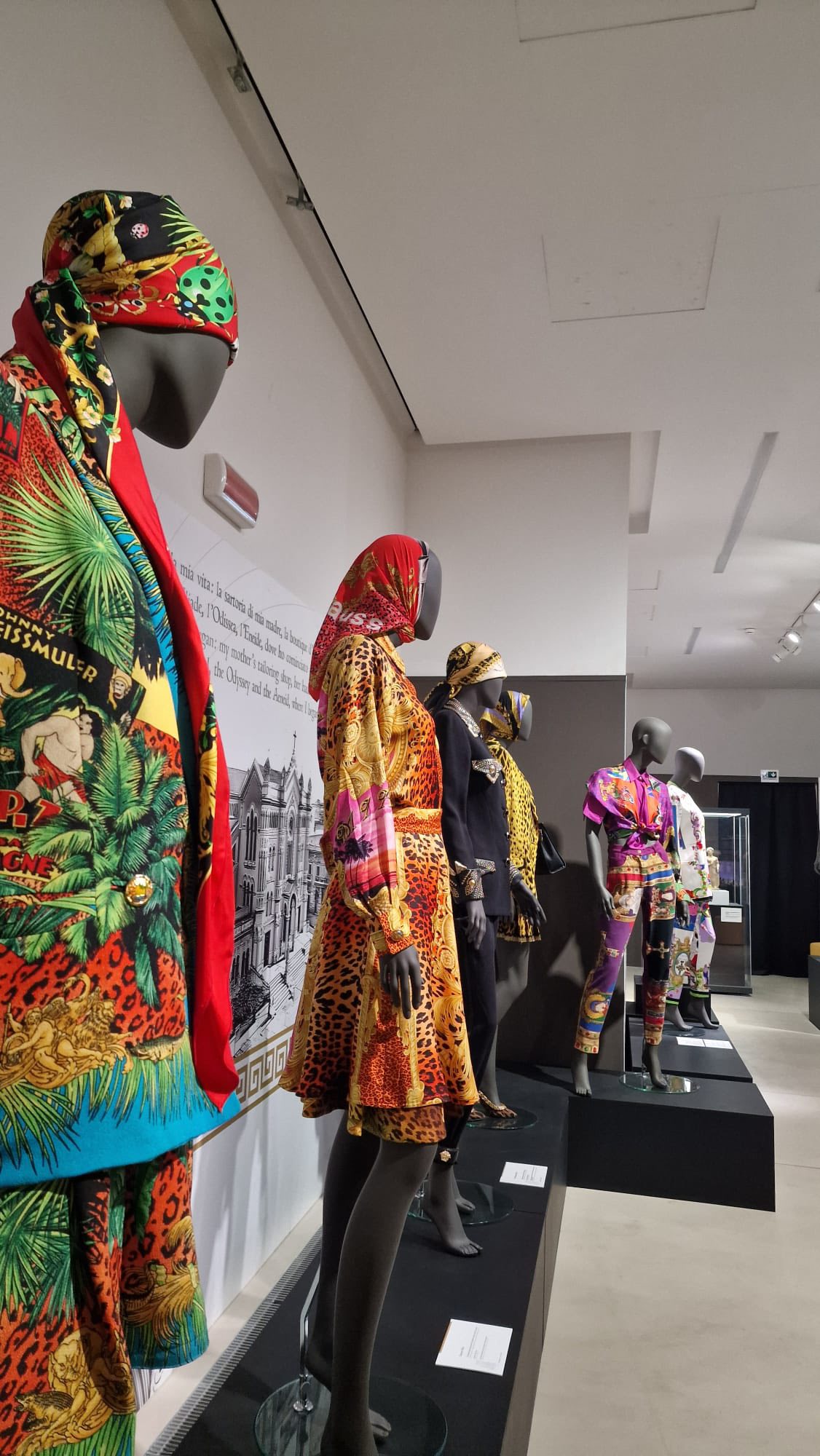
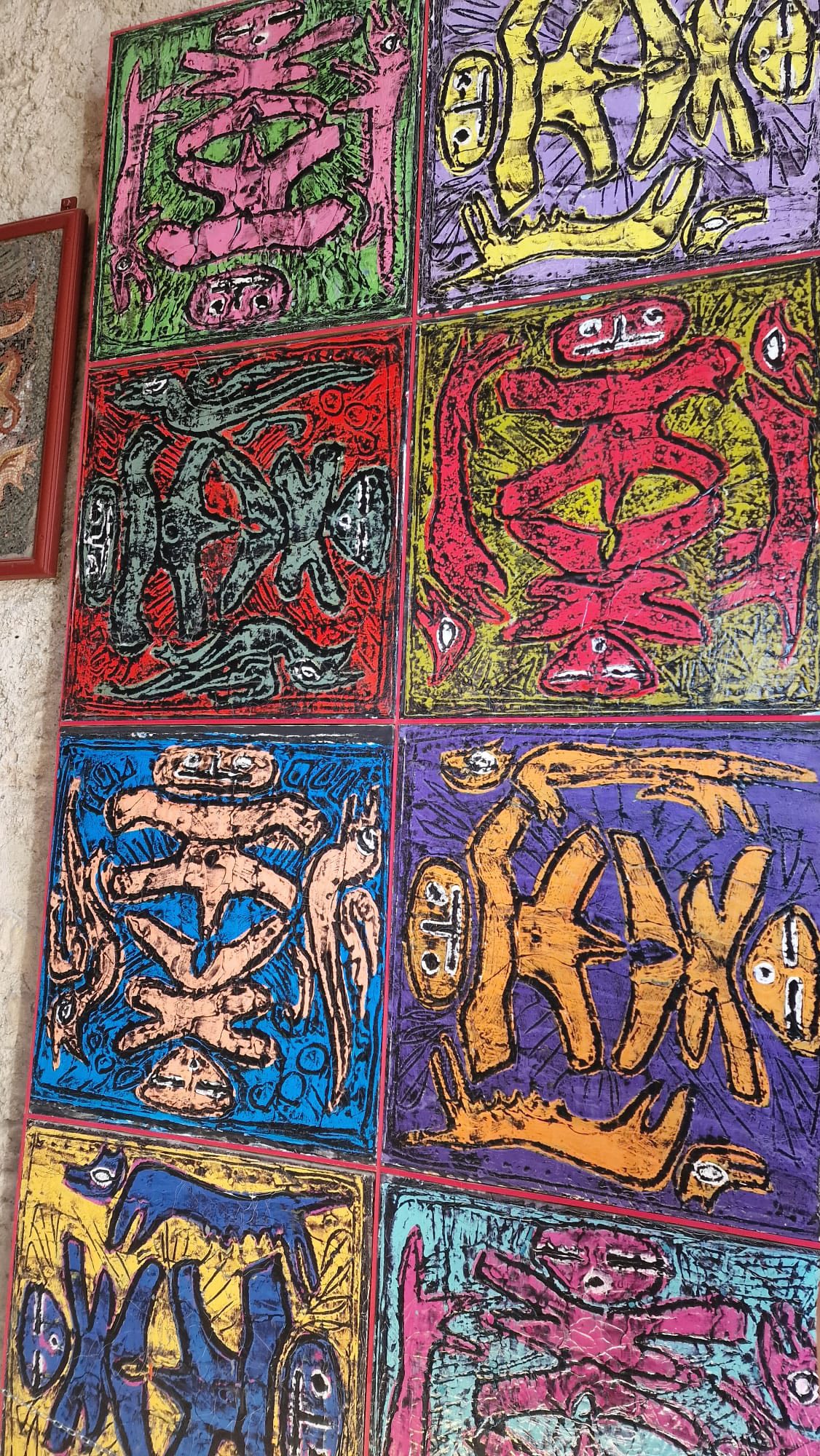
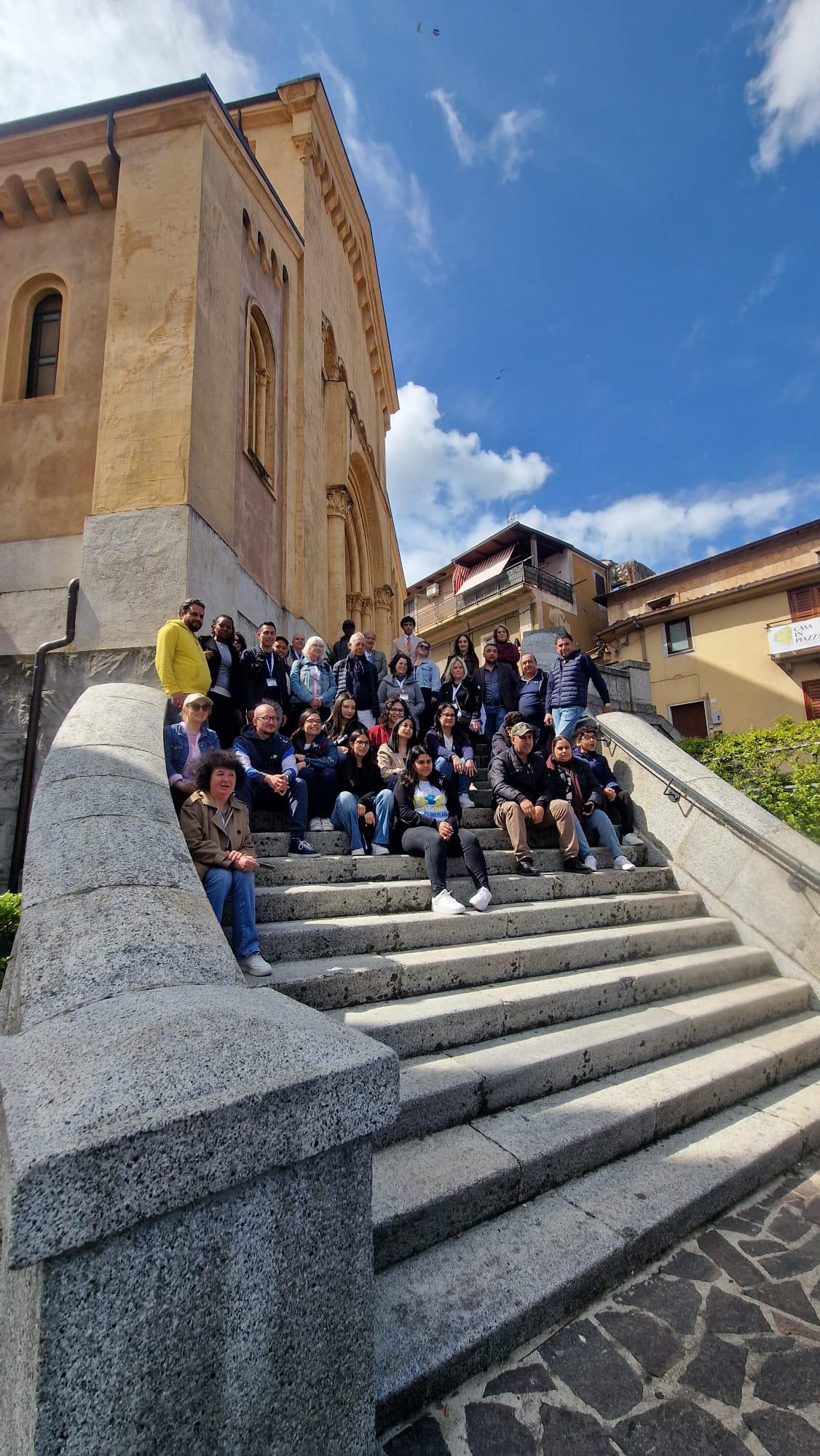
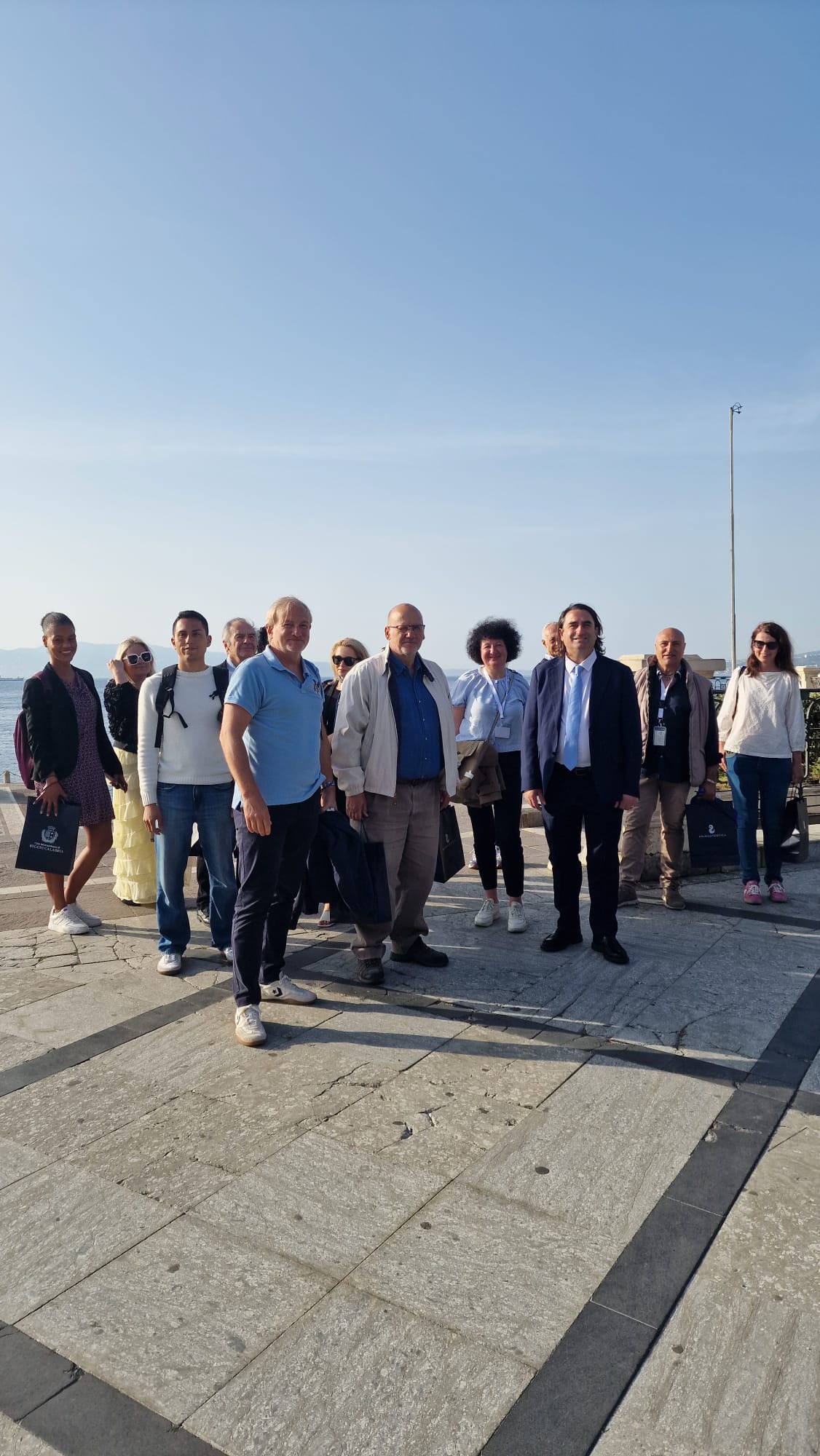
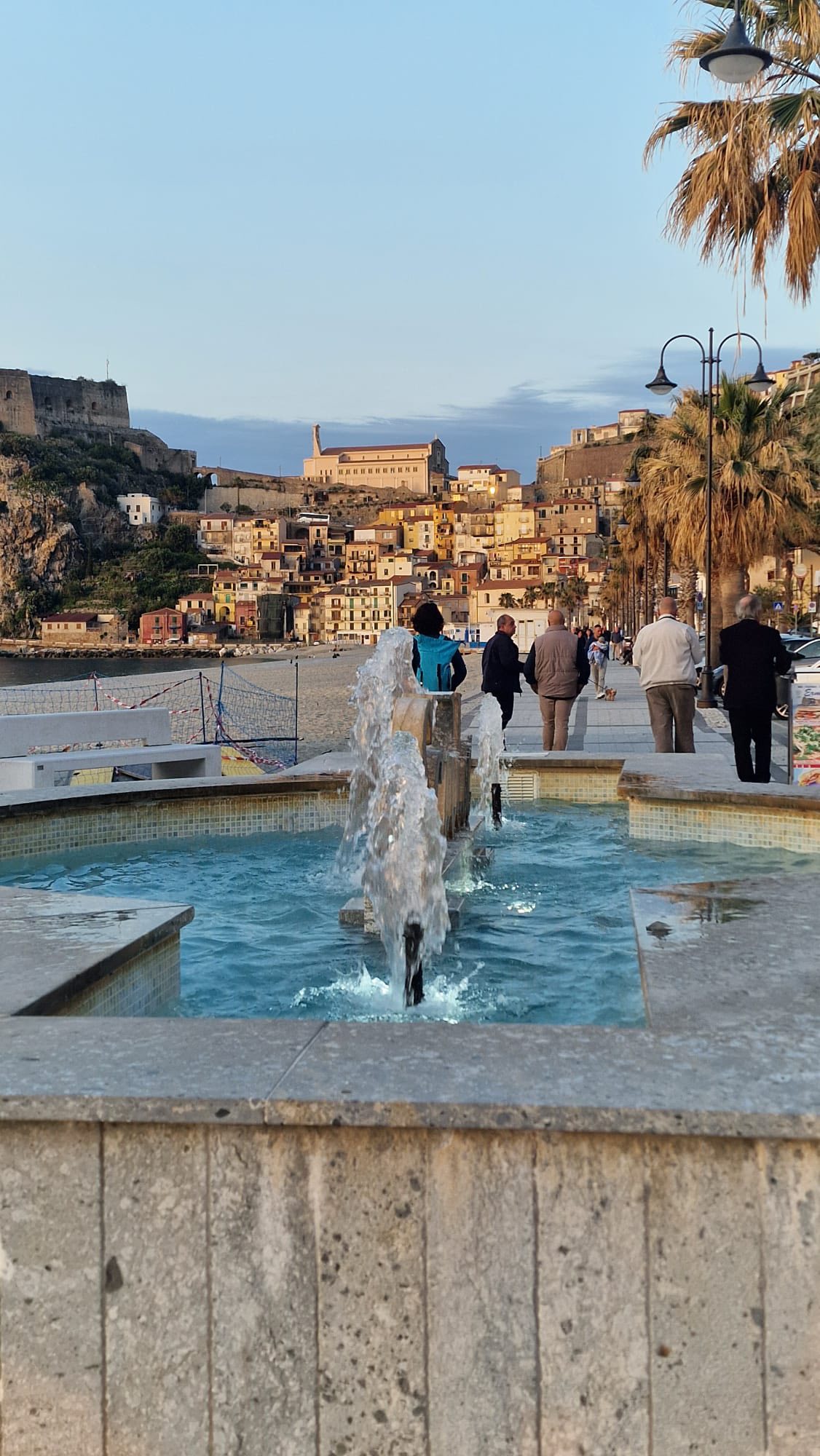
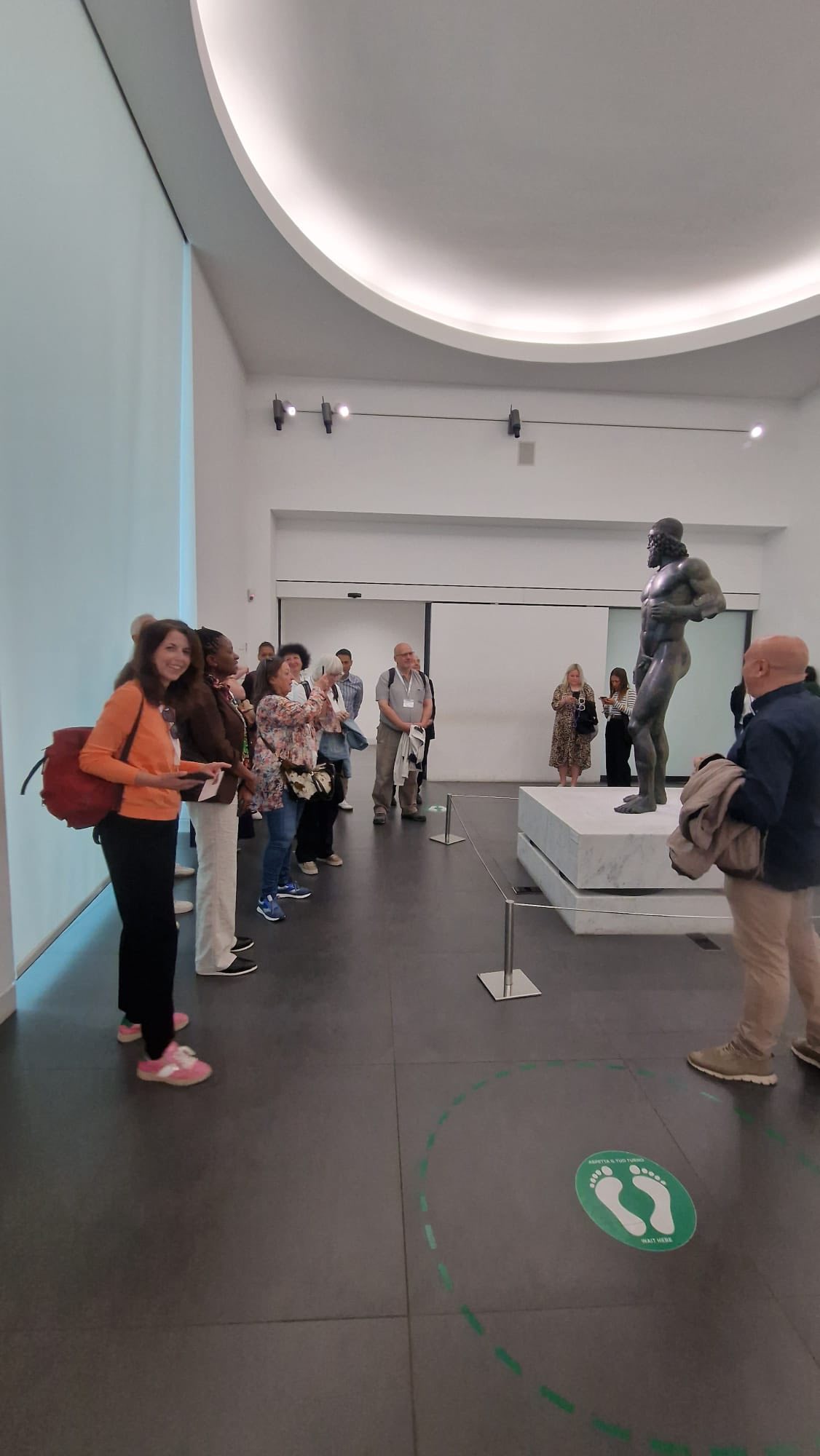
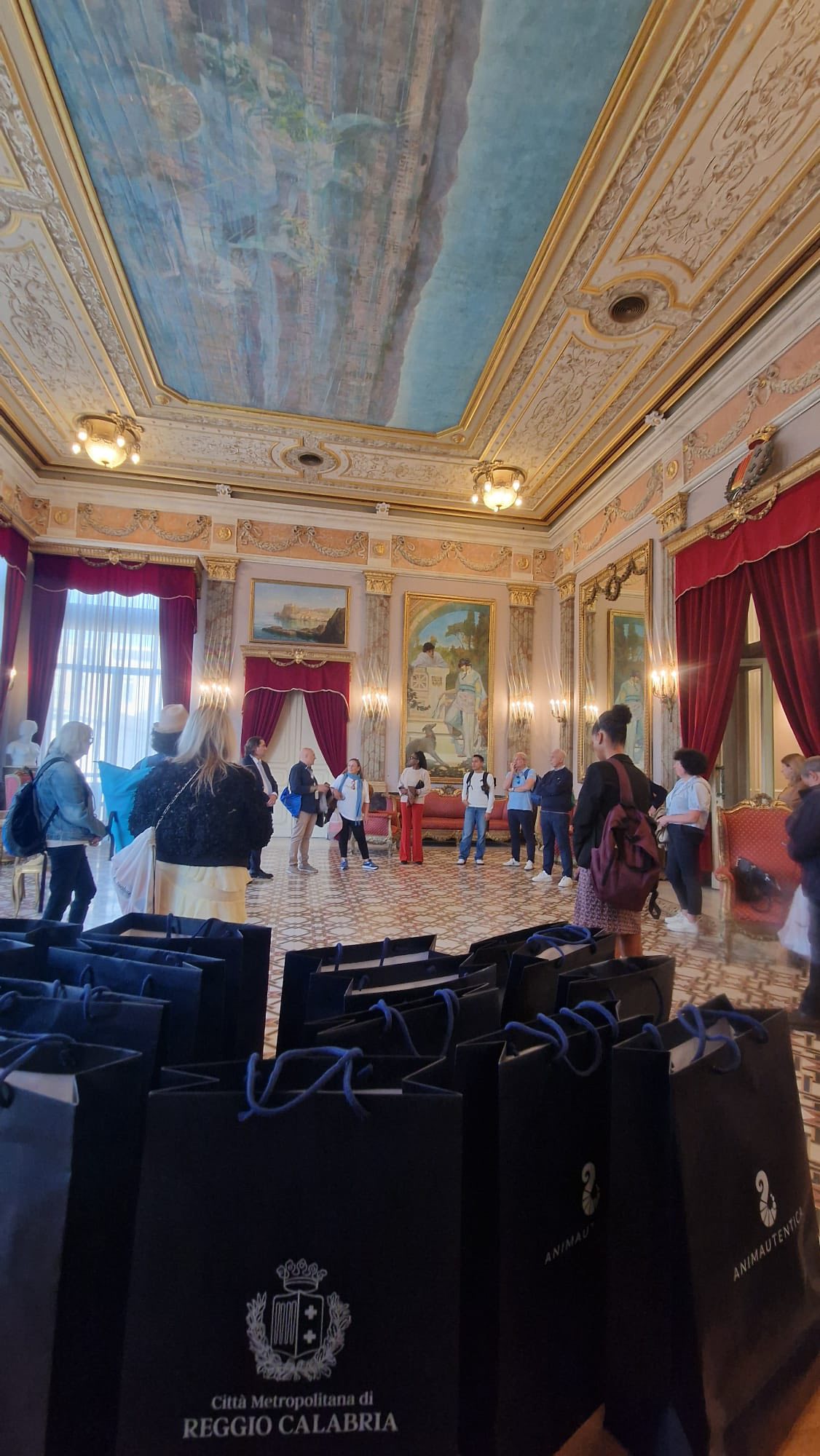
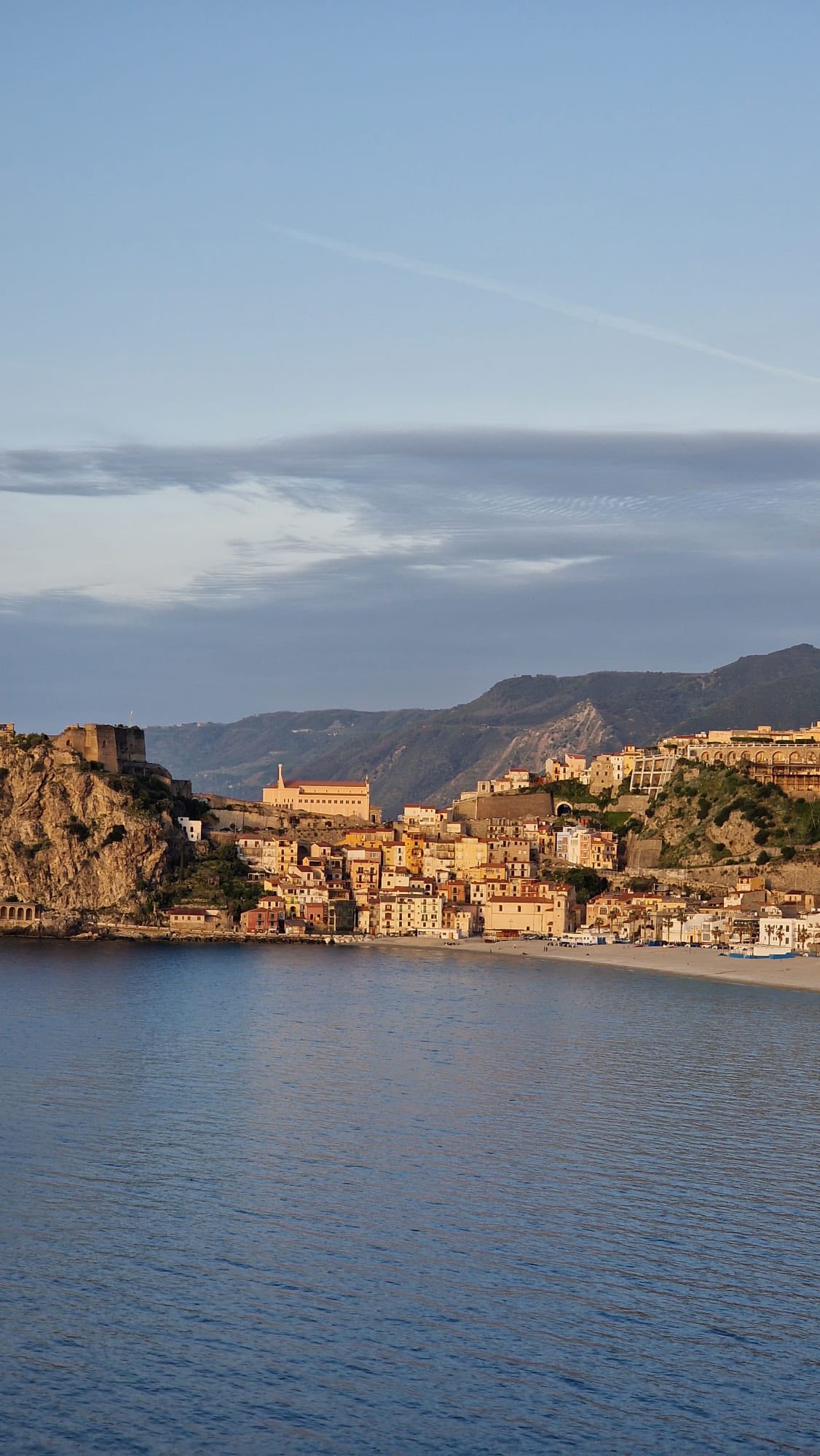
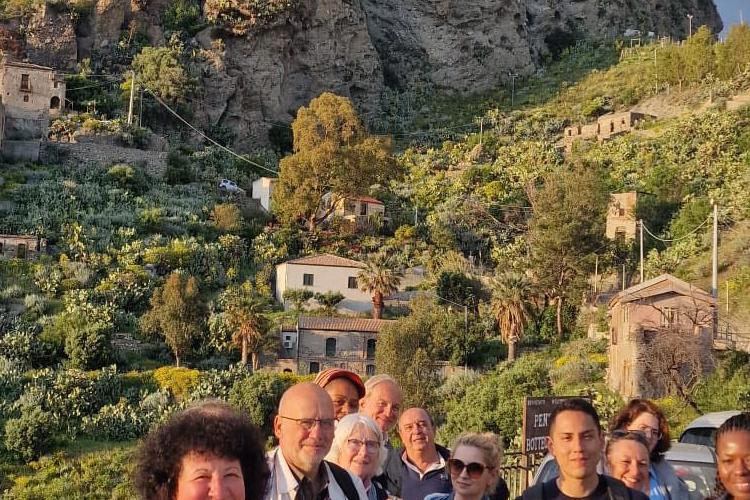
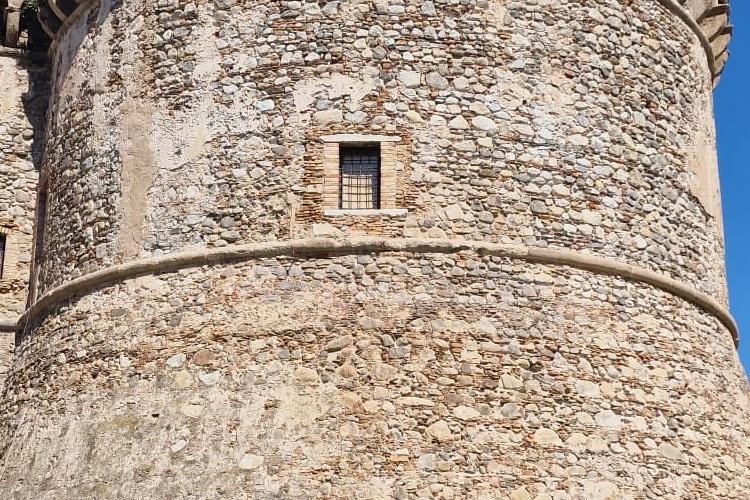
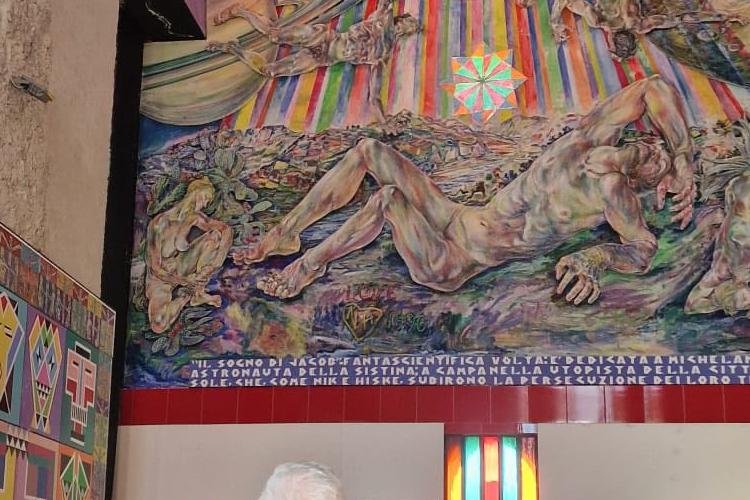

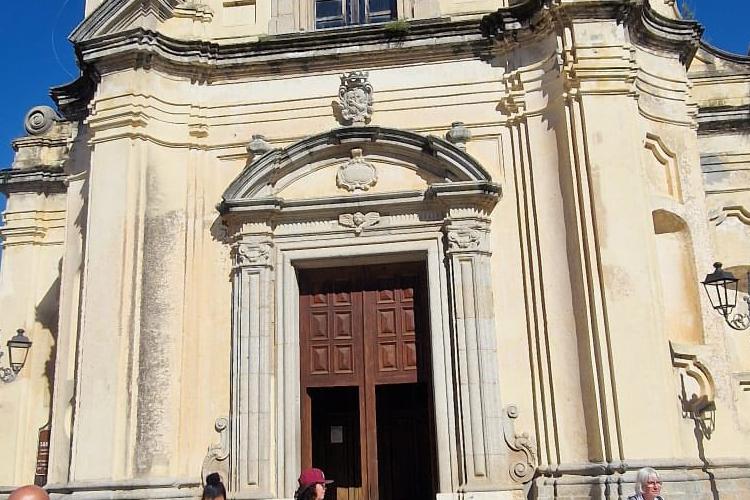

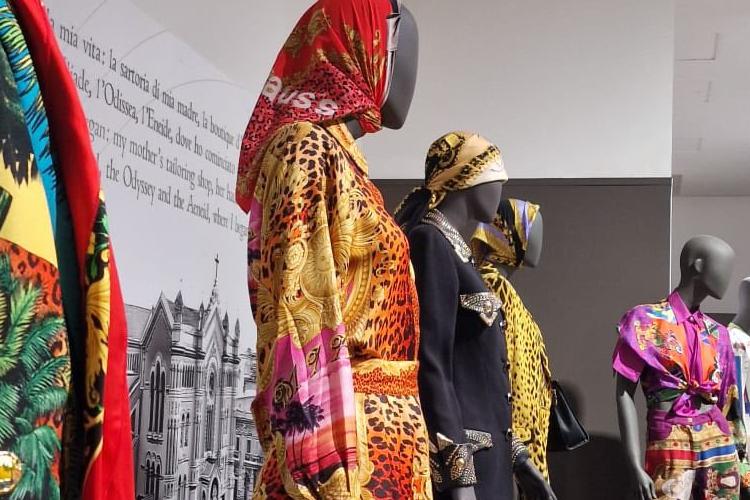

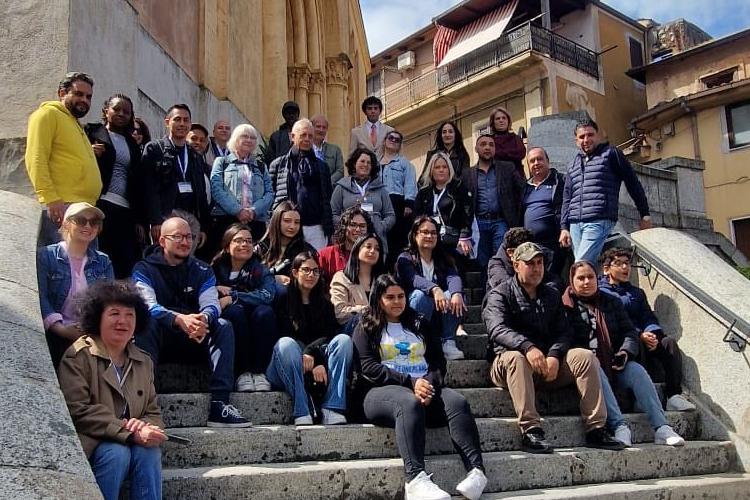
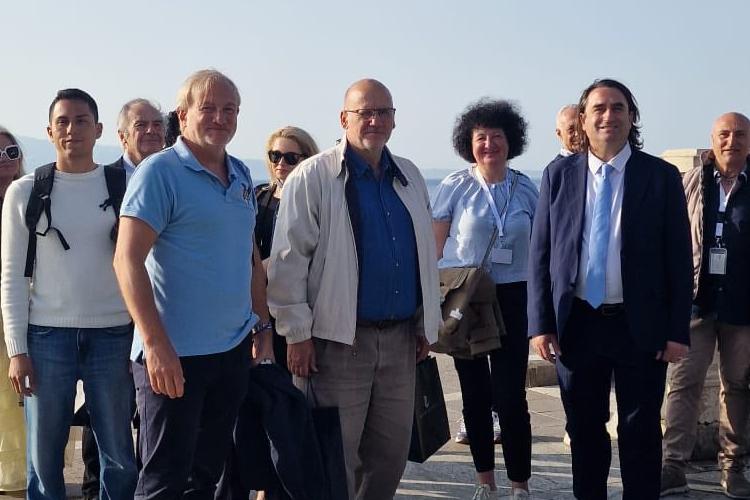
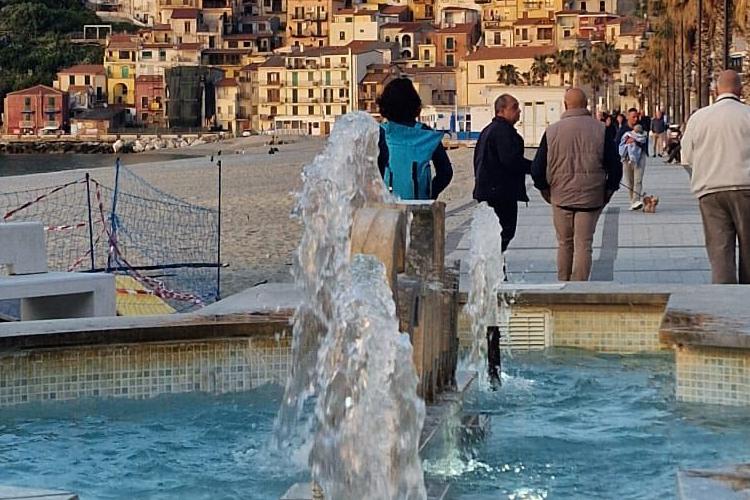
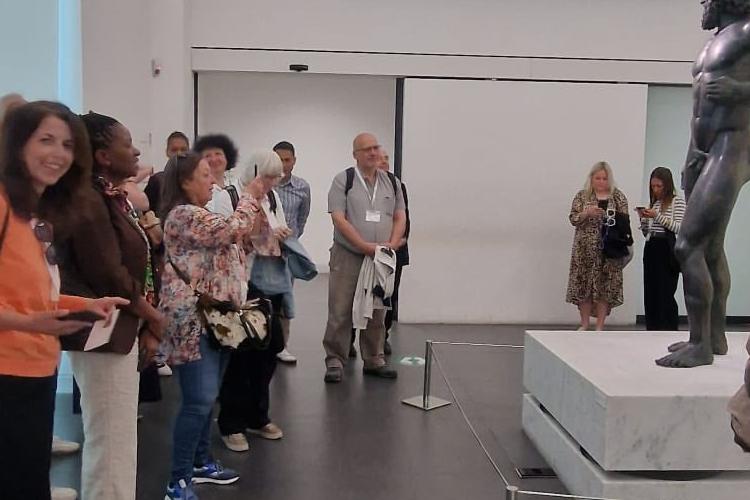
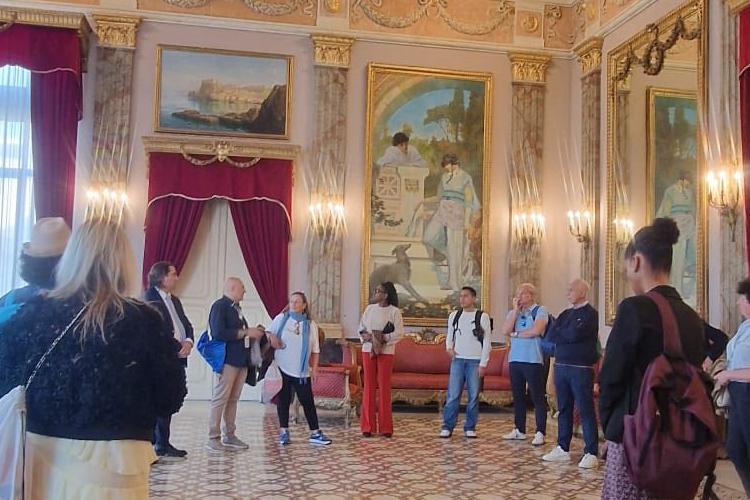
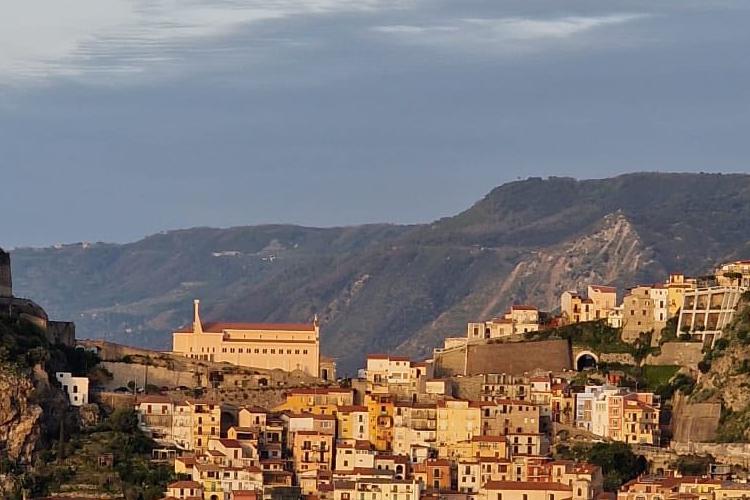
Exploring the Tyrrhenian and Ionian coasts
The buyers explored charming destinations such as Cinquefrondi, Galatro with its thermal baths, and San Giorgio Morgeto on the Tyrrhenian side, alongside Locri, Stilo, Bivongi, and Pazzano on the Ionian coast. "These locations are deeply rooted in the heritage of Magna Graecia, and offer a unique blend of history, traditions, and unspoiled beauty that remains largely undiscovered by mass tourism."
A new Civic Museum for Reggio Calabria
In the city of Reggio Calabria the group of buyers experienced one of the most beautiful seafronts in Italy, museums and places of culture. "We are currently investing significantly in tourism development, with new openings such as the Civic Museum and future projects like the Museum of the Se, while beyond the coast, the nearby Aspromonte mountains provide opportunities for nature and even winter sports, said Councillor Latella.
"The city has great appeal for the younger generation"
The Councillor also emphasizes other key strengths: the airport located within the city, the excellent rail connections, and efficient mobility noting further that "the city has great appeal for the younger generation, thanks to its universities, year-round events, and lively atmosphere, and it is famous for the production of bergamot, a symbol of the region that is used in gastronomy, cosmetics, and pharmaceutics."
Growing demand for direct flights between the Far East and Italy
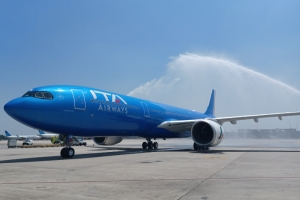
The additional flights are in response to growing demand for direct connections between the Far East and Italy. Throughout August 2026, ITA Airways’ direct flight from Bangkok to Fiumicino will increase from three to five weekly frequencies, whilst the route between Delhi and Fiumicino will become a daily service with seven weekly frequencies. The new flights are already bookable via all the carrier’s distribution channels.
"A concrete sign of confidence in the market"
“At a time when the geopolitical landscape makes the possibility of reaching Italy from Asia via direct and reliable connections even more valuable, the increase in frequencies from Delhi and Bangkok in August 2026 is a concrete sign of confidence in the market and in ITA Airways’ ability to respond swiftly to passenger demand, whilst ensuring continuity and quality of service,” said Joerg Eberhart, CEO and general manager of the airline.
Flights operated by ITA and its partners
The aim is to offer passengers greater security and a wider choice for travellers from Thailand and India to reach, via Rome, the summer destinations within the ITA Airways network and those of its partners in Italy, Europe, Africa, North and South America.
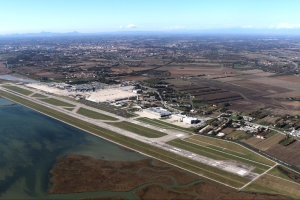
Venice will now have flights from Beijing and Shanghai
The announcement came on the sidelines of the 16th session of the Italy-China Joint Economic Commission, held recently in Beijing and chaired by Minister Antonio Tajani alongside Chinese Minister of Commerce Wang Wentao. Minister Tajani, via his social media channels, revealed the launch of the new flight for Venice which is he city'ssecond direct link with China, following the Shanghai route which began in September 2024 and currently boasts an average load factor of 85%.
A new bridge between China and Italy
“This new milestone, which forms part of our commitment to the continuous expansion of Marco Polo’s long-haul flight network, creates a new bridge between China and Italy, helping to strengthen the economic and cultural ties and exchanges that Venice, with its history, was among the first to forge and develop,” commented Enrico Marchi, chairman of the Save Group. -
The Shanghai flights have an 85% load factor
"For Venice Airport this is the second direct connection, following the one with Shanghai launched a year and a half ago. This was an immediate success with steadily growing passenger numbers, which have led to a gradual increase in weekly frequencies, reaching an average load factor of 85%, continued Marchi. I would also like to mention the launch last week at Montichiari Airport – also part of the North-East hub managed by SAVE – of a cargo flight on the Xi’an-Brescia route. On this important day, we take pride in the tangible contribution that the Save Group makes to transport and the economy of the vast area it serves and of the entire country.”
The only direct flight linking the US to Eastern Sicily
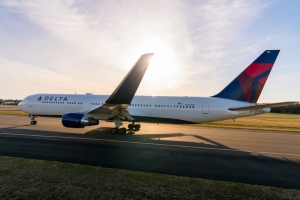
The flights were seasonal last year but in 2026 will be extended to include the winter season, connecting New York JFK to Catania for almost the whole year, with only a brief interruption from Epiphany until the end of February, resuming as early as March 2027. The daily flight is operated by a Boeing 767-300, and as well as offering a direct service to New York, it also gives passengers the opportunity to continue their journey with connecting flights via JFK to numerous destinations in North America. The route is currently the only direct flight linking the US to Eastern Sicily. “We are delighted to extend the New York-JFK-Catania route beyond the traditional summer season,- said Matt Long, Delta’s managing director for Europe and Africa. -By bringing forward the return dates and extending the duration of the service, we are creating more opportunities for travellers to discover Sicily and the United States. 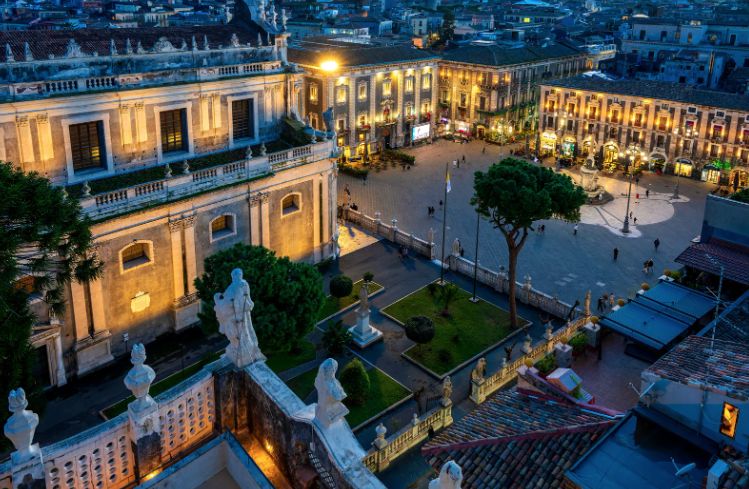
A historic milestone for Catania Airport
The direct flight between Catania and New York remains a historic milestone for Catania Airport and for the whole of Sicily,- said Anna Quattrone, president of SAC, and Nico Torrisi, managing director. -The extension of Delta’s route beyond the summer season shows the strength and strategic value of this flight, which enhances our airport’s offering and strengthens a stable link between Sicily and North America. This is a tangible opportunity to support the growth of tourism, foster economic exchange and further promote our region.”
A Boeing 767-300 with four cabins
Delta operates the flight using a 211-seat Boeing 767-300, featuring Delta One, Delta Premium Select, Delta Comfort and Delta Main service classes. Delta One offers fully reclining seats and seasonal four-course menus curated by renowned chefs, as well as a sophisticated wine list featuring Taittinger champagne. Furthermore, thanks to a partnership with luxury fashion house Missoni, Delta One customers will find a new amenity kit, linens and design elements on board that define the Delta One travel experience.
Dealt Premium Select has wider seats
In Delta Premium Select, passengers have more space to relax and stretch out thanks to wider seats, a deeper recline and further enhanced service. In all cabins, passengers enjoy food and beverage service and have access to over 1,000 hours of entertainment via Delta Studio. As part of its commitment to innovation and technology, Delta offers all passengers flying within the Delta network between Italy and the United States access to free, high-speed Delta Sync Wi-Fi, provided by T-Mobile, in all classes of service.
The focus is on the quiet rural landscape
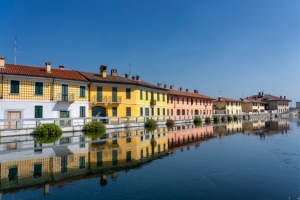
And the discovery starts with the journey itself. From Milan visitors can follow the Naviglio Grande by bicycle or on foot, moving steadily away from Milan’s buzzing cafés and aperitivo bars into a tranquil rural landscape. The canal, once engineered under Leonardo da Vinci’s influence, becomes narrower and the rhythm slower, inviting visitors to explore Italy’s quieter side.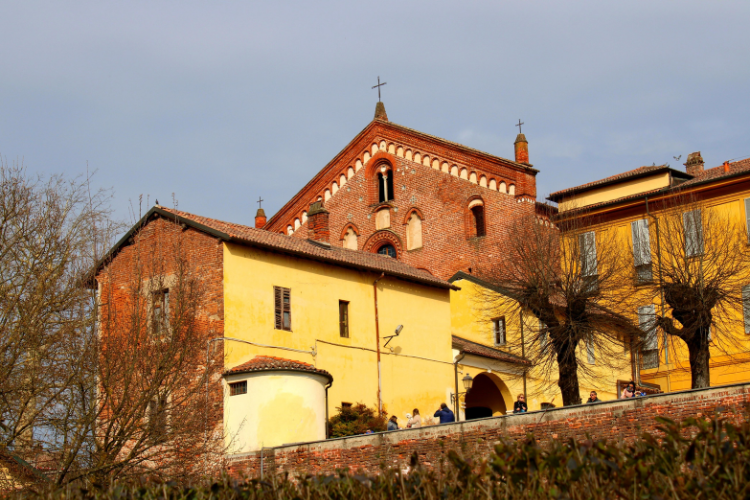
A 12th-century Abbey
In the little town of Morimondo the Abbey, a 12th-century Cistercian monastery set in flat farmland and reached not by road but on water and towpaths, rises unexpectedly from the fields. Brick-built, austere, and deliberately free of ornament, it is a textbook expression of Cistercian monastic life.
The tranquil village invites wandering
Inside the Abbey is calm with light filtering in, and an architecture that encourages stillness and reflection. Outside, the small village of Morimondo maintains a low profile with just a few shops, a handful of local restaurants in which to discover simple local foods, and long stretches of countryside that invite wandering and relaxation. 
Easy to reach from Milan
Trains from Milan reach nearby Abbiategrasso in under 40 minutes, followed by a short taxi ride or cycle along the canal. By car the journey is equally easy, making it suitable for a one- or two-night stay. And once in the area the best way to move around is by walking or cycling which are ideal ways to enjoy the laid-back lifestyle. For a weekend, Saturday can be devoted to the canal route and the Abbey visit, followed by a relaxed meal featuring local Lombard cooking. Sunday offers time for long walks along the water, a quiet observation of agricultural life, and an easy return to Milan by early afternoon. For information. www.italia.it/en/lombardy/milan/naviglio-grande?utm_source=chatgpt.com
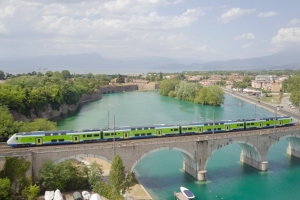
Trains to lakes, theme parks and art and sport destinations
These apply to its Train Trips services to the lakes, major theme parks, and destinations for art and sport, while the Historic Train services resumed on Sunday 12 April, and this year will once again take enthusiasts and curious visitors to the lakes and city centres.
A 7% growth in the first quarter
Organized in partnership with Discovera, the spring and summer schedules have been devised by Trenord to promote the use of trains for leisure travel. “The train remains the leading mode of transport even at weekends and on public holidays, as demonstrated by the 7% growth recorded in the first quarter of the year. This positive trend, which has continued beyond the summer season, highlights how the train is now the preferred choice for leisure travel,” said Leonardo Cesarini, commercial director Trenord. 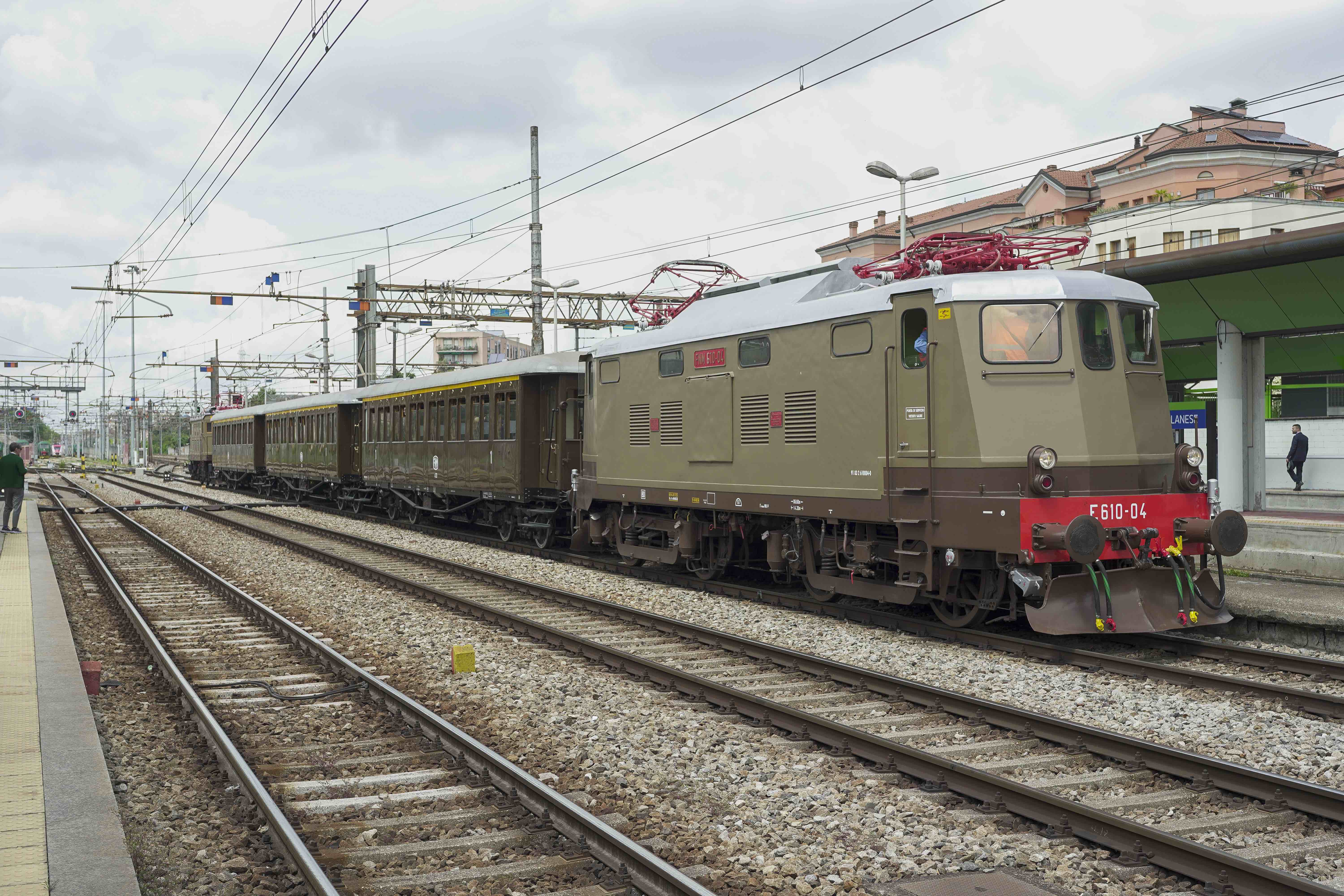
Working with local partners
“With the ‘Gite in Treno’ train trips programme and our tourism initiatives, we want to give further impetus to this trend, encouraging more and more people to opt for sustainable transport. Our added value is based on two pillars: on the one hand, an extremely extensive network of connections that allows travellers to leave their cars at home in complete comfort; on the other, close promotional collaboration with the local area and partners such as Discovera and Navigazione Laghi. This collaboration aims to inspire travellers and promote a more conscious, authentic and environmentally friendly culture of tourism.”
A wide range of options to choose from
The "Gite in Treno" train trips offers include train-and-boat routes on the Lombardy lakes to explore the Como and Lecco shores of Lake Como, and the villages on Lake Garda, Lake Maggiore from Stresa and Laveno, Lake Sebino and Monte Isola. From May, a train-and-boat route on Lake Lugano will be added to these options. Packages combining train travel with admission to the region’s largest theme parks, Gardaland Park and Movieland, are designed for young people and families. For trekking enthusiasts and sports lovers, the “Viandante sul Lago” packag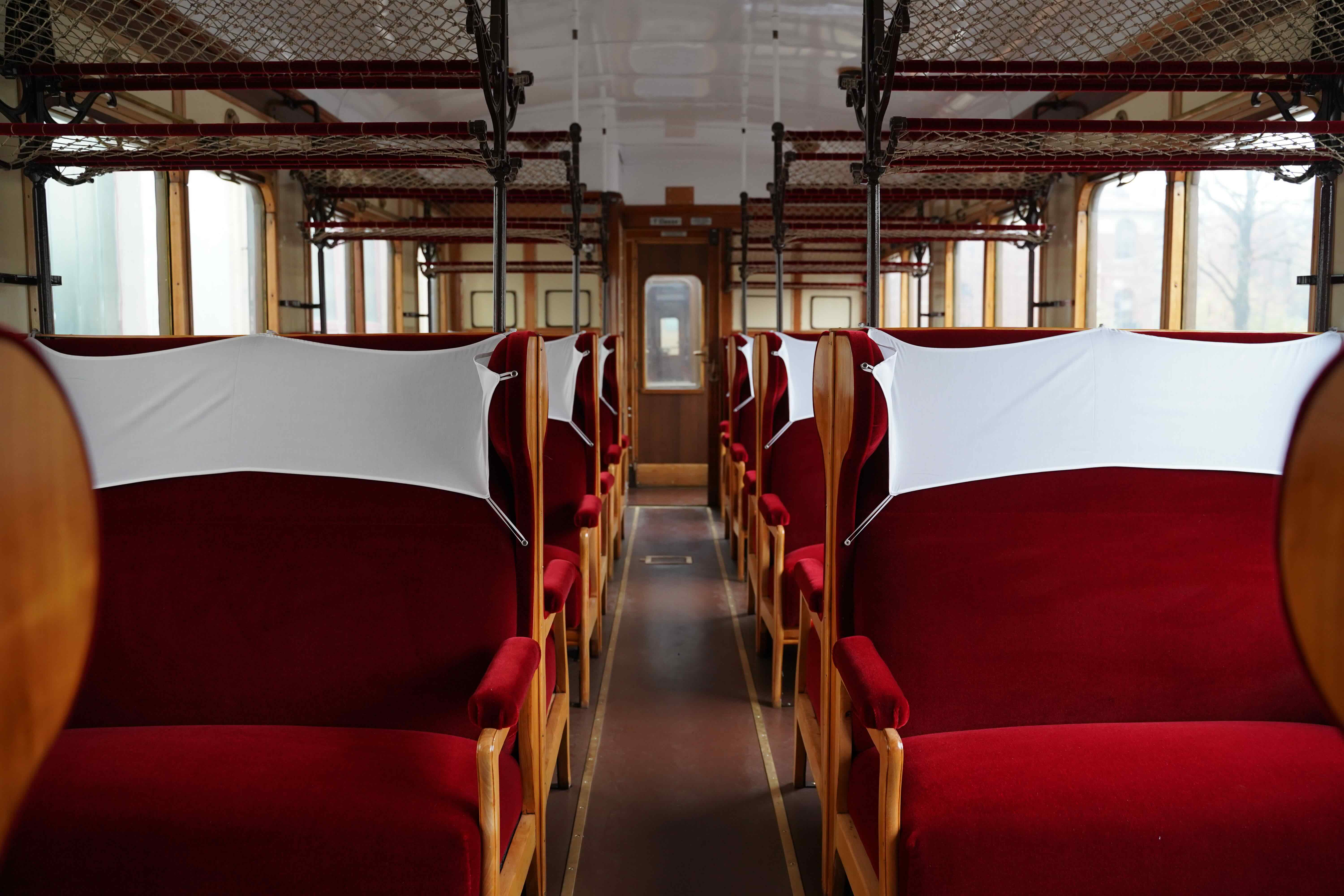 e is available for one or two days. It includes travel to Lecco and unlimited travel between stops as far as Colico, allowing you to alternate boat journeys with walks between the various towns on Lake Como along the “Sentiero del Viandante” trekking route.
Three first-class carriages
Trenord’s vintage train journeys resumed on Sunday 12 April, and until November the timetable includes 12 journeys in the train's three first-class AZ carriages (130-136-137), built in 1924–25, the FNM E610-04 electric locomotive from 1949 and the FNM E600-3 electric locomotive, built in 1928. The rolling stock, finely restored with the support of Ferrovienord, takes passengers from Milan Cadorna to Laveno Mombello, Como, Novara and Asso, immersed in a 1920s atmosphere, seated on the cardinal-red velvet seats of the first-class carriages, with their wooden interiors. The journeys will be enlivened by figures in period costume, musicians and performers delivering artistic and theatrical performances. This programme will be complemented by three trips on the historic ALn 668-125 railcar - built in 1979 and now elegantly restored -along the shores of Lake Iseo. The train will depart from Rovato towards Iseo, with the option of a boat trip to Monte Isola, or towards Pisogne.
The return of the Olympic flag
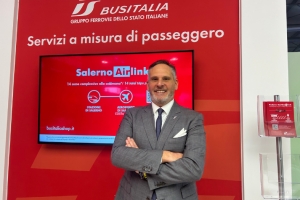
The Trenitalia subsidiary was a key player in transport services for the Milan-Cortina 2026 Winter Olympic Games, and it recently accompanied the Italian Olympic Team to the Quirinale Palace for the return of the Olympic flag, the athletes travelling to the flag-return ceremony at the on a Busitalia open-top bus. 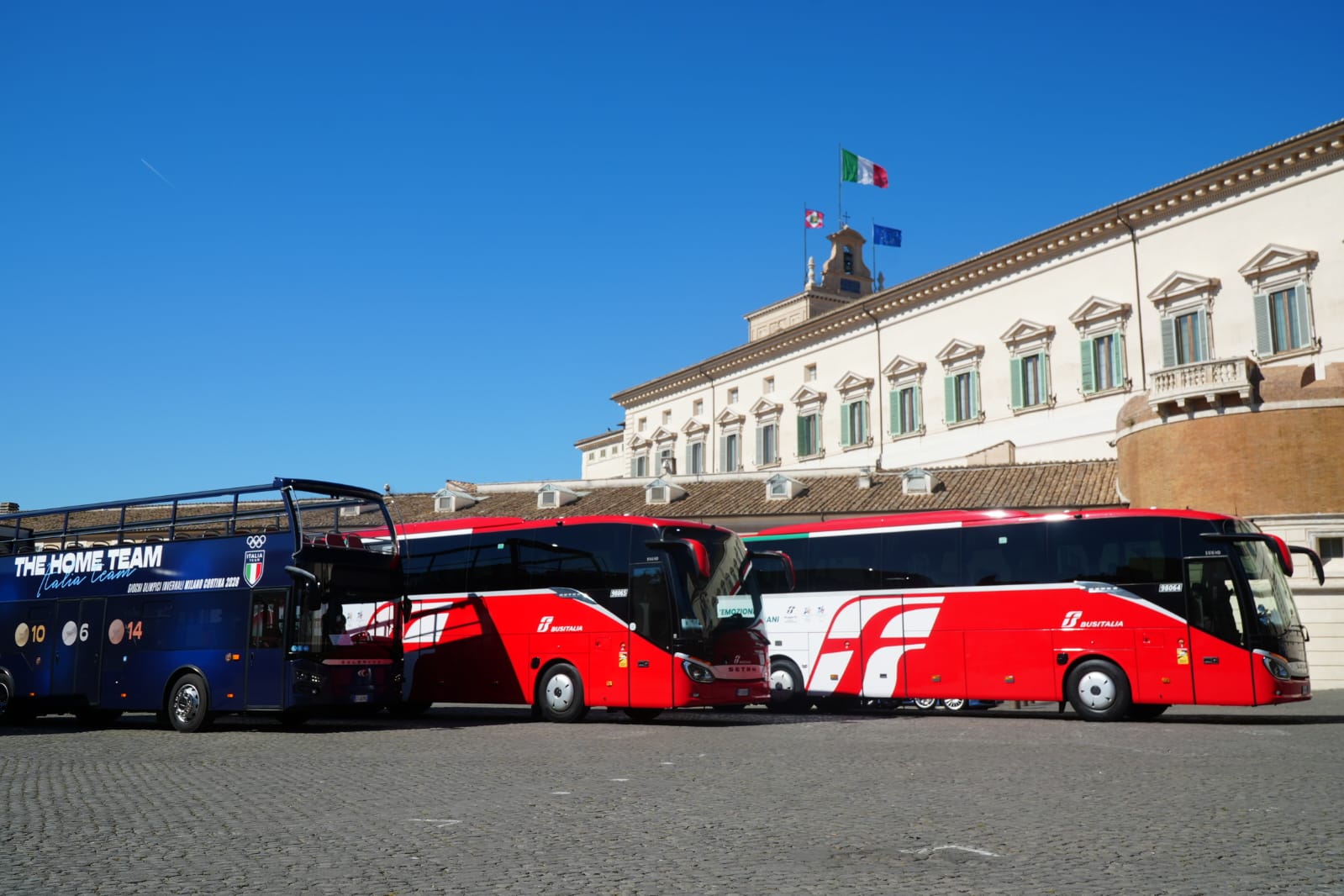
An open-top Busitalia bus
For the occasion, Busitalia provided a vehicle featuring the ‘Italia Team’ livery to highlight the celebratory nature of the event. Two other coach buses with a dedicated ‘Look of the Games’ livery were used to transport the staff. Busitalia also ensured the delegation’s transport to the official visit to the Vatican for the meeting with Pope Leo XIV the following day. The open-top bus made available to the Italian medallists is part of the fleet of City Sightseeing Italia, a company acquired by Busitalia in January 2026, with the aim of promoting integration between rail, local transport and sightseeing services through intermodal solutions that extend the value chain of tourist transport and contribute to the enhancement of cities and the national cultural heritage.
Over two million passengers during the Games
Alongside the expansion of high-speed and regional train services, new bus routes such as Padua–Cortina and Milan–Livigno were introduced during the Games, also with a view to integrated train-plus-bus transport. During the Games, Busitalia managed the transport service for athletes, sports staff and the media, "providing more than 500 buses every day across three different regions,- explained Serafino Lo Piano, CEO and general manager Busitalia. - 12 routes were in operation, totalling 110,000 journeys, and over two million passengers were transported.”
Adjusting fuel surcharges to mitigate rising jet fuel prices
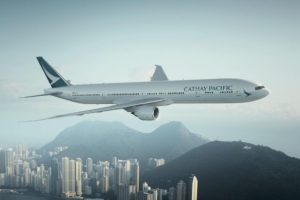
The Middle East situation continues to negatively impact the price of jet fuel, which has increased significantly since the beginning of March and remains at highly elevated levels, placing huge cost pressure on airlines around the world. A statement from Cathay Pacific details the measures currently being taken: "In the past month we have pursued every suitable means to keep our flights operating as normal. This includes adjusting the fuel surcharges in an attempt to mitigate the surge in jet fuel prices."
Consolidating a small number of flights
"Despite our best efforts, the measures we have taken to mitigate the heightened fuel costs have not been enough,- continues the statement. -Cutting back on capacity has always been our last resort. Regrettably we have to consolidate a small number of Cathay Pacific passenger flights from 16 May 2026 to 30 June 2026, as well as a small number of HK Express passenger flights from 11 May 2026 to 30 June 2026, to mitigate part of the increased costs." For Cathay Pacific some 2% of total frequencies during the period will be cancelled, involving mostly regional flights and a small number of Australia, South Asia and South Africa flights.
Protection for passengers
All affected customers will be offered protection onto flights departing within 24 hours of their originally scheduled flights. For HK Express, about 6% of total frequencies during the period will be cancelled, with nearly all affected customers offered protection onto flights departing within 24 hours of their originally scheduled flights. All affected customers were notified of their updated flight details by Monday 13 April. A decision has also been made to continue suspending Cathay Pacific’s Dubai and Riyadh passenger flights until 30 June 2026 in view of the ongoing situation in the Middle East.
"Maintaining network and frequencies as much as possible"
With attention to the needs of passengers a priority for the Hong Kong-based carrier, the impact on customers has been minimized as much as possible. "These consolidation decisions are not taken lightly, and we apologize to customers for any inconvenience caused." Beyond June, Cathay Pacific and HK Express plan to operate all scheduled passenger flights, subject to developments of the Middle East situation and jet fuel price in the coming months. "During these unprecedented times, we shall remain agile in our response while striving to maintain our network and frequencies as much as possible for our customers, business partners and the Hong Kong international aviation hub."




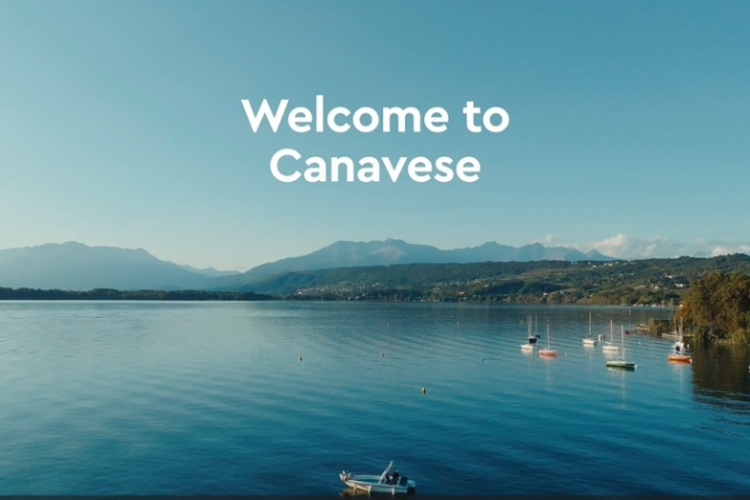
Welcome to Canavese, an unexpected corner of Piedmont where …
843Welcome to Canavese, an unexpected corner of Piedmont where …
843
