












Italy has collected many honours down the centuries, but few are as delicious as UNESCO’s recognition which yesterday gave its cuisine a seat as an Intangible Cultural Heritage.
In Italy food is a great art
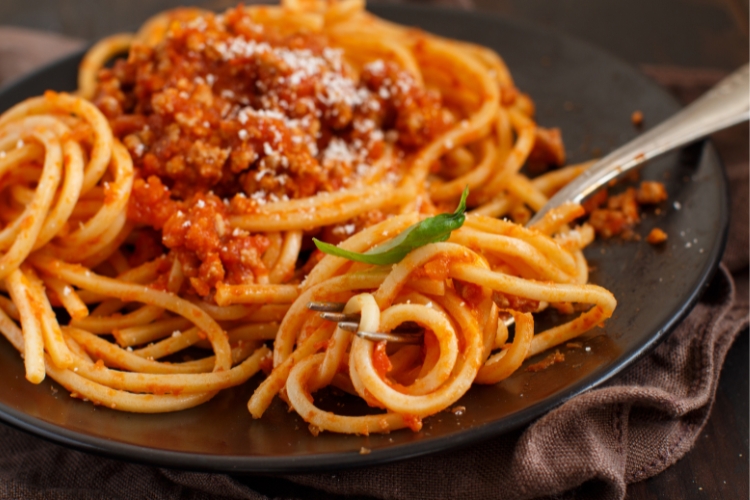
This is an award not for chefs in white hats, but for the everyday magic that happens in Italian homes, where food is prepared, cooked and regarded with the devotion usually reserved for great art. Because in Italy, of course, cooking is a great art. Italian cuisine is not defined by a single flavour profile, cooking method or set of ingredients. Instead, it is a philosophy: take what the land offers, respect it, prepare it with care, and share it generously that UNESCO has honoured.
A chorus of fiercely regional voices
What makes the UNESCO accolade unique is that it celebrates the staggering diversity of dishes found in twenty regions that often agree only on one thing: that theirs is the “real” Italian cuisine. The ingredients may differ, the techniques may vary, and even the mealtimes shift slightly, but the values remain constant. From the arancini made in Sicilian kitchens to the pots of polenta slowly stirred in Alpine valleys; from Roman debates on the true carbonara to Liguria’s proud guardianship of pesto, Italy’s culinary identity is not one tradition, but a chorus of fiercely regional voices singing in perfect harmony.
The world still eats best when it eats Italian
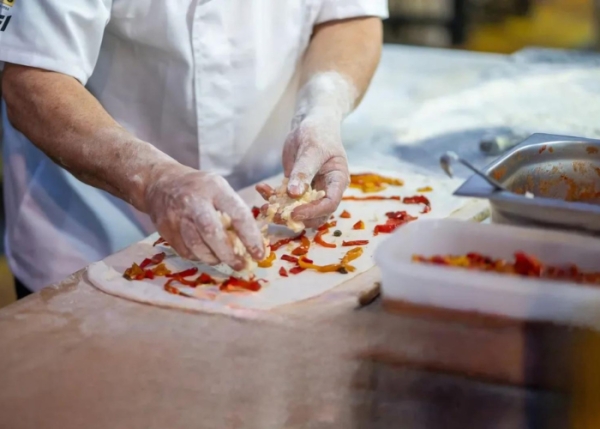
UNESCO has recognized this daily ritual of cooking as a cultural treasure: the gestures passed down from generation to generation, the loyalty to seasonal ingredients, the stirring, kneading and rolling that turn simple products into dishes fit for a king. In an age when meals are squeezed between appointments, Italy still insists on gathering around the table, as if every day was a holiday to be celebrated with family and friends. The UNESCO recognition doesn’t just mean Italy has added another medal to the shelf, it says the world still eats best when it eats Italian.


