








The Chianti hills are a gentle, undulating chain straddling Florence and Siena.
Wine growing was established in 1832
From a historical point of view, for centuries Chianti included the municipalities of Gaiole, Radda and Castellina, part of the old Chianti League, established in 1384 by the Florentine Republic and whose symbol was the still famous black rooster. With the establishment of the wine-growing area in 1932, the territory known as Chianti was significantly expanded.
Home to the Chianti Classico DOCG red wine
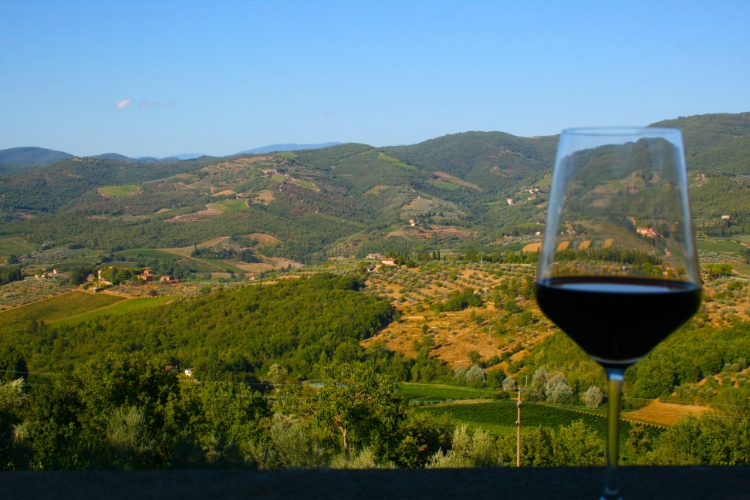
The history of this territory has always been inextricably linked to the wines produced in these areas, and more. Chianti is therefore the ideal destination for a journey into Tuscany’s food and wine traditions. The municipalities in this area are part of the production zone of Chianti Classico DOCG red wine, which is famous throughout the world. The Sangiovese vines, the basis of Chianti Classico, are spread across the hills of this territory, leaving room here and there for villages and hamlets. 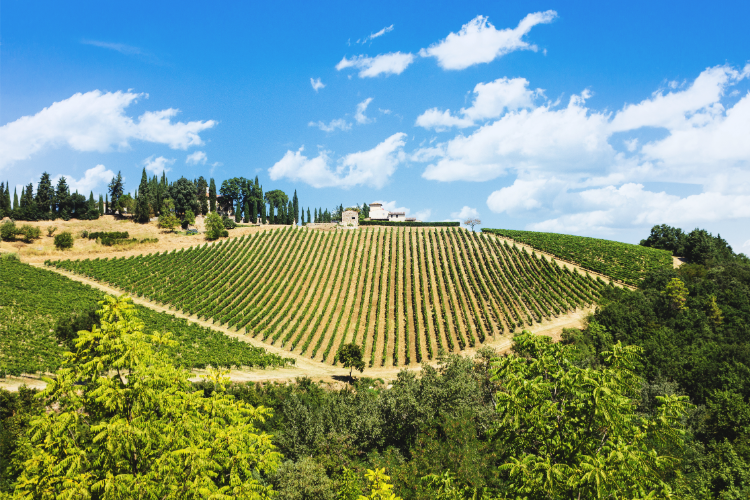
Tuscan food has entered the most refined cuisines
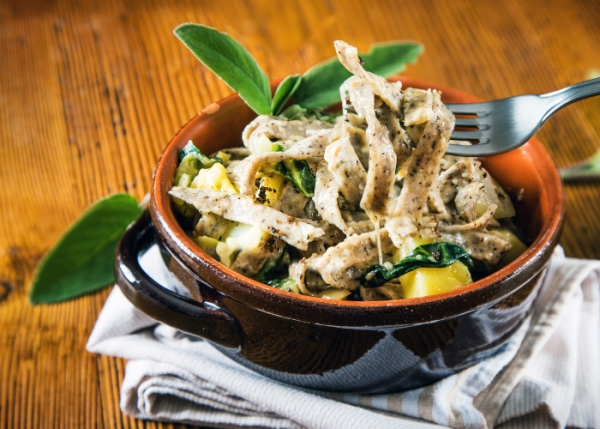
Chianti wine pairs perfectly with tasty products such as cold cuts and with local dishes that use ingredients that traditionally fed the poor, now ennobled to the point of becoming part of the most refined international cuisines: dishes such as ribollita, stuffed neck, chicken livers and tripe.
The Chiantigiana road is popular with motorcyclists
A perfect way to make sure you don't miss a single stop in this area is to travel along the Chiantigiana, the road from Florence to Siena that is so beloved by motorcyclists. Stops along the way include the villages of Greve in Chianti, with its curious triangular square surrounded by porticoes, Castellina, with its fortress, home to the archaeological museum, and typical villages such as Montefioralle and Panzano.
Fascinating museums, and wineries
The Chianti roads also lead to castles such as Volpaia, in the municipality of Radda, the scene of centuries-old struggles between the Florentine and Sienese republics. Castelnuovo Berardenga is home to a unique museum, the Museo del Paesaggio, a space for reflecting on the relationship between man and the environment, while a few minutes from San Casciano in Val di Pesa we find the fascinating Cantina Antinori winery.


