






A vocation for art andexhibitions
The union between art and hospitality is becoming increasingly popular. Almost at the same time as the announcement of the opening of the first Neapolitan branch of the Finarte auction house at the Hotel de Bonart Naples, Palazzo Velabro in Rome is also starting 2025 with creativity. The Design Hotels property, operated by the white label company LHM and opened in 2023, was created to mirror the original vocation of the building, once a place of refuge for intellectuals and tourists from all over the world. It therefore regularly hosts exhibitions in collaboration with renowned curators and artists. After having hosted the photographs of Gabriele Basilico and celebrated the Italian maestro Mimmo Jodice, Palazzo Velabro is ready to inaugurate a new exhibition: the photography of Luisa Lambri and the drawings of Ettore Spalletti, which will be on display until the end of June.
Suites and designer rooms
This selection of works, curated by Benedetta Spalletti the founder of Galleria Vistamare, explores a visual poetics centred on light and harmony. Luisa Lambri's photography, in particular, reveals a special interaction between light and architecture, creating a suspended atmosphere that invites reflection. Ettore Spalletti's drawings, on the other hand, immerse the visitor in a mental space, made up of geometric shapes that seem to float on the whiteness of the paper. With 27 home suites and six designer rooms on five floors and separated by thick Roman walls, Palazzo Velabro is highly appreciated not only by Italian customers but above all by international guests. An analysis of the data shows that 50% of guests come from the United States, especially from New York, Texas and California. The average length of stay is about three days, with a clientele made up largely of couples (40%) and families (25-30%) with children or other family members, from different parts of the world, including Canada (4%), the United Kingdom (3%) and China (2%).
“Tourism and catering are central to our brand”
“We are thrilled that our mixed-use hotel formula is proving so popular with international customers too,- said LHM CEO Cristina Paini. -Our goal is to create a hospitality format that enhances urban assets, enriching them with design and art, and that welcomes our guests with traditional Italian hospitality. We firmly believe that tourism and catering are central elements of our ‘Made in Italy’ brand.”
Bolzano is only 50 miles away
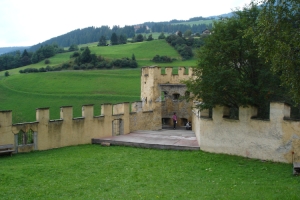
Also known as Welsperg Castle, this historic fortress offers visitors a glimpse into the past while providing breathtaking views of the surrounding Alpine scenery. Reaching the castle is both convenient and scenic, with the nearest major city, Bolzano, just 50 miles away. Travellers can take a train from Bolzano to Monguelfo, the small village at the base of the castle, and from there it’s an easy walk, offering an opportunity to take in the tranquil surroundings before stepping into the historical fortress. The Castle’s strategic position and architectural grandeur make it a fascinating destination for both history enthusiasts and nature lovers.  CREDIT Wolfgang Sauber Welsberg Burg
Art exhibitions and guided tours
The castle’s origins date back to the 12th century, and visitors can explore the interiors, including its ancient halls. The castle serves as a cultural venue hosting various exhibitions, concerts, and events during the summer months. Many rooms feature art exhibitions, many of which showcase works by South Tyrolean artists, while there are panoramic views over the verdant valley and the dramatic Dolomite mountain range. The castle is typically open to visitors from late spring through early autumn, with precise opening hours depending on the season. It is advisable to check ahead to ensure entry and to learn about guided tours.
Hiking and cycling trails
The surrounding area of Monguelfo and the Puster Valley is rich in attractions for visitors. The charming village of Monguelfo itself is worth exploring, with its traditional South Tyrolean architecture and serene Alpine ambiance. Nearby, beautiful Lake Braies captivates travellers with its turquoise waters and mountain reflections, while the Fanes-Sennes-Prags Nature Park has extensive hiking trails. The Roman Path to Dobbiaco has panoramic views of the Dolomites, while the Tesido Legend Trail provides a family-friendly experience, and the Val Pusteria Cycle Path (Pusterbike) is a scenic cycling route that traverses the valley,and is suitable for various skills levels. For information: www.suedtirolerland.it/en/highlights/castles-mansions/monguelfo-castle/
Just 40 minutes by boat from Naples
This little gem has long flown under the radar, overshadowed by the glitzy appeal of its neighbours Capri and Ischia. But then in 2022 Procida took center stage as the Italian Capital of Culture, finally earning its well-deserved recognition. Just a 40-minute ferry or hydrofoil ride from Naples, it holds a simple yet captivating allure. 
Colourful fishing villages
Arriving in Procida feels like stepping into a Mediterranean painting, and once there, the best way to explore is on foot or by renting a bike to take in the island’s scenic views and hidden corners at a leisurely pace. Known for its colorful fishing villages, pastel houses line the little harbours, and Marina Corricella is the most famous of these waterfront spots. This tranquil retreat has narrow streets, seafood restaurants, and a timeless atmosphere that has long inspired filmmakers.
The beaches are the highlight of any visit
Renaissance palaces and Baroque churches clutter its streets, offering glimpses into its layered past. Terra Murata, the island’s fortified old town, sits high on a hill, provides stunning views of the sea and is home to the Abbey of San Michele Arcangelo, a treasure trove of art and religious relics. Procida’s beaches are a highlight of any visit, offering a mix of tranquil, near-deserted coves and more accessible sandy stretches. Chiaiolella Beach, a local favorite, is perfect for sunbathing and swimming, while the rugged Pozzo Vecchio Beach is a quieter, more atmospheric escape, and the Spiaggia del Postino beach is named after the Italian film Il Postino (The Postman), which was filmed here.
Delicious seafood and local Limoncello
Seafood is a way of life on Procida, with menus brimming with fresh catches prepared simply but deliciously. Dishes like Linguine with Sea Urchins and Grilled Calamari reflect the island’s connection to the sea. And what better way to accompany the catch of the day than with a chilled glass of local wine or the island’s signature Limoncello liqueur. Procida may be small, but it brims with charm and character, offering an idyllic escape for those who seek authentic experiences and a taste of Italy’s colourful lifestyle.
Advantages for passengers in Italy and Spain
Passengers with a single booking will have access to a new series of combined trips. ITA customers will be able to reach destinations such as Cordoba, Valencia, Alicante, Seville and Malaga with the Frecciarossa, currently not directly covered by the Italian carrier's flights. Passengers of Iryo - the company owned by Trenitalia, which is part of the FS state railways group, that operates high-speed services in Spain - will be able to reach over 20 airports in Italy, including, important hubs such as Rome, Milan, Venice, Florence and Naples.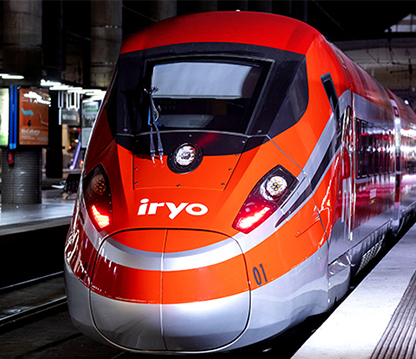 FS Iryo“We promote seamless mobility in European countries”
“For the FS Group, Europe is not just a market, it represents a fundamental strategic opportunity that looks to a future of increasingly integrated, intermodal and sustainable mobility,- says Stefano Antonio Donnarumma, CEO and general manager of the FS Group. - Our vision is to promote seamless mobility between various European countries, with the train connecting the main cities and metropolitan areas. Intermodality thus becomes the beating heart of a European transport system that contributes to the reduction of Co2 emissions and an improvement in the quality of life.”
ITA Airways is committed to intermobility
“This new agreement with Iryo represents an important expansion of the offer for the Spanish market and strengthens ITA Airways commitment towards intermodality, highlighting the values and ambitions that guide our strategy: sustainability, innovation and customer centricity. Our goal is to enable more efficient connectivity between Spain and Italy, guaranteeing connections from the Rome Fiumicino hub, via Madrid and Barcelona, to seven destinations in Spain,” said Joerg Eberhart, CEO and general manager of ITA Airways.
Dedicated to unpublished fairy tales
The festival, linked to the Andersen Award-Bay of Fairy Tales is dedicated to unpublished fairy tales. Founded in 1967, over the years the award has become a benchmark in the world of literature for children and young adults, and is one of the longest-running literary contests in Italy, this year in its 58th edition.
New forms of visual language
The 28th edition of the Andersen Festival will be under the artistic direction of Duccio Forzano, a popular television and theatre director, known for his creative approach and ability to transform projects into unique experiences. The festival aims at exploring new forms of visual language and involving an increasingly vast and diversified audience, with a special focus on the world of childhood. 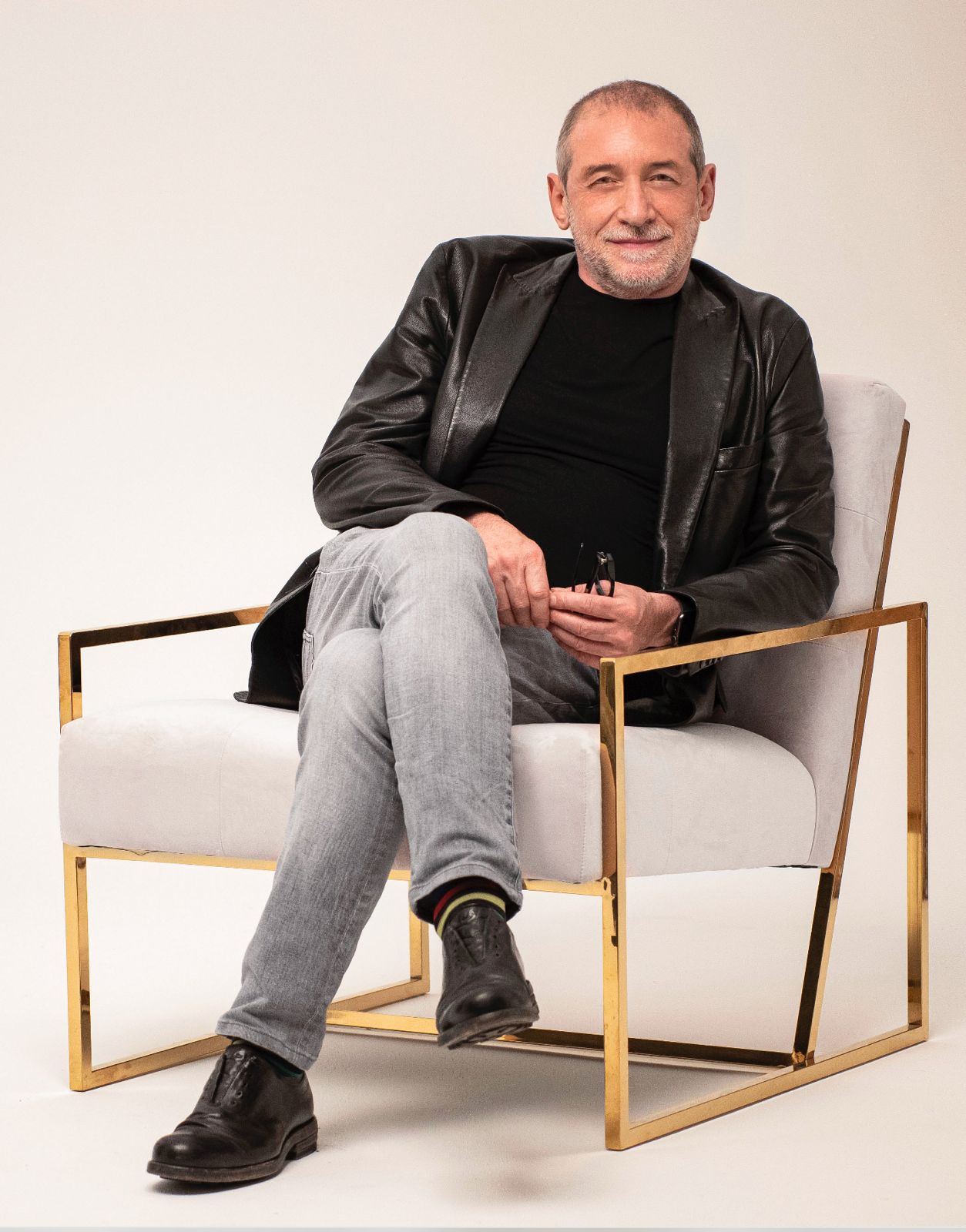 Duccio Forzano“This year’s theme is Time”
"I am happy to be in charge of this festival for the next three years, and this year I chose to create a theme dedicated to Time which does not stand still; we live on our memories and who better than children to represent this” says Duccio Forzano
A festival that will impact on the city of Sestri Levante
"On behalf of the city council, I am delighted that Duccio Forzano will bring his talent to Sestri Levante to lead our festival which this year, while remaining faithful to its tradition linked to childhood, will be able to profoundly renew itself, offering new cultural impetus to the city and the Tigullio area,” says Sestri Levante’s mayor, Francesco Solinas.

Sestri Levante is some 30 miles from Genoa
Sestri Levante is a charming coastal town about 30 miles southeast of Genoa, famous for its stunning Baia del Silenzio (Bay of Silence), a picturesque beach with crystal-clear waters. The historic old town is filled with colorful Ligurian houses, boutiques shops, and delicious seafood restaurants. For nature lovers, a hike to Punta Manara offers breathtaking panoramic views of the Ligurian coastline.
All-inclusive luxury travel is also on the rise, with more hotels and providers offering seamless, stress-free stays by curating experiences that go beyond just accommodation. The add-ons go from gourmet dining and premium spa treatments to themed getaways, and with everything included upfront there are no worries about extra costs.
Also in demand is soft travel tourism, which means thrilling experiences with minimal effort, like guided nature walks, hot-air balloon rides, and scenic kayaking. And what could be better than pairing these with relaxation, like a wine tasting after a countryside hike?
 Pamela McCourt Francescone
Executive Editor
A Rome-Haneda flight is the first to carry the Alitalia brand
As announced last September, and after an initial launch on a few strategic touchpoints - the carrier's app and website - ITA Airways has chosen to bring the brand back to the air on a latest-generation Airbus A350 that made its debut on 15 February on the Rome Fiumicino-Tokyo Haneda route. During the summer of 2025 “Inspired by Alitalia” will also be displayed on two other aircraft, an Airbus A321neo, used on medium-haul routes, and an Airbus A220-100, used mainly for short-haul flights.
Associating the Alitalia brand with the ITA Airways logo
“The Alitalia brand,- reads a note from the airline, -an important asset owned by ITA that pays homage to the history of aviation and the country with its pioneering excellence in air transport, is thus enhanced through a concrete and ambitious project that aims to associate the Alitalia brand with the identifying ITA Airways logo, thus strengthening it with its values of excellence in air transport, which are unanimously recognized around the world.”
ITA’s CEO says they are aiming for a relaunch
ITA Airways acquired the Alitalia brand for €90 million in October 2021 - just before the new company took off - but the investment, particularly valuable at an international level due to its brand identity and Italian heritage, remained on the shelf. Until 2024 when it was decided to re-evaluate it, with Lufthansa - which on 17 January acquired a 41% stake in ITA Airways - deciding its fate. ITA's CEO Joerg Eberhart explained that the brand “has a high value and potential, but before relaunching it we would like to reach breakeven in order to relaunch it in a much better way.”
Products and treatments from the leading French brand
New products and rituals inspired by traditions from all over the world. Château Monfort, Planetaria's 5-star hotel in Milan, has enriched its offer thanks to a partnership with Cinq Mondes, the leading French brand specializing in spa treatments and offering skincare, bodycare and fragrances. “We are very proud of this new collaboration, thanks to which Amore e Psiche becomes the only Cinq Mondes spa in Milan,- says Stefano Risolè, brand and development manager of Planetaria Hotels. The quality and effectiveness of their products, combined with the unique range of rituals and treatments on offer, integrates and completes the renovation process we recently carried out on our wellness area, offering our guests a true oasis of well-being removed from the hustle and bustle of the city.” Cinq Mondes treatments
Access to the spa is only on reservation
The Amore e Psiche spa was designed as a timeless space, where every detail evokes contact with nature. The swimming pool, sensory showers and Turkish bath are in delicate earthy colours with reflective surfaces and soft lighting making the environment, designed for exclusive use, even more evocative. Access to the wellness area is only on reservation and for two hours, as a couple or in small groups.
Featuring Polynesian rituals and massages
Present in over 30 countries and in more than a thousand spas in 4 and 5-star hotels, Cinq Mondes now brings numerous treatments to the Amore e Psiche spa, including the 50-minute Polynesian Ritual, inspired by the beauty traditions of the Polynesian islands, and the famous Lomi-Lomi massage, designed to relieve deep muscle tension whike restoring vitality and energy.
Vueling’s three new international routes to Italy
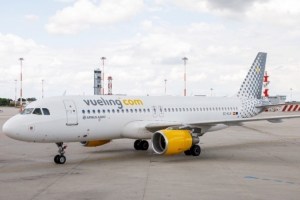
The IAG group company will introduce three new international routes to Italy, from Barcelona to Rimini and Salerno (thus becoming the only company to connect these cities from Spain with a direct flight), and one from Paris-Orly also to Salerno (also the only company to operate this route).
More flights for the summer season
The flights will operate more frequently each week with the Paris-Orly-Salerno route operating three flights a week (Monday, Wednesday, Friday), from 20 June to 24 October; Salerno will then be connected to Barcelona with three flights a week (Monday, Thursday and Saturday), with departures between 3 July and 25 October. And the Barcelona-Rimini route will have two weekly flights (Wednesday and Sunday), with flights departing from 2 July to 22 October. Salerno thus becomes part of the company's offer in the Campania area, joining the 18 weekly flights already operating to Naples and strengthening connections with the Amalfi Coast. Similarly, the route to Rimini increases the possibilities of reaching the Romagna Riviera, as well as the Emilian capital, Bologna.
Vueling will have 16 million seats from Barcelona-El Prat
Three new aircraft are joining the company's fleet, with a 13% increase in the number of seats available on international routes during the peak summer season. Vueling is thus consolidating its role as the leading airline at Barcelona-El Prat airport, with 9% more seats per week than in summer 2024, reaching a total of 16 million.




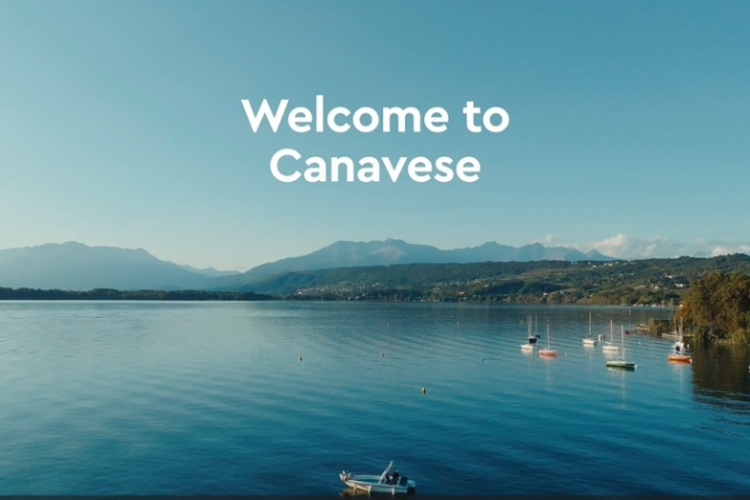
Welcome to Canavese, an unexpected corner of Piedmont where …
847Welcome to Canavese, an unexpected corner of Piedmont where …
847
