




Aiming for the luxury tourism segment
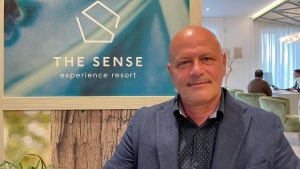
In recent months Icon Collection has continued to invest in its four Tuscan properties under management which are located between the Maremma and the Etruscan coast. Over €30 million has been put into The Sense Experience Resort, Park Hotel Marinetta, Antico Podere San Francesco and Borgo Verde. Established in 2019 by Federico and Riccardo Ficcanterri, Icon Collection is rapidly developing from a family business into a managerial enterprise and aiming for a prominent foothold in the luxury tourism segment.
The W Milan Duomo was the Boscolo Palazzo Matteotti
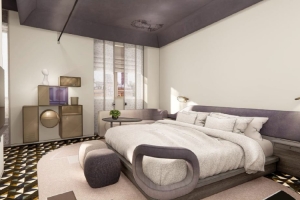
So the W Hotels brand is confirming its intention to open in Milan and with plans for a further forthcoming development in Naples. The W Milan Duomo is owned by the Marseglia group and was the Boscolo Palazzo Matteotti which had a restyling of its 166 rooms, including 36 suites. The property also has a rooftop bar, a restaurant, a fitness area and a spa. In Naples, the planned hotel will be the brainchild of real estate developer Achille D'Avanzo, Solido Holding’s CEO. The new Neapolitan property will have 78 rooms, including 17 suites, a restaurant and a fitness area.
Hampton debuts with Venice Tronchetto
The Hampton by Hilton brand will make its debut in the lagoon city with the Venice Tronchetto, through a franchising agreement with Apex Alliance. The property on the island of the same name is a short distance from the centre of Venice and will open in spring 2024. The 324-room property will be one of the largest in the city and will also feature a breakfast and bar area, two conference rooms, a fitness centre and a dedicated work zone.
New openings for the UK, Germany and Poland
The other four openings include the British Hilton Garden Inn Plymouth (end of 2023, 150 rooms), the German Hampton by Hilton Berlin Airport West (November 2024, 196 rooms) and Postdam (June 2024, 163 rooms), as well as the Polish Hampton by Hilton Szczecin East (January 2024, 103 rooms).


A vocation for natural holidays and authentic experiences
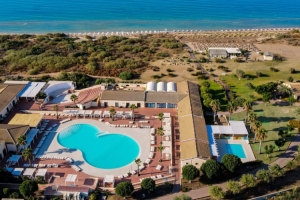
The €500,000 came from Lindbergh Hotels&Resorts which manages the complex, and was invested in photovoltaic panels placed non-invasively on the roof and on the car park canopies. The hotel’s vocation is increasingly oriented towards natural holidays and authentic experiences. Beginning with the opening of the Grill Restaurant on the beach where fresh fish is grilled to the selection of labels from local wineries, to the addition of a new pizzeria for a tasty alternative to the main restaurant, and the creation of a new pool bar by the pool for delicious and refreshing breaks.
A restaurant and a wine cellar for tastings
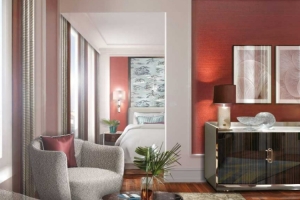
Located in the historic city centre, the Vista Palazzo Verona is a boutique hotel with only 16 suites, plus a panoramic terrace, a 50-square-metre spa suite and an indoor swimming pool. Completing the offer is the Sottovoce Restaurant (there is also one in the Vista on Lake Como) and a wine cellar for tastings.
Swimming, kitesurfing and windsurfing
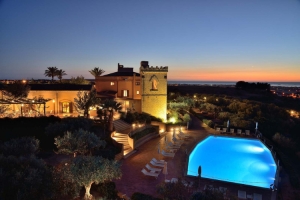
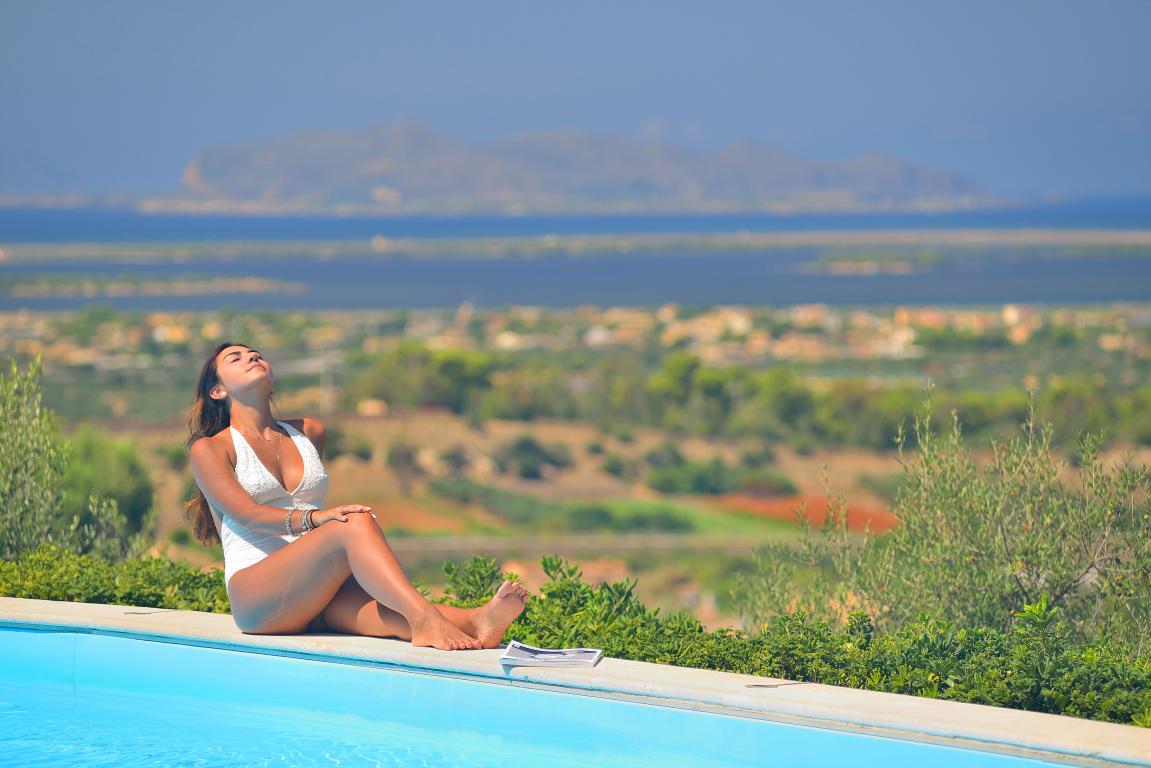
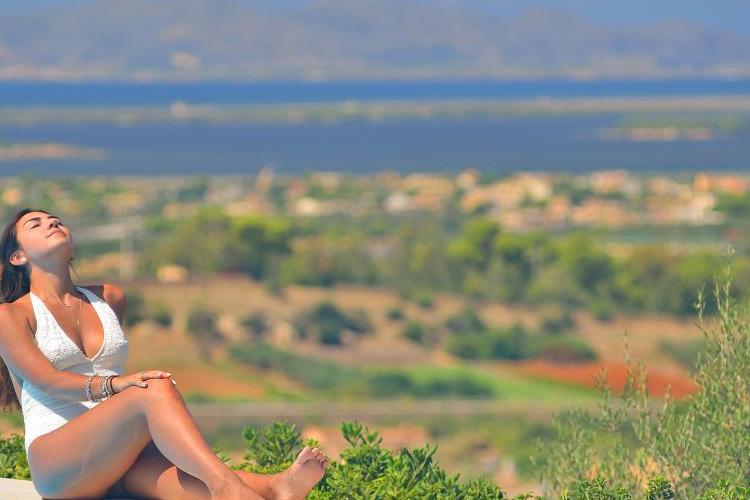
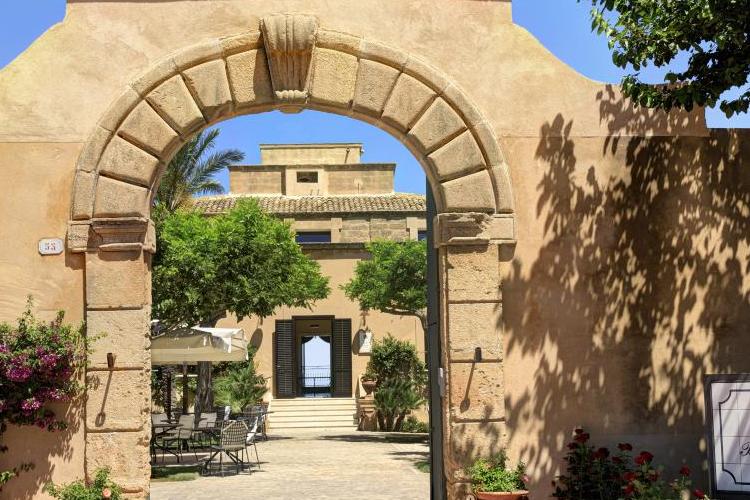
The Stagnone Nature Reserve is located right in front of Baglio Oneto dei Principi di San Lorenzo Wine Resort and at sunset it can be admired in all its beauty from the Wine Resort. With small oases and tiny coves this shoreline is perfect for taking long swims or simply relaxing in the water. For lovers of water sports - such as SUP board, kitesurfing and windsurfing - one area of the Stagnone is known as “the best gym in Italy,” and has schools and courses suitable for all levels.








The Egadi Islands. Europe’s largest protected marine reserve
The southern coast has cool crystal-clear waters, a golden beach and is perfect for those who love to take long walks. For those who like sports there are areas suitable for SUP, kitesurfing and scuba diving, with rental availability. All those who truly love the sea cannot leave Baglio Oneto without first treating themselves to a day on the Egadi Islands, which are the largest protected marine reserve in Europe. The best known is Favignana, which can be toured entirely by bicycle and has the famous Tonnara Florio tuna factory, while the smaller Levanzo and Marettimo offer unique seascapes There are frequent connections from Marsala, but it is also possible to rent private boats for personalized tours.
Montalbano phones Marinella. Livia had just returned. She is happy. 'I discovered a wonderful place, do you know it? It is called Kolymbetra. Just think, it used to be a gigantic pool, dug by Carthaginian prisoners". "Where is it?" asks Montalbano "Right there, at the temples. Now it's a kind of enormous Garden of Eden, recently opened to the public...promise me you'll go there one day."
The garden was entrusted to the Italian Environmental Fund
This passage, taken from Camilleri’s La pazienza del ragno describes the Kolymbetra Garden which in 1999 was entrusted to the Italian Environmental Fund (FAI) by the Sicilian Region for a period of 25 years. It thus became one of the most important archaeological and naturalistic sites in the region and in Italy, ending the state of abandon in which it had languished since the last decades of the 20th century. 
A water system for the city of Akragas
The Greek term Kolymbetra indicates a type of pool used for water games in Roman times, and the origins of the garden date back to when the Greeks colonized Sicily in 500 B.C. Diodorus Siculus narrates that the tyrant Theron entrusted the architect Phaeace with the task of designing a water system to supply the ancient city of Akragas which ended at the foot of the urbe and was known as Kolymbetra.
An ancient hypogea and a citrus grove
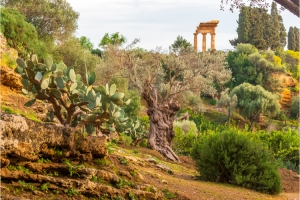
With its five hectares, the garden is a compendium of the agricultural and natural landscape of the Valley of the Temples. In the steepest areas there are intact patches of Mediterranean scrub, along the stream running through the valley floor there are poplars willows and tamarisks on the wide terraces, as well as an ancient citrus grove with many rare species and varieties. Of particular note are the ancient hypogea or Phaeacian aqueducts, the only ones visitable in the Valley of the Temples. Dating back to the 5th century B.C. they fed the ancient pool from which today limpid waters still gush out, irrigating the garden with its ancient citrus, fruit and olive trees.
 Lake Garda
 The adrenaline-pumping wakeboard and contemplative SUP
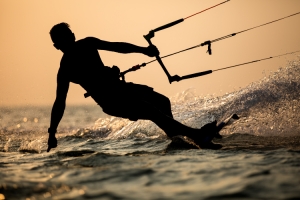
From the adrenaline-pumping wakeboard to the contemplative SUP the new water sports all promise an exciting mix of fatigue and fun. On the flyboard the jumps in the air become even more spectacular with or without the jet ski as the thrust produced by the propulsion system and transmitted to the boots and technical jacket will literally lift you off the ground! Kitesurfing too promises the adrenaline thrill of surfing in the clouds and doing acrobatics on the surface of the water. What do you need? Wind, a board, and a kite to hold onto using a trapeze with a handle.
Subwing, wingfoil and fliteboard
In addition to the more well-known sports, other trendy water sports are becoming popular in Lombardy, from subwing, a sort of underwater motorized snorkeling pulled by a boat, to wingfoil which involves flying over the waves on a board with a hydrofoil fin equipped with an inflatable wing with which to catch the wind. And for those who could be termed lazy there is the fliteboard, an electric surfboard with remote control for navigating the waves.
Lombardy’s surfing lakes
With natural currents, beaches and winds such as the Pelér and the Ora on Lake Garda, or the Magiuur on Lake Maggiore, Lombardy’s lakes are perfect for indulging in the new range of exciting water sports. And there is no shortage of centres that rent out equipment and provide professional instructors.
In addition to the Adriatic Sea, the water ways in the area are the Tagliamento river, to be experienced by pedaling or paddling, and the Marano lagoon. The lagoon can be experienced pedaling along it, on an SUP or in a canoe or a kayak, following the mouth of the Stella river or enjoying a glass of de paluo Friuli wine.
 Credit Studio Aldo Sodoma
Free excursions and electric bicycles
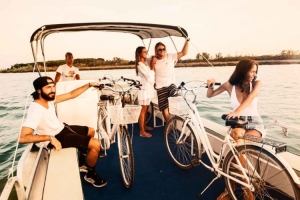
The free excursions range from 17 to 70 kilometres and the bike trails vary in length and difficulty. With a professional guide you can discover many beautiful routes and a world that would otherwise be difficult to approach. And, while stocks last, you can also use a bicycle - in some cases electric - provided free of charge by the Lignano Sabbiadoro Gestioni organization. 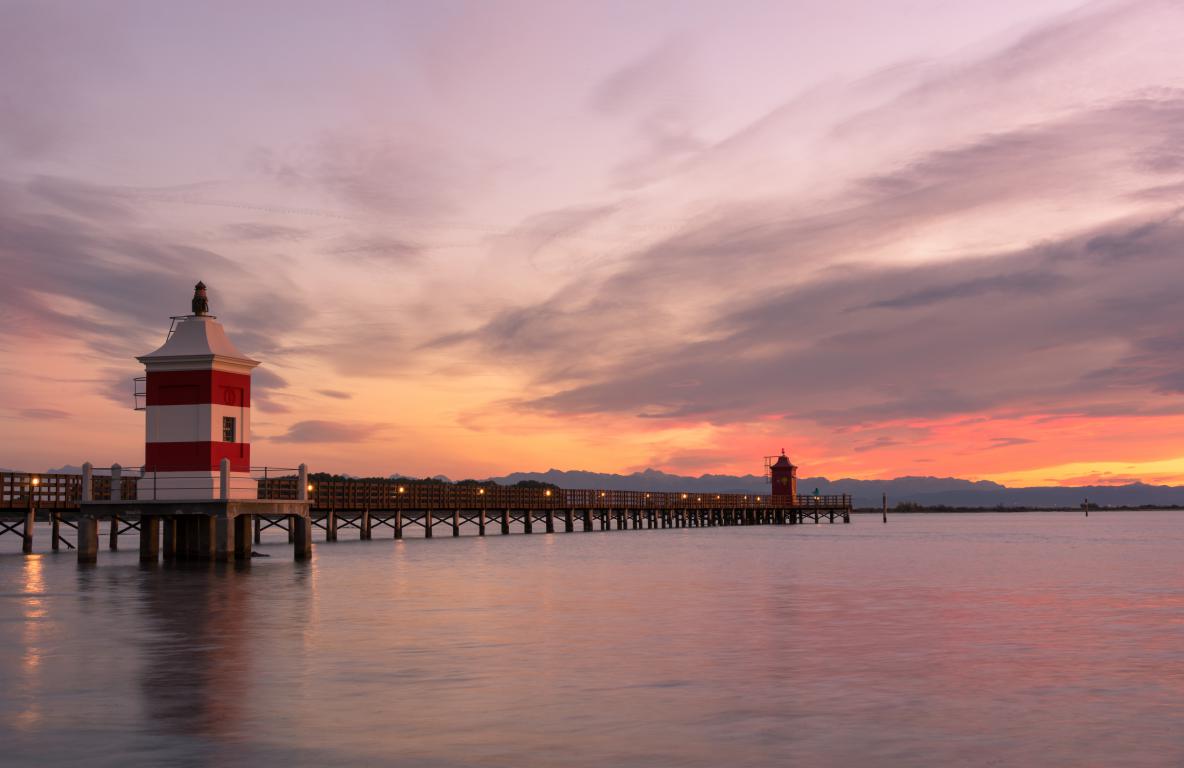
Visiting lighthouses
On Mondays the Pedalata dei due fari (35 km) includes the passage of the X-River, passing through the Veneto region of Bibione, before returning to Lignano. The beautiful itinerary owes its name to two key points, the early 20th century Lignano lighthouse, a symbol of the city, and the Punta Tagliamento lighthouse in Bibione. Also on Mondays there is the Lignano-Vallevecchia-Caorle, 45 kilometres by e-bikestill using the boat pass, and following the cycle path to Porto Baseleghe
Protected areas, the lagoon and the sea
On Tuesdays the 45-kilometre Risalita della stella follows the course of the Stella river, an extraordinary protected natural area that allows you to immerse yourself in the exuberant flora and fauna in this part of Friuli Venezia Giulia. On Wednesdays the 17-kilometre Tour of the Three Waters flanks the three sides of the Lignano peninsula, bordered by the Marano lagoon, the Tagliamento river and the sea. It is the easiest of the trails, is also suitable for children, and takes advantage of the urban cycle path network on over 30 kilometres.
Electric and fat bikes
On Thursdays Marano by bike and boat is a 40-kilometre ride combining cycling and sailing that ends in the fishing village of Marano where you can enjoy a plate of pasta with freshly caught fish On Fridays the protagonist once again is the electric bike with two excursions starting from Lignano and ending respectively at Spilimbergo (60 kilometres) and Grado (70 kilometres). On Wednesdays, Saturdays and Sundays set out on a fat-bike outing, starting at 7.30am with a qualified trainer. 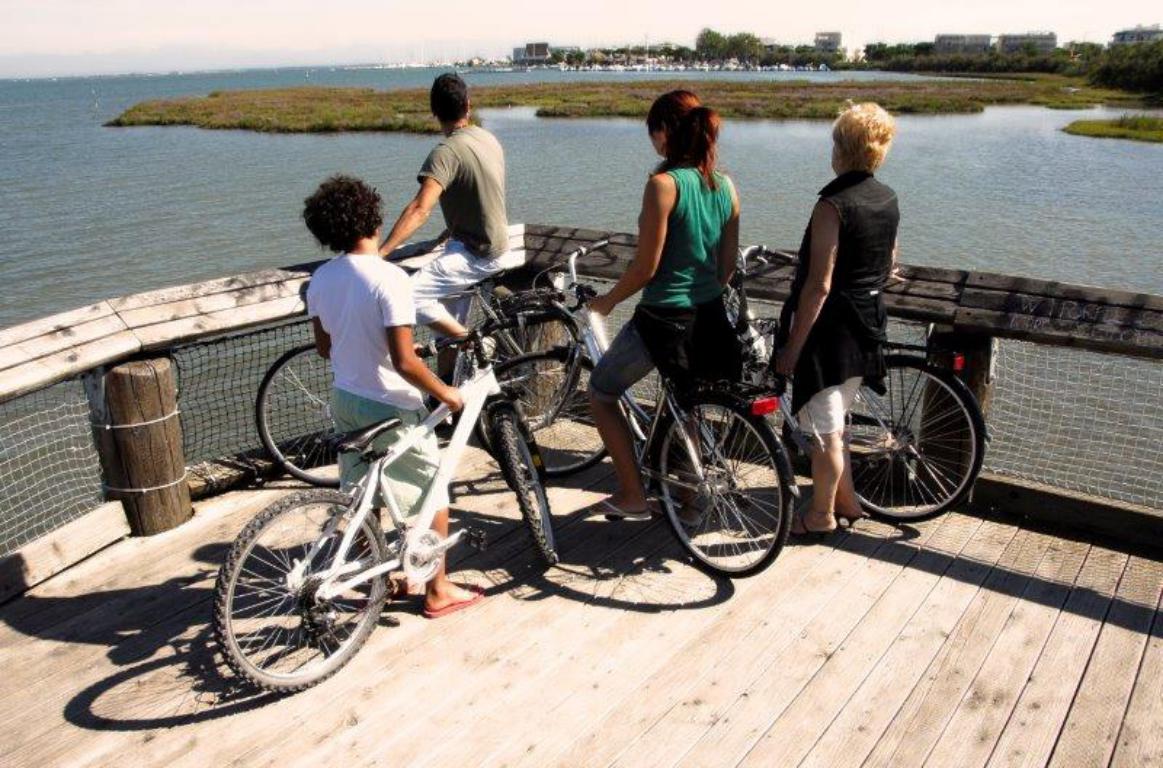
Bike and boat day tours
There are other interesting boat and bike excursions like the 30 kilometres that takes about 5 hours, is suitable for everyone and arrives in Lignano where you continue by boat, and with the day ending at the Porto Vecchio dock where you embark for Marano Lagunare and cross the lagoon.
www.sognandoinbici.it
For information: www.lignanosabbiadoro.it - tel. 0431 71821
It provides details on the best locations, advice on how to book your dive in your favourite diving centre, as well as descriptions, prices, and maps to help you plan your trips alone or with friends.
 barracuda Ustica
Top of the ten
Ustica is ranked first by Scubadvisor 2022. The island was made Italy’s first protected marine reserve in 1986 and the listing dubs it "the best kept secret of the Mediterranean.” Ustica has 13 dive sites, one of which is thought to be more interesting than the others. It is the Secca della Colombara, about 500 metres off the island's north coast, where you can see huge groupers, snappers, star fish and sea sponges, sea urchins, octopuses, and, above all, large schools of amberjacks, barracuda, and moray eels. In addition, some ten years ago, a merchant ship carrying blocks of marble sank at a depth of 24 metres next to the shoal, and is a small Titanic in the heart of the Mediterranean!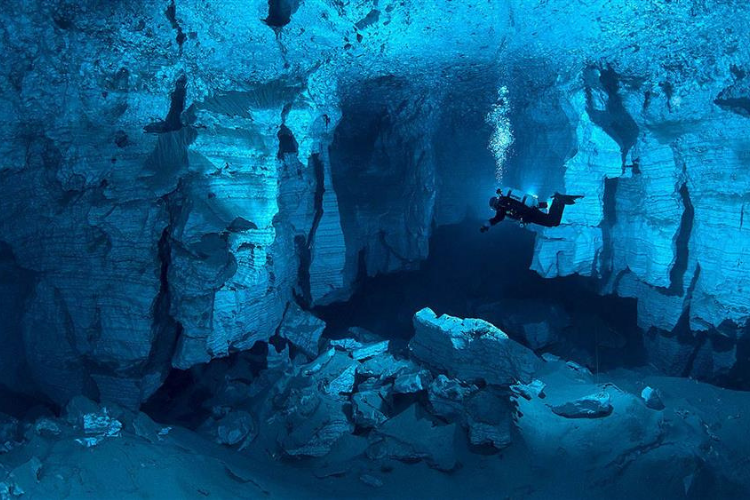 Grotta di Nereo Capo Caccia (Sardinia)
In second place
Sardinia is once again ranked second on Scubadvisor. The Grotta di Nereo is located beneath the limestone promontory of Capo Caccia. There is a hidden underwater world with a unique charm here, between 15 and 30 metres deep: the largest submerged marine cavity in the Mediterranean and in all of Europe, with a main gallery of 300 metres and a secondary development of tunnels and chambers that allows it to reach a total length of half a kilometre, populated by groupers, bream, scorpion fish, and mullet, and where red coral is the absolute protagonist. The surroundings of the Nereo cave are not only for deep diving; it is possible to combine snorkeling activities in the water with surface trekking. Lampedusa - Rabbit Island
In third place
Lampedusa, an authentic diving paradise, comes in third place. Among the numerous underwater sites frequented by Scubadvisor users, they recommend a dive south of Rabbit Island where you can see the bronze statue of the Madonna of the Sea. Black coral in the Secca del Faro Gallipoli (Apulia)
In fourth place
The Secca del Faro di Gallipoli is ranked fourth. Dive with one of the local diving centres to discover an incredible underwater world, ideal for those looking for a slightly more challenging descent into the abyss, with a notable presence of black coral, red gorgonian, yellow gorgonian, and the rare gerardia savaglia. Furthermore large specimens of lobsters, as well as the very rare pencil hedgehog, can be found among the rocks.
In fifth place
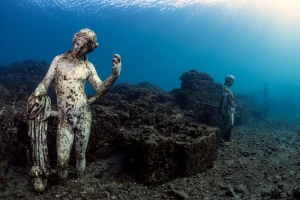
The submerged park of Baia, north of the Gulf of Naples, also known as the submerged Pompeii, comes in fifth place. It is a protected marine area that was established exactly twenty years ago and is Italy's most important submerged archaeological site. Its extraordinary value stems from the archaeological finds' excellent state of conservation as well as their objective historical archaeological worth. Mosaics, frescoes, sculptures, roads, and columns are submerged five metres below sea level among schools of starfish, anemones and damselfish. This underwater exploration is also appropriate for inexperienced divers.
In sixth place
In sixth place is the Marine Park of Giannutri, which is part of the Sanctuary of the Cetaceans, a vast marine area between Liguria and Sardinia dedicated to the conservation of marine mammals. The most beautiful coves on Giannutri can be reached by boat or by walking along the island's paths.
In seventh place
The Island of Elba comes in seventh place, with numerous opportunities to explore the deep blue. According to Scubadvisor, the most beautiful dive is the Elviscot wreck site. This small ship sank in 1972 and is now lying on its side on the seafloor between eight and 12 metres deep.
In eighth place
In eighth place we have the Secca del Papa in Sardinia, on the island of Tavolara, directly in front of San Teodoro. This diving point can only be reached through local diving centres, as it is a true paradise protected as a natural oasis. It has stunning walls of gorgonians, which are constantly monitored by marine biologists. The experience of swimming among giant groupers who are quite unconcerned by the divers is unforgettable, and with a bit of luck you might be able to witness the reproduction of moray eels.
In ninth place
The Elephant Rock on the Tremiti Islands in the Apulia region is ranked ninth. The rock, which is 20 meters high is near Punta di San Domino, and appears to have been sculpted by the wind into the shape of a pachyderm. It is ideal for combining a trekking experience with diving if you walk to the location. The maximum depth of two metres allows you to see one of the best unspoiled landscapes on the Tremiti Islands.
In tenth place
The Secca della Formica, about a mile from Porticello near Palermo is ranked tenth; a mountain that is submerged for 60 metres and then re-emerges on the water's surface at both ends. The area was the site of disastrous shipwrecks during the Roman and Phoenician days, but it is now a diving paradise. Because of its shallow waters, it is also ideal for snorkeling and for less experienced divers. Among other things, it is one of the few underwater locations where you can still see an authentic rarity like black coral.




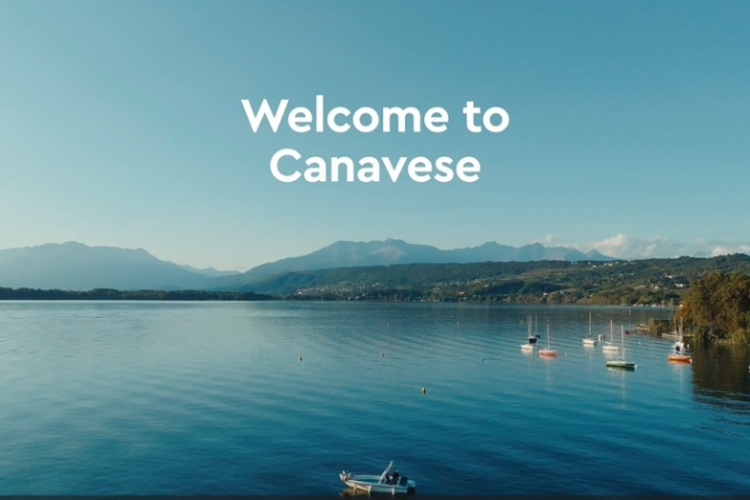
Welcome to Canavese, an unexpected corner of Piedmont where …
852Welcome to Canavese, an unexpected corner of Piedmont where …
852
