




Bans on hot drinks and alcohol
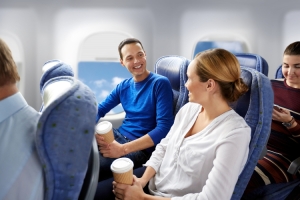
Flying today is a carefully choreographed ballet of rules, rights, and restrictions, and travellers planning to visit Europe this summer need to know there are some new realities they’ll need to digest before their next trip with airlines like easyJet, Ryanair, Jet2, or TUI. Airlines in general are ramping up restrictions on what can be brought onboard, not just for safety, but for comfort and compliance too. Hot drinks, like those mega lattes picked up at an airside outlet just before boarding, are a no-go. Any alcohol carried on board must remain unopened and untouched, and thanks to post-Brexit rules, passengers are also barred from bringing meat and dairy products from the UK into the EU…so it’s no to that ham sandwich. 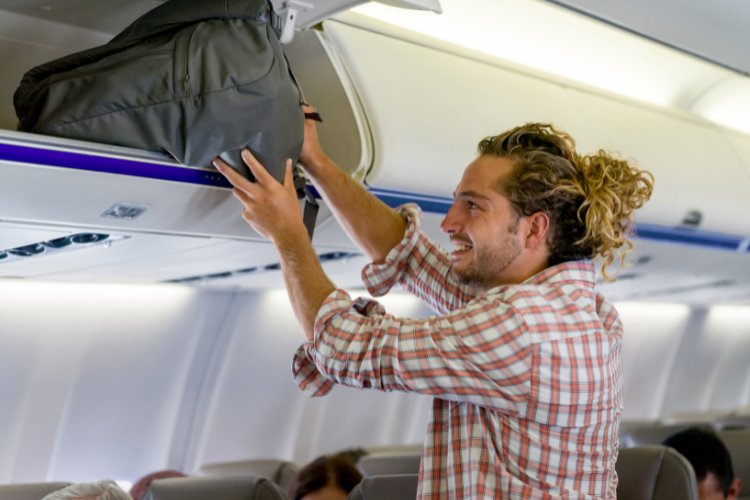
Crisps, fruit and cereal bars are ok
The reasons for all this are a mix of logic and logistics. Cabin crew aim to reduce the risk of spills, strong odours, and allergens, while keeping the cabin environment as pleasant as possible. It is still possible to bring snacks like crisps, fruit and cereal bars, as long as they are cold, and baby food and milk get special dispensation.
No more charges for carry-on bags?
In another move that will have sweeping repercussions EU lawmakers have backed a reform to eliminate hand luggage fees across all flights within and to the EU. Starting as soon as July 2025 - if the member states agree - passengers will be able to bring a small carry-on bag (up to 7kilos and 100cm) and a personal item like a laptop bag or handbag, free of charge. This move could spell the end of the hefty surcharges by budget airlines just to put a bag in an overhead bin. The reform also includes bans on charging families for seating children under 12 next to their parents, and mandates full price transparency for tickets. The airlines, of course, are far from happy about all this and are warning that what used to be optional services might now be bundled into higher ticket prices for everyone.
A new look for passenger terminal departures
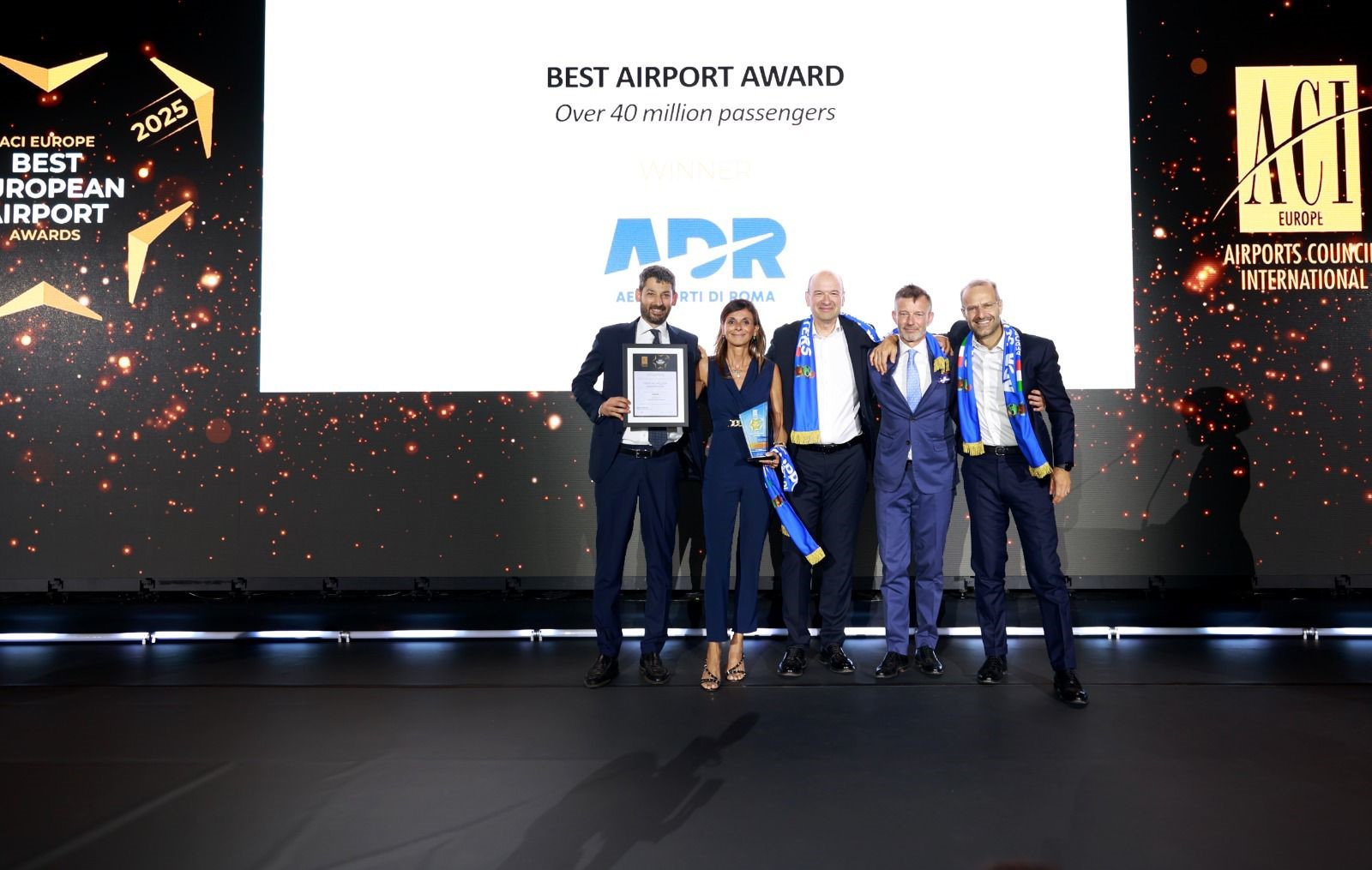
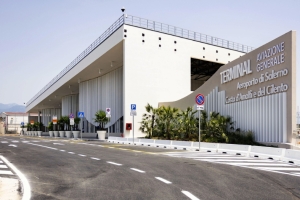
This renovation is part of a wider project for the passenger terminal enlargement works involving the departures area. Due to be completed by the beginning of December 2025, the new area dedicated to security checks will be equipped with latest generation radiogenic machines, currently being built on the upper floor above the check-in area.
30 new “self drop bag” counters
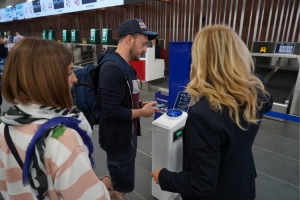
In the new check-in area, 30 new check-in counters have been installed, 22 of which in “self drop bag” mode, which allows the independent checking in of hold baggage. There are also eight traditional counters, in addition to the 34 pre-existing counters (28 traditional + 6 self drop bag), for a total of 64.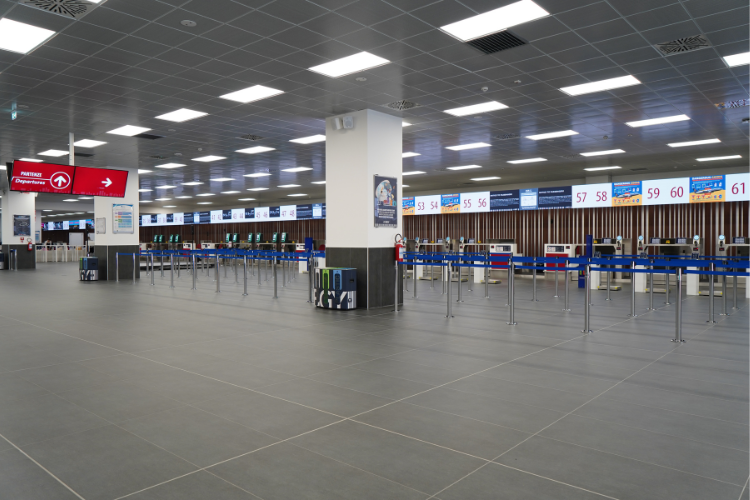
SACBO has invested €41 million in the works
Above the two lines of check-in counters two high-resolution LED monitors allow better visibility of the flight overview in real time, with indications of departure times and gates, and allow a 30% energy saving compared to the backlit LCD monitors. The entire check-in area is equipped with stereoscopic sensors to monitor waiting times for check-in operations. For the extension of the eastern section of the passenger terminal, which will be completed in December 2025, the SACBO airport management company has invested €41 million of its own financial resources.
“Speeding up operations and guaranteeing safety and precision”
The opening of the new check-in area was matched by the expansion of the hold baggage X-ray control system (BHS) and, at the same time, road and pedestrian access to the terminal was upgraded. "The enlargement of the check-in area marks a milestone in the airport infrastructure upgrading programme, making reception and accessibility comfortable for passengers and at the same time facilitating staff tasks,- says Giovanni Sanga, president of Sacbo. -The new spaces have been designed to support the technological evolution and digital transformation of check-in procedures, speeding up operations and guaranteeing safety and precision. Within six months the new security controls on the upper level will be a further qualitative leap for our airport, consolidating its level of appreciation among passengers and its role in international air transport.”
Move over Amalfi and Tuscany, there’s a quieter, greener belle in town. London-based CV Villas has declared Umbria, affectionately dubbed Italy’s green heart, as its number one pick for Europe’s Most Underrated Luxury Destination.
Now, granted, Umbria might not have the paparazzi pull of Capri, the grandeur of Rome, or the romance of Venice. But what it lacks in red carpet glitz, it more than makes up for with character, charm, and a lack of selfie-stick-wielding crowds which, let’s face it, is the real luxury these days.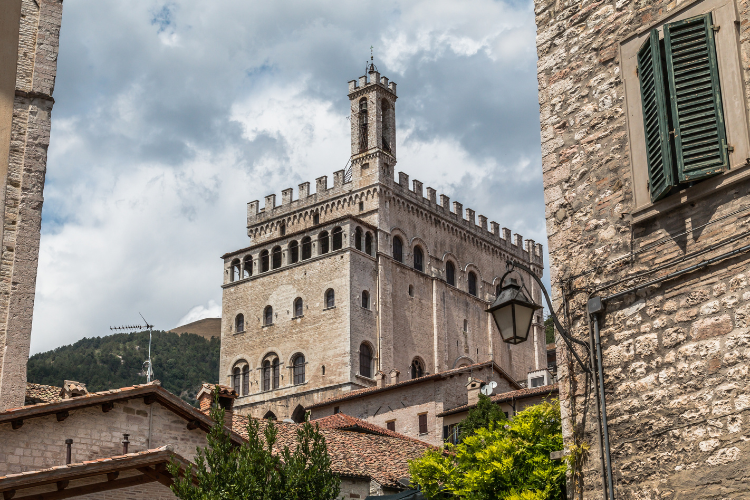
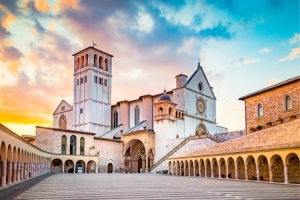
With Florence and Venice packed to the seams this summer, Umbria is looking like a breath of fresh, truffle-scented air with its rich culture, rolling hills and exquisite food and wines. And it has towns like Gubbio, where dramatic Game of Thrones-style buildings cling to the mountainside, Assisi, the spiritual home of St Francis with its deeply calming vibes, and Montefalco, where the views are as heady as the local Sagrantino wine.
But let’s not shout it from the rooftops. Whisper it to your most cherished clients, the ones who appreciate a well-kept secret. Because well… you know what happened to places like Venice, the Cinque Terre and Puglia. So go on, sell Umbria serenity. Just quietly.
 Pamela McCourt Francescone
Executive Editor
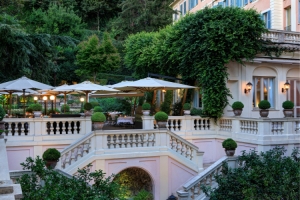
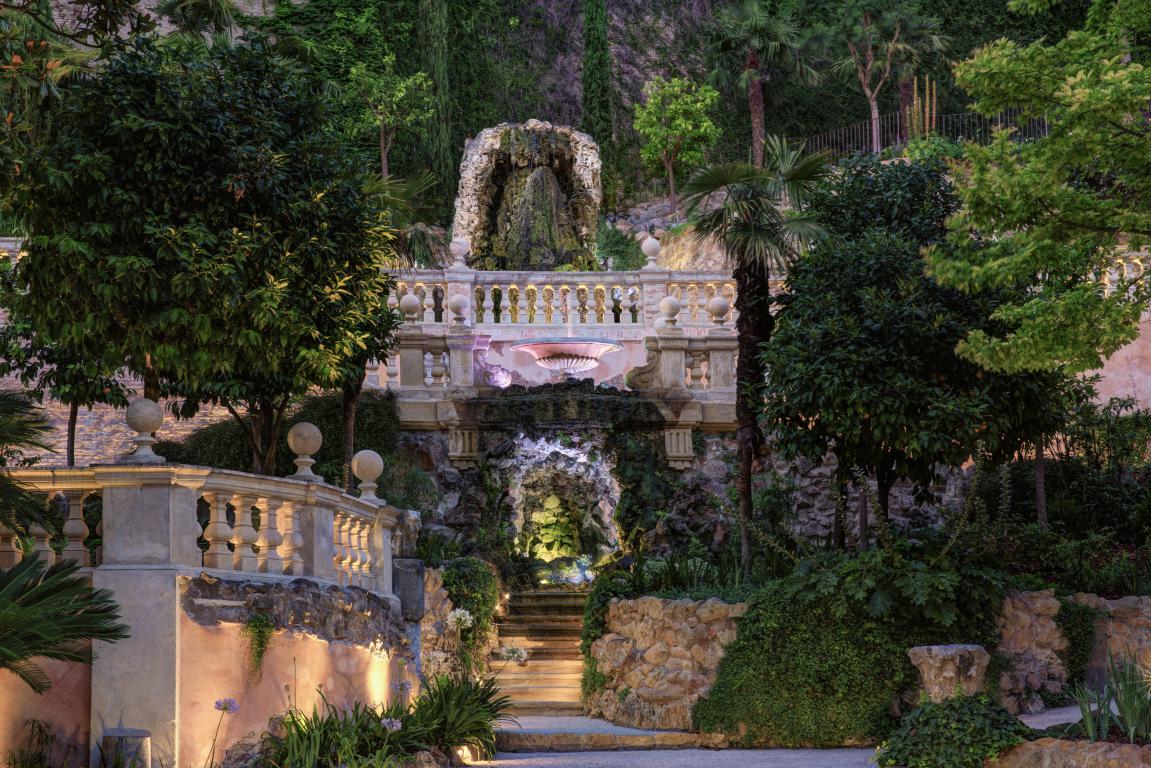
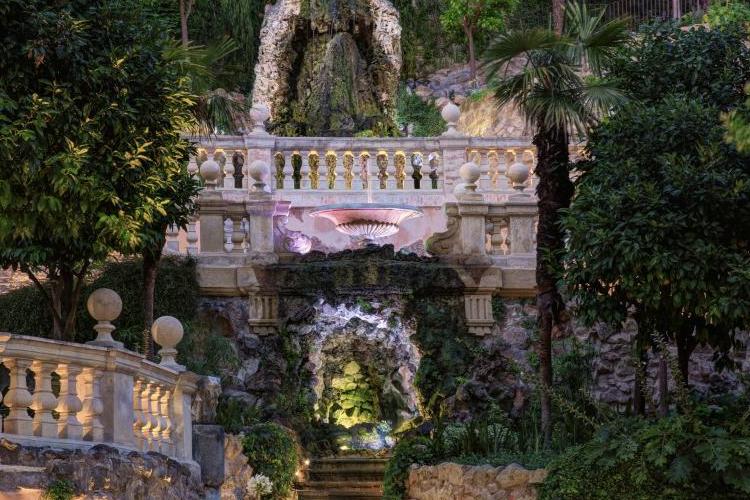
The hotel is famous for its Secret Garden
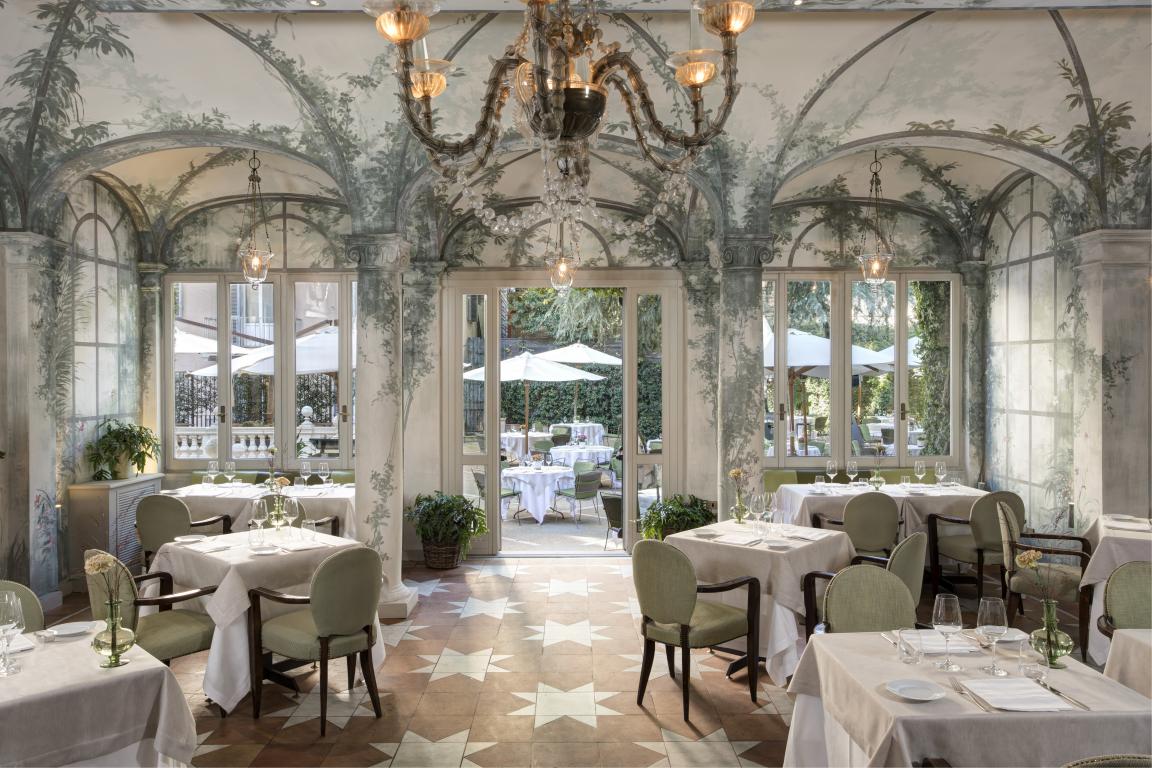
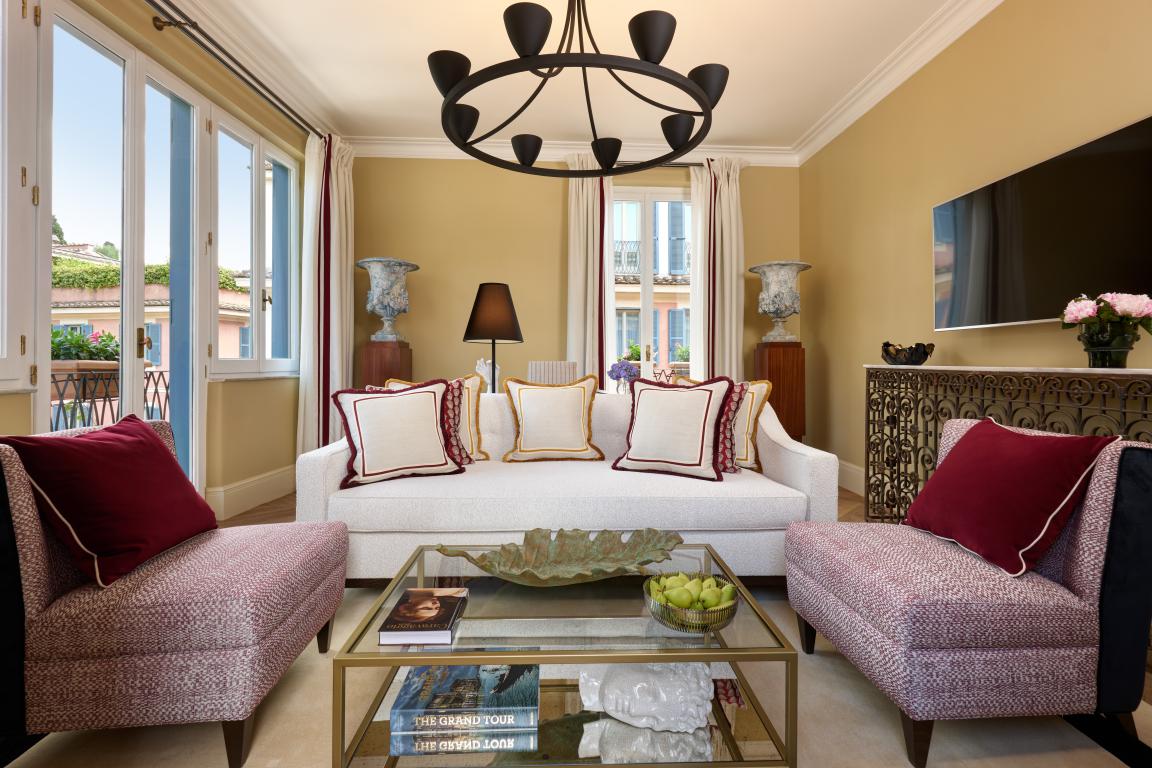
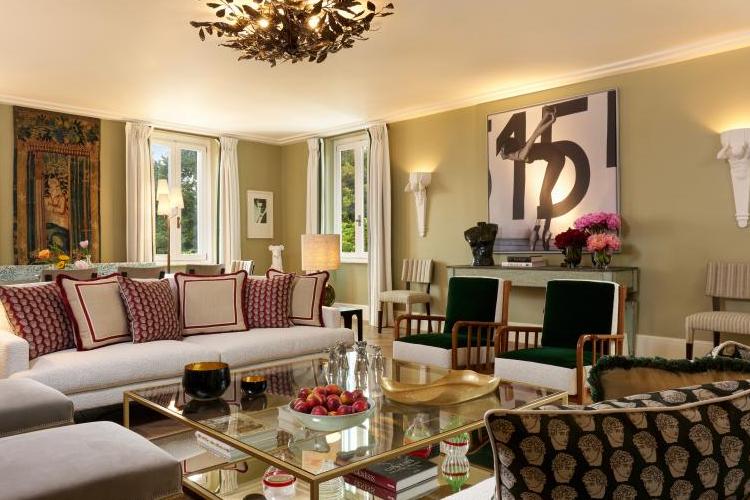
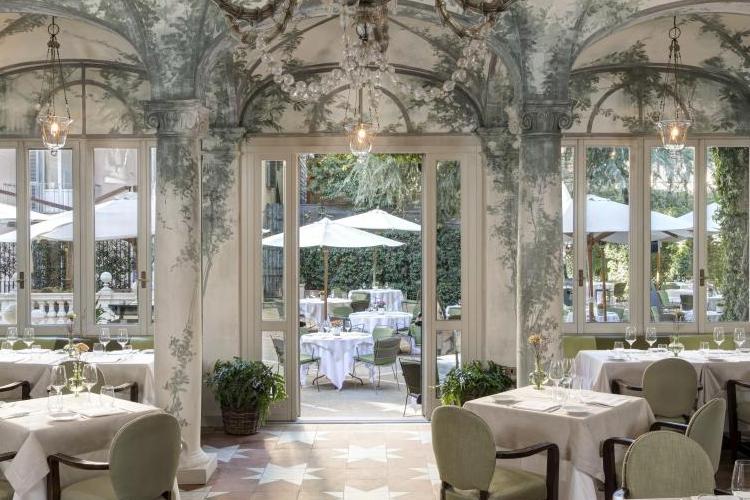
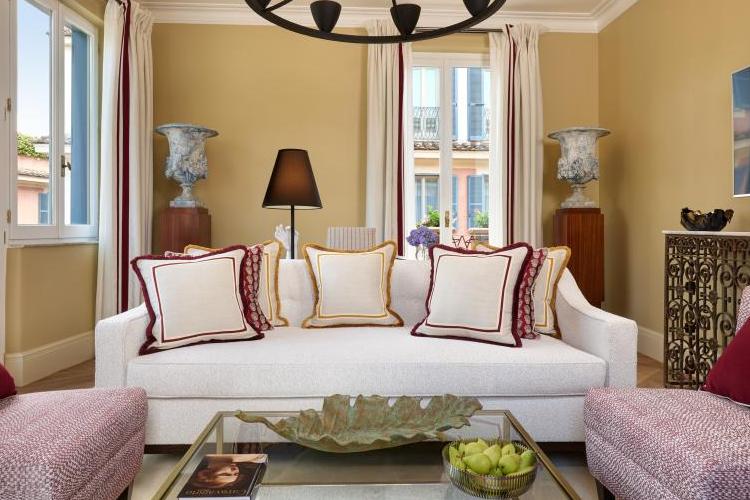
The work, carried out between 2021 and 2025, involved every part of the historic hotel - from the public areas to the suites and rooms - and concluded with the renovation of the De Russie Spa, which reopened on 10 June. The famous Secret Garden, the attentive and personalized service, and the refined atmosphere of the hotel continue to evolve without ever betraying the property’s identity. The restyling, guided by the creative talent of Lady Olga Polizzi, vice-president and design director of Rocco Forte Hotels, who founded the group in 1995 together with her brother Sir Rocco Forte, has involved different areas of the structure.
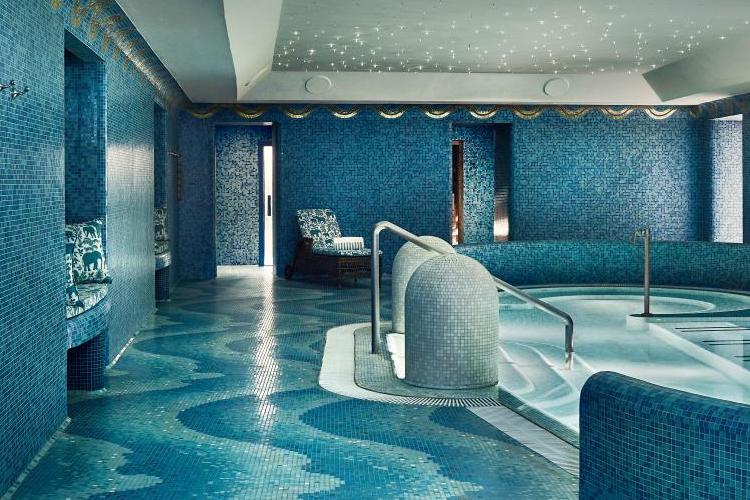
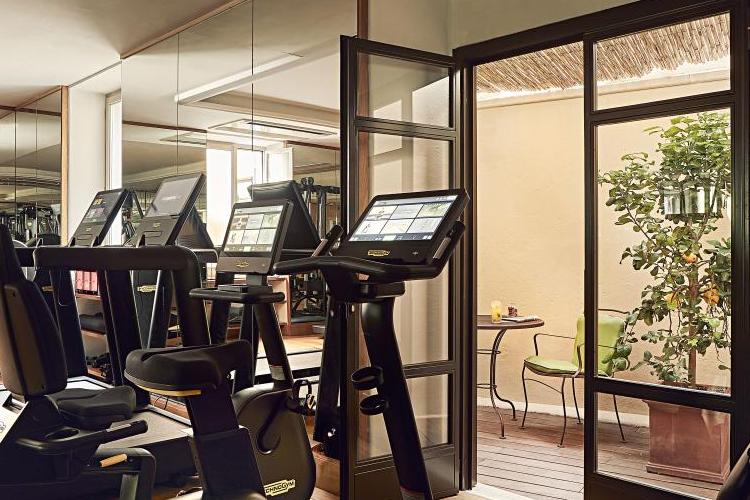
A new beauty Forte Vita Bar
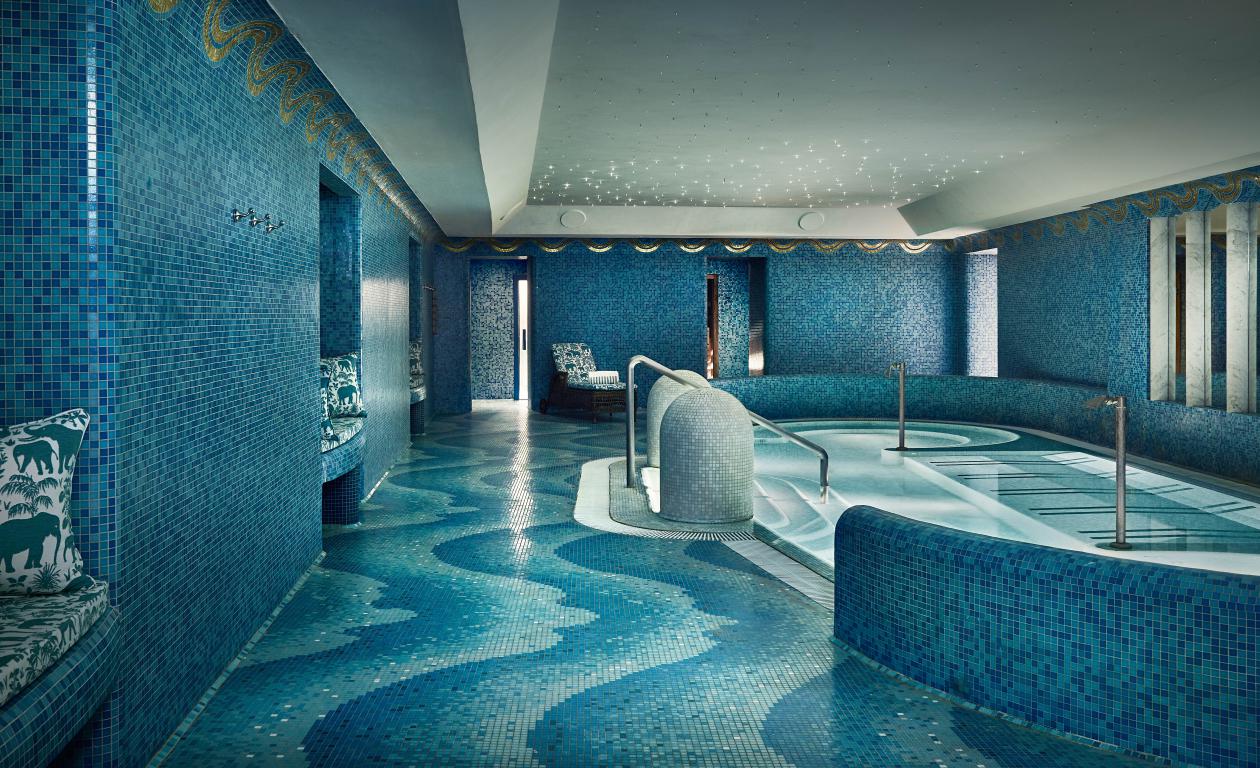
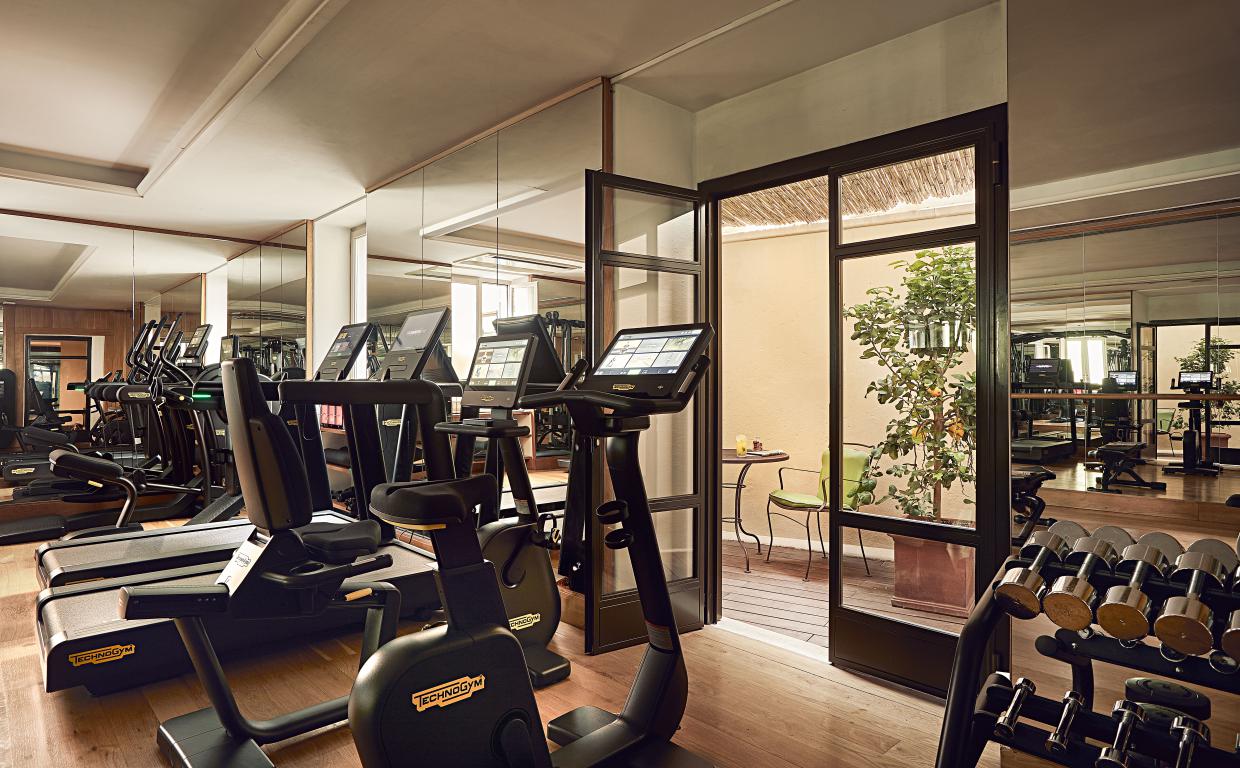
It begins with the De Russie Spa: five treatment rooms - including two suites for couples - inspired by the tones of nature. There is also a sauna, a Turkish bath and a saltwater hydro-massage pool in relaxing shades of blue, recalling the blue skies of Rome and there is also a state-of-the- gym Technogym gym. Then there is the Forte Vita Bar which is an absolute novelty: an intimate and sophisticated space entirely dedicated to beauty offering effective facial treatments and using products from the Irene Forte Skincare line. The lobby at the entrance of the hotel's 19th-century building combines elegance and history in a warm and refined design, including details such as Pietro Monti's bas-relief depicting the Archangel Gabriel, emblematic of the dialogue between past and present.
The jewel in the crown is the Nijinsky Suite
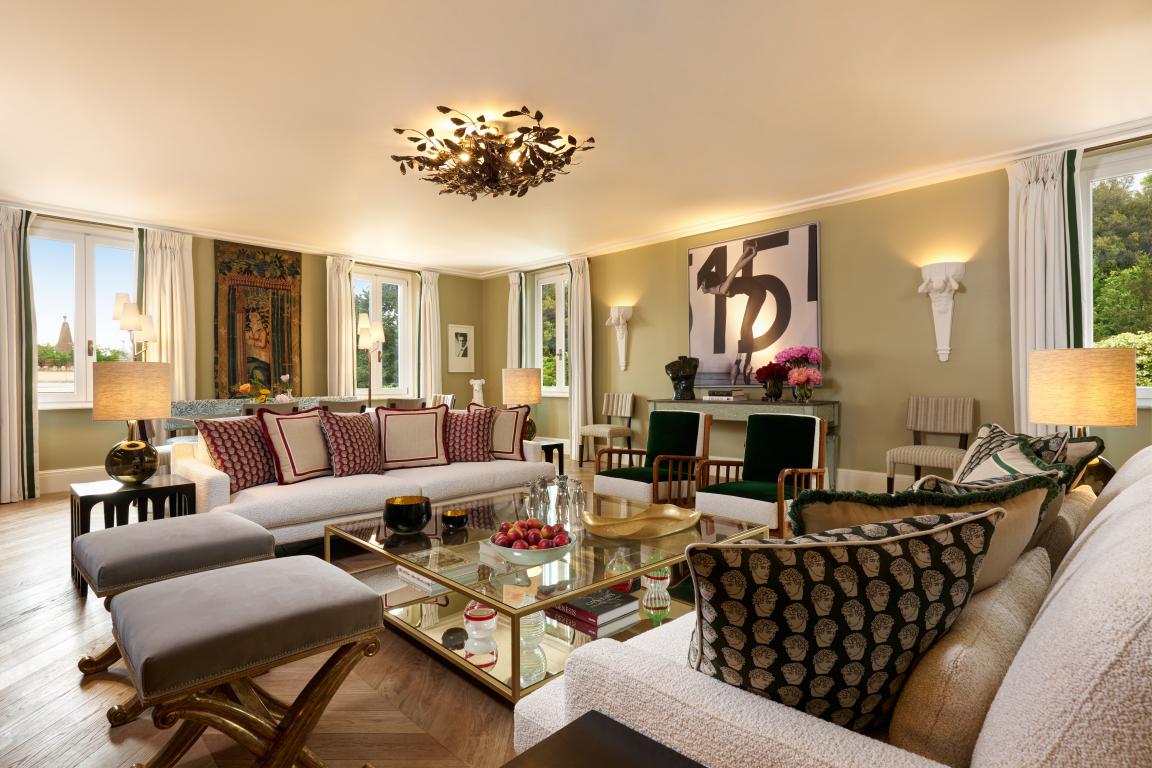
One of the most evident expressions of the project is the refurbishment of the rooms and suites: the jewel in the crown of this new vision is the Nijinsky Suite, on 210 sqm, this private residence in the heart of the hotel, has a large panoramic terrace with exclusive views of Villa Borghese and the rooftops of Rome. The Secret Garden, designed by Giuseppe Valadier (who created the original design of the property) has undergone a careful four-year restoration. The poet Jean Cocteau, during his stay in 1917, called it “Paradise on Earth,” and today it has been returned to original configuration, with the addition of a new scenographic lighting system and a botanical assortment designed to ensure continuous flowering. At the base of the Secret Garden, in Piazzetta Valadier, the refined Bar Stravinskij is dominated by a sculptural pergola inspired by the works of Alberto Giacometti. Here the cocktails are true masterpieces, created by the legendary Salvatore Calabrese together with bar manager Mattia Capezzuoli.
The trend of experiential tourism in Italy in 2024 wass significantly centered around wellbeing: 215,000 tourists who came for holidays dedicated to mental and physical wellbeing, 130,000 who went on spiritual walks and pilgrimages, 415,000 who chose green experiences, and over a million opting for food and wine itineraries. (Data from the ENIT Studies Office based on Bank of Italy sources.) Economically: €112.1 million were spent on wellness (+11.4 %), €92.1 million on spiritual walks, €363 million on wine and food (+9 %) and €405 million on green tourism (+9.5 %).
These figures clearly show how regenerating experiences are perceived as an added value. Tourists devote their trip not only to relaxation, but to inner and cultural enrichment, in a continuum linking regional recipes, rural landscapes, nature trails and shared experiences in village settings. This expression of Italy’s identity holds strong appeal for many international markets that are more attentive to ecological and identity values - Germany +13 %, Austria +11 % and the United States +37 % in the wellness and spirituality segments, and the United Kingdom +64 %, Germany and the Netherlands +51 % in food and wine and green tourism. Today’s traveller is a modern, proactive, aware tourist and he is eager to live the “Italian experience” in its most authentic and profound form. A holiday is not just a visit, but participation, contamination and personal growth.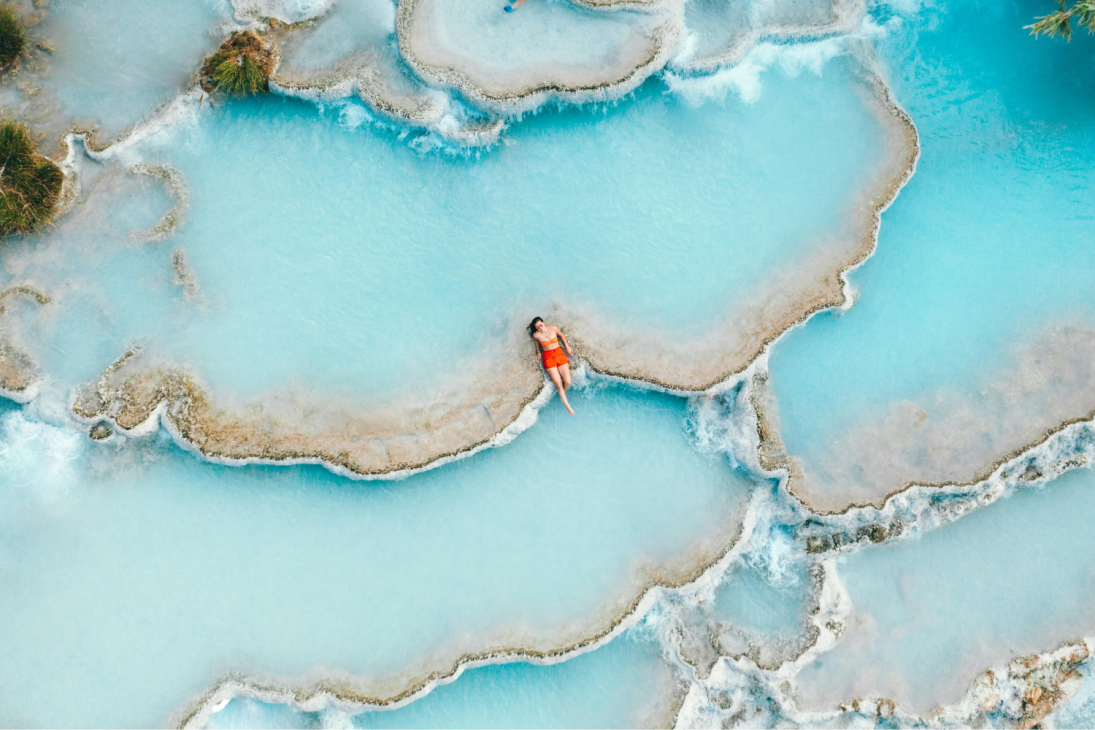
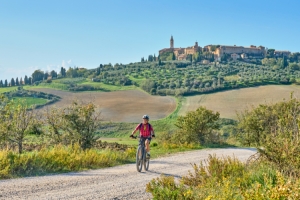
Active holidays participate transversally in these experiences. Cycle tourism, for example, is an emblem of slow tourism. Italy also rediscovers itself in cycling, ranging from excursions (89.1 %), to sporting activities (31.5 %), visits to villages (31.4 %), historic towns (29 %) and natural settings (13.2 %). In fact there were more than 33 million overnight stays for cycle tourism, with an expenditure of €4 billion - a clear sign of a phenomenon that has exploded since the pandemic and is still growing strongly. The bicycle tourist crosses territories, discovers off-the-beaten-path areas, coming into contact with local communities an follows a slow-tourism trail that has a strong socio-economic impact. Soft mobility thus becomes a vehicle for sustainability, a stimulus to the rural economy, and a tool for environmental protection.
Post-pandemic, outdoor tourism has become a strategic lever through slow tourism, hiking, camping, agritourism and nature trails. Today one in ten Italians pick holidays centered on sports and 53% go on hiking weekends. Slow tourism is becoming a way of territorial promotion that can enhance inland areas, rural villages and Italy’s historical heritage, all of which would otherwise remain marginal. The return to pre-Covid flows (UNWTO 2024) has brought to light critical issues related to tourist overlapping in the most popular locations, and has prompted the adoption of national, regional and local laws and regulations, such as new regulations on sustainable tourism that promote models to protect the environment and local communities. Anti-overtourism measures have also been introduced placing restrictions on access, online bookings and quotas and with the creation of low tourist pressure zones as well as territorial governance to protect cultural identity, the quality of life and environmental sustainability.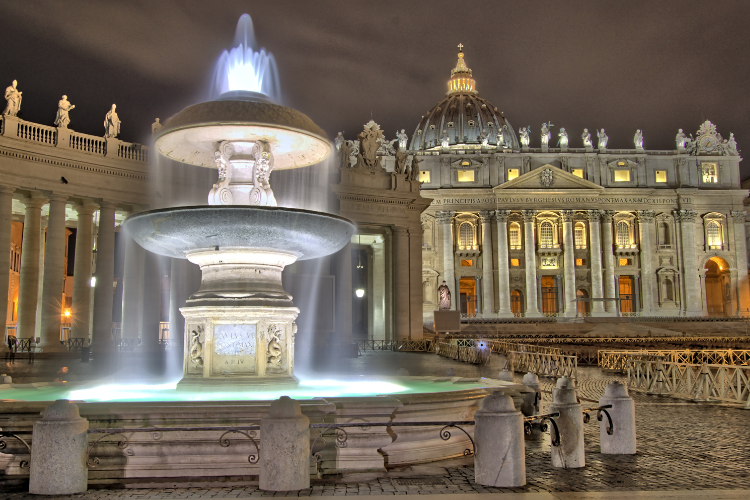
2025 is also a crucial year for the Extraordinary Jubilee of Hope and the 12th Special Olympics World Winter Games which are proving to be instruments of immense tourist appeal. The Italian system is ready to welcome millions of visitors efficiently and with the same warmth and quality of the hospitality Italy showed for the election of the new Pope Leo XIV.
Religious journeys today are not only an expression of faith, but also a desire for material and immaterial culture, spirituality and introspection. In 2024 the Ministry of Tourism counted 113 religious paths, totalling 30,469 kilometres across the country, from the Via Francigena (1,970 kilometres) to the Basilian Way (1,535 kilometres) and from the Way of St. Michael (1,532 kilometres to the Romea Strata (1,400 kilometres) and the Germanica (1,050 kilometres). These itineraries are not just physical routes, but true “inner journeys,” on which the walker seeks spirituality, interiority, a contact with nature and ways of sharing. The multi-sensory dimension - soil, smells, sounds, tastes - becomes an element of sensitivity and personal enrichment.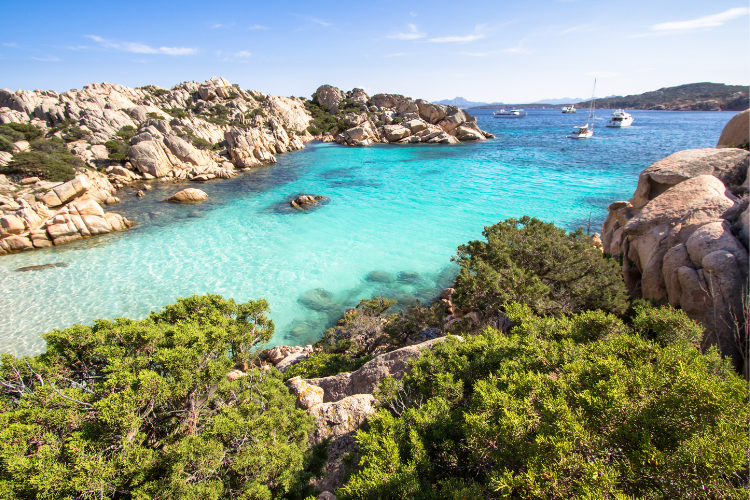
But even the more traditional forms of Italian holidays guarantee the authenticity of the experience for tourists in Italy. Beach tourism on our coasts, such as the Ligurian, Amalfi, Salento, Sicilian, Sardinian, Sardinian, Tuscan, Veneto and Emilia-Romagna coasts, generate €7.6 billion annually from foreign guests alone. There are also the circuits of the most famous art cities: from Rome, Florence and Venice to Naples, Palermo, Genoa and Turin, which attract 19.6 million foreigners, and with a total expenditure of over €19 billion.
But these types of stay are now emerging in a renewed form, integrating classic itineraries with cultural and digital innovations, craftsmanship, food and wine, and design, while respecting local identities and communities. The real challenge of contemporary tourism is not numbers, but human values. We need to offer tailor-made, accessible, multicultural, eco-friendly and inclusive experiences that reply to the needs of diversity, disabilities and different cultures. Holidays must enhance interaction, promote dialogue and strengthen communities, and Italy has the capacity, the places, the sensitivities and the infrastructures to do this. Tourism is no longer just a source of profit to be exploited, but an instrument of growth for local ecosystems and visitors, with positive repercussions on social cohesion, cultural growth and environmental sustainability.
In 2025 Italy was a destination at the forefront of sustainability, combining tradition and innovation, hospitality and responsibility, tourism and authenticity by optimizing its appeal, respecting the environment and placing the territory and communities at the centre. By making slow tourism, cycle-tourism, spiritual walks as well as quality seaside and cultural tourism the basis of sustainable tourism models it addresses the global challenge through innovation, as is exemplified by the Jubilee and the Olympics, while ensuring effective governance, security, and hospitality. Guided by sustainability, authenticity, and personal experience, Italian tourism today drives wellbeing, growth, and future prospects, making Italy a place where every visitor can pause, regenerate, and feel welcome, for themselves, for the community, and for the world.

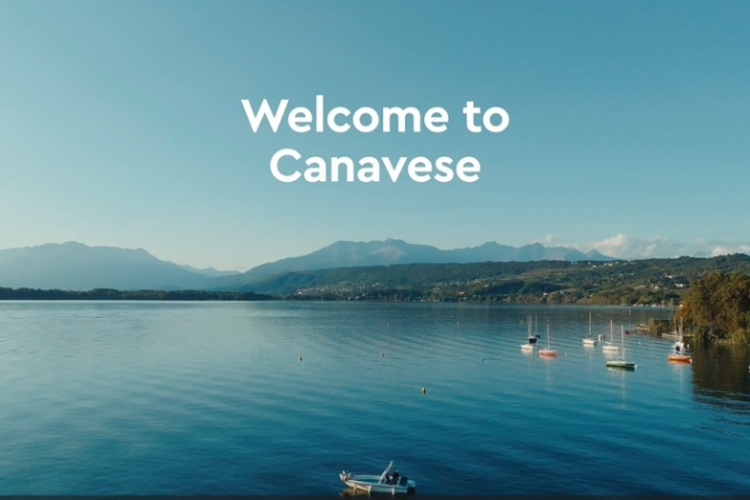
Welcome to Canavese, an unexpected corner of Piedmont where …
259Welcome to Canavese, an unexpected corner of Piedmont where …
259
