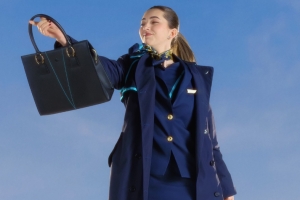


The collection, designed by Antonio Pitagora, will make its debut on board in August. Pitagora is a a creative designer with experience in the international fashion industry alongside houses such as Fendi, Valentino and Dolce & Gabbana, and currently head designer of the haute couture (Atelier) and occasion wear (The Event Collection) lines at Pronovias. He has overseen the concept and details of the new uniforms with a twofold aim: to ensure maximum freedom of movement during flight operations and to offer a sophisticated aesthetic.
The colour chosen for the new collection is blue, embellished with subtle, refined turquoise details and it favours high-quality materials, from virgin wool to merino wool and cotton yarns: fabrics designed to ensure comfort, practicality and elegance, whilst also guaranteeing durability and long-lasting performance. “The new uniform design reflects the evolution of our role within the Lufthansa Group,- says Steffen Harbarth, the airline’s CEO, -from the choice of the navy blue, which reinforces our alignment with the group, to our new European routes. This change expresses our desire to innovate and grow, whilst remaining true to our roots.”
Among the key new features is the introduction of the women’s suit, designed to offer a contemporary and elegant fit. The range also includes matching men’s suits, dedicated accessories such as scarves personalized with exclusive patterns, belts and matching bags. The project was carried out by Forint, a long-established Italian company specialized in professional clothing and corporate uniforms, chosen for its proven experience in the sector, its industrial strength and its ability to combine innovation, manufacturing quality and tradition.
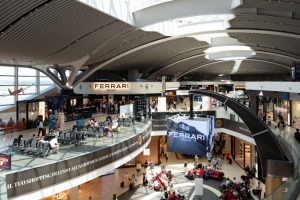
Choosing Italy’s most important hub for a concept tailored to a sophisticated, quality-conscious international audience the facility is directly above the luxury boutiques in the non-Schengen area of Terminal 3. The interiors highlight the brand’s visual identity, starting with the iconic black and white signature colours of Ferrari Trento in a contemporary Italian-style setting, enhanced by Molteni furnishings. It introduces a groundbreaking concept to the airport dining scene, the result of a collaboration between three leading figures in Italian gastronomy: Michelin-starred Edoardo Fumagalli, Michelangelo Citino, executive chef at Areas MyChef and Iginio Massari, a master of Italian pastry-making.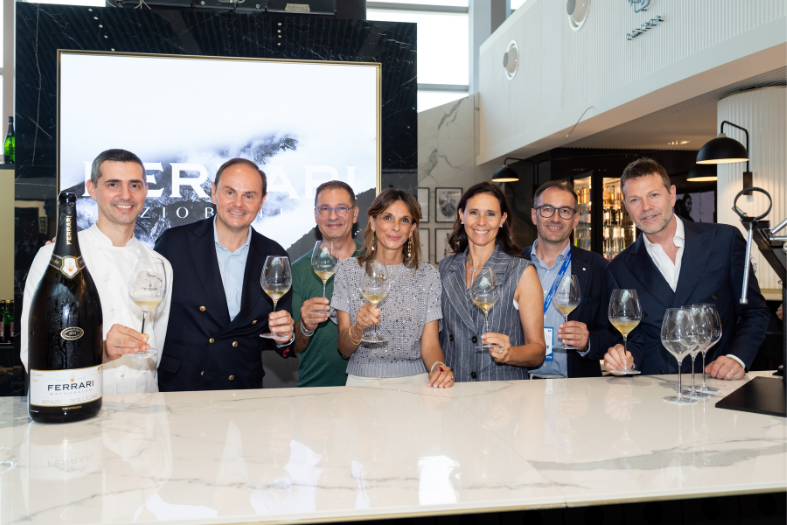
The menu offers cuisine deeply rooted in the regions of Italy and focused on showcasing the finest ingredients on a journey through Italy and the Lazio region in particular. In addition to salads and Supplì the menu offers a complete dining experience including a selection of starters, first courses, main courses and desserts. The guest experience is made even more engaging by a large window overlooking the kitchen, through which they can watch the team at work. Guests can sample the entire Ferrari collection by the glass, including prestigious reserve wines, allowing them to discover and fully experience the richness and variety of the house’s Trentodoc wines. Also on offer are other labels from the Lunelli Group: the Trentino, Tuscan and Umbrian wines of Tenute Lunelli, Segnana grappas and Tassoni soft drinks and other Italian wines.
"The Ferrari Trentodoc sparkling wines transform a wait at the airport into a gourmet interlude that showcases the beauty and flavours of our country,- said Matteo Lunelli, chairman and CEO of Ferrari Trento. “We are delighted to continue our collaboration with the Lunelli family,- said Sergio Castelli, managing director of Areas Italia. -Our return to Fiumicino Airport is a significant milestone, offering millions of travellers an experience that lives up to their expectations. “Ferrari Spazio Bollicine embodies the essence of Italian excellence: a distinctive concept that combines fine wines, signature cuisine and world-class hospitality,- said Marilena Blasi, chief commercial officer Aeroporti di Roma. -With this opening, we are further enhancing the premium offering at Leonardo da Vinci Airport, and offering passengers an increasingly distinctive travel experience.”
Fiumicino Airport saw the first Ferrari Spazio Bollicine open at an airport back in 2013. The concept was an immediate success, leading to further openings at Milan’s Malpensa and Linate airports. Following the reorganiaation of the airport’s spaces, the Ferrari Spazio Bollicine in Rome now returns to a prime location in the airport’s most exclusive area, in a more spacious setting designed to best showcase Italian hospitality. The venue is open daily from 06.00 to 23.00 and has seating for 70
Showcasing the excellence of Italy’s culinary and wine heritage, for an increasingly distinctive travel experience, the main new feature is the new Business Class menu, available on all intercontinental flights departing from Rome Fiumicino throughout the summer season. Designed to combine quality, presentation and seasonal ingredients, the new menu features carefully selected ingredients and draws inspiration from the distinct regional characteristics of Italy’s regions, offering a journey through their flavours and traditions.
The meal begins with a Panzanella inspired by Tuscan tradition, accompanied by an appetiser of octopus and potatoes that evokes the flavours of Campania’s cuisine. Among the first courses, burrata-stuffed Scrigni pay homage to Puglia, while Fregola with pistachios, prawns and lemon celebrates the aromas and ingredients of the Mediterranean, with nods to Sardinia and Sicily. Among the main courses, two great classics of the Lazio tradition stand out: Saltimbocca alla Romana and Cuttlefish with Peas, while the journey concludes with a Ricotta and Sour Cherry dessert, a tribute to the most authentic flavours of the Lazio region.
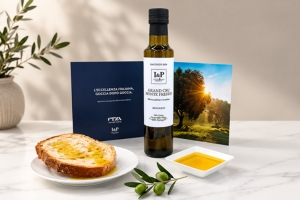
The recipes offer a contemporary reinterpretation of Italy’s culinary heritage, creating an authentic “journey within a journey” to discover the flavours, traditions and ingredients that define Italy, where innovation and tradition come together in a unique culinary experience. The Business Class experience is further enhanced by the introduction of Franciacorta Bellavista Alma Assemblage, which expands the selection of Italian specialities on offer on board. To round off the selection of bread and I&P Grand Cru Monte Freddo-Caninese extra virgin olive oil will become a permanent feature of the catering, following the positive feedback received during last year’s trial phase.
There are also new developments for Premium Economy and Economy Class passengers, who will be able to enjoy a new addition designed to make their journey even more pleasant: the introduction of ice cream, which will be served during the in-flight service. The 2026 summer season represents a phase of further consolidation and development of ITA Airways’ network, with a total of 72 domestic, international and intercontinental routes, and a schedule tailored to meet summer leisure demand, business travel and inbound traffic to Italy.
Among the key new developments is the new route from Houston to Rome, the first direct flight between the two cities, which has recently been increased to five weekly flights. The summer network also includes new European and Mediterranean destinations such as Málaga, Valencia, Marseille, Mykonos, Alicante and Trapani, alongside seasonal routes to major tourist destinations and enhanced connections to southern Italy and the islands, confirming ITA Airways’ role in promoting Italy as a global destination. At the same time, the airline is continuing its expansion into Asia and the Middle East, with an increase in frequencies to Bangkok and Delhi and the resumption of flights to Tel Aviv, operated by Airbus A321neo aircraft and integrated into the network via the Rome Fiumicino hub.
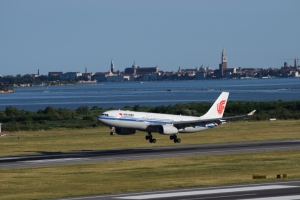
The inaugural flight, operated by an Airbus 330-220 carrying 200 passengers, was greeted with the traditional water salute organized by Rome Fiumicino Airport's fire brigade. 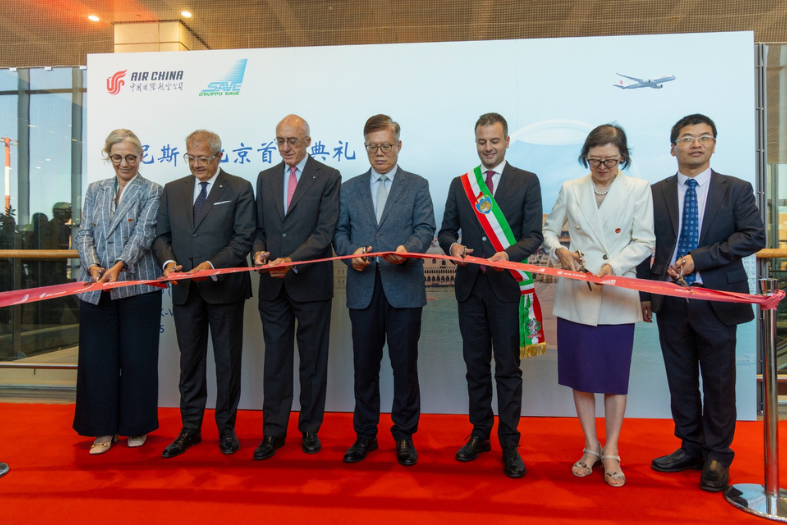
“The connection with the Chinese capital – a destination of great charm where past and future engage in a constant dialogue – brings with it the added value of a network of connecting flights that, from the major hub serving as the airline’s base, llow passengers to reach destinations in the Far East as well as within China. For Venice, for the Veneto region, and for our country, this means further strengthening – through a second direct flight between Marco Polo Airport and China – a bond rooted in historical ties, which today translates into new opportunities for cultural and economic exchange,” said Enrico Marchi, chairman SAVE Group.
The new route will serve and boost all traffic segments: business and cargo, tourism and VFR. The North-East of Italy accounts for 13% of trade flows between China and Italy, generating an annual turnover of around €10 billion, second only to that of the Milan area (Istat data for 2025). The region is also one of the country’s leading destinations in terms of the number of tourists arriving from China. And it is high-end tourism, with over 70% of visitors choosing luxury accommodation
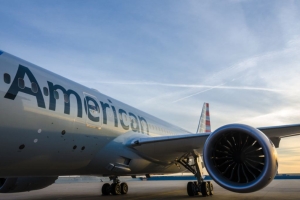
The airline is in fact further expanding its service, offering up to seven daily flights between the United States and Rome during peak periods and it is launching a second daily flight between Philadelphia and Fiumicino, operating from 5 to 24 October 2026 with Boeing 787-8 aircraft. It will also extend the operating season for several strategic routes like the Chicago-Rome which is set to be extended from 24 October to 1 November 2026, operated by a Boeing 787-8, and the extension of the Miami-Rome service during the same period, operated by a Boeing 777-200.
“Italy continues to be one of American Airlines’ most important markets in Europe, and Rome plays a central role in our transatlantic strategy,- said José A. Freig, vice president of international and inflight dining operations American Airlines. -As we celebrate 30 years of operations in Rome, we are proud to continue expanding our operations in the Italian capital, which will include up to seven daily flights during peak periods, offering our customers even more options for their transatlantic journeys.”
“The 30th anniversary of American Airlines’ presence at Fiumicino Airport confirms the strength and continuity of the link between the airline and the capital, a rapport that has grown stronger over time and which today translates into stable and structural growth in demand. In this context, the extension of operations to include the winter months is a further sign of market consolidation, as demonstrated by the 10% rise in North American traffic recorded in the first five months of 2026 compared to the same period in 2025,” said ADR’s Chief Aviation Officer, Ivan Bassato.
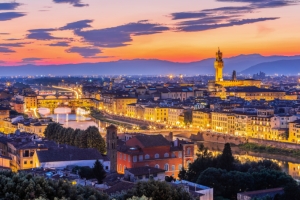
The classic tourist routine - breakfast followed by a full day of sightseeing and an early dinner - is no longer the smartest way to experience Italy. Because, with summer temperatures in cities like Rome, Milan and Florence regularly topping 40C, the relentless heat can mean an exhausting holiday.
So why not do as the locals do, and embrace Italy's natural rhythm? Instead of baking under the sun, spend the hottest hours enjoying a leisurely lunch, visiting an air-conditioned museum or simply slowing down. Then, as dusk falls, from the traditional evening passeggiata, when families gather in squares and restaurants spill onto the streets, Italy comes alive. Monuments glow under dramatic lighting and evening e-bike tours, food walks and after-dark visits mean exploring in cooler temperatures and with fewer crowds.
There is no doubt that climate change is reshaping travel, but it also offers an opportunity to travel better. Those who insist on sightseeing through the hottest part of the day will remember the heat. Those who swap midday queues for moonlit streets will never forget their Italy holiday. And want to return.
 Pamela McCourt Francescone
Executive Editor
Royal Air Maroc flies to eight Italian airports
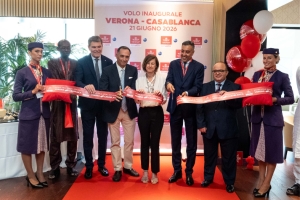
The airline is thus scaling up its presence in the Italian market, its second most important in Europe, and consolidating the role of north-eastern Italy within Royal Air Maroc’s development strategy in Italy. With the addition of Catullo Airport, the number of airports served by the airline in Italy rises to eight: Naples, Catania, Rome, Milan, Bologna, Turin, Venice and Verona.
"Easier and quicker to fly between Casablanca and Verona"
“The launch of the Casablanca-Verona route brings us even closer to passengers in north-eastern Italy, a dynamic region with a strong international focus and growing demand for connections to Morocco and beyond,- said Walid El Khassal, Regional Director of Royal Air Maroc Italy. -With this new route we are making it easier and quicker to fly between Casablanca and Verona, offering passengers seamless access to the main destinations served by our international network. Casablanca is now a modern, efficient and reliable hub, from which travellers can journey safely and with peace of mind to Africa, the Americas, the Middle East and the rest of the world.”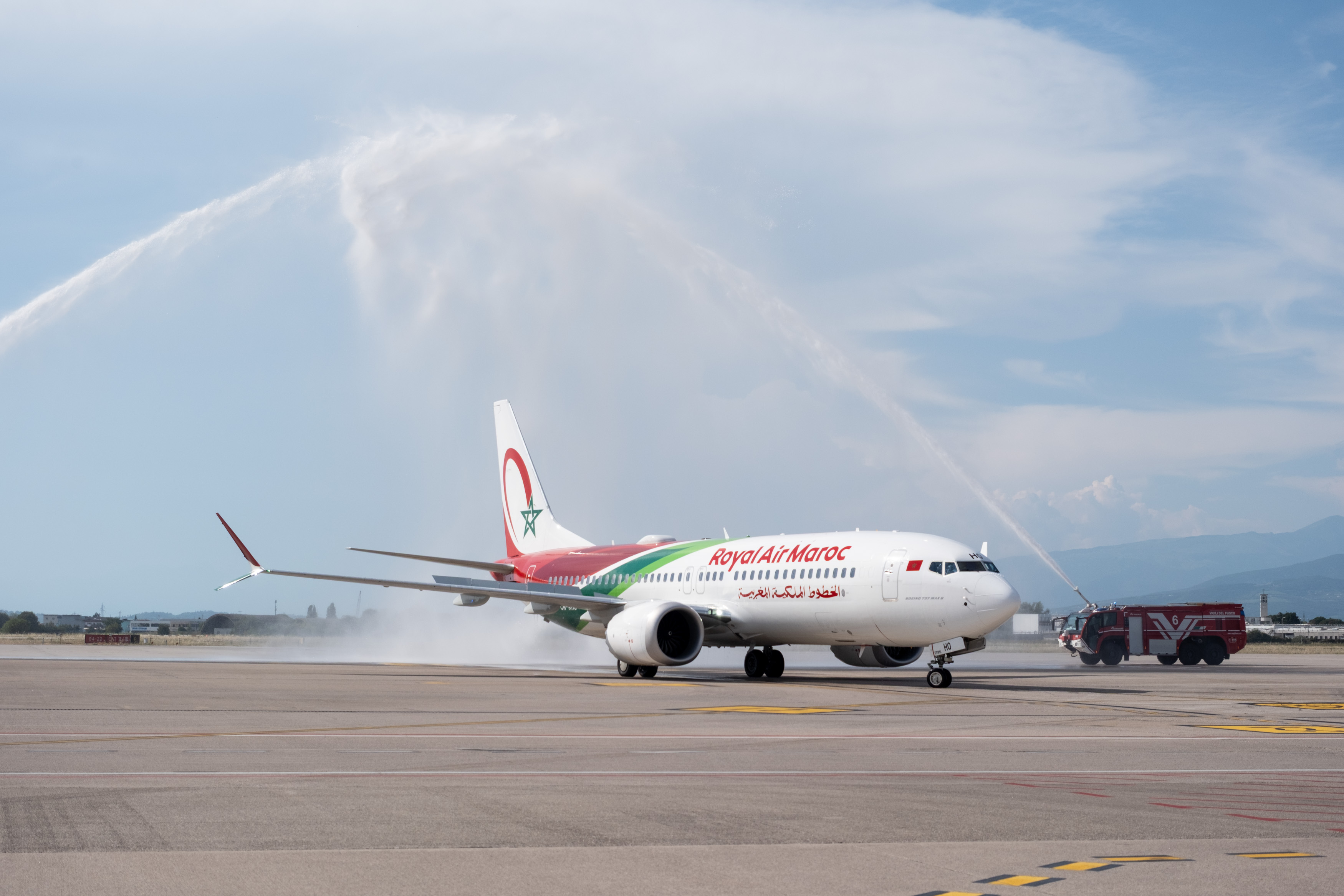
A gateway to Morocco and to Africa
“The launch of the direct Verona–Casablanca service marks a significant step in Catullo Airport’s international development. The new route not only serves as a gateway to Morocco but also substantially expands access to a wide range of African destinations. In this context, the 290,000 passengers who travelled between Verona and Africa in 2025, a 22% increase on the previous year, confirms the strong growth potential of this market and the region’s growing centrality in intercontinental connections,- said Camillo Bozzolo, director of aviation development SAVE Group. -The new route is also a strategic flight for the region, ranging from its industrial and commercial sectors, which are increasingly focused on markets outside Europe, to its tourism potential, fostering new incoming and outgoing passenger flows and effectively meeting the mobility needs of the ethnic communities in the area.”
"Italy is a market with extraordinary potential"
“Italy is a market with extraordinary potential that is responding enthusiastically to our services, added El Khassal. -We are delighted with the excellent performance of the new flight to Verona, which is in line with our expectations. This launch coincides with the start of the high season, the peak period for traffic to Morocco and the rest of the African continent.”
eastJet now operates 8 routes to Cagliari
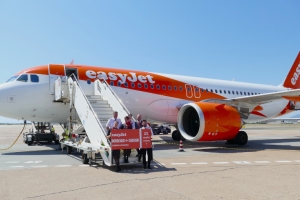
The airline has launched routes from Bordeaux and Nice, each with two weekly flights. With these two new destinations, the number of direct routes operated by easyJet to Cagliari Airport rises to eight. “The launch of the routes to Bordeaux and Nice is a further step forward in Cagliari Airport’s international growth,- said SOGAER’s chief commercial officer, David Crognaletti. -We are extremely pleased that easyJet is continuing to invest in our airport with these two important summer destinations, following the recent launch of the year-round route to Basel.”
"Over 1.3 million seats to the island this summer"
“With the launch of the new routes from Cagliari to Bordeaux and Nice, we are further strengthening Sardinia’s international connectivity, offering over 1.3 million seats to and from the island this summer,- said Lorenzo Lagorio, the airline’s country manager for Italy. -These additions confirm our commitment to connecting Italy and France ever more extensively, whilst continuing to invest in high-potential areas such as Sardinia, with the aim of supporting mobility, promoting tourist flows and contributing to the region’s development.”
Cagliari-Elmas Airport is Sardinia’s largest airport
For the current summer season, easyJet has increased its capacity between France and Sardinia by 52.8%, operating from the airports of Cagliari and Olbia. With the launch of the new routes to Bordeaux and Nice, the airline - already the market leader in travel between France and Italy - is further strengthening its services between the two countries, providing over 4.2 million seats across 48 routes in the 2026 financial year, which is an overall capacity increase of 7%. Cagliari-Elmas Airport is Sardinia’s largest airport in terms of both passenger volume and size. In 2025, passenger traffic totalled 5,245,912, whilst aircraft movements reached 35,948. Cagliari is currently connected by direct scheduled flights to major European and domestic destinations.
Venues with great cultural appeal
Many public spaces of great architectural and artistic value, built between the late 19th century and the early decades of the 20th century, have recently undergone restoration and enhancement work. The initiative returns following strong interest from visitors, which has confirmed the cultural value of these venues and prompted the FS Italiane Foundation to reopen them once again.
Royal and presidential lounges and waiting rooms
The furnishings, decorations and works of art trace the evolution of railway architecture and the culture of travel, offering a significant insight into the country’s history. Royal and presidential lounges, as well as waiting rooms, once reserved for monarchs and heads of state, are now accessible through a programme of special openings, allowing visitors to rediscover a heritage that has hitherto been little known.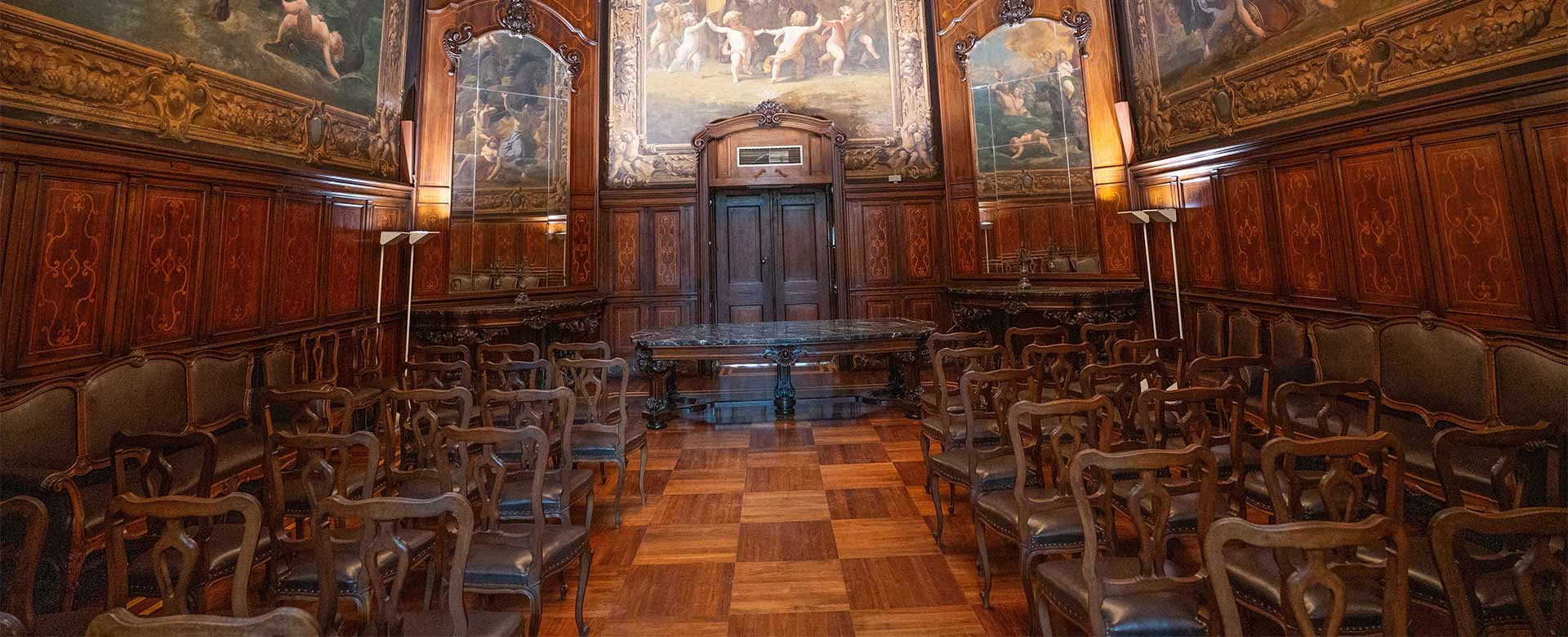
From Turin to Rome, Montecatini and Florence
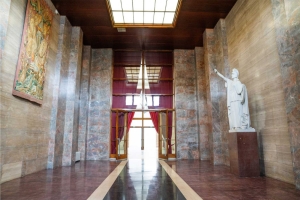
From July to December, the tour takes in some of the most significant examples of Italy’s railway heritage beginning at the Sala Gonin at Turin Porta Nuova, designed in the nineteenth century as a waiting room for the House of Savoy and decorated with allegorical frescoes by Francesco Gonin, and continues to the Presidential Hall at Rome Ostiense with its monumental design and adorned with a statue of the Goddess Roma in Carrara marble. From the waiting room at Montecatini Terme station, built in the 1930s and divided into three distinct areas by class and with leather seating, mosaic cladding and curvilinear architectural lines, to the Palazzina Reale at Florence’s Santa Maria Novella station, a 1930s building with fine wooden flooring, marble cladding and artistic bas-reliefs.
The Arab-Norman and Art Nouveau station in Taormina
Then there us the waiting room at Taormina Station-Giardini di Naxos, an example of the Arab-Norman and Art Nouveau architectural styles, and the tour concludes with the Royal Hall at Monza, the sole surviving space from the original nineteenth-century railway complex, linked to the House of Savoy with neoclassical furnishings that bear witness to the city’s relationship with the royal family.
Advance booking is required
The opening dates are as follows: Sala Gonin at Turin Porta Nuova Station: 4–5 July; 11–12 July; 19–20 September. Sala Reale at Rome Ostiense Station: 18–19 July; 14–15 November. Palazzina Reale at Florence Santa Maria Novella Station: 25–26 July; 29–30 August; 26–27 September. The waiting room at Taormina–Giardini Naxos Station: 24–25 October; 5–6 September. The Royal Hall at Monza Station: 28–29 November; 19–20 December. Advance booking is required and can be made on the website www.vivaticket.it. For information regarding booking procedures and access for people with disabilities, please email This email address is being protected from spambots. You need JavaScript enabled to view it.
Rome Fiumicino is the Best European Airport
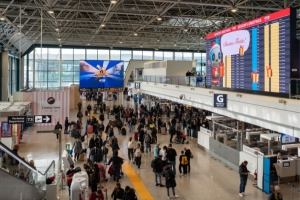
For the eighth time since 2018 and the fifth time in a row Rome Fiumicino has been named the best European airport in the category for airports handling over 40 million passengers, winning the ACI Europe Best Airport Award 2026. The award was presented during the Annual Congress held in Prague, where European airports were recognized for their excellence in staff performance, digital transformation and the sustainability of airport infrastructure. The winners were selected based on the assessment of an independent jury comprising eight institutional representatives from the aviation sector, including the European Commission, Eurocontrol, EASA, ECAC and the SESAR Joint Undertaking.
In 2025 Fiumicino topped 51 million passengers
This accolade follows on from the Best European Airport award won in February as part of ACI World’s Airport Service Quality programme, based on feedback provided directly by passengers, and confirms the strength of the "Fiumicino model," which, in 2025, topped the 51 million passenger mark for the first time. The Leonardo da Vinci is now looking to the future with a €9 billion Sustainable Development Plan, designed to meet an estimated traffic demand of up to 100 million passengers by 2046 and to further strengthen Italy’s connectivity. 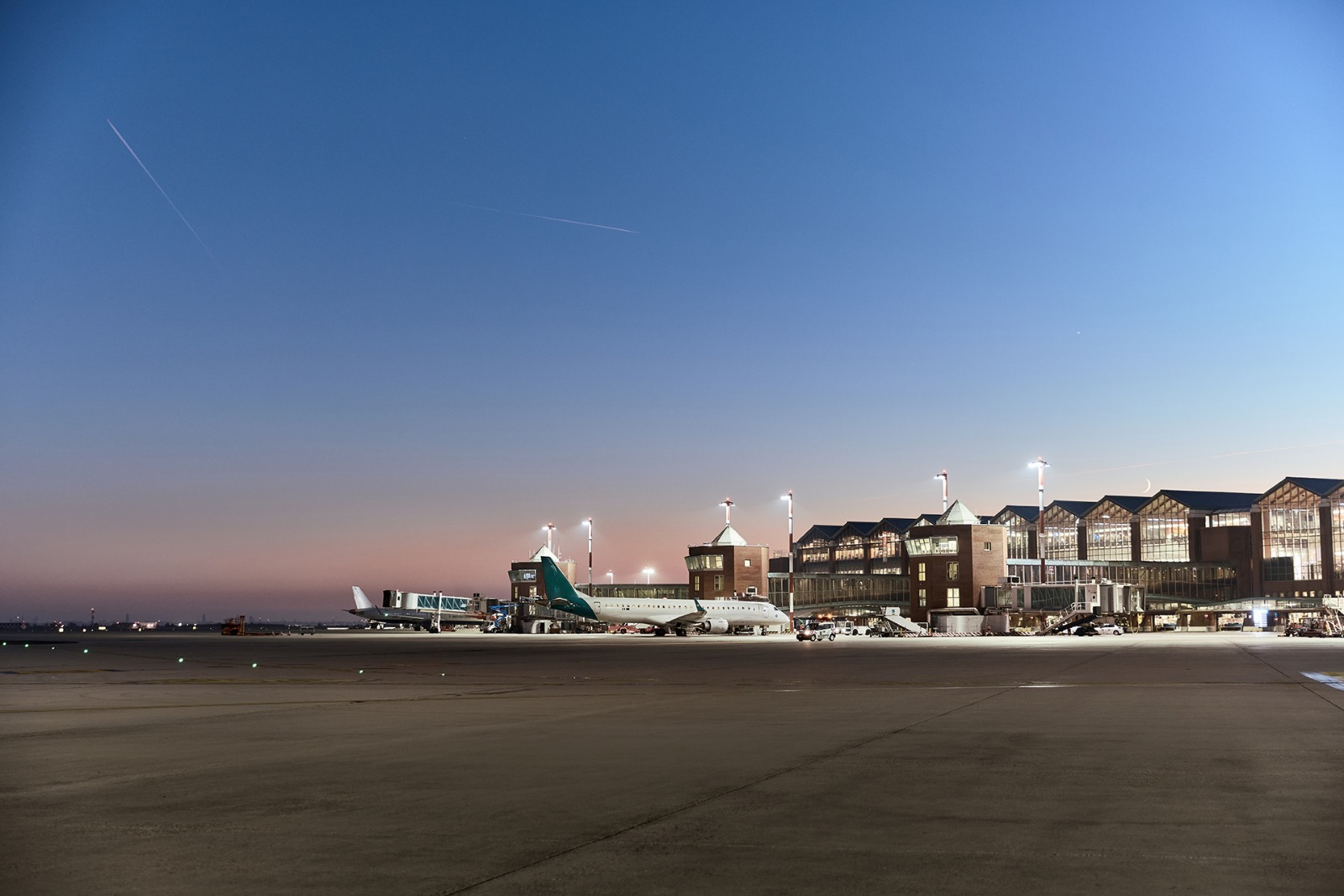
Venice's Marco Polo also got a Best Airport Award
It’s not just Rome, as Venice Marco Polo Airpors received the Best Airport Award in the 10–25 million passengers category. The award was presented to Monica Scarpa, chief xxecutive of the the airport’s operator SAVE Group. The airport was particularly commended for using the Milan-Cortina 2026 Olympic and Paralympic Games as a catalyst for lasting improvements in terms of operational performance, service quality and ESG impact. The judges noted how the airport not only delivered an exceptional service and experience during the Games, but also used them to integrate many new practices into its day-to-day and future operations, creating a long-term legacy of high performance and inclusive design.




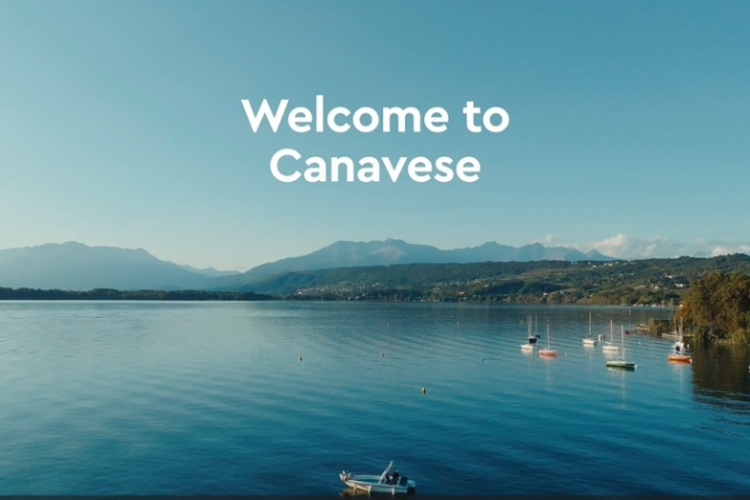
Welcome to Canavese, an unexpected corner of Piedmont where …
843Welcome to Canavese, an unexpected corner of Piedmont where …
843