






A Ferryhopper discount is the perfect Xmas gift
Facilitating winter returns and departures and rewarding users with a discount that is the perfect gift to put under the tree, Ferryhopper’s campaign, with the slogan “Home is just a ferry ride away”, is aimed at those wishing return home or leave for Italy's best-loved islands during the festive season.
Easy and reliable booking experiences
Ferryhopper, the leading ferry booking platform, is offering an extra 20% discount on ferries to Sicily and Sardinia., making it easier to organize festive travel. "We know how important it is to come home for the holidays or to leave for holiday time in a place you love. With this campaign we want to be part of the journey of those who return and those who choose to experience the sea even in winter,- says Cinzia Corroppoli, country manager Italy of Ferryhopper. -The journey home, or to one's favourite destination, is…a journey of emotions, an opportunity to slow down. Our aim is to make it as easy as possible by offering an intuitive, reliable and convenient booking experience. We hope that the extra discount will allow more and more people to discover how easy it is to plan a trip with us, even at the busiest time of the year."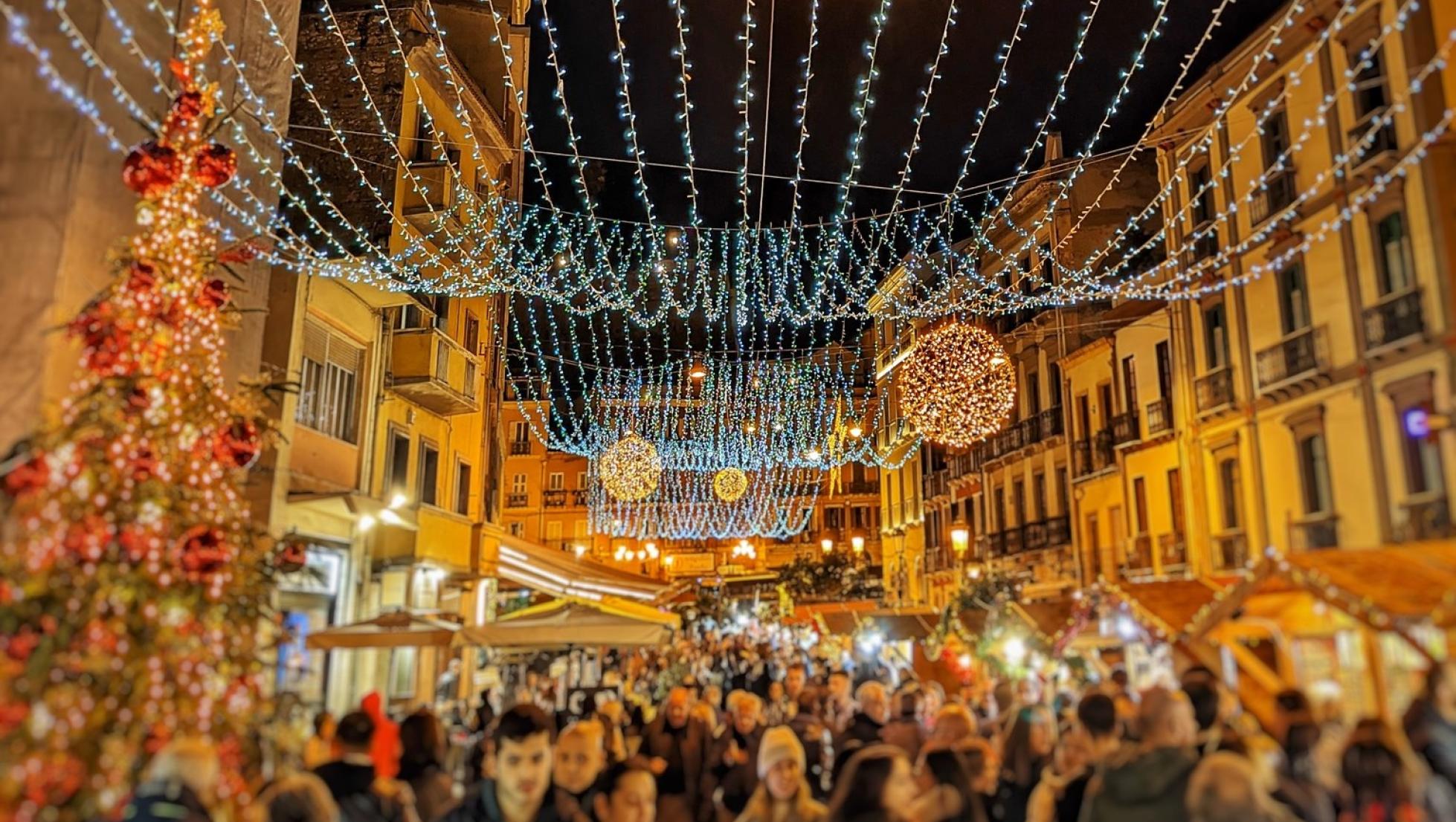
The discount code is valid up to 11 January 2026
The FERRYXMAS code will be active until 16 November, redeemable exclusively through the Ferryhopper app, with a maximum limit of uses and valid for departures until 11 January, thus keeping the heart of the festive season within its range. The discount can be applied to routes from the mainland to Sicily and Sardinia and vice versa . The routes for Sardinia are: Livorno-Olbia/Golfo Aranci; Civitavecchia-Olbia/Cagliari/Porto Torres/Arbatax; Genoa-Porto Torres; Naples-Cagliari; Palermo-Cagliari. The routes for Sicily are: Naples-Palermo/Termini Imerese; Genoa-Palermo; Livorno-Palermo; Civitavecchia-Palermo/Termini Imerese; Salerno-Messina; Villa San Giovanni-Messina; Reggio Calabria-Messina. For information: (https://www.ferryhopper.com/it/)
Quick and easy access to essential travel information
Aeroporti di Roma has introduced this cutting-edge solution, developed in collaboration with Amazon Web Services (Aws) and Storm Reply, which responds concretely to the most urgent needs of travellers by providing real-time information and support. The Virtual Assistant offers passengers quick and easy access to essential travel information, accompanying them throughout their airport experience. Available via ADR's WhatsApp chatbot and the official website, the new digital tool - through Aeroporti di Roma's official mascot Adryx - allows travellers to stay informed at every stage of their journey, providing them with real-time flight updates, directions on airport services and personalized recommendations for a pleasant experience inside the terminals.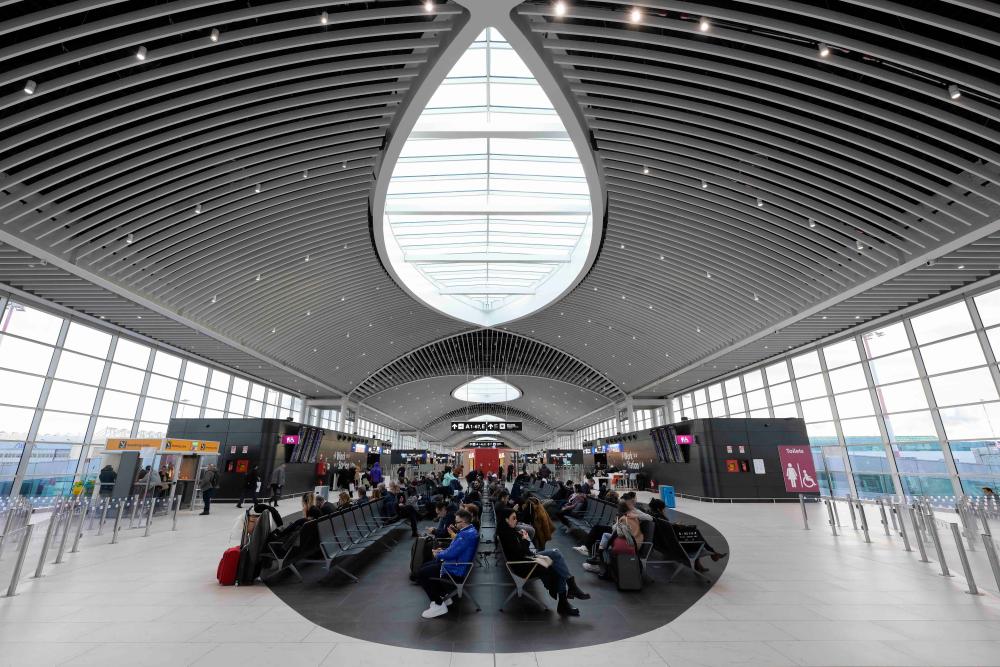
“Personalized support to approximately 50 million travellers”
“From the first “Buongiorno” to the last “Arrivederci”, we are committed to offering a smooth travel experience that combines Italian hospitality with technological innovation,- says Emanuele Calà, senior vice president transformation & technology Aeroporti di Roma. -The Virtual Assistant allows us to provide personalized support to the approximately 50 million travellers passing through our airports.”
The new Virtual Assistant uses text or voice messages
The Virtual Assistant interacts naturally with ADR passengers through text or voice messages, including: real-time flight information; parking availability; information on buses, taxis, trains to get to or from the airport; recommendations o restaurants, shops, malls and more. It also provides precise information on baggage pick-up points and baggage status; personalised guidance for travellers on connecting flights with communication in multiple languages and more features twill be added in the coming months.‘The AI-based Assistant is a distinctive example of how AI can seamlessly integrate into everyday user experiences, providing powerful yet unobtrusive contextual support to travellers,’ said Filippo Rizzante, Chief Technology Officer at Reply. ‘By combining multi-agent orchestration with AWS's generative AI services, we enabled the Assistant to handle complex queries in real time securely and efficiently across multiple languages and contexts.’
“Navigating one of Europe's busiest airports is easier and more enjoyable"
"Aeroporti di Roma's Virtual Assistant demonstrates how generative artificial intelligence can significantly transform passenger experiences, says Julien Groues, VP AWS France and Europe South. -We have created a solution that makes navigating one of Europe's busiest airport systems easier and more enjoyable."
A conference on the Benedictine cultural heritage
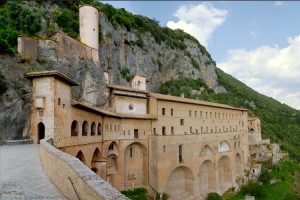
Lazio monasteries have long offered travelers a journey through centuries of faith, art, and culture, and today they are more accessible than ever thanks to digital innovations that allow visitors to explore them in 3D and augmented reality. From November 25 to 28, 2025, these Benedictine sites will host the international conference “Benedictine Landscapes: Territory, Cultural Heritage and Spirituality”, promoted by the DTC Lazio Center of Excellence to explore how technology can preserve and tell the story of Italy’s monastic treasures.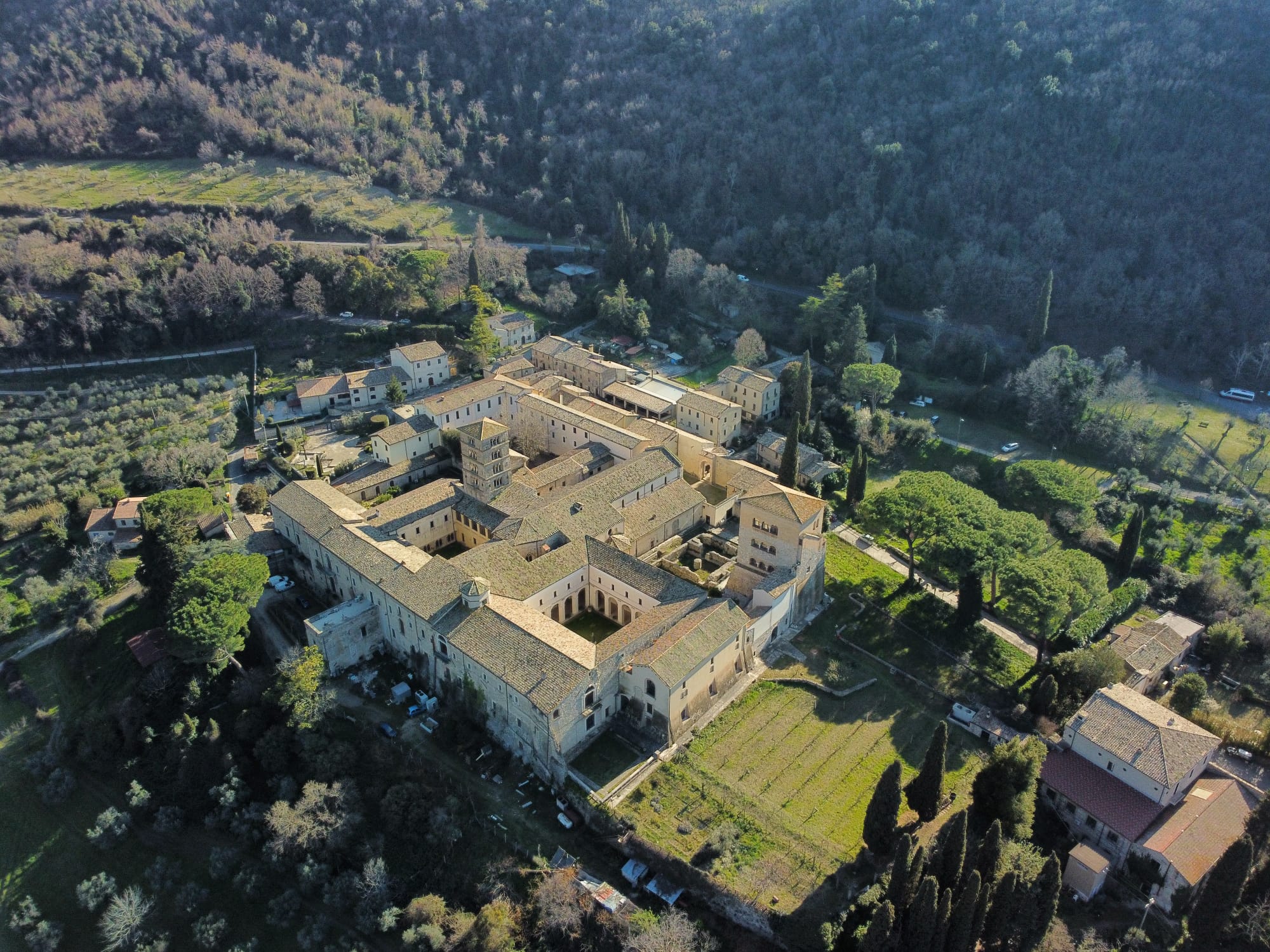 Abbazia di Farla - ph credits Fabrizio Mei
Monasteries have a new virtual dimension
Saint Benedict of Norcia, in the 6th century, established his famous rule ora et labora - pray and work - which shaped European identity. His monasteries were self-sufficient communities integrated into their landscapes, and became centers of learning, art, and devotion. Today, they remain serene destinations for travelers seeking silence, history, and beauty, and now they have a new dimension thanks to virtual tours.
Augmented reality reveals invisible details
Subiaco’s Sacro Speco Monastery, perched in the cliffs above the Aniene River, houses the Chapel of Saint Gregory. Thanks to Geolander.it, a digital twin of the chapel now allows visitors to explore its frescoes in augmented reality, revealing details invisible to the naked eye. Further south, Montecassino, symbol of resilience after World War II, comes alive through the Memory of Montecassino - Virtual and Accessible Museum, with 3D reconstructions of monastic libraries and interactive tours. The journey concludes in Farfa, in the Sabine hills, where the ancient abbey has long welcomed pilgrims and travelers alike, combining heritage, hospitality, and sustainable tourism. 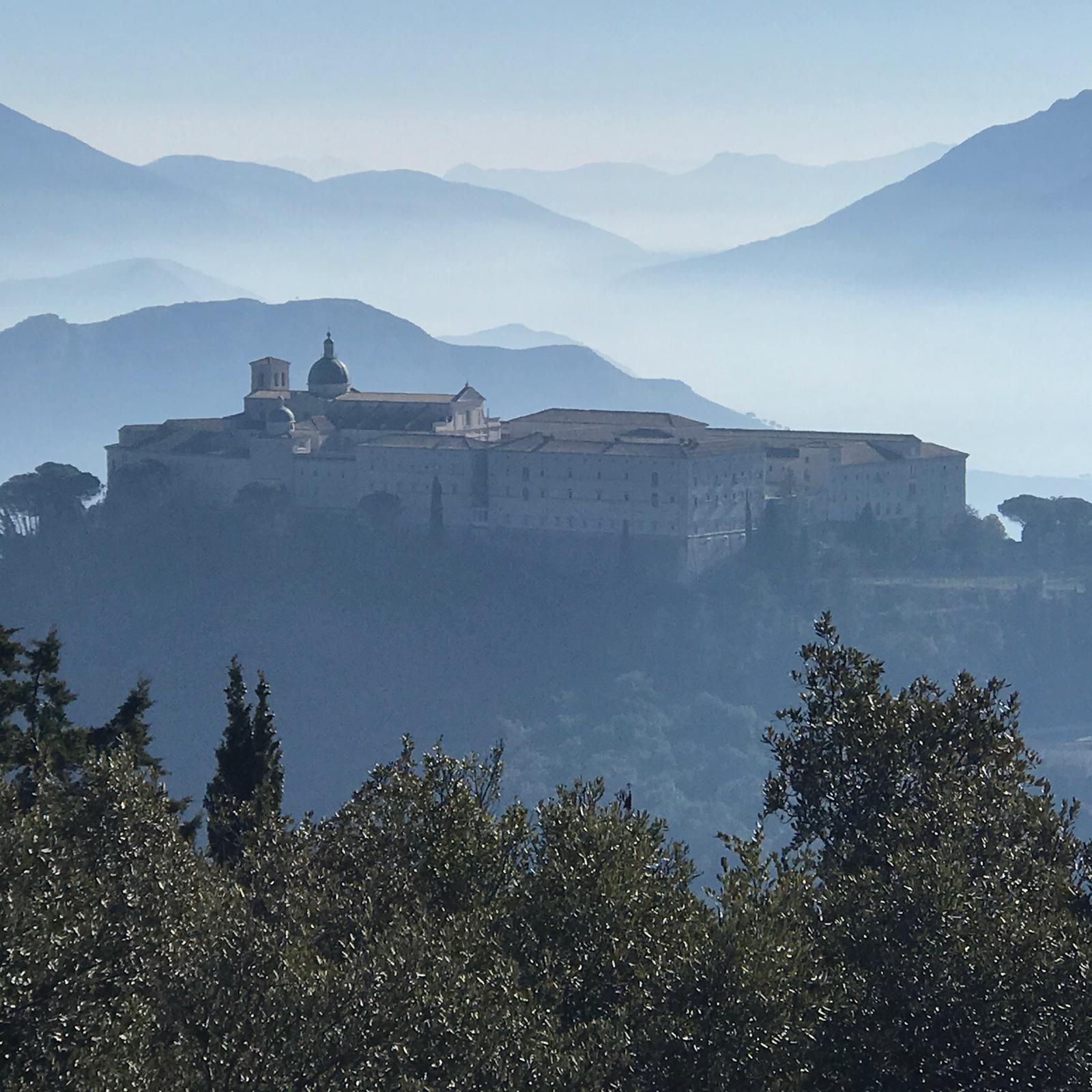 Montecassino
Saint Benedict’s legacy is now available to everyone
Lazio’s Benedictine landscapes show how faith, history, and digital innovation can allow travelers to explore centuries-old monasteries in entirely new ways. Today virtual tours, augmented reality, and interactive 3D models are making the enduring legacy of Saint Benedict available to everyone. For information: dtclazio.it
Lazio is drawing growing numbers of walkers
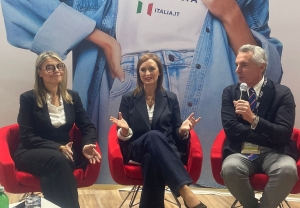
In an overview of the region’s presence on the national and international scene, special attention was given to its walking routes which have recently changed both in terms of tourism and experience. “The Latium region is popular for its walking routes, so much so that it has become a pivotal focus for many foreigners, but also for Italians,- said Ivana Jelinic. - Of course this change in our behaviour must be intercepted and then transformed into a tourist product.”
A desire to get closer to nature
“Today time is the great luxury that we all want at our disposal. So are authentic experiences. When people who live in large cities and are subjected to enormous daily stress, find they have time on their hands, they choose to get close to nature and slow down their pace - something we are unable to do in everyday life. What the Lazio region has done in an intelligent way is to focus on a theme that is a trend, but also a need. Of course, it’s the role of politics and institutions to outline the vision—but it’s the tourism professionals who bring those ideas to life. So we must always give maximum support to the professionals to allow them to work freely.”
Lazio has over 2,000 kilometres of walking routes
"The Lazio region can be defined as the region par excellence of walking paths. Two thousand kilometres of paths - I’m thinking of the Via Francigena, the Way of St. Francis, and the Way of St. Benedict. said Elena Palazzo. -We have an immense heritage on which we are trying to focus a great deal of attention, and we are looking at it as a form of slow tourism by which I mean experiential tourism. We are working to invest in a widespread hospitality network. How did we start?
Upgrading facilities for healthy tourism
From 2024 to 2025 we started by investing almost €2 million to make these walking paths safe. We have done some work on signposting, and we have also given the businesses that are on the paths the opportunity to promote themselves. The region’s task is to build connections among all of Lazio’s diverse potential - from the sea to the art cities, from culture to historical tourism. For 2026 we have invested €1 million in sports and health. Which we can of course link to the walking paths, which are itineraries for healthy tourism, but also places for outdoor sports. It is therefore a fundamental link that brings together the various clusters.”
ITA Airways flies to 53 destinations
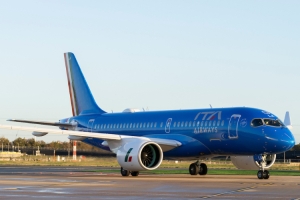
In the ENIT area in the WTM’s Europe Pavilion, ITA Airways is presenting its winter 2025-26 with its 53 destinations: 16 domestic, 21 international and 16 intercontinental. The focus is on the United Kingdom, which is confirmed as a strategic market for the airline, with to 43 weekly services (86 flights) between London City and Rome Fiumicino and Milan Linate airports, all operated with the Airbus A220-100.
Stepping up UK operations this summer
For summer 2026 ITA Airways will step up its operations on the UK market by resuming flights to and from London Heathrow: the route from Rome Fiumicino to the main British airport will be operated with two daily services. In addition to direct flights, British travellers will be able to easily connect from Rome Fiumicino to ITA's entire domestic and international network, including popular Mediterranean destinations (Italy, Spain and Greece) and long-haul routes to South America, including Rio de Janeiro, Sao Paulo and Buenos Aires.
Resuming Rome Fiumicino-London Heathrow flights
“The UK is a strategic market for ITA Airways, and we are proud to further expand the travel options for our passengers between Italy and London, - said Joerg Eberhart, CEO and managing director of ITA Airways. -We are delighted to announce here at the WTM that from next summer we will resume direct flights from Rome Fiumicino to London Heathrow, strengthening connectivity between our hub and the UK's main gateway. At the same time, our services between Milan Linate and London City will continue to meet the needs of business travellers, providing efficient access to the heart of London. With these connections, we want to offer our passengers an even greater and smoother travel experience, built on Italian excellence, quality and innovation."
Many new routes for the winter 2025-26 season
Highlights of the current winter season include: the launch of the new direct flight from Rome Fiumicino to Mauritius, from 7 November 2025, operated with Airbus A330neo, with two weekly frequencies. The resumption of the direct flight between Rome Fiumicino and Malé (Maldives) from 19 December 2025, with daily frequencies until 6 January 2026. Thereafter, the route will be served with three weekly flights, which will become four in February. The route will also cover the Easter holidays next year. There will be an increase in frequencies to Bangkok from five to seven per week from 8 December 2025, and an increase in flights to Buenos Aires from nine to ten per week between 16 December 2025 and 9 January 2026.
“It makes us realize how important our country is”
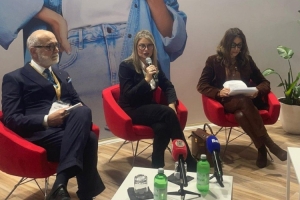
"It’s very interesting that there are increasing demands from operators to be here in London, at the WTM. It makes us realize how important our country is, and how much interest it arouses, of course in the UK market, which is currently hosting us, but also in other markets,- said ENIT’s CEO Ivana Jelinic presenting the country at the WTM in London. -Thanks of course to Minister Daniela Santanchè, who leads tourism with great vision, and to the Italian Ambassador to London, Inigo Lambertini.”
“The UK market is third in terms of tourism expenditure”
‘I am honoured to be here in London,- said tourism minister Daniela Santanchè. "The UK market is the third largest in terms of tourism expenditure in Italy: Veneto, Lazio, Lombardy, Campania, Sardinia and Tuscany are the most popular regions and Italy continues to hold pride of place in Europe with +5.7% total overnight stays between January and July 2025 , which is +10.4% if we look exclusively at international overnights. Tourism brought in almost €25 billion from international tourism in the first half of the year (+5.9%) with a tourism balance for the first six months of €9.2 billion (up +6.5%). There were 105.5 million international airport passengers in the first 8 months ( +7.4% over 2024) and a 2025 closing forecast of €185 billion in total tourist consumption, with foreign spending in Italy estimated at +9.4% and domestic spending at +1.6%. "
WTTC surveys show employment figures on the rise
The latest WTTC surveys show that employment figures among women and young people stand at 1.34 million jobs in tourism’s direct and indirect supply chains, up on 2019 when there were 1.28 million; the 17.1% of high-wage employment in tourism is against the 15.4% European average, with a reduction of youth unemployment with 134,000 young people directly employed in travel and tourism.
 A city to experience, explore and enjoy
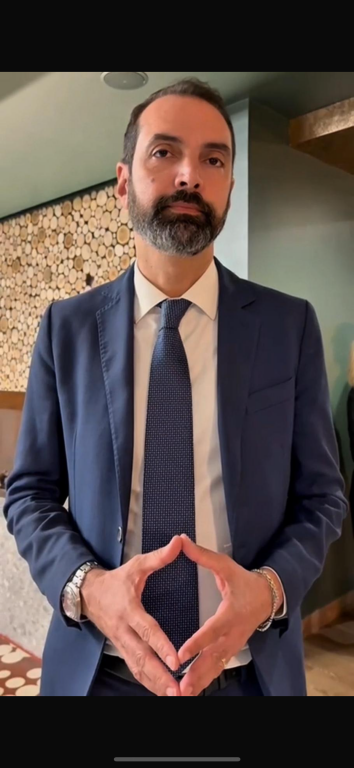
All too often dismissed as “a city of passage,” and long overshadowed by Palermo and Catania, Messina is now positioning itself as the true port of Sicily, a place that blends history, gastronomy, culture, and sea in a uniquely authentic way. “For too long Messina has been the Cinderella of Sicily. Today, thanks to the work we have done, we are the port of Sicily in every sense, not just a place you cross to reach the island, but a place to experience and enjoy,” says Federico Basile, the city’s mayor.
National Geographic named Capo Peloro Italy’s most beautiful beach
Messina recently became the first Italian metropolitan city to receive the coveted Blue Flag for the quality of its waters. Positioned 90 and 60 minutes from the airports of Reggio Calabria and Catania, and with 53 kilometres of beaches, it is the longest city in Italy. Two years ago National Geographic named Capo Peloro, the iconic point where the Ionic and Tyrrhenian seas meet, Italy’s most beautiful beach. The mayor highlights Messina’s strong cultural revival. “We’ve reopened the crypt under the cathedral, restored 20 historic villas and many parks, and we have the largest and world’s most complex astronomical clock.”
New pedestrian areas and cycle paths
But Messina’s rebirth extends beyond heritage. With over €220 million invested in new pedestrian areas, cycle paths, electric transport, concerts and sporting events, the city is fast becoming a dynamic, livable hub. “Messina is no longer a city you pass through - says the mayor - it’s a place where you want to stay.”
A year-end gastronomic festival
Under the slogan “GO! Borderless,” the two cities celebrate cultural unity with more than 400 events, from concerts and art installations to culinary festivals and open-air performances, with the focus on connection, coexistence, and creativity. The year-long celebrations began with the spectacular “From Station to Station” procession of music, theatre and dance that symbolically erased the border. And to year-end “Taste Without Borders” brings together the region’s finest wines and local dishes in a gastronomic festival that perfectly captures the spirit of Gorizia’s cuisine, with Italian flair meeting Central European traditions.
Historic sites like the Parco della Rimembranza
Gorizia is a place where history, art, and gastronomy truly know no borders. The nearest airport is Trieste–Friuli Venezia Giulia Airport, just 30 kilometres away and the new high-speed rail link brings the city closer than ever to Venice, Bologna, Florence and Rome. The medieval Castle of Gorizia dominates the skyline and has panoramic views across the Isonzo Valley. The nearby Parco della Rimembranza park commemorates the fallen of the First World War while, across the invisible border, the peaceful Kostanjevica Monastery and its ancient library will appeal to lovers of culture.
Local delicacies include the ruby-red radicchio
Gorizia’s architecture reflects its Austro-Hungarian past and can be admired in elegant palaces such as the Palazzo del Tribunale, while the local gastronomy echoes that crossroads of influences present throughout the city. Don’t miss the celebrated “Rosa di Gorizia,” a ruby-red radicchio unique to the area, or traditional dishes like “frico,” a cake of cheese, potatoes and onions pan-fried until crispy,“jota,” a bean and sauerkraut soup, and “presnitz” a pastry with nuts, chocolate and spices.
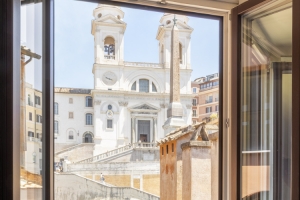
Casa Naman, the newest property of Naman Hotellerie, redefines the Roman residence experience through art, design, and timeless beauty. Designed by the Milanese studio 13.1 Architecture & Decor, founded by Filippo Fiora and Federico Sigali, Casa Naman has transformed an 18th-century palazzo overlooking world-famous Spanish Steps into three private residences of contemporary luxury and quiet splendour.
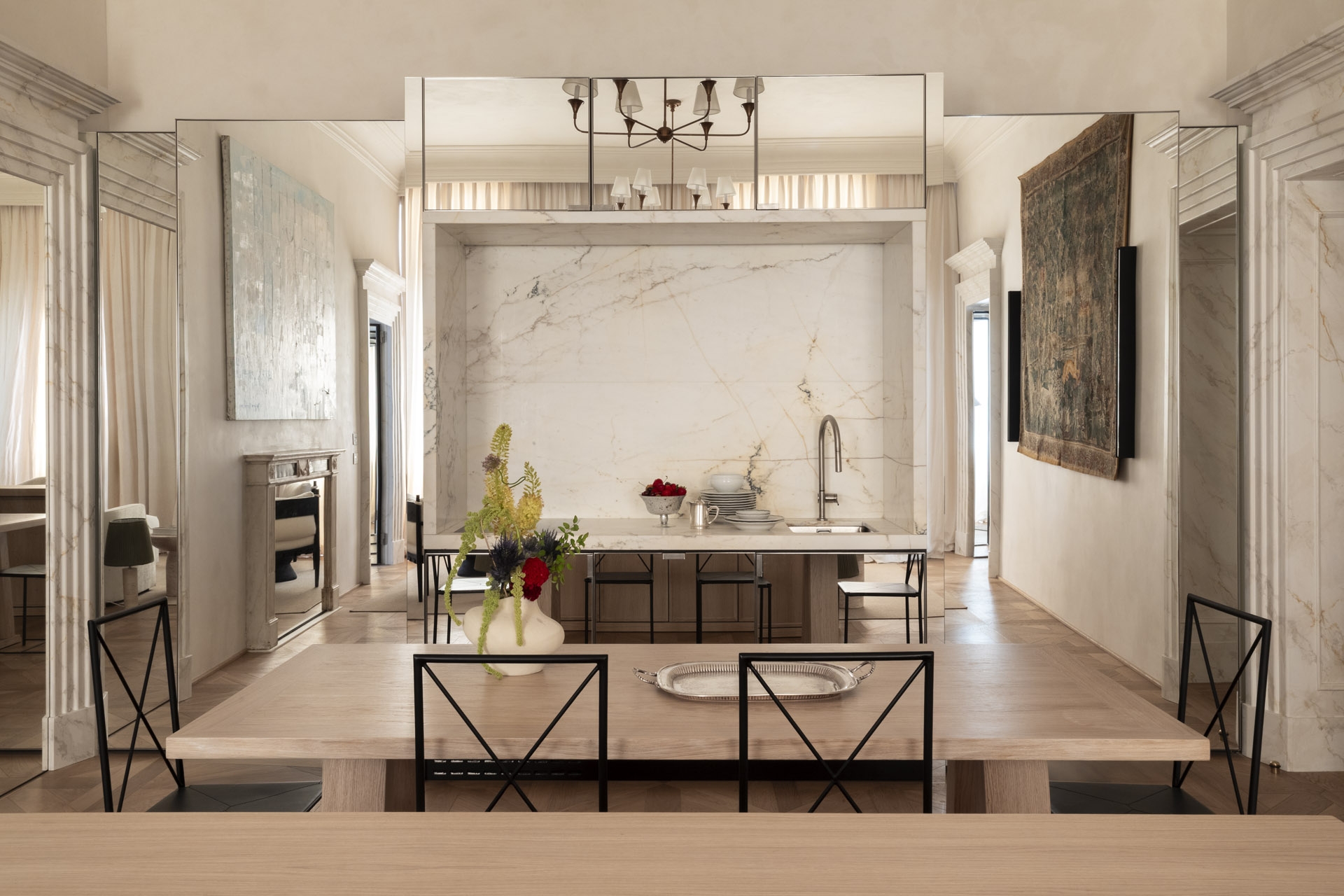
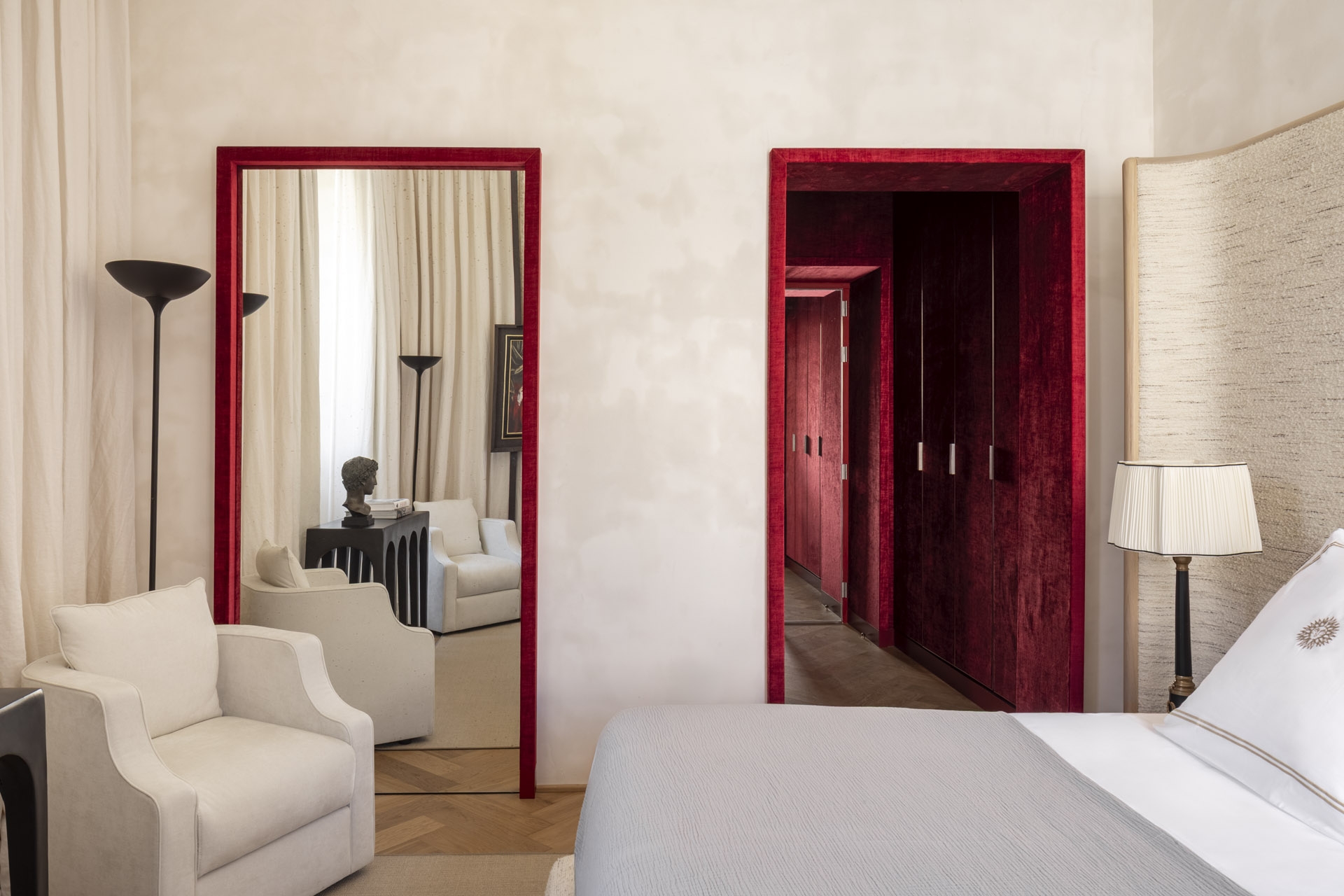
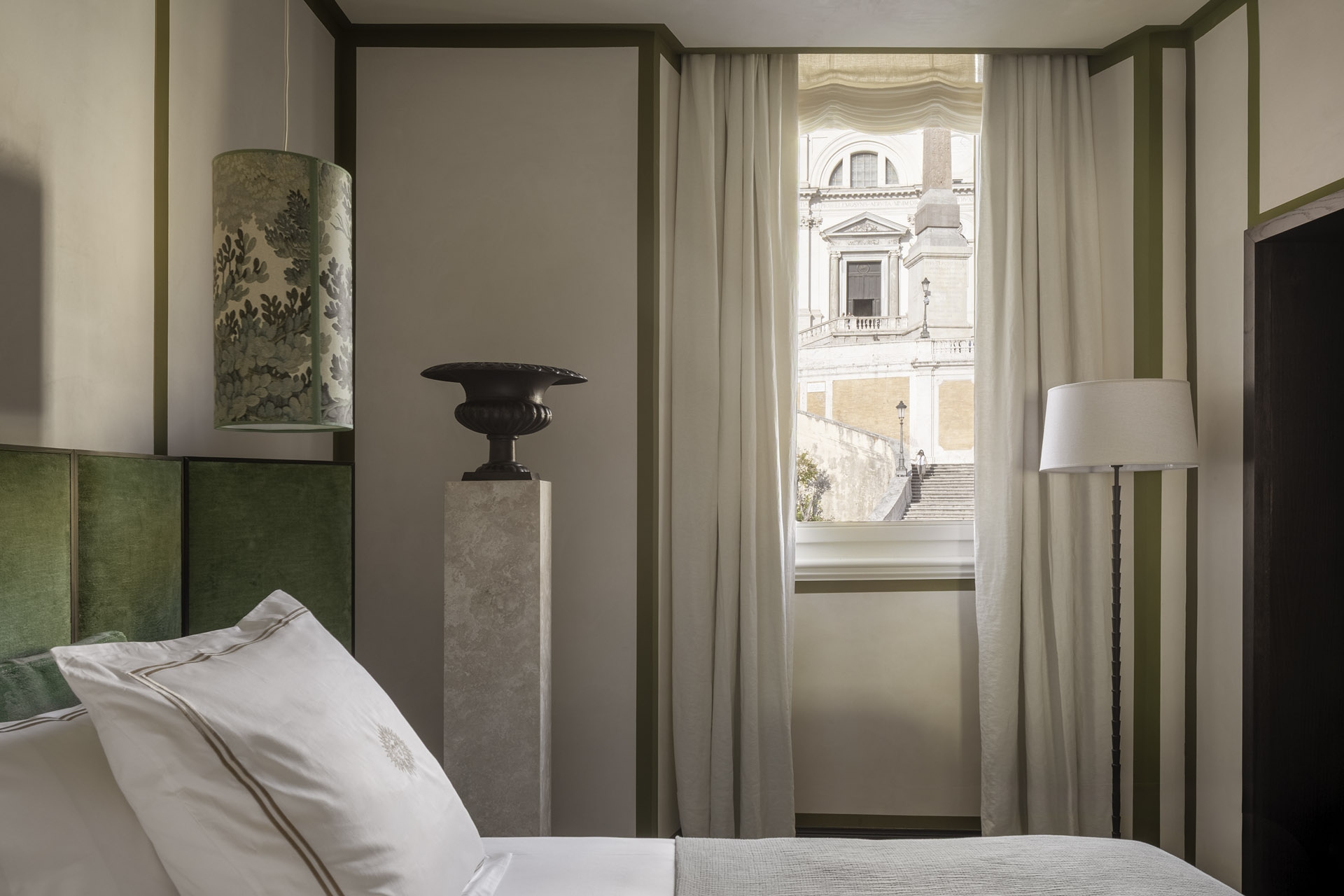
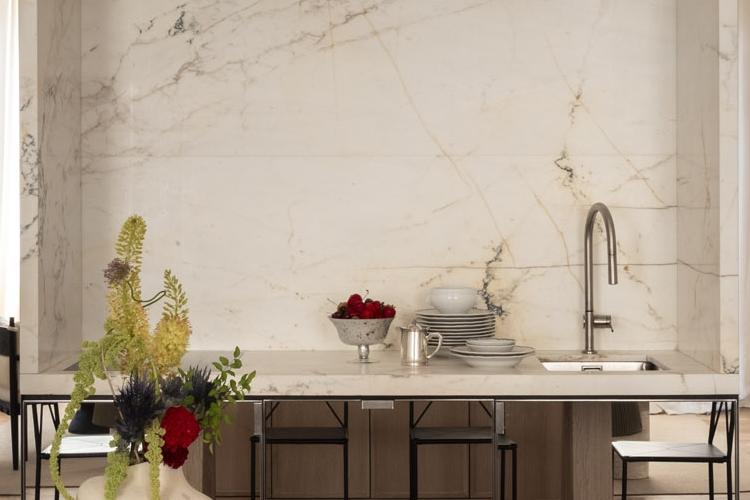
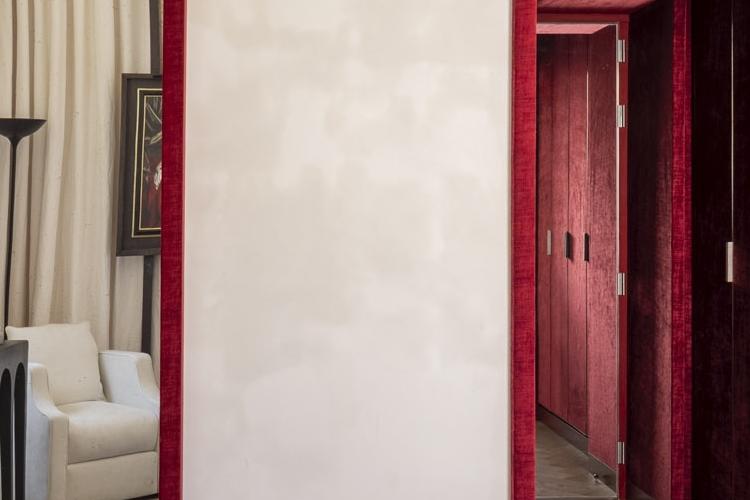
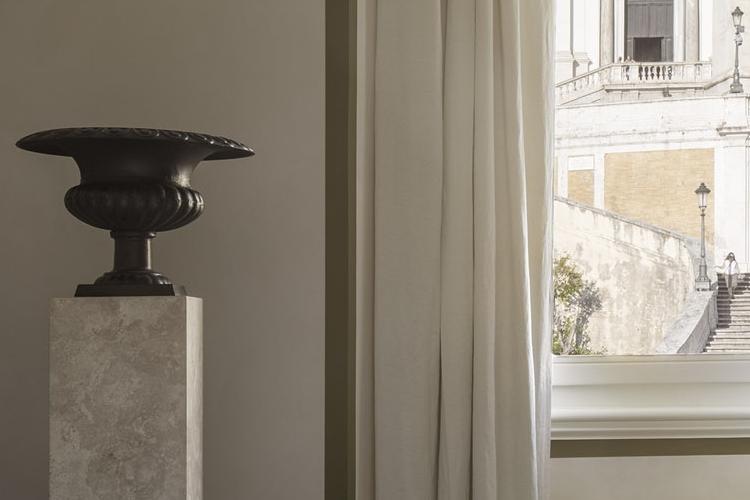
The three apartments of Casa Naman, Janus, Aeneas, and Vesta, each inspired by classical mythology and with a distinctive architectural identity, use natural woods, linen, Italian marbles, and handcrafted furnishings for a refined, sensual, and deeply Roman aesthetic. Janus, a 93sqm apartment for two, blends mirrored surfaces and warm red tones reminiscent of a cardinal’s robes with majestic porphyry columns and antique details, and the small private terrace has an intimate view of the Spanish Steps.
Art collections and views of Trinità dei Monti
Aeneas, at 129sqm, is the grandest of the three. With two sumptuous bedrooms, a luminous living area with mirrored doors, a dining room with a precious 19th-century tapestry, and a curated art collection, it reflects the grandeur of ancient Rome wih modern elegance. Vesta, the smallest at 89sqm is named after the goddess of welcome, and has sloping ceilings, ivory-toned fabrics and marble finishes. It has two bedrooms and an airy living area and views of Trinità dei Monti.
A rooftop loggia with a sauna and Turkish bath
The Otium area, crowned by a panoramic altana rooftop loggia has a 360-degree view over Piazza di Spagna, Trinità dei Monti, and the rooftops of Rome. The sauna and Turkish bath invite quiet reflection and are ideal for yoga at dawn, a leisurely breakfast on the terrace, or simply drinking in the Eternal City from this privileged viewpoint.
Experiencing Rome from its beating heart
Every detail at Casa Naman has been thoughtfully styled to achieve perfect harmony, uniting artistic expression and refined comfort. Custom-designed pieces by Italian artisans, sculptural accents and a palette of cream, ochre, and deep green create living spaces that feel both timeless and intimate and are an invitation to experience Rome to its fullest. For information: www.casanaman.it\com
One of the key trends is Hushpitality which is the search for sweet silence and simplicity and nowhere fits this new mindset better than Italy. Beyond the big art cities and tourist hubs, it offers endless possibilities for the whycationer, from the gentle hills of the Marche to the medieval calm of Umbria’s villages, the culinary prowess of Emilia-Romagna, and the quiet coastlines of Calabria and Basilicata, Places where it is possible to slow down, savour local life, and reconnect with oneself and with others.
Many Italian travel professionals have already put this type of experience in their programmes, so 2026 is going to be the year not of getting away, but of coming back to what matters. The whycation is here, and Italy is already leading the way.
 Pamela McCourt Francescone
Executive Editor



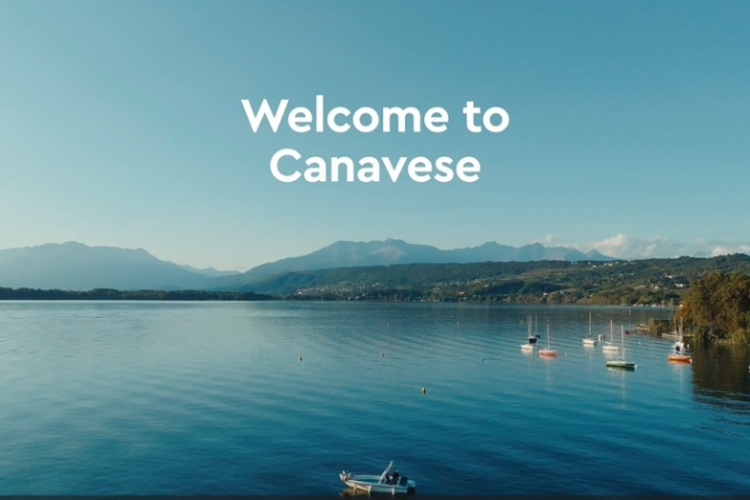
Welcome to Canavese, an unexpected corner of Piedmont where …
847Welcome to Canavese, an unexpected corner of Piedmont where …
847
