




“We cannot go ahead with public funding alone”
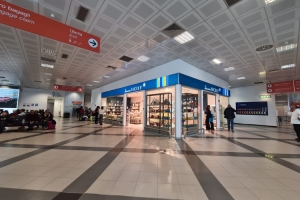
The investment will go into expanding the passenger terminal, commercial areas and services, completing the digitalization of Saf-ready and privatizing its management company Gesap. This road map, as reported by the Italian daily Il Sole 24 Ore, echoes Gesap's managing director, Gianfranco Battisti who said: Capitalization is necessary, we cannot go ahead with public funding alone.” 
Strengthening relations with North Africa and the Middle East
The airport's future is clearly outlined: “Palermo will no longer be a transit airport. We are working on an ambitious industrial plan, built on concrete, sustainable foundations and open to partnerships. In a world where geography counts again, choosing Palermo means investing in a project with deep roots and above all solid prospects.” Battisti underlines that the aim is to connect Palermo to the major global hubs, recalling that today the airport boasts direct connections to cities such as New York, Istanbul, Paris, London, Madrid and Vienna. The intention is to strengthen relations with North Africa and the Middle East which are considered expanding markets. The goal is to activate between seven and nine new intercontinental routes by 2030.
Falcone-Borsellino Airport: 45 routes operated by 14 airlines
This winter the airport has 45 routes, 14 airlines and connections to 13 countries: the two main novelties of the season are the new international routes from Warsaw and Bratislava, operated by Ryanair and Wizz Air. Between November 2025 and March 2026 the airport will have over 19,500 aircraft movements, 4% more than last year, while available seats will exceed 3.4 million, an increase of 8%.
“We…want to be intercontinental, dynamic, connected and future-oriented”
This year will close with around "9.2 million passengers and a load factor of 87.4% (...) But the most significant figure is the structural and organizational transformation that we are moving ahead, especially for international traffic, which has exceeded 34% of the total. Palermo no longer wants to be a regional airport, but an intercontinental, dynamic, connected and future-oriented platform.”
A retreat set in Mediterranean gardens
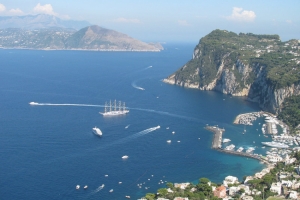
A new luxury boutique villa will join Capri's hotel scene in April 2026 with the opening of Casa Caprile, a restored 19th-century residence in Anacapri. With 10,000 sqm of Mediterranean gardens, the property is a retreat away from the crowded tourist areas of Capri, and remains deeply rooted in the island's cultural heritage.
A second home for guests seeking tranquility and privacy
Casa Caprile, as TravelDailyNews reports, occupies part of the former royal residence of Queen Victoria of Sweden in Anacapri and has been reimagined as a second home for guests seeking tranquillity and privacy. The project is led by Gabriella Russo, known for her long involvement with JK Place Capri. Reflecting on the vision that guided the redesign, Russo said: "This project is deeply connected to Anacapri and its cultural heritage. Located off the beaten track, Casa Caprile aims to welcome travellers looking for more than luxury accommodation. It wants to be a home where guests can retreat to spacious gardens, and with meticulous attention to detail".
Select suites with small private pools
Spread over two floors, the villa has 12 individually designed rooms, ranging from cozy spaces with village views to sea-facing rooms, junior suites with private terraces and select suites with small private pools. Architect Antonio Girardi oversaw the restoration, blending contemporary sophistication with the historic character of the property. The interiors feature contrasting ivory tones with red accents, selected woods, terracotta tiles, hand-painted plaster and customized brass and ceramic lighting, while fabrics by Pierre Frey and Schumacher add texture and sophistication.
Neapolitan and Capri-inspired menus
At the centre of the estate the large outdoor swimming pool is surrounded by greenery and uses a magnesium purification system, which is a gentle alternative to chlorine. It is heated year-round and cooled in the warmer months. The main living room, which opens directly onto the gardens, is a relaxing convivial space. Casa Caprile's restaurant is immersed in the tranquillity of the gardens and embraces a “producer to consumer” philosophy inspired by Neapolitan and Capri traditions. The chef creates customized dinners by asking guests each day what they would like to eat, based on fresh, seasonal ingredients. The menu caters for a wide range of dietary needs, including gluten-free and multigrain options. The CC Bar, located in the heart of the gardens, offers cocktails, herbal teas and quiet moments.
“The real Dolce Vita” in Anacapri
To enhance guests' experience, Casa Caprile will offer guided trekking tours to discover Anacapri's natural and historic landscapes; sightseeing experiences among Capri's cultural attractions; and private transfers to and from Naples International Airport. Initially opened as a seasonal residence, Casa Caprile aims to remain open all year round. Russo adds: “I am originally from Anacapri and I can't wait to open the doors of Casa Caprile and offer our guests the opportunity to discover the real Dolce Vita, not only in the summer but especially out of season, when true lovers of Capri come to stay.”
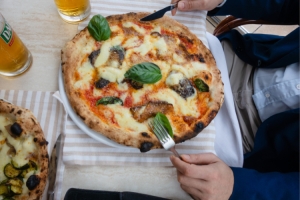
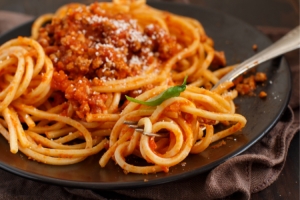
In the TasteAtlas “Best Food Cities in the World” category Naples triumphs with a dazzling 4.99 score, officially crowned as the planet’s tastiest urban destination. Hardly a surprise in the homeland of pizza, sfogliatella and street food elevated to an art form. A score it shares with Milan whose elegant culinary evolution has taken it far beyond the aperitivo stereotype. And third we find Bologna (4.98), which quite simply makes the world’s best ragù.
Italy’s dominance continues in “Best Food Regions in the World.” Campania takes gold with a score of 4.47 for its sun-soaked produce and traditions that inspires dishes from pasta allo scarpariello to mozzarella di bufala. Emilia-Romagna follows closely (4.45) with Parmigiano Reggiano, and cured meats like the inimitable Parma Ham. And Rome? The Eternal City slides into a surprising ninth place, below Mumbai, Paris and Vienna. Romans will shrug, and the debate between cab drivers, grandmothers and half the city’s chef-restaurateurs will be a fiery one.
However, the list from TasteAtlas, the global online culinary guide, echoes a broader truth as affirmed by UNESCO: Italian cuisine is more than food, it is technique, territory, seasonality, community, memory, and an intrinsic part of daily life.
 Pamela McCourt Francescone
Executive Editor
In Italy food is a great art
This is an award not for chefs in white hats, but for the everyday magic that happens in Italian homes, where food is prepared, cooked and regarded with the devotion usually reserved for great art. Because in Italy, of course, cooking is a great art. Italian cuisine is not defined by a single flavour profile, cooking method or set of ingredients. Instead, it is a philosophy: take what the land offers, respect it, prepare it with care, and share it generously that UNESCO has honoured.
A chorus of fiercely regional voices
What makes the UNESCO accolade unique is that it celebrates the staggering diversity of dishes found in twenty regions that often agree only on one thing: that theirs is the “real” Italian cuisine. The ingredients may differ, the techniques may vary, and even the mealtimes shift slightly, but the values remain constant. From the arancini made in Sicilian kitchens to the pots of polenta slowly stirred in Alpine valleys; from Roman debates on the true carbonara to Liguria’s proud guardianship of pesto, Italy’s culinary identity is not one tradition, but a chorus of fiercely regional voices singing in perfect harmony.
The world still eats best when it eats Italian
UNESCO has recognized this daily ritual of cooking as a cultural treasure: the gestures passed down from generation to generation, the loyalty to seasonal ingredients, the stirring, kneading and rolling that turn simple products into dishes fit for a king. In an age when meals are squeezed between appointments, Italy still insists on gathering around the table, as if every day was a holiday to be celebrated with family and friends. The UNESCO recognition doesn’t just mean Italy has added another medal to the shelf, it says the world still eats best when it eats Italian.
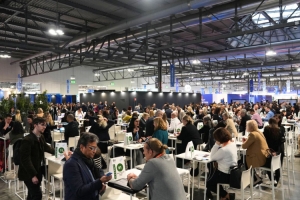
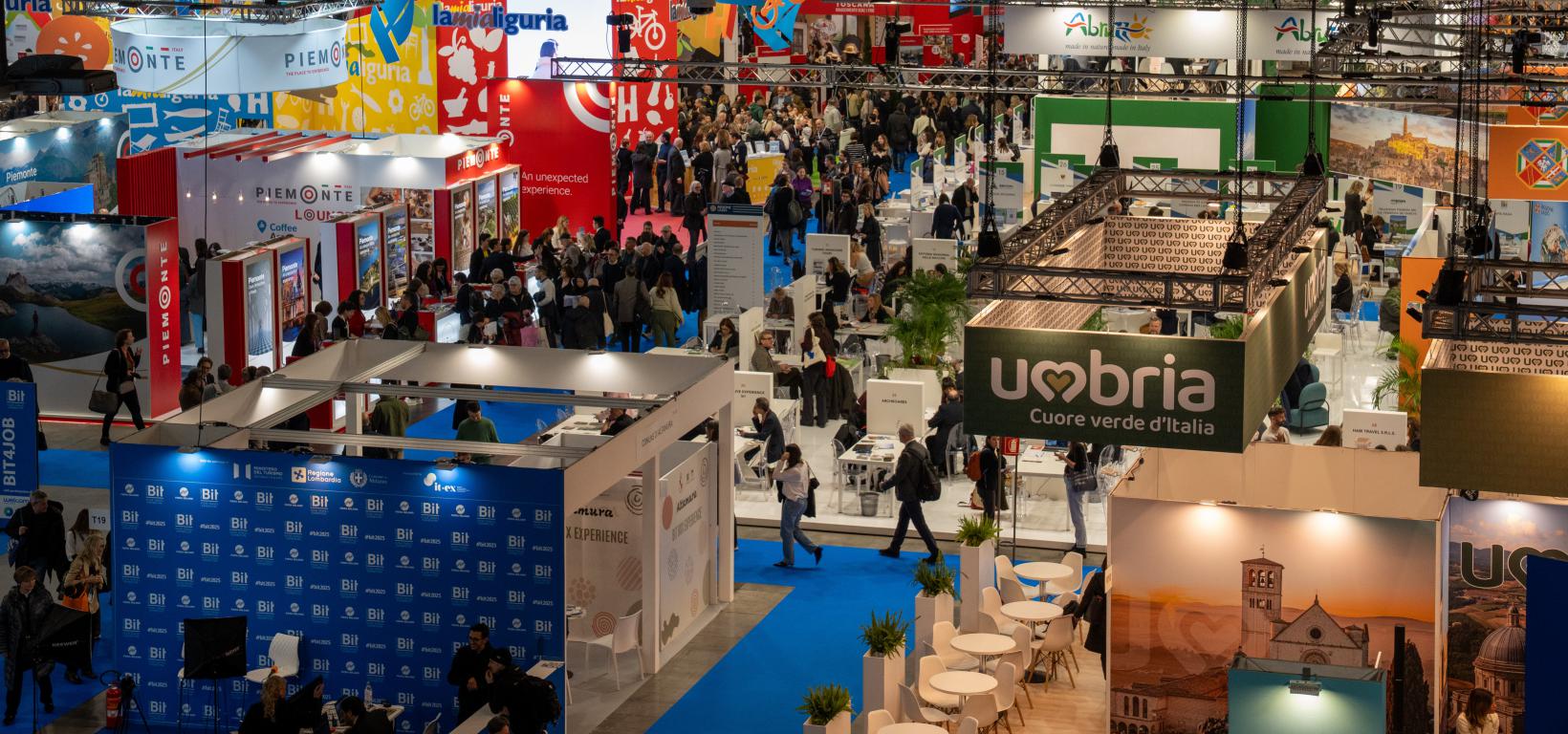
The objective is to enrich with high-profile content a platform that can transform ideas and intuitions into concrete tools to guide destinations, operators, DMOs and companies. This commitment finds expression in the programme of the Travel Makers Fest, the heart of the new concept of BIT 2026, presented by Fiera Milano from Tuesday 10 to Thursday 12 February, 2026.
From the professionalism of the Advisory Board to a programme full of ideas
Simon Anholt, founder of the Nation Brands Index and one of the world's leading experts regarding the reputation of countries, brings to the Think Tank the depth of work that has redefined the way in which territories and nations present themselves. A key principle emerges in his words: "A country's reputation is an economic engine. Italy's appeal is based on cultural depth, beauty and humanity, but reputation only grows when narratives are consistent and authentic.”
Joining him, Paolo Audino, a senior advisor with long experience in destination strategies and international development, underscores the transformation of the role of the events’ sector: "Trade fairs are no longer just marketplaces; they are platforms for knowledge, relationships and inspiration. The commercial role is markedly reduced compared to the past, to the advantage of educational content and qualified networking'.
For her part, Giovanna Manzi, hospitality expert and former CEO of Best Western Italy, brings a perspective centered on innovation and human capital. "Technology is playing a prominent role because it improves the communication and contextualisation of the experience. AI frees up time and adds skills, making hospitality more efficient and more human at the same time."
From her point of view, Caroline Schaefer, an expert on international trends and European tourism dynamics, brings to the Think Tank a vision that combines strategy, market and sustainability. "The connection between air capacity, destinations and tourist flows revolves around three key words: accessibility, sustainability and strategic connectivity. True added value is created when carriers, airports, tourism boards and territories know how to dialogue and build development strategies together: today the competitiveness of international tourism hinges on this systemic collaboration”
Finally, Paolo Verri, a cultural strategist and protagonist of projects such as Matera 2019, focuses on narrative as a competitive lever. "Places can and must be “sexy.” We must not reveal everything but let people discover the hidden parts little by little: this is the real secret of good tourism communication. Destinations that work are those that build participation, not just audience: culture is the connective tissue of a community, and the traveller immediately understands when what surrounds him is authentic or fake. A good narrative is based on small, minute, diffuse stories that stick to spaces and in our minds: it is from those fragments in chiaroscuro that the living identity of a territory emerges.”
An emerging palimpsest: data, reputation, culture, innovation
A multitude of perspectives is shaping the definition of the Travel Makers Fest schedule, where the sector’s key themes for future development will come to light.
The programme includes appointments that directly reflect the Think Tank's guidelines: from the strategic weight of reputation in the talk ‘Italia Mammamia: come il mondo vede l'Italia,’ (Italia Mammamia: The World’s View of Italy) in which Simon Anholt will present an exclusive preview of the latest data on the Italian national brand, to the rewriting of the cultural imagery in ‘Nessun luogo è lontano,’ (No Place is too Far) and the new visual narratives in ‘Il potere delle immagini’, (The Power of Images) with reflections on the country's aesthetic identity in ‘Italia, museo a cielo aperto’ (Italy an Open-Air Museum)
These are joined by panels dedicated to innovation and the evolution of the digital experience, big data, the impact of AI, and the intersection between hospitality, culture and distribution. This forms a mosaic that converts the major market transformations into practical tools for territories and businesses. The masterclass that Simon Anholt will dedicate to destinations and territorial entities will also have a distinct role in this journey, designed to support those working on the positioning of territories through an advanced reflection on reputation and long-term strategies.
Travel Makers: the community that is shaping the future of tourism
Perspectives that share the same approach, which guide the entire new concept of BIT 2026: looking at travel no longer from the point of view of the product, but from that of people. Of those who design the journey, build it, or experience it. Each one adding their own value to the chain. Each with their own interests, skills, desires and passions.
Each of us, bringing our own unique contribution, thus become Travel Makers: a vibrant community of professionals, intermediaries, creators and travellers. At BIT 2026, in addition to the Travel Makers Fest, appointments such as Next Level, with the Travel Agents Academy, the Hospitality Academy, the Storytelling Farm and the Discovery Italy Academy will all offer dialogues with innovation, hospitality, mobility and intermediation. As will Future Travel Minds, the event created to give voice to and build the new generation of Travel Experts and industry leaders; and the six themed districts of the exhibition itinerary in which the Italian and international offer dialogues with innovation, hospitality, mobility and intermediation.
For those operating in the inbound sector - DMCs, travel advisors, luxury operators and international buyers - BIT 2026 charts a clear direction: Italy's competitiveness will depend on its ability to transform identity into authentic experiences, innovation into human value, mobility into accessibility and culture into a strategic narrative shared between territories.
For the international travel community BIT 2026 is the place to explore these visions, transforming content, ideas and connections into strategies. The appointment is from Tuesday 10 to Thursday 12 February, 2026 at Fiera Milano.
Digitally registering entries and exits
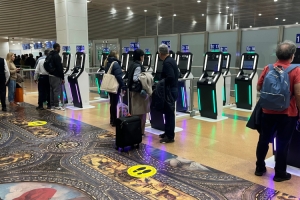
Launched in October by the European Union, which established its definitive adoption and application by the 29 Schengen countries from 10 April 2026, the new system is aimed at digitally registering the entry and exit of visa-exempt third-country nationals over 12 years of age staying in the Schengen area for short periods. It went into operation at Marco Polo on 20 October, in this first test phase, as for all other European airports, only for arriving passengers.
The average registration times is around 90 seconds
In the non-Schengen arrivals area of the terminal, Save has installed 30 self-service kiosks (another 18 have already been set up in the departures area for future use), which in the thirty days since activation have been used by 14,000 arriving passengers. The average registration times is of around one minute and thirty seconds, 30% less than the initial test expectations. Once passengers have registered at the kiosks, they can proceed to the border crossing control through the e-Gates provided by NAITEC, a Save Group company. There are a total of 24 devices between arrivals and departures, equipped with latest-generation biometric panels, advanced sensors for face and fingerprint recognition that can acquire travellers' biometric data quickly and securely.
Treviso and Verona airports also got new kiosks
Alongside these devices, the traditional border remains fully operational, staffed by police officers, for the handling of passengers requiring manual control. Assistance personnel are present in the area to guide passengers through the entire procedure and provide technical support, ensuring that the use of the Entry/Exit system is smooth and efficient. At the same time, the airports of Treviso and Verona, managed by the Save Group, have also been equipped and us the same methods with comparable results. At Canova 12 kiosks have been installed (six at arrivals and six at departures) and six e-gates are active (three at arrivals, three at departures). At Catullo there are 21 kiosks (12 on arrival, nine on departure) and six e-gates are active (three on arrival, three on departure).
Present at the main international trade fairs
King Holidays is investing heavily in promotion, participating with the national tourist board ENIT in all the main trade fairs such as IMEX in Las Vegas in October, IBTM World in Barcelona in November and ILTM in Cannes in December.
Cultural and alternative itineraries
The aim of the operator, which has been active for over 30 years in Mice & Events and specializes in inbound tourism, is to share the beauty of Italy by responding to every kind of request from foreign customers. The programming has a cultural matrix, based on the enhancement of traditions and the authentic soul of Italy. This choice is not always easy to pursue in practice but is definitely rewarding in terms of results, as it intercepts the demand and the real expectations of foreign partners. This leads to favouring alternative itineraries over traditional tours, helping to counteract the phenomena of overtourism and distributing flows more evenly across the territory.
Puglia and Sicily are growing strongly
The demand from companies continues to be concentrated on certain key periods of the year, primarily May, June, September and October, and this obviously leads to a certain congestion of supply. As for the trend in destinations, the Jubilee has conditioned demand for Rome, with an understandable increase in pilgrimages to the detriment of non-religious trips. Puglia and Sicily are growing strongly, appreciated and increasingly in demand for their historic cities, ancient traditions and world-famous food and wine heritage.
33 member delegates from 26 travel companies
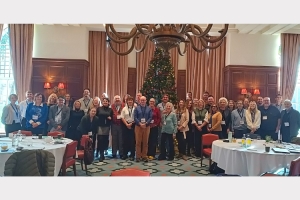
Held at the University Arms Hotel on 27–28 November, the Summit brought together 33 member delegates from 26 companies (more than 50% of ABTOI member companies) alongside ten delegates from eight Associate partners, including ItaliAbsolutely. This year’s theme “Lead, Live, Thrive: Your Blueprint for Resilient Success” explored factors that underpin long-term performance in the UK–Italy travel sector.
Setting up members for resilient success in 2026
Discussions centred around four major topics: male mental health, the changing sphere of foreign exchange, how to spend more time working on the business rather than in it, and practical, accessible ways to use AI. The keynote on men’s health stood out for its candid and highly relevant approach, while the AI and FX sessions offered concrete tools. "The strategic insights gained, especially around AI and FX management, coupled with the unmatched opportunity to build strong trade relationships, sets our members up for resilient success in 2026, said ABTOI’s chair Lisa Leggate. 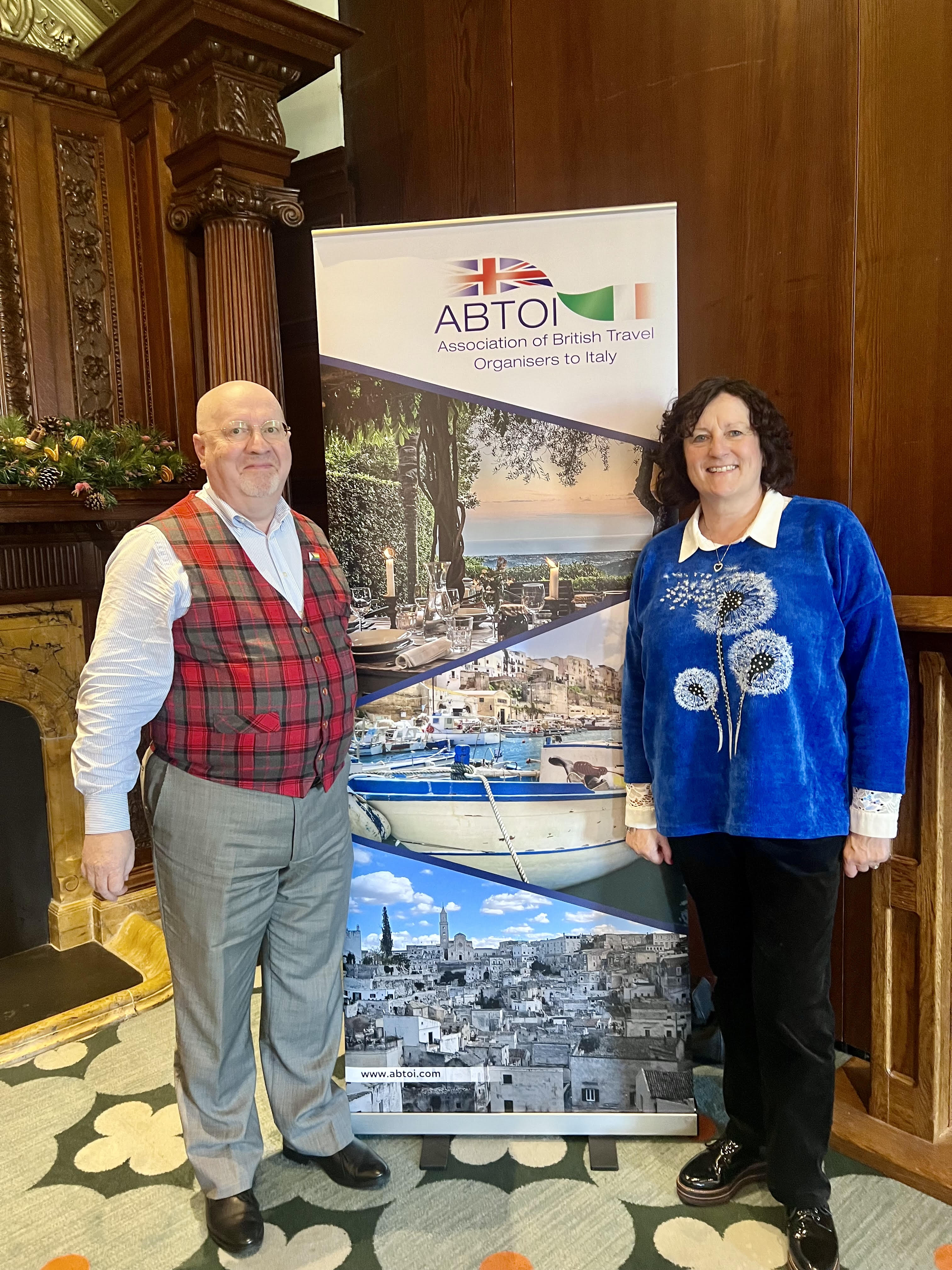
Networking is one of ABTOI’s strengths
B2B networking once again proved to be one of ABTOI’s strengths, and the culinary highlight was the elegant and convivial dinner held in the Upper Hall of Jesus College Cambridge, which provided a memorable backdrop for delegates exchange views and to deepen their professional relationships. The Summit was supported by EveryWhen, DWF Law, Xenadin, and ENIT, along with Trenitalia and ITA Airways who provided attractive prizes. draws.
The ABTOI Summit 2026 will be in Italy
The rapport between ItaliAbsolutely and ABTOI continues to grow thanks to a mutual commitment to supporting and promoting Italy travel and, with the Association already planning its 2026 Summit in Italy, ItaliAbsolutely and the Travel Open Day Group look forward to welcoming its members on home ground next year. For information: www.abtoi.com
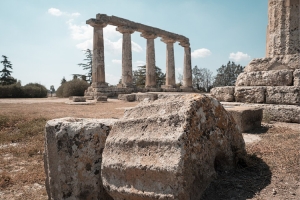
Vulture is the matrix. It is here that the Aglianico del Vulture wine ages in underground cellars and Vulture DOP olive oil releases aromas of herbs and almond. A few kilometres away, the Monticchio Lakes are a green amphitheatre at the foot of the ancient volcano. Further south, Magna Graecia illuminates the Metapontino Ionian coastline with the Tavole Palatine, the Herakleia Archaeological Park and the Sirtide Museum in Policoro. Between these two areas lies a mosaic of fields, woods and farmsteads that brings back the meaning of a learned, sustainable and welcoming rurality.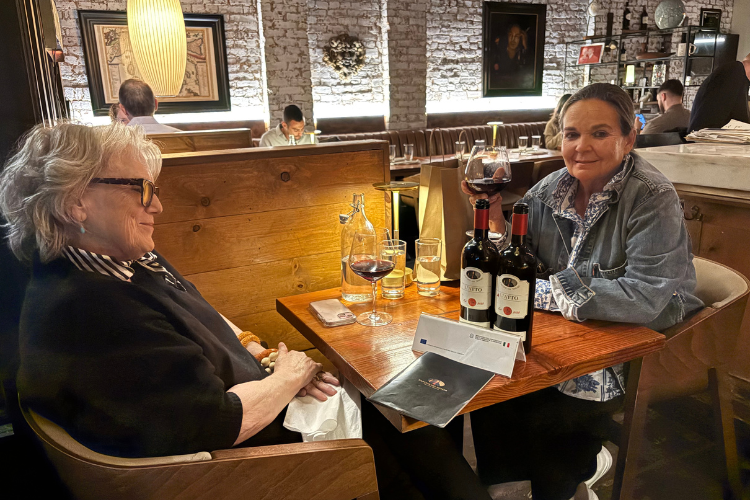
LucanaSapiens was created to connect these places along well-crafted, modular routes. The project offers short breaks for long weekends and four-day itineraries for those who want a more complete narrative. Each stage alternates landmarks and hidden gems: a vertical tasting of Aglianico in historic Vulture cellars, a technical olive-oil session with sensory experiences, a walk in the medieval centre of Venosa in the footsteps of Horace, the Doric light of Metaponto’s temples, and the paths of the WWF Oasis of Policoro, where forest meets sea.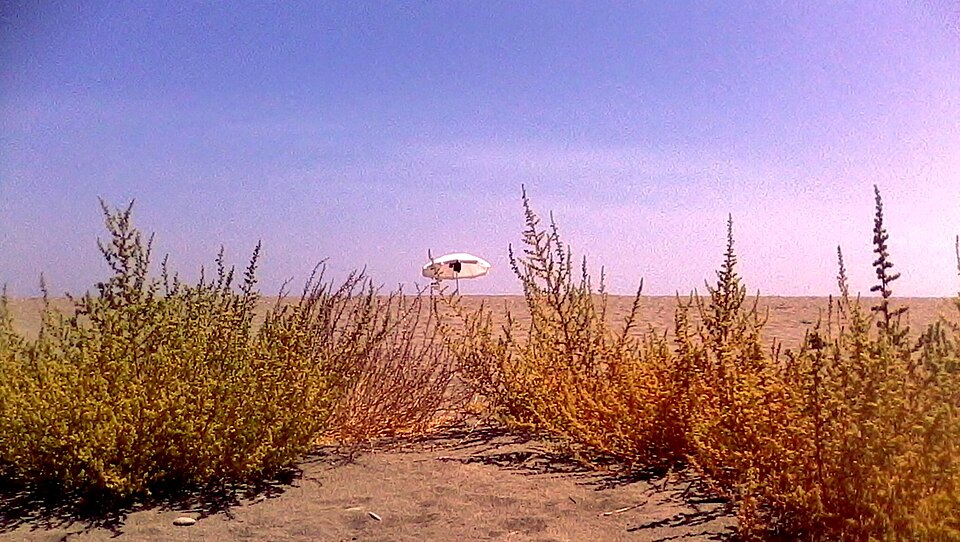 Policoro Oasi WWF
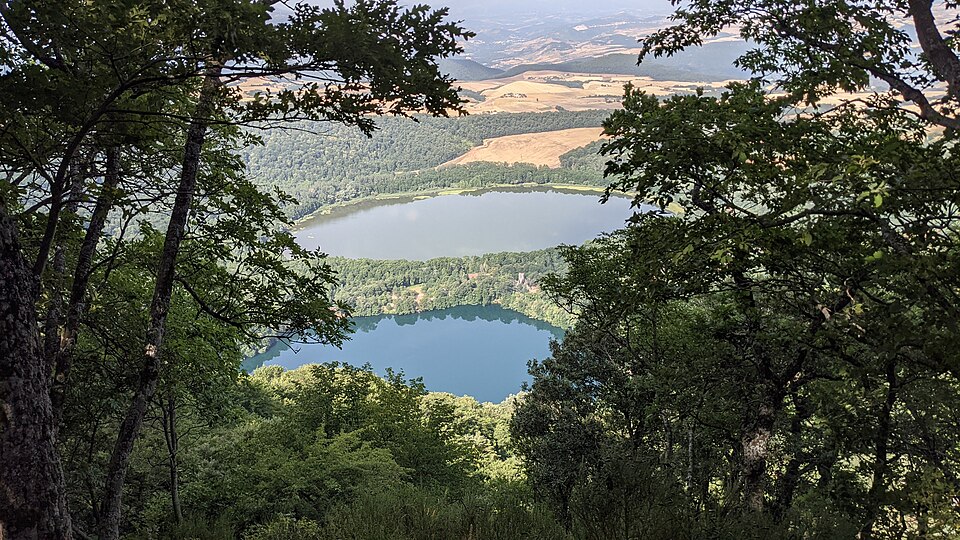 Monticchio Lakes - Belvedere Vulture
The programmes can be adapted for couples, families and small groups. Logistics favour short transfers and sensible schedules, with recommended seasonality from spring to early autumn. During harvest and milling, from September to November, the area offers live processing experiences. In summer, the Ionian–Magna Graecia axis adds the sea and open-air archaeology.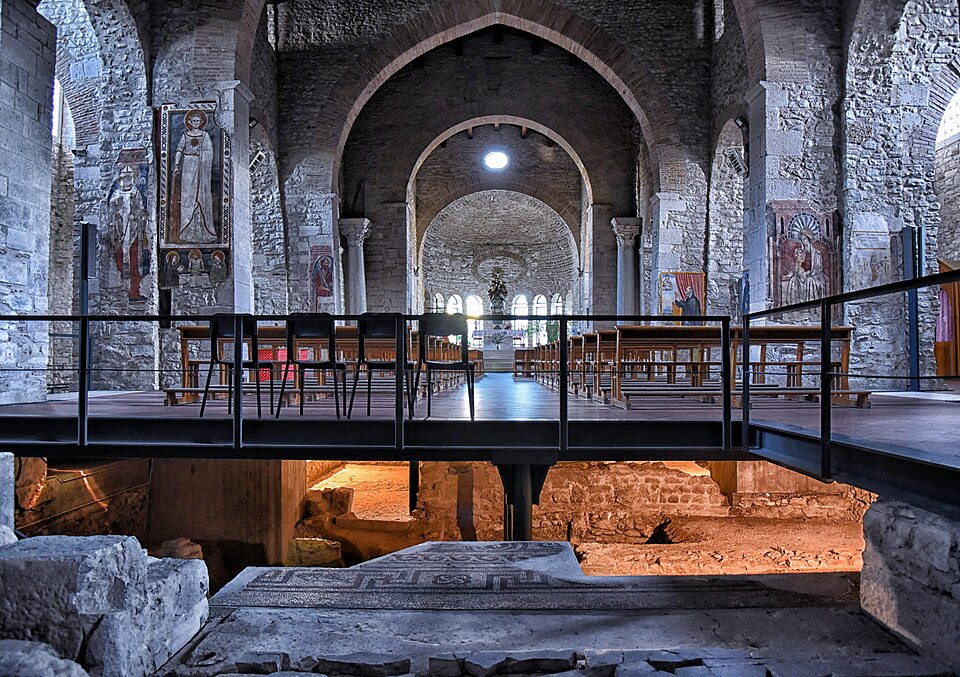 Abbey of the Most Holy Trinity of Venosa
The cultural dimension is integral to the experience. Short readings, countryside anecdotes, pocket guides and audio micro-guides help interpret places and products without weighing down the journey. The environmental dimension is addressed pragmatically: short-distance mobility, small numbers, local supply chains and attention to water and waste during stops.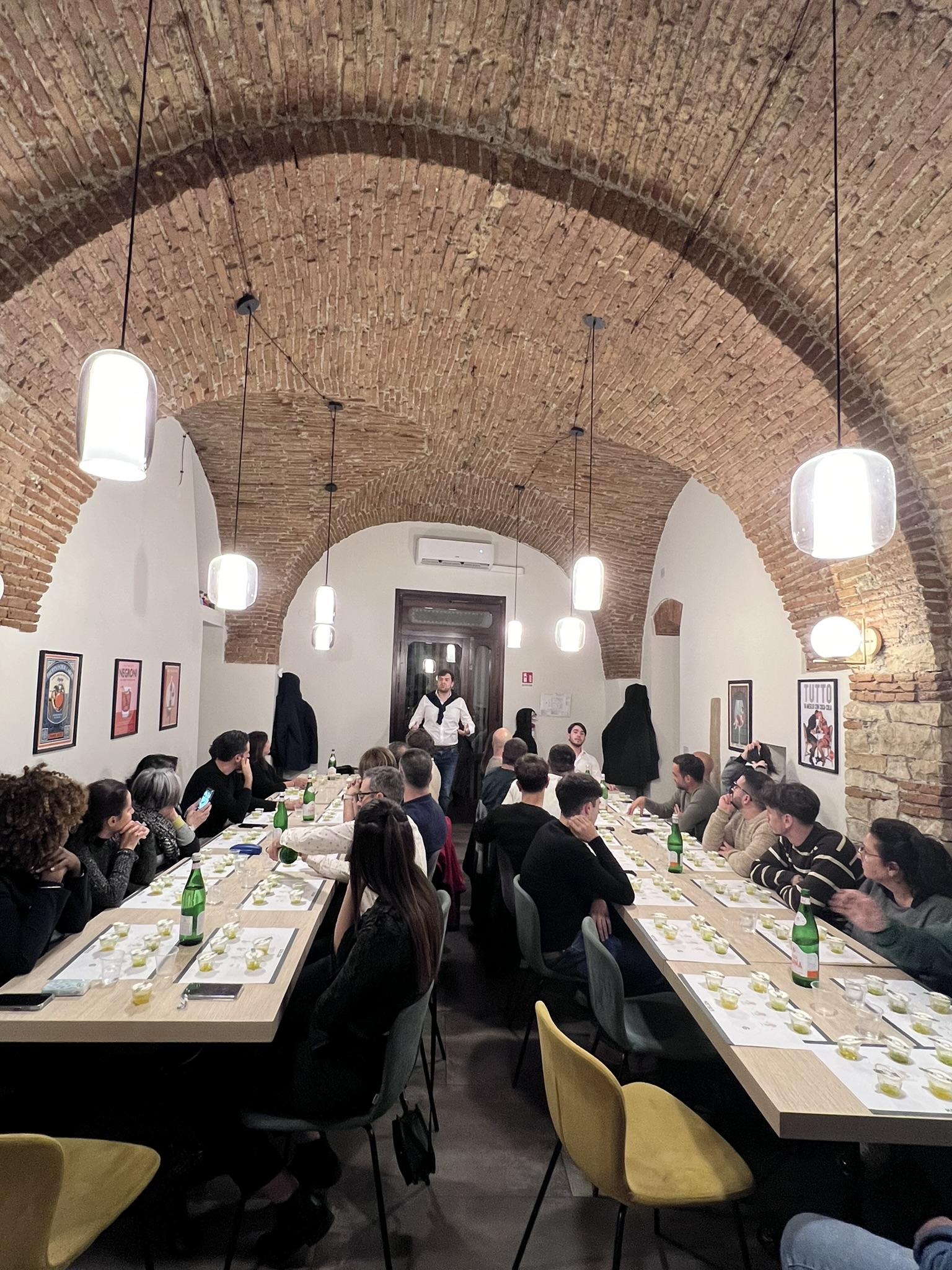
At the heart of the project is a network of players: mills and wineries that open their doors, museums and parks that offer keys to interpretation, guides and tour leaders who are familiar with schedules and options, restaurateurs who choose Lucanian ingredients. The goal is a form of travel that gives value back to the area while offering visitors a coherent narrative of flavours, history and landscapes.
The official website provides detailed information, practical advice and contacts for tailored requests, both in Italian and English. Each itinerary indicates the duration, stops, level of effort and possible extensions. The image galleries help readers orient themselves on itineraries of lakes, hills and coasts, while suggested readings and audio aids can accompany the trip before and after departure.
For information, updates and bookings, visit LucanaSapiens at:https://lucanasapiens.it/
For the itineraries overview: https://lucanasapiens.it/itinerari/
According to the European Travel Commission, 11% of travellers now prefer quieter destinations, up from 7% percent last year. And, as the heat (quite literally) rises, Italy is rethinking how to use green activities to attract more travellers during the cooler months of the year.
With scorching summers now the norm, more and more visitors are skipping the peak months and heading to Rome, Florence, Venice and Milan when its cooler to find fewer crowds, better prices, and a more authentic pace of life. And with the focus on easing overcrowding, the great art cities are turning to green itineraries that encourage the exploration of lesser-known neighbourhoods.
Like Rome, which is now pushing self-guided nature walks, Florence which has launched new cycling routes in its parks, and Milan which is inviting visitors to discover quieter corners like the Prada Foundation, a 19th-century gin distillery which is now a museum.
The message is clear: travel to Italy doesn’t need to stop when summer ends. For the savvy traveller it’s no longer about chasing sizzling summers but taking time to discover how relaxing and beautiful the, more often than not, sunny Italy’s off-season months can be.
Pamela McCourt Francescone
Executive Editor


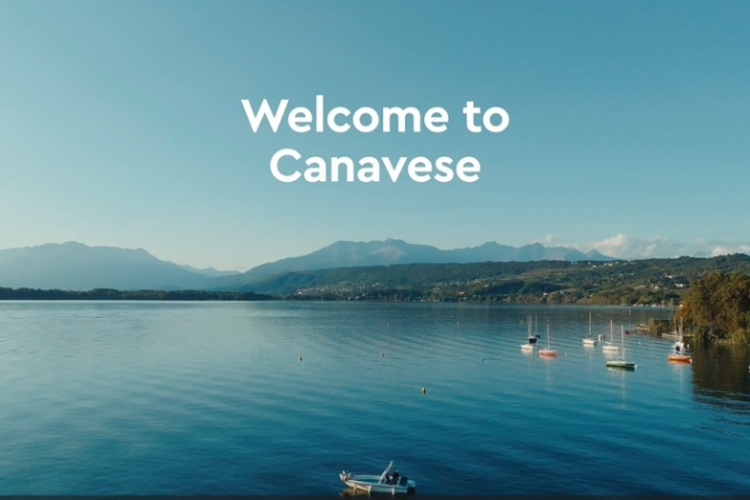
Welcome to Canavese, an unexpected corner of Piedmont where …
847Welcome to Canavese, an unexpected corner of Piedmont where …
847
