




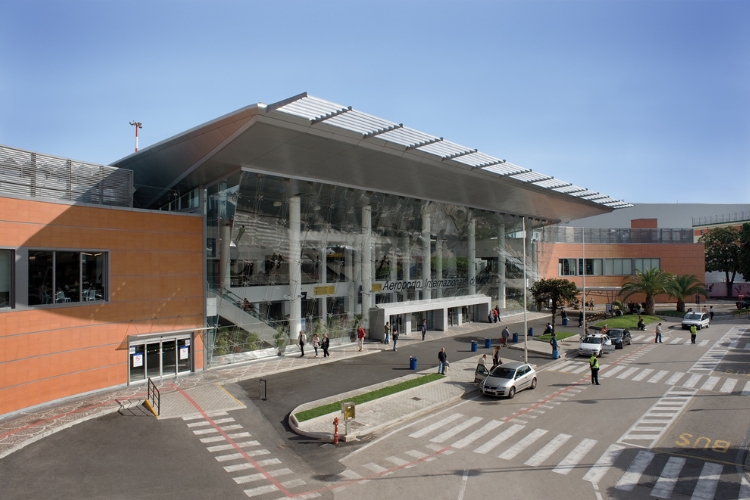
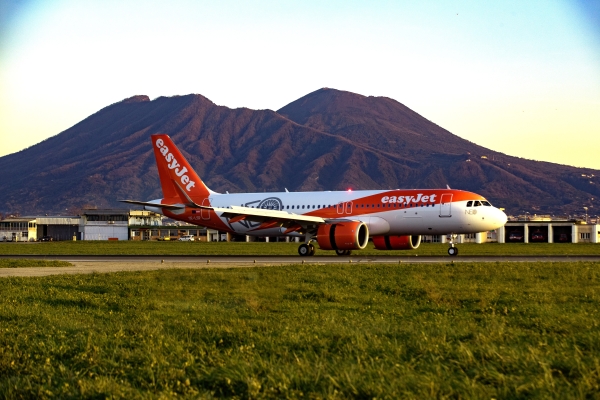







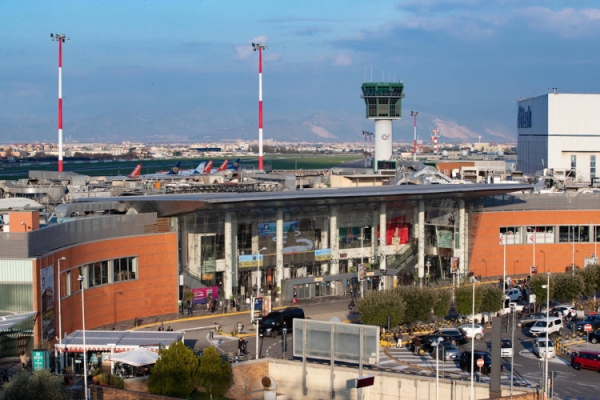








The temporary closure of Naples Capodichino Airport to allow for runway resurfacing has been postponed to November 2026.
A decision taken by all airport players
Initially scheduled for between February and March next year, the decision to postpone the work comes after this week’s meeting between ENAC and the involved airport players and was aimed at optimizing the management of the planned works. Previously these had envisaged the diversion of some routes to Salerno airport.
“We have focused on protecting passengers”
“What we have focused on is protecting passengers and limiting the closure days to a minimum,- said ENAC president Pierluigi Di Palma. -We must work in a coordinated manner aimed at safeguarding the right to mobility.”
Reducing the length of the closure
Everyone involved agreed with Enac, which aims to optimize processing times and thus reduce the airport's closure days compared to the 30 days of the second proposal presented by Gesac at the end of June. Thus limiting the inconvenience to passengers by carrying out the works in November 2026. A technical table will be set up between ENAC, ENAV, the airport management and operators. “We all agreed on this solution which limits the days of total closure during the period with the least traffic of the year.”
Salerno and Rome’s airports will provide support
The planned works are radical and concern the runway which will cost some €20 million and will have to be completed on time. Initially the closure days were 42 and the interventions were to be carried out in the period from January to March 2026. It is essential that the airport be ready for the international events coming up for the city - the America's Cup, among others - and airlines have long been asked to review their flight schedules on the basis of specific operational and commercial strategies. The main alternative to Capodichino during the closure period, or at least the closest, will be the Salerno-Costa d'Amalfi airport. This too is managed by GESAC and will be able to absorb a share of passenger traffic. But only a portion of it as up to 12 million passengers revolve around Capodichino. As a result it is inevitable that Rome’s two airports be considered as potential support.


