







Mount Etna is Europe’s tallest active volcano
As one of the world’s most famous and active volcanoes, Mount Etna captivates visitors with its energy and ancient majesty. Towering at over 11,000 feet, it is the tallest active volcano in Europe, and its dramatic eruptions are a constant reminder of the Earth’s dynamic forces, offering vital insights into volcanic behavior and the inner workings of our planet. Its constant eruptions have dramatically shaped the landscape with the fertile volcanic soil making the region ideal for agriculture, particularly for cultivating vineyards, orchards, and citrus groves. The volcano’s unique geological features have also made it an invaluable subject for scientific study, drawing geologists, volcanologists, and environmental scientists as well as nature lovers from around the world.
Catania is linked by air and rail
The nearest major city, Catania, is well-connected by air and rail, and serves as the gateway for visitors. From here, one can travel by car or take an organized tour to reach the base of the volcano which is less than an hour away. Roads lead to both the southern and northern stations, and visitors can continue their ascent via cable cars and all-terrain vehicles, which transport them closer to the summit. The journey offers spectacular views, and the closer one gets to the top, the more striking the landscape becomes, with steam rising from craters and lava flows stretching as far as the eye can see down towards the coast. 
Fine wines and ancient landmarks
Beyond the volcanic craters and hardened lava flows, the region surrounding Mount Etna is home to a natural park with lush forests, unique wildlife, and endemic plant species. The contrasting landscapes, from rugged, blackened lava fields to vibrant, green hillsides, offer a perfect environment for hikers, with numerous trails leading to scenic viewpoints. The towns and villages scattered around Mount Etna, such as Zafferana Etnea and Nicolosi, are known for their charm and the local cuisine, and the volcanic soil produces some of Sicily’s finest wines, which visitors can taste at local wineries. The area is also home to ancient monasteries, churches and other historical landmarks, making it an excellent destination for those looking to explore the rich cultural heritage of the region. For information: www.etna3340.com/en/mount-etna
Can you still eat like an ancient Roman?
Travelling to Rome, Italy can leave you fascinated by the many ancient ruins around the city. These archaeological excavations and visual representations found in the remnants of ancient Roman architecture also help us understand ancient Roman culinary culture. You may wonder, though, are ancient Roman recipes still around? Let’s find out.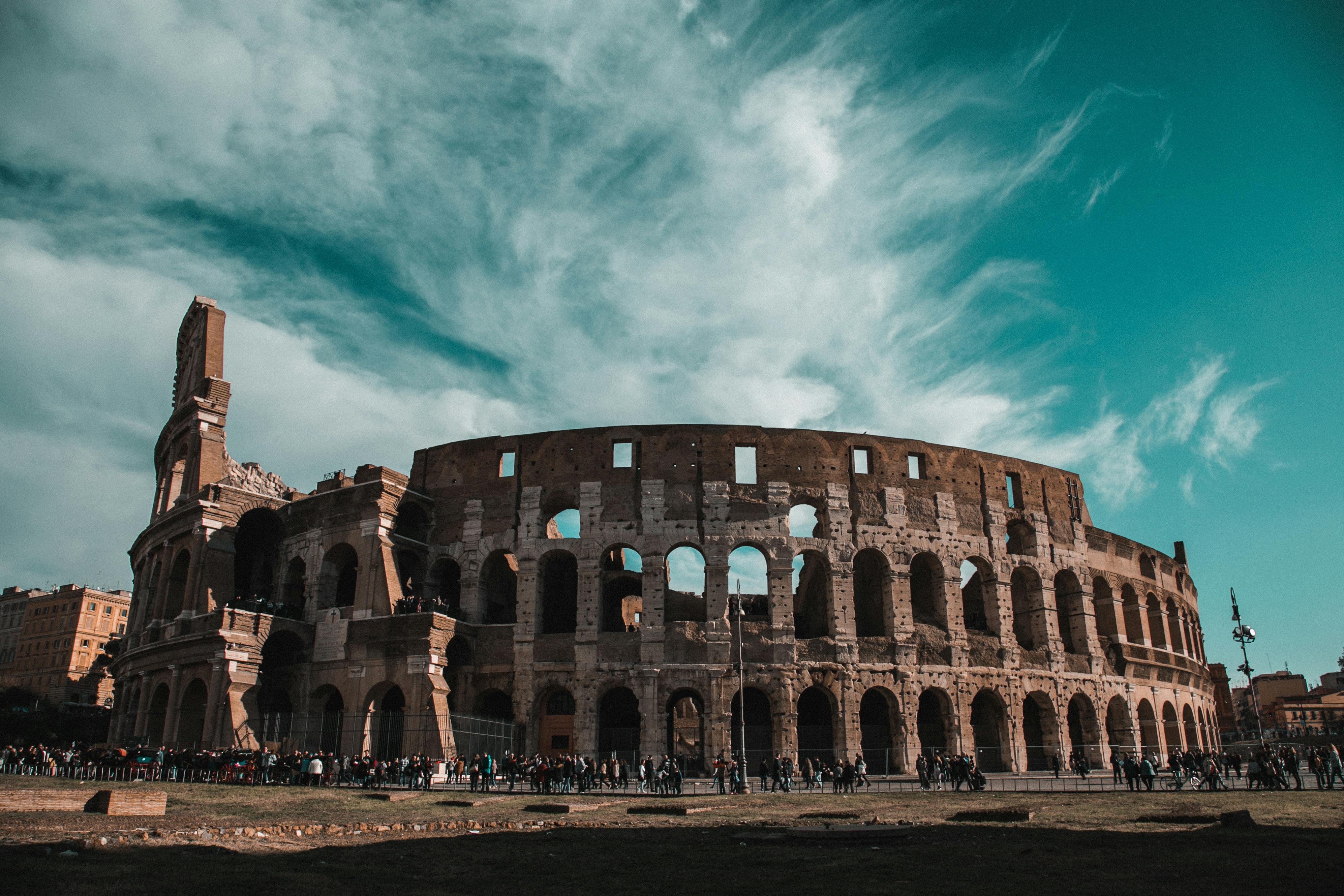
What food was like in Ancient Rome
Archaeologists have successfully unraveled fascinating details about the culinary customs of Ancient Rome. For ancient Romans the day started with the Jentaculum which was a light meal consisting of bread, fruit, cheese, and watered-down wine. In the late afternoon the Cibus meridianus or Prandium, was a snack consisting of salted bread, cheese, vegetables, and meat. Vesperna was a light supper served in the late afternoon, and unlike the later Cena was meatless save on special occasions. Cena was the final meal of the day and would go on till late in the night. It consisted of eggs, honey, cheese, vegetables, and various meats, desserts, and wine. The cooking methods used in ancient Rome included roasting over an open fire, baking and frying. Wine was often used in cooking to flavour sauces and stews, and still today Italians enjoy incorporating wines into their sauces.
The wealthy vs the poor in Ancient Rome
In Ancient Rome, there was a striking difference between meals served in wealthy homes and those served in poorer homes. Dining in a wealthy home in ancient Rome was not just about sustenance but also a social and cultural affair. The hosts would treat their guests to elaborate feasts called Convivium, where guests would recline on Triclinium (triple reclined seats) and enjoy luxurious dishes and wines. Exotic dishes often included flamingo tongues, dormice, and other remarkable items that showcased the host’s affluence. Research by Universiteit Leiden shows that the poor would dine on bread, Puls (a simple porridge made from spelt, millet, or wheat), sausage, and tripe. Ancient Romans also ate wild herbs and plants such as dandelions and nettles.
Experiencing ancient Roman cuisine today
For modern travelers eager to taste a bit of Ancient Rome, specialized tours and culinary classes offer an immersive way to blend history with contemporary Italian flair. Local operators curate walking food tours through historical neighborhoods, where participants can sample dishes inspired by Roman antiquity—think Moretum-like dips or even a modern take on Isicia omentata, the ancient meat patty. Some of the best Italian foods you can enjoy in Rome today such as asparagus, artichokes, and mushrooms were enjoyed by the wealthy in Ancient Rome, and still today are a common delicacy. Visitors can also book Archaeological Dining experiences in select restaurants, featuring menus inspired by old Roman recipes. Some chefs craft experimental dishes using authentic ingredients like garum-inspired sauces, while keeping the flavors appealing to modern palates. This unique mix of history and cuisine transforms a simple meal into a cultural deep dive. 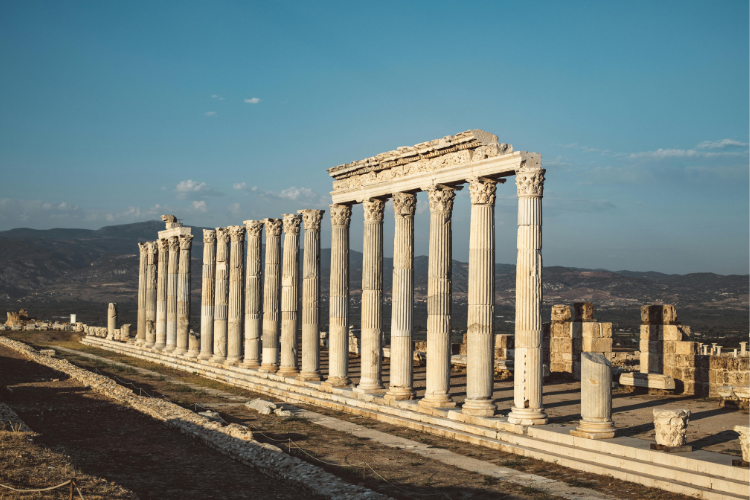
Rediscovering ancient Roman recipes
If your clients want a hands-on approach, several cooking schools in Rome schedule workshops on ancient Roman recipes. Participants learn to prepare adapted versions of favorites—like a pesto-style Moretum or savory Isicia—while discovering the historical background of each ingredient. This is an unforgettable way to bring Roman history into a traveller’s kitchen. Many ancient Roman recipes have been adapted to suit modern tastes. For example, Moretum can be roughly translated as salad, a simple, vegetarian meal typically made using cheese, herbs, and other greens, and dressed with condiments like vinegar or olive oil. In today's modern kitchen, a dip like pesto can be seen as a modern take on Moretum. Isicia omentata can be considered the Roman predecessor to today's burger and was made from minced meat, wine, pepper, pine nuts, and garum, a rich fish-based sauce.
Incorporating Ancient Rome’s cuisine into travel packages
To make these experiences even more engaging for your clients, consider pairing a morning tour of iconic sites like the Colosseum or the Roman Forum with an afternoon cooking class focusing on ancient recipes. Afterwards, a guided visit to a local market can highlight produce that echoes Rome’s past—artichokes, asparagus, and other once-elite delicacies. By seamlessly blending history, gastronomy, and hands-on activities, your travelers will gain a richer appreciation of Rome's culinary legacy. By indulging in culinary tourism at ancient Roman sites, exploring interactive digital platforms, and participating in hands-on cooking classes, travelers connect more deeply with this remarkable civilization. For travel professionals crafting custom Italy packages, these experiences provide a unique opportunity to stand out, weaving historical insight into modern itineraries. Ultimately, by embracing these diverse approaches, we deepen our appreciation of the culture of Ancient Rome and its enduring impact on our world today.
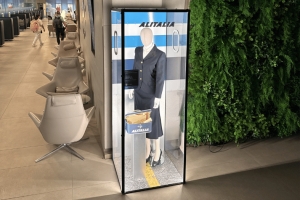
ITA is showcasing its network at Fitur
The Spanish travel show is an opportunity for the airline to showcase its network that, this winter, counts 55 destinations, of which 15 intercontinental, 24 international and 16 domestic. ITA currently operates 42 weekly frequencies (84 flights) between Spain and Italy, with direct connections from Madrid (21 flights) and Barcelona (21 flights) to Rome Fiumicino. From Rome passengers can choose convenient connections to the company's international and intercontinental destinations, including routes to South America such as São Paulo, Buenos Aires and Rio de Janeiro.
More flights to Spanish destinations this summer
In summer 2024 the Italian carrier's network will be boosted with seasonal flights from the Balearic Islands (Ibiza, Majorca and Menorca) to Rome Fiumicino and Milan Linate, as well as connections to Rhodes, Heraklion, Corfu, Lampedusa, Pantelleria, Zante and Kefalonia. Recently launched destinations include direct flights to Tripoli, operational since 12 January, which join the new services launched in 2024 to Chicago and Toronto in North America, Riyadh, Jeddah and Dubai in the Arabian Peninsula, Accra and Dakar in Sub-Saharan Africa, Bangkok in Thailand and Malé.
A new Michelin long-haul business menu
The Far East destinations are operated by Airbus A330neos, and those in the Middle East by Airbus A321neos: both aircraft are new generation and configured with three service classes: Business, Premium Economy and Economy. A further novelty concerns the on-board catering. In the winter season passengers on long-haul flights will be able to enjoy the new business class menu from the two-Michelin-starred chef Gian Piero Vivalda. ITA's fleet now counts 99 Airbus aircraft, 64 of which are new generation, including 7 A321neos, 19 A320neos, 11 A220-300s, 10 A220-100s and 11 A330-900s.
Oplontis is an alternative to Pompeii
One of the lesser-known treasures of ancient Roman history, this archaeological site, not far from the bustling town of Torre Annunziata, with its remarkably well-preserved ruins offers a fascinating look into the opulent lifestyle of the Roman elite. While many visitors flock to Pompeii and Herculaneum, Oplontis remains a peaceful alternative that brings history to life with its stunning frescoes and grand villas. Once a thriving Roman town, Oplontis sits only six miles south of Naples. 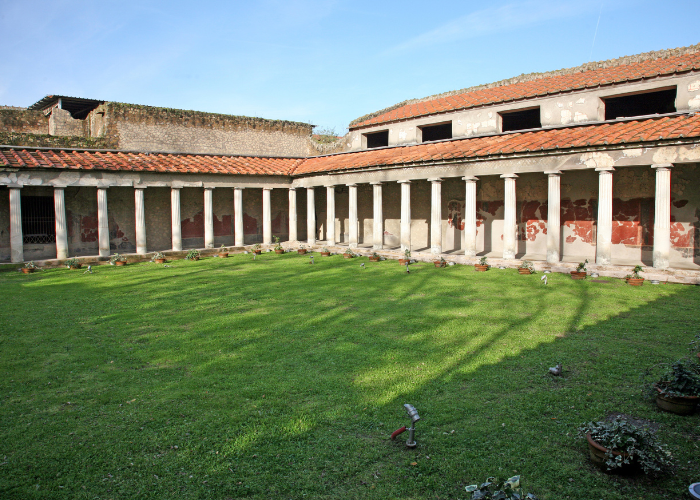
A quieter but enriching experience
Visitors can take a short train ride from Naples to Torre Annunziata or drive directly to the site. From the train station, it's only a brief walk to the entrance of Oplontis, making it a convenient stop for those exploring the area. The site is open to the public every day, except for Mondays, with visiting hours typically from 8:30 a.m. to 7:30 p.m. It’s best to check the official website or local resources for any changes to visiting hours or special events. Oplontis is a place where visitors can escape the crowds and immerse themselves in history at their own pace, making it a perfect destination for those seeking a quieter but enriching experience.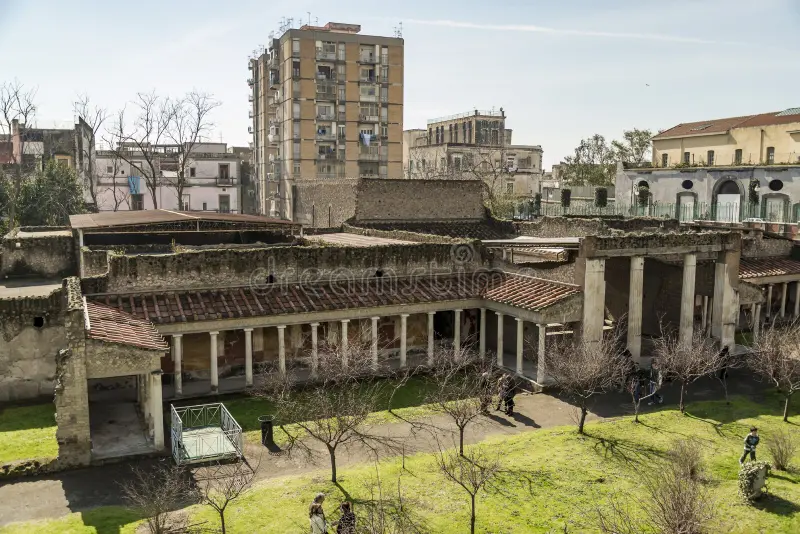
The residence of Emperor Nero’s wife
One of the main attractions at Oplontis is the Villa of Poppea, believed to have been the residence of Emperor Nero’s second wife Poppaea Sabina. The villa showcases the grandeur and luxury of the Roman elite, the size and quality of its frescoes, mosaics, and gardens hinting at the wealth and refinement of its original owners. The frescoes are some of the best-preserved examples of Roman painting and offer a vivid glimpse into daily life during the first century A.D. 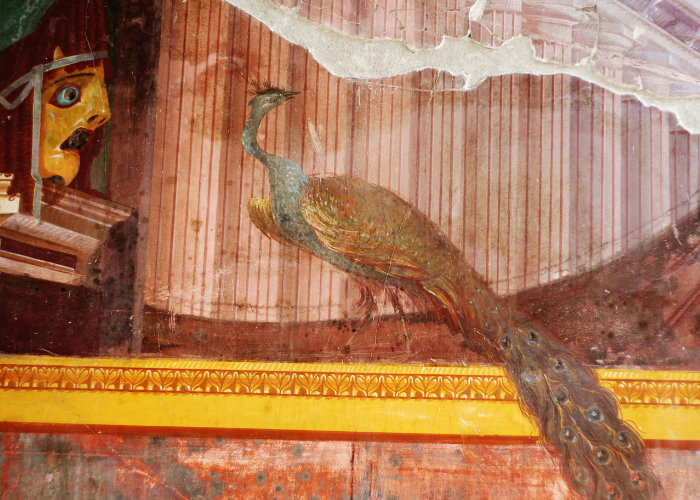
Frescoes that create a sense of realism
Covering various rooms within the villa the frescoes on the walls feature a wide range of themes, from mythological scenes to natural motifs, all executed with intricate detail and vibrant colors. One of the most striking aspects of the Oplontis frescoes is their use of perspective and depth, which was ahead of its time in creating a sense of realism. The Villa of Poppea is divided into various rooms, and one of the highlights is the Garden Room, where visitors can admire the beautiful depictions of flora, fauna, and mythical figures.
A more intimate and reflective experience
Oplontis also has the Villa A which, while not as grand as the Villa of Poppea, offers a unique look at Roman domestic architecture and decoration. Apart from the villas themselves Oplontis also provides an intriguing look at the surrounding environment. The ruins of streets, shops, and public buildings reveal the layout of the ancient town, giving visitors a sense of how life was organized in this Roman settlement. Though the site is not as expansive as Pompeii or Herculaneum, the preservation of Oplontis offers a remarkable opportunity to step back in time and imagine the ancient world in all its splendor, and the site’s relatively low visitor numbers allow for a more intimate and reflective experience.
The Lake Como Edition will have 145 rooms
Already announced in 2022, the property, following the restyling and repositioning of the former 5-star Britannia Excelsior, is due to open in spring. The hotel will feature 145 rooms, including two customized penthouse suites, a lobby bar, a floating swimming pool and dining options with views of Lake Como and the Bellagio mountains. The Lake Como Edition is owned by Bain Capital and Omnam Group, through a fund managed by the asset management company Ktyalos SGR.
The hotel is in the Monte Rosa ski area
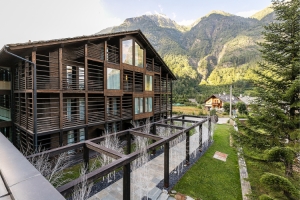
The property was inaugurated in 2016 by the Ponti family as a family hotel and has until now been managed by Mirtillo Rosso srl, with 50% each controlled by managing director Stefano Cerutti and Lara Ponti. The hotel is located a few minutes from the Alagna cable car which leads to the Monte Rosa Ski area that connects three valleys, Valsesia, Gressoney and Champoluc, and with 93 miles of slopes in Piedmont and Valle d'Aosta. 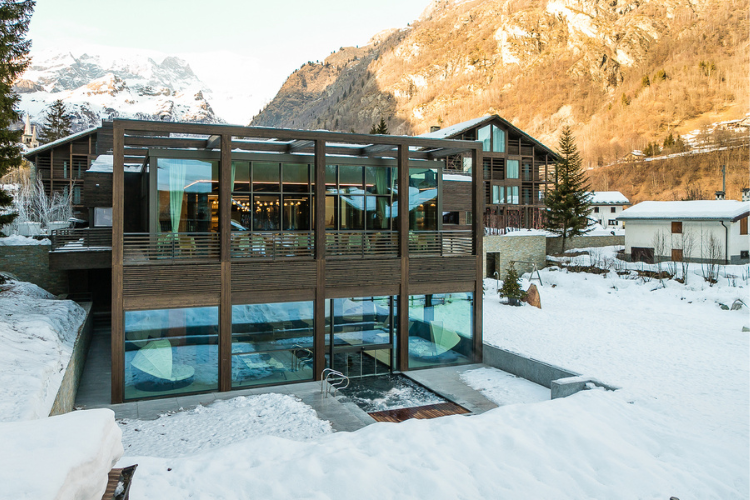
Adults-only and family areas
The hotel has 56 rooms and a wellness centre with a spa, equipped with an adults-only area, an indoor and outdoor swimming pool, a salt pool for buoyancy therapy, hydro-massage, two saunas, a Turkish bath, sensory showers and four treatment rooms. In addition, there is a 400-sqm family area with an indoor and outdoor pool, and guests can enjoy the large garden, which has a children's play area and sun loungers while the restaurant offers the possibility of full board or à la carte menus.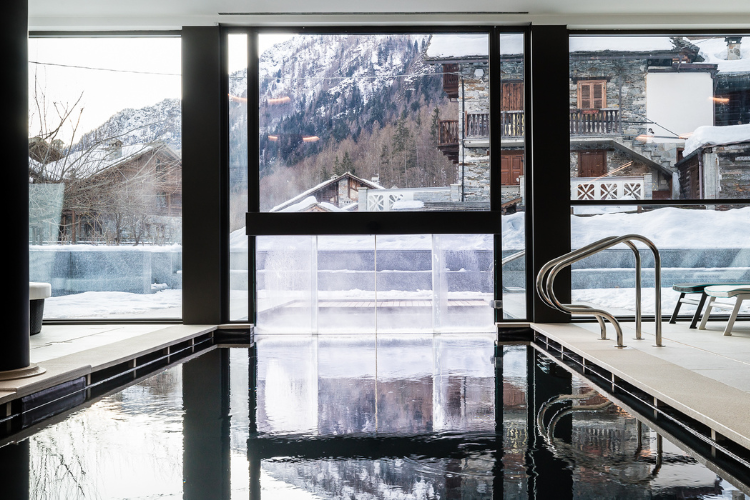
The NH Collection has 17 hotels in Italy
“Joining such an important international group is an opportunity for development, but also a recognition of the value and beauty of this side of Monte Rosa,” says Lara Ponti, who is the owner of the hotel. This acquisition boosts the portfolio of the NH Collection brand, which is present in Italy with 17 hotels in cities like Rome, Milan, Florence, Venice, Taormina, Genoa, Verona and Turin. The brand is already active in Piedmont, with the NH Collection Torino Piazza Carlina and the NH Collection Torino Santo Stefano in Turin. In total the Minor Hotels Europe & Americas group, to which the brand belongs, has 60 hotels in Italy, under the Anantara, Tivoli, Avani, nhow, NH and NH Collection brands.
The W Florence will have 119 rooms, with 16 suites
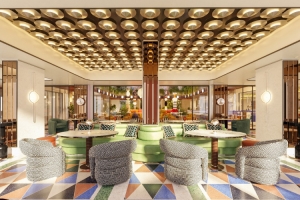
The new W Florence owned by Progetto Majestic is located in the heart of Florence, a few steps from Via de' Tornabuoni, halfway between Ponte Vecchio and the Duomo. With 119 rooms, including 16 suites, W Florence will combine innovative style and unique design. The Penthouse Suite will offer ample living space and a private terrace with breathtaking views of the Duomo and the church of Santa Maria Novella.
A rooftop garden for meetings
The ground floor will host the iconic W Lounge, perfectly integrating the dynamic of the city within the hotel with live music, DJ sets and cocktail culture. This lounge will be a clever mix of indoor and outdoor spaces around a partially covered central courtyard. The rooftop garden is set to become a meeting place where classic sophistication meets a contemporary mood.
A glimpse into the opulent lifestyle of Renaissance Rome
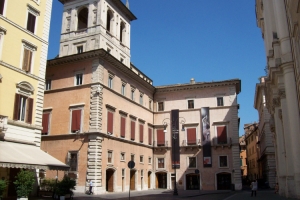
The elegant old Renaissance palazzo on the Piazza di Sant'Apollinare square is a short walk from the more famous Piazza Navona, and offers a quieter yet equally captivating experience compared to the city’s more famous landmarks. Part of the National Roman Museum and, built in the 15th century, it once belonged to a series of noble families, most notably the Altemps family, whose name it carries today. Walking through its halls, you’re not just exploring a museum; you’re stepping into the opulent lifestyle of Renaissance Rome.  Credit Lalupa CC BY Sto arrivando 3.0 Palazzo Altemps
The Ludovisi Throne is a highlight
The highlight of the Palazzo Altemps is its extraordinary collection of classical sculptures. These works, many of which were part of private collections centuries ago, offer a close look at the artistry of ancient Greece and Rome. Visitors can also admire the Ludovisi Throne, a masterpiece of ancient relief carving. While its original purpose and context remain uncertain, the Ludovisi Throne offers a glimpse into the religious and cultural values of the ancient world and it is a standout treasure within the Palazzo Altemps collection. This ancient Greek relief sculpture, dating back to the 5th century B.C.is steeped in both artistry and mystery. It is believed to have come from Magna Graecia, the ancient Greek colonies in southern Italy, and it isn’t a seat as its name suggests, but rather a sculptural block adorned with intricate reliefs on three sides. Each side tells a story through exquisitely carved figures that embody the grace and dynamism of classical Greek art. 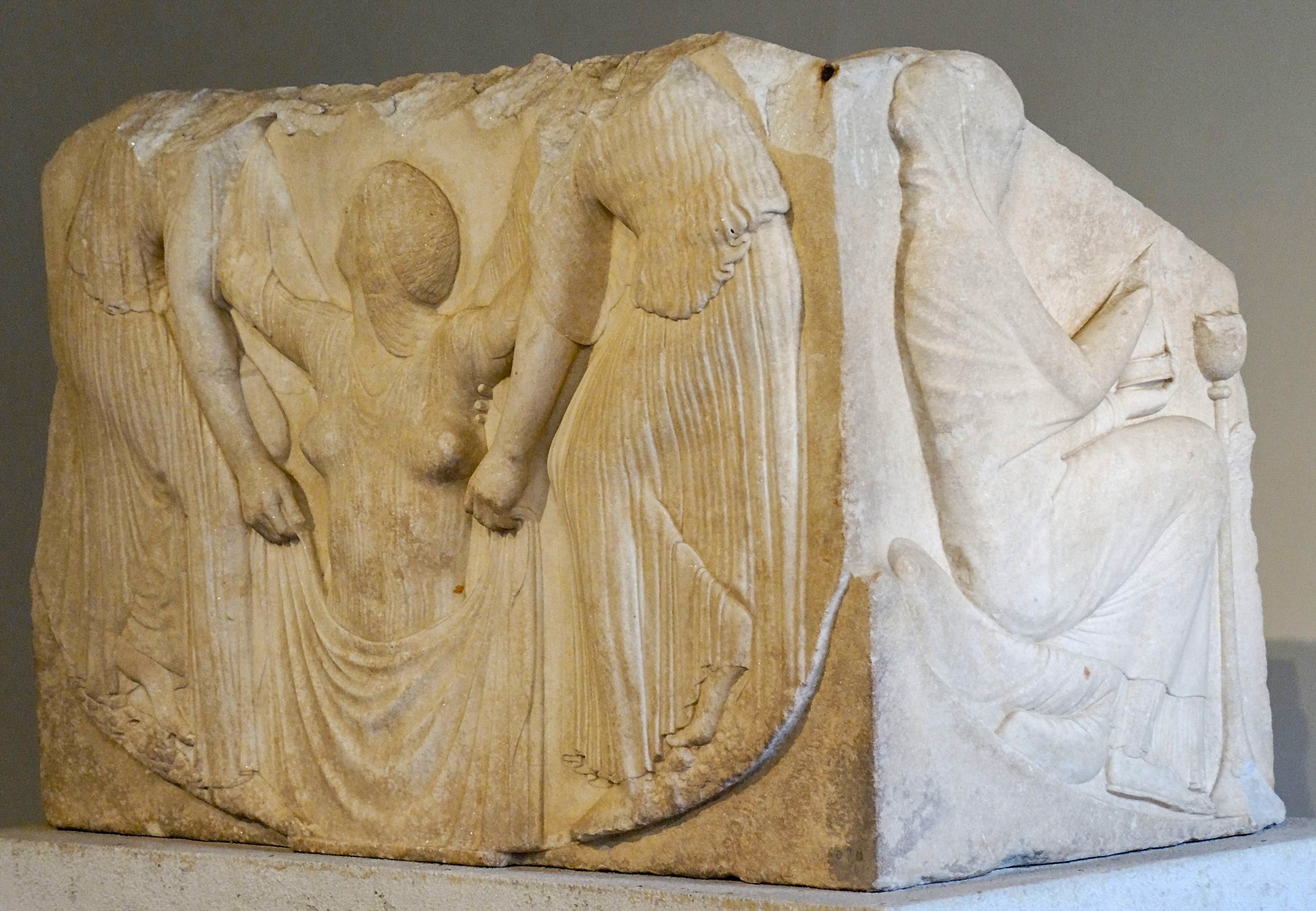 Credit Marie Lan Nguyen CC BY 2.5 Ludovisi throne Altemps
A venue for temporary exhibitions
Palazzo Altemp’s loggia and courtyard provide peaceful settings to pause and reflect, surrounded by beautifully preserved architecture. The Church of Sant’Aniceto, located within the Palazzo, is another treasure worth exploring, an intimate chapel that combines Baroque splendor with a serene atmosphere. But beyond the art and architecture, Palazzo Altemps is also a venue that hosts temporary exhibitions, so there’s always something new to discover.
For information: https://museonazionaleromano.beniculturali.it/en/palazzo-altemps
Praiano has many coastal walking paths
Offering a quieter, yet equally breathtaking experience compared to its more bustling neighbors on this stretch of coastline which is one of the most popular with visitors, Praiano has enchanting beaches, historic churches, and coastal paths ideal for walking. And when it comes to food it stands out for its traditional cuisine and regional ingredients, which are much appreciated by visitors to the little town.
Gavitella Beach gets many hours of sunshine
The beach of Marina di Praia is a small cove framed by dramatic cliffs and dotted with fishing boats. Its beach lidos and seaside restaurants make it perfect for an afternoon of relaxation or a sunset aperitivo. Nearby Gavitella Beach enjoys a unique position facing west, granting visitors extended sunlight well into the evening, and from here, the sunset views of Capri shimmer on the horizon, adding a dreamlike quality to the experience.
Ancient frescoes that tell the town’s story
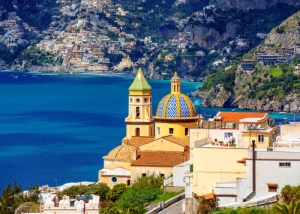
Praiano is also steeped in history and culture. One of its architectural highlights is the Church of San Gennaro, with handsome tilework floors and a ceramic dome that stands out even from a distance. Inside visitors find artistic treasures, including frescoes that recount the town’s rich heritage which lives on in ancient watchtowers like Torre a Mare, once used to spot pirates.
Praiano is a paradise for foodies
Praiano’s gastronomy is a celebration of the Amalfi Coast’s finest flavors, where fresh seafood, sun-ripened vegetables and fruit, and handmade pasta come together in unforgettable dishes. Local restaurants serve up classic coastal fare like Spaghetti alle Vongole, fresh grilled fish, and the iconic Totani e Patate (squid with potatoes). Praiano is famous for its family-run trattorias that use regional ingredients, like Amalfi lemons, aromatic herbs, and locally pressed olive oil, to elevate their dishes.
The Amphitheatre is not far from Naples
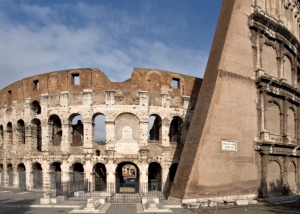
In the historic heart of Pozzuoli, just a short distance from the bustling city of Naples, this magnificent arena is a marvel of Roman engineering and culture. Recognized as the third largest arena of the ancient Roman world, after the Colosseum in Rome and the amphitheater in Capua, this ancient structure offers a glimpse into the grandeur of antiquity. 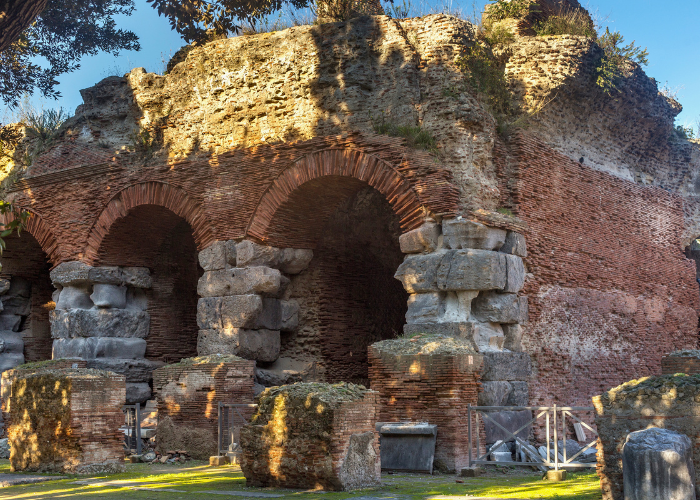
By road, train and boat to the Flavian Amphitheatre
Reaching the Flavian Amphitheatre is both convenient and scenic. From Naples it is about ten miles to Pozzuoli by car or on the Cumana train line to Pozzuoli Solfatara station, and the amphitheater is just a short walk from the station. Another option to consider, for those with more time om their hands, is to take a ferry from Naples to Pozzuoli, combining the visit with stunning views of the Bay of Naples.
Underground chambers and a small chapel
The Anfiteatro Flavio isn’t just a shell of its former self, today it is a place where history breathes. Built in the 1st century A.D. to replace a smaller Republican-era amphitheater, the arena was designed to host a massive audience, catering to the Roman appetite for grand spectacles. The key highlights include the Underground Chambers which are among the best-preserved in the world and house a system of pulleys and elevators that transported animals, gladiators, and equipment to the arena floor. The Prison of St. Januarius Chapel was built in the 17th century to commemorate the imprisonment of Naples patron saint, San Gennaro. 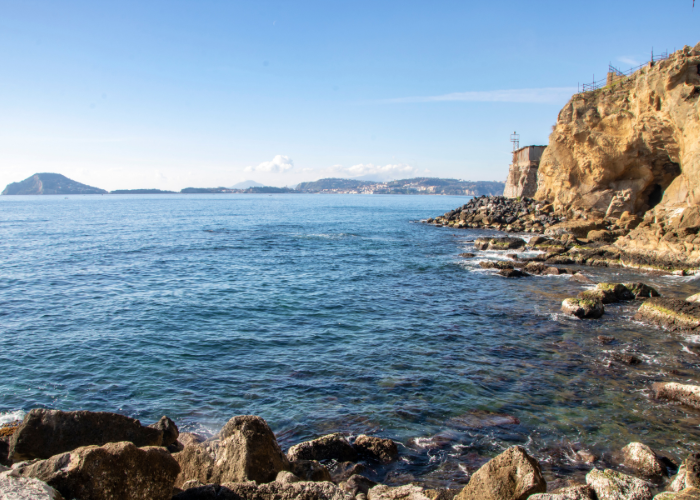
Guided tours and audio guides
The Arena is where gladiators once battled each other and wild animals, and the arena floor and seating areas evoke a visceral sense of the spectacles that drew thousands in ancient times. Guided tours are available, many led by passionate guides who bring the site’s history to life. Audio guides are also an option for independent explorers, while advanced bookings for group visits are recommended, especially during the peak tourist season.


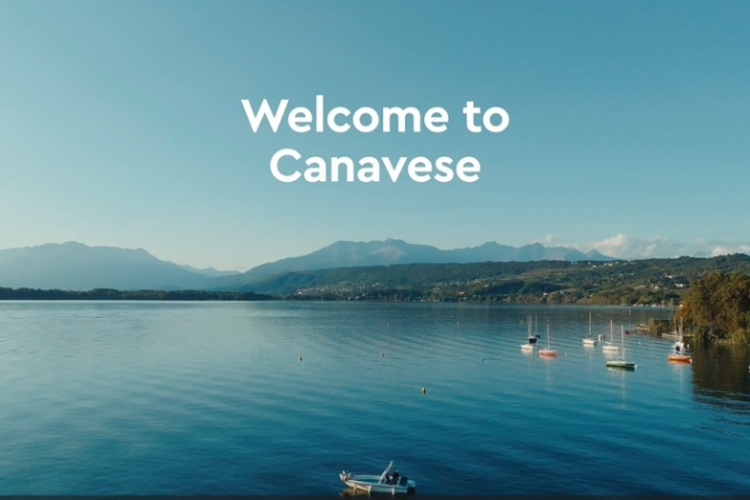
Welcome to Canavese, an unexpected corner of Piedmont where …
259Welcome to Canavese, an unexpected corner of Piedmont where …
259
