
















Rediscovering Ancient Rome’s cuisine is a gastronomic time travel experience.
Can you still eat like an ancient Roman?
Travelling to Rome, Italy can leave you fascinated by the many ancient ruins around the city. These archaeological excavations and visual representations found in the remnants of ancient Roman architecture also help us understand ancient Roman culinary culture. You may wonder, though, are ancient Roman recipes still around? Let’s find out.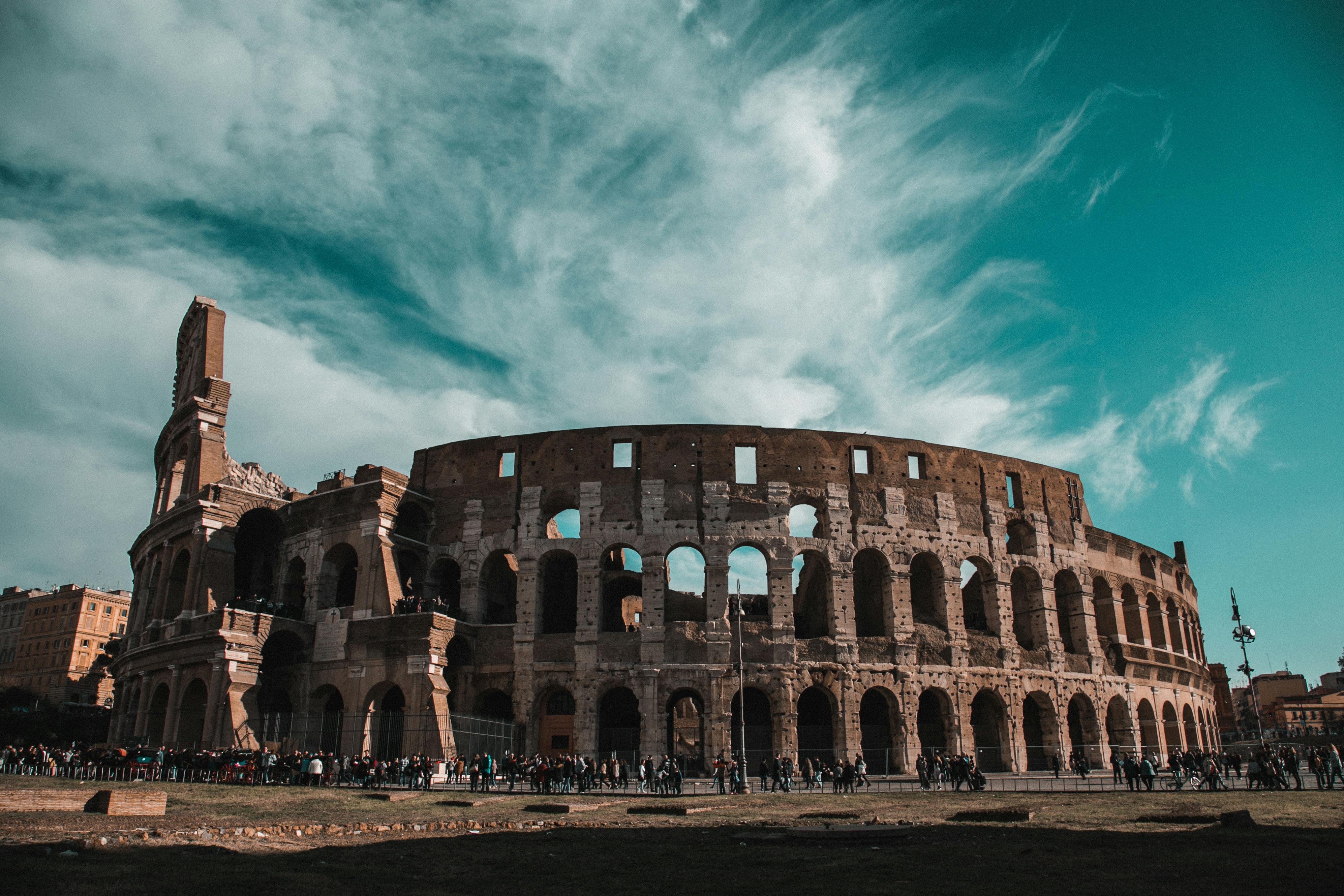
What food was like in Ancient Rome
Archaeologists have successfully unraveled fascinating details about the culinary customs of Ancient Rome. For ancient Romans the day started with the Jentaculum which was a light meal consisting of bread, fruit, cheese, and watered-down wine. In the late afternoon the Cibus meridianus or Prandium, was a snack consisting of salted bread, cheese, vegetables, and meat. Vesperna was a light supper served in the late afternoon, and unlike the later Cena was meatless save on special occasions. Cena was the final meal of the day and would go on till late in the night. It consisted of eggs, honey, cheese, vegetables, and various meats, desserts, and wine. The cooking methods used in ancient Rome included roasting over an open fire, baking and frying. Wine was often used in cooking to flavour sauces and stews, and still today Italians enjoy incorporating wines into their sauces.
The wealthy vs the poor in Ancient Rome
In Ancient Rome, there was a striking difference between meals served in wealthy homes and those served in poorer homes. Dining in a wealthy home in ancient Rome was not just about sustenance but also a social and cultural affair. The hosts would treat their guests to elaborate feasts called Convivium, where guests would recline on Triclinium (triple reclined seats) and enjoy luxurious dishes and wines. Exotic dishes often included flamingo tongues, dormice, and other remarkable items that showcased the host’s affluence. Research by Universiteit Leiden shows that the poor would dine on bread, Puls (a simple porridge made from spelt, millet, or wheat), sausage, and tripe. Ancient Romans also ate wild herbs and plants such as dandelions and nettles.
Experiencing ancient Roman cuisine today
For modern travelers eager to taste a bit of Ancient Rome, specialized tours and culinary classes offer an immersive way to blend history with contemporary Italian flair. Local operators curate walking food tours through historical neighborhoods, where participants can sample dishes inspired by Roman antiquity—think Moretum-like dips or even a modern take on Isicia omentata, the ancient meat patty. Some of the best Italian foods you can enjoy in Rome today such as asparagus, artichokes, and mushrooms were enjoyed by the wealthy in Ancient Rome, and still today are a common delicacy. Visitors can also book Archaeological Dining experiences in select restaurants, featuring menus inspired by old Roman recipes. Some chefs craft experimental dishes using authentic ingredients like garum-inspired sauces, while keeping the flavors appealing to modern palates. This unique mix of history and cuisine transforms a simple meal into a cultural deep dive. 
Rediscovering ancient Roman recipes
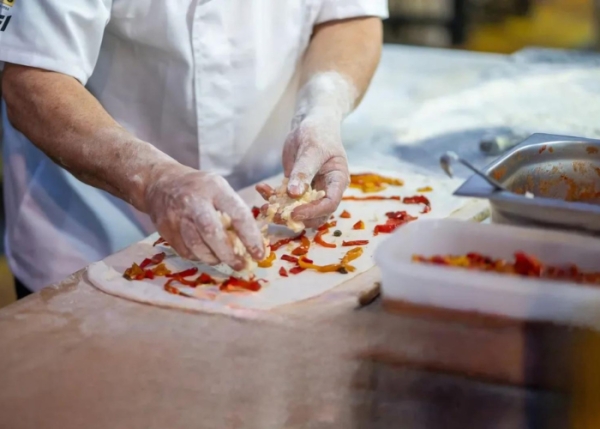
If your clients want a hands-on approach, several cooking schools in Rome schedule workshops on ancient Roman recipes. Participants learn to prepare adapted versions of favorites—like a pesto-style Moretum or savory Isicia—while discovering the historical background of each ingredient. This is an unforgettable way to bring Roman history into a traveller’s kitchen. Many ancient Roman recipes have been adapted to suit modern tastes. For example, Moretum can be roughly translated as salad, a simple, vegetarian meal typically made using cheese, herbs, and other greens, and dressed with condiments like vinegar or olive oil. In today's modern kitchen, a dip like pesto can be seen as a modern take on Moretum. Isicia omentata can be considered the Roman predecessor to today's burger and was made from minced meat, wine, pepper, pine nuts, and garum, a rich fish-based sauce.
Incorporating Ancient Rome’s cuisine into travel packages
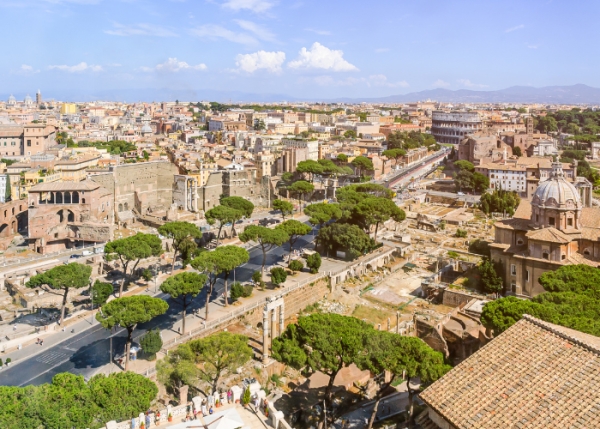
To make these experiences even more engaging for your clients, consider pairing a morning tour of iconic sites like the Colosseum or the Roman Forum with an afternoon cooking class focusing on ancient recipes. Afterwards, a guided visit to a local market can highlight produce that echoes Rome’s past—artichokes, asparagus, and other once-elite delicacies. By seamlessly blending history, gastronomy, and hands-on activities, your travelers will gain a richer appreciation of Rome's culinary legacy. By indulging in culinary tourism at ancient Roman sites, exploring interactive digital platforms, and participating in hands-on cooking classes, travelers connect more deeply with this remarkable civilization. For travel professionals crafting custom Italy packages, these experiences provide a unique opportunity to stand out, weaving historical insight into modern itineraries. Ultimately, by embracing these diverse approaches, we deepen our appreciation of the culture of Ancient Rome and its enduring impact on our world today.


