




Weekends with floral installations and cultural events
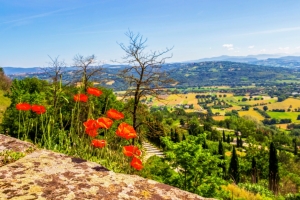
Featuring villages and historic centres across the Tuscia region it will transform them into open-air trails featuring floral installations, scenic displays and cultural events. The event takes place over several weekends, featuring slow-paced itineraries that highlight nature, the identity of places, communities, and their historical heritage.
Artistic workshops for children
The festival is based on the contrast between local stone (peperino and tuff) and the colours of spring, showcasing small towns and villages where life moves at a slower pace. The weekends will include workshops for children on emotional painting, clay modelling and Lego creations and there will also be tastings and markets featuring local specialties, open wine cellars and workshops showcasing traditional crafts.
A children's village and art exhibitions
The first weekend of the month features Villa S. Giovanni in Tuscia, from 1 to 3 May, offering visitors the chance to watch egg pasta being made by hand in the square. Bassano in Teverina, one of Italy’s Most Beautiful Small Towns, welcomes guests to its artistic centre on the 9th and 10th, enhanced this year by a new addition: the children’s village. On 16 and 17 May, the historic centre of Viterbo will be a hub of creativity and art, featuring impromptu painting sessions, art exhibitions, a photography competition and a singer-songwriter festival at the foot of the Casa della Bella Galliana. 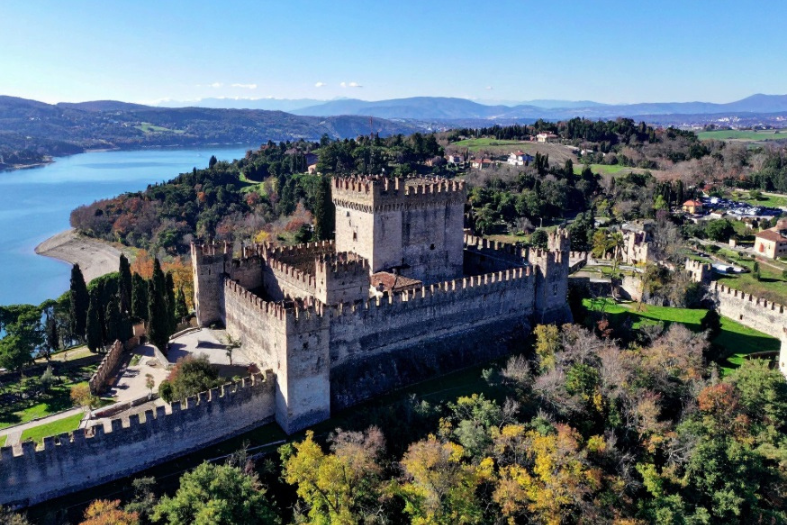
A wine festival and nature trails
Home to Europe’s largest wine museum, Castiglione in Teverina will bring the Tuscia in Fiore month to a close on the weekend of 23 and 24. In August, the town also hosts the Wine Festival, one of the most charming in central Italy, an opportunity to celebrate the wines of the Colli del Tevere in taverns through tastings and in the streets with artistic and musical performances. Just an hour from Fiumicino and Rome, and on the border with Tuscany and Umbria, Tuscia is also an ideal destination for day trips combining visits to villages, food and wine experiences, with walking nature trails.
Lazio's largest artificial lake
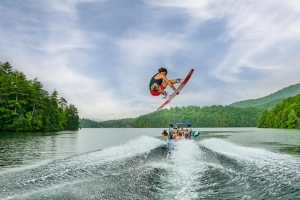
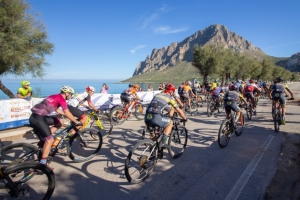
The competition will take place at Lago del Salto, which previously hosted the 2022 World Championships. Lazio’s largest artificial lake and Borgo San Pietro will be the nerve centre of the event, welcoming athletes from over 30 nations and enthusiasts from all over the world.
Sport as a powerful driver for tourism
The region thus becomes an international sporting hub and a promotional opportunity for the whole of the Rieti area to showcase the natural heritage of the lake and its surroundings. This ia “an example of how to promote sport through a major event which can also serve as a powerful driver for tourism as well as environmental and cultural promotion across the entire region,” said the minister for Sport and Youth, Andrea Abodi.
The World Gliding Championships in 2027
The event is also part of a vision for sport that is increasingly focused on environmental sustainability and the protection of lake ecosystems, encouraging the mindful use of natural spaces and highlighting the value of Lake Salto as an environmental resource for the region. In addition to the Wakeboard World Championships, the Rieti area will host the U18 European Athletics Championships, scheduled for July, and the World Gliding Championships in 2027.
Iconic sites and charming villages
The natural landscape is enhanced by lakes such as Salto, Turano, Lungo and Ripasottile, rivers such as the Velino and mountains such as Terminillo, as well as the plain surrounded by the iconic sites associated with St Francis and the surrounding villages. Just over an hour from Rome, Rieti, the capital of Sabina, boasts a historical and archaeological heritage that is revealed in the underground tours of Rieti, as well as in the sections of the city walls and the bridge over the river that are still visible today. Among the medieval landmarks, the Cathedral with its 14th-century baptistery, now home to the Diocesan Museum, the Church of San Francesco, the Papal Palace and the Town Hall housing the Civic Museum. The Renaissance influence is found in the Vecchiarelli Palace and Prefettura Palace, while one of the most iconic landmarks is the Teatro Flavio Vespasiano, an elegant 19th-century building.
Madonie Park, recently recognized a UNESCO Geopark
The variety of options stretches across mountainous areas as well as inland and coastal stretches. The Madonie Park, recently recognized as a UNESCO Geopark, is the area with the greatest biodiversity in Sicily, as well as one of the richest in the entire Mediterranean Basin. It is a short mountain range located in the northern part of the island, within the metropolitan city of Palermo.
Trekking and mountain biking trails
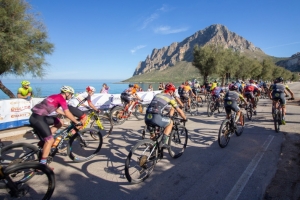
With views stretching from the Tyrrhenian Sea to Mount Etna, the network of trails in the Madonie area offers trekking, mountain biking, routes through small towns and villages and themed itineraries such as the Way of the Marian Shrines or the Brigands’ Trail. There is no shortage of adrenaline-fuelled options, including climbing, adventure parks and excursions to the Tiberio Gorges.
Water sports, bird watching and hot-air balloons
In Central Sicily, between Enna and Caltanissetta, a less well-known but equally varied offering takes shape. The landscape here consists of plateaus, lakes and villages, offering everything from birdwatching in the Pergusa Nature Reserve to water sports on Lake Nicoletti. The range of activities is rounded off by hot-air balloon flights over the badlands and paragliding. Alongside these activities, there are opportunities linked to local traditions, such as trekking with donkeys and transhumance.
Coastal trekking and kitesurfing
On the western side, nature trails meet the sea. The Zingaro Nature Reserve is one of the main destinations for coastal trekking, whilst the area between Monte Cofano and the Trapani coast continues to attract hikers and cyclists. The rocky cliffs of Castelluzzo are the perfect choice for climbing, whilst the Stagnone Lagoon in Marsala is an international hotspot for kitesurfing. Many CAI trails have been restored and the Elimos Segesta Greenway, a cycle and footpath along an old railway line, has been reactivated.
Mount Etna is a UNESCO site
There are many natural, historical and cultural attractions that extend beyond the summer seaside, providing authentic and sustainable experiences, from mountains and coastlines to quiet villages and breathtaking landscapes. Sicily is home to four regional parks, ranging from the Nebrodi and Madonie Parks – ideal settings for trekking and cycle tourism – to volcanic landscapes featuring Mount Etna, Europe’s largest active volcano. This UNESCO site is unique in its variety of experiences and landscapes: at an altitude of over 3,000 metres, the volcano is snow-capped for several months of the year, offering the chance to ski on its northern slopes. The volcano also offers opportunities for trekking, cable car and jeep excursions, and contrasting landscapes of lava, woodland and snow.
Two fascinating religious routes
Set against this backdrop is a network of trails criss-crossing the entire island: between the Madonie mountains and the Tyrrhenian coast, the Via dei Frati The Way of the Friars - Visit Sicily, 166 kilometres long and comprising five stages, winds its way through sanctuaries and medieval villages; Moving inland, the Way of St James Way of St James in Sicily - Visit Sicily is the route that follows in the footsteps of one of the saint passing through art cities and rural landscapes in six stages.
There is also a Sicily by Water trail
The Magna Via Francigena The Magna Via Francigena - Visit Sicily connects Palermo to Agrigento for 180 kilomtres that can be covered on foot or by bicycle, on a journey through thirteen municipalities that brings together archaeological, artistic and natural sites. And last, but by no means least, Sicily by Water Sicily by water: a nature trail through canyons, rivers, and springs - Visit Sicily showcases routes through canyons, springs and river environments.
Trails and paths for all levels of walkers
The Alcantara River Park Alcantara River Park, with the famous Alcantara Gorges, offers unique canyon scenery surrounded by basalt columns and "gurne," small circular pools formed by river erosion where it is still possible to spot kingfishers and brown trout. The Pantalica Nature Reserve Pantalica Nature Reserve, Anapo Valley, and Cava Grande Stream - Sicily Region - ORBS Portal, in the Syracuse area, is a UNESCO site combining nature and archaeology, featuring trails through canyons, an old railway line and a 13th-century BC necropolis dotted with over 5,000 "grotticella" grotto tombs. For further information on the trails and paths: visitsicily.info and the regional web map of the routes.
Madonie Park, recently recognized a UNESCO Geopark
The variety of options stretches across mountainous areas as well as inland and coastal stretches. The Madonie Park, recently recognized as a UNESCO Geopark, is the area with the greatest biodiversity in Sicily, as well as one of the richest in the entire Mediterranean Basin. It is a short mountain range located in the northern part of the island, within the metropolitan city of Palermo.
Trekking and mountain biking trails
With views stretching from the Tyrrhenian Sea to Mount Etna, the network of trails in the Madonie area offers trekking, mountain biking, routes through small towns and villages and themed itineraries such as the Way of the Marian Shrines or the Brigands’ Trail. There is no shortage of adrenaline-fuelled options, including climbing, adventure parks and excursions to the Tiberio Gorges.
Water sports, bird watching and hot-air balloons
In Central Sicily, between Enna and Caltanissetta, a less well-known but equally varied offering takes shape. The landscape here consists of plateaus, lakes and villages, offering everything from birdwatching in the Pergusa Nature Reserve to water sports on Lake Nicoletti. The range of activities is rounded off by hot-air balloon flights over the badlands and paragliding. Alongside these activities, there are opportunities linked to local traditions, such as trekking with donkeys and transhumance.
Coastal trekking and kitesurfing
On the western side, nature trails meet the sea. The Zingaro Nature Reserve is one of the main destinations for coastal trekking, whilst the area between Monte Cofano and the Trapani coast continues to attract hikers and cyclists. The rocky cliffs of Castelluzzo are the perfect choice for climbing, whilst the Stagnone Lagoon in Marsala is an international hotspot for kitesurfing. Many CAI trails have been restored and the Elimos Segesta Greenway, a cycle and footpath along an old railway line, has been reactivated.
A classic dish with just a few ingredients
Established in 2017 by the Italian Food Union and the International Pasta Organization, World Carbonara Day is a culinary occasion to enjoy a delicious plate of carbonara made to the original recipe or to sample a modern twist on the classic dish. Carbonara ranks among the favourite dishes of Italian cuisine, both for Italians and around the world, but the origins of Carbonara are shrouded in mystery. The earliest references date back to 1773 in Vincenzo Corrado’s “Il Cuoco Galante,” which mentions egg as a thickener for pasta dishes. Later, in 1881, cheese came into play, though it was not until 1949 that guanciale was introduced.
Was there an American influence?
According to one of the most widely accepted theories, surprising as it may seem, today’s Carbonara recipe is closely linked to the presence of American troops in Italy during the Second World War, when an Italian chef combined pasta with bacon brought over from the New World. According to other theories, the dish’s origins can be traced back to the Abruzzo region, when charcoal burners prepared the dish "Cacio e Ova," and of course there are many other theories, and today the dish is considered a staple of Roman tradition.
Egg yolks, cured pork cheek, Pecorino cheese and pepper
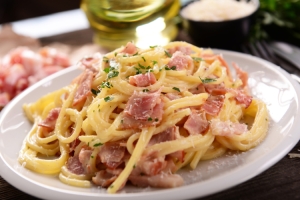
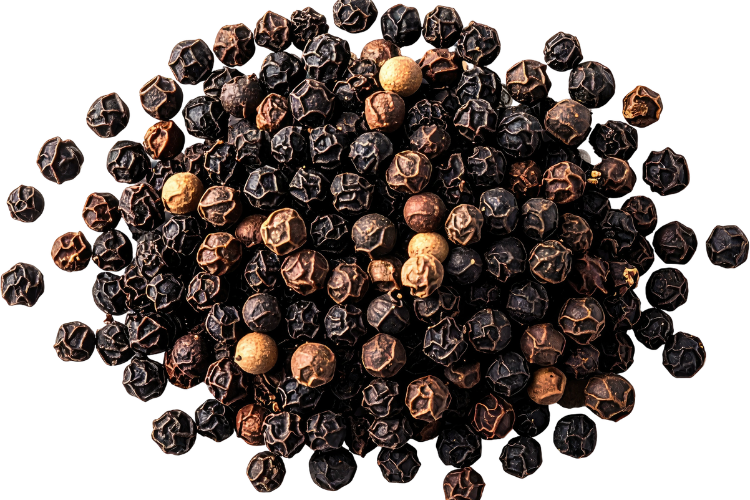
What is certain is that, over the years, we have arrived at a recipe shrouded in an aura of untouchable sacred traditions, which includes the following essential ingredients: egg yolks, "guanciale" cured pork cheek, Pecorino Romano cheese and pepper.
The ingredients and method for making a perfect Carbonara. Serves 2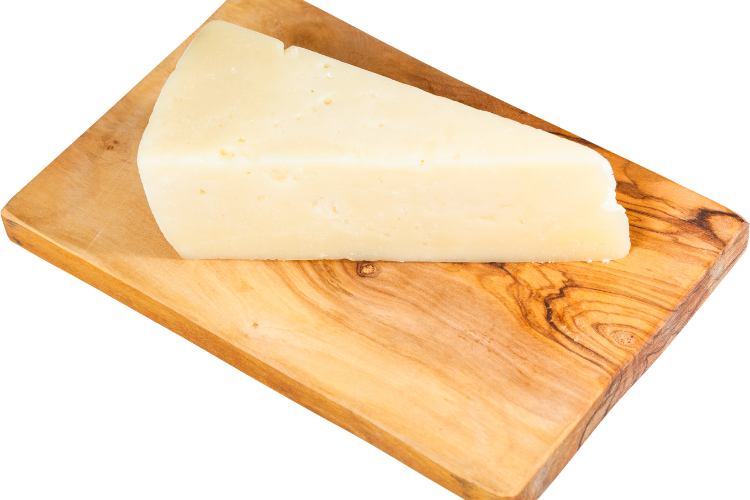
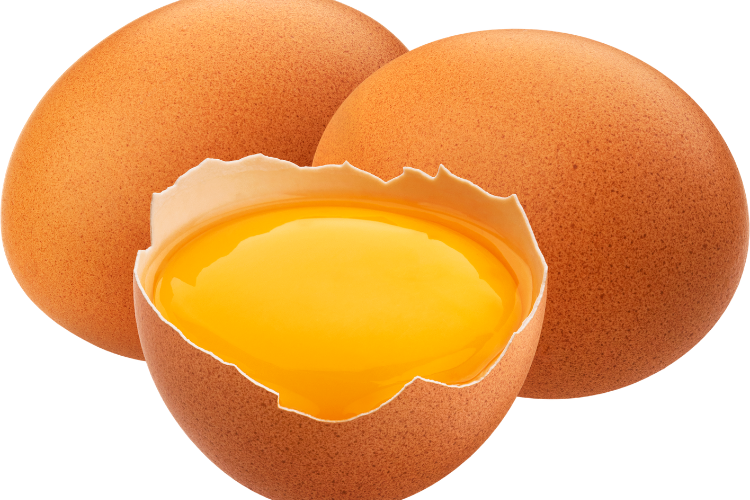
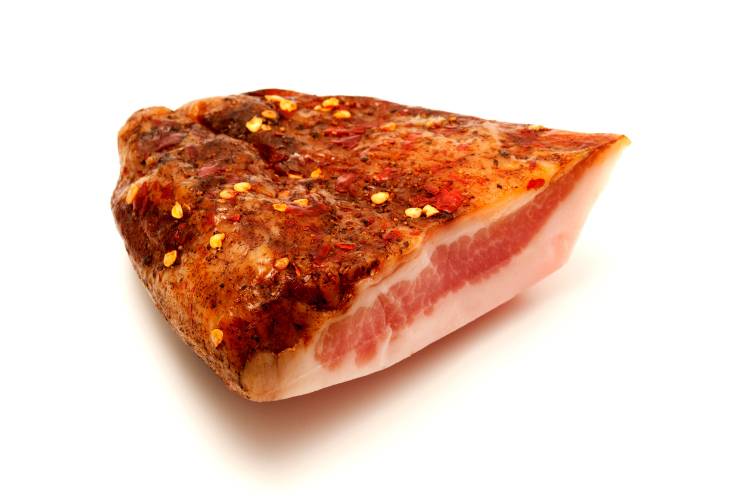
Place the water for cooking the pasta in a saucepan and when it comes to the boil add a little salt (both the Pecorino and the guanciale are very flavourful) and add the pasta, choosing between spaghetti, bucatini or bombolotti. Meanwhile, cut the guanciale into thick strips, removing the rind.
In a frying pan over a low heat, add the guanciale without any oil, allowing it to cook in its own fat. Once golden, turn off the heat and set the drained guanciale aside in a small bowl. To prepare the sauce, start by grating the Pecorino into a bowl and separating the egg yolks from the whites. Combine the egg yolks with the pecorino and mix until smooth, adding the pepper.
Drain the pasta directly into the frying pan, along with the fat from the guanciale. At this point, remove the pan from the heat and pour in the eggs, pecorino and pepper mixture prepared earlier. Add most of the guanciale and, if necessary, a little of the pasta cooking water until a creamy sauce forms. Serve the pasta, garnished with a handful of Pecorino, the remaining guanciale and a sprinkling of freshly ground pepper.
A 5% growth at group level in 2025
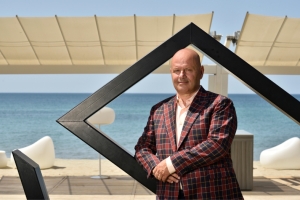
“Turnover for 2025 stands at €20 million, with 5% growth at group level, skewed towards our luxury target companies, confirming that we are on the right path towards excellence, the development of new high-end products and the refinement of standards,” says Federico Ficcanterri, CEO of Icon Collection.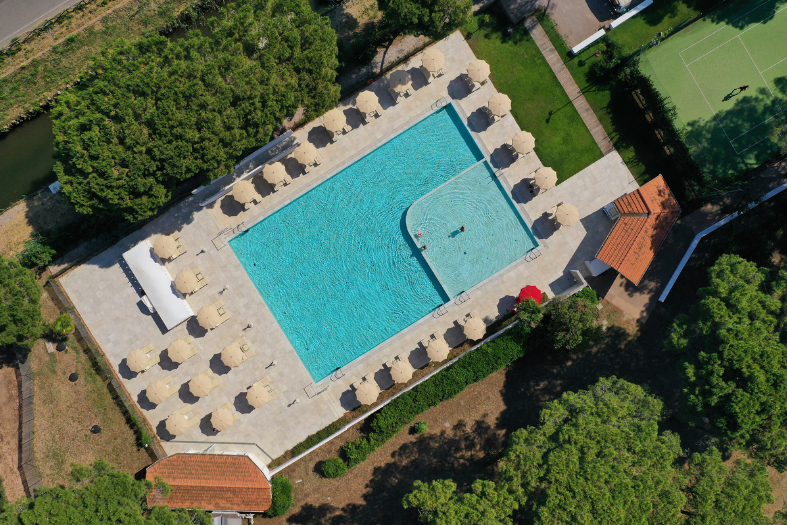 The Sense Experience Resort
Properties with a strong international focus
2026 is focused on the 5-star luxury segment with The Sense Experience Resort repositioned in the 5-star segment, and Park Hotel Marinetta - two properties with a strong international focus and a customer base of over 45% from DACH countries. “2026 will be a year of consolidation for the commercial development of The Sense Experience Resort in the 5-star luxury segment, both in terms of key market players and in terms of product,” explains Ficcanterri. 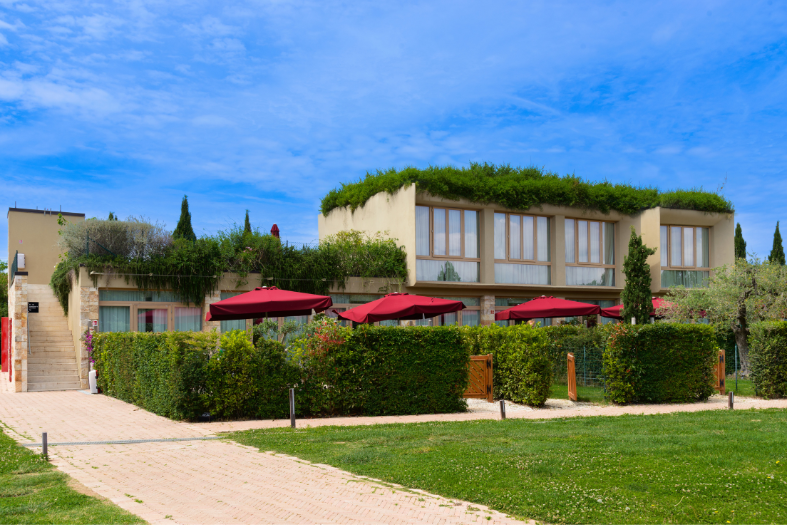 Antico Podere San Francesco
“New suites and apartments for Antico Podere San Francesco”
At the same time, the group is upgrading the Antico Podere San Francesco from a residence to a high-end resort: ‘The heart of the renovation will be the creation of 13 new units, including suites, apartments and rooms, designed to offer comfort, privacy and communication with the outside world,” explains the CEO. The project is part of a four-year development plan from 2027 to 2029 that envisages further expansion with new units, a spa, gym, conference room and restaurant, boosting the property's positioning in the experiential luxury segment. The upgrade to 5-star luxury of The Sense Experience Resort, completed in 2025, generated a 10% increase in ADR, with an expected increase of more than 40% at the end of the project. 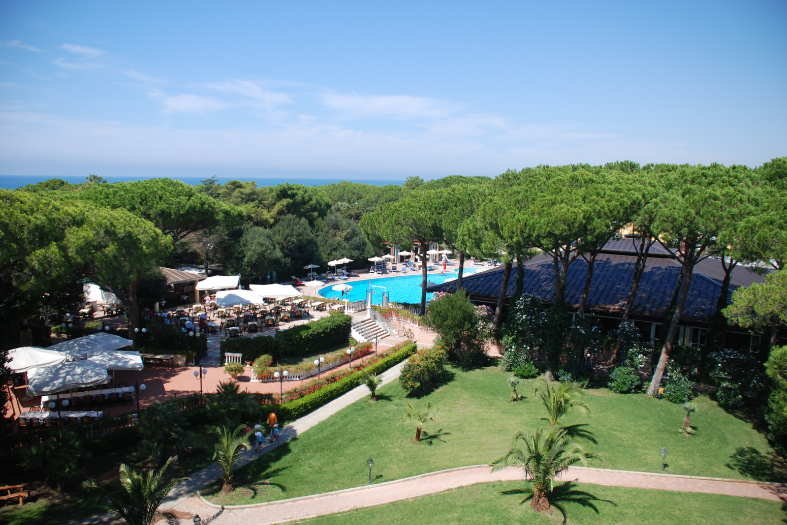 Park Hotel Marinetta
Sustainability remains a strategic pillar
The Group continues to invest in human capital through training and consulting programmes while sustainability remains a strategic pillar and the Icon Collection is also assessing new development and acquisition opportunities in cities such as Turin and Bologna. For information: www.iconcollection.it
Spacious suites with all amenities
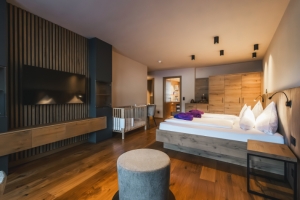
The new suites, Harmony, Dreams and Wonder, join the 70 family rooms already available at the hotel. The 58sqm Harmony suite features direct access to the garden, a master bedroom with an extra-large bed, a children’s bedroom and a panoramic terrace. The 60sqm Dreams suite includes a lounge area in addition to the sleeping quarters. Wonder is the most spacious accommodation: covering 125sqm; it comprises a master bedroom with en-suite bathroom and walk-in wardrobe, three children’s bedrooms with a bathroom, an additional guest bathroom, and a living area with a kitchen and lounge.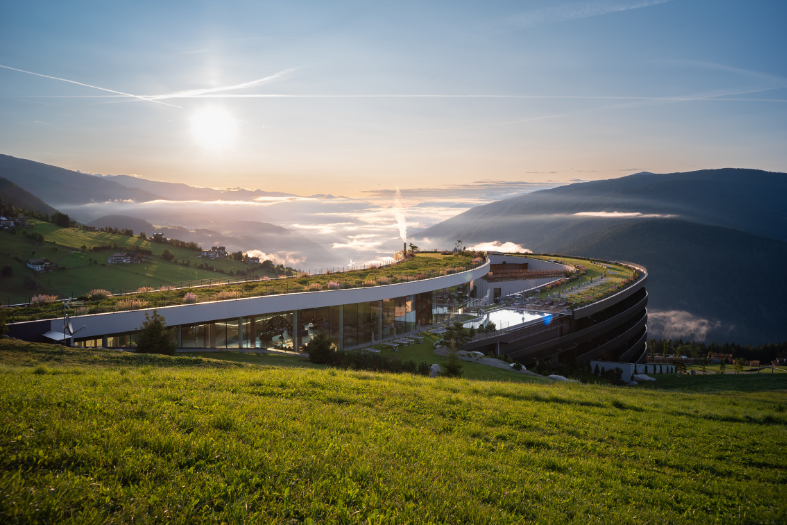
A family-friendly designer hotel
The property is located in Maranza, surrounded by the Alpine landscape of South Tyrol, with views stretching from the Sciliar massif to the Rocca dei Baranci, and is an ideal starting point for exploring the Gitschberg Jochtal area. The hotel, following the slope’s contours, blends seamlessly into the surrounding landscape and is built from wood and local stone, with large windows ensuring plenty of natural light. This designer family hotel combines elegance and comfort with family-friendly, playful features, evident even in the connections between the different floors, which can also be accessed via spectacular tube slides – a fun alternative for both adults and children.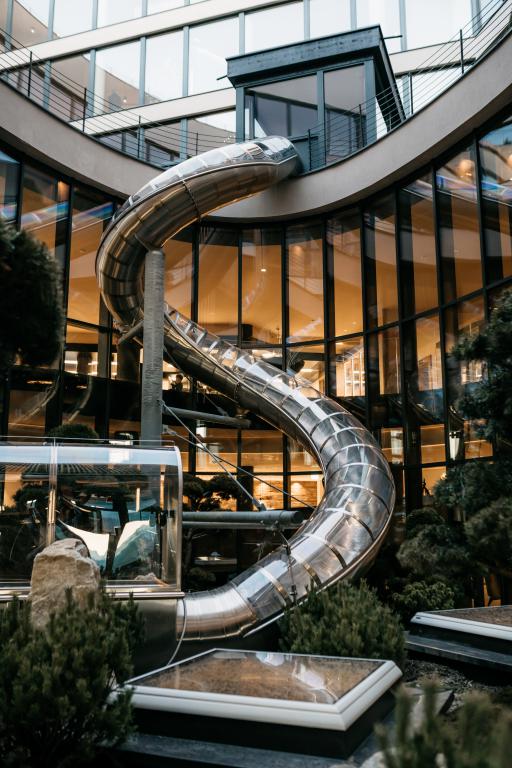
A family wellness area and kids' club
The top floor features a panoramic terrace with an infinity pool, a hot tub and a panoramic swimming pool. The hotel features a Family Wellness area with swimming pools, slides, a family sauna and relaxation areas with extra-large armchairs and a snack bar. For children, the Magolix Club offers creative workshops and sports activities in the gym or outdoors, as well as the Ninja-Starrior obstacle course and a climbing wall. The property is CasaClima certified for its commitment to reducing energy consumption per square metre and the use of renewable energy sources.
A wine estate with a boutique hotel
Among the most representative wineries in the Umbrian region, Palazzone stands out as an estate offering wine tourism activities and hospitality of great historical, artistic and oenological value. The winery has been operating for forty years in the Orvieto area, producing award-winning wines and offering experiences and accommodation in elegant suites at the Locanda Palazzone boutique hotel.
Five suites and two apartments in the countryside
The accommodation is a historic medieval residence situated not far from Rocca Ripesena, in the north-west of Orvieto, on a hill in the open Umbrian countryside, surrounded by its vineyards, and has five suites and two apartments. With a garden and swimming pool, Locanda Palazzone also has a panoramic terrace overlooking the vineyards, the rolling hills and the tuff cliff of the city of Orvieto.The wine bar is a space dedicated to discovering the wines produced, and there are tours of the Etruscan tuff cave, exploring the history of the area and the Palazzone estate with food and wine tasting experiences and explorations of the ancient cave where Musco wine is produced.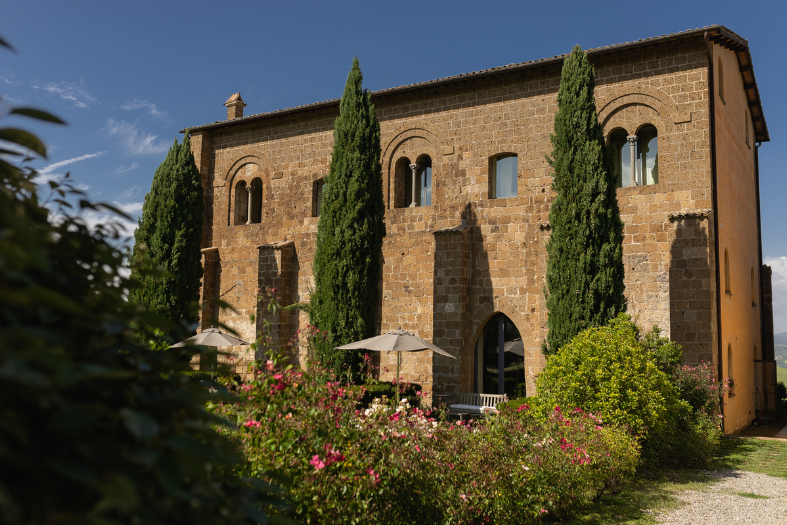
A cookery school and truffle hunting
For groups of two to fifteen guests, the cookery school is an immersive experience running from the afternoon through to dinner, when the chef cooks the food prepared earlier, which is then be paired with wines and is reserved for guests staying at the Locanda and is available on booking. Another unique offering is the truffle hunt, available by booking all year round (except for parts of April, May and September) and including a truffle-based lunch with selected wines. There is no shortage of opportunities for relaxation and wellness, with yoga and Pilates sessions, as well as rejuvenating massages and for cycling enthusiasts, bike and e-bike hire is available. Locanda Palazzone is also a convenient base for quick trips to art cities such as Perugia, Assisi and Spoleto, while nearby Orvieto is one of Umbria’s most beautiful cities, with Etruscan origins and over three thousand years of history. 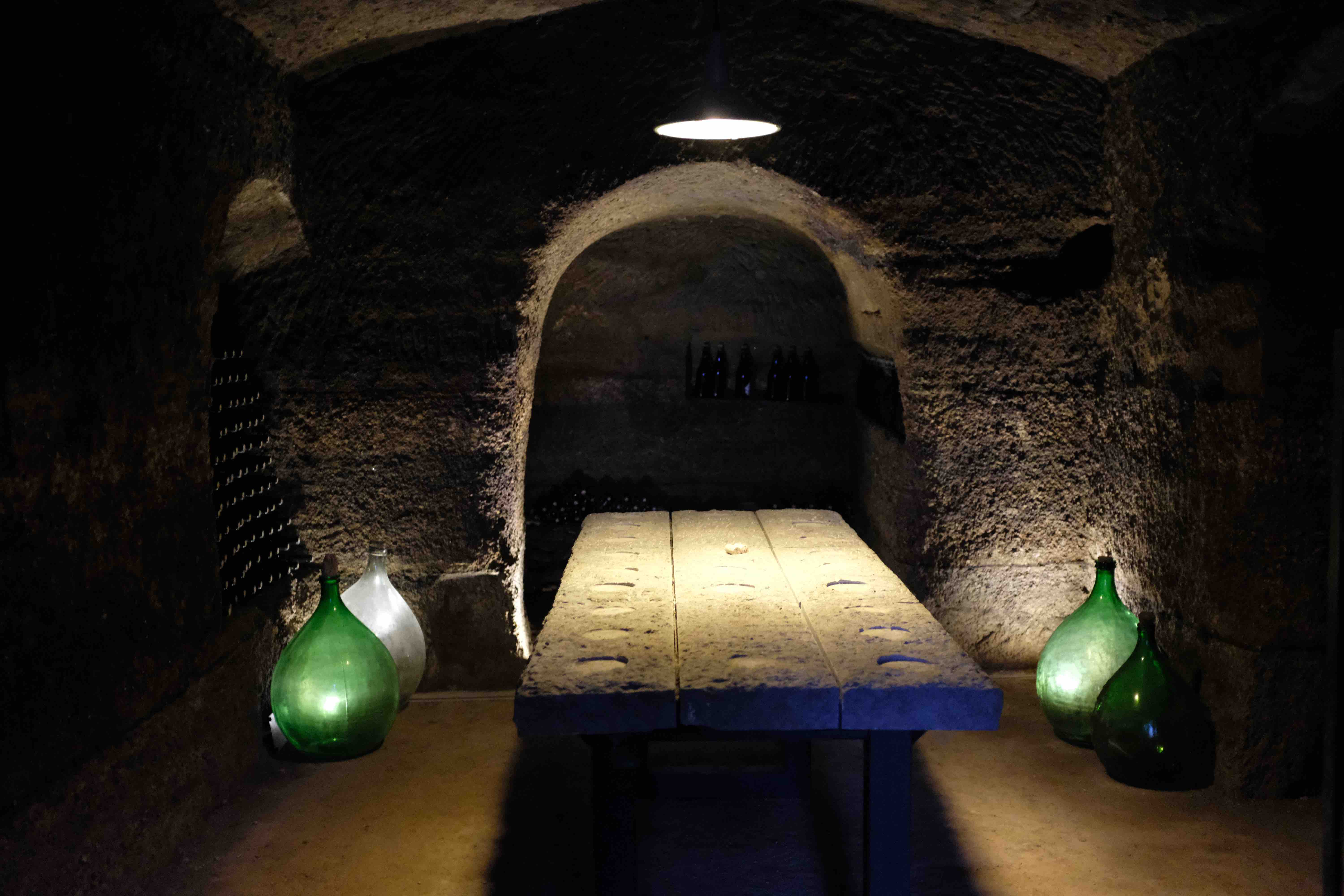
Wine cellars carved into volcanic rock
Just south of Rome, the Roman Hulls, which Romans call the Castelli Romani, offer an easy and rewarding escape from the city. Among their many little towns, Frascati stands out for a tradition that is both distinctive and easy to experience: eating and drinking in historic wine cellars carved into volcanic rock.
Informal meals and local specialties
Dug into tufa stone, these cellars, many of which belong to local wineries and vineyards that produce Frascati’s famous white wines, maintain a naturally cool temperature and a simple, functional atmosphere. Meals are communal (often at shared tables) and informal, built around local dishes – a must-try is the local porchetta roast sucking pig - with seasonal produce and of course the local Frascati wine in typical local settings where the eating and drinking are unhurried and social.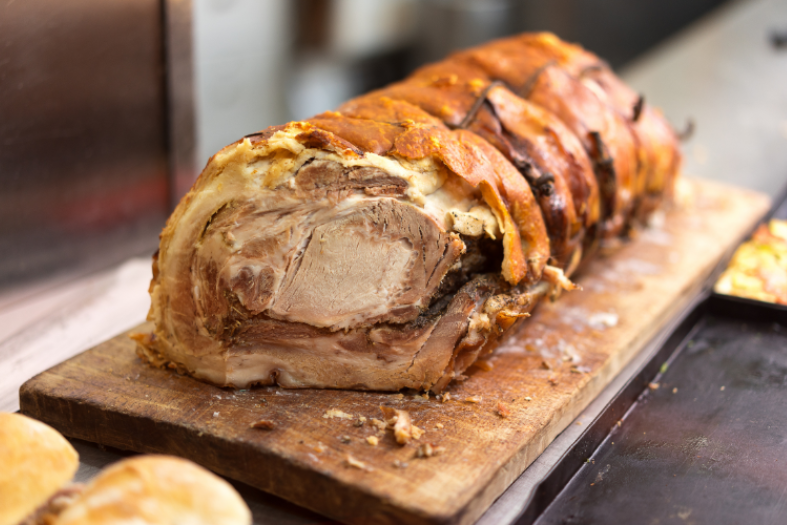
Frascati is compact and largely walkable
Reaching Frascati is easy with frequent regional trains that connect Rome’s Termini station with the town in about 30 minutes, making it suitable for both day trips and overnight stays. By car, the journey is equally manageable, while the town itself is compact and largely walkable. Once there, visitors can move easily between the historic centre, viewpoints, and the nearby countryside without needing complex planning. 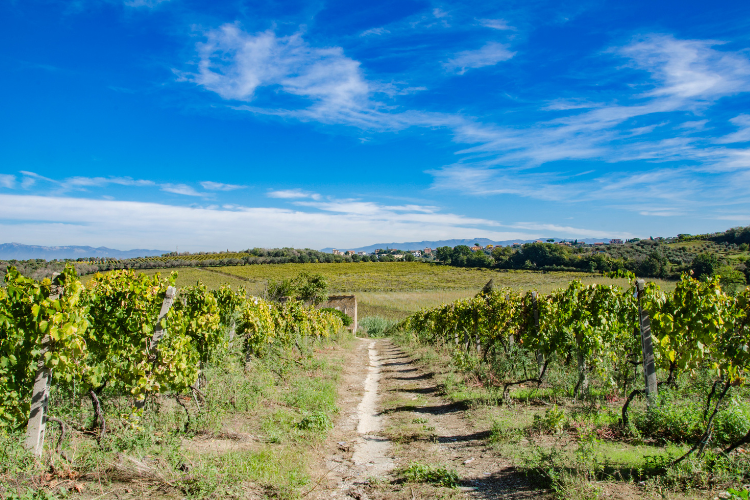
A relaxing slow-paced weekend
An ideal and very typical weekend in Frascati naturally centres on Saturday lunch, with time before and after to explore at a slow pace. The historic centre has cafés and small bakeries, as well as the famous wine cellars, with quiet streets leading to views over the surrounding hills. Afternoons lend themselves to short walks or time spent outdoors, while evenings are low-key and local, which means more convivial eating and wine tastings. Sunday can be kept simple, with a late breakfast, and a final stroll, before an easy return to Rome. For information: https://www.comune.frascati.rm.it



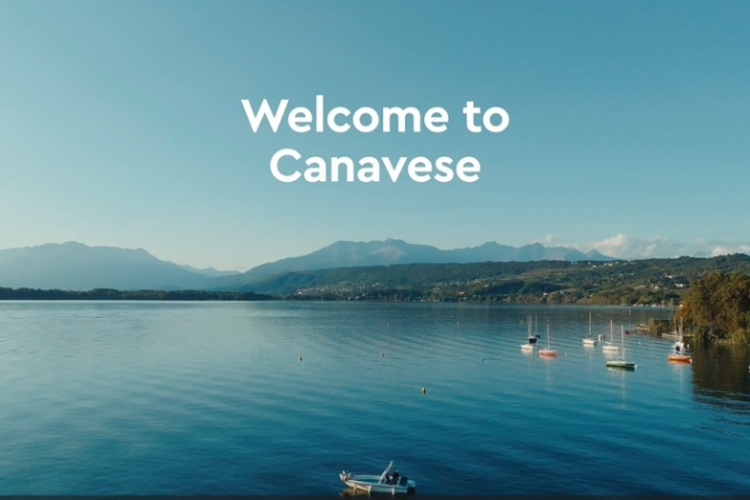
Welcome to Canavese, an unexpected corner of Piedmont where …
843Welcome to Canavese, an unexpected corner of Piedmont where …
843
