




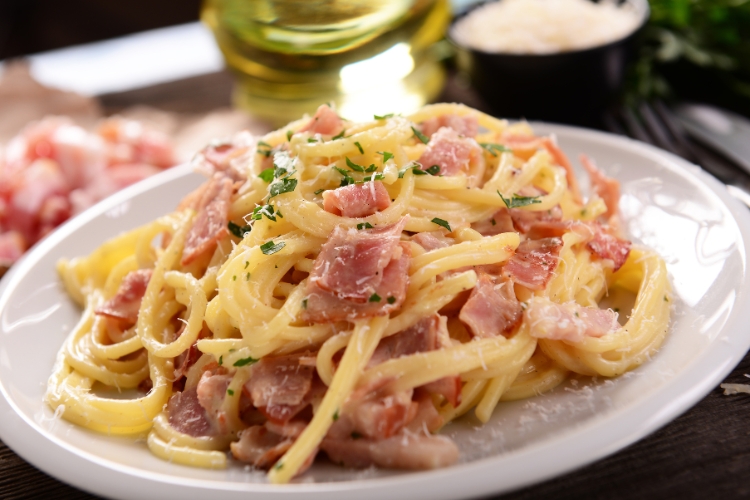






April 6 is World Carbonara Day, a celebration of one of the most iconic dishes of Roman and Italian cuisine: "Pasta alla Carbonara."
A classic dish with just a few ingredients
Established in 2017 by the Italian Food Union and the International Pasta Organization, World Carbonara Day is a culinary occasion to enjoy a delicious plate of carbonara made to the original recipe or to sample a modern twist on the classic dish. Carbonara ranks among the favourite dishes of Italian cuisine, both for Italians and around the world, but the origins of Carbonara are shrouded in mystery. The earliest references date back to 1773 in Vincenzo Corrado’s “Il Cuoco Galante,” which mentions egg as a thickener for pasta dishes. Later, in 1881, cheese came into play, though it was not until 1949 that guanciale was introduced.
Was there an American influence?
According to one of the most widely accepted theories, surprising as it may seem, today’s Carbonara recipe is closely linked to the presence of American troops in Italy during the Second World War, when an Italian chef combined pasta with bacon brought over from the New World. According to other theories, the dish’s origins can be traced back to the Abruzzo region, when charcoal burners prepared the dish "Cacio e Ova," and of course there are many other theories, and today the dish is considered a staple of Roman tradition.
Egg yolks, cured pork cheek, Pecorino cheese and pepper
What is certain is that, over the years, we have arrived at a recipe shrouded in an aura of untouchable sacred traditions, which includes the following essential ingredients: egg yolks, "guanciale" cured pork cheek, Pecorino Romano cheese and pepper.
The ingredients and method for making a perfect Carbonara. Serves 2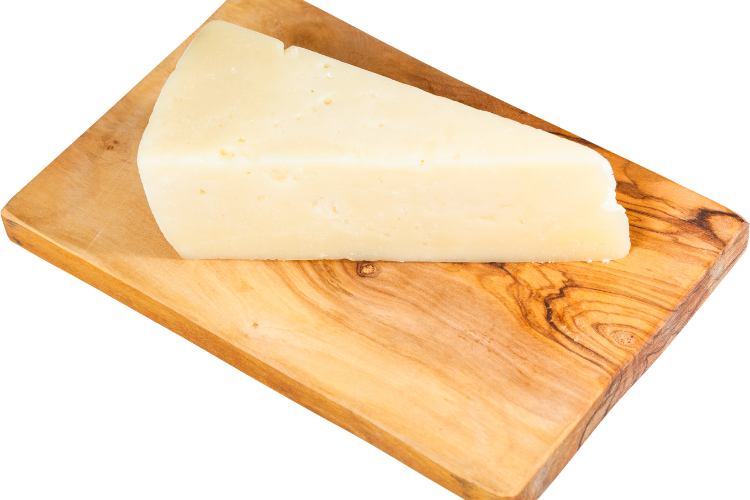
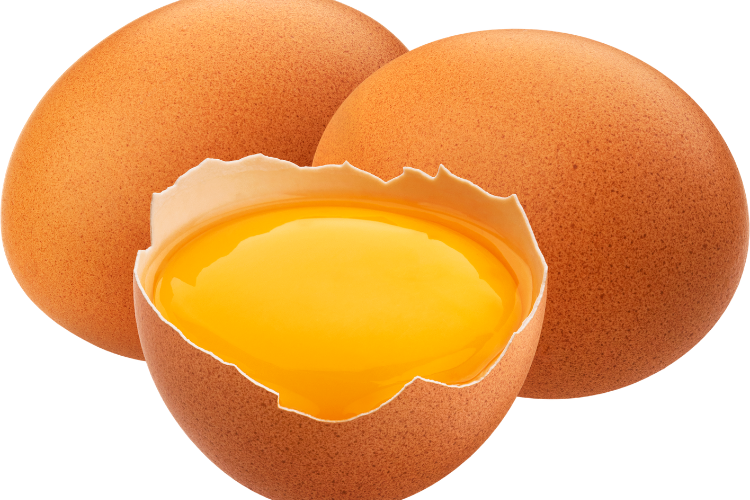
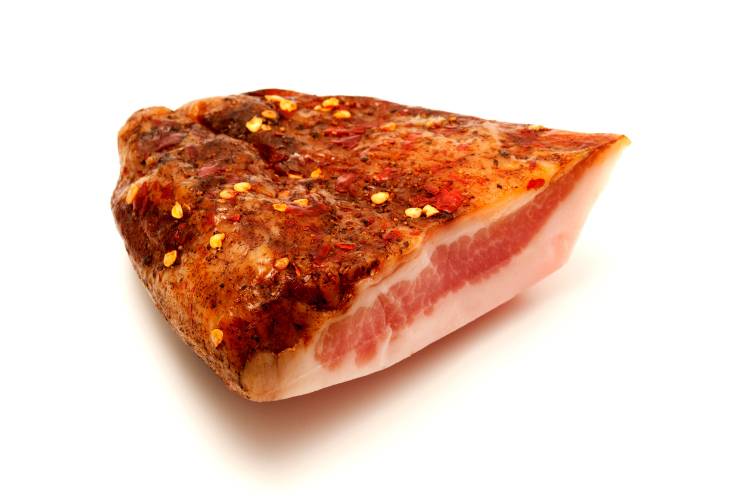
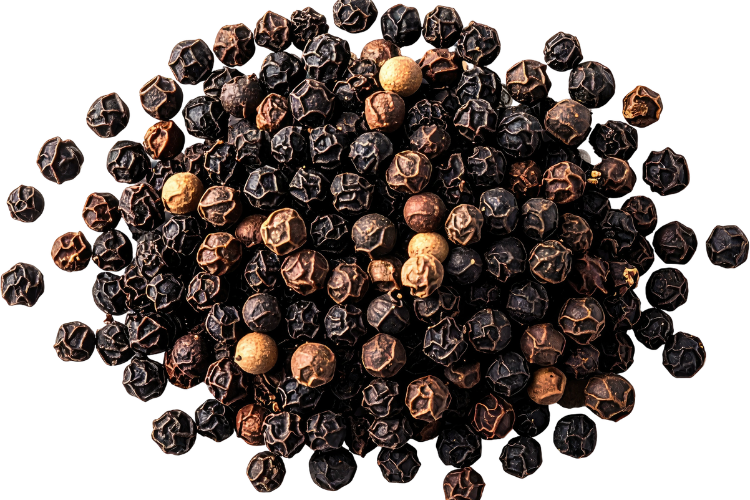
- 200 grams pasta
- 3 egg yolks
- 100 grams Pecorino Romano
- 150 grams guanciale
- Freshly ground pepper to taste
Place the water for cooking the pasta in a saucepan and when it comes to the boil add a little salt (both the Pecorino and the guanciale are very flavourful) and add the pasta, choosing between spaghetti, bucatini or bombolotti. Meanwhile, cut the guanciale into thick strips, removing the rind.
In a frying pan over a low heat, add the guanciale without any oil, allowing it to cook in its own fat. Once golden, turn off the heat and set the drained guanciale aside in a small bowl. To prepare the sauce, start by grating the Pecorino into a bowl and separating the egg yolks from the whites. Combine the egg yolks with the pecorino and mix until smooth, adding the pepper.
Drain the pasta directly into the frying pan, along with the fat from the guanciale. At this point, remove the pan from the heat and pour in the eggs, pecorino and pepper mixture prepared earlier. Add most of the guanciale and, if necessary, a little of the pasta cooking water until a creamy sauce forms. Serve the pasta, garnished with a handful of Pecorino, the remaining guanciale and a sprinkling of freshly ground pepper.


