fbpx

In winter, South Tyrol takes on a new look and offers skiing and more at the Vitalpina Hotels Sudtirol.


A winter wonderland to be discovered

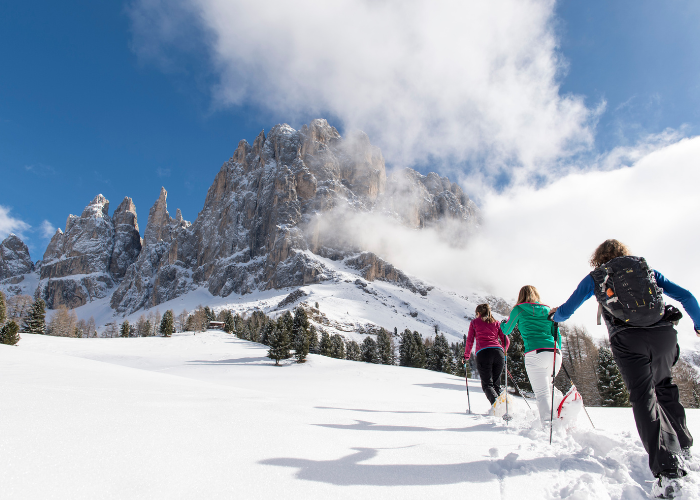
Snow covers the meadows and the woods and reshapes the outline of the Dolomites which are a UNESCO World Heritage Site. But winter here is not just a season for skiing. It is a time to explore the region at a more leisurely pace, also on cross-country skis while delighting in the winter landscape. It is this vision of the mountains – active yet deeply connected to nature – that guests find at Vitalpina® Hotels Südtirol/Alto Adige. The hotels are spread across various areas of the province and are ideal starting points for discovering a range of very different landscapes.

In the silence of the snow-covered woods

One of the most evocative experiences of a South Tyrolean winter is snowshoeing. Far from the ski slopes, the mountains seem quieter along trails that wind through fir and larch forests, snow-covered meadows and small villages up to mountain huts where farming continues even during the coldest months. In Val Venosta, in the western part of South Tyrol, the landscape is particularly striking. The valley is dominated by imposing mountains and retains a distinctly rural character. In Malles, fromthe Vitalpina DAS GERSTL Alpine Retreat****S, you can explore this area on snow trails. Further east, in the Tires area, the Dolomites take centre stage. The Catinaccio and the Sciliar are among South Tyrol’s most recognizable mountains and the Vitalpina adults-only Alpinhotel Vajolet** is for those wishing to alternate outdoor activities and moments of tranquillity.
Sudtirol Seiser Alm MarketingHelmuth RierSudtirol ph credits Seiser Alm Marketing Helmuth Rier
The valleys and their farmsteads

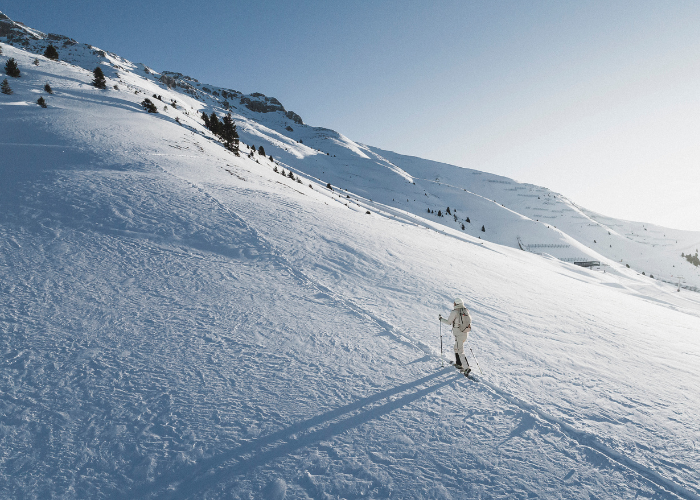
One of the most interesting aspects of South Tyrol is the variety of its landscapes. The Puster Valley, for example, features a mix of mountains, woods and wide valley floors. They are farms, and a testament to a way of life in the mountains that has developed over the centuries. In the Casies Valley, one of the Puster Valley’s side valleys, cross-country skiing allows you to immerse yourself directly in this setting The Wander Vital Hotel Magdalenahof** is situated in the valley, in a particularly favourable location for
exploring the area on cross-country skis.

A traditional Christmas

Winter in South Tyrol is also a season rich in traditions. In December, historic town centres and small villages are lit up. Christmas markets fill the squares with the scents of cinnamon, spices and mulled wine. The stalls offer handcrafted goods and local specialties, while ancient customs linked to the Advent period continue to be practised in the valleys. In Sesto, in the Sesto Dolomites, the Vitalpina Alpenwellness Hotel St. Veit** offers experiences rooted in this very tradition. A torchlight procession through the snow, the music of the zither and the baking of Christmas biscuits according to family recipes all evoke a simple Christmas deeply rooted in local culture.
ph credits: KOTTERSTEGERph credits: KOTTERSTEGER

Exploring the mountains on snowshoes

For those who love the snow but are looking for something different from downhill skiing, South Tyrol offers an extensive network of cross-country trails. The Casies Valley is one of the best-known destinations. Here the trails follow the valley floor, allowing you to traverse a landscape of woods, snow- covered meadows and ancient farmsteads. On 21 and 22 February 2027, the valley will host a long- distance cross-country race, featuring both classic and skating techniques. But even away from competitions, cross-country skiing retains a special connection to the local area.
Published in Hospitality

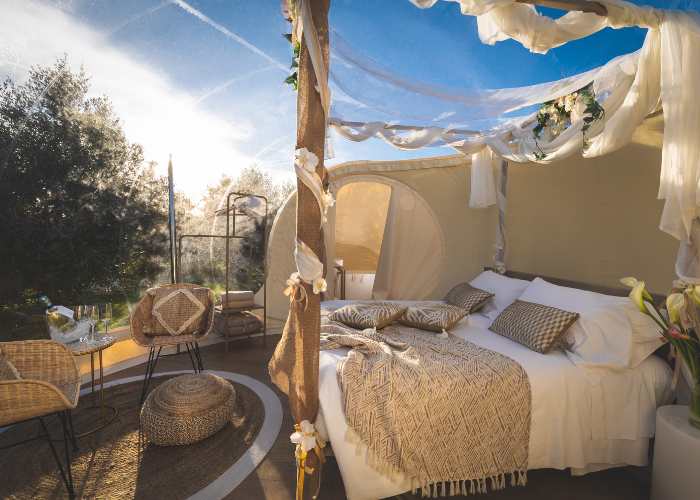
Sleeping under the stars at the San Francesco Country Resort in In Vada, in the heart of the Etruscan Coast in Tuscany.


Dreaming on the Etruscan Coast

World Dream Day was on 25 September, an occasion dedicated to the hopes and aspirations that, sooner or later, can become reality. In Tuscany, one such dream can take a very simple form: sleeping surrounded by nature, waking up under the olive trees and spending a few days exploring one of the most authentic areas of the Tuscan coast.

bubble suite san francesco resort 1
Connecting with the Tuscan countryside

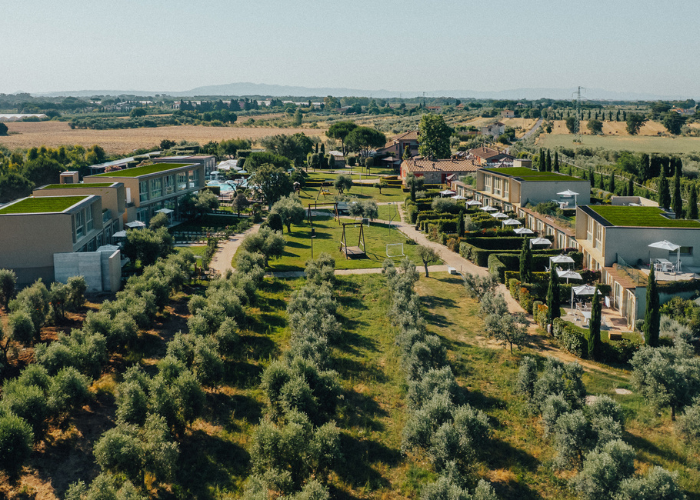
In Vada, in the heart of the Etruscan Coast, the San Francesco Country Resort is a place where a stay is not merely a break, but a way to connect with the landscape and the rhythms of the Tuscan countryside. The resort, on three hectares of natural countryside with olive groves, vineyards and fruit trees, is particularly appealing for anyone arriving who wants to combine the seaside, culture and the countryside in a single holiday. Here in Tuscany you feel a world away from the hustle and bustle of the major art cities yet you are by no means far from its best-known attractions.

san francesco resort
The Bubble Suite is for stargazing

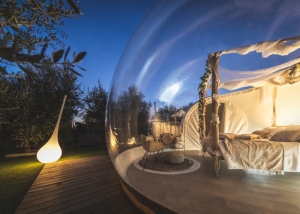
One of the most distinctive features of the San Francesco Country Resort is the Bubble Suite, with air conditioning and a private jacuzzi where guests can spend the night gazing at the sky and the landscape, an experience that fulfils a simple and universal desire: to fall asleep under the stars, surrounded by nature, without sacrificing comfort.

Not far from Bolgheri and Castagneto Carducci

Just a few kilometres the sea, with the beaches and pine forests this resort is ideal for alternating days of relaxation by the Mediterranean with excursions into the hinterland, where the landscape changes rapidly, giving way to hills, vineyards and small villages. Among the best-known nearby destinations is Bolgheri, famous for its picturesque cypress-lined road and its internationally recognized winemaking tradition. Not far away, Castagneto Carducci retains the charm of a historic village overlooking the countryside and the sea.

Apartments, suites and a heated pool

The resort's apartments and suites are scattered throughout the estate and have a contemporary design with natural materials and nods to local traditions. Some have private outdoor spaces, whilst facilities include a heated swimming pool, a pool bar and a breakfast that showcases local produce. It is a place where the landscape becomes an integral part of the guest experience: in the olive trees surrounding the accommodation, in the scents of the countryside, in the colours of the sunset and in the night sky, which becomes the ceiling of the Bubble Suite. For information: www.resortsanfrancesco.com
Published in Hospitality

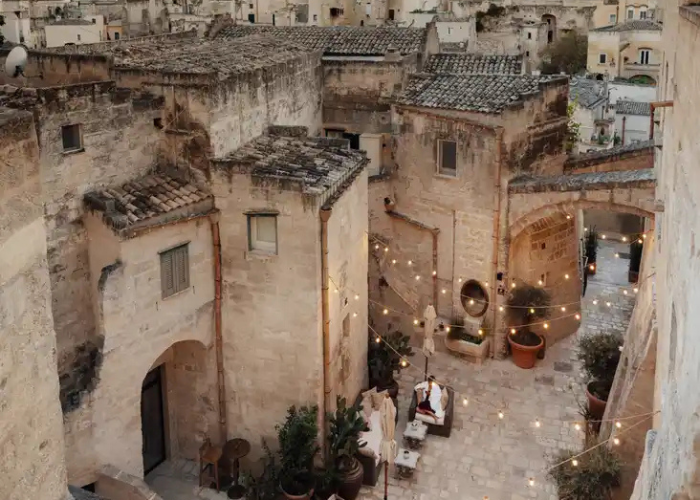
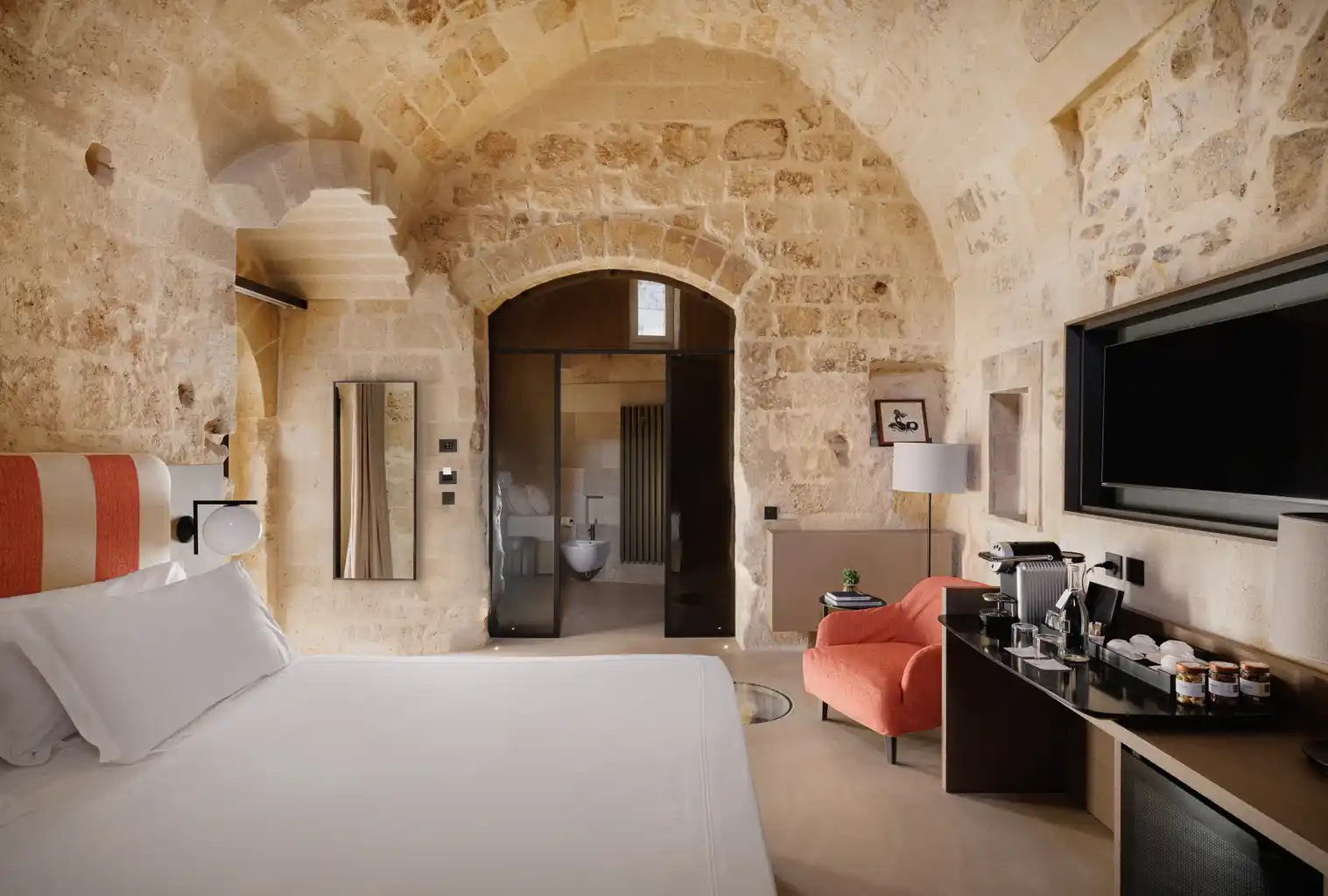
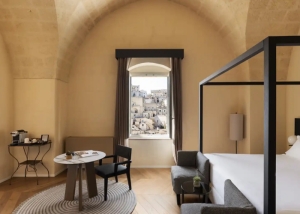
Vetera Matera in Basilicata, where stone becomes hospitality and every stay creates memories.


A Personalized Welcome Kit

In Matera there are places where the journey begins even before you step outside the door. Places that preserve the city’s memory while transforming it into new experiences. Vetera Matera is a place where stone, flavours, artisanal craftsmanship and wellbeing come together to create an authentic way of experiencing Basilicata that blends tradition, modernity, hospitality and discovery. In Vetera Matera, hospitality stems from attention to detail and the opportunity to personalize your arrival with a Welcome Kit tailored to the guest’s wishes, the occasion and the nature of their stay.

Stone and botanicals

The essence of Matera and the connection with the local area is most evident in stone, the city’s defining feature. In the Stone Workshop, accompanied by local craftsman Pietro, guests can work directly with the tuff stone and shape a small botanical creation to take home. This experience allows guests to engage with one of Matera’s most iconic materials with a hands-on activity and understand the texture and character of the stone. The ritual of herbal infusions: the connection with nature is also expressed through two new infusions, designed to accompany different moments of the day. Purpura combines beetroot, red berries, apple, mallow and lavender in a ritual dedicated to the evening. Viridis, on the other hand, blends thyme, olive, mint and lemon balm, evoking the scents and ambience of Mediterranean vegetation.

vetera matera
Seasonal ingredients and experiments


From the table to the courtyard. With the arrival of autumn, the rhythm of Artema’s kitchen also changes. The new menu is designed to follow the seasonality of the ingredients, but retains the identity of a constantly evolving culinary offering. Among the new developments announced is the return to service of the courtyard’s historic oven. Experiments are currently underway with natural leavening and ancient grains, intended for Artema’s bread and a new range of signature pizzas designed for lunch.

Guided tastings of fine wines

October sees the return of the "Gesti’ì" series featuring a new four-handed collaboration with a chef with a strong Mediterranean spirit, and is an opportunity to explore the dialogue between different cuisines, regions and sensibilities. Signature cocktails, wines, champagne and a dedicated food menu accompany views of the city and for those wishing to delve deeper into the world of wine, Altare del Vino offers guided tastings in the rock-hewn cellar, featuring fine wines paired with culinary offerings.

Vetera Matera 2 1

Wellbeing and sensory rituals

Wellbeing according to Vetera: autumn also brings new opportunities to focus on wellbeing. At th Elysium Spa the programme includes treatments such as the Physio-Postural Massage and the Craniosacral Therapy in an environment dedicated to relaxation and rebalancing. Added to these is "Terra Lucana," a sensory ritual inspired by Basilicata, where traditional scents and techniques become part of an experience dedicated to regeneration. And from November the Longevity programme will begin in collaboration with Longevity Suite Retreat, featuring a personalized nutritional plan, dietary rebalancing and a DNA check-up. For information: www.veteramatera.com
Published in Cities & Regions
Torchiara's Cilento History tours in the heart of the Campania region feature village festivals, the Mediterranean seabord, archaeological sites and traditions that continue to thrive.The Cilento History Tour was created by Torchiara, Angela Rizzo's new tour operator. A project rooted in the region, which showcases a destination that offers travellers experiences far removed from the pace of mass tourism. Travel seen as an encounter with places that have stories to tell, where there are people to meet, flavours to discover and landscapes to explore at a leisurely pace.

Exploring lesser-known areas

Cilento is a land of harmonious contrasts. The coastline has beaches and headlands, coves and small harbours while further inland roads wind up tohilltop villages, olive groves, woodlands and rural landscapes. Cilento History Tour offers itineraries for small groups that are designed to link the best-known sites with lesser-explored areas. The journey can start on the coast of Agropoli, with the traditional Procession at Sea of the Madonna of Constantinople and visitors watching the statue’s procession as fireworks light up the night sky. From the coast the route then heads inland to Torchiara, where the elegance of Borgo Riccio reveals another facet of the region: that of historic residences and architecture linked to the memories of families and places. In Prignano Cilento, a visit to the Torre Volpe, dating back to the 12th century and part of the Association of Italian Historic Houses, adds another piece to the puzzle of discovering a heritage that is often hidden behind the doors of historic town centres.

Paestum, Velia and Padula: the great history of Cilento

No journey through the region can be complete without exploring its archaeological and monumental heritage. Suggested itineraries include the Archaeological Parks of Paestum and Velia and the Certosa di San Lorenzo in Padula, sites that reveal the complexity of this part of Campania’s history. In Paestum, the grandeur of the Greek temples tells the story of Magna Graecia; in Velia, the ruins of the ancient city evoke the presence of the Eleatic school of philosophy; in Padula, the charterhouse offers a glimpse into a world of architecture, spirituality and art. And along the way there are the Cilento's small towns with squares, shops, historic houses and local stories.

Contemporary art and seafood

One of the region’s distinctive features is its ability to embrace contemporary forms of expression. Through the Contemporary Art Trails in Cilento, created in collaboration with the Campania Region, works of art have been integrated into the spaces of the ancient villages. The result is an itinerary in which the past enters into dialogue with the present. Then there is the cuisine which is perhaps the most immediate way to connect with the soul of a land. Cilento’s gastronomic heritage stems from the interplay between agriculture, fishing, sheep farming and the produce of the land. Local dishes use aubergines, handmade cavatelli pasta, cheese and friend anchovies, Cilento-style pizza, mozzarella di bufala, cherry tomatoes, extra virgin olive oil, and the local wines includ Aglianico and Fiano del Cilento. In Marina di Camerota visitors are taken to Pozzallo beach for a dinner of freshly caught and fried fish, accompanied by Aubergine Parmigiana.
Published in Cities & Regions

Sheraton Rome Parco de' Medici, "The World's Gathering Place" has a makeover but remains true to its historic identity.  

The hotel is enroute to Fiumicino Airport

The property is located on the outskirts of the EUR district enroute to Fiumicino Airport and has 782 rooms, 54 chalets and 22 suites; 4 bars and 4 restaurants serving Mediterranean and international cuisine. There is also a 27-hole golf course, three swimming pools, three gyms, 43 meeting rooms and 4,028 sqm of event space.

The renovation programme covered the guest rooms and communal areas of Building 2, modernizing the spaces but remaining true to the property’s historic identity and the Sheraton brand’s international standards. The project is part of Sheraton’s vision as “The World’s Gathering Place”, a venue designed for meeting, working, sharing experiences and relaxing and the design project draws on the imagery of golf from the 1920s to the 1950s as an expression of a lifestyle of informal elegance, social rituals and a slower pace of life.

Refurbished rooms and lobby

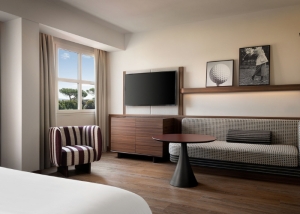
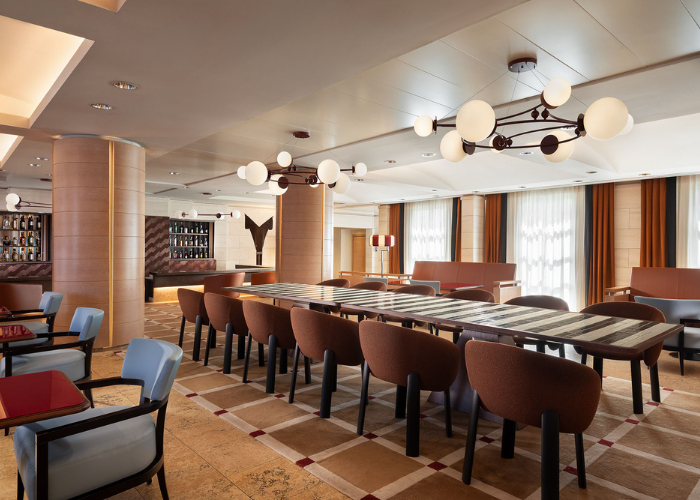
The rooms in Building 2 have been completely refurbished and are intimate, cozy spaces, with a colour palette that combines moss green, terracotta, leather and burgundy, paired with the warmth of natural wood floors and panelling.  In the lobby, at reception and in the bar, the redesign has been conceived subtly, respecting the existing architecture and maintaining continuity with the pre-existing spaces, while adding new materials, fabrics, lighting and details. Key features include the Sheraton Booth and, in the bar, the Community Table, both designed to the brand’s international standards: one a dedicated space for working in peace, away from the hustle and bustle, and the other for meeting and socializing.
Sheraton Rome Parco de Medici 1

The bar and the Community Table

In the bar, the new backlit bottle display becomes both a functional element and the focal point of the space, and the Community Table is one of the symbolic elements of the new spatial concept: a surface of black-and-white striped tiles on a burgundy and cream chequered base, with lampshades that echo the same colour scheme. The restaurant is now brighter and more open to the outdoors, with a new layout featuring three buffet areas, and a central multifunctional unit that combines practicality with aesthetics. The ceiling with exposed wooden trusses evokes the architecture of a farmhouse or a country clubhouse, and the large windows open up the dining room to the landscape, with mirrors helping to multiply light and reflections and creating visual continuity between indoors and outdoors. 
Published in Hospitality

Val Mivola: an autumn journey into the heart of the Marche with villages, flavours and ancient traditions.


Nine small towns from the sea to the hinterland

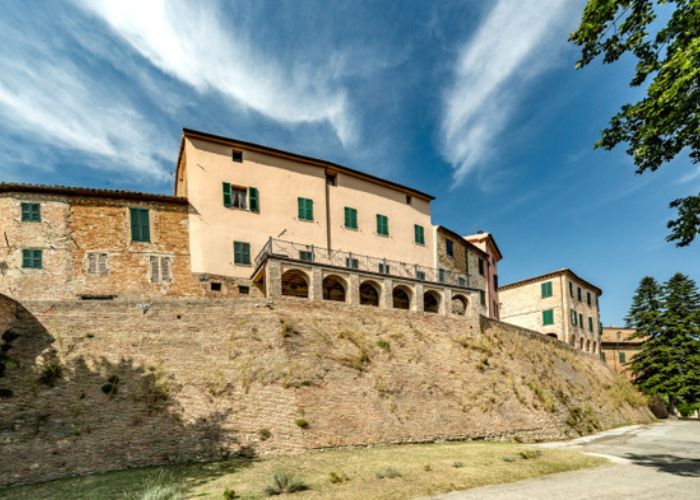
From October to November the Val Mivola valley changes pace, and invites you to discover a region with hills, medieval villages and culinary traditions, enjoying local festivals and produce and time-honoured recipes that reveals the most authentic side of the Marche hinterland. In the province of Ancona the valley has nine municipalities, Arcevia, Barbara, Castelleone di Suasa, Corinaldo, Ostra, Ostra Vetere, Senigallia, Serra de’ Conti and Trecastelli, stretching from the sea into the hinterland with castles, fortified walls, vineyards and countryside.


Senigallia and Corinaldo

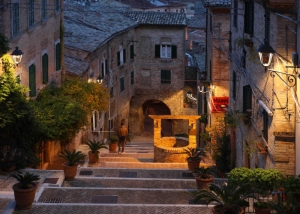
The first stop is by the sea. From 9 to 11 October Senigallia hosts "Pane Nostrum" an exhibition of leavened products featuring the world of bread, pizza and pastries. Masterclasses, tastings and cooking demonstrations offer an insight into techniques and methods, and the Temporary Bakery provides a glimpse into the craft of master bakers. On 24, 25, 30 and 31 October, Corinaldo hosts the "Festa delle Streghe" Festival of the Witches, one of the most distinctive events on the autumn calendar. With torches, pumpkins, shows, workshops, taverns and haunted trails the festival is set under Corinaldo's medieval walls, that are almost a kilometre long and enclose a historic centre rich in picturesque views. La Piaggia, with its 109 steps, and the famous Pozzo della Polenta well are two highlights.

Piticchio ph credits: Franco SimonciniPiticchio ph credits: Franco Simoncini
Piticchio and Serra de’ Conti

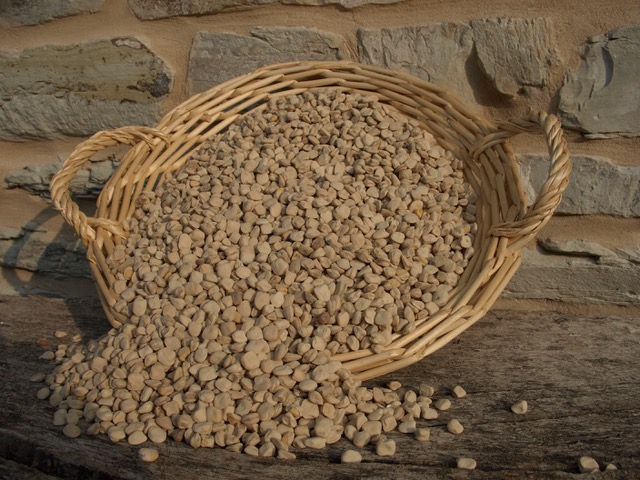
In November, the journey takes us even further inland. From 6 to 8 November, Piticchio, a small castle in Arcevia, celebrates the "Festa d’Autunno" autumn festival. The ancient cellars become the ideal setting for savouring cuisine rooted in rural traditions. Polenta, tagliatelle, wild boar, salt cod and traditional desserts accompany local wines on a gastronomic journey featuring simple recipes and robust flavours. And it’s well worth exploring the village, with its 15th-century walls, towers, ramparts and the Toy Museum with thousands of vintage pieces. From 27 to 29 November, with the "Festa della Cicerchia" Serra de' Conti celebrates one of the most iconic ingredients of the Marche’s rural tradition. Once considered a food for the poor, today the grass pea takes centre stage in soups, purées, polenta and other local dishes. In the historic centre, music, crafts and performances provide the backdrop to the tastings, whilst candles and bonfires help to create a cozy and atmospheric setting.

cicerchia

A slow and flavoursome journey

From bread to cicerchia from medieval walls to village festivals, the Val Mivola valley invites you to slow down and observe the landscape with fresh eyes. An autumn journey through the Marche to be savoured at a leisurely pace, guided by the aromas from the kitchens and the traditions that still hold this authentic part of the region together. For information: www.malvimola.com
Published in Experiences & Tips

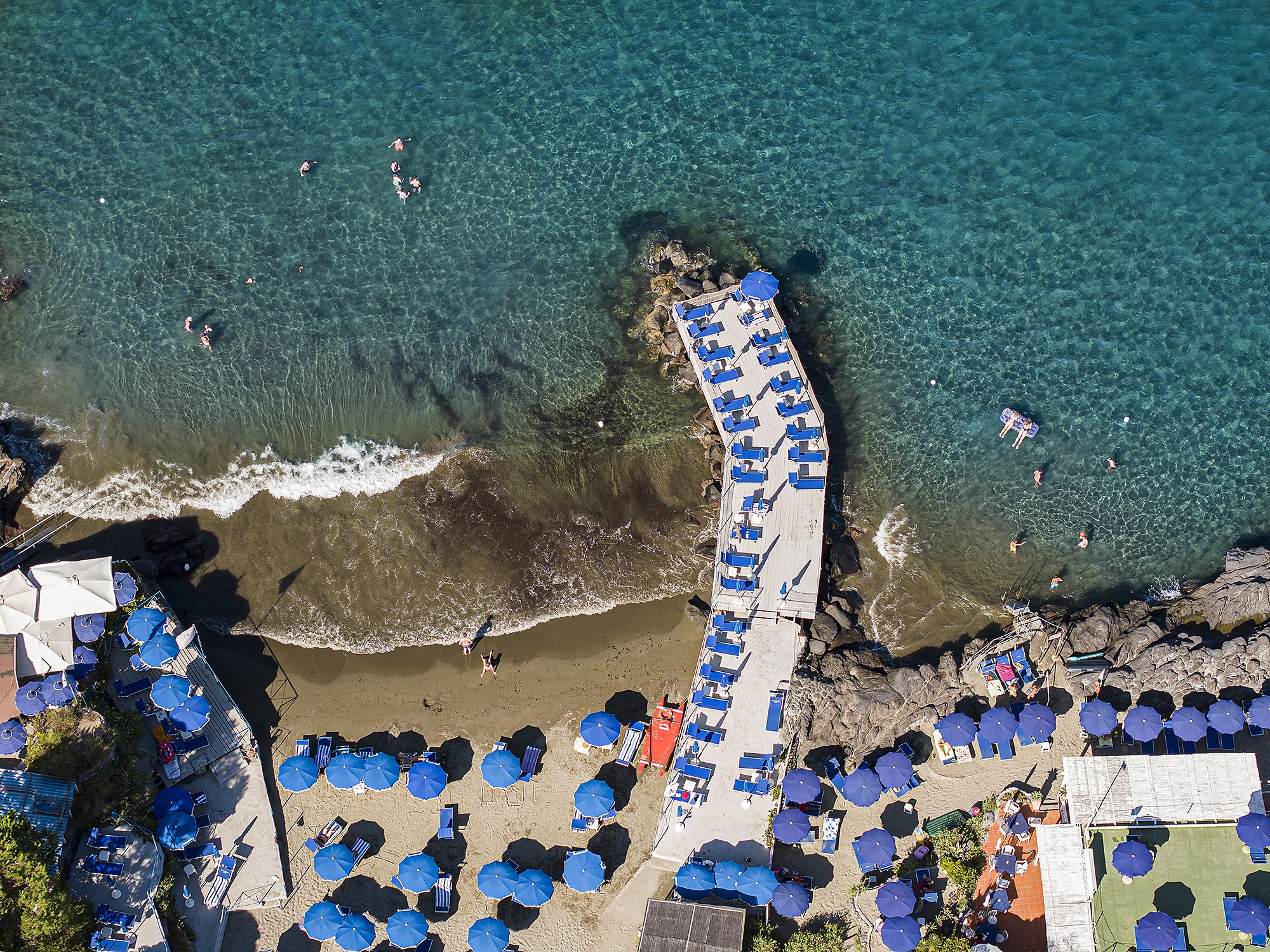
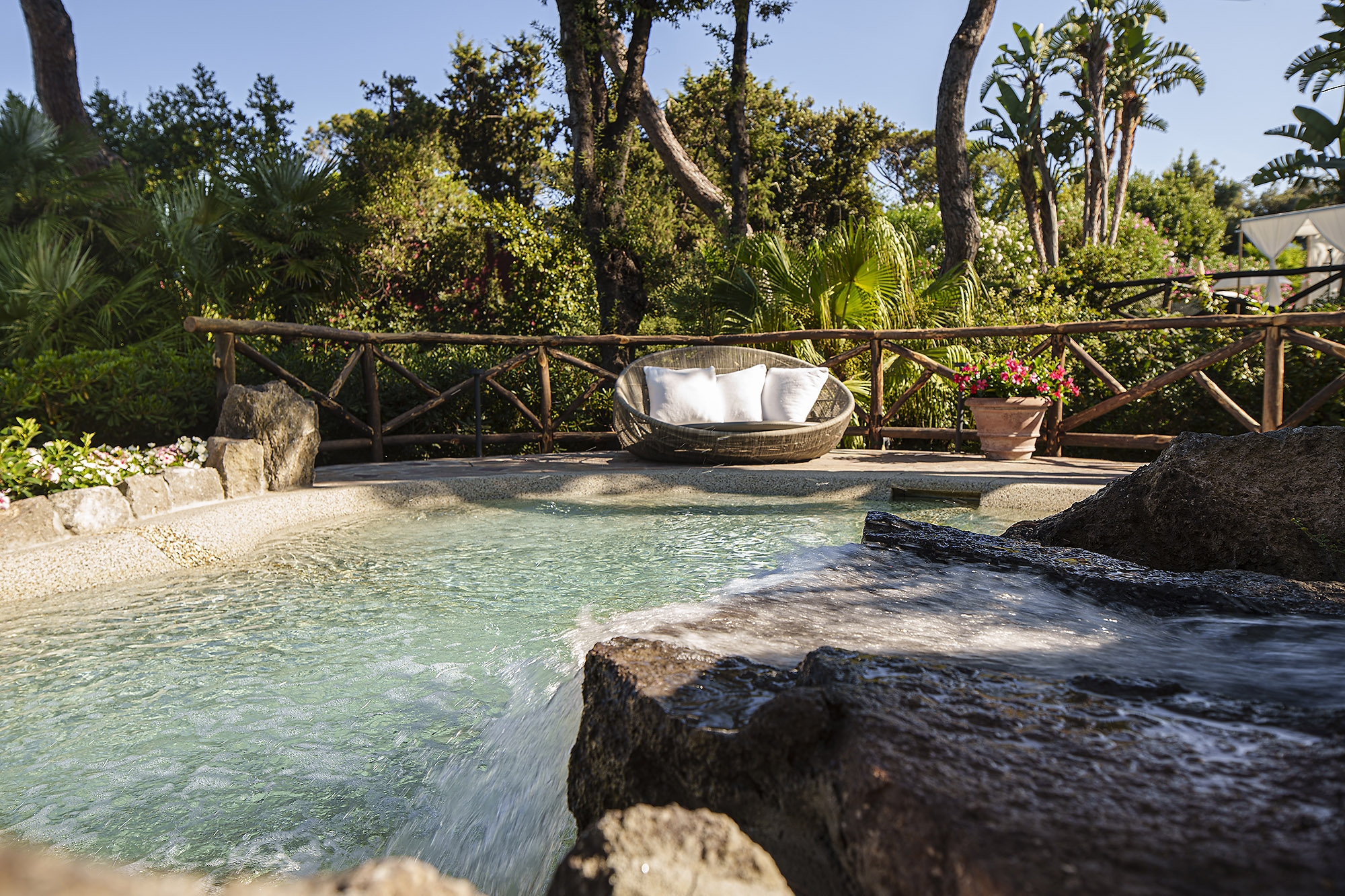
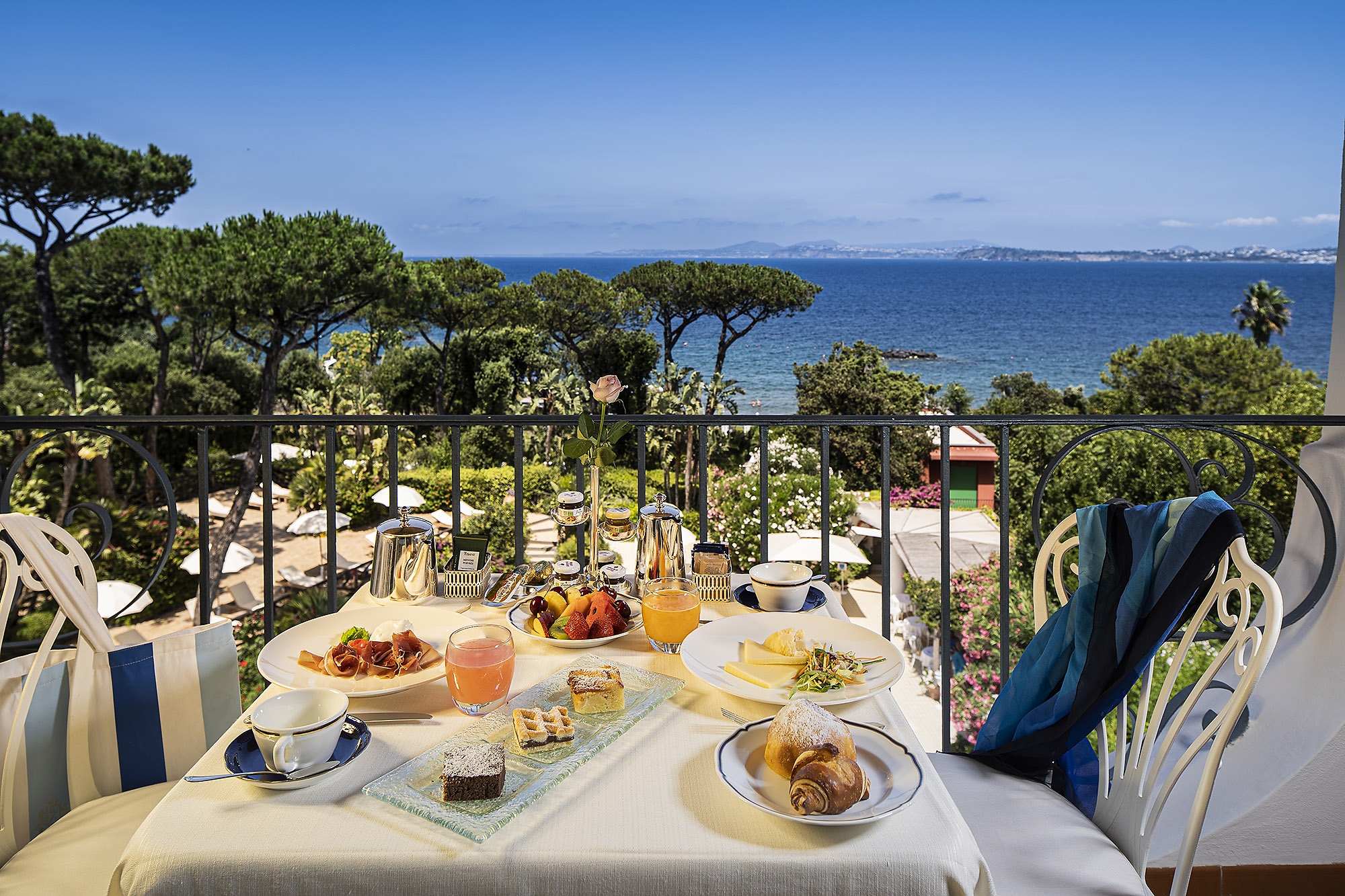
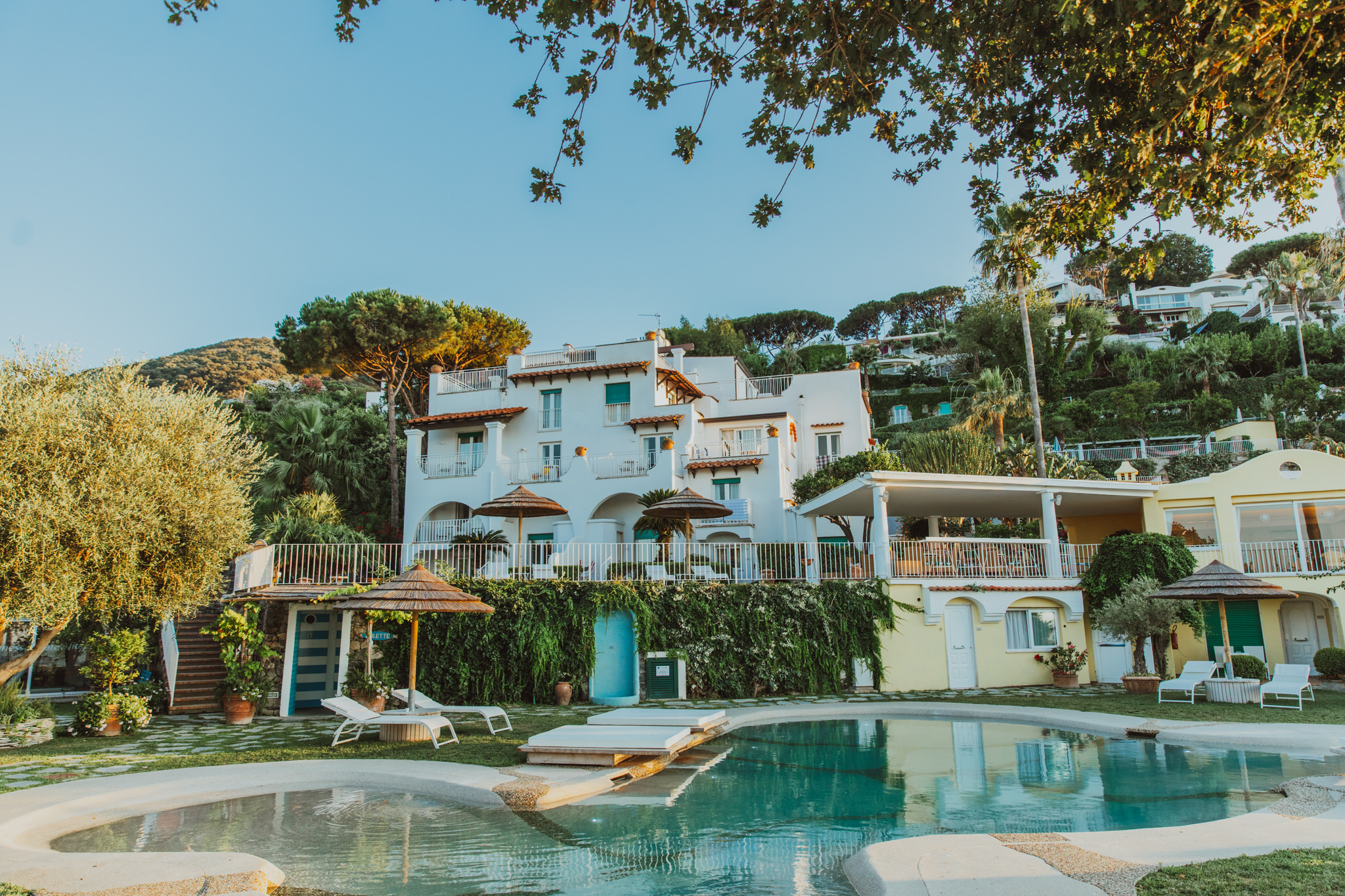
In the early autumn Ischia slows down, changes pace and invites you to discover its most authentic soul staying at Leohotels.

A rural lifestyle


Far from the hustle and bustle of the busiest months, in autumn Ischia rediscovers its natural rhythm: you can stroll along ancient mule tracks through vineyards and terraced fields, step into cellars carved into the tuff, savour a glass of wine born of the volcanic soil, and rediscover flavours that tell a story of a rural lifestyle that is still very much alive.

Discover Ischia's hospitality at Leohotels


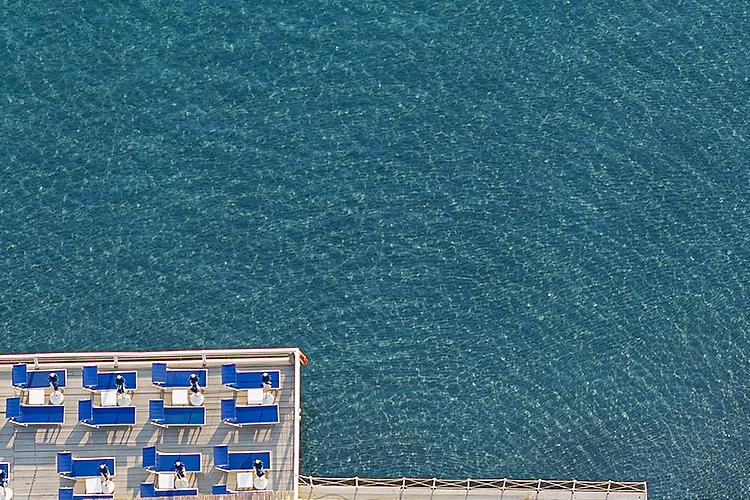
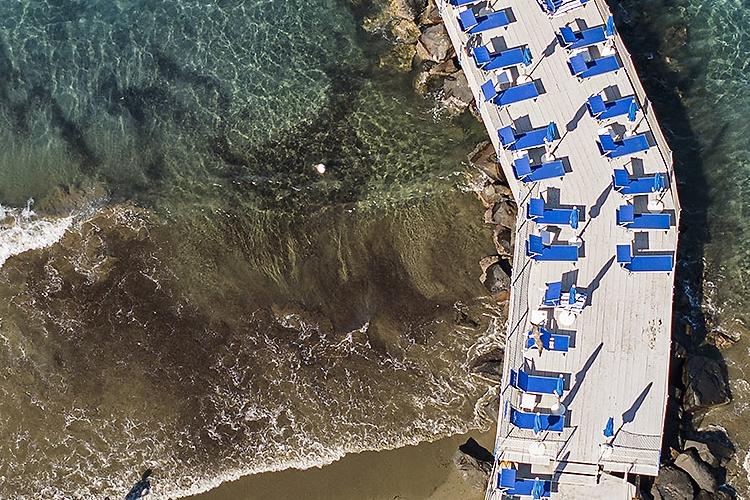
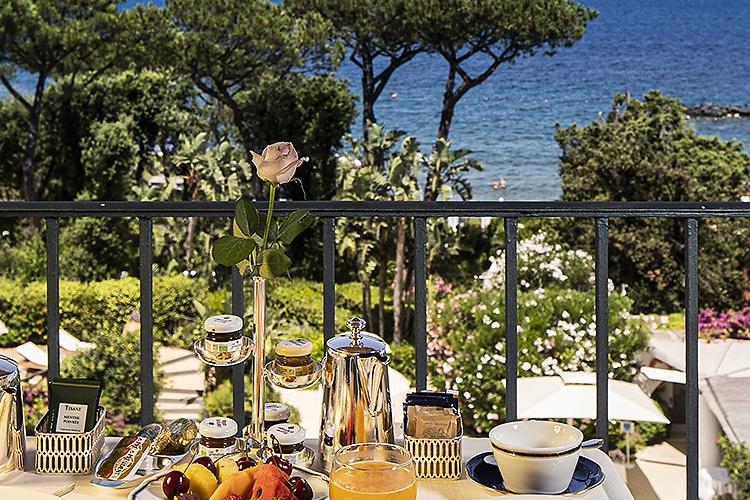
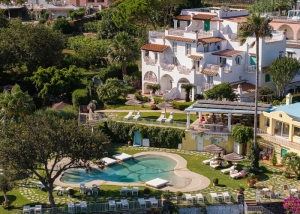
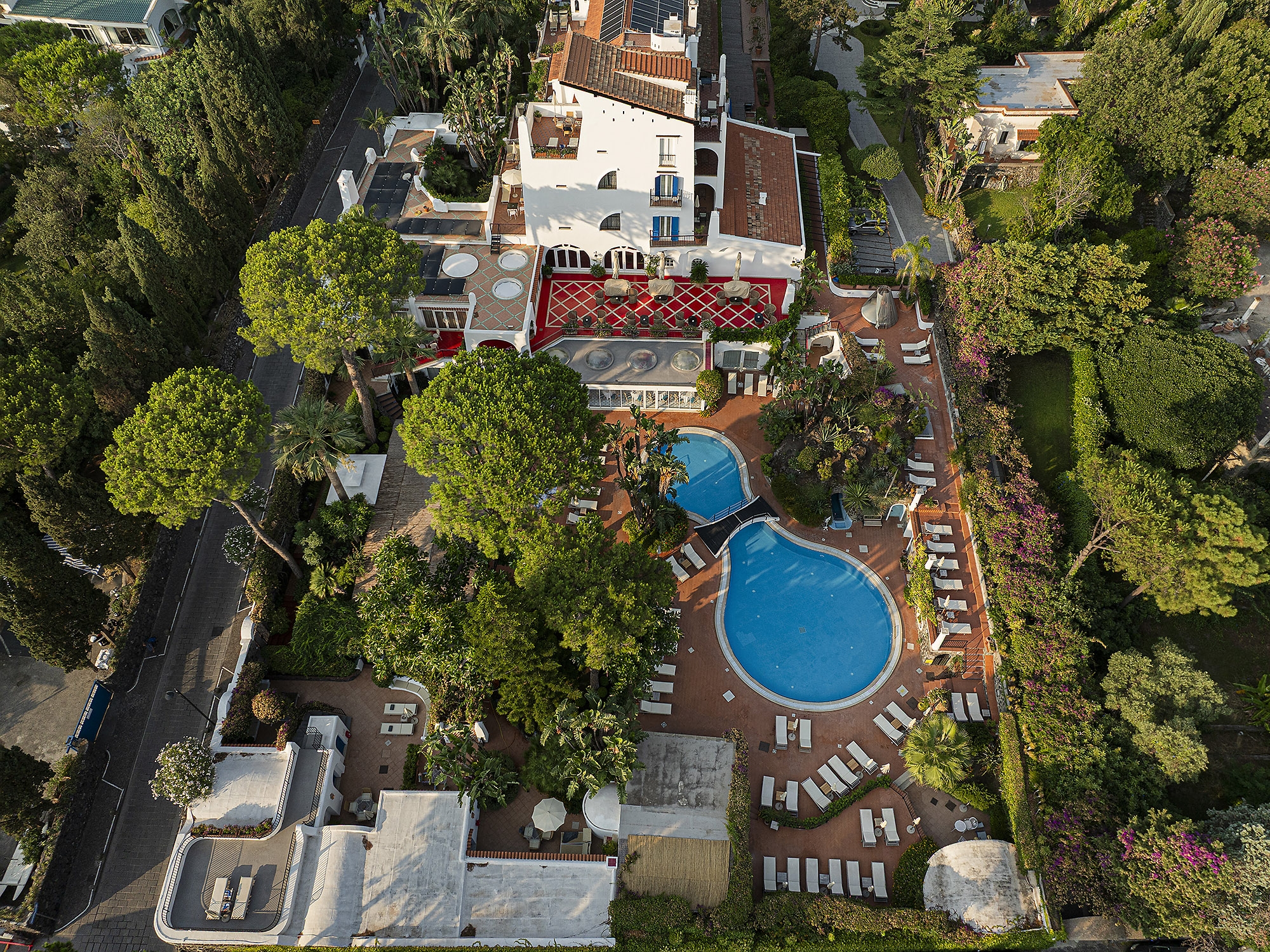
This is the season to enjoy the island's hospitality, its Mediterranean cuisine and those little rituals that transform a holiday into an experience: a swim at sunset, a stroll through the Mediterranean scrub, a dinner with a sea view. This spirit of hospitality is upheld by Leohotels Ischia, four independent hotels owned by the Leonessa family, which since 1966 have been showcasing the island through warm hospitality, tradition and attention to detail.

Camera-03
Aerea-01-4
Spiaggia-02
21Excels-3945
23Exc-268
23Exc-355
21Excels-202
Piscina-03
Piscina-01-1
Aerea-01-2
Camera-03
Aerea-01-4
Spiaggia-02
21Excels-3945
23Exc-268
23Exc-355
21Excels-202
Piscina-03
Piscina-01-1
Aerea-01-2


Four hotels: four moods


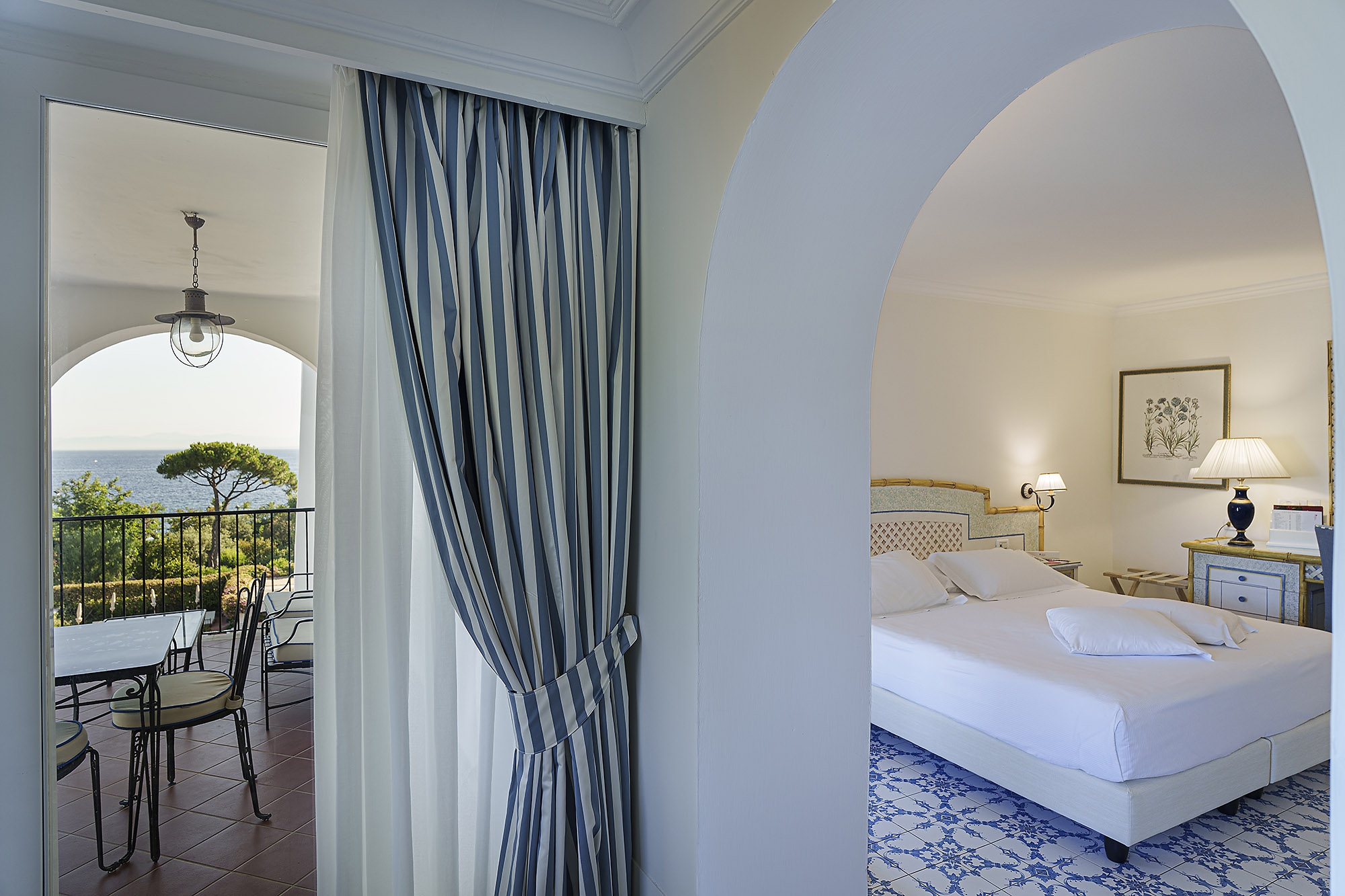
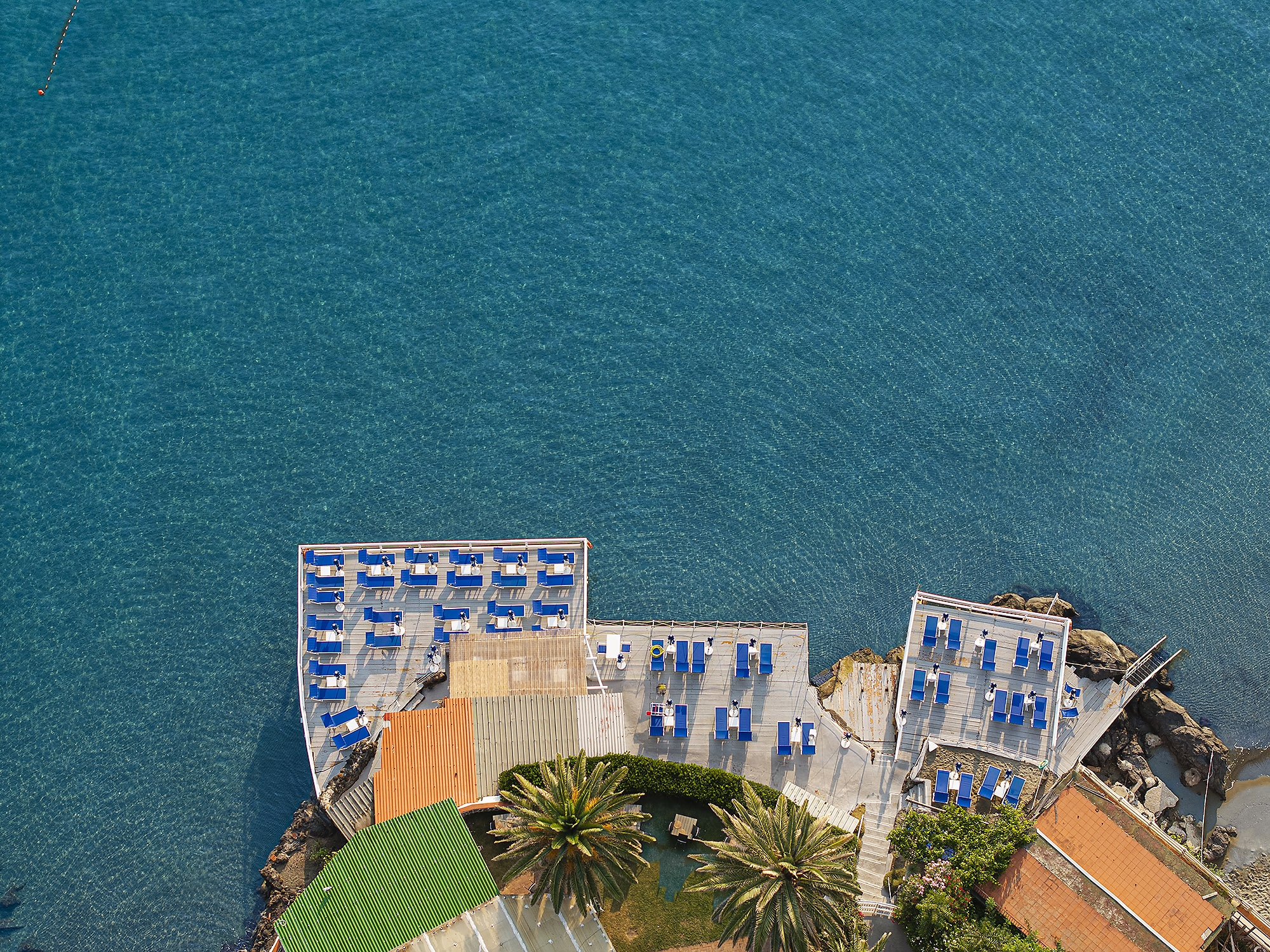
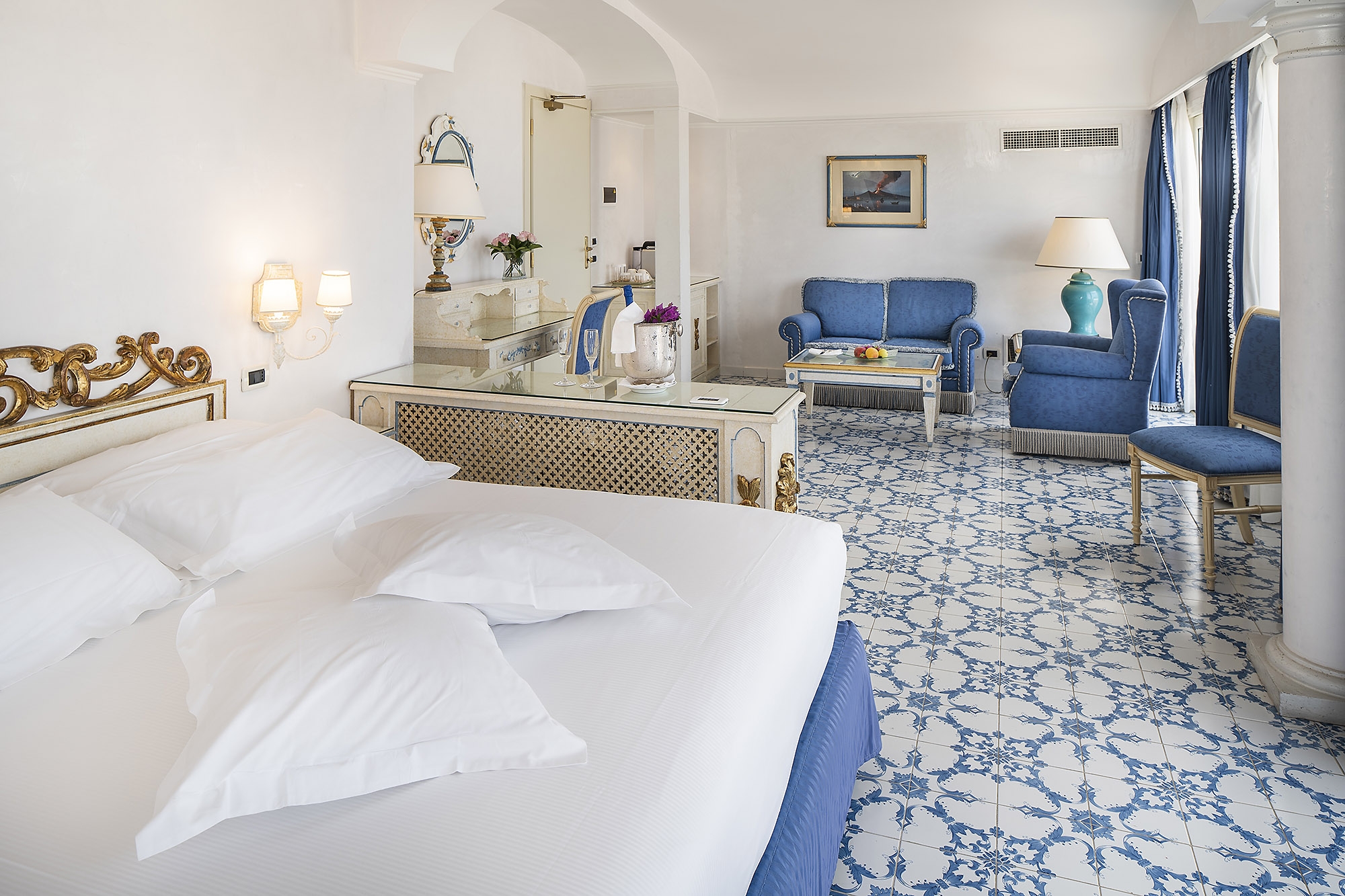
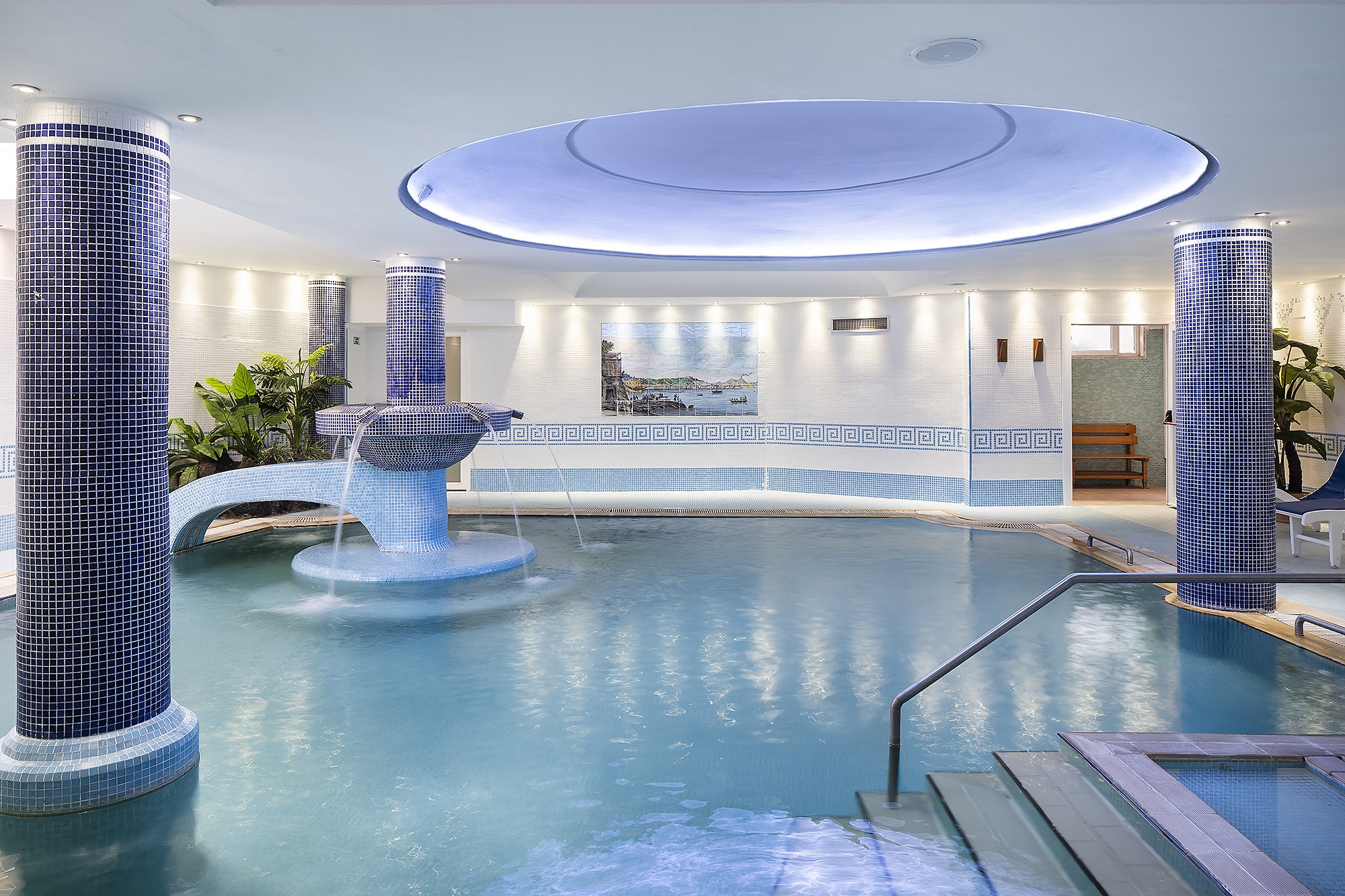
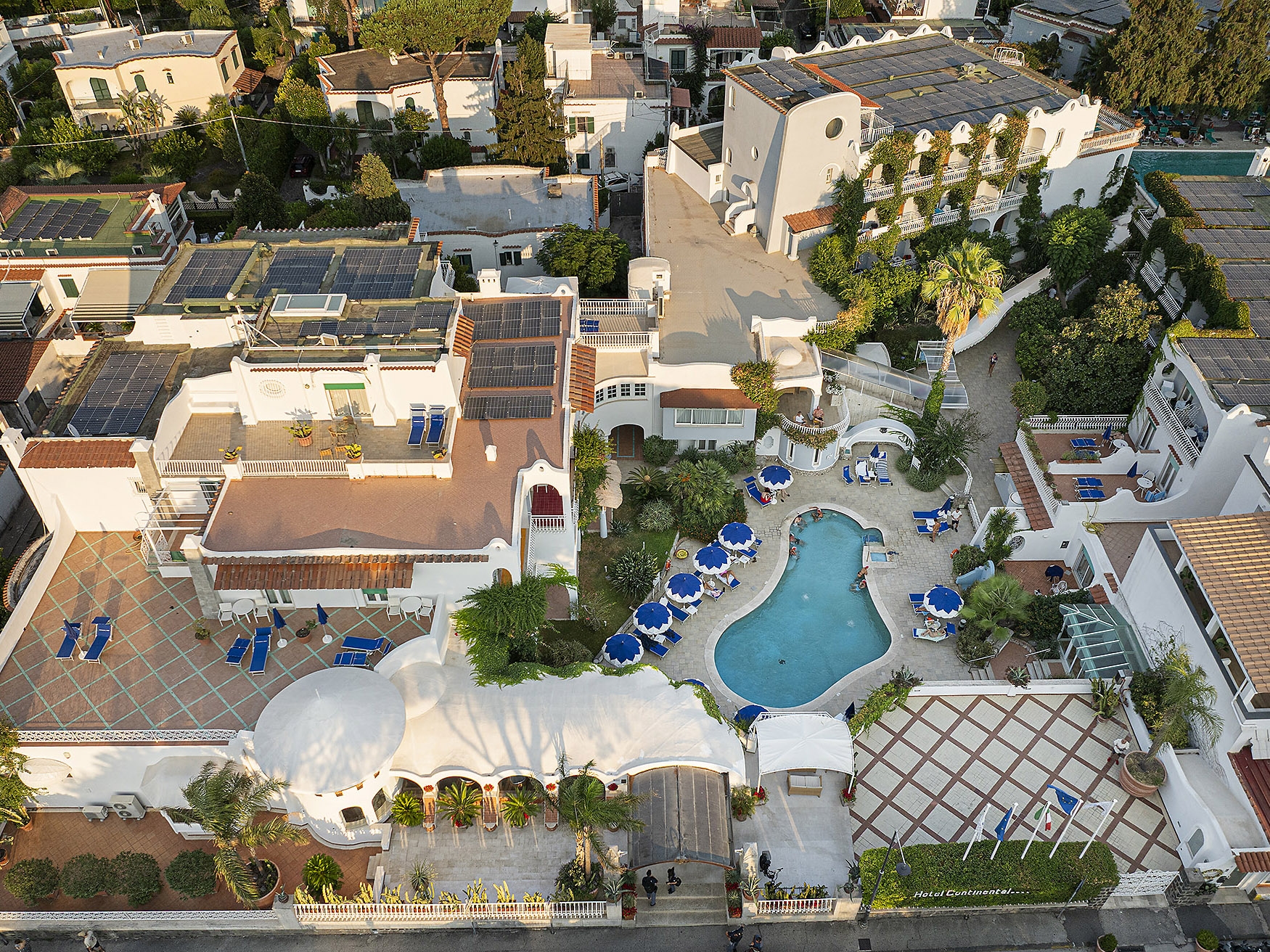
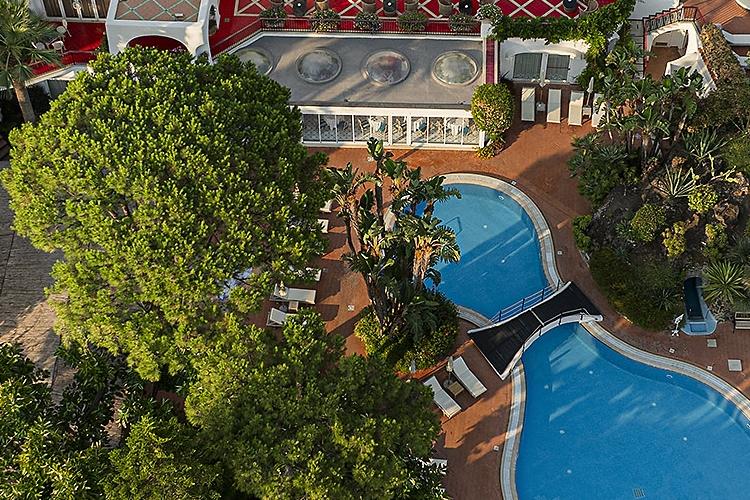
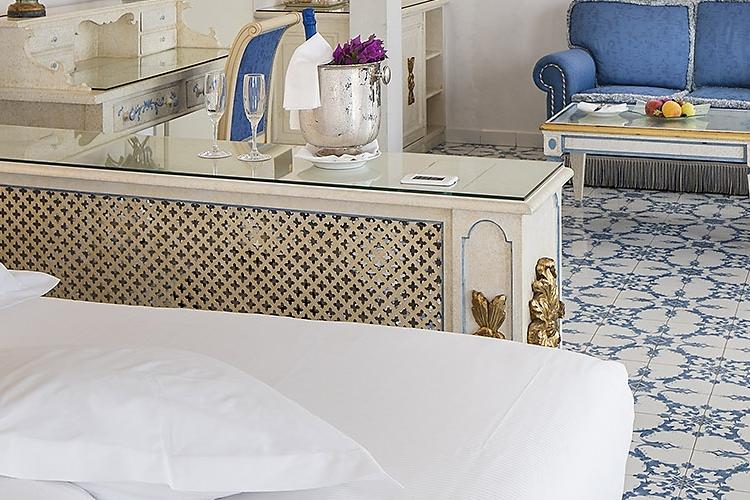
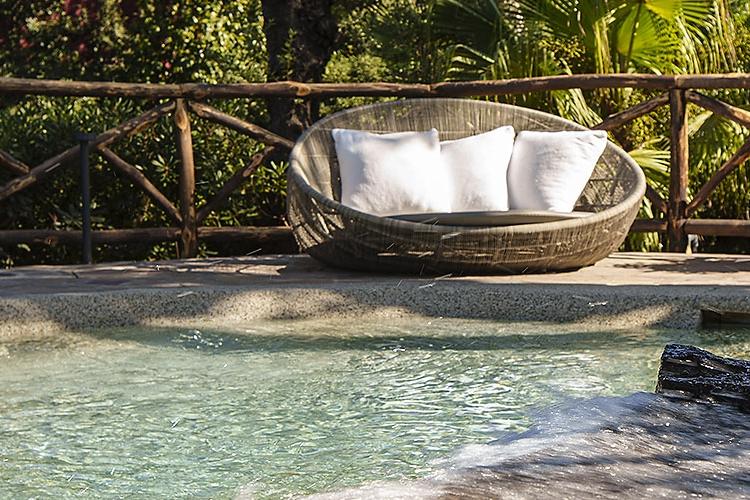
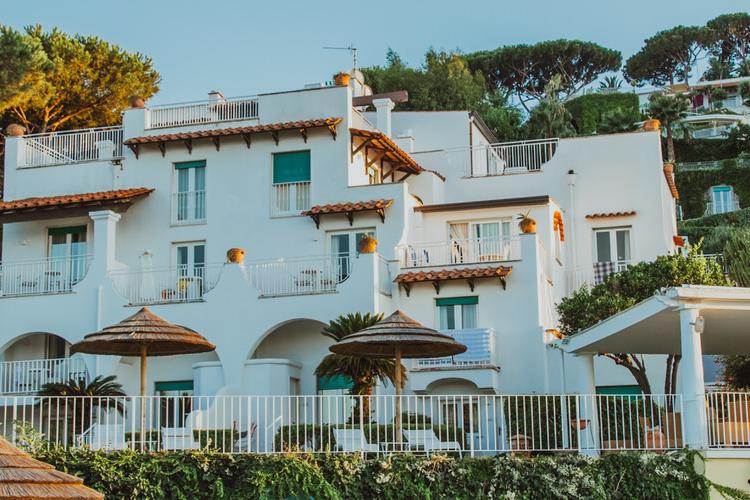
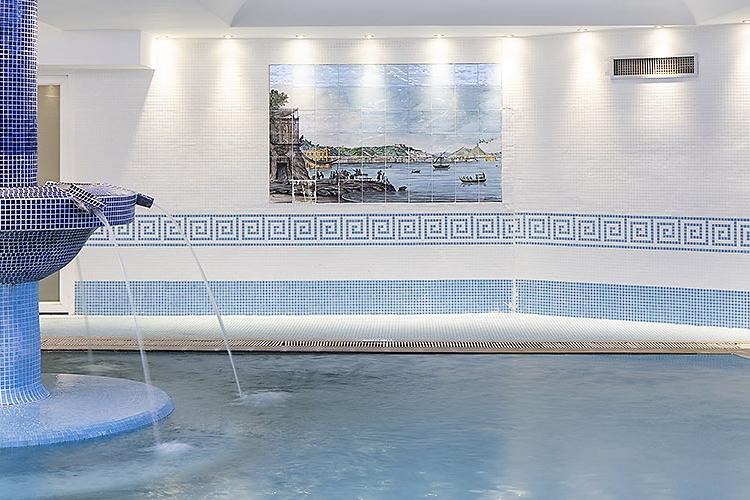
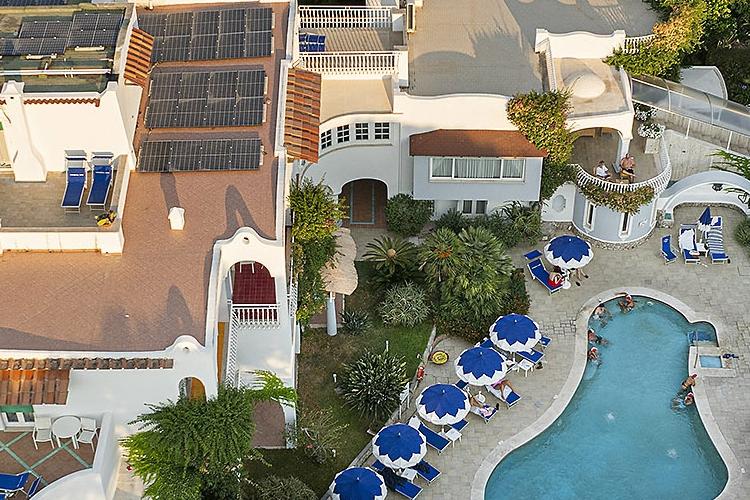
The Continental Terme has swimming pools fed by the natural waters of the Tifeo, and is a retreat dedicated to relaxation and the benefits of the thermal springs. Overlooking Cafiero Bay, the Continental Mare retains the charm of a private villa on the Mediterranean. In the heart of the island Il Moresco invites you to experience the most elegant and intimate side of Ischia, with its thermal pools, gardens and wine therapy programmes inspired by the grape harvest season. The Excelsior Belvedere Hotel & Spa, a historic residence in a centuries-old park, combines an aristocratic atmosphere, wellness and sea views in one of the island’s most picturesque corners.

Local cuisine and summer events


The journey also takes in the culinary scene. Ischian cuisine reflects the deep connection between sea and land. Vegetables from the garden, local fish, indigenous wines and recipes handed down through the
generations are given a contemporary twist in the hotels’ restaurants. The island’s calendar is packed with events to mark this special period. From 18 September to 5 October, Andar per Cantine (Visiting wine Cellars) returns: a journey through vineyards, scenic trails, historic wine cellars and small-scale producers, exploring local grape varieties such as Biancolella, Forastera and Per’ e Palummo.
Published in Hospitality

Melfi. linked to Federick II of Swabia, is one of Basilicata's most fascinating destinations.

Melfi's symbol is its imposing castle


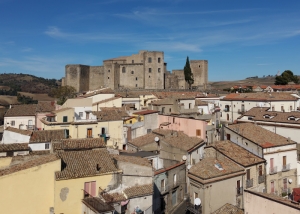
This Basilicata town brings together, in a single itinerary, its monumental heritage, historical legacy, folk traditions and culinary excellence - elements that are progressively enhancing its appeal on international markets. Its undisputed symbol is its imposing castle, linked to the great Norman and Swabian eras and now home to the ‘Massimo Pallottino’ National Archaeological Museum. Its rooms house important artefacts from the region’s history and allow visitors to embark on a journey through the eras and civilizations that have left a profound mark on the culture of southern Italy. Not far away, the Norman-Swabian Cathedral completes the town's architectural heritage.

melfi

An town shaped by political and religious events


The history of Melfi inextricably linked to the figure of Frederick II of Swabia. The famous Constitutions of Melfi, one of the most important examples of legislative organization in Europe in the Middle Ages, were promulgated in the castle in 1231. The town was also the scene of significant political and religious events, from papal councils to the birth of the first great Norman state in southern Italy, through the alliance between Robert Guiscard and Pope Nicholas II.
melfi

Aglianico wine and local products


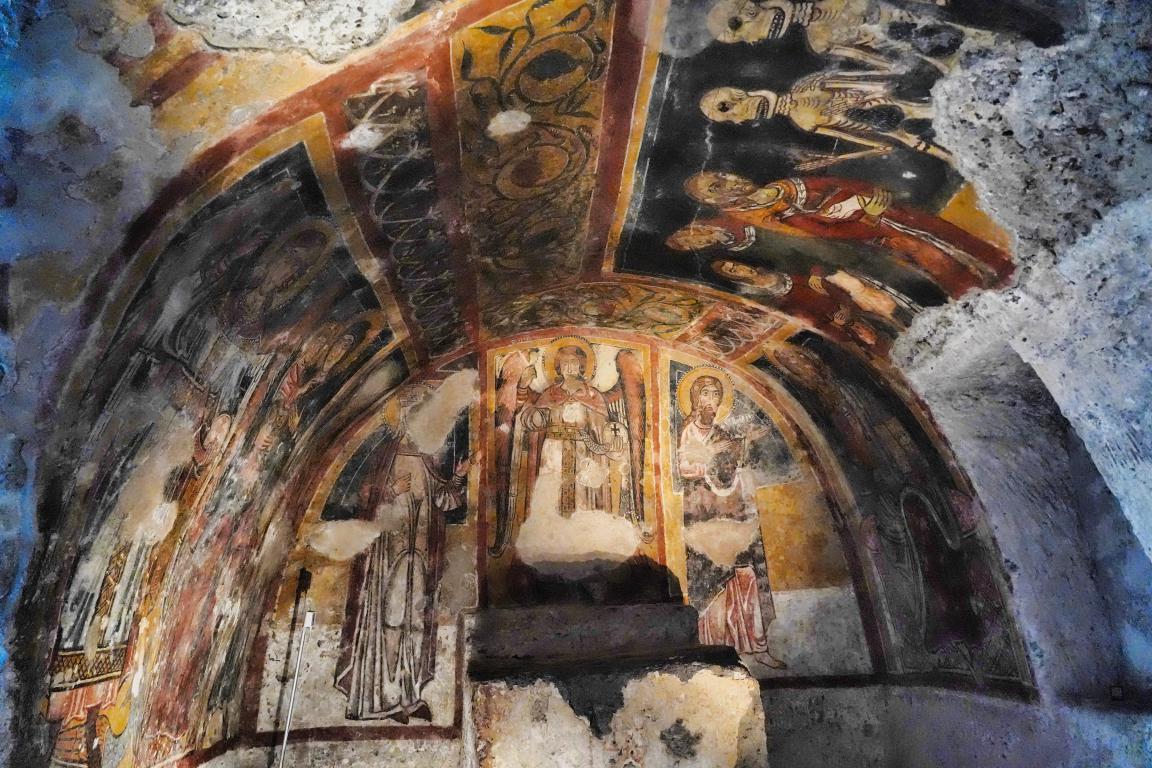
Alongside its best-known monuments, Melfi preserves less conventional yet deeply fascinating sites, such as rock-hewn churches like the Church of Santa Margherita which is a testament to medieval spirituality and art, with frescoes and depictions. Discovering the town also means trying its cuisine. The Vulture region is one of Basilicata’s most significant food and wine areas, and the Aglianico del Vulture is one of its flagship products. Grown on fertile volcanic soil, this wine reflects the character of a region with deep agricultural roots, and then there are gastronomic experience like the local extra virgin olive oil, Podolico caciocavallo cheese, meats and numerous traditional Lucanian specialties. Like the Varola chestnut which takes stage at the historic Sagra della Varola festival. Every third Sunday in October, the historic centre comes alive with the traditional "varole" used for roasting chestnuts. The festival attracts thousands of visitors and is one of the most significant events for promoting the town’s tourism and gastronomy.
melfi

A town to be discovered all year-round


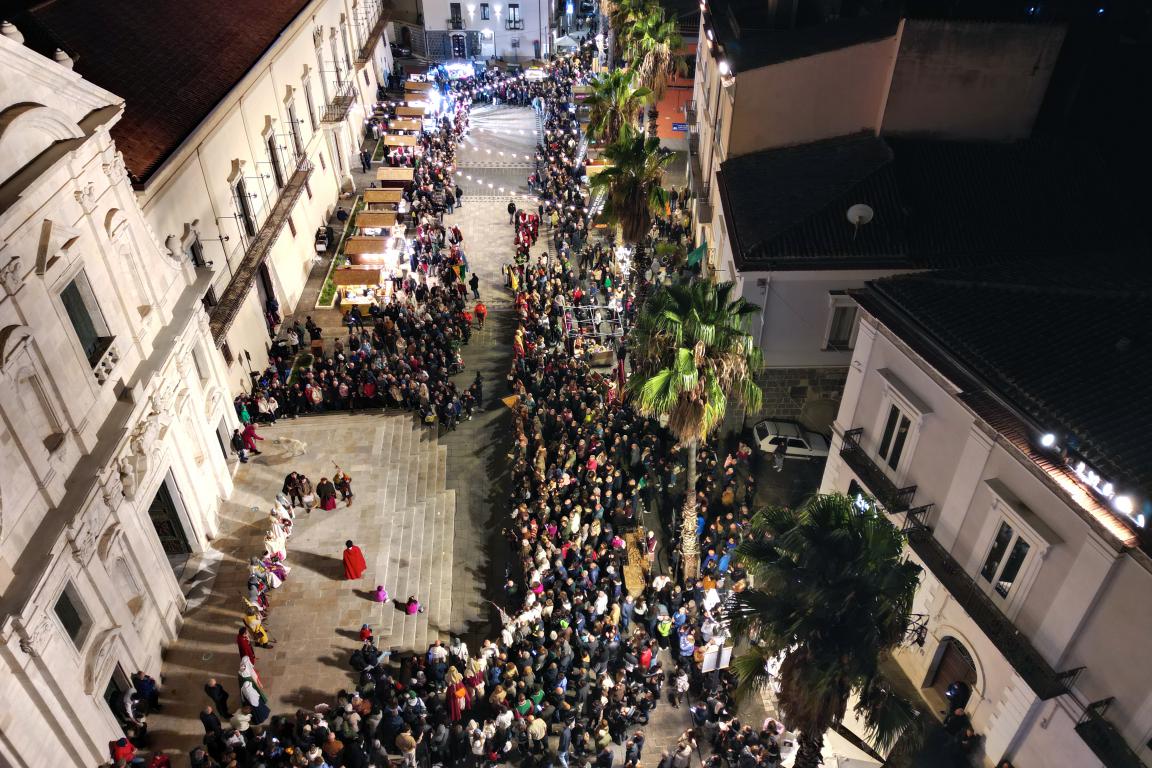
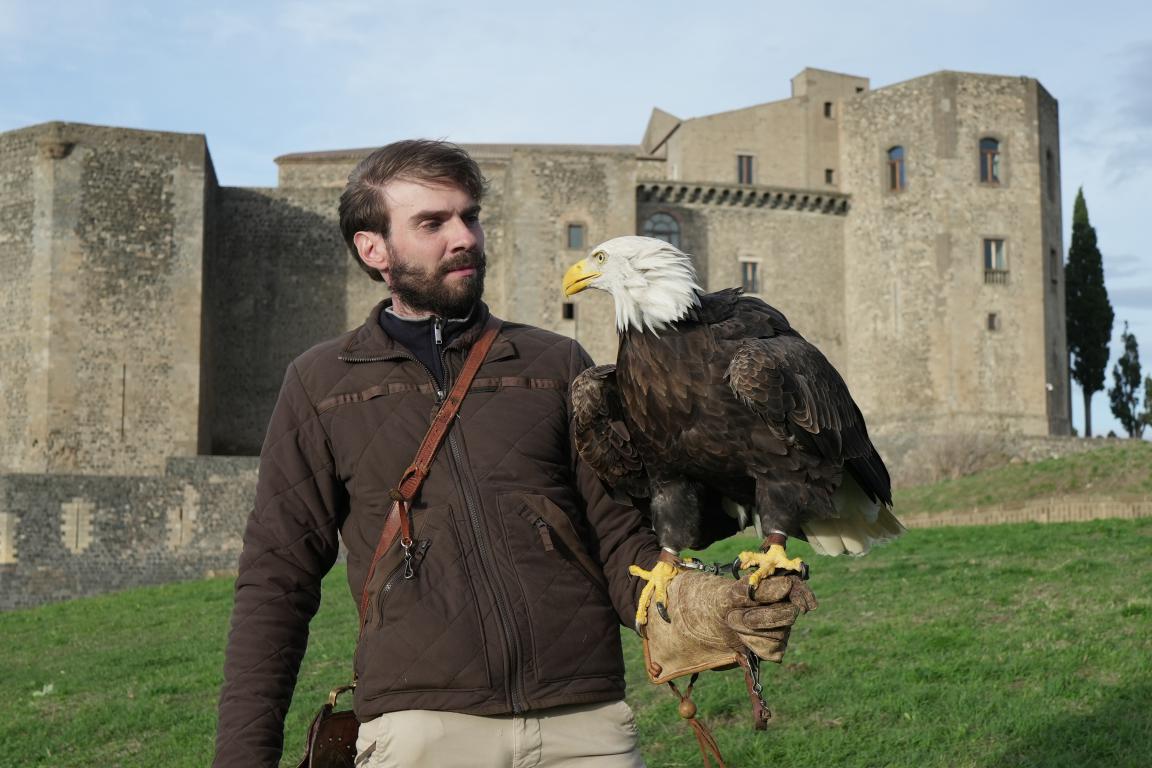
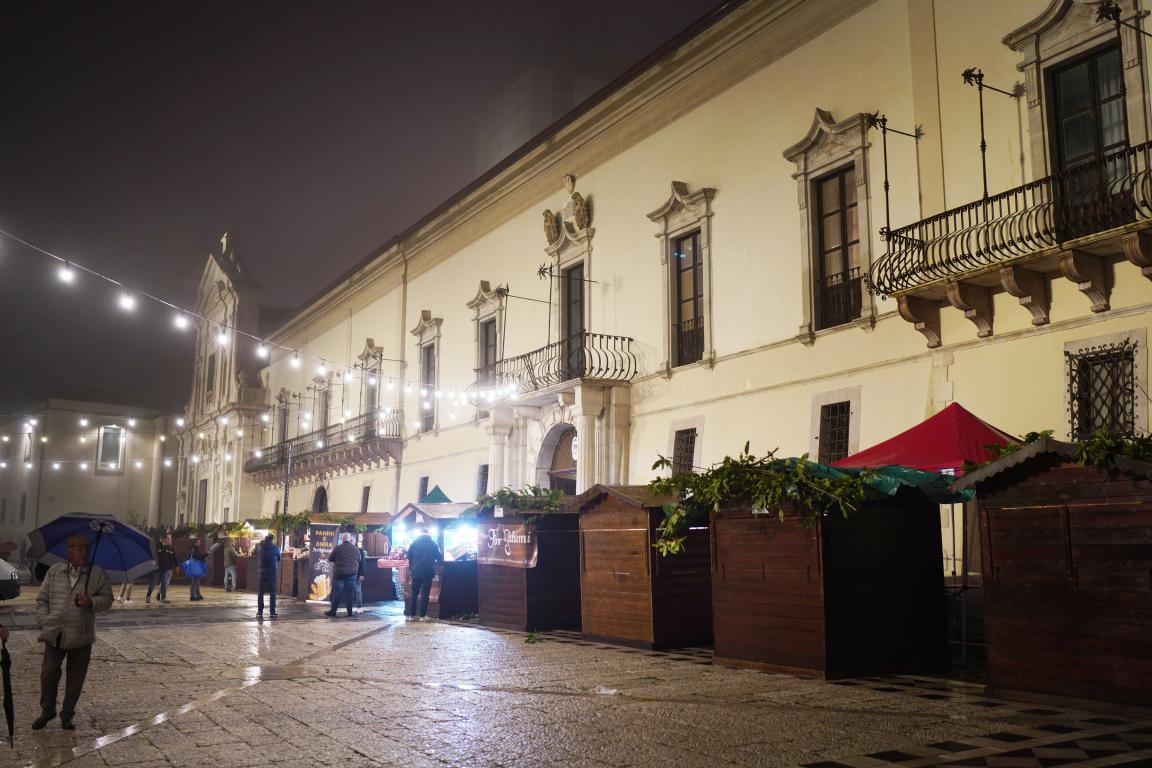
But Melfi’s attractions are not limited to autumn. The calendar of events spans most of the year, with historical re-enactments, cultural initiatives and celebrations like the Medieval Falconry Days, dedicated to the ancient art of falconry so beloved by Frederick II, with historical processions and performances that transform the town centre. In May the Whitsun celebrations commemorate the resistance of the local population during the Sack of Melfi in 1528, and during the winter months, Christmas events and cultural initiatives bring the castle grounds to life. With culture and tourism playing a strategic role in the region’s economic future, the promotion of the town historical, landscape and food-and-wine heritage is a tangible opportunity for economic development.

melfi

Consolidating the Matera-Melfi route


New digital tools and integrated promotional strategies are helping to consolidate the‘Matera-Melfi tourist route, linking two different yet complementary destinations. The town’s future thus depends on its ability to convey its identity in a contemporary way. Melfi offers travellers not only a historical heritage of significance, but a complete experience of landscapes, flavours, traditions, events and history in the heart of Basilicata.
Published in Cities & Regions

The Giovanni Fattori Civic Museum, housed in the splendid Villa Mimbelli, has reopened.

The link between the artist Fattori and his city


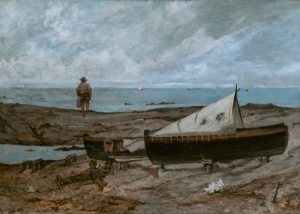
To understand the link between Livorno (also referred to as Leghorn in Engish) and Giovanni Fattori, one must start with the city itself. Visitors quickly discover one of its most fascinating curiosities: Piazza della Repubblica, a large urban space that is in fact a gigantic bridge built in the mid-19th century over the Fosso Reale, and one of the city’s symbols. Not far away, next to the Cisternino di Città, a bronze statue watches over the daily comings and goings of residents and tourists. It is of Giovanni Fattori, born in Livorno in 1825 and destined to become one of the leading figures of 19th-century Italian painti and a a master of the Macchiaioli movement.

museo fattori2 scaled 1920x1536Fattori Museum courtesy of Open Mind Consulting
Paintings, drawings and etchings are on display


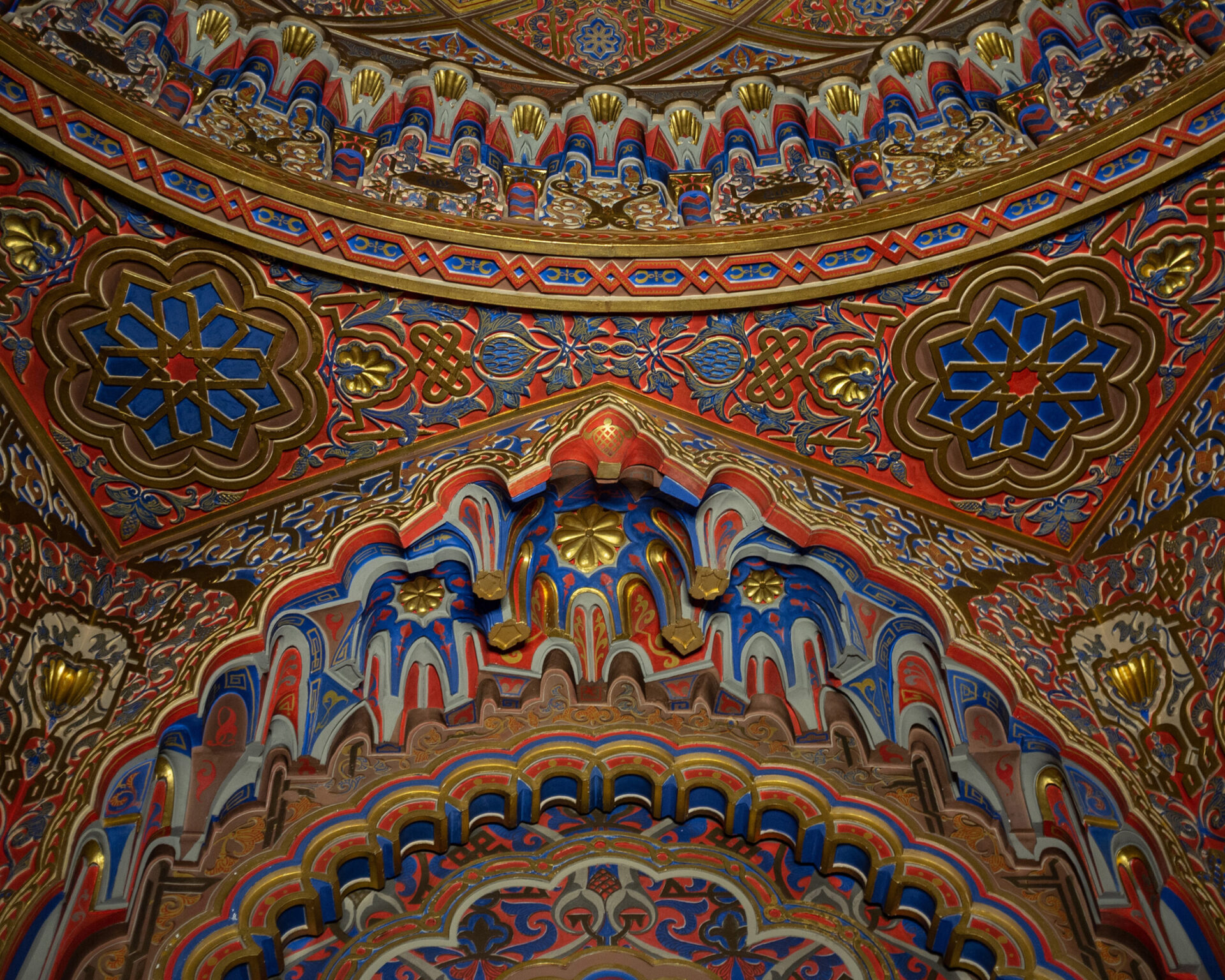
Today Fattori's city pays tribute to him with the reopening of the permanent collection in the historic rooms of Villa Mimbelli, an elegant 19th-century residence. The reopening follows the great success of the celebrations marking the bicentenary of the artist’s birth, which in 2025 brought national attention back to his work and his deep connection with Livorno. The new exhibition itinerary guides visitors through Fattori’s various creative periods. Paintings, drawings and etchings reveal an artist capable of transforming everyday life into visual poetry. The galleries house works that trace the entire evolution of his artistic language: from his years of academic training through to his full artistic maturity within the Macchiaioli movement and his famous views of the Maremma.

museo fattori3 scaled 1920x1536Fattori Museum courtesy of Open Mind Consulting

A journey into the soul of Livorno


Particularly evocative is the section dedicated to etchings, in which Fattori the ‘engraver’ conveys the same narrative intensity as his canvases, but with a drier, more rigorous line. Here, reality appears filtered through a direct gaze, capable of capturing the essence of people and places. Visiting the Fattori Museum means going beyond a simple museum experience. It is a journey into the soul of Livorno and nineteenth-century Italy, through history, landscape and memory. An invitation to discover the city through the eyes of an artist who never ceased to feel, with pride, deeply Livornese.
Published in Cities & Regions

The secret soul of Teano in Campaia is revealed with wine and cuisine at the newly-opened Il Quinto Elemento.


An abandoned building has been restored

There are places that do not ask to be rushed through. Teano, on the slopes of Roccamonfina, in northern Campania, is the town that boasts an ancient history, unspoiled landscapes and a culinary culture that deserves to be discovered. It is here, in the heart of the historic centre, that Il Quinto Elemento, a wine bistro with a restaurant, four guest rooms and a secret garden, recently opened. The project by Maurizio Landolfi and Gloria Cinquegrana is in an ancient building that had long been abandoned. The restoration has preserved its while breathing new life into it through unpretentious, contemporary hospitality.

A roof garden and cozy dining rooms
Il Quinto Elemento ph credits: Aurora Scotto di Minico

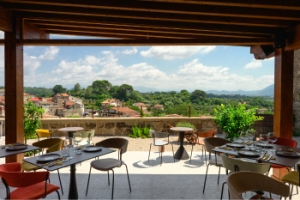
At number 64 Vico Viola, just a stone’s throw from Porta Napoli, the oldest surviving gateway to the medieval city, an arched doorway leads into an almost hidden world. The surprise is the roof garden, overlooking the rooftops of Teano, its domes and bell towers. Amidst citrus trees and Mediterranean plants, a large wooden pergola shelters the tables for al fresco dining while inside the cozy dining rooms and a crackling open fire create an intimate atmosphere, particularly evocative during the colder months. The project’s name is in itself a statement of intent. Il Quinto Elemento evokes the Aristotelian quintessence, that was added to earth, air, fire and water as a pure, eternal and immutable substance.

Local cheeses, cured meats and wines
Il Quinto Elemento ph credits: Aurora Scotto di MinicoIl Quinto Elemento ph credits: Aurora Scotto di Minico

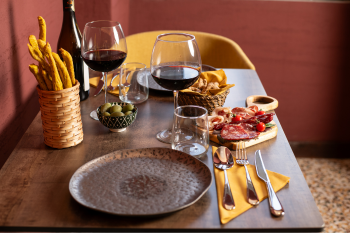
The cuisine, helmed by Anna Merlino, stems from a deep understanding of the local area and a desire to bring its diversity to the plate. Fresh egg pasta, bread made with ancient grains and sourdough starter, artisan cured meats, cheeses from small-scale producers, vegetables, pulses and aromatic herbs tell the story of a bountiful land, deeply rooted in seasonality, reviving the traditions and flavours of the Upper Caserta region.

Four gastronomic journeys to choose from

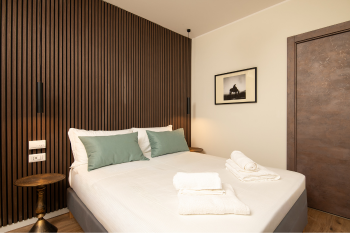
There are four gastronomic journeys, each linked to one of the elements: Earth, Air, Water and Fire. The first is the most deeply rooted in the local area; Fire takes the spicy route; Water embraces fusion with seafood; Air, on the other hand, interprets a vegetarian cuisine. The journey includes platters, hot and cold dishes and a seasonal first course, in a gastronomic narrative that invites discovery rather than formality. And then there is the wine, produced around the Roccamonfina volcano and an ancient winemaking tradition. And on the first floor of the adjacent building there are four rooms – Earth, Air, Water and Fire – inviting you to stay a little longer.

A Roman theatre, a castle and woodlands

Teano, founded in the 4th century B.C. was an important centre in antiquity thanks to its location between the Via Latina and the Via Appia. The Roman Theatre, the Lombard Castle and the Archaeological Museum of Teanum Sidicinum are highlights of a heritage spanning centuries of history. And for those wishing to explore further there are the woods of the Roccamonfina-Foce Garigliano Regional Park, the villages of the upper Caserta area, Capua and, further on, the Royal Palace of Caserta.

For information: www.ilquinto-elemento.it

Published in Hospitality
Page 1 of 6
Image

Latest Video

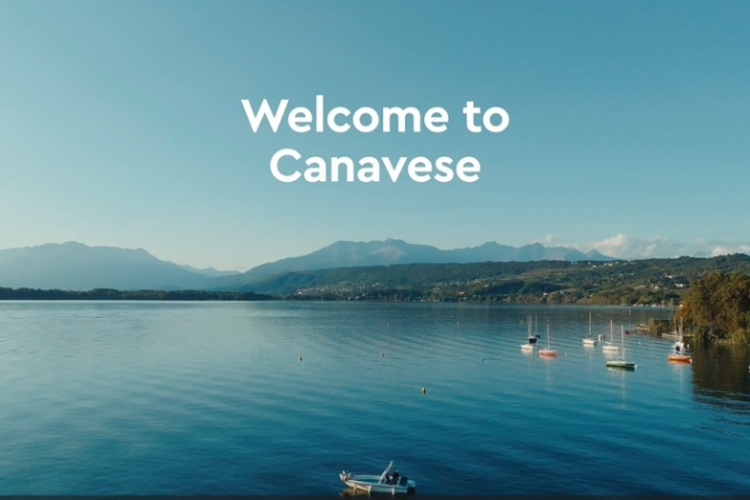
Welcome to Canavese
Video

Welcome to Canavese

Welcome to Canavese, an unexpected corner of Piedmont where …

843
Welcome to Canavese
Video

Welcome to Canavese

Welcome to Canavese, an unexpected corner of Piedmont where …

843
© 2021 Travel Open Day Srl | All Rights Reserved. - P.IVA IT13119651001