














Torchiara's Cilento History tours in the heart of the Campania region feature village festivals, the Mediterranean seabord, archaeological sites and traditions that continue to thrive.The Cilento History Tour was created by Torchiara, Angela Rizzo's new tour operator. A project rooted in the region, which showcases a destination that offers travellers experiences far removed from the pace of mass tourism. Travel seen as an encounter with places that have stories to tell, where there are people to meet, flavours to discover and landscapes to explore at a leisurely pace.
Exploring lesser-known areas
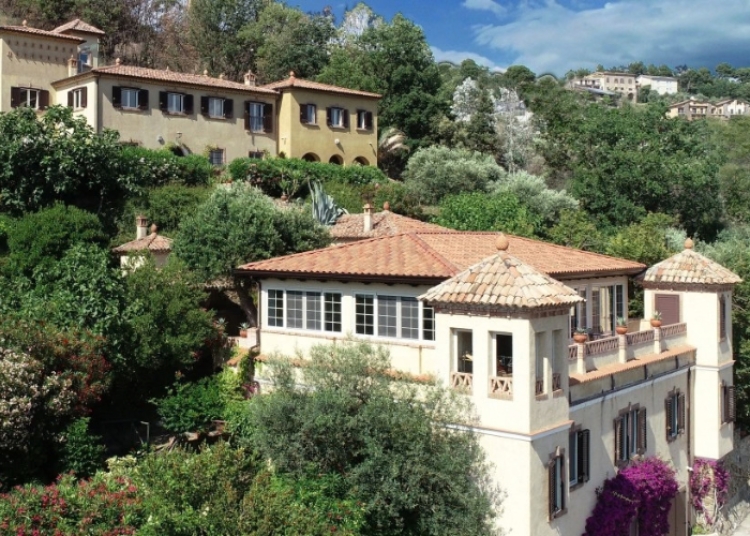
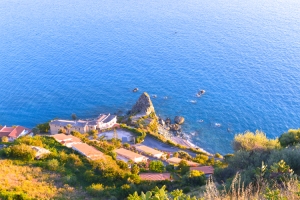
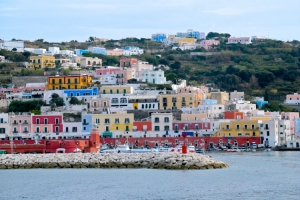
Cilento is a land of harmonious contrasts. The coastline has beaches and headlands, coves and small harbours while further inland roads wind up tohilltop villages, olive groves, woodlands and rural landscapes. Cilento History Tour offers itineraries for small groups that are designed to link the best-known sites with lesser-explored areas. The journey can start on the coast of Agropoli, with the traditional Procession at Sea of the Madonna of Constantinople and visitors watching the statue’s procession as fireworks light up the night sky. From the coast the route then heads inland to Torchiara, where the elegance of Borgo Riccio reveals another facet of the region: that of historic residences and architecture linked to the memories of families and places. In Prignano Cilento, a visit to the Torre Volpe, dating back to the 12th century and part of the Association of Italian Historic Houses, adds another piece to the puzzle of discovering a heritage that is often hidden behind the doors of historic town centres.
Paestum, Velia and Padula: the great history of Cilento
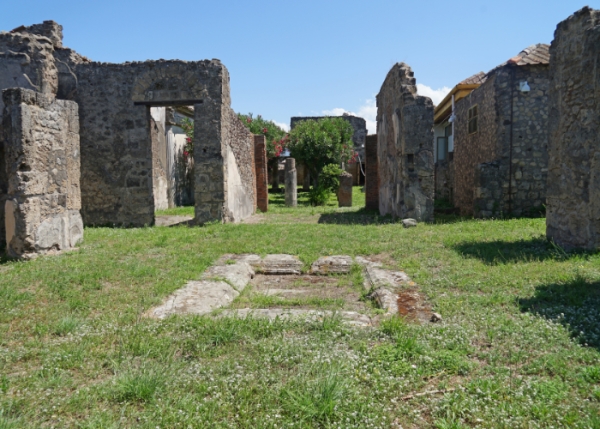
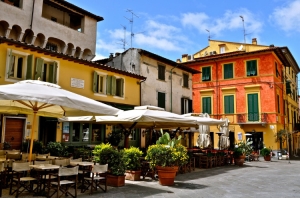
No journey through the region can be complete without exploring its archaeological and monumental heritage. Suggested itineraries include the Archaeological Parks of Paestum and Velia and the Certosa di San Lorenzo in Padula, sites that reveal the complexity of this part of Campania’s history. In Paestum, the grandeur of the Greek temples tells the story of Magna Graecia; in Velia, the ruins of the ancient city evoke the presence of the Eleatic school of philosophy; in Padula, the charterhouse offers a glimpse into a world of architecture, spirituality and art. And along the way there are the Cilento's small towns with squares, shops, historic houses and local stories.
Contemporary art and seafood
One of the region’s distinctive features is its ability to embrace contemporary forms of expression. Through the Contemporary Art Trails in Cilento, created in collaboration with the Campania Region, works of art have been integrated into the spaces of the ancient villages. The result is an itinerary in which the past enters into dialogue with the present. Then there is the cuisine which is perhaps the most immediate way to connect with the soul of a land. Cilento’s gastronomic heritage stems from the interplay between agriculture, fishing, sheep farming and the produce of the land. Local dishes use aubergines, handmade cavatelli pasta, cheese and friend anchovies, Cilento-style pizza, mozzarella di bufala, cherry tomatoes, extra virgin olive oil, and the local wines includ Aglianico and Fiano del Cilento. In Marina di Camerota visitors are taken to Pozzallo beach for a dinner of freshly caught and fried fish, accompanied by Aubergine Parmigiana.


