




Flights to Naples, Rome and Palermo
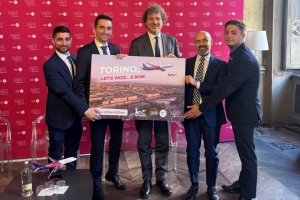
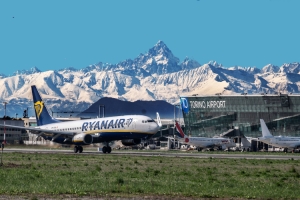
The new Turin base is the airline's 40th global base and from14 September the Hungarian airline – the country’s second-largest low-cost carrier by market share – will base a new-generation Airbus A321neo at Caselle Airport, with a second aircraft joining it from 25 October. The airline will also launch seven new routes from Turin, with a daily service to Naples (from 1 December), up to 11 weekly flights to Rome Fiumicino and two daily flights to Palermo, a route active since 4 May.
A strong focus on Spain-Italy flights
There is also a strong focus on the Spanish market. A brand-new addition for Turin Airport is the launch of three weekly flights to Bilbao from 14 September. From the same date, a daily service to Barcelona will also commence, whilst the service to Valencia will begin on 15 September with four weekly flights. From 25 October, four-times-weekly services to Madrid and three-times-weekly services to Malaga will commence.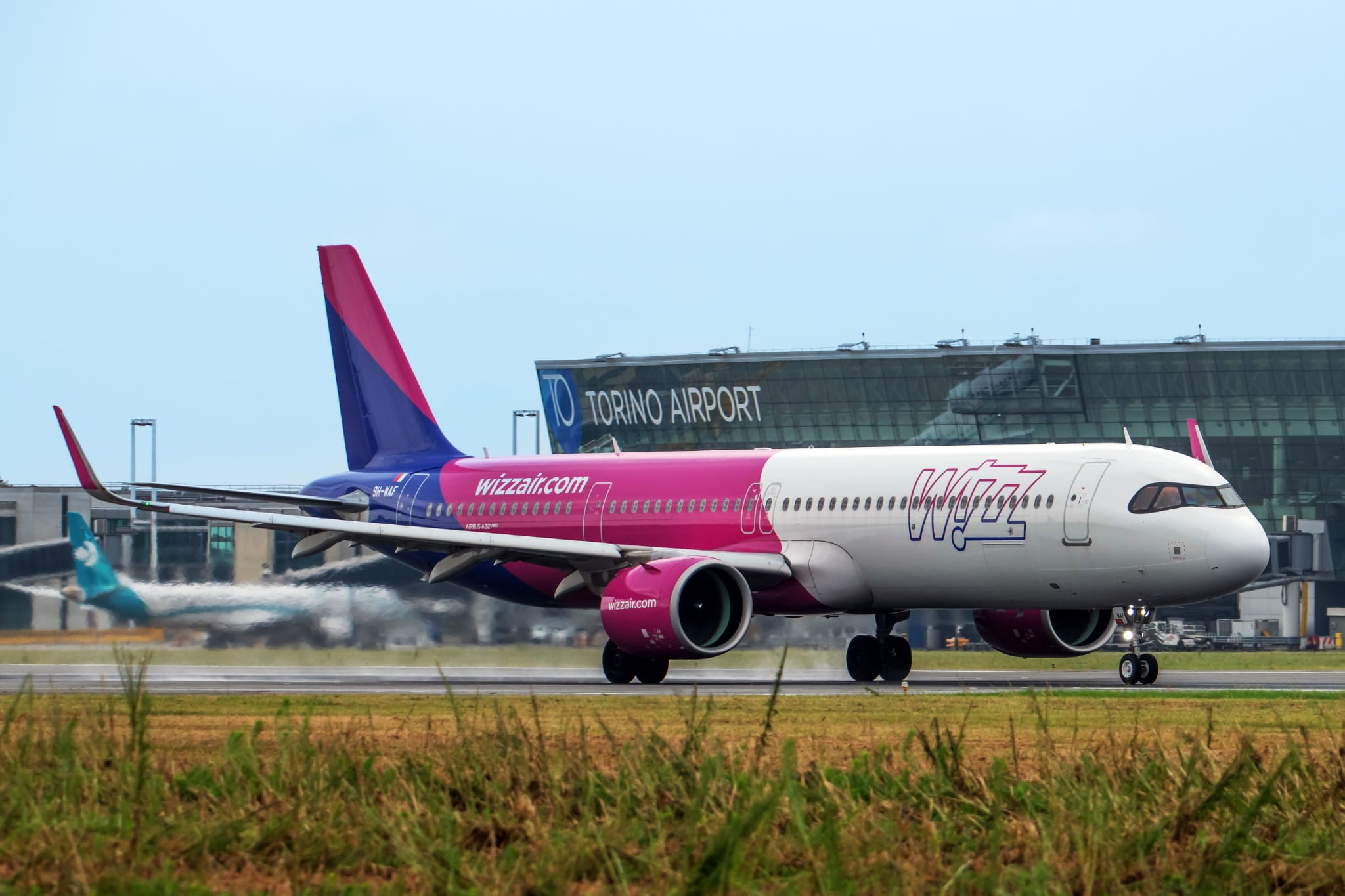 Wizz Air Torino Airport
Two new aircraft for Turin
The new base will have a significant impact on the local area, creating some 80 new direct jobs and 700 indirect jobs. “This is a highly significant step for the development of our network and for strengthening connectivity in Northern Italy,- said Andras Szabo, network officer Wizz Air. - The arrival of two new aircraft in Turin represents a tangible investment that can generate economic and employment value, making the region increasingly accessible and competitive within Europe.”
Over 27 million seats in 2026
Satisfaction was also expressed by Andrea Andorno, CEO of Turin Airport: “The opening of the base strengthens Piedmont’s connectivity, supports tourist and business flows and generates significant employment benefits, confirming the airport’s appeal and the solidity of its growth trajectory.” The expansion from Turin is part of Wizz Air’s broader development plan in Italy: in 2026 the airline will offer over 27 million seats (+35% compared to 2025), operating more than 120,000 flights (+25%), with a fleet of 38 aircraft based in the country
The Consortium is a level for growth
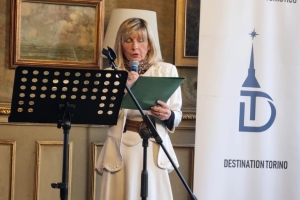
The Consortium brings together accommodation providers, private operators and specialist services with a single voice and a shared vision aimed at overcoming fragmentation and boosting Turin’s presence on national and international markets. “Born of a shared vision, the Consortiuim is a lever for growth that engages with the economy, culture and innovation without supplanting other sectors,” says Caterina Fioritti, president of the Consortium whose vice-presidents are Fabio Borio and Laura Audi.
Public and private stakeholders
Destinazione Torino coordinates public and private stakeholders that have helped build a tourism sector based on culture, food and wine, business, universities, industry, innovation and major events, Members include GL Events (Lingotto Fiere), SET – Scalo Eventi Torino, Fiavet Piemonte, the National Automobile Museum, the Circolo dei Lettori Foundation, the Lavazza Museum, Casa Martini and the Stupinigi and Cavourese Golf Clubs.
“The operational hub is the Hotel Booking Centre”
“We operate in a constructive spirit without replacing existing bodies but working alongside them to promote constant dialogue. The operational hub is the Hotel Booking Centre, integrated with Federalberghi’s Italyhotels portal, which manages availability and competitive rates. The network brings together 2,700 rooms offering around 6,000 beds across hotels and apartments, with the aim of presenting itself to the market as a single point of contact and boosting Turin’s position in the leisure and MICE sectors.
Over 12,000 events in 2024
Particular attention is paid to strategic sectors such as golf and conferences. In 2024, over 12,000 events, of which 36 international conferences, were organized in the Turin metropolitan area, attracting some million and a half visitors. This is complemented by modern facilities, including the Lingotto Exhibition Centre, which is awaiting redevelopment. The aim is to build a competitive destination that can attract new visitor flows from international markets, overcome seasonal peaks and spread visitor numbers throughout the year with tourism and sport seen as drivers for creating jobs, attracting investment and strengthening the city’s image.
Transforming challenges into opportunities for growth
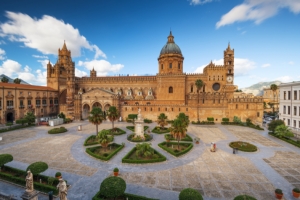
Describing an island rich in cultural heritage, breathtaking landscapes and excellent food and wine, she also addressed the challenges that are holding back its development, underscoring the commitment to transforming them into opportunities for growth. “The balance sheet is certainly positive as confirmed by the figures, with growth posted in both arrivals and overnight stays. But the most significant data concerns the quality of the work carried out, particularly in terms of deseasonalization and delocalization. The seasonality index has gone from 0.64 in 2023 to 0.62 in 2025, a concrete result that was not easy to achieve, and was the result of planning, flow analysis and constant monitoring.” said Amati.
“Sicily is competitive on an international level”
Now the goal is to concentrate resources where they generate real economic development. “We don't want tourists who merely visit Sicily, but who experience it. Sicily is competitive on an international level thanks to its unique natural, monumental and architectural heritage. However, tourism is a cross-cutting sector: without efficient transport, enhanced cultural heritage and synergy between agriculture, economic development and the hospitality system, it cannot grow. Hotels can also contribute by promoting other destinations on the island, such as Agrigento, Selinunte, Segesta and Taormina, in order to create widespread development and new jobs, added the councillor.
An €580 million allocation after the cyclone
To remedy the extensive damage caused by Cyclone Henry in January, €580 million has been allocated for the reconstruction of infrastructure and economic activities. “The challenge now is to turn this difficulty into an opportunity,- continued the councillor, -reaffirming that Sicily is alive and welcoming. I extend an invitation to everyone to visit Sardinia and Calabria as well, in a spirit of solidarity and collective revival.” Among Sicily's strengths, food and wine remain one of the most sought-after experiences, recognized throughout Europe for their quality and authenticity.
Film crews stay for months on the island
Film tourism is also strategic, transforming the island into an international showcase: productions such as “The White Lotus” and “The Leopard” attract film crews who stay for months, employ local workers and promote new destinations, creating direct and indirect economic benefits. This phenomenon also favours segments such as weddings, sports and set-jetting, consolidating Sicily's position in key markets like Germany, France and the United States through a targeted and coordinated strategy.
In tourism perception can be a competitive advantage
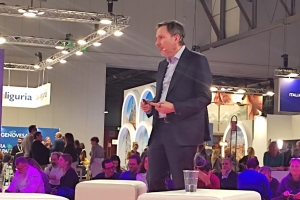
How we present ourselves is one thing, but how the world perceives us is another was the topic addressed at “Italiamammamia” by Simon Anholt, pioneer of Nation Branding and founder of the Good Country Index. The speaker invited nations to be not only competitive, but also “good” for the world, taking on an ethical and responsible role in global challenges. An issue that also applies to tourism, where perception can become a competitive advantage and help build a more authoritative image.
“Countries have an image and…it really matters”
In his one-man show Anholt compared different countries, confirming that Italy is among the most admired for its culture and creativity, despite the ups and downs related to governance and sustainability that influence tourism, exports and investment attractiveness. “In 1998 I made my first big mistake, arguing that the image of countries was crucial. Unable to truly know nearly 200 nations, we perceive them through prejudices and clichés. I coined the term “Nation Brand” to emphasize that countries have an image and that it really matters,” said Anholt.
Culture is the most powerful lever
A country's image is crucial and it boosts tourism, investment, trade and margins on exported products and since 2005 it has been measured using the Anholt Nation Brands Index which evaluates 50-60 countries. Culture remains the most powerful lever: “A positive perception of culture has a favourable influence on all other areas, even though many governments underestimate its economic impact.”
“Italy…among the three most admired countries”
“Italy is in the fast lane. It benefits from strong and positive clichés - from cuisine to iconic symbols - that reinforce its global recognition and familiarity. Between 2008 and 2025 Italy’s reputation improved and major powers like Germany, the United Kingdom, the United States, France, Japan, Canada, Switzerland and Australia gained relative positions. In 2024-2025 Italy remains among the three most admired countries alongside Japan and Germany, showing how the international image can evolve profoundly over time,” added Anholt.
Italy's image remains very strong
Italy’s slight drop from third to fourth place is not a cause for concern, not least because the overall score has increased, and changes often depend on the movements of others, such as the rise of Canada or the decline of the United States. So Italy's image remains very strong, maintaining and strengthening it calls for concrete action and a credible commitment to international cooperation, and not just to communication.
Fifty private residences in Piedmont
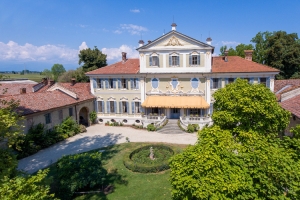
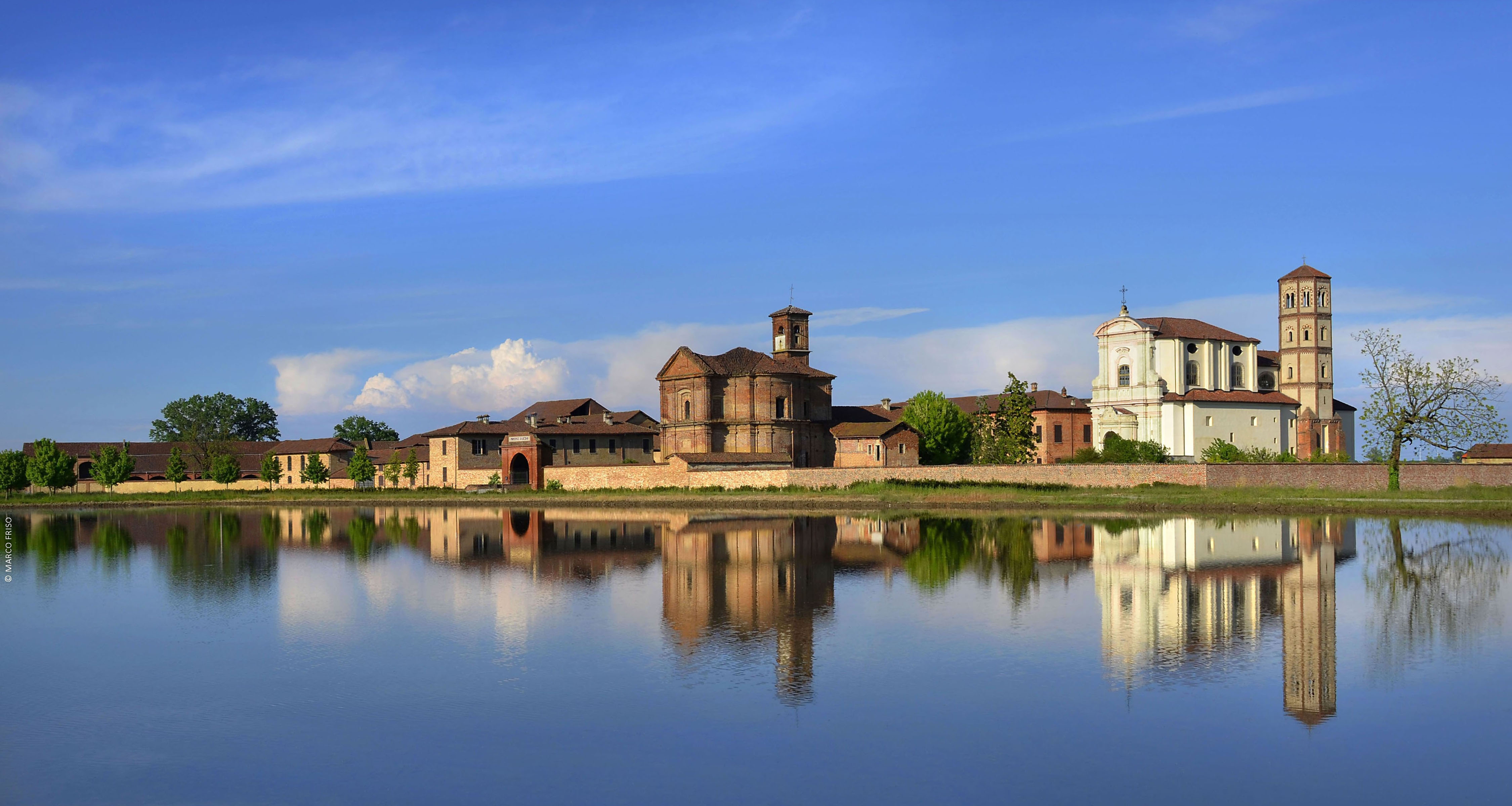
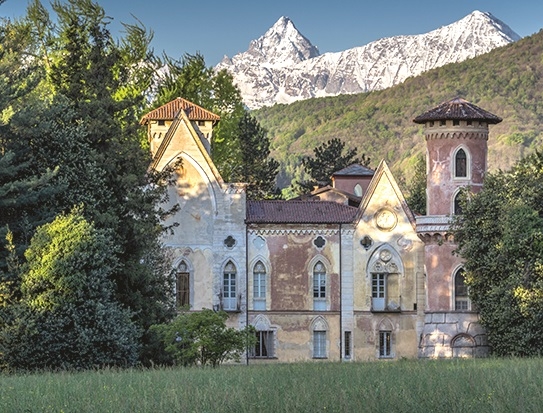
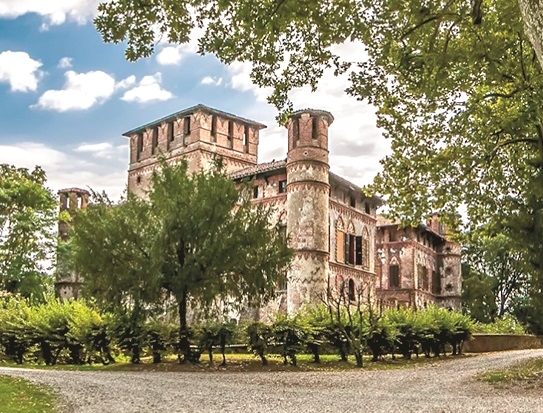
Promoted by the Piedmont and Aosta Valley section of A.D.S.I. (Association of Italian Historic Houses) in collaboration with Fiavet Piedmont, it has the potential of an exclusive and versatile product, involving fifty private historic residences, of various eras and styles, that are usually not open to visitors.
Twelve itineraries are currently available
Fifty stories of an Italy that, through the halls and gardens of villas and castles, tells anecdotes, curiosities, stories of families and descendants - often related to dynasties of other nations. There are twelve itineraries currently available, designed to complement a traditional stay but also as an extension of a convention, or as a tour individual or group, to discover one's roots and a Piedmont off the usual beaten track.
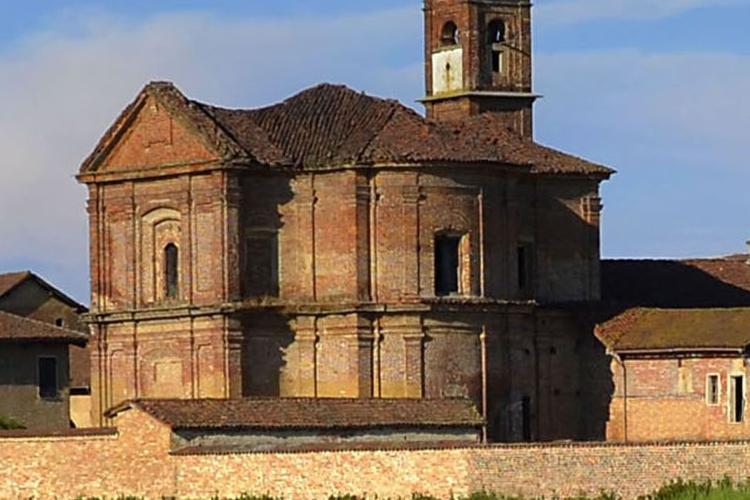
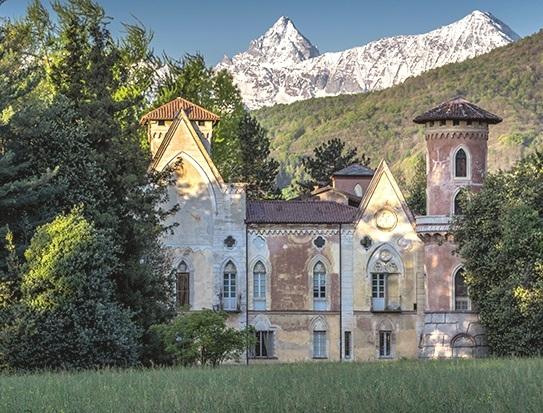
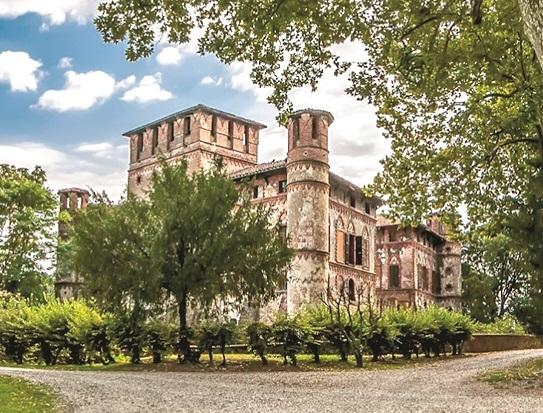
Private historical residences had over 34 million visitors in 2023
Already taken as a model by other regions, “Dimore Amiche” is the first project of its kind in Italy and networks private historical residences with a structured, experiential and sustainable tourist offer. It is for now a product in the making, to be enhanced, and it can complement cultural itineraries. In 2023 private historical residences recorded over 34 million visitors, equal to more than half of the admissions to state museums and sites (57.7 million). Numbers that confirm the strategic role of these ancient properties in decongesting tourist flows and relaunching lesser-known destinations.
Occupancy and average rate trends are constantly growing
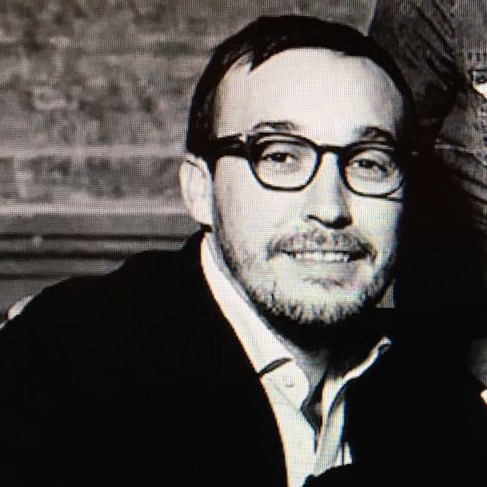 General manager Alberto Garbo takes stock of the new 5-star, the second for the brand in the Piedmont capital under the Della Frera Hotel Group. "Hilton Turin Centre's first months are positive and the occupancy and average rate trends are constantly growing. September, October and November are also confirmed to be high for business travel and conferences. The city's events - many in the food sector - are a strong attraction for international and leisure guests.”
Hilton hospitality at its finest
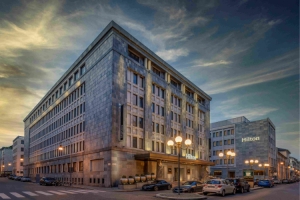
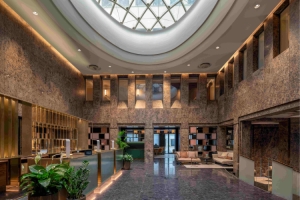
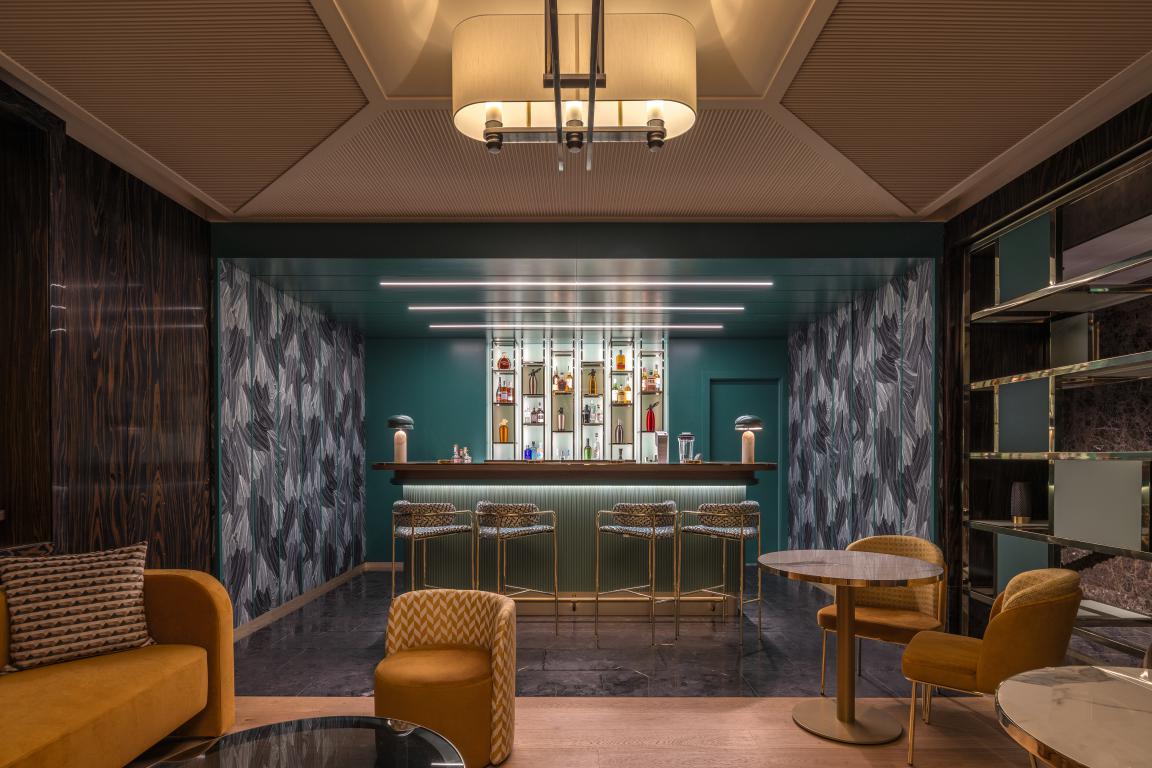
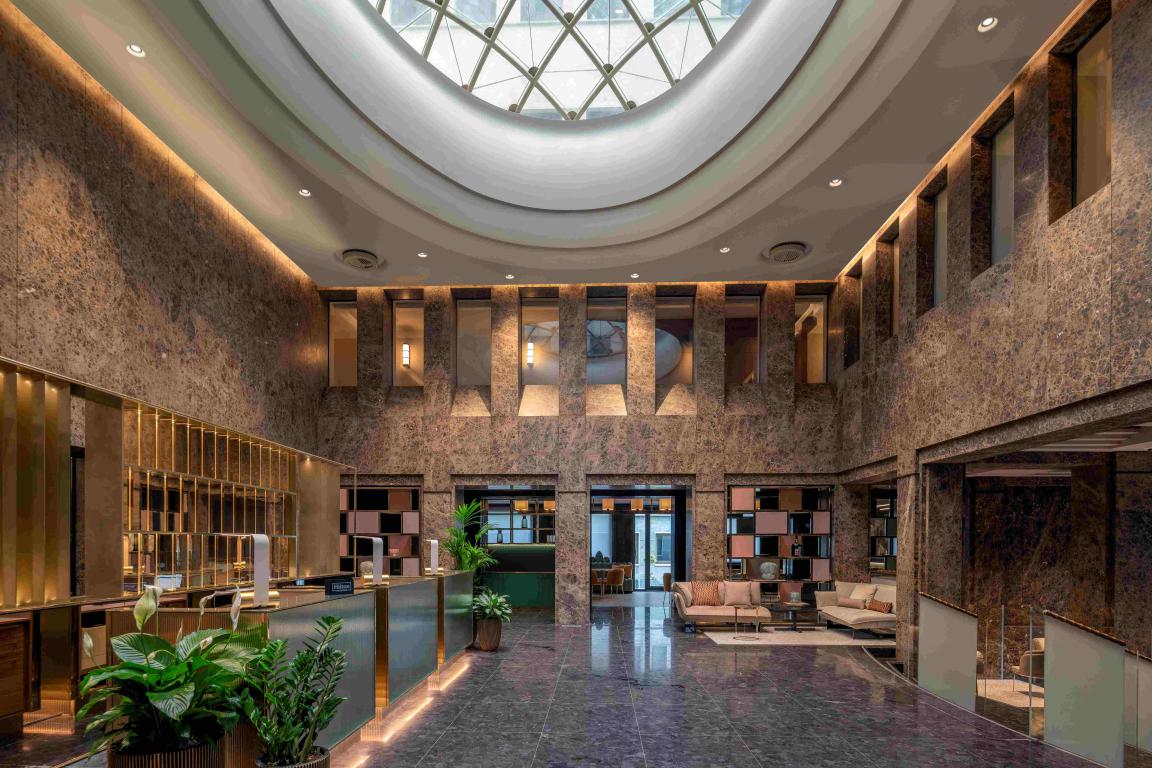
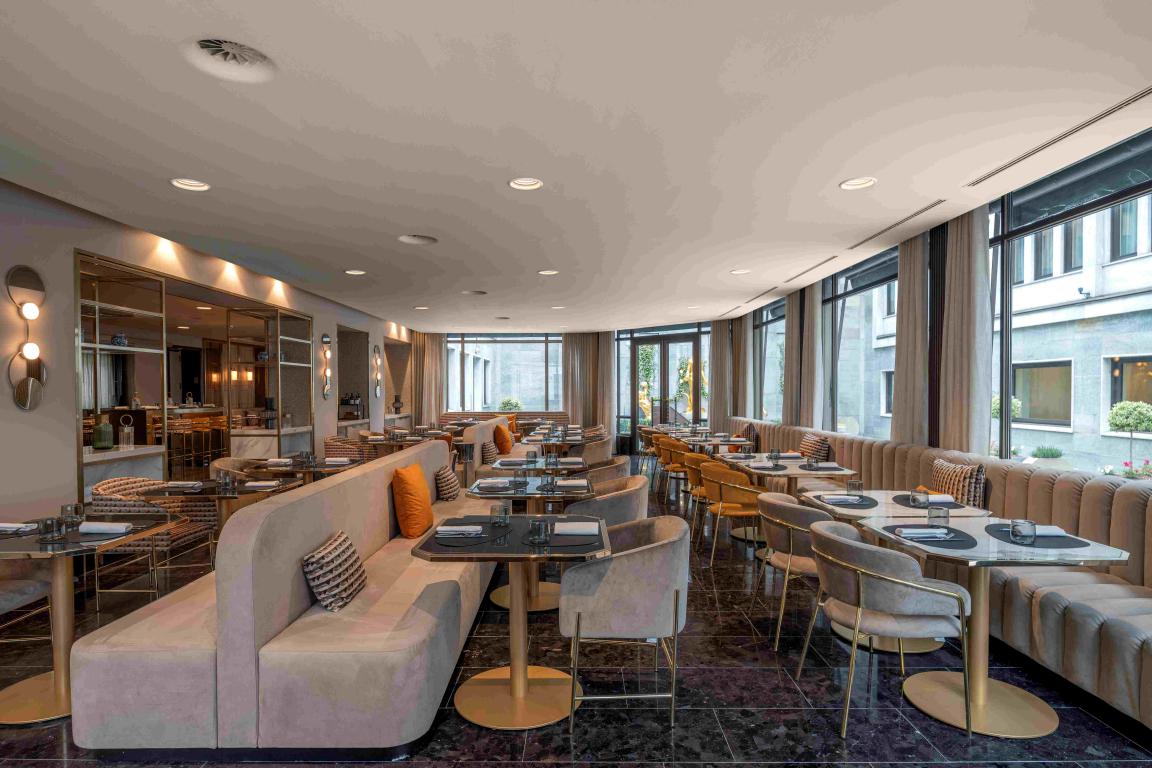
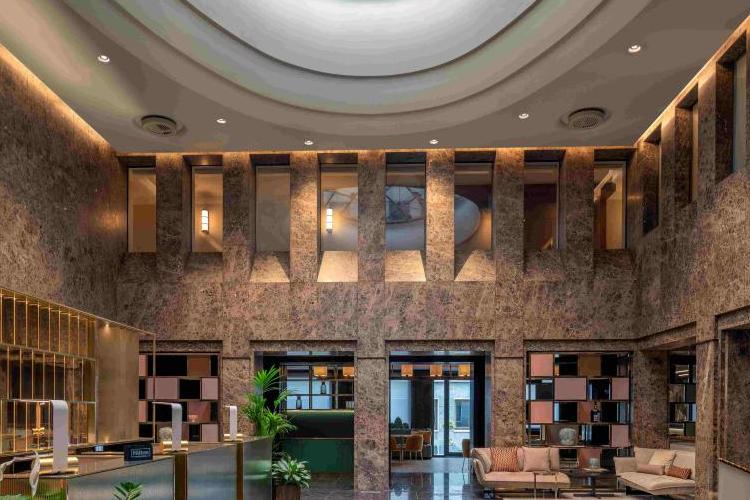
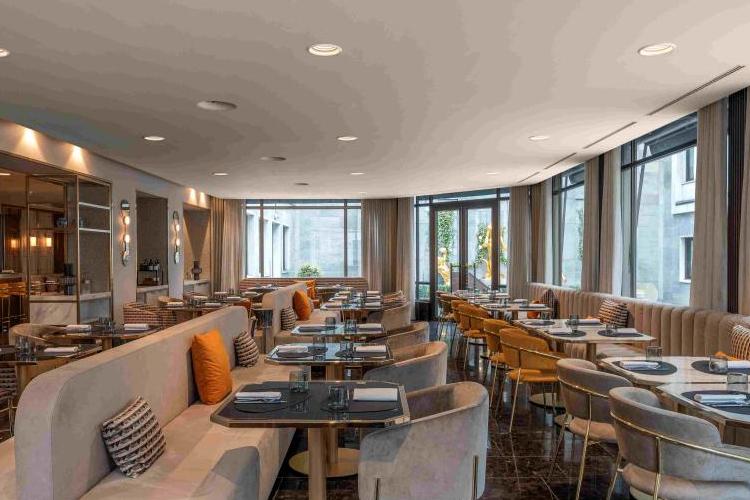
The 5-star - a €50 million investment in a 1950s building preserved its original allure on five floors, and with 175 spacious rooms including 36 suites and a Presidential Suite with a private panoramic terrace, Turkish bath, Jacuzzi, kitchen and independent lounge. The ground floor has a grandiose lobby, the Alchemy bar and a functional outdoor area connected to the Malìa Restaurant helmed by chef Luca Gubelli who reinterprets Piedmont cuisine with Asian influences. The exclusive Executive Lounge is the epitome of Hilton hospitality. There are 11 meeting rooms and two foyers with state-of-the-art equipment, a wellness area with an indoor pool, fitness centre, sauna, Turkish bath, showers and a treatment room.
Getting guests to extend their stays from 2 to 5 days
“In this start-up phase, we are collaborating with Uvet and Cisalpina, as well as working with major buyers to promote not just the hotel but also the city,” says Garbo. “We are targeting leisure customers from the USA, the UK and the Far East as well as corporate and Italian MICE,- adds Valeria Albertini, managing director GDF Hotel. -Our aim is to position Piedmont in the luxury segment and make the Hilton Turin Centre an urban luxury hotel, with guests extending their stays from 2 to 5 days." The Hilton Turin Centre was the venue for the October HWS Summit 2025, which saw the brand's top clients and sales representatives from Hilton hotels in Italy and EMEA engaged in a three-day discovery of the city, showcasing Turin to a clientele that had not yet included it in its programmes.
Fully operation from September
Turin, one of the top ten Italian cities for tourist arrivals, is opening up to new markets and new targets. The Hilton Turin Centre opened in May, and will be fully operational from September. It is a 1950s building which has preserved the sobriety of the original Compagnia Anonima d'Assicurazione offices, but underwent a €50 million investment, €40 million of which went on the restyling.
There are 175 rooms, a bar and a restaurant
On five floors, the 175 spacious rooms include 36 suites and the Presidential Suite, with a private panoramic terrace, Turkish bath, Jacuzzi, kitchen and independent lounge. Warm tones and elegant furnishings with fine leathers and details in bronze and brass blend with curtains and upholstery that echo the motifs of Turin's Liberty style. The ground floor, in addition to the grandiose lobby, hosts the Alchemy Bar and the luminous Malia Restaurant overlooks a functional outdoor area where chef Luca Gubelli helms the Piedmontese cuisine infused with Asian influences. 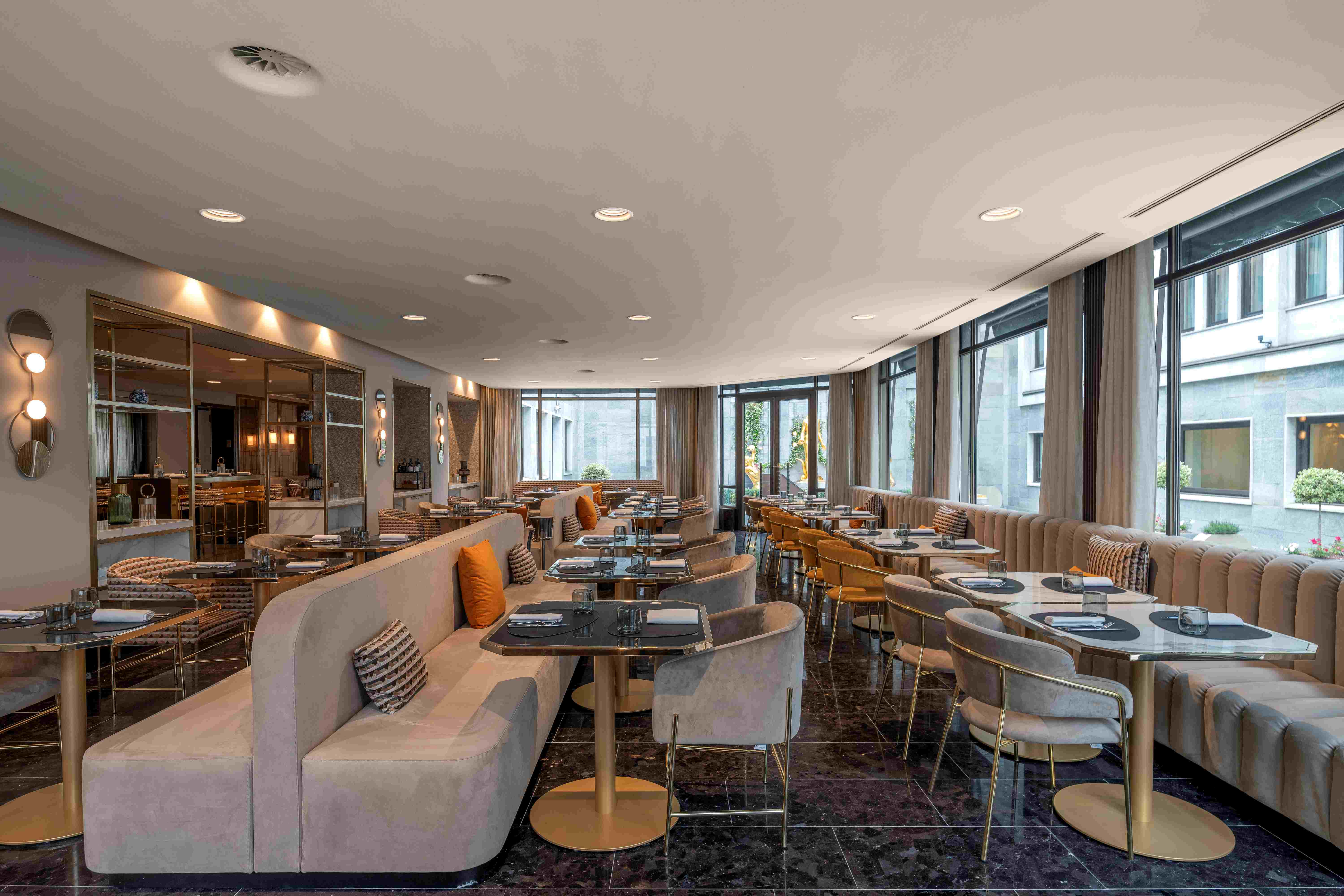
A wellness area and 11 meeting rooms
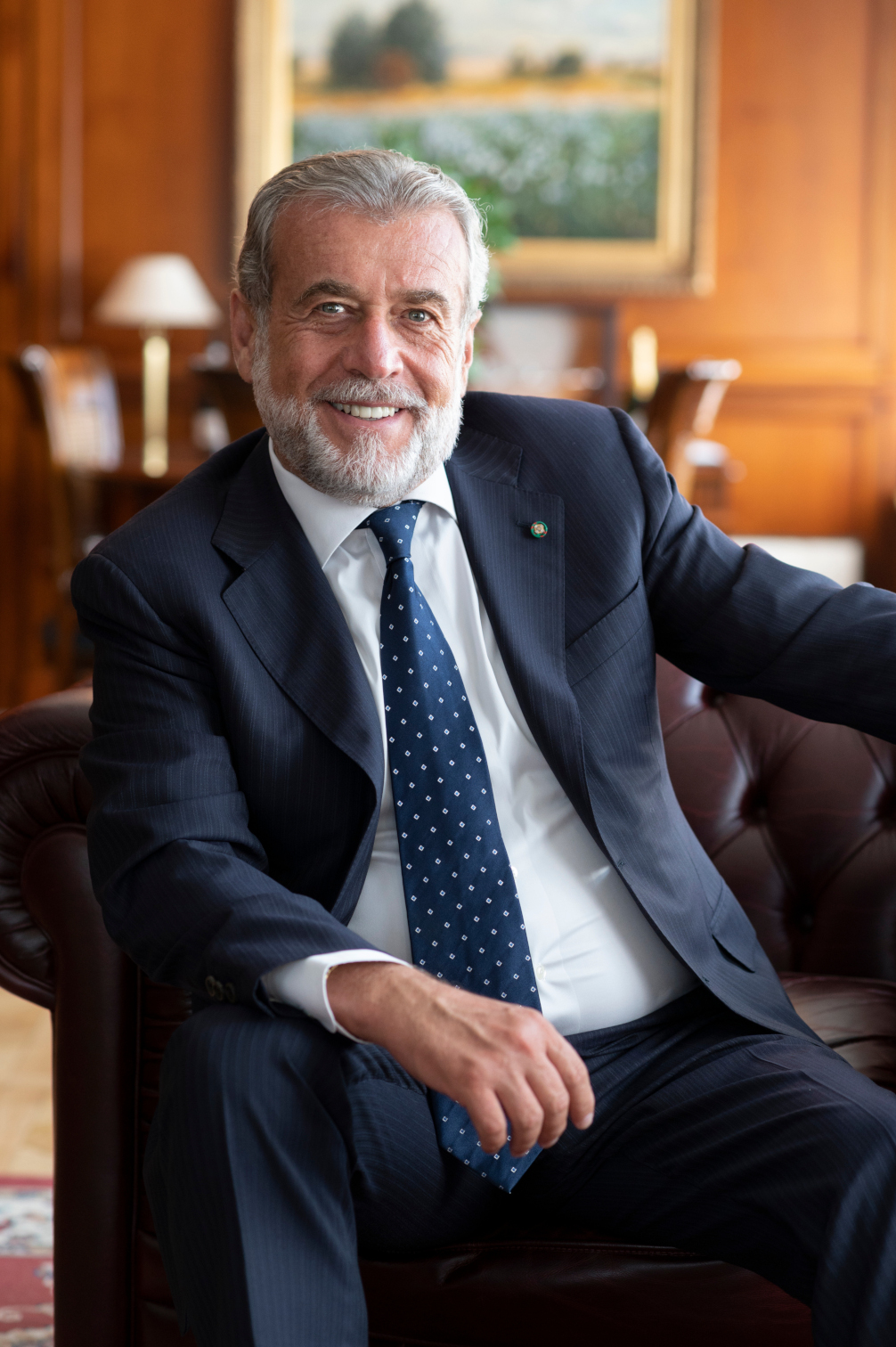 Guido Della Frera , founder and president of GDF Hotel Srl and Gruppo della Frera SpaThe exclusive Executive Lounge is the epitome of Hilton hospitality. On the lower floor, open from September, the wellness area has an indoor pool, fitness centre, sauna, Turkish bath, emotional showers and a treatment room. For private and corporate events there are now 11 meeting rooms and two foyers with hi-tech equipment and customizable catering services. This is the seventh property built in collaboration with Hilton, and it comes at a time of growth and expansion for GDF. “We chose Turin,- says Guido Della Frera , founder and president of GDF Hotel Srl and Gruppo della Frera Spa, -because as a rapidly developing city, it is distinguished by dynamic economic and cultural growth and plays an increasingly central role in the Italian tourism and business panorama.
Looking to the USA, UK and Far East
Under general manager Alberto Garbo, and operational since May, the five-star, which has a staff of 77 is currently at 40% occupancy, but aims to reach 75% soon, guaranteeing a level of quality up to Hilton standards. "We will target a leisure clientele from the USA, Great Britain, and the Far East as well as Italian corporate and MICE,- says Valeria Albertini, managing director GDF Hotel. -We aim to position Piedmont in the luxury segment and make the Hilton Turin Centre an urban luxury hotel, giving our guests the opportunity to extend their stay, which could increase from two to five days. To promote a better awareness of the city and the region, we have already scheduled a fam trip for September that will bring buyers from France, Switzerland, and Belgium to Turin.”
Over 10% growth this winter
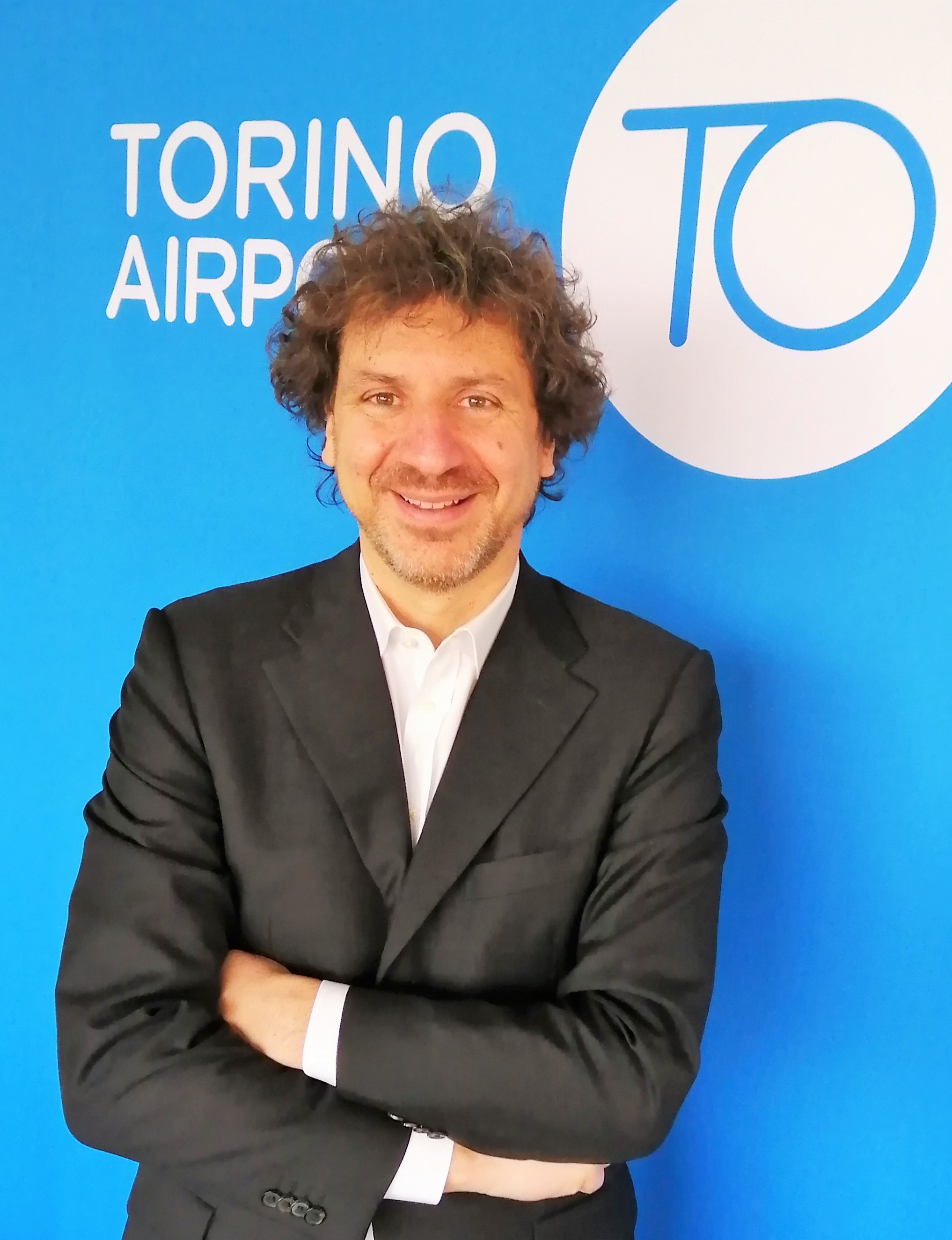 "The year got off to a good start in terms of performance. The winter season closed with a double-digit growth that exceeded 10%, the current summer will register a slightly lower increase than last year but still positive, but only in September will we be able to make a real balance,- said the airport’s managing director, Andrea Andorno. - In November we expect super growth, which gives us hope of getting closer and closer to the 5-million annual passenger mark.”
Ryanair will step up its presence at the airport
Ryanair, the first low-cost carrier operating from Caselle - followed by Wizz Air - plays a significant role in the growth of Turin airport. The Irish airline’s schedule for the next season will be very balanced, with an increase in both domestic and international flights. Some already served routes are being scheduled to better meet the needs of both business travellers and tourists and will allow even mor visitors to visit Turin and Piedmont, as well as offering more convenient travel combinations for locals.
“Targets have changed post Covid but the desire to travel remains”
“Over the last few years the way of travelling has changed and also the approach of travellers,- adds Andorno. -The events of the last few years, from Covid to political crises, have certainly had an influence. We have lost flights to Russia and Ukraine, and targets have changed but the desire to travel remains. The major international events that Turin organises and supports - from the Kappa Futur Festival, which has brought a large audience from Holland and Great Britain, to the ATP Finals, Artissima and Vuelta - are an excellent showcase and open up more markets, but it is a trend that must be sustained throughout the year, and one that becomes an invitation to return to Piedmont.”
Lake Garda is one of the most sought-after destinations
With less than a year until the Winter Olympic Games, set to take place from February 6 to 22, 2026, Lombardy - alongside Veneto and Trentino Alto Adige - is embracing collaboration as a strategic model. Starting with “Garda Unico” a project designed to develop a unique and comprehensive experience around Italy's largest lake, which is one of the most sought-after destinations in northern Italy.
Lakes, rivers and waterway trails in Lombardy
“Tourists who visit Lake Garda do not distinguish between the borders of Lombardy, Veneto and Trentino, - says Barbara Mezzali, regional councillor for tourism, fashion, territorial marketing and major events. - To avoid road congestion, we are working together to improve public and private transport services on the lake, adapting the frequency of the boats to the seasons and to demand.” The presence of lakes, the river Po and an efficient network of waterways is leading Lombardy to progressively shift what is now road transport to water. Not just with a nod to sustainability, but also as an opportunity to enjoy unique experiences.
International visitors are discovering provincial towns
For the region the international market represents 70% to 85% depending on the province, and now around Milan, a consolidated brand and centre stage for fashion shows and major events, it intends highlighting the best of eleven highly appealing provinces. These are all very different areas with a series of “Trails of Faith” that are accessible on foot or by bicycle that touch on over 60 churches and sacred places, some of which are linked to UNESCO sites.
The Lombardy Style is appreciated worldwide
Tourism, together with design, fashion and the cosmetics industry represents 16% of Lombardy's GDP, and is also one of the cornerstones of the Lombardy Style, a project that aims to promote the excellences of the territory. “On a national level Lombardy holds 30% of the design sector, 54% of the fashion sector and 65% of the cosmetics sector which is equal to 2% of the global total, “ explains Mezzali.
“Food the first spend for foreign guests”
“Tourists who visit us spend 20% on accommodation, and the rest on purchases, services and events. This type of tourism creates a consolidated transversal economy, and we know that foreign guests’ first spend is not on fashion, but on food. Either as a delicacy to take home or to give as a gift, something that can't be bought elsewhere. Nowadays they are not asking to go to Via Montenapoleone, but for a boat to go fishing for some bass and then a cook to prepare it for them…”
A packed year of travel trade events
Emilia Romagna region has a busy 2025 ahead of it which started with the ITB in Berlin in April, then on to the ATM in Dubai and the autumn IFTM in Paris, TTG in Rimini and WTM in London. It will also welcome Routes Europe 2026, the international aviation forum that will bring together the heads of airlines and destinations investing in the future of European air transport to be held in Rimini from 18 to 20 May 2026.
Looking at emerging and historical markets
Events at which the region intends intercepting inbound emerging markets such as the United States, Poland and Eastern European countries, while consolidating relations with historical markets like Germany, Switzerland and Austria. “Tourism has changed,- says Roberta Frisoni, regional councillor for tourism, trade and Sport. -In addition to the sea tourists are attracted to the inland areas, they want to get closer to art and culture, enjoy good wines and food that are steeped in tradition, immerse themselves in nature and enjoy the outdoors, both alone and with their families. A diversification of products that involves many industry players, and that the Region is supporting with investments aimed at improving accessibility.” Modena
A growing demand for trade fair cities
There is an increase in the demand for cities - and not just Bologna or Rimini – that are trade fair centres that appeal for their conference and business tourism. “Modena and Ferrara are quieter and less popular destinations,- Frisoni says, - but they are growing and are an enriching addition to a beach holiday, as well as being an added value for business visitors.” The 30 exhibitions scheduled for 2025 certainly have appeal and range from the ancient art of Guercino and Correggio to the contemporary art of Ai Weiwei and Maurizio Cattelan, and from Symbolism to the Avant-garde and Great Photography, while the major exhibition dedicated to Marc Chagall is eagerly awaited in Ravenna from 18 October 2025 to 18 January 2026. Ferrara
Sporting events are also drawing visitors
There is also a varied programme of sporting events. Cycling enthusiasts can follow two stages of the Giro d'Italia Maschile on 21 and 22 May, and the Giro d'Italia for Women from 11 to 13 July. Then in autumn, Bologna will host the Davis Cup final, which is just another of the many highlights of a calendar that includes events throughout the year. Bologna



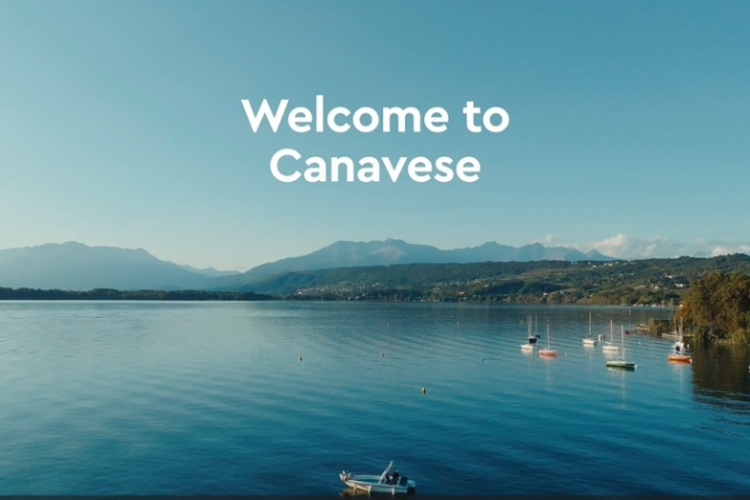
Welcome to Canavese, an unexpected corner of Piedmont where …
843Welcome to Canavese, an unexpected corner of Piedmont where …
843
