









Mantua, in northern Italy is uncrowded and packed with things to discover and enjoy.
Three lakes and the Mincio river
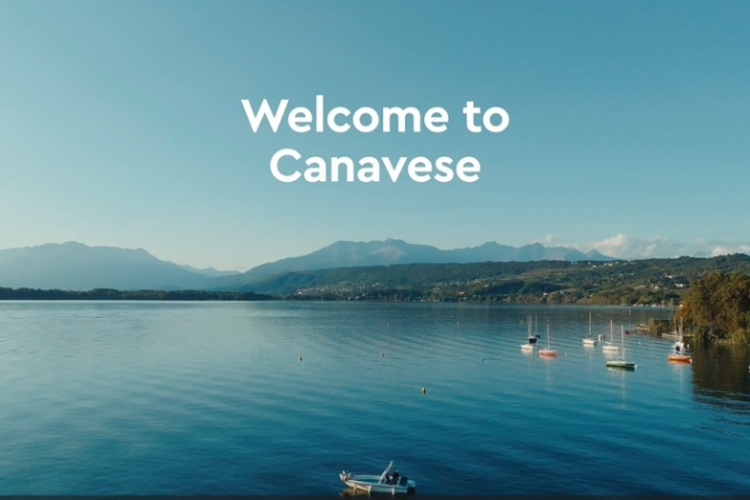
Mantua feels quietly suspended between land and water and, unlike many of Italy’s more crowded destinations, it is a city of extraordinary art and history that is intimate and wonderfully undiscovered. Historically it rises from three lakes, Lago Superiore, Lago di Mezzo, and Lago Inferiore, formed centuries ago when t the Mincio River was redirected to protect the city. Today the waters create a natural moat while canals surround the city.
Palazzo Ducale has almost a thousand rooms
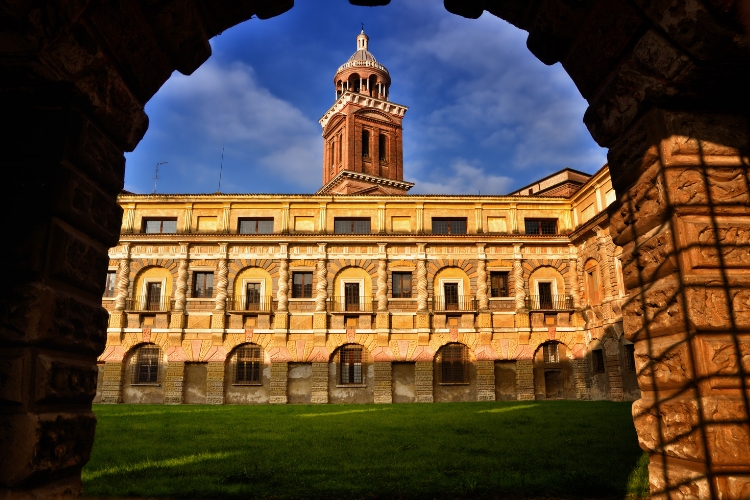
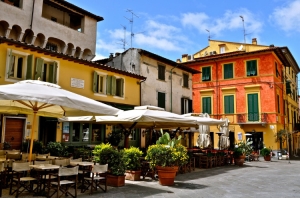
Despite its artistic importance, Mantua rarely feels crowded. Wandering through arcaded squares, along cobbled streets, and into leafy gardens there is none of the bustle that invades larger Italian cities. The historic center, which is a UNESCO World Heritage site, is remarkably intact with elegant porticoes, intimate piazzas, Renaissance palaces, and shaded courtyards where cafés spill out onto stone pavements. At the heart of Mantua’s cultural legacy stands the immense Palazzo Ducale, once the seat of the powerful Gonzaga family. This vast complex contains nearly a thousand rooms connected by corridors, gardens, and galleries. Within it lies one of the masterpieces of the Renaissance: the “Camera degli Sposi” painted by Andrea Mantegna. 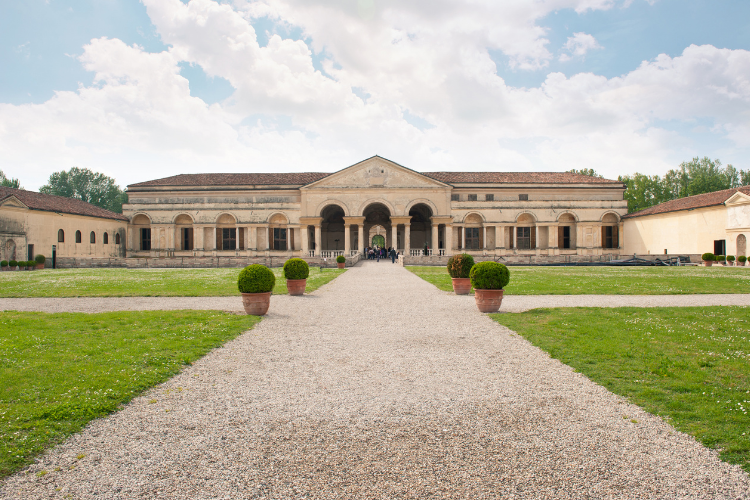
Frescoes wrap around walls and ceilings
Equally extraordinary, but entirely different in spirit, is the nearby Palazzo Te, built as a pleasure palace for the Gonzaga court, and a masterpiece of Mannerist architecture. Inside rooms explode with frescoes with the famous Sala dei Giganti (Room of the giants) immersing visitors in a swirling mythological scene with painted giants tumbling from the heavens in a theatrical illusion that wraps around every wall and ceiling.
Concerts, food fairs and local wines
Mantua is deeply tied to culture and tradition; music and theatre fill the city throughout the year, echoing the legacy of Claudio Monteverdi, who worked here in the early 17th century. Outdoor concerts are organized in historic courtyards and along the lakeside promenades. Seasonal food fairs celebrate the rich cuisine of Lombardy, with such delights as pumpkin-filled tortelli, aged cheeses, and local wines. Mantua’s location also makes it an ideal base for exploring northern Italy. Within easy reach are the romantic streets of Verona, the gastronomic traditions of Parma, and the culinary excellence and Formula One racing cars of Modena. Yet many travelers find that Mantua itself is the place they linger longest. For information: www.italia.it/en/lombardy/mantua


