



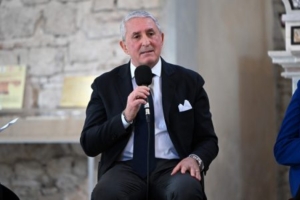


What experiences is the Foundation focusing on to convey the city’s true spirit to international travellers?
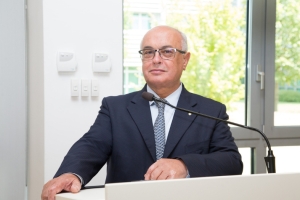
"International tourists now account for over 50% of visitors, peaking at 61% as the result of a structured approach to foreign markets. We have around 200 tourist experiences in our catalogue, 40% of which are cultural and in multiple languages. Some 70% of bookings are made online and visitors arrive already well-informed and with specific expectations." One of the most popular experiences is the “Discover Bologna” guided tour through the heart of the city added to which there are major cultural attractions, from historic buildings such as Palazzo Pepoli, to iconic sites such as the Archiginnasio, the Clock Tower and the porticoes, a UNESCO World Heritage Site. Another key element is food and wine with 81% of visitors researching it before arriving. We have launched authentic experiences like dining in the homes of the "Cesarine" to experience traditional Bolognese cuisine in a domestic setting."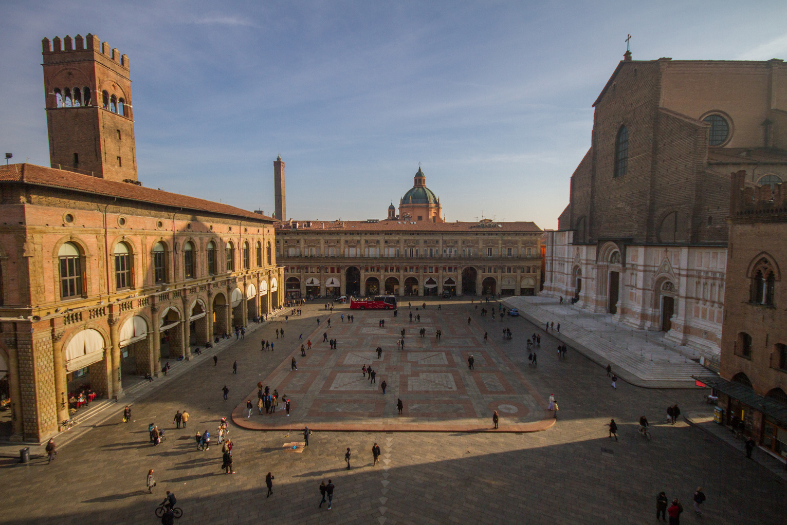 ©Wildlab
How are you promoting Bologna and its surrounding area in an integrated way using culture, food and wine, and lifestyle?
“We don't limit ourselves to the city but promote the entire metropolitan area. From 2019 to the present we have seen a 17% increase in visitors to this area. The Apennines, in particular, are experiencing a period of strong growth, and we are focusing on outdoor tourism and walking trails. Our aim is to spread tourist flows across a wider area, offering them a more complete and authentic experience, and including lesser-known towns and villages, landscapes and heritage sites."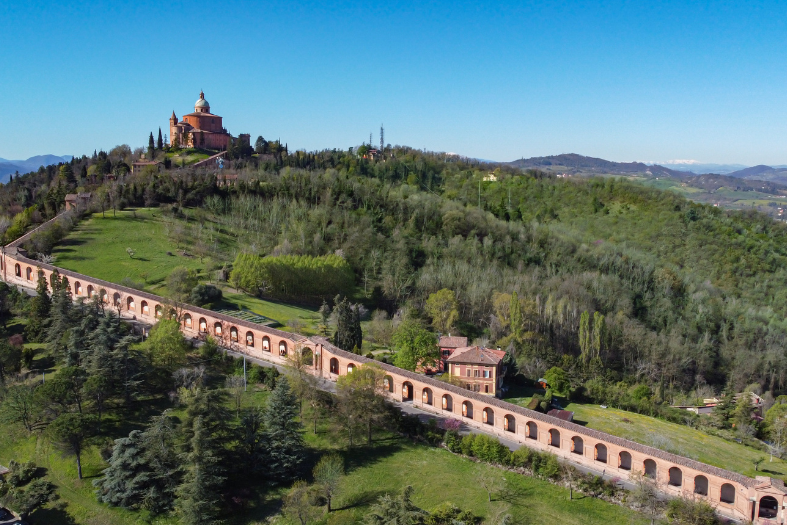 ©Wildlab
Looking ahead what vision guides Bologna Welcome’s projects for sustainable tourism growth that can attract new markets?
"We want to maintain a balance between tourism growth and quality of life for residents. We are working on distributing visitor flows, both geographically and over the year, In 2025 we recorded 2.27 million arrivals and 5.4 million overnights stays and we continue to invest heavily in Europe and the United States, which represent our main source markets. We are also looking at emerging markets such as Japan and India, and at the MICE sector. Bologna is the third Italian city in terms of MICE visitor numbers and is highly valued by international organizers. The future lies in high-quality, sustainable tourism that is increasingly integrated with the local area, and capable of generating not only economic but also social value.”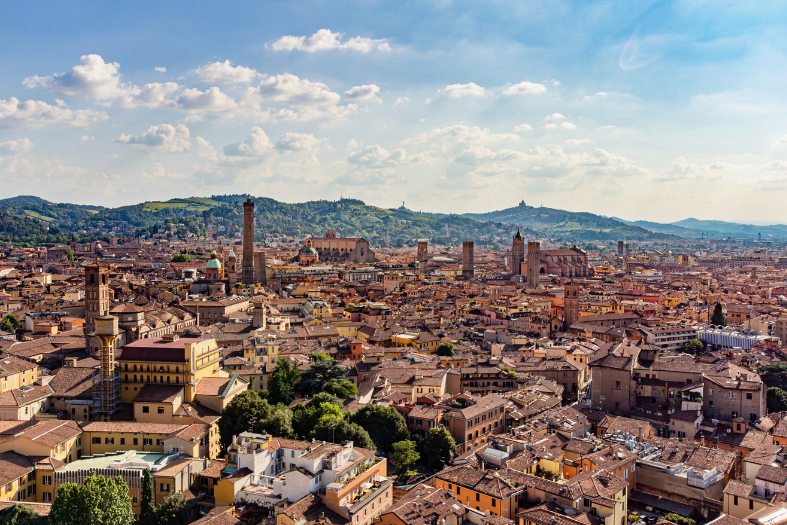 ©Wildlab
Socal interaction complements room sales
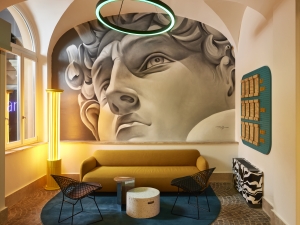
In Rome the JOe&Joe focus is on social interaction, events and dining open to the wider public as a source of revenue to complement room sales. “We go beyond the framework of the classic hotel to embrace the concept of an Open House: social interaction becomes the driving force of the business,” comments Romina Tripepi, general manager of Jo&Joe Rome. In an urban market with high tourist density such as Rome over 25% of total turnover is generated by Food & Beverage and events. This rises to 30% when integrated with social activities and private events, with the profitability of these new hybrid facilities increasingly shared between hospitality and services also for non-hotel guests.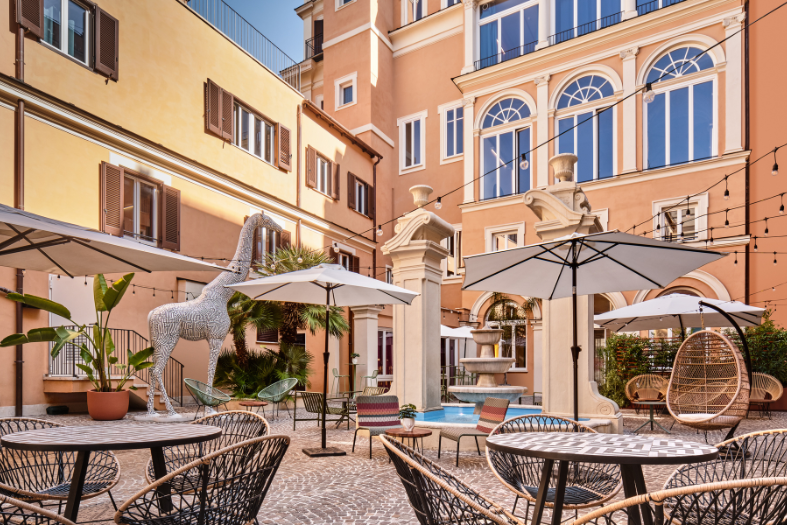
“A place to share travel stories and life experiences”
The mix of hotel guests and the general public is managed through Fluid Zoning which without rigid physical partitions has boundaries created with lighting, acoustics and the layout of the furnishings: “The bar and courtyard are open to everyone, while the sleeping areas are accessible only with a magnetic card, so even during crowded events, hotel guests have their private sanctuary.” The central areas have capacity managed via digital bookings and pre-set density limits to ensure safety and comfort, and the Social Table is a meeting point for individual travellers and groups: “A place to share travel stories and life experiences.”
Milan and Venice stand out
Italy is considered a particularly favourable market for the development of this format with Milan and Venice standing out: the former for its year-round calendar of business, fashion and culture, the latter for its permanent international visibility. “The market is evolving towards lifestyle concepts where accommodation, food & beverage and social life mix: an evolution which is perfectly aligned with our DNA,” says the management.
Designed for short and long stays
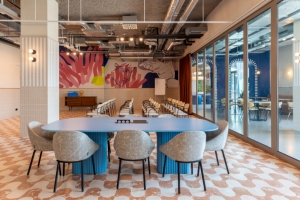
The 4-star in the San Lorenzo district has 388 rooms, a restaurant, bar, seasonal rooftop terrace with a swimming pool, gym, event spaces and eight meeting rooms. Designed for stays ranging from one night to a year, it caters to tourists, business travellers, students and temporary residents.
"Building value around people and relationships”
“We are open for everyone, selling rooms and building value around people and relationships,” says general manager Gemma Casas. Less than a year after opening guests come from some120 nations, with the Italian market complemented by a strong Dutch presence, where the brand is well-known, and a growing US market. In addition to students from other Italian regions, there are significant numbers from Spain and Turkey. “This mix ensures flexibility: we can adapt to different market stages and times of year, mitigating Rome’s typical seasonality."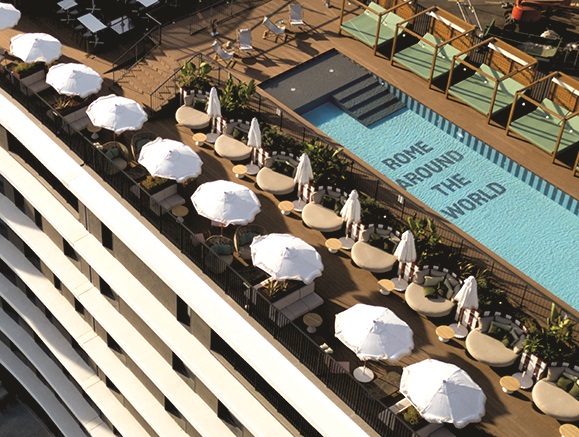
Coworking generates economic value
The model is boosted by its relationship with the local area, through events and local partnerships, as well as through coworking and the membership service. Open also to non-hotel guests the Hub offers flexible workspaces, lounges, meeting rooms, a 24-hour gym, a panoramic swimming pool and a calendar of events, accessible with a monthly subscription starting from €121. “Membership isn’t just access to a physical space, but to a community of professionals, creatives and mobile workers, both Italian and international,” explains membership manager Emanuele Pilloni. Coworking becomes an integrated service capable of generating economic value and customer loyalty, thanks to cross-cutting benefits such as discounts on dining and accommodation, special rates for meeting rooms, access to events and local partnerships.
Also in Bologna and Florence
The Rome project forms part of a broader group strategy: The Social Hub is now also present in Bologna and Florence (two properties) and is developing a site in Turin. In Florence Belfiore it is linked to a major urban regeneration project, featuring over 550 rooms, 3,300 square metres of coworking space and public areas such as a large roof garden open to the city.
Generating incremental revenue
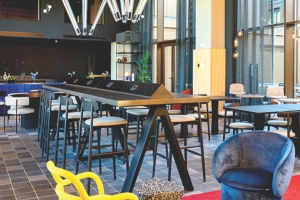
Tribepresso at Milan Malpensa Airport shows how social and workspace areas can generate value even in an environment dominated by transit traffic with the significance of these areas to be interpreted differently from that of an urban hotel. “Their value lies not so much in expanding the transient clientele, but in generating incremental revenue and scaling up the brand’s positioning,” explains Enrico Perari, general manager of Tribe Milan Malpensa.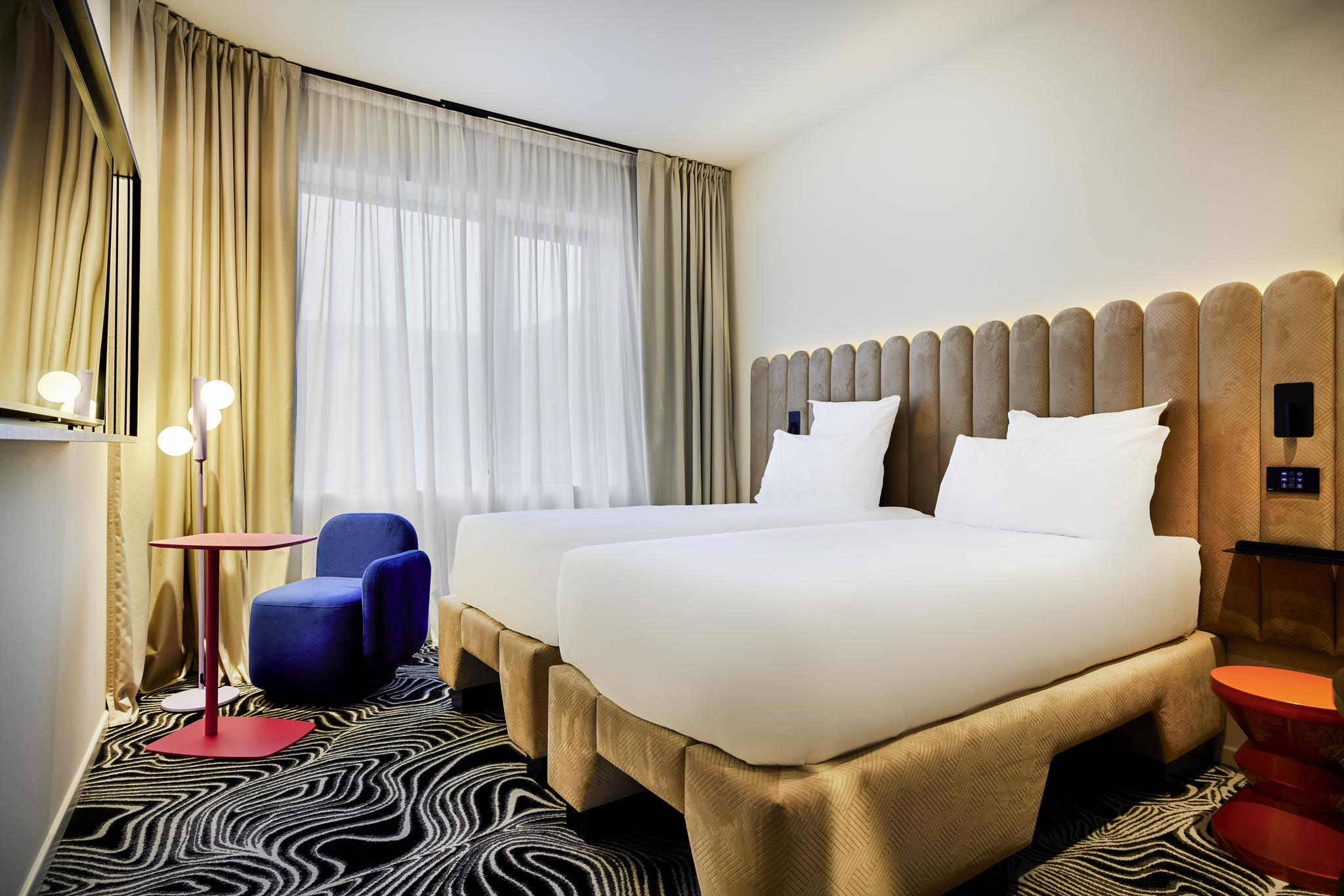
Food & Beverage is good for revenue
Open spaces account for between 15% and 30% of non-room revenue, thanks mainly to the Food & Beverage area open to the public, to events and to the flexible use of co-working spaces and workstations. The aim is to transform the hotel into a vibrant and recognizable place, not merely a transit facility. 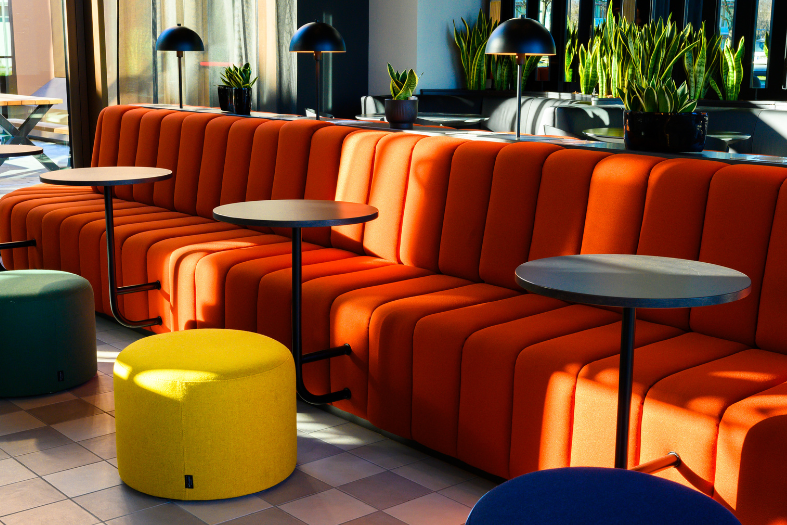
An increase in ancillary spending
Tribe guests constantly alternate between work and socializing. “The room is not the only functional space: the communal areas become a natural extension of the office,” says Perari. Phone calls, laptop work and informal meetings take place as guests move between their rooms and shared spaces, leading to a less confined stay and greater social interaction. The main economic benefit is not a longer stay but the increase in ancillary spending. For the Accor group, the format could become a response beyond the airport, in logistics hubs, exhibition centres and railway stations. “It is not just a design hotel, but an integrated ecosystem of accommodation, work and socializing."
Europe is seen as a cultural mosaic
Leaving aside the consequences of the Middle East conflict it is becoming increasingly clear that it is not individual destinations but comprehensive travel packages that are being sold. This is the picture that emerged from a recent discussion between international buyers and operators on Europe’s positioning in long-haul markets. Though still seen as a cultural mosaic, Europe is increasingly being promoted as a single, comprehensive experience. "Our clients view each country differently, but the perception of Europe as a single market is very strong. And the growth of the cruise sector is an important indicator to monitor," says Tom Jenkins, CEO of ETOA, European Tourism Association.
From destination to itinerary
For non-European markets the choice is not about a single country but a combination of multiple stops. A clear geographical preference emerges from South America. “Argentine tourists are mainly drawn to Spain, France and Italy, partly for cultural reasons and due to their origins. Those returning to Europe stay longer because they are already familiar with the quality of the product,” explains buyer Juan Carlos Scartascini. A similar trend is emerging from India. “Demand for multi-destination trips combining Italy, Greece and Spain is growing. The young target market is expanding fast and we are looking for local partners with whom to build bespoke programmes,” says buyer Sanjay Chinai. “After their first iconic trip, customers begin to discover lesser-known destinations, but they expect very high standards of quality.” adds Maria Khury, president of Alta Travel NYC. 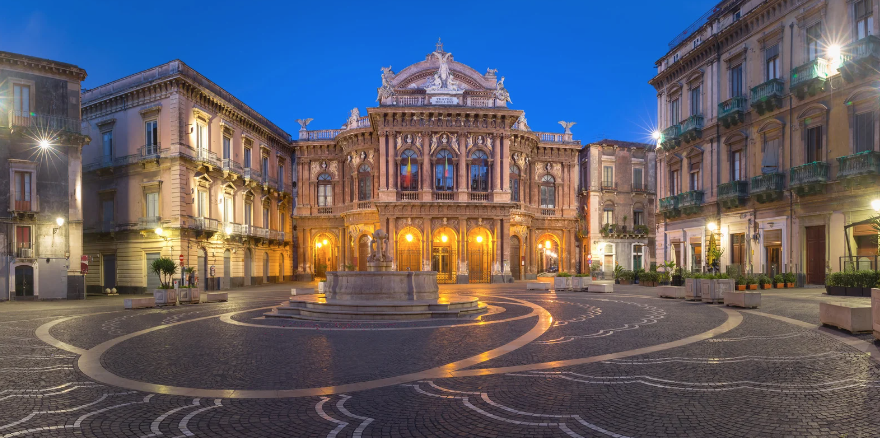
Integrated experiences: shopping and the local area
European travel is increasingly structured as a composite experience. “Shopping tourism continues to grow, but we need to work on visitors’ experiential expectations,” explains Daniele Rutigliano, senior tourism manager at the McArthurGlen Group. In the luxury segment demand is shifting towards integrated products: “The customer combines accommodation, shopping and food and wine, and uses the city as a starting point to head for the coast or the countryside,” says Barbara Rohner, general manager of Magna Pars - L’Hotel à Parfum in Milan.
The role of commercial relations
The development of the European product relies increasingly on relationships between operators. “B2B meetings allow us to gain a concrete understanding of what we are going to sell. First-hand experiences such as stays and visits to the area are becoming fundamental.” says Ann Lewis, president of Asta USA Northeast. “Digital or media campaigns are not enough: face-to-face meetings between operators remain essential for building shared value,” adds Rutigliano. The growth in demand also entails a management responsibility. “We must direct visitors towards lesser-known destinations and less congested periods. Efficient transport and collaboration between operators are becoming the true benchmarks of Europe as a tourism product," concludes Jenkins.
Events are boosting year-round tourism
The South Tyrolean city, gateway to the Dolomites, gets a head start on the season with a calendar designed to sustain visitor numbers during the shoulder seasons. Events like the 136th edition of the historic Flower Festival in Piazza Walther from 30 April to 1 May are part of a broader strategy to combat seasonality and strengthen the destination’s identity,
What is the outlook today, and what are the trends in visitor numbers and profiles?
“2026 started with a slight increase thanks to the spillover effect of the Winter Olympics - an international crowd that is not usually found in Bolzano at this time of year. We are pleased with this expansion from traditional markets to new visitors."
Which are the most dynamic foreign markets and your strategies are for boosting arrivals?
“Undoubtedly the US and South American markets. Bolzano is a small Alpine town, called "the coolest in the Alps" by the Frankfurter Allgemeine which went on: "different languages and cultures coexist. The vibrancy of local trade, the museums, castles and vineyards all bear witness to a city to be experienced to the full, all year round.”
Looking at spring-summer 2026, what new initiatives and products are in your focus?
“For several years we have focused on a calendar of events in early spring to combat seasonality, and the figures prove us right. Events such as the traditional Weinkost, concerts in the squares and the Flower Market help in the low months. Stretching the season is also helped by sporting events." 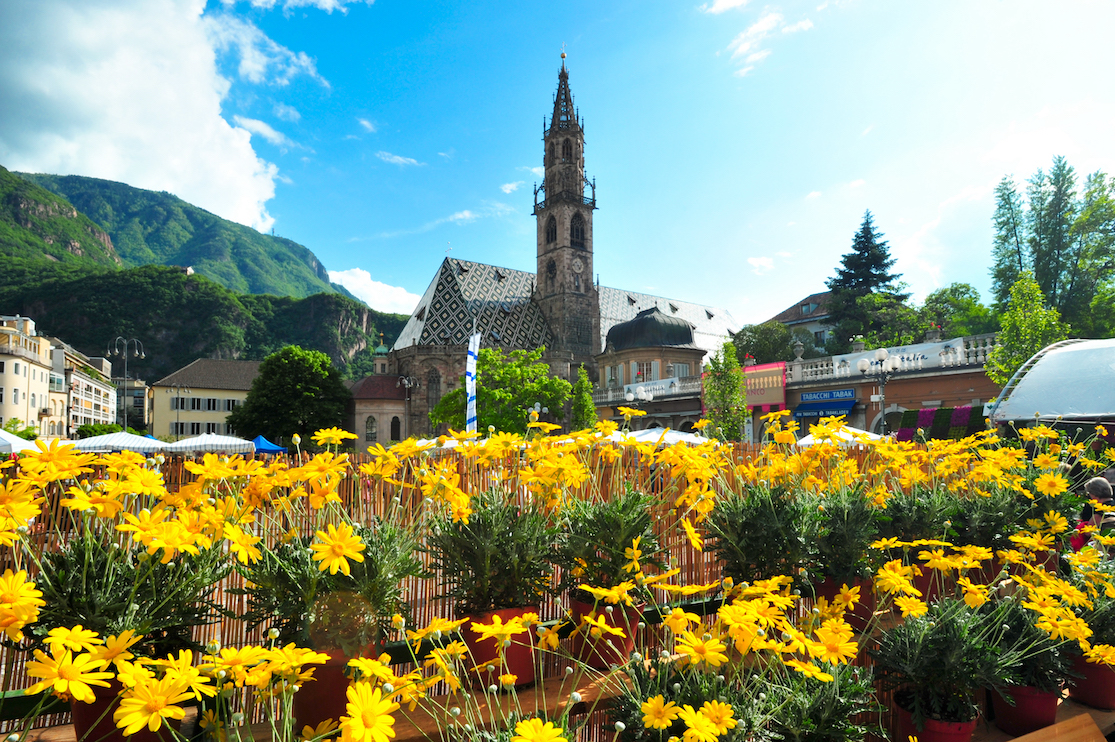 Bolzano Festa dei fiori BoznerBlumenmarkt Courtesy L. Guadagnini
Alpine destinations and the great art cities are increasingly competitive, where do you need to boost Bolzano and where are you investing?
“Bolzano is a small city with a great mix of attractions at the gateway to the Dolomites, and ideal for exploring South Tyrol. This is the core of our message, an area where we can be competitive.”
How important is your work with operators, hoteliers and institutions?
“Only by working together can we become competitive, so networking matters even more today than in the past. We are increasingly involving operators in the organization of our events, so that they can identify tourism that also appeals to locals, which also makes it feel authentic for short-term visitors.”
What is the current state of tourist flows in Florence? Has anything changed?
“Florence remains one of the most magnetic destinations globally, and the priority is no longer simply to welcome visitors, but to guide balanced tourism policies. We are working with the City Council to enhance monitoring tools to map day-trip tourism and manage flows in real time.”
What measures are you adopting in the historic centre?
“Our role is to support institutions and operators by providing useful tools. We are focusing on segments such as conferences and destination weddings and using awareness campaigns such as #enjoyrespectfirenze. We also manage critical issues, focusing on legality and the balance between hospitality and the daily lives of residents.”
How are you redistributing visitor flows away from the centre?
“We are highlighting villages, nature trails and artisanal excellence beyond the historic centre, and we are working with local authorities to encourage focusing on alternative itineraries.”
What is the role of operators and what are your future goals?
“Operators are the driving force behind this transformation. We promote the sharing of expertise and joint projects, focusing on segments that generate value for the local area and that contribute to the well-being of the community.”
What kind of authentic experiences do you suggest for return visitors?
“Florence is made up of neighbourhoods, gardens and artisan workshops, such as the Oltrarno area, and then there are our villas and landscapes. We also promote them to international students, encouraging a slower approach that fosters a genuine connection with the city.”
Looking back at the birth of Made in Italy
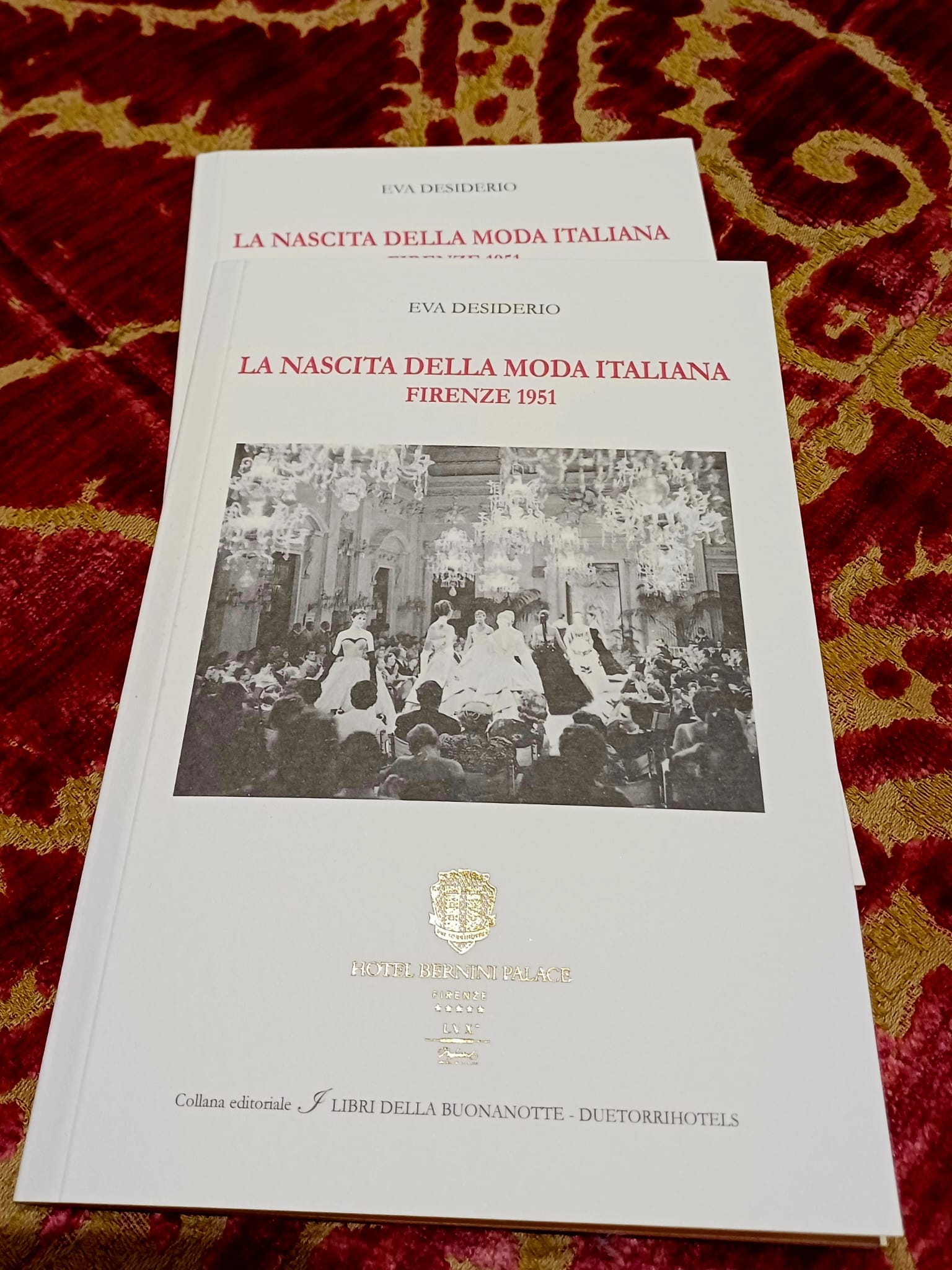
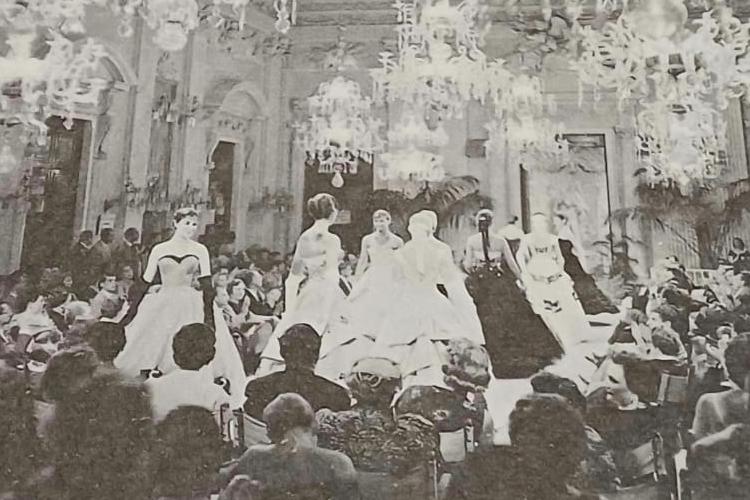
The latest book in the series “The Birth of Italian Fashion. Florence 1951” was written by the journalist Eva Desiderio, who recounts the arrival of American buyers, and the ability of Italian craftsmanship to transform itself into a cultural and creative industry. A founding moment that paved the way for the international success of Made in Italy and tourism.
Four hotels in the Duetorrihotels Group
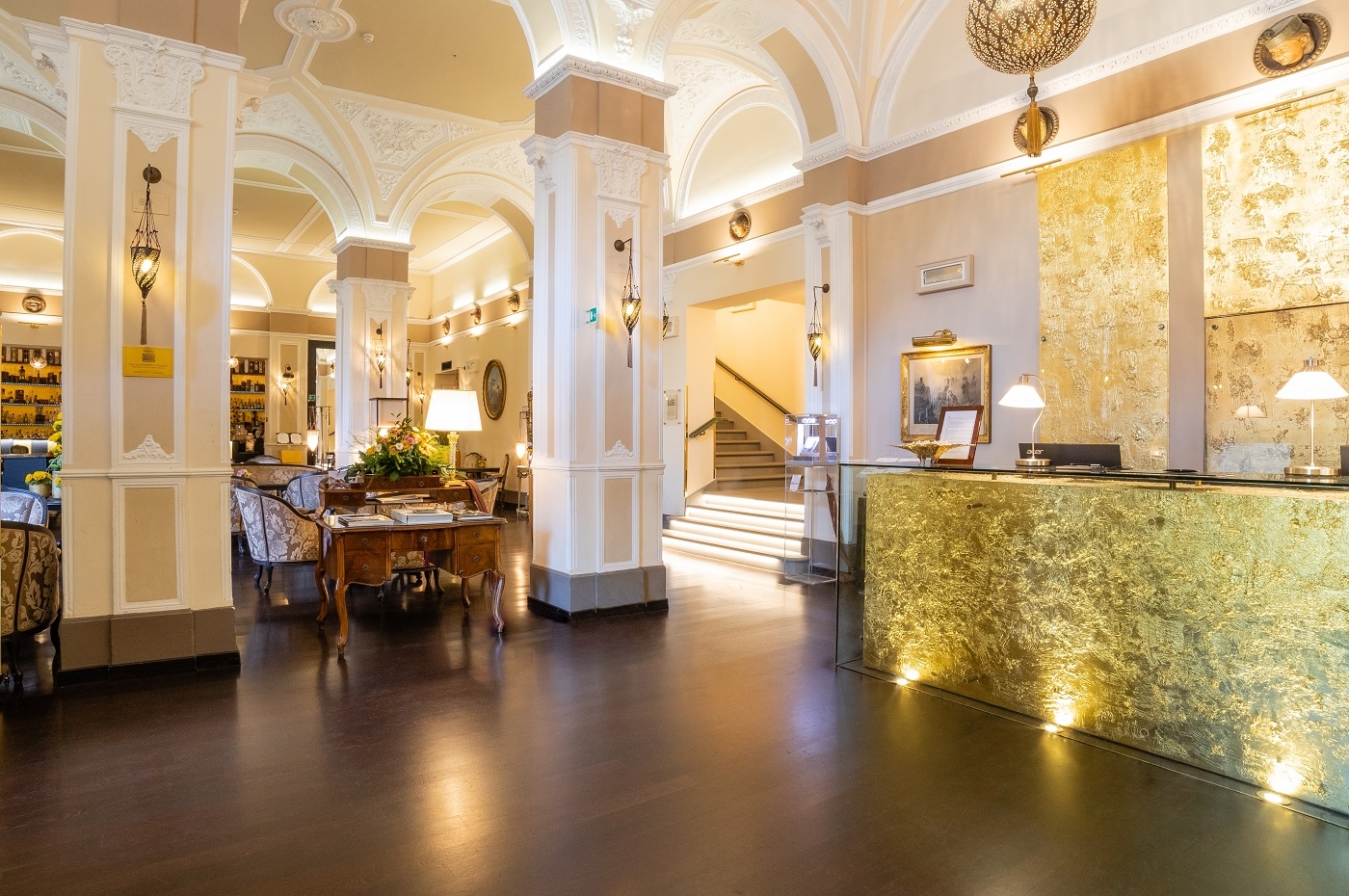
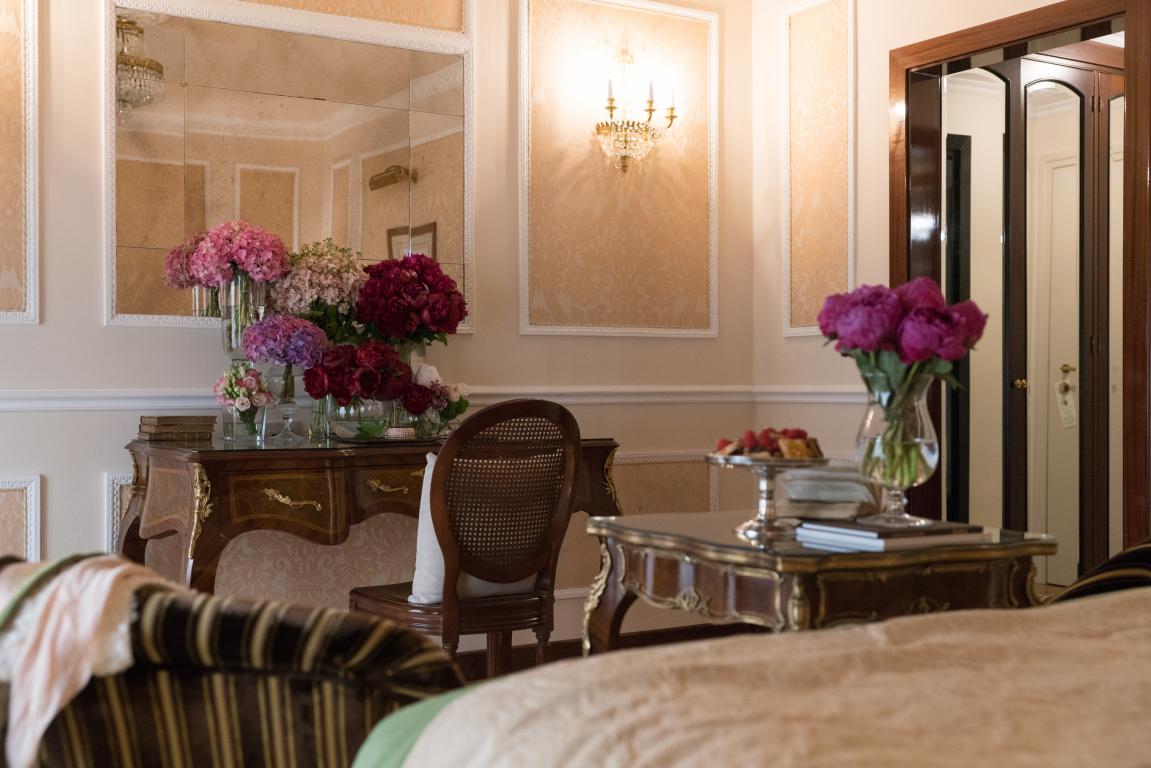
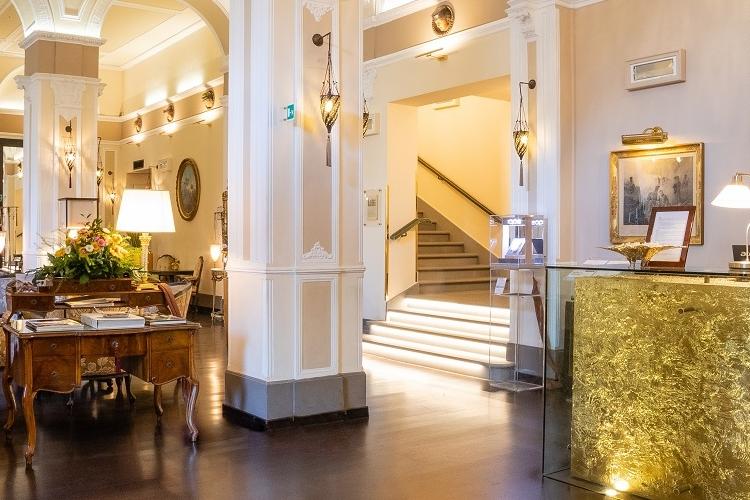
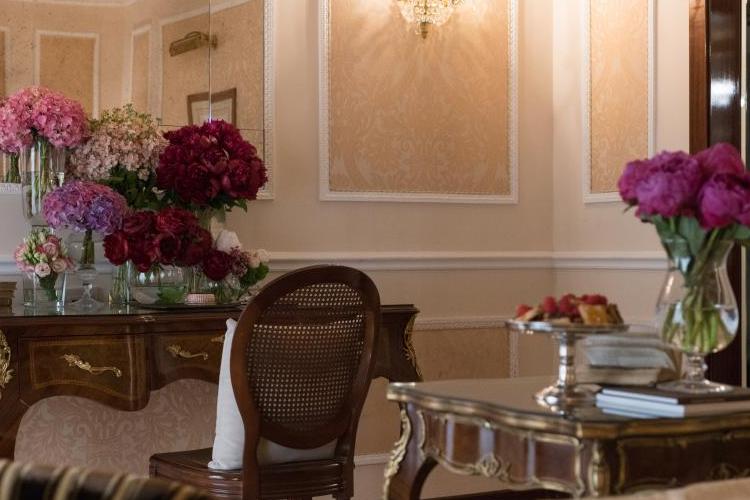
The initiative is part of the Libri della Buonanotte publishing project, launched ten years ago at the group's hotels - the Grand Hotel Majestic in Bologna, the Due Torri Hotel in Verona, the Hotel Bristol Palace in Genoa and the Hotel Bernini Palace “This. is an example of how high-end hotels can become a narrative platform for the region, integrating hospitality, culture and promotion of the destination,” says David Foschi, director of the Bernini Palace. The hotel is increasingly a meeting place for hospitality, art and culture, as with the exhibition by Emir Kamis “Sculpted Fashion: Stories in Marble” in the lobby with the artist placig his works in a layered dialogue both with the history of Renaissance sculpture, and with the birth of Italian fashion.
A historic address in Florence
The Bernini Palace Hotel, in a 14th-century building close to Palazzo Vecchio, is part of the Duetorrihotels Group, which brings together four luxury hotels in historic buildings in Italy's major art cities and for years has worked to promote the architectural and cultural heritage of the destinations in which it operates. The presentation in Florence also inaugurates the 2026 calendar of the Discovery 4Tour, a programme of events that will bring the new titles in the series as well as themed tours dedicated to the Italian and international press with the aim of promoting the destinations and their cultural heritage.
The book tour will include themed itineraries
After the Florence stop with Desiderio's book, the tour will continue in Bologna at the Grand Hotel Majestic. In April, it will be Verona's turn, and the tour will conclude in Genoa, at the Hotel Bristol Palace. Each event will include cultural insights, meetings with the authors and themed itineraries designed to showcase the cities through their historical, artistic and cultural heritage.
Multi-city trips with experiences and shopping
From 2019 to today American and Arab visitors have taken the place of the Chinese and Russians. Latin America, Turkey and India are now the new markets to watch, having more than tripled their tax-free spending (+208% over 2019), doubling their market share from 7% to 14%. This trend does not appear to be cyclical. Lybra Tech's forecasts for the first four months of 2026 confirm a growing demand, especially from Brazil, Argentina, Turkey and India: markets that plan complex, multi-city trips with a strong experiential and shopping component.
Latin American spending is up 161% over 2019
Latin America is now the most significant area among emerging nationalities (8% of the total), with spending up 161% over 2019. Rome remains a privileged hub, while the consumer profile is evolving with fewer ultra-high spenders, and more aspirational shoppers, attentive not only to luxury but also to premium brands, lifestyle and perfumes. Brazil, Mexico and Argentina account for almost 80% of volumes, with different purchasing behaviours and destinations, but with the common denominator of medium-long stays and family trips.
Turkey’s explosive growth
Turkey has seen the most explosive growth (+428% over 2019). Milan remains central, but the outlet channel is emerging as a strategic lever, capturing a growing share of spending. Turkish shoppers spend more, buying fashion, footwear and watches, and show a generational polarization that favours both Gen Z and over-59s. India completes the picture with 164% spending over 2019, and a young, planning-oriented and strongly luxury-oriented clientele, with Milan and outlets as shopping hubs and Venice as a symbolic destination, mainly in spring with average stays of 3-4 nights.
Florence is chosen for shorter stays
Both the Indian and Turkish markets show a preference for Venice, with Rome particularly strong in January. Milan has a more heterogeneous target audience, with a balanced mix of couples, families and groups. Florence is chosen for shorter stays, mainly for family trips as part of multi-stop itineraries. For retail, hospitality and destinations these markets are no longer a promise, but are alive and doing very well indeed. Intercepting them requires reading new seasonal rhythms, evolving consumer behaviour, and emerging geographies of value
The need to change strategy
“Tourism, strategic infrastructure and driver of development,” the event promoted by Salerno Experience Network APS, put the spotlight on a destination that today attracts significant flows, but needs to transform them into a stable economic value.
Attracting tourists to stop in the city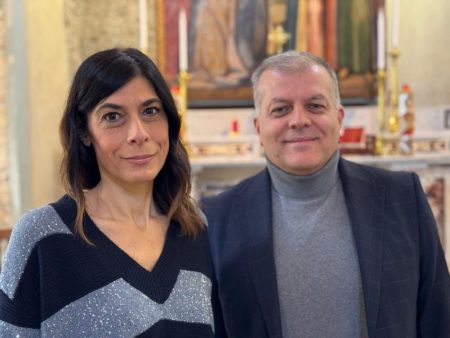 Rosaria Chechile president of Salerno Experience Network APS and Giancarlo Vitolo vice president
“The goal is to move beyond the idea of hit-and-run tourism,- said Rosaria Chechile, president of Salerno Experience Network APS. -We want to build a quality offer from the ground up, bringing together the local supply chain and focusing on food, wine and culture to attract those medium-to-high-spending tourists who currently do not stop in the city.”
Digital innovation and quality services
In 2025 Salerno recorded 46% growth compared to the pre-Covid period. Alessandro Ferrara, councillor for tourism and economic development of the Municipality of Salerno said: “The city is now ready for a tourism project that can generate economic value for the area, focusing on a competitive offer.- The challenges for the future, he added, lie in -digital innovation, quality of services and human resources.”
Responding to the new needs of visitors
“Connection between the public and private sectors is fundamental. Tourism cannot grow without creating relationships between destinations and territories. Naples as European Capital of Sport 2026 must be an opportunity for the whole of the Campania region,” said Enzo Maraio the Campania Region’s councillor for tourism. Other challenges that emerged during the debate centered on the need to structure tourism throughout the year, for a quantum leap in accommodation especially for MICE markets, the mapping out of the city’s heritage and food and wine linked to local traditions, and responding to the new needs of international visitors.
Building a competitive destination
The day ended with a focus on the internationalization of Salerno. “This requires continuity and collaboration between the public and private sectors. We are working to build a competitive destination on foreign markets, enhancing the infrastructure, skills and identity of the area,” concluded Councillor Alessandro Ferrara.



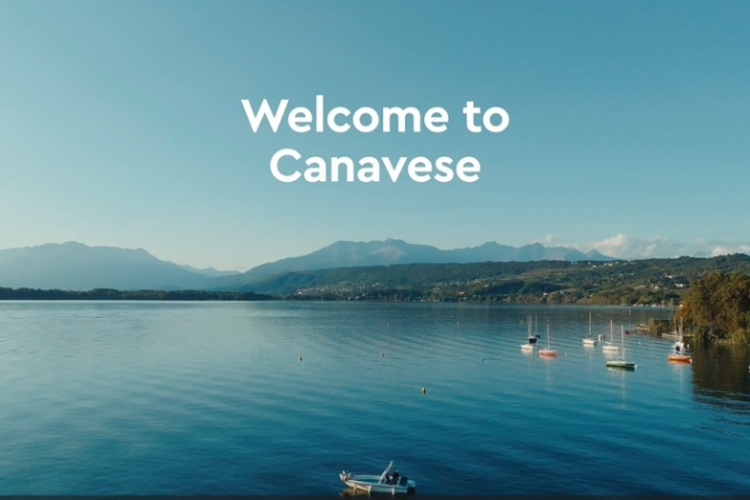
Welcome to Canavese, an unexpected corner of Piedmont where …
844Welcome to Canavese, an unexpected corner of Piedmont where …
844
