












As international tourism returns to pre-pandemic levels Europe is seen as a single product with a new underlying logic
Europe is seen as a cultural mosaic
Leaving aside the consequences of the Middle East conflict it is becoming increasingly clear that it is not individual destinations but comprehensive travel packages that are being sold. This is the picture that emerged from a recent discussion between international buyers and operators on Europe’s positioning in long-haul markets. Though still seen as a cultural mosaic, Europe is increasingly being promoted as a single, comprehensive experience. "Our clients view each country differently, but the perception of Europe as a single market is very strong. And the growth of the cruise sector is an important indicator to monitor," says Tom Jenkins, CEO of ETOA, European Tourism Association.
From destination to itinerary
For non-European markets the choice is not about a single country but a combination of multiple stops. A clear geographical preference emerges from South America. “Argentine tourists are mainly drawn to Spain, France and Italy, partly for cultural reasons and due to their origins. Those returning to Europe stay longer because they are already familiar with the quality of the product,” explains buyer Juan Carlos Scartascini. A similar trend is emerging from India. “Demand for multi-destination trips combining Italy, Greece and Spain is growing. The young target market is expanding fast and we are looking for local partners with whom to build bespoke programmes,” says buyer Sanjay Chinai. “After their first iconic trip, customers begin to discover lesser-known destinations, but they expect very high standards of quality.” adds Maria Khury, president of Alta Travel NYC. 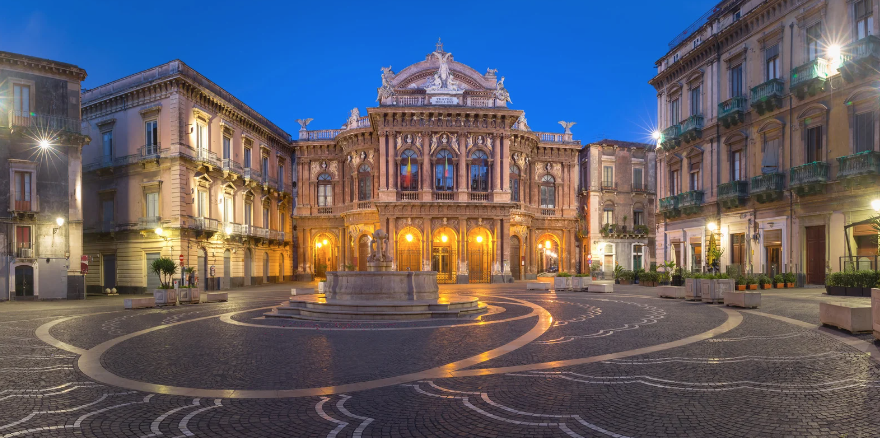
Integrated experiences: shopping and the local area
European travel is increasingly structured as a composite experience. “Shopping tourism continues to grow, but we need to work on visitors’ experiential expectations,” explains Daniele Rutigliano, senior tourism manager at the McArthurGlen Group. In the luxury segment demand is shifting towards integrated products: “The customer combines accommodation, shopping and food and wine, and uses the city as a starting point to head for the coast or the countryside,” says Barbara Rohner, general manager of Magna Pars - L’Hotel à Parfum in Milan.
The role of commercial relations
The development of the European product relies increasingly on relationships between operators. “B2B meetings allow us to gain a concrete understanding of what we are going to sell. First-hand experiences such as stays and visits to the area are becoming fundamental.” says Ann Lewis, president of Asta USA Northeast. “Digital or media campaigns are not enough: face-to-face meetings between operators remain essential for building shared value,” adds Rutigliano. The growth in demand also entails a management responsibility. “We must direct visitors towards lesser-known destinations and less congested periods. Efficient transport and collaboration between operators are becoming the true benchmarks of Europe as a tourism product," concludes Jenkins.


