




 Sudtirol ph credits Seiser Alm Marketing Helmuth Rier
 ph credits: KOTTERSTEGER
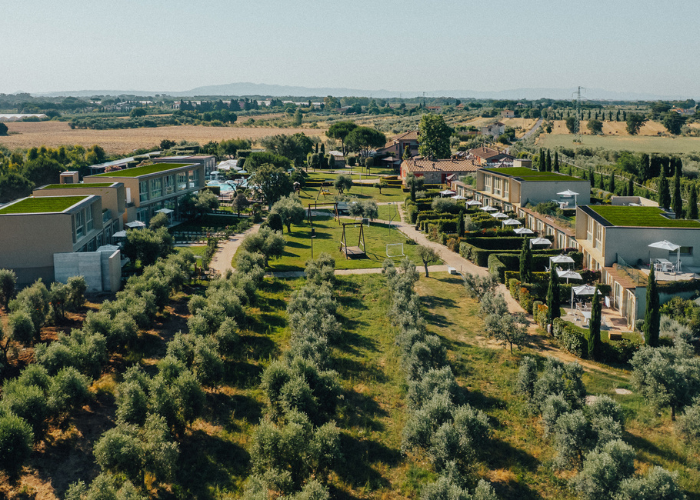
The property is located on the outskirts of the EUR district enroute to Fiumicino Airport and has 782 rooms, 54 chalets and 22 suites; 4 bars and 4 restaurants serving Mediterranean and international cuisine. There is also a 27-hole golf course, three swimming pools, three gyms, 43 meeting rooms and 4,028 sqm of event space.
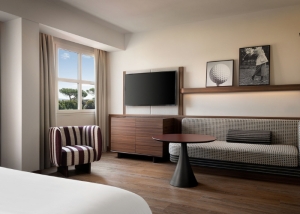
The renovation programme covered the guest rooms and communal areas of Building 2, modernizing the spaces but remaining true to the property’s historic identity and the Sheraton brand’s international standards. The project is part of Sheraton’s vision as “The World’s Gathering Place”, a venue designed for meeting, working, sharing experiences and relaxing and the design project draws on the imagery of golf from the 1920s to the 1950s as an expression of a lifestyle of informal elegance, social rituals and a slower pace of life.
The rooms in Building 2 have been completely refurbished and are intimate, cozy spaces, with a colour palette that combines moss green, terracotta, leather and burgundy, paired with the warmth of natural wood floors and panelling. In the lobby, at reception and in the bar, the redesign has been conceived subtly, respecting the existing architecture and maintaining continuity with the pre-existing spaces, while adding new materials, fabrics, lighting and details. Key features include the Sheraton Booth and, in the bar, the Community Table, both designed to the brand’s international standards: one a dedicated space for working in peace, away from the hustle and bustle, and the other for meeting and socializing.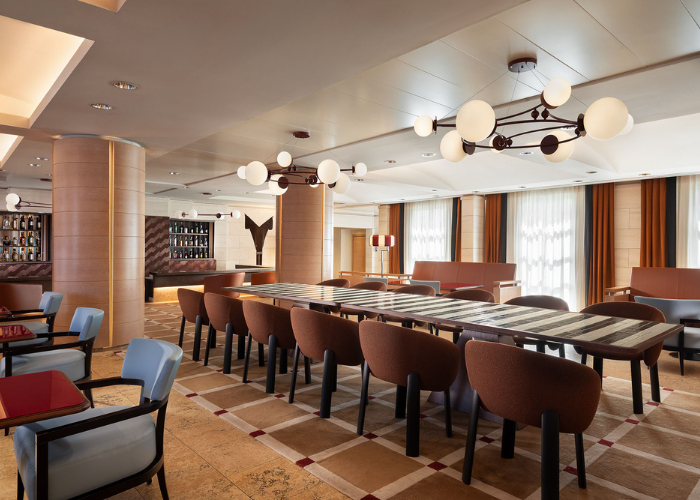
In the bar, the new backlit bottle display becomes both a functional element and the focal point of the space, and the Community Table is one of the symbolic elements of the new spatial concept: a surface of black-and-white striped tiles on a burgundy and cream chequered base, with lampshades that echo the same colour scheme. The restaurant is now brighter and more open to the outdoors, with a new layout featuring three buffet areas, and a central multifunctional unit that combines practicality with aesthetics. The ceiling with exposed wooden trusses evokes the architecture of a farmhouse or a country clubhouse, and the large windows open up the dining room to the landscape, with mirrors helping to multiply light and reflections and creating visual continuity between indoors and outdoors.
 Piticchio ph credits: Franco Simoncini
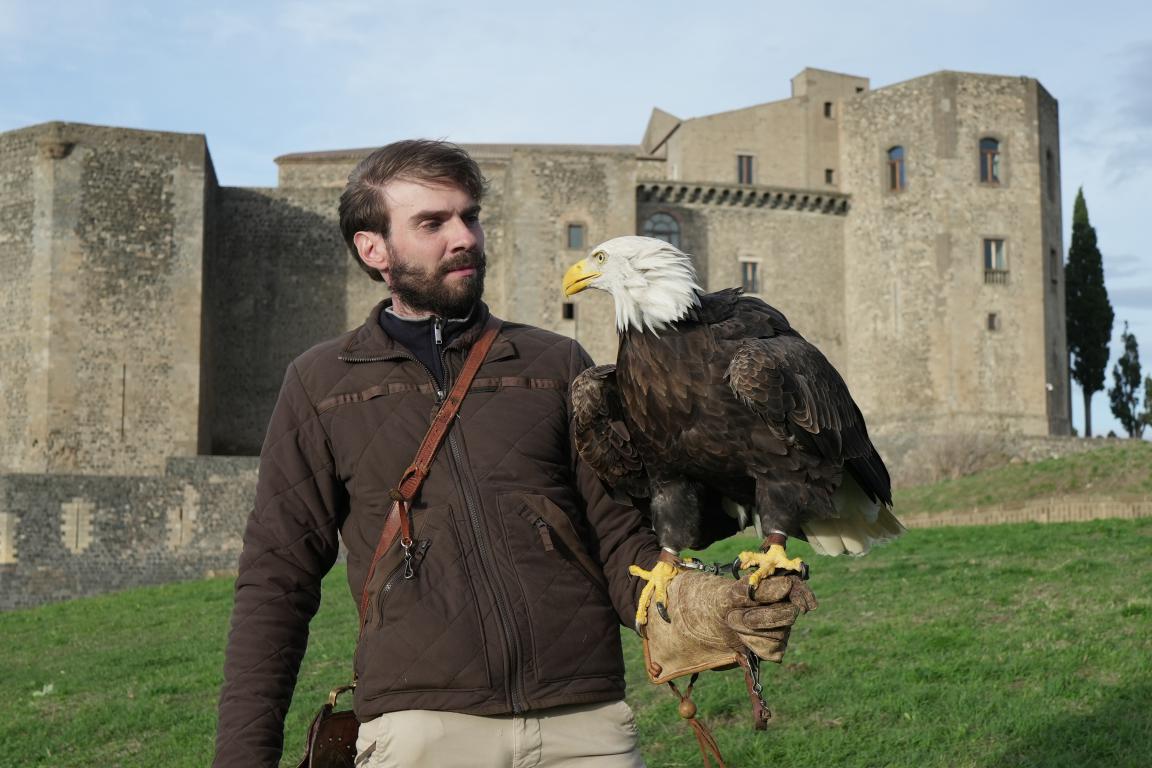
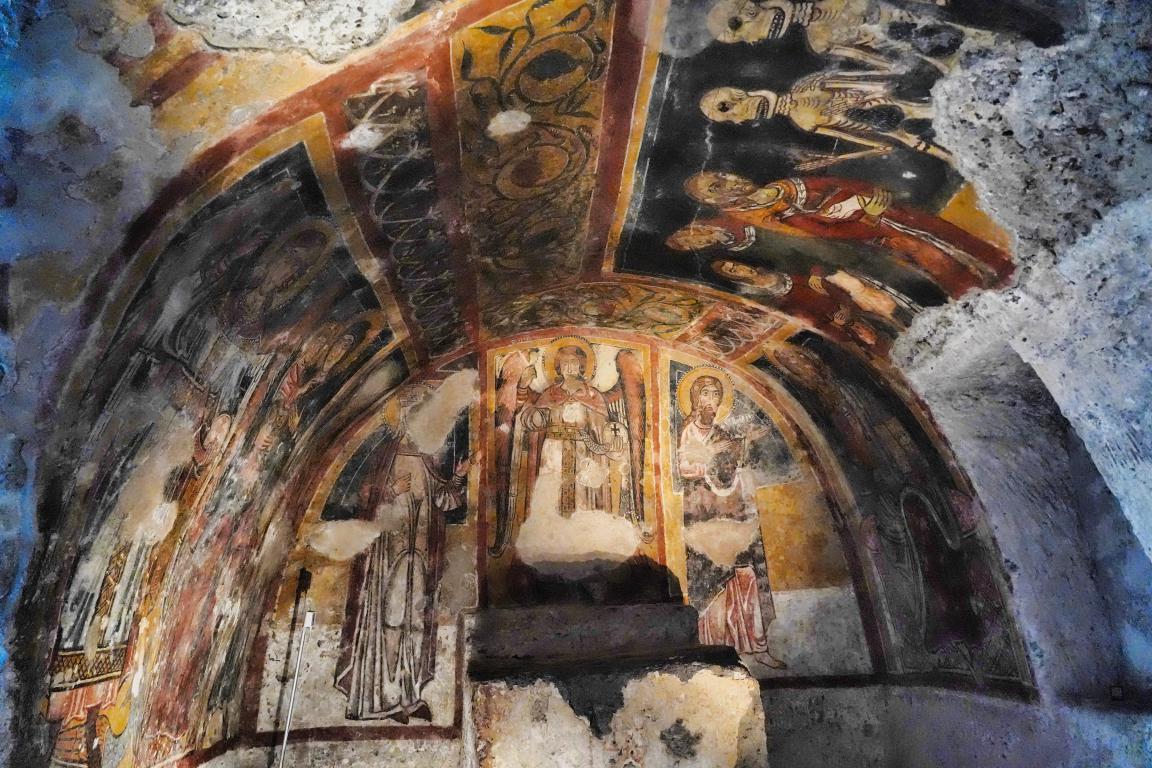
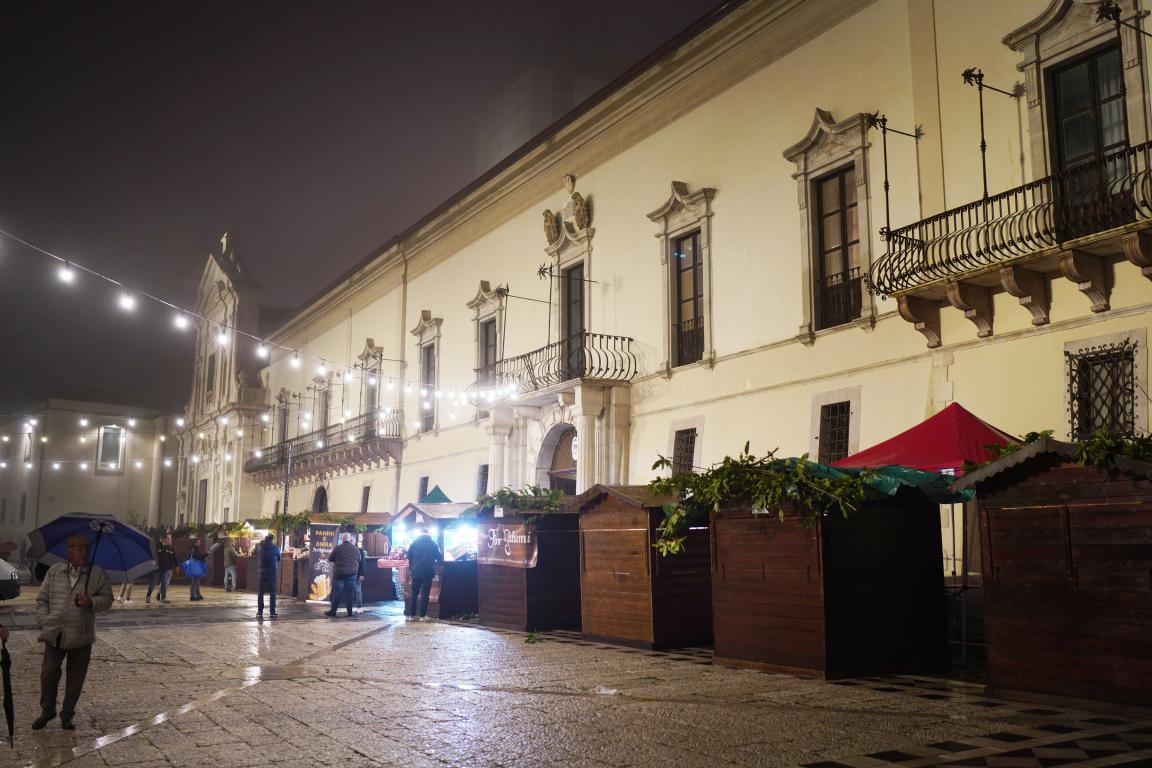
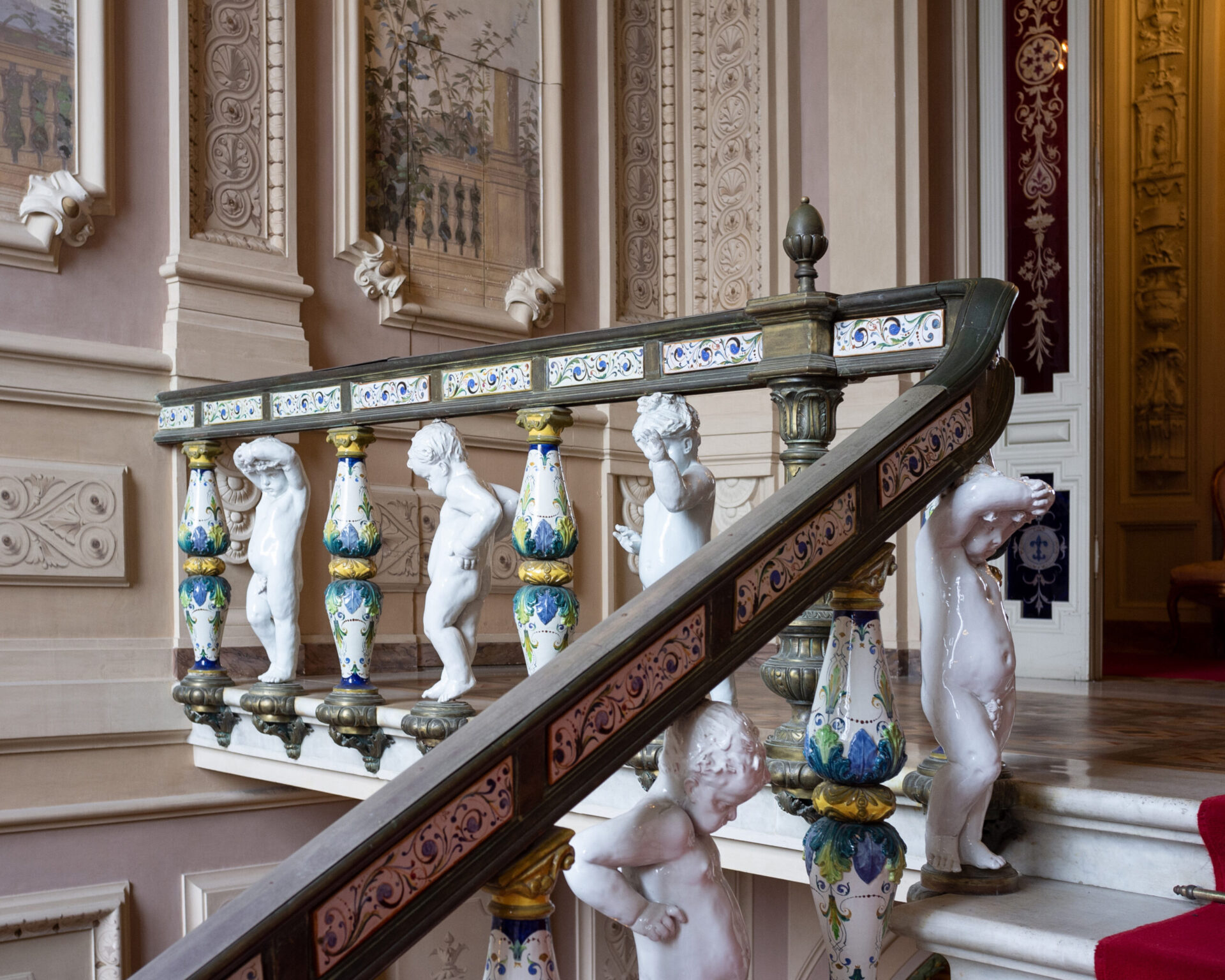 Fattori Museum courtesy of Open Mind Consulting
 Fattori Museum courtesy of Open Mind Consulting
There are places that do not ask to be rushed through. Teano, on the slopes of Roccamonfina, in northern Campania, is the town that boasts an ancient history, unspoiled landscapes and a culinary culture that deserves to be discovered. It is here, in the heart of the historic centre, that Il Quinto Elemento, a wine bistro with a restaurant, four guest rooms and a secret garden, recently opened. The project by Maurizio Landolfi and Gloria Cinquegrana is in an ancient building that had long been abandoned. The restoration has preserved its while breathing new life into it through unpretentious, contemporary hospitality.
A roof garden and cozy dining rooms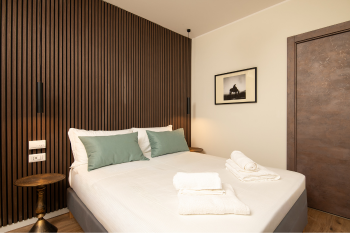 Il Quinto Elemento ph credits: Aurora Scotto di Minico
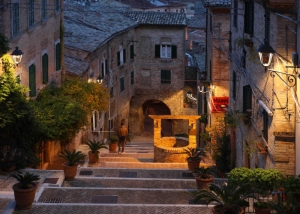
At number 64 Vico Viola, just a stone’s throw from Porta Napoli, the oldest surviving gateway to the medieval city, an arched doorway leads into an almost hidden world. The surprise is the roof garden, overlooking the rooftops of Teano, its domes and bell towers. Amidst citrus trees and Mediterranean plants, a large wooden pergola shelters the tables for al fresco dining while inside the cozy dining rooms and a crackling open fire create an intimate atmosphere, particularly evocative during the colder months. The project’s name is in itself a statement of intent. Il Quinto Elemento evokes the Aristotelian quintessence, that was added to earth, air, fire and water as a pure, eternal and immutable substance.
Local cheeses, cured meats and wines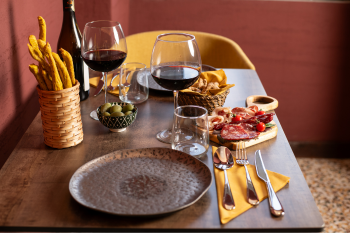 Il Quinto Elemento ph credits: Aurora Scotto di Minico
The cuisine, helmed by Anna Merlino, stems from a deep understanding of the local area and a desire to bring its diversity to the plate. Fresh egg pasta, bread made with ancient grains and sourdough starter, artisan cured meats, cheeses from small-scale producers, vegetables, pulses and aromatic herbs tell the story of a bountiful land, deeply rooted in seasonality, reviving the traditions and flavours of the Upper Caserta region.
Four gastronomic journeys to choose from
There are four gastronomic journeys, each linked to one of the elements: Earth, Air, Water and Fire. The first is the most deeply rooted in the local area; Fire takes the spicy route; Water embraces fusion with seafood; Air, on the other hand, interprets a vegetarian cuisine. The journey includes platters, hot and cold dishes and a seasonal first course, in a gastronomic narrative that invites discovery rather than formality. And then there is the wine, produced around the Roccamonfina volcano and an ancient winemaking tradition. And on the first floor of the adjacent building there are four rooms – Earth, Air, Water and Fire – inviting you to stay a little longer.
A Roman theatre, a castle and woodlands
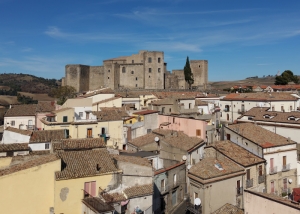
Teano, founded in the 4th century B.C. was an important centre in antiquity thanks to its location between the Via Latina and the Via Appia. The Roman Theatre, the Lombard Castle and the Archaeological Museum of Teanum Sidicinum are highlights of a heritage spanning centuries of history. And for those wishing to explore further there are the woods of the Roccamonfina-Foce Garigliano Regional Park, the villages of the upper Caserta area, Capua and, further on, the Royal Palace of Caserta.
For information: www.ilquinto-elemento.it



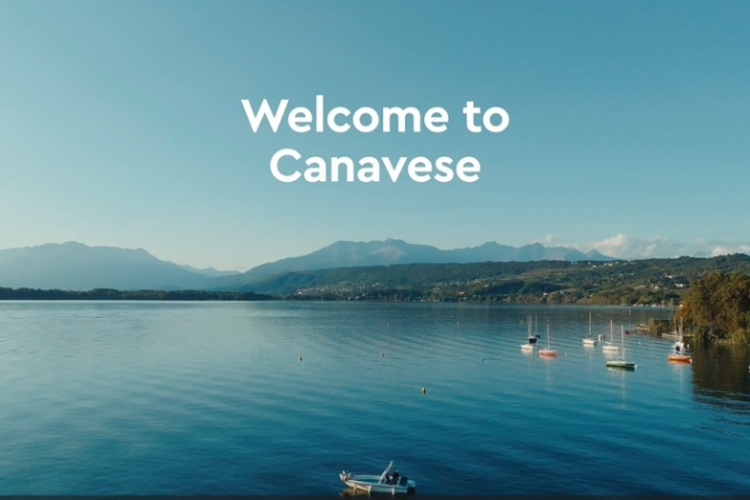
Welcome to Canavese, an unexpected corner of Piedmont where …
843Welcome to Canavese, an unexpected corner of Piedmont where …
843
