



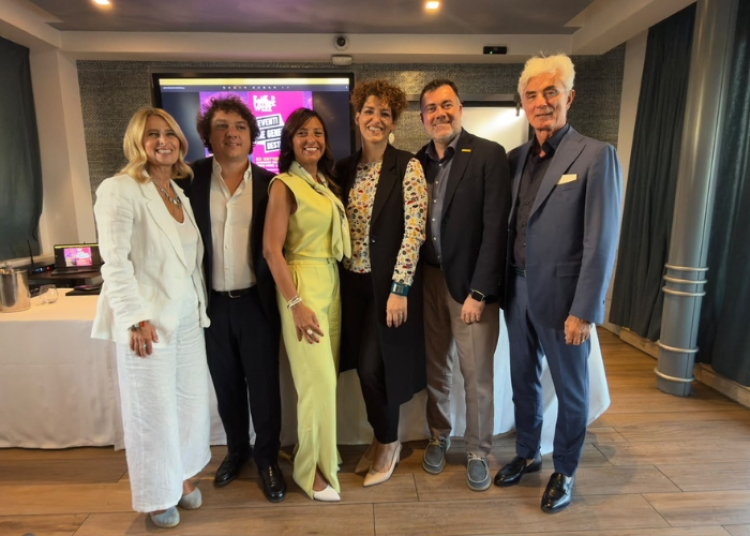




“Events that Generate Destinations,” a panel organized by Bortolan Carnevali & Partners during Rome Future Week, looked at the new strategies shaping tourist flows.
The focus was on events as a driver of tourism flows
Hosted by the Atlante Star Hotel the discussion, moderated by tourism and innovation journalist Claudiana Di Cesare, brought together institutions, tourism authorities, hospitality operators and communication professionals. The focus was on ways to attract new markets, extend the tourist season, redistribute visitor flows and create new reasons to travel. For Paolo Giuntarelli, director of the Lazio Region’s directorate for presidential affairs and tourism, "major events must establish a genuine relationship with the area in which they are organized. Looking ahead to 2027, Rome will host two stages of the Giro d’Italia and a World Rally, and we have plans to bring sone 50 international operators to Lazio to showcase destinations beyond the city of Rome."
Flanders and Malta: using art and extending the season
The international perspective was illustrated first by Daniele Manetti, director Italy of Visit Flanders, who presented the COPPA, Contemporary Platform for Public Art in Flanders event, launching in 2027 which will connect four established contemporary art events in Kortrijk, Beaufort, Watou and Bruges. The aim, he explained, "is to complement the established cultural identity of Flanders with a contemporary narrative to attract new audiences and direct visitors towards less-explored areas." Then Ester Tamasi, director Italy of the Malta Tourism Authority, focused on the role of events in extending the season. "Italian arrivals to Malta have risen from around 140,000 in 2009 to 540,000 in 2025. Events are important in helping to keep hotels open during the winter and they encourage visitors to discover areas beyond the island’s best-known destinations and attractions."
Hotels that embrace their neighbourhood
Federico Mencucci, general manager of Hotel Atlante Star, described how the hotel’s Les Etoiles terrace and restaurants have been developed as spaces also for local residents and not just hotel guests. "Corporate events, private celebrations and especially weddings," he said, "are creating new opportunities, including pre-wedding stays in Rome for international couples marrying elsewhere in Italy." Belinda Bortolan, founder and partner of Bortolan Carnevali & Partners, said events must have a component of authenticity and emotion. "These are qualities found not only in major events but also in neighbourhood initiatives and everyday places. Strategic communication means understanding the sentiment and the hidden desires of a place and its audiences, and then creating events that respond to them."
Making sure that guests interact with the local area
Gianni Russo, general manager of Club Esse, which has holiday villages in Sardinia, Calabria, Puglia and Valle d'Aosta, underlined the importance of opening resorts to their surroundings. "The traditional self-contained holiday village can no longer meet today’s expectations, guests want it to also encompass the local area. At Club Esse we work closely with local businesses and employ local staff, which is also a way to allow our guests to discover local foods and the local culture straight from the people who come from the area. It is a very natural way to connect our visitors with where they are staying."


