



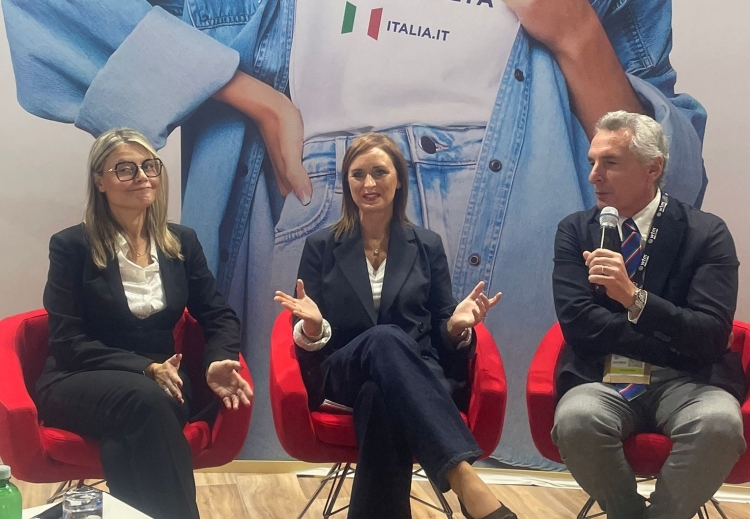










At the WTM Ivana Jelinic, managing director of ENIT, and Elena Palazzo, tourism councillor of the Lazio region, focused on the region’s walking routes.
Lazio is drawing growing numbers of walkers
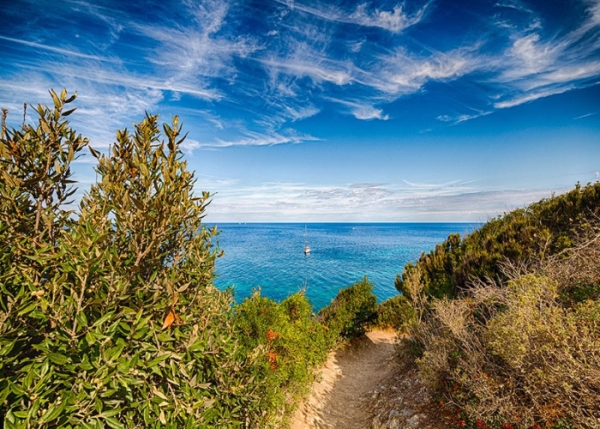
In an overview of the region’s presence on the national and international scene, special attention was given to its walking routes which have recently changed both in terms of tourism and experience. “The Latium region is popular for its walking routes, so much so that it has become a pivotal focus for many foreigners, but also for Italians,- said Ivana Jelinic. - Of course this change in our behaviour must be intercepted and then transformed into a tourist product.”
A desire to get closer to nature
“Today time is the great luxury that we all want at our disposal. So are authentic experiences. When people who live in large cities and are subjected to enormous daily stress, find they have time on their hands, they choose to get close to nature and slow down their pace - something we are unable to do in everyday life. What the Lazio region has done in an intelligent way is to focus on a theme that is a trend, but also a need. Of course, it’s the role of politics and institutions to outline the vision—but it’s the tourism professionals who bring those ideas to life. So we must always give maximum support to the professionals to allow them to work freely.”
Lazio has over 2,000 kilometres of walking routes
"The Lazio region can be defined as the region par excellence of walking paths. Two thousand kilometres of paths - I’m thinking of the Via Francigena, the Way of St. Francis, and the Way of St. Benedict. said Elena Palazzo. -We have an immense heritage on which we are trying to focus a great deal of attention, and we are looking at it as a form of slow tourism by which I mean experiential tourism. We are working to invest in a widespread hospitality network. How did we start?
Upgrading facilities for healthy tourism
From 2024 to 2025 we started by investing almost €2 million to make these walking paths safe. We have done some work on signposting, and we have also given the businesses that are on the paths the opportunity to promote themselves. The region’s task is to build connections among all of Lazio’s diverse potential - from the sea to the art cities, from culture to historical tourism. For 2026 we have invested €1 million in sports and health. Which we can of course link to the walking paths, which are itineraries for healthy tourism, but also places for outdoor sports. It is therefore a fundamental link that brings together the various clusters.”


