



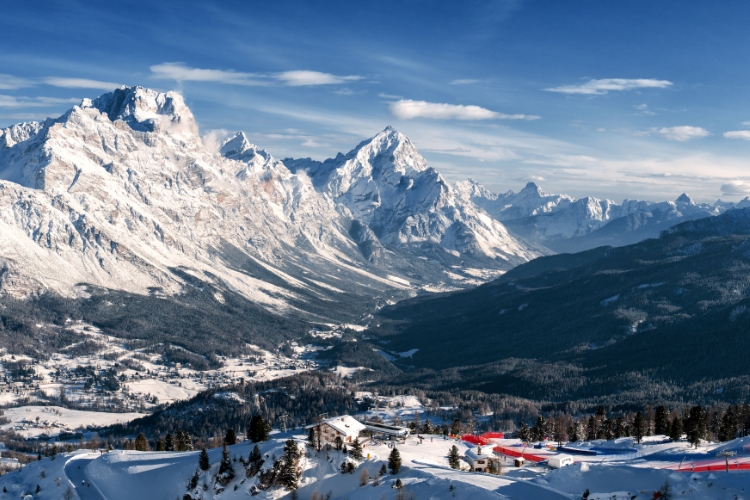









The Milan-Cortina Olympics represent a peak of acceleration in the process underway for Alpine tourism.
2026 set to be a peak year
According to estimates by Isnart and Unioncamere, 2026 should mark a historic peak for Alpine tourism, with 513,000 arrivals in the Olympic areas, 1.8 million overnight stays and €281 million in direct tourist spending. The overall economic impact is estimated at over €5.3 billion.
Tourism dropped by 50% in 2020
The infographic “Cortina 2026: numbers and trends in new mountain tourism” report from VRetreats, a high-end Italian hospitality brand, provides a snapshot of the evolution of Alpine destinations from 2019 to today and the expected impact of the Games on the tourism system. According to this data, after the collapse in 2020, which saw a 50% drop in visitor numbers, Alpine tourism has shown growth rates above the national average in the post-pandemic period.
Cortina d'Ampezzo: 12.000 beds in 2025
At a regional level, between 2019 and 2025, Valle d'Aosta will go from 3.6 to 4.01 million visitors (+11%), Trentino from 6.9 to 7.75 million (+12%) and South Tyrol from 35 to 37.1 million (+6%). The average length of stay will also increase, reaching 4.6 nights in 2025, compared to 3.8 in 2019. Cortina d'Ampezzo stands out in this context, with steady growth since 2019, an estimated 12,000 beds in 2025, an average occupancy rate of 79% and average spend of €310 per night. Positive performance is also recorded in Madonna di Campiglio and the Monte Cervino area, supported by sports tourism, wellness and the premium segment.
International visitors spent €182 daily
The contribution of international tourism remains decisive in Alpine resorts. Between 2019 and 2025, foreign arrivals in Alpine resorts grew steadily, driven by Germany, Switzerland, Austria, the United Kingdom and the United States. In 2025, the average daily expenditure of international guests reached €182, compared to €135 for Italians. Interest is also growing in offers combining luxury and sustainability, with an increase in 4-star and 5-star properties, more green certifications and more and more experiences related to wellness and nature.
Forecasts indicate growth in summer visitors
Looking beyond 2026, the challenge, according to VRetreats, will be to consolidate the benefits achieved and steer development towards a balanced and sustainable model of mountain tourism. Forecasts indicate growth in summer visitor numbers, an increase in stable accommodation capacity, and an increase in green-certified facilities.


