




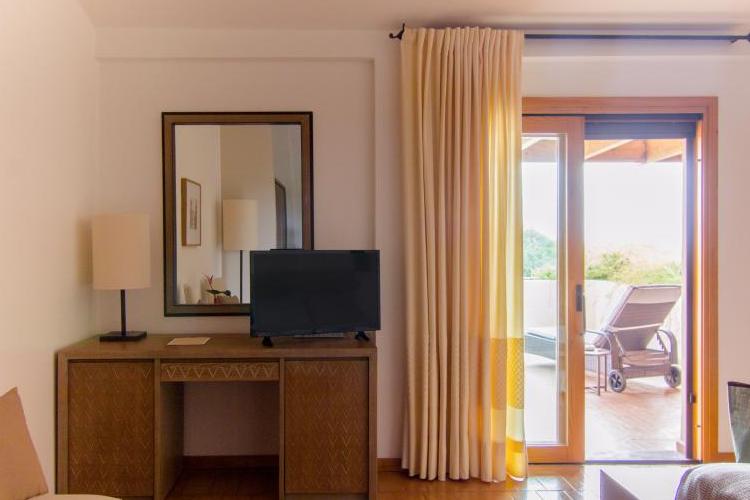
The Aquadulci Hotel has minimally elegant rooms
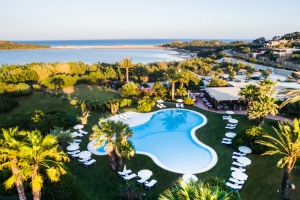
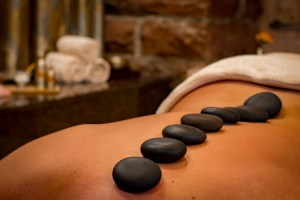
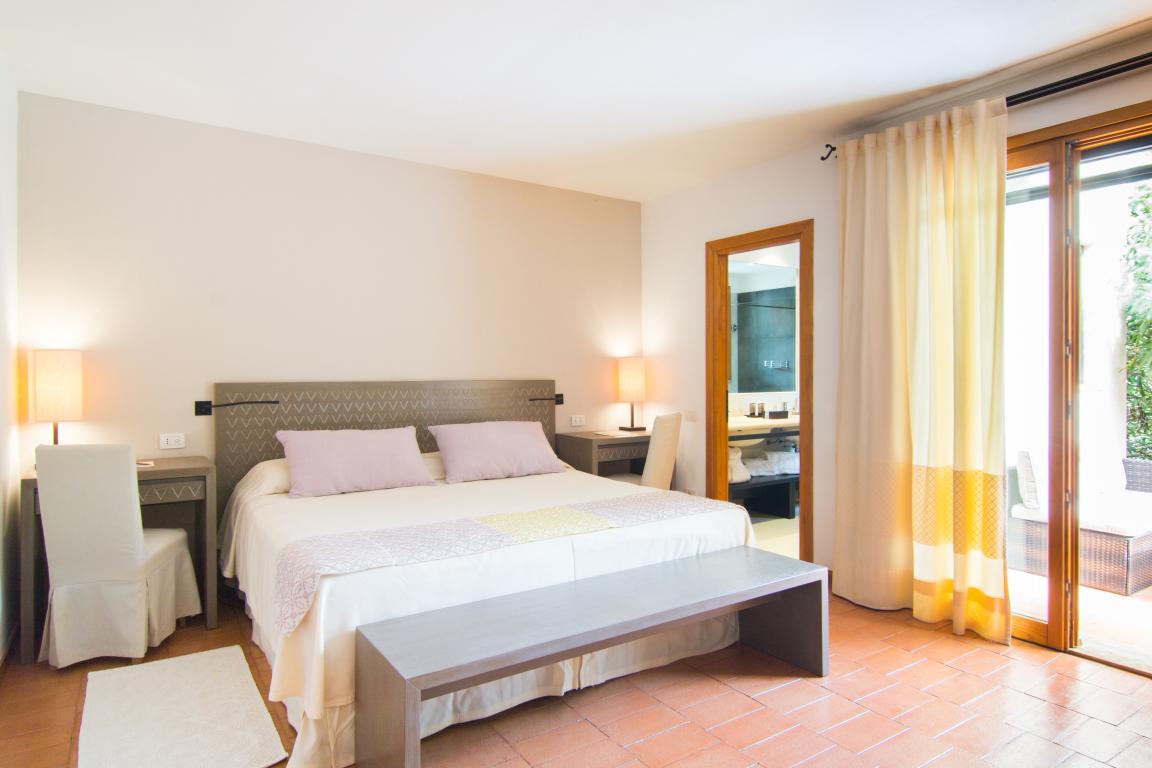
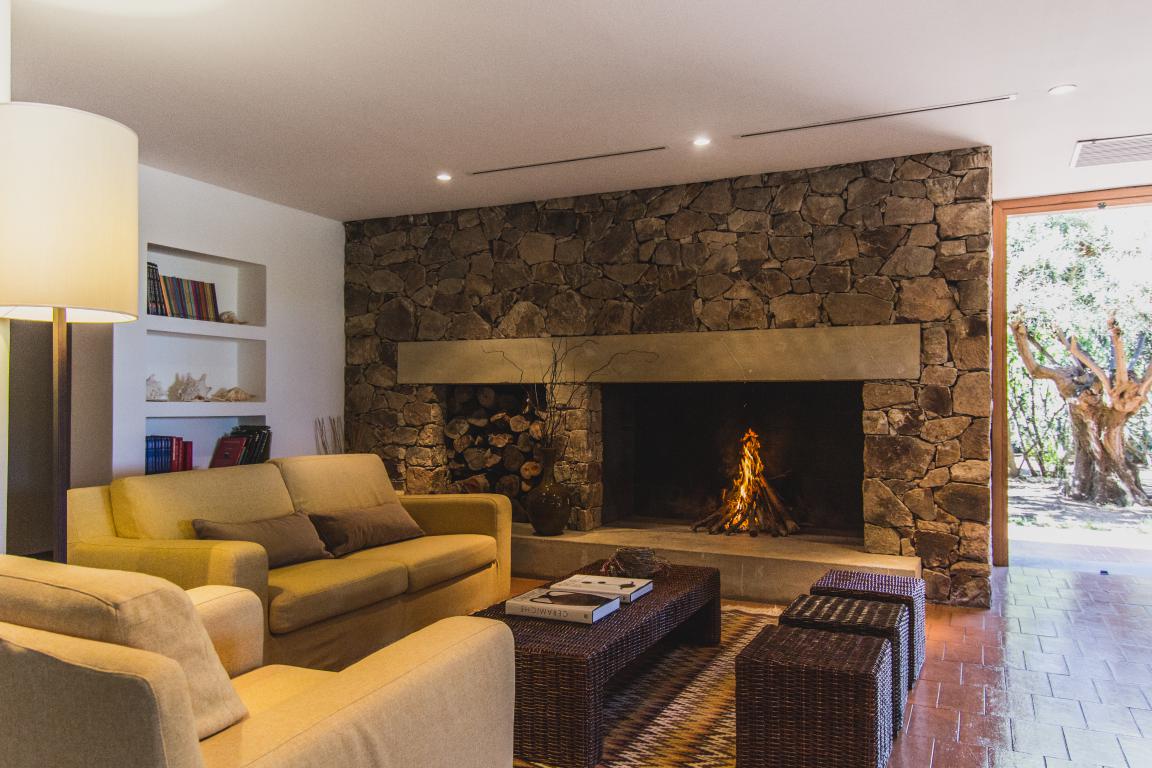
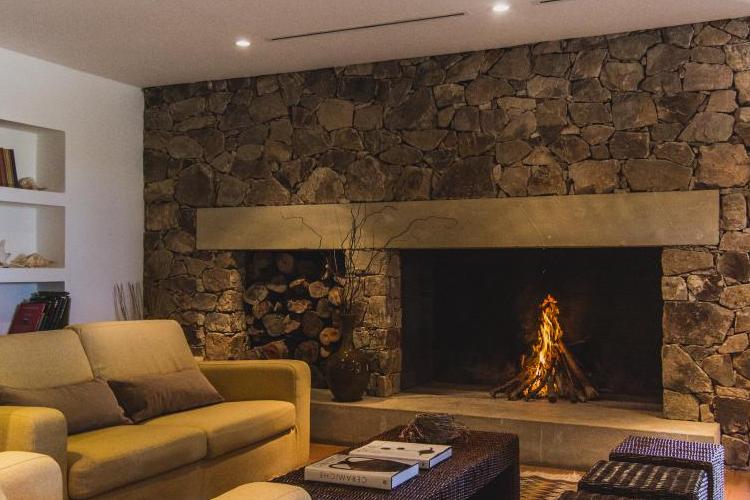
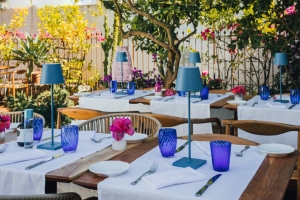
This 4-star hotel has a large garden, a swimming pool, a bamboo gazebo for massages that use the organic essences of native plants, and minimally elegant rooms with furnishings in natural materials by local artisans. They also have private gardens, patios or terraces and there is an extensive outdoor lounge area in which to relax and enjoy an aperitif.











Local lobsters, cured hams and traditional pastries
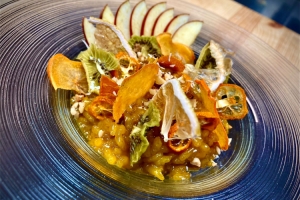
In the à la carte Aquadulci restaurant the menu includes many local delicacies such as Sant'Antioco lobster, Villagrande cured ham, Cabras bottarga and the famous Camona tomatoes from Pula, as well as traditional pastries fresh from the kitchens.
Explore Chia’s coast on an old sailing schooner
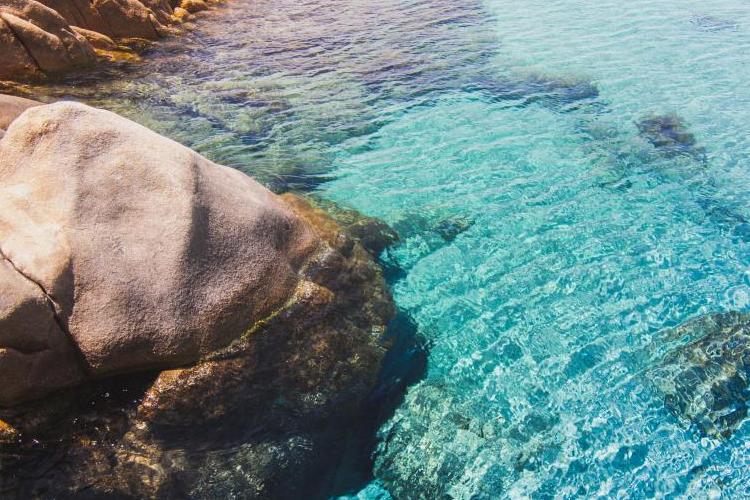
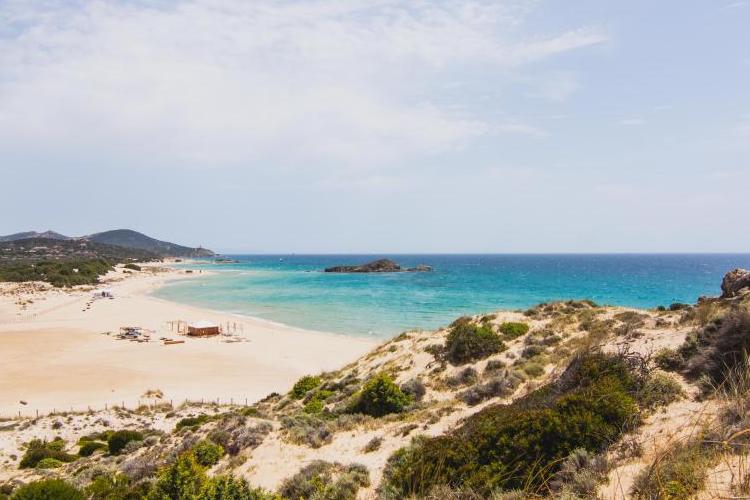
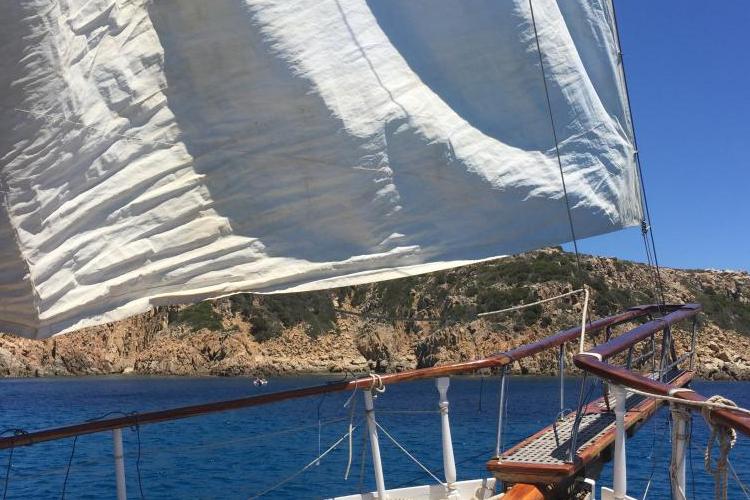
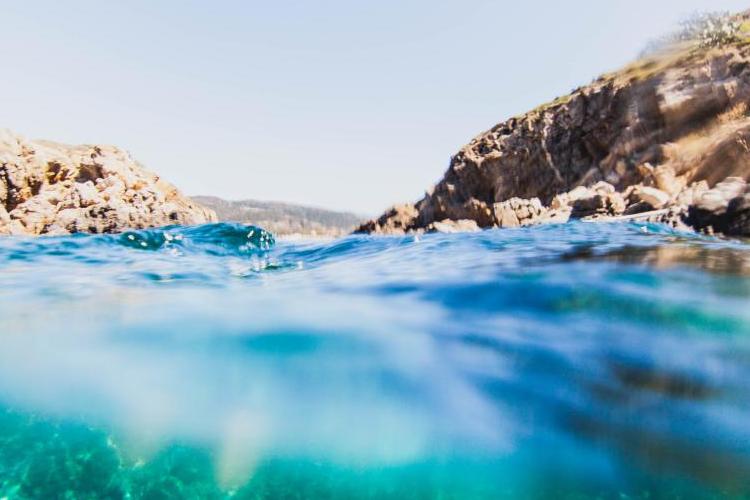
Take a vacation to be enjoyed barefoot, from the soft carpet of grass in the garden to the fine sand of Su Giudeu, one of the most beautiful beaches in the Mediterranean. This coastal stretch of Chia with its beaches and hidden coves is just waiting to be explored on foot or on an old sailing schooner.
Kite surfing and windsurfing courses, tennis and golf
The hotel also provides bicycles, organizes excursions by mountain bike, horseback riding, kite surfing, and windsurfing courses, and there is tennis and golf on the nearby 18-hole course. Book your stay by 31 March 2022, for a 10% discount. From May 21, 2022, prices from €75 per person per night with bed and breakfast.
| Aquadulci Hotel This email address is being protected from spambots. You need JavaScript enabled to view it.
|
A renowned architect and Venice native accompanies guests
The Luminaire’s Venice Biennale journey has a suggested timeframe of May or June 2022, and an ideal length of one week. Home will be a luxury suite in one of Venice’s most prestigious hotels and renowned architect, author and Venice native Francesco Da Mosto will accompany guests, starting with a welcome dinner at one of his favourite Venetian restaurants. 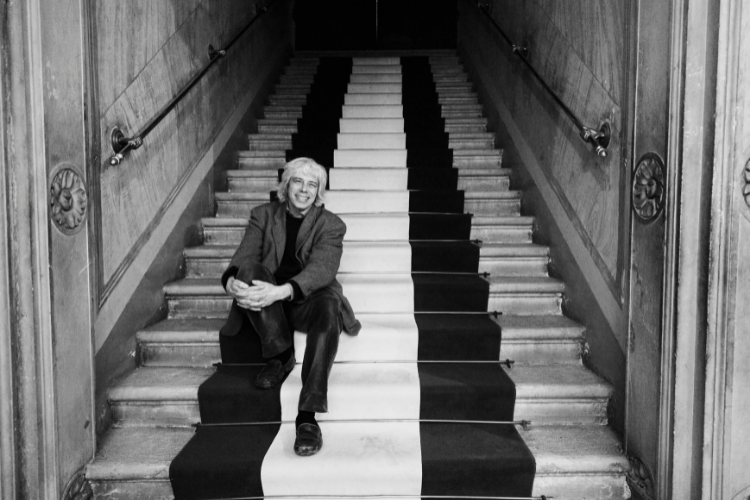 Francesco da Mosto
Expeditions on the lagoon and to hidden corners of Venice
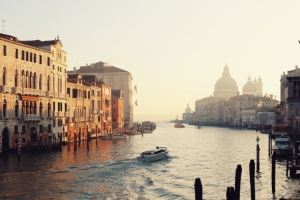
The week will unroll with a special evening at the La Fenice Opera House, and viewings at the Accademia Art Gallery and the Peggy Guggenheim Museum with art historian Giulia Martina Watson. There will also be visits to master artisans as they restore priceless treasures and artworks, and an intimate look into the city’s greatest landmark, St Mark’s Basilica. Da Mosto will accompany guests for expeditions on the lagoon and to hidden corners of Venice for a true insider’s view of the city, its history, its people and customs, its food and wines. 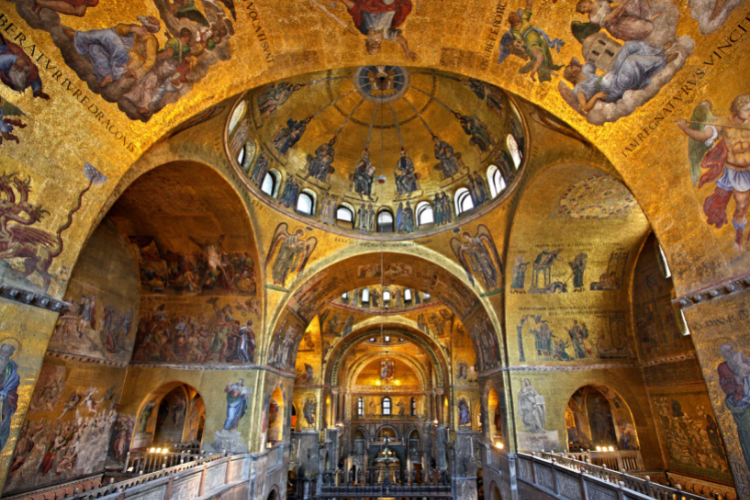
Journeys to Antarctica, Florence, Japan and Cairo are planned
Also on The Luminaire’s 2022 schedule, the Antarctica with Sir Ranulph Finnes, the world’s greatest living explorer and a photographic expedition with the famous photographer Sir Don McCullin. Florence, Paris, Japan, Cairo and Luxor are also planned, but The Luminaire will create personalized experiences in any cultural hub in the world, designing journeys that explore the individual interests of each of its guests. These one-off travel experiences are for people who want to make their travel passions come true, and include private access to select locations and properties, bringing cultural and educational travel to new levels of specialization as they reveal the world through a new and exciting lens.
“Our mission is to make intellectual travel cool”
Adam Sebba, the Luminaire’s co-founder and CEO, who has worked over a 20-year career in luxury travel and fashion says:
“We’ve built the Luminaire for a new archetype of traveller. We know the next generation has a strong passion for knowledge, expects and values deep personalisation, and has a wide and eclectic range of interests. Our mission is to make intellectual travel cool, and we don’t see anyone else doing that.”
For more information visit the website: https://www.theluminaire.com
Walking across Monte Amiata and Elba
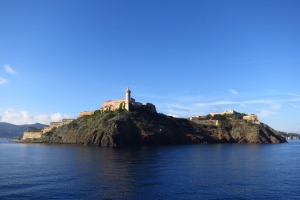
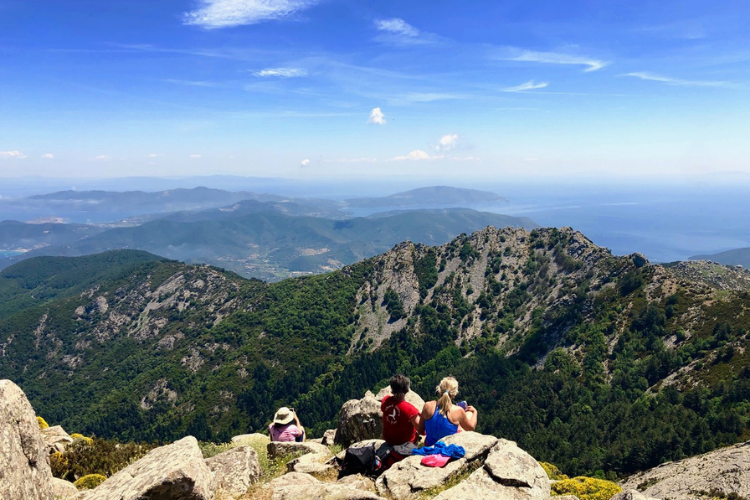
Tuscany is the first region to feature in 2022 with the Monte Amiata 19-24 April walk that will cross this little-known region of Southern Tuscany and its 1,738-metre mountain (a popular winter skiing choice). Then, from 21 to 26 May, Steward will accompany a group of slow-tourism buffs across the island of Elba which is just off the Tuscan coast. The port of Piombino is two hours by car from Florence, and the ferry from there to Elba’s capital Portoferraio - the starting point of the itinerary – takes just an hour.
“People are attracted by being in contact with nature”
Two scheduled 2022 walks are already sold out: the 10-14 May route through Calabria’s wild Aspromonte region, and the very popular and physically challenging 5-10 July Dolomites trip.
“I launched Maremma Safari Club in 2016. The 2022 walks are my first post-pandemic adventures on foot, and they are drawing a lot of attention. People are increasingly attracted by being in contact with nature, and getting away from run-of-the-mill holidays.”
Groups stay in guesthouses, boutique hotels, wine estates and castles
On an average day, walking little-known country trails and byways, and along untrodden paths known only to Rudston, groups cover about 20 kilometres a day with picnic lunches in the countryside or a break for local specialties in a typical trattoria. The accommodation is in double rooms in charming guesthouses, boutique hotels, wine estates and Medieval castles. Travel transfers and add-ons can be requested for all tours, and breakfast, lunch and dinner, and local table wines are always included.
Completely customizable private walks
Steward meticulously researches all his itineraries.
“They are truly off the beaten track and we can go for days without meeting another walker,” says Rudston who personally guides each group. He also runs private bespoke walks fitting in up to 3-4 different private and scheduled groups each month. “Our private walks are completely customizable with regard to the length, the difficulty and the personal preferences of the group.”
Spring is the best time of year to explore Elba
The Elba 21-26 May walk will cross the island along Mediterranean footpaths (with a visit to Napoleon’s love nest) and with walkers getting to swim on a different beach each day. “This itinerary is not particularly challenging, and spring is the best time of year to explore Elba. The sea is stunning and you avoid the summer crowds.”
Sardinia’s Supramonte walk ends in the boutique Hotel Cala Luna
Also very popular is the last walking trip of the season, to eastern Sardinia’s Supramonte region from 4 to 9 October. After the 13-kilometre second day, dinner is hosted in a local ovile shepherd’s hut and the night is spent camping. Another day, having explored the stunning Gorropu Gorge and its canyons, the walk ends at the limpid sea of Cala Gonone, with optional boat excursions and two nights in the Hotel Cala Luna boutique hotel.
Photo Credits: Maremma Safari Club
|
Maremma Safari Club
|
Take a leap back in time to discover the most beautiful historic houses and castles in the Friuli Venezia Giulia region. On Saturday 2 and Sunday 3 April, the much-awaited Castelli Aperti FVG event returns. Now in its 37th edition this is a unique opportunity to discover the history of this region in the far north-east of Italy by visiting manor houses, castles, residences, gardens and parks that are normally closed to the public.
Owners and tour guides will show visitors around
With 19 castles opening for two days throughout the region, thanks to the Consortium for the Protection of Friuli Venezia Giulia's Historic Castles visitors will be shown around by the owners of these historic properties or by professional guides. They will hear fascinating stories about the history of each castle, on journeys of culture and art, but also of curiosities and anecdotes handed down from generation to generation. Strassoldo Castle
The province of Udine has 13 castles
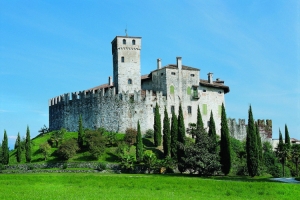
There are 13 castles in the province of Udine: Aiello Castle, Ahrensperg Castle (Pulfero), San Pietro di Ragogna Castle, Strassoldo di Sopra Castle, Strassoldo di Sotto Castle, Susans Castle (Majano), Villalta Castle (Fagagna), Casaforte la Brunelde (Fagagna), Rocca Bernarda (Premariacco), Palazzo Steffaneo Roncato (Crauglio di S. Vito al Torre), Palazzo Romano Roncato (Crauglio di S. Vito al Torre), Rocca Bernarda (Premariacco). Vito al Torre), Palazzo Romano (Manzano), Castello di Flambruzzo (Rivignano Teor) and the Castello Savorgnan di Brazzà (Brazzacco).  Spilimbergo Castle - credits Ciol
There are 6 castles in the provinces of Pordenone and Gorizia
While in the province of Pordenone, in addition to Spilimbergo Castle, Palazzo Panigai Ovio (Pravisdomini) and Cordovado Castle will open their doors, and in the province of Gorizia the Rocca di Monfalcone, Castello di San Floriano del Collio and Palazzo Lantieri (Gorizia) will also be open to visitors.
Some castles are open only by appointment
For safety reasons visits will be organised in small groups, with each residence managing access in different ways according to needs and space, and some open only by appointment. A list of participating castles, access regulations and individual initiatives are published on the website www.consorziocastelli.it. The price of admission varies from €7 to €10 and €3.5 for children aged 7 to 12. For information: e-mail to This email address is being protected from spambots. You need JavaScript enabled to view it.
Discounted Vatican and Coliseum tours and an Eataly tote bag
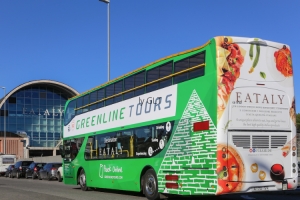
The itinerary will complement Green Line Tours’ Discover Rome tours, which take in many of the capital's main places and monuments of interest. Eataly Roma, in the former Ostiense Air Terminal, will be the terminus of the new tours, which will depart in the morning at 10am and end at 8.30pm. Audio guides in 16 languages will be available on board and clients will be offered a number of benefits such as an extension of the ticket duration, a 30% discount on guided tours of the Vatican Museums and the Coliseum, and an Eataly Tote Bag.
 Eataly is an awesome food emporium on four levels
And of course they will have the chance to stop and savour the best of the gastronomic traditions of Roman and Italian cuisine in Eataly's Roman headquarters, which is on four levels over 16 ,000 square metres: an awesome emporium with Italian food and wines, restaurants and classrooms for training courses and presentations. "With Eataly as a new destination we wanted to enhance the already varied traditional bus tours we operate in Rome. This new sensory experience is linked to the excellence of Italian food and wine,” says Emanuele Orlando Desideri, Managing Director of Green Line Tours.
The two most popular sides of tourism in Italy: culture and food
“Rome offers tourists endless surprises and we provide a comfortable and efficient way to explore the city. Now with this new project we are giving visitors an opportunity that combines the two most popular sides of tourism in Italy: culture and food. In the high season we plan to make this a night tour; our passengers are mainly from European markets but there is growing interest from Italian visitors."
“The very best of Italian food and wine”
“We are delighted to be part of this project, which we hope will mark the start of a real upturn for tourism in Rome," says Fabio Rossi, Eataly Roma’s store manager. "In our store we strive to offer the very best of Italian food and wine both in our retail marketplace outlets and in our restaurants. We are convinced that it is a great added value for visitors to be able to combine an experience like this with a tour of Rome.”
Find out more at "Destination Eataly".
There are 16 alluring little towns on the UNESCO Amalfi coast, which is famous the world over for its natural beauty, and is a perfect example of a culturally and naturally abundant Mediterranean landscape. The coast takes its name from the little town of Amalfi, which is its nucleus.
42 kilometres of coastline
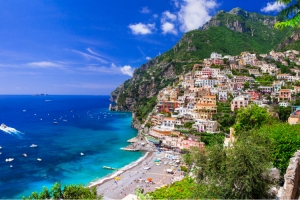
The coast actually stretches for some 42 kilometres along the Tyrrhenian Sea, and consists of 16 splendid municipalities in the province of Salerno: Amalfi, Atrani, Cava de’ Tirreni, Cetara, Conca dei Marini, Furore, Maiori, Minori, Positano, Praiano, Raito, Ravello, Sant’Egidio del Monte Albino, Scala, Tramonti and Vietri sul Mare. Each of these towns has its own character and traditions. One typical product is limoncello, a liqueur made with local lemons. Cetara is famous for its production of anchovy sauce, while Vietri is famous for its splendid hand-painted ceramics.
Saracen towers, villas and cathedrals




The various municipalities also have handsome architectural monuments such as the Cathedral of Amalfi with its Cloister of Paradise which has clear oriental influences, the Saracen Tower of Cetara and Ravello, as well as the prestigious Villa Cimbrone and Villa Rufolo.
Positano is a popular resort town
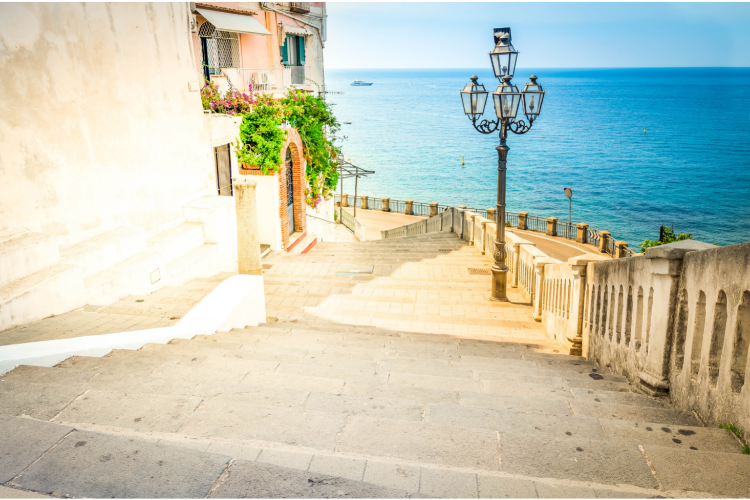
Amalfi is certainly the most famous town on the coast and it reached its maximum splendour in the 11th century, after which it fell into a decline, first conquered by the Normans and later by the Pisans. Then, in 1343, a storm resulting in a tsunami destroyed a large part of the town. From Amalfi, passing through pretty Praiano, you come to Positano, a resort town famous for its white houses, little shops where you can buy local crafts and the seemingly endless steps you have to descend to get down to the beach.
Farmhouse holidays in natural surroundings
Blue skies, green meadows, fresh waters, dense forests, towering mountains with still snow-capped peaks and animals in abundance - this authentic nature can be enjoyed to the full by staying in a local farmhouse, such as those that are part of the Gallo Rosso group.


Assisting farmers and learning farming lore
The Gallo Rosso brand of the South Tyrolean farmers’ union, has been promoting and encouraging the activities of 1,600 farmhouses in South Tyrol since 1998. Gallo Rosso partners introduce visitors to the way of life of South Tyrolean farmers, giving the farmers new sources of income, while consumers are given the opportunity to learn about farming in the South Tyrol.
A dream holiday for families
On a Gallo Rosso farm, an Easter vacation means spending time with your family while also living with another family. A farm vacation is every child's dream come true: getting up close with farm animals, making friends with other visitors or with the farmers' children, and playing in the invigorating mountain air.
Learning about ancient traditions
On a farm at Easter you can also learn about South Tyrol's ancient farming traditions first-hand. For example, using natural materials to colour Easter eggs from your own chicken coop, or participating in an egg hunt around the farm. Guests will also learn that the Palmesel, or palm donkey, is the last one to wake up on Palm Sunday, so it is best to get up early. Another enjoyable Easter tradition is the Eier pecken or egg fight. Each contestant gets an egg, and the person who manages to keep his egg from getting broken is the winner.
Discover the trade offer proposes by Estland Tour Operator.
Departures are every Saturday and Sunday
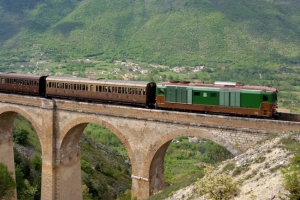
You can stay for one or more days in Sulmona, close to the Maiella National Park, or in one of the many charming towns in the area, boarding the vintage train which has departures every Saturday and Sunday. These rail day trips bring you along many of the Abruzzo’s most interesting nature and cultural routes, and there are stops along the way for guided tours.
Explore villages where time seems to have stood still
Low-speed days in the heart of Italy crossing plateaus and gorges, national parks, valleys and small villages where time seems to have stood still.
The San Giovanni thalassotherapy thermal baths to treat arthrosis and rheumatism are opposite the Gulf of Portoferraio on the Tuscan island of Elba. This five-hectare marshy basin contains silt with therapeutic qualities and this modern thermal facility is an important Italian thalassotherapy centre.
Remains of Roman villas
The Romans, who followed the Ligurians and the Etruscans in dominating Elba for centuries, realized the health benefits of thermal cures, and today there any still remains of stately Roman villas in the area. Facing the Darsena Medicea, about a thousand metres from the gulf of Portoferraio, the Terme di San Giovanni baths are in a park with palm trees, eucalyptus and tamarisk.

The silt is collected for thalassotherapy treatments
The uniqueness of this facility is that the basin adjacent to the spa has water containing sodium chloride and iodide, silt and also thermal seaweed thanks to the proximity of the sea. The precious silt is collected for thalassotherapy treatments and for natural cosmetics and eco-certified organic products.

Treatments for adults and children
Thalassotherapy and silt baths are a miraculous combination for the treatment of arthrosis and rheumatism. Their highly therapeutic benefits, which are unique in Europe, lie in the quality of the marine mud extracted, which is rich in iodine and organic sulphur, both of which are active ingredients that have been incorporated over the centuries. The spa offers numerous services for adults and children, and many of these are available through the Italian National Health Service.
The baths also have a a physiokinesitherapy centre
Alongside the sodium chloride and iodide water, sea mud, algae and marine plants, inhalation treatments are also available for problems of the respiratory tract. The mud baths and massages also treat acne, psoriasis, circulatory disorders and cellulite. The San Giovanni Thermal Baths also have a physiokinesitherapy and aesthetic medical centre.
The winner of the 2022 Unconventional Breakfast Awards, the competition presenting breakfasts for travellers with specific dietary needs or preferences, was the Campania region. The winning recipe was a vegan and gluten-free Torta Caprese and the regional contestants presented it in a fun and engaging storytelling way that harked back to the days of Al Capone.

Lombardy, Piedmont and Apulia also triumphed
Lombardy and Piedmont tied in second place with Lombardy’s Rice Porridge with Saffron and Dried and Dehydrated Fruit, and Piedmont’s IGP Hazelnut Cake. Both regions produced versions suitable for unconventional foodies from vegan to gluten-free and lactose-free as well as foods for athletes and that are halal and kosher-friendly. Apulia placed third with the Carrubotto, a new and unprecedented version of the Pasticciotto using a carob.

Eco-sustainability and the non-waste were important elements
All nine regional teams taking part in the challenge, devised by Concetta D'Emma, were praised by the 13 judges for the originality of their creations. The judges also based the rankings on the history of the products, their connection to the participating regions, their eco-sustainability and the non-waste methods adopted by the contestants.
Hotel guests become regional ambassadors
“The beauty of this challenge is that it provided a new awareness for those who work in tourism, of the need to go beyond the status quo, involving hotel guests in the process by turning them into testimonials of the properties as well as regional ambassadors for the local specialities,” added Concetta D’Emma.



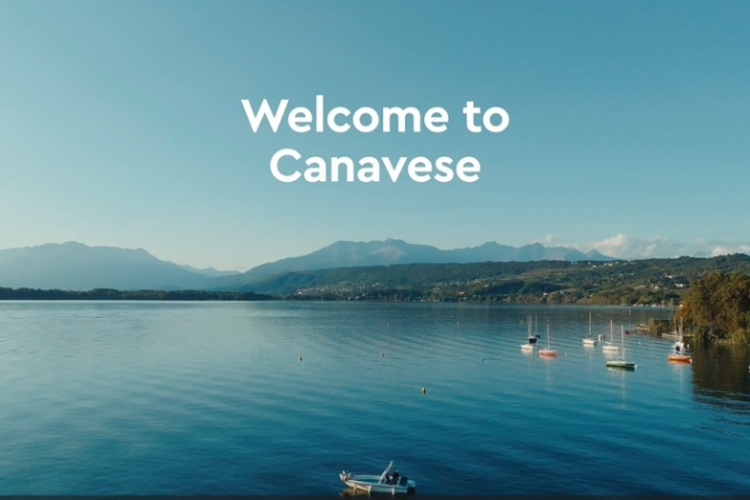
Welcome to Canavese, an unexpected corner of Piedmont where …
257Welcome to Canavese, an unexpected corner of Piedmont where …
257
