



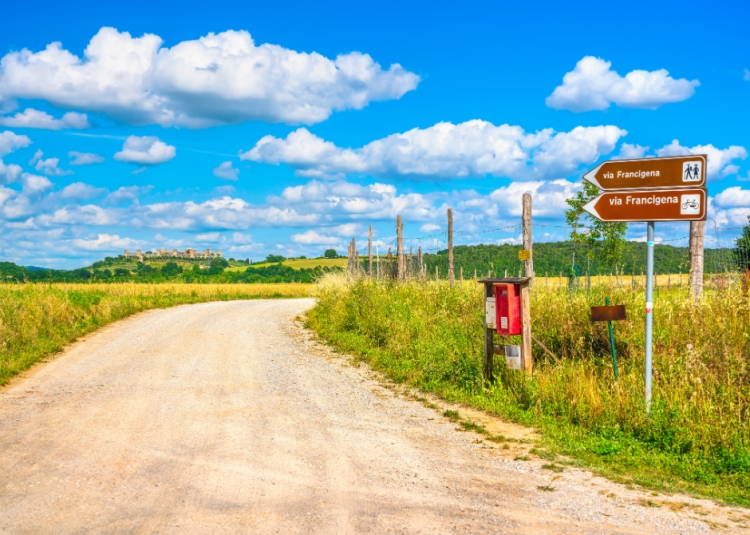

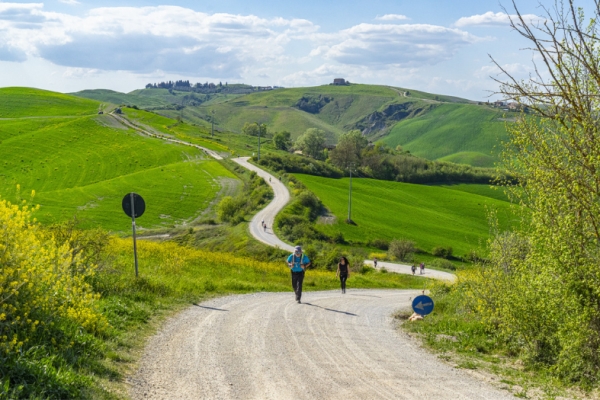
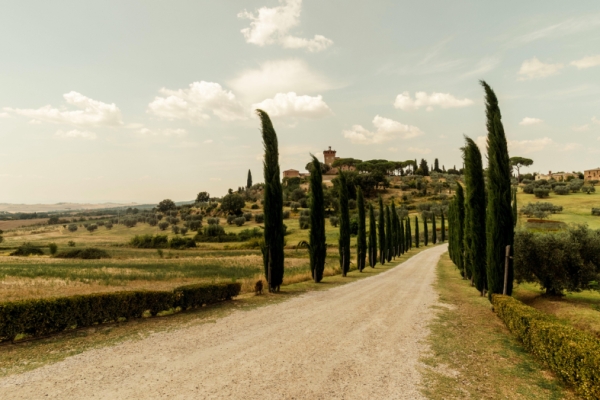




The Tuscan Via Francigena wants to reinvent itself, and the Tuscany Region is charting a new course for the historic road.
A new body to manage the historical itinerary
Five years after the convention signed in 2020, a proposal has been put forward by president Eugenio Giani and tourism councillor Leonardo Marras for a new body, run by a regional association, to manage the historical itinerary. "Tuscany believes strongly in the valorization of the Via Francigena and in the “Comuni in Cammino” project,” says regional president Eugenio Giani.
“A suggestive way to discover our region”
“Since 2009, the Region has invested over €20 million in the Via Francigena, bringing it to ideal levels of safety for travel on foot, bicycle, or horseback. It is a different, suggestive way to discover our region, its history and traditions, and I am happy that last December the state funds for the candidature of the road as a UNESCO heritage site were finally released. Tuscany is the lead region among the seven regions involved in this project.”
The Francigena runs through five countries and 16 regions
The Francigena, with its 1,700 kilometres from Canterbury in England to Rome, and another 1,300 in its ideal continuation to Santa Maria di Leuca in Puglia, has been recognized by the European Council as a cultural itinerary. There are five countries and sixteen different regions involved on some one hundred and fifty stages of between 20 and 30 kilometres each.
In Tuscany the road passes through 39 municipalities
Religion is not the only dimension of the route, which is a melting pot of cultures and territories, as it is a slow walking, sustainable tourism product. It crosses Tuscany for almost 400 kilometres passing through 39 municipalities, including Fucecchio, Lucca, Siena and Pontremoli.”


