




Flights are suspended and reduced
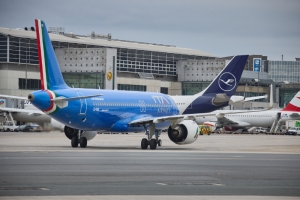
In a statement on its website the airline explains that “In view of the current situation in the Middle East, the suspension of flights to and from Tel Aviv has been extended until 2 April (including flight AZ809 on 3 April).” The airline has also been forced to extend the suspension of flights to and from Dubai from 16 to 28 March. These flights had already been suspended until 15 March. Dubai’s airports are significantly reducing the number of flights due to capacity constraints, and the airport authority has required airlines within the Lufthansa Group to cancel all flights during the aforementioned period.
Rebookings and refunds are available
“The Lufthansa Group will assess to what extent it will be possible to operate individual flights despite the strict restrictions. Requests will be examined by the United Arab Emirates authorities on a case-by-case basis; therefore, there is no guarantee that a flight or the requested flight schedule will be approved.” ITA Airways also reminds passengers that “they may request rebooking onto an alternative flight or a refund of their ticket. Please check the flight status in the ‘Flight Status’ section on the website before travelling to the airport”.
Additional flights to India
At the same time ITA has stepped up its operations to India, in line with guidance received from the Ministry of Foreign Affairs and International Cooperation, to facilitate the return of the many Italians temporarily stranded in the country due to the Middle East conflict. The airline has scheduled two additional flights between Rome Fiumicino and Delhi on 24 and 25 March, with the following timings: the first, on 24 March, will depart at 17:40 (Italian time) and land in the Indian capital at 05:55 (local time); the second, on 25 March, will depart at 17:35 (Italian time) and land in the Indian capital at 05:35 (local time).
Tickets on the website and official sales channels
The times for the two additional flights departing from Delhi and arriving at Rome Fiumicino are: the first, on 25 March, will depart from DEL at 08:25 local time and land at FCO at 13:00 (Italian time); the second, on 26 March, will depart from DEL at 07:35 local time and land at FCO at 11:55 (Italian time). Tickets for these flights are available on the website ita-airways.com, on the ITA Airways app and through the airline’s official sales channels. Subject to developments in the geopolitical situation in the region, ITA continues to operate direct flights to Asia, whilst also assessing the possibility of stepping up its operations to assist in the repatriation of Italian nationals in the area.
Discovering the Marche on horseback
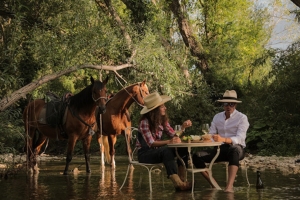
In the region that inspired the poet Giacomo Leopardi, ButteroZone offers horseback experiences with something extra: the authenticity of genuine love. Created by Giacomo Bartolucci and his wife Erica Sebastianelli whose passion for horses and their Marche region led them to share this passion. The philosophy behind ButteroZone is based on four key points.
Exclusivity, connection, passion and food
First, exclusivity. The exclusivity of being able to appreciate nature and the territory, and the uniqueness of the experience. Second, connection. The idea being to create an intense connection with the horses and the rider. There is also room for passion. ButteroZone was set up in 2021 from this passion for horses and for the Marche, handed down by families who have come together to create a network of relationships and activities designed to gently introduce people to horses, even for the first time. The route is designed to take about half a day, with the introductory half-hour with the horse designed to get you in the right mood for the ride, which lasts about 50 minutes. The destination of the excursion is always a refreshment point, where Erica Sebastianelli has set up a welcome using local products, to be enjoyed during a break of about 45 minutes.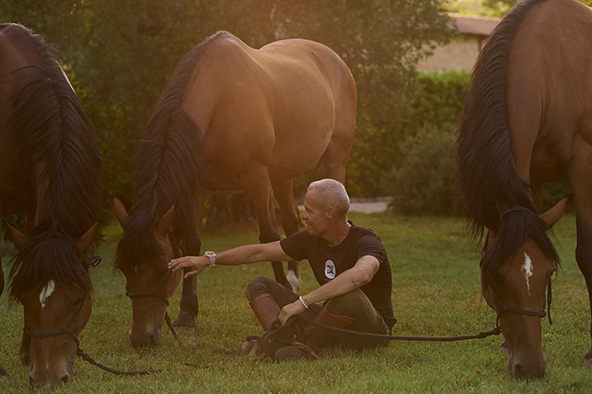
“Our dream was to be able to share so much beauty”
”We developed the product from our love of nature, animals, and the Marche region and all the wonderful things it has to offer. We created ButteroZone to introduce all this to anyone who wants to get closer to it: our dream was to be able to share so much beauty,” explains Giacomo Bartolucci. ButteroZone is something unique in the world of horses, taking the form of ButteroExperience rides, with destinations in different locations for the aperitifs.
Aperitifs in different nature settings
Participants can choose between Aperinfiume, a route that leads to the Cesano river, which marks the border between the provinces of Pesaro and Ancona. Or Aperincollina to a panoramic viewpoint from which you can take in Mount Catria, valleys, hills and even the Adriatic Sea. Aperinballa, on the other hand, takes you back to the festivals of yesteryear, as in this case with the gourmet moment sitting on a bale of hay. And then there is Aperinlocanda, which leads to a vantage point with views of the ancient village of Montalfoglio.
SmallFly operates to Tuscany, Ldombary and Lazio
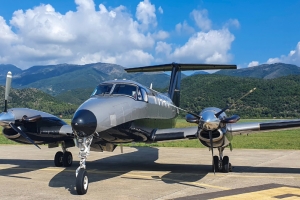
With the new addition of Rome to its flights from Florence, Pisa and Milan Linate airports the airline completes a network that, for the first time, connects Elba with the four main airports in Tuscany, Lombardy and Lazio, opening up new travel opportunities for residents and tourists alike. The schedule includes two weekly flights, on Thursdays and Sundays, with 18-seater aircraft, guaranteeing travellers quick access to the capital and intercontinental connecting flights at Rome’s Fiumicino intercontinental airport.
Flights operational 1 June-30 September 2026
The rest of the summer network (1 June-30 September 2026) includes flights from Marina di Campo to Florence Peretola, with multiple weekly frequencies: flights operate on Mondays, Tuesdays, Thursdays, Fridays, Saturdays and Sundays, providing coverage six days a week. Each aircraft has a capacity of 18 seats. The flight time is 35 minutes (actual flight time), with an estimated total time of 40 minutes.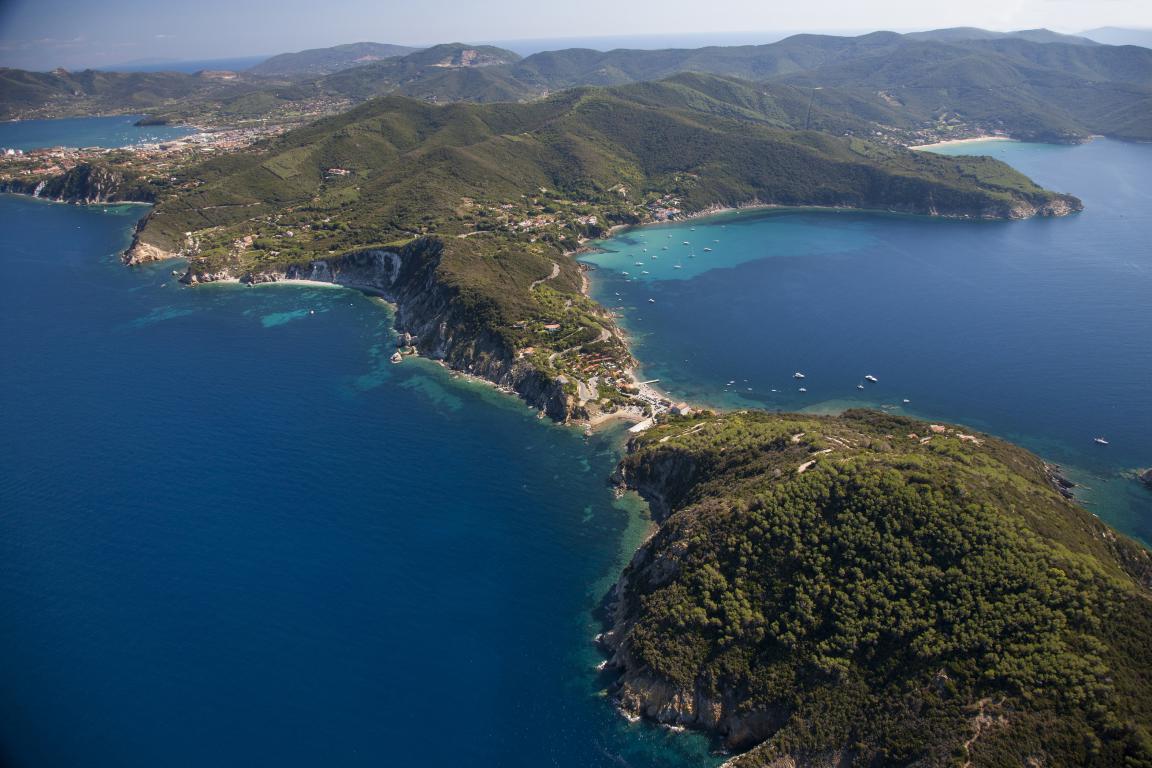 Photo of Elba Island: ©R. Ridi
Pisa and Milan are also in the network
Connections to Galileo Galilei Airport in Pisa operate on Mondays, Tuesdays, Fridays and Saturdays. Flights depart in the morning and afternoon, with a capacity of 18 passengers per flight and a journey time of 30 minutes (35 minutes total). Flights to Milan Linate operate on Mondays, Fridays and Sundays, with 9-seater aircraft; the connections have a flight time of between 45 and 55 minutes (1h00-1h10 total), with departures in the early afternoon.
“The new route to Rome Fiumicino is a bridge to the world”
“Summer 2026 is a turning point for SmallFly and for the accessibility of Elba Island,- reads a statement from the airline. -The new route to Rome Fiumicino is not just another connection: it is a bridge to the world. We are proud to offer the citizens of Elba and our passengers, residents and tourists, a more comprehensive and competitive network, with the standards of punctuality and service that set us apart."
Managed by the three Mura sisters
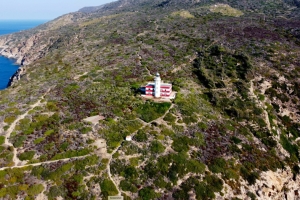
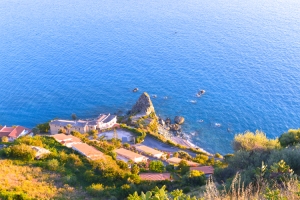
The 1883 lighthouse, a white tower with iconic red and white stripes stabds in front of a rectangular main building, and has been under the management of the three Florentine Mura sisters since 2016. Having skillfully and meticulous restored it, they transformed the lighthouse into a hospitality destination that fully respects its historical and natural heritage. What began as a beacon for sailors is now a sanctuary with an intimate, almost otherworldly atmosphere, surrounded solely by the power of nature.
Also boat and helicopter trasnsfers
Reaching Faro Capel Rosso is part of the journey. Arriving in Giglio Porto by ferry from Porto Santo Stefano on the mainland, you cross the island by car (the property can organize private transfers) with the final 800 metres covered on foot along a path through Mediterranean scrub. This ten-minute walk, through wild rosemary, mastic trees and wild herbs, is best enjoyed when you travel light, as you gradually detach from the daily hustle and bustle of the city and the horizon suddenly looms. You can also choose to arrive by sea with a private boat transfer, or by helicopter from Rome.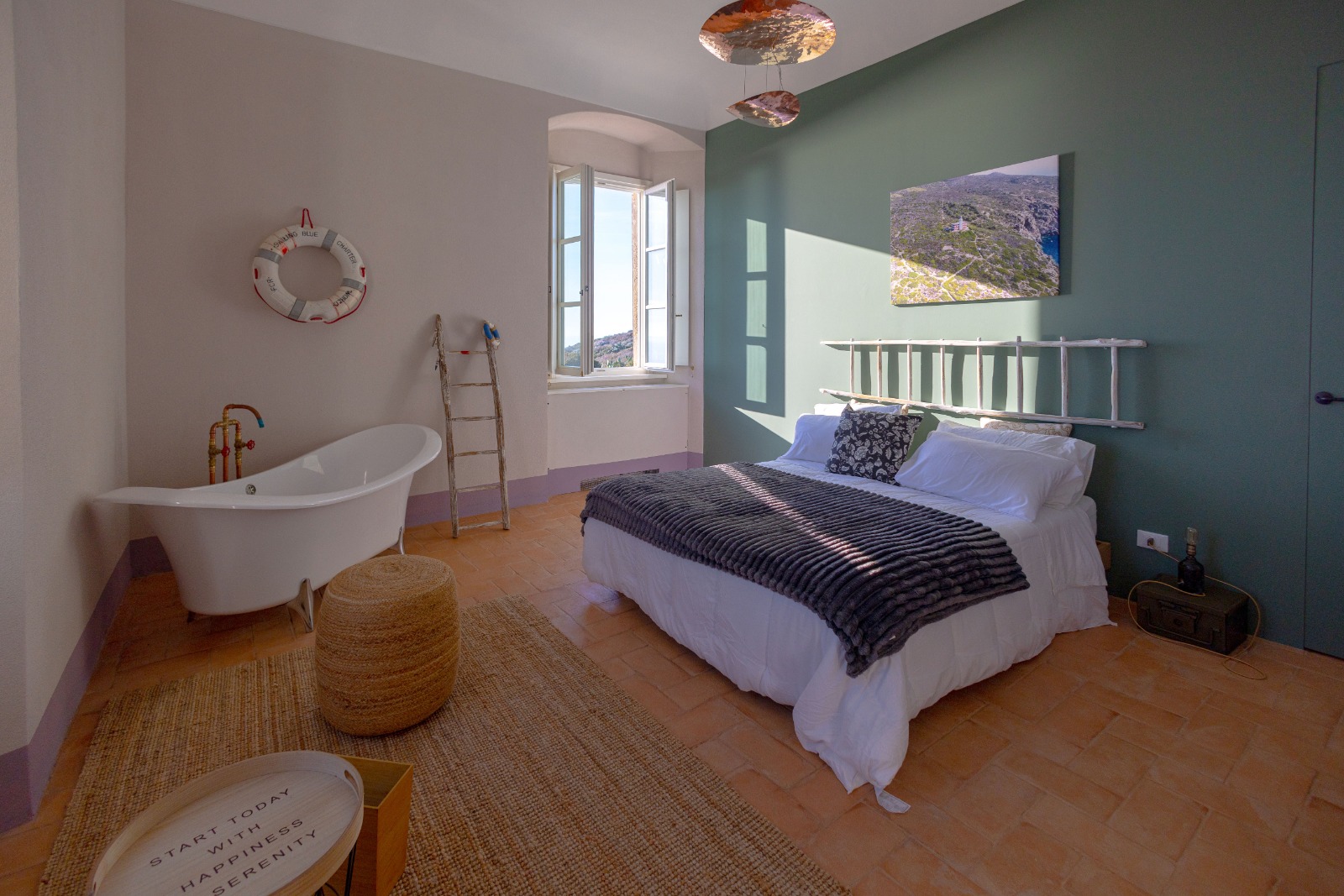
The lighthouse has four suites of some 45 sqm each which were once the keepers’ quarters. Refurbished in keeping with the original layout they have 14 beds in all. The renovation used authentic materials like the original stone flooring, wooden beams and granite while preserving the building’s austere original character. Each suite has a double bedroom and a second room with two beds and so are ideal for couples, families or small groups. Among the new features is an outdoor hot tub overlooking the sea.
Wine, honey and olive oil tastings
Staying at the lighthouse also means enjoying the convivial, and at times intimate, atmosphere of the dining experience. The day begins with a carefully prepared breakfast and ends with dinner in the on-site restaurant, where the menu is dictated by the rhythm of the seasons: carefully selected ingredients prepared with simplicity and without needless ornamentation reflect the heartbeat of the landscape on the plate. Guests can take nature walks and treks as well as cooking classes using the island’s ingredients, or enjoy tastings in vineyards, visits to honey and extra virgin olive oil producers, or sail around the island to beaches and coves accessible only by sea.
A two-night Easter break package
To mark the start of the warmer season, Faro di Capel Rosso is offering an Easter break (3–6 April 2026), designed to experience the island’s first spring awakening in a setting of absolute tranquillity. The package includes a minimum of two nights with selected services connecting the lighthouse to the historic village, Giglio Castello, and to the island’s port
The airports abolished the municipal surcharge
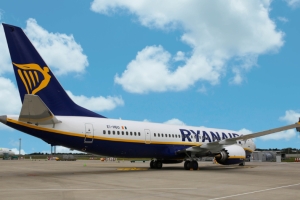
This is Ryanair's investment in the airports of Emilia Romagna - Forlì, Parma and Rimini - for summer 2026, and responds to the Region's decision to abolish the municipal surcharge at smaller airports, as proposed by President De Pascale and supported by the Italian Parliament. Emilia-Romagna is now the fifth Italian region to have abolished this regressive tax, following in the footsteps of Abruzzo, Calabria, Friuli Venezia Giulia and Sicily, in order to stimulate growth in traffic, tourism and employment.
Twenty routes to Emilia Romagna this summer
Overall, in the coming summer, the low-cost airline will operate through a network of 20 routes with three to Forlì, two new routes to Cagliari and London Stansted, five to Parma. There will also be three new routes to Tirana, Reggio Calabria and London Stansted, twelve to Rimini, and four new routes to Wroclaw, Manchester, Cologne and Catania. This represents over 250,000 additional seats per year (+50%), with a target of 660,000 passengers per year (+50%).
“A record-breaking summer for Forli Airport”
“We are delighted to announce this record-breaking operation for summer 2026 in Forlì, Parma and Rimini. It is aa direct result of the Region's proactive decision to abolish the municipal surcharge at smaller airports in Emilia Romagna. Now is the right time to take a step forward. Abolishing this anti-growth tax at all Italian airports would unlock further growth, low fares and greater connectivity for all Italian citizens and tourists. It would allow Ryanair to implement an ambitious growth plan for Italy that includes 40 new aircraft (£3 billion investment), 20 million additional passengers, over 250 new routes and 15,000 jobs across Italy,” said Eddie Wilson, Ryanair’s CEO.
An appeal to Ryanair to support smaller airports
The President of the Emilia-Romagna Region, Michele De Pascale, added: 'The elimination of the municipal surcharge for Rimini, Forlì and Parma creates conditions of greater competitiveness to attract new routes, tourism and employment. The positive dialogue with Ryanair, which has already invested heavily in new routes to smaller airports, confirms that the path taken is producing tangible results. The launch of the regional airport plan was also the result of constructive institutional collaboration with the government, the relevant ministry and ENAC. We appeal to them to continue to support the entire Italian airport system, with a focus on smaller airports, which represent a strategic infrastructure for territorial cohesion, economic competitiveness and the tourist appeal of Emilia-Romagna.”
United Airlines operates from New York to Bari
For the moment, “Neos has not yet communicated the reasons behind this decision,” reads a statement from Aeroporti di Puglia. The Bari airport management company says that, in any case, the direct connection with the New York metropolitan area is guaranteed "thanks to United Airlines schedule, which, starting on 2 May, will operate four weekly flights between Bari and Newark. The flight will allow passengers departing from Puglia to fly directly to New York and take advantage of the United network's numerous connections to major destinations in the United States."
Neos will notify re refunds or rebookings
The Alpitour group carrier will provide official notification regarding refunds and/or rebookings: Neos had opened sales for flights on the route to Bari at the beginning of November 2025, planning to reopen the route (operated for the first time last summer) on 2 June 2026, with two flights per week, every Tuesday and Friday. Aeroporti di Puglia will continue to “monitor the situation and provide updates as soon as further information is available from the carrier.”
A smart, sustainable intermodal ecosystem
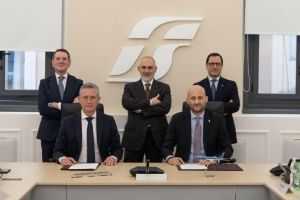
The agreement aims at developing a “smart, sustainable and increasingly integrated intermodal ecosystem based on the adoption of artificial intelligence and advanced digital solutions to remove obstacles for travellers.” The focus is therefore on efficient multimodal mobility, capable of seamlessly integrating rail, road and air travel, improving the door-to-door travel experience for passengers and contributing to the achievement of environmental sustainability objectives.
A joint AI intermodality and sustainability lab
There are also plans to set up a joint AI Intermodality and Sustainability Lab, dedicated to the design, development and testing of priority use cases based on artificial intelligence and data, with particular reference to intermodality, travel flow optimization, predictive demand management and CO₂ emissions reduction.
“Making travel more efficient and sustainable”
“This is a further step in a process that began in 2023 on the development of the integrated Air-Rail ticket, an increasingly popular product, confirming how much passengers appreciate increasingly interconnected travel solutions,- said Joerg Eberhart, CEO and general manager ITA Airways. -We want to make a quantum leap and using artificial intelligence, we will be able to take structural action to overcome the operational obstacles of the intermodal experience, simplify processes and anticipate customer needs, making travel more efficient and sustainable. ITA and the Ferrovie dello Stato group share the ambition and mission of connecting Italian territories, while also helping to connect Italy with the world. To do this we must integrate industrial vision, technological innovation and strategic alliances. With the signing of this memorandum, we are building a truly integrated and future-oriented mobility ecosyste."
“Accelerating the transformation of the transport system”
“The memorandum scales up an idea of mobility that goes beyond a single means of transport and moves towards an integrated, digital and sustainable system serving the country. The collaboration with ITA Airways allows us to combine our expertise to make the travel experience simpler, promoting increasingly seamless integration between rail, road and air transport," said Gianpiero Strisciuglio, Trenitalia’s CEO and general manager. -We value artificial intelligence and advanced digital solutions as strategic levers for removing obstacles to intermodality projects, optimizing flows, and contributing to the reduction of emissions. Setting up the AI Intermodality and Sustainability Lab is a concrete step towards jointly developing and testing priority use cases and accelerating the transformation of the transport system.”
Fiumicino and Ciampino both awarded
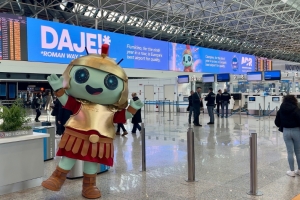
The accolade goes for the quality of services Fiumicino offers travellers in the category of large hubs with over 40 million passengers. The award comes from ACI World at the close of the Airport Service Quality Customer Experience Awards 2025, which also recognized Ciampino's Giovan Battista Pastine Airport for the third consecutive year in the category of airports with 2-5 million travellers.
Rome’s two airports confirm their European leadership
Italy has thus confirmed its European leadership through the capital's airport system, managed by Aeroporti di Roma, a Mundys Group company that is consolidating its position and looking forward to the implementation of the Leonardo da Vinci Airport Development Plan, which is crucial to ensuring service standards and capacity adequate to meet growing demand.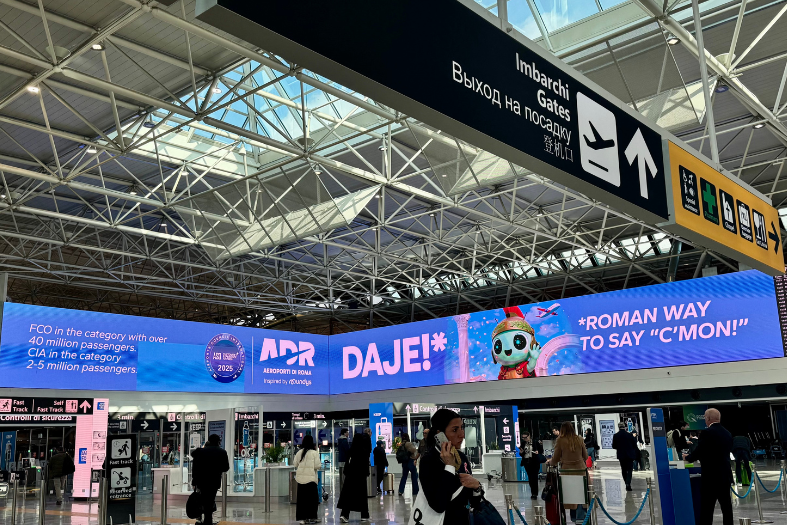
Fiumicino scored a record 4.64/5
With a record score of 4.64 (on a scale of 1 to 5), in 2025 Rome Fiumicino ranks first among all 124 European airports and among the major European and North American hubs participating in the survey, while winning all award categories. In addition to Best Airport, the airport also won awards for Most Dedicated Staff, Easiest Airport Journey, Most Enjoyable and Cleanest Airport in Europe, excelling in customer experience, from travel efficiency and hospitality to cleanliness and overall comfort. Ciampino, on the other hand, was awarded Best Airport in the 2 to 5 million passenger category and the Most Dedicated Staff award.
“Investing in innovation…and infrastructure”
“This award is, first and foremost, further confirmation of the great work carried out every day by our people and the entire airport community,- said Marco Troncone, CEO Aeroporti di Roma. -It is the result of a firm policy of investment in infrastructure and the internalization and management of the most sensitive operational activities for our users. With traffic constantly growing, confirming our European leadership for the ninth consecutive year now means taking on an additional responsibility: continuing along this path, investing in innovation, processes and infrastructure.”
55 million passengers in Fiumicino and Ciampino
“To maximize the appeal of our destination, which in 2025 has already brought us to a record figure of over 55 million passengers in total between Fiumicino and Ciampino airports, we need a medium- to long-term vision for infrastructure development. This is why we believe it is essential and urgent to continue along the path set out in our Airport Development Plan: this is a choice that can no longer be postponed in order to strengthen the country's international connectivity, support tourism and the economy, and make Leonardo da Vinci increasingly a strategic platform for global transit flows”.
Year-round connections to Turin
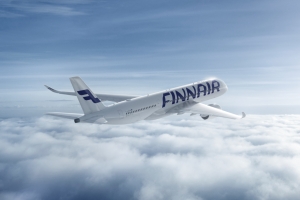
The Finnish airline has announced this change in operations, which also includes year-round flights on the other two new routes for summer 2026, namely Luxembourg and Valencia. "We are constantly developing our network and increasing capacity where it best meets the needs of our passengers. Year-round connections provide our customers with flexible and reliable travel options in all seasons," explains Antti Tolvanen, Finnair's senior vice president of network and revenue optimization.
Turin is both a winter and summer destination
Turin is particularly suitable for winter sports enthusiasts. The carrier will fly to Turin’s Caselle airport once a week throughout the winter season and twice a week during the peak winter sport season, from January to March. In the summer, Finnair flies to Turin three times a week.
“Improving connectivity between Italy and our Helsinki hub”
Geoffrey Carrage, Finnair's regional manager Southern Europe, said: “Italy is a strategic market for Finnair, and the opening of the new route to Turin reinforces our commitment to improving connectivity between Italy and our Helsinki hub. 2026 will be an extraordinary year for Finnair in Italy. With nine Italian airports served in the 2026 summer season, we want to offer travellers an even more accessible, comfortable and sustainable flying experience, with direct connections to Finland and beyond."
The Abbey was built in the 11th century
Vallombrosa is a protected natural reserve with a centuries-old monastery and is a fascinating trip into nature not too far from the city. The focal point is the Abbazia di Vallombrosa, founded in the 11th century. Unlike Florence’s richly decorated churches, Vallombrosa’s abbey is almost severe, its pale interiors designed for contemplation rather than display. Visiting it is less about admiring great works of art, and more about enjoying the silence and the sense of being removed from the world beyond.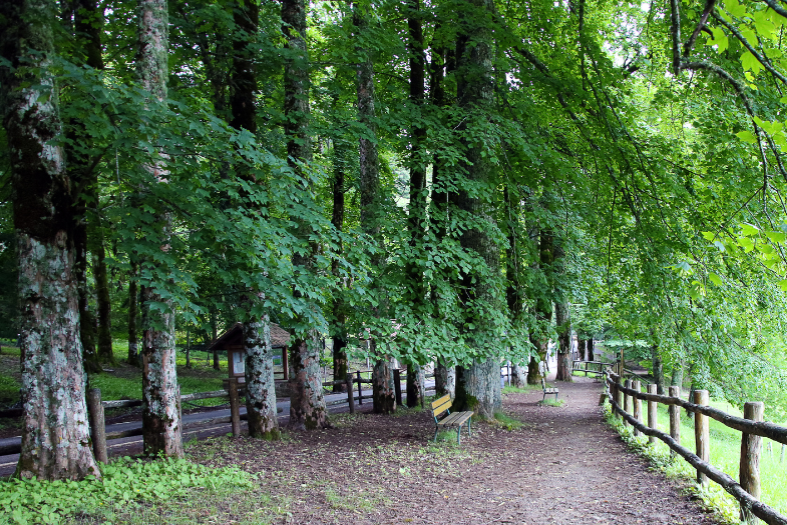
A forest with beech and fir trees
What truly sets Vallombrosa apart, however, is the forest itself. The surrounding reserve is famous for its beech and fir trees which are majestic. Well-marked paths start directly behind the Abbey and lead into the trees for slow, immersive walks. In autumn, the forest becomes one of Tuscany’s most striking foliage displays with a rich range of colours, while in summer it offers delightful shade and cool temperatures.
Less than an hour from Florence
Getting there is simple, making Vallombrosa well suited to a full but unrushed day out. Trains run from Florence’s Santa Maria Novella station to nearby Sant’Ellero, followed by a short taxi ride or bus up to the abbey. By car the journey takes around 50 minutes, winding gently into the Apennine foothills, and once there, everything is walkable, encouraging visitors to slow down and enjoy nature.
An ideal day trip
The ideal is to arrive late morning, visit the abbey, and walk one of the forest loops before lunch at a local restaurant or a picnic in the forest. The afternoon can be spent wandering further into the reserve or simply relaxing before returning to Florence by early evening.



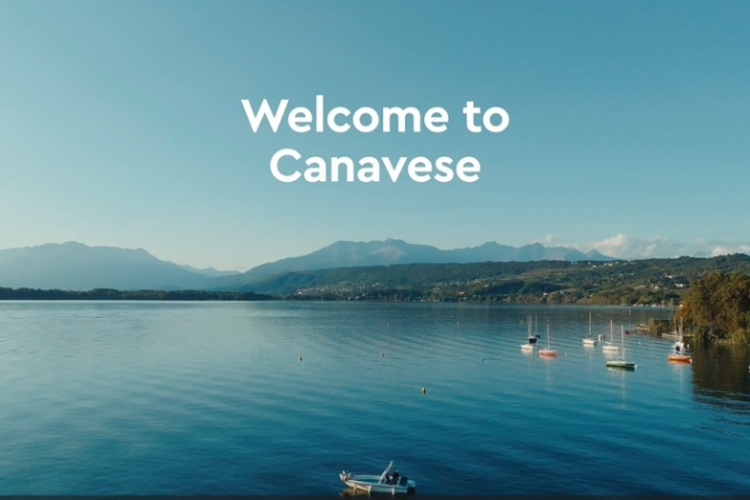
Welcome to Canavese, an unexpected corner of Piedmont where …
844Welcome to Canavese, an unexpected corner of Piedmont where …
844
