





A total of 89,000 seats to the four Italian cities
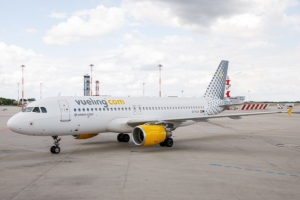
Tickets for the flights from Bilbao to Rome, Venice, Naples and Turin are already on sale, increasing the number of seats available on existing routes for the 2026 winter season, with over 100,000 additional seats. The winter schedule, which will therefore offer around 89,000 seats from Bilbao to these four destinations, is structured as follows: the Bilbao-Rome route, previously available until 13 September, will remain operational throughout the winter season and, from 25 October, will operate four times a week, on Mondays, Wednesdays, Fridays and Sundays.
"We added over 250,000 seats from Barcelona and Bilbao this year"
The route to Venice will operate three times a week (on Thursdays, Fridays and Sundays) from 25 October; the route to Naples will commence on 4 December, also with three weekly flights on Mondays, Fridays and Sundays; finally, the route to Turin will be available from 25 October with two weekly flights, on Thursdays and Sundays. “At Vueling, we are committed to strengthening connections between Italy and two of our main hubs in Spain, Barcelona and Bilbao, where we have added over 250,000 seats this year, consolidating our leadership at both airports,” said Jordi Pla, Vueling’s chief network & strategy officer.
More routes also from Barcelona
As a result, over the course of the year, the airline will offer up to 31 routes from Bilbao Airport, 17 of which are international. Vueling will also scale up its service between Bilbao and Milan, increasing it to seven weekly flights, which is one daily flight, and over 55,000 available seats. The carrier will also expand its service from Barcelona to three destinations: Naples, which will increase from 14 to 21 weekly flights; Turin, which will add six flights to reach 11 per week; and Palermo, which will have eight weekly flights, three more than last winter.
Turin and Palermo also get more flights
Furthermore, in the second half of the summer, Vueling has also increased frequencies from Barcelona to Turin (from 5 to 11 weekly flights) and Palermo (from 7 to 11 weekly flights), between 15 September and 24 October. The airline is thus adding over 150,000 extra seats on these routes, bringing the total to over 330,000 seats.
A dynamic new district
Turin is a city that evolves while preserving its elegant, Savoyard soul and embracing contemporary culture, architecture and design. And nowhere is that balance more visible than in the district surrounding DUPARC Contemporary Suites which is poised to become a dynamic cultural destination following the restoration of the Medieval Quarter and Valentino Park, the redevelopment of the Po River cruise service and the arrival of the futuristic new National Library.
"A genuine urban and cultural renaissance"
For Ana Paula Bracarense, general manager of DUPARC Contemporary Suites, these changes are a natural continuation of the hotel’s identity. “The extraordinary transformation currently taking place in our area serves to amplify the DUPARC’s inherent character. We find ourselves at the heart of a genuine urban and cultural renaissance, a dynamism that perfectly reflects our own identity.”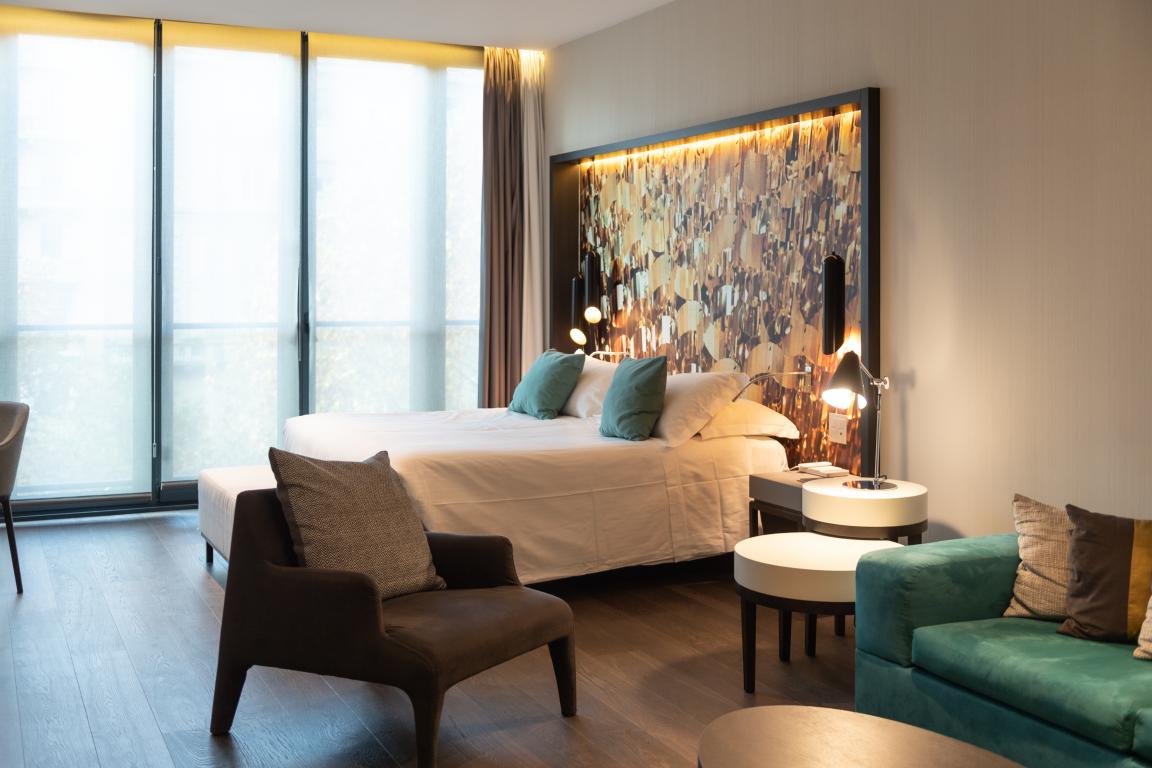 DUPARC Superior Junior Suite
"A new type of design-conscious traveller"
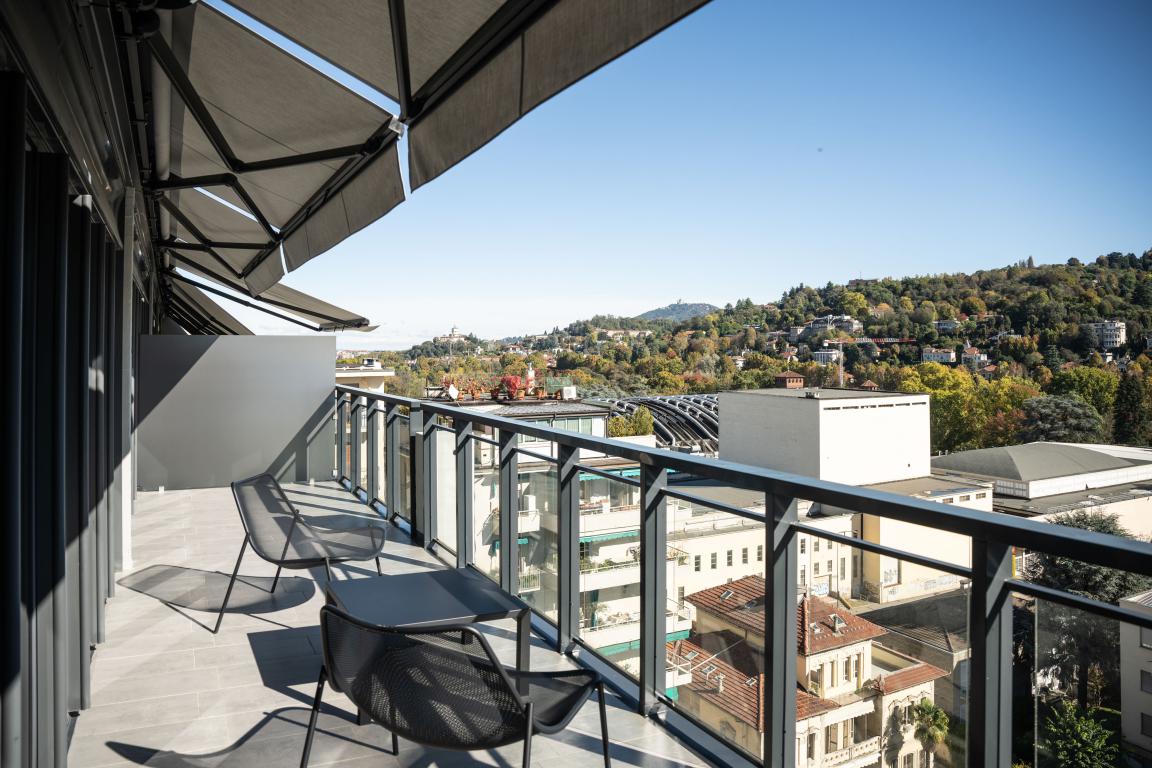
Designed as a modernist architectural landmark with a permanent contemporary art collection, DUPARC Contemporary Suites has always occupied a unique position in Turin’s hospitality landscape. And today, as the city attracts a new generation of international travellers drawn to culture, design and creativity, the property’s original vision feels more relevant than ever. “This urban buzz naturally attracts a new type of design-conscious traveller who is seeking an extension of the cultural experience the city has to offer,” says Bracarense.


A fluid and vibrant cultural hub
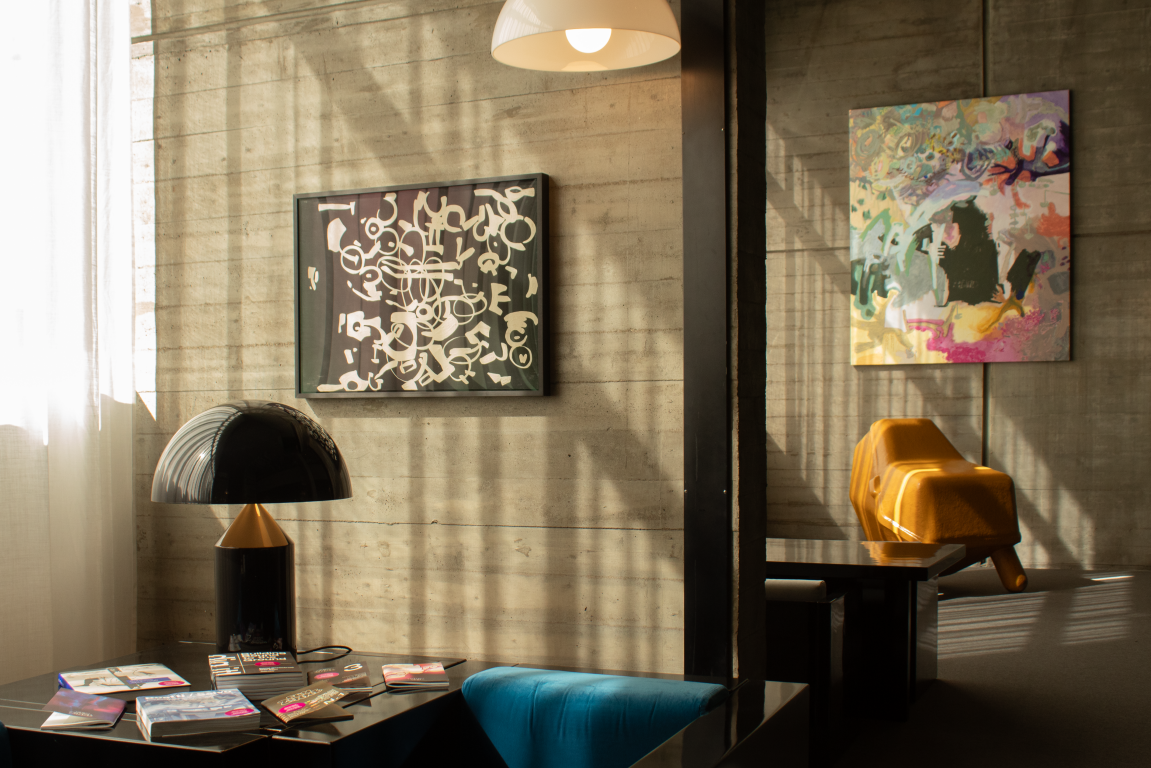
The DUPARC supports emerging designers and local creative businesses, positioning itself not simply as accommodation, but as an active participant in Turin’s artistic ecosystem. Looking ahead, Bracarense envisions the hotel evolving into “a fluid and vibrant cultural hub, integrated into the urban fabric. Rather than simply staying within a work of art, the experience we offer our guests is that of inhabiting art itself,” she says. “We want to move beyond the static and purely contemplative experience typical of a museum visit.”
The art is woven into the guest experience
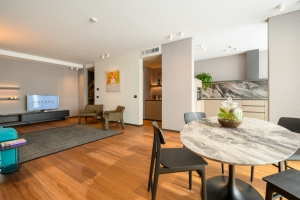
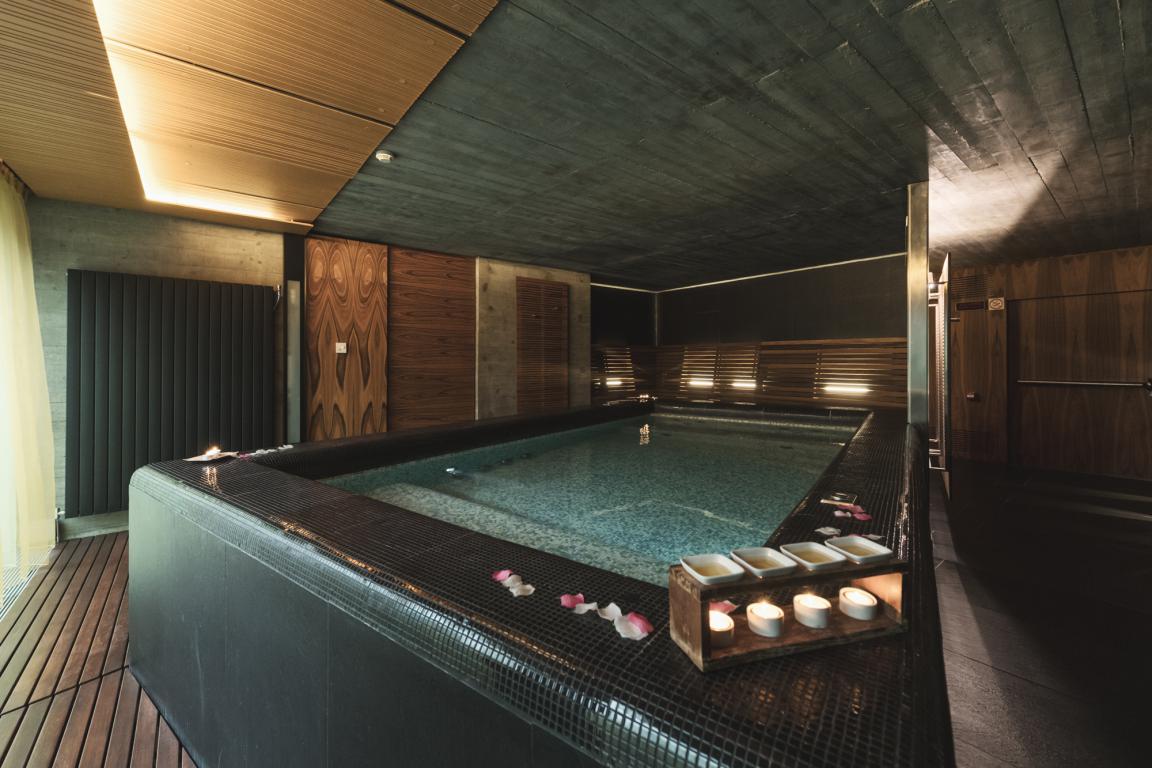
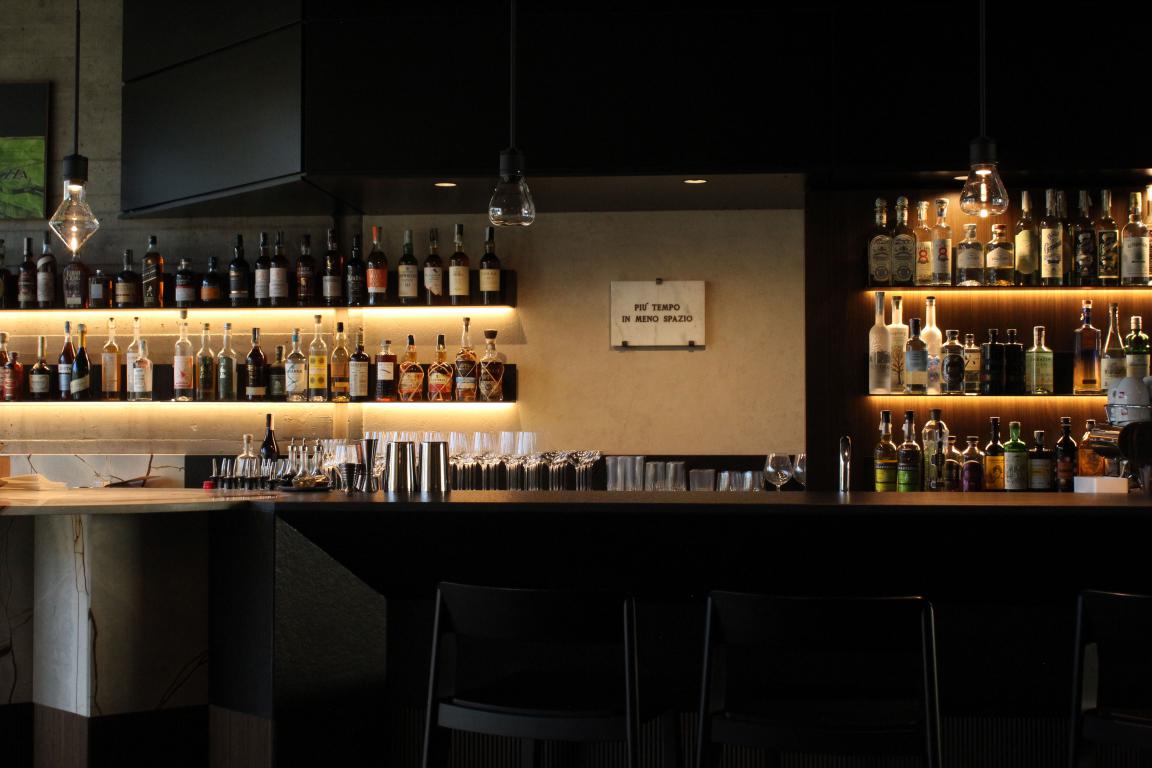
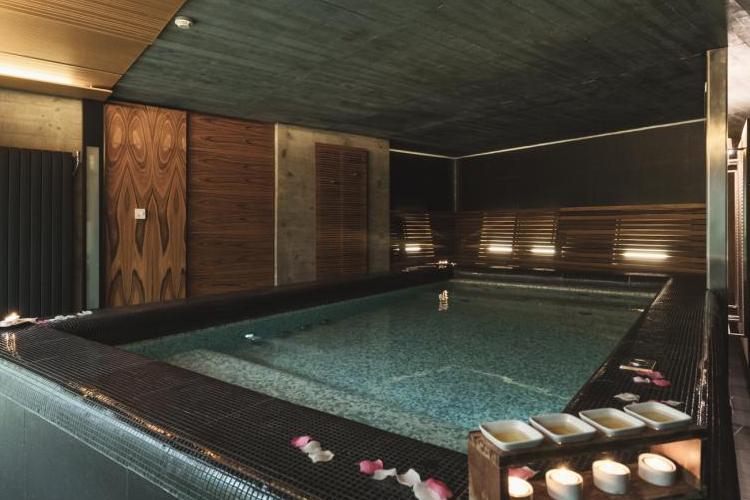
Throughout the property works by leading figures of Arte Povera and Italian contemporary art coexist naturally with daily life with the art woven into the rhythm of the guest experience, from enjoying a signature cocktail in the bistro to relaxing in the spa. “The artworks are not merely decorative elements, but an integral part of daily life. The spacious proportions of the original building remain, with the addition of expansive glass walls that flood the interiors with natural light. The Classic Suites are minimalist with the period furnishings of the original structure, while newer Superior Junior Suites reinterpret those generous spaces in a more contemporary hospitality spirit, while the refined Junior Suites and larger Luxury Suites are undergoing a complete redesign.
And elegant city and a hub of art and culture
This sanctuary in the centre of Turin is a place where architecture, art and hospitality coexist with rare harmony. And Bracarense sees DUPARC continuing to evolve remaining faithful to Turin’s distinctive identity while embracing its increasingly international cultural future. "Turin is a splendid city that has always adapted to the changes imposed by the times. The Turin of the future cannot be different from its essence: it will always be the Savoyard city, elegant and reserved, yet unafraid to open its doors as an international hub of art and culture.”
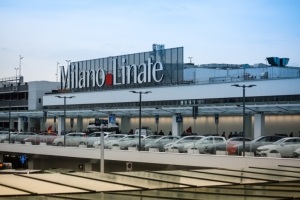
Linate is Milan's city airport
Perhaps. And according to speculation by the Italian daily Il Corriere.it, which has had access to the draft document on the new National Airport Plan, the strategic document outlining the development of Italian civil aviation up to 2035. According to this document the Ministry of Infrastructure and Transport is reportedly considering opening Milan’s city airport to intercontinental flights, particularly flights from and to New York, provided they are operated by single-aisle aircraft configured exclusively in business class and managed by traditional airlines.
Only narrow-body aircraft
This would inevitably require an amendment to current legislation. At present Linate is subject to strict restrictions set out in the so-called ‘Giovannini Decree’ of 2022, which permits only point-to-point flights; the use of narrow-body aircraft; routes within 1,500 km; and connections only to airports in the European Union or countries with which agreements are in place (such as the United Kingdom).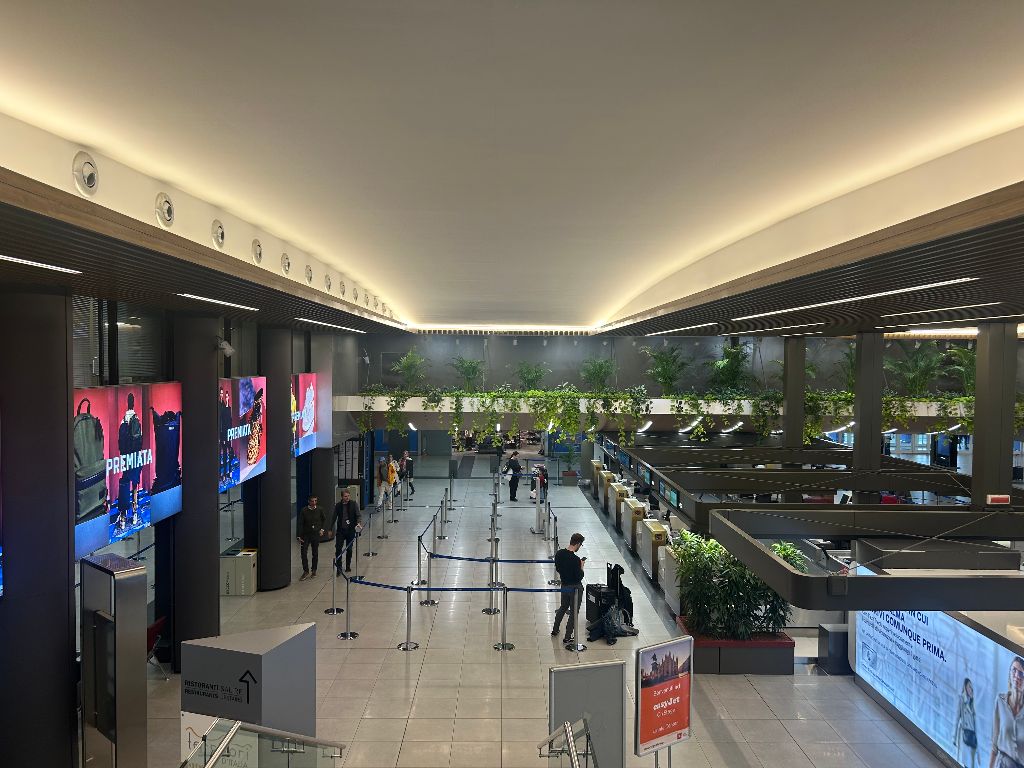
Linate Airport is already very congested
The Ministry’s aim would be to offer airlines greater commercial flexibility and attract premium customers directly to the centre of Milan, taking advantage of Linate’s strategic city airport location. However there is a significant constraint on the table: the airport can handle a maximum of 18 movements - take-offs and landings - per hour. But the airport is already very congested, so the introduction of long-haul flights would likely result in a reduction in some domestic or European flights.
Milan Malpensa could lose profitable traffic
If the project were to go ahead it would impact negatively on Milan Malpensa Airport as the latter could lose some of its most profitable traffic to Linate. It is no coincidence that the restrictions on the city airport were introduced precisely to encourage the growth of Malpensa as an international hub, especially following the crisis that led to Alitalia’s withdrawal from the airport. Among the airlines potentially most affected is ITA Airways, which, together with the Lufthansa Group, already holds a dominant position at Linate (around 52% of scheduled flights for the whole of 2026, according to Cirium data).
50 routes to 23 countries from Milan Malpensa
The number of aircraft based by the low-cost carrier will rise from 10 to 11, enabling the launch of four new international routes to Santander, Zaragoza, Porto and Agadir-Al Massira, all commencing in mid-September. With the arrival of this additional Airbus A321neo, Wizz Air’s offering at Malpensa will therefore comprise a total of 50 routes to 23 countries.
Two new aircraft in just two months
In Milan the announcement of the 11th aircraft based there comes just under two months after that of the 10th Airbus A321neo stationed at Malpensa and the launch of seven new routes from Milan within the airline’s network: two domestic routes to Palermo and Naples (both with twice-daily frequencies) and five international routes to Dortmund (daily), Bilbao (five weekly flights), Cluj (four weekly flights – Tuesday, Thursday, Saturday and Sunday), Iasi (three weekly flights – Monday, Wednesday and Friday) and Palma de Mallorca (daily flights).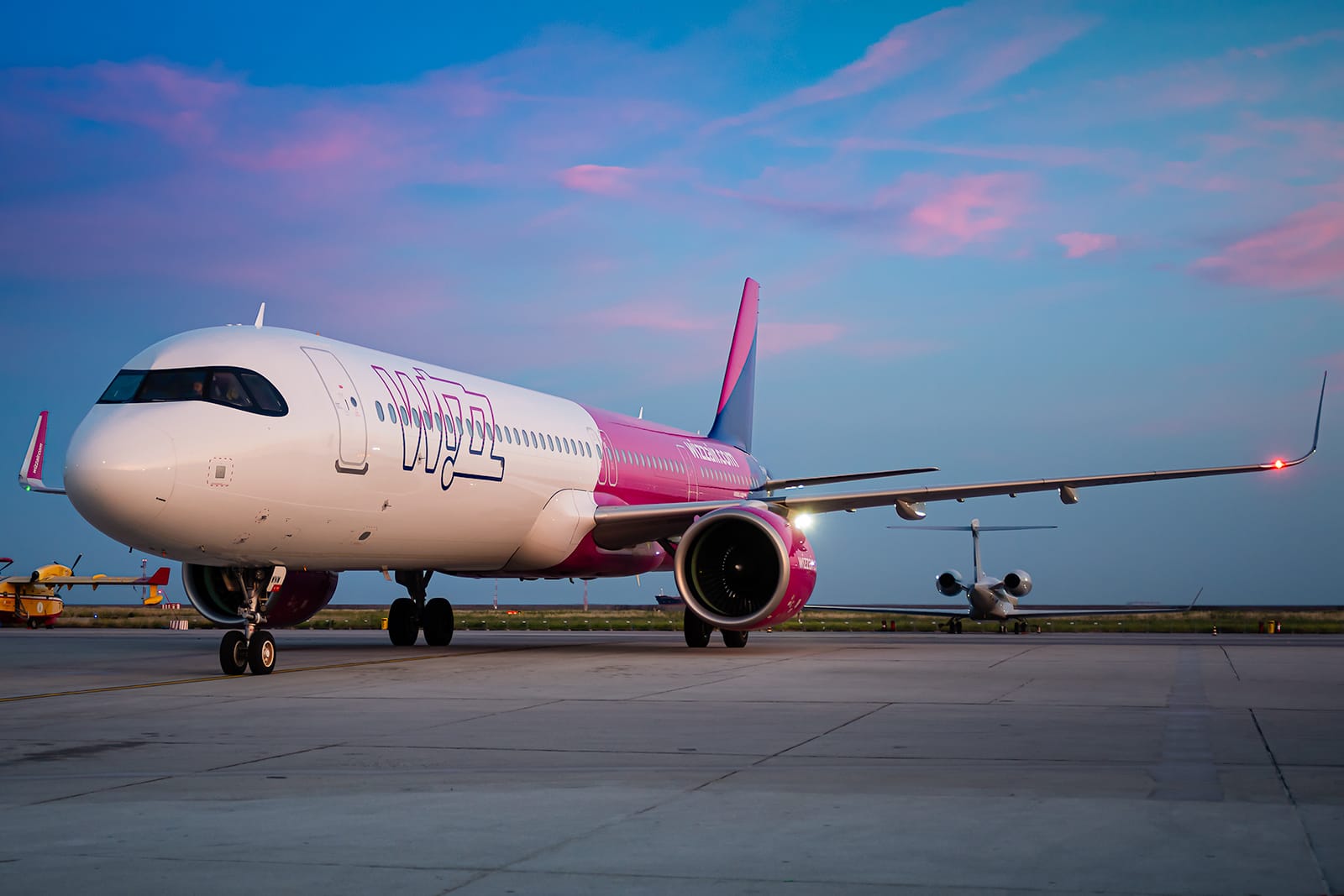
3.4 million seats on sale this summer
This year, the airline will offer over 5.5 million seats to and from Milan Malpensa, an increase of 16.3% over 2025. During the summer 3.4 million seats will be on sale, with operational capacity up by 19.8% compared to last summer. “Milan is our second-largest base in Italy and has always been one of the most dynamic and strategic markets for our growth in Italy. The strengthening of our presence at Malpensa, with the arrival of our 11th based aircraft, confirms the confidence we have in this region and its potential. This investment is not only about the company’s operational expansion, but also a concrete contribution to the region’s development: together with our partner SEA – Milan Airports, we are proud to support the growth of Milan’s connectivity, creating new opportunities for tourism, business and the local economy,” commented Ian Malin, Chief Commercial Officer at Wizz Air.
Milan Malpensa's strategic centrality within European aviation
“Wizz Air’s further expansion at Milan Malpensa Airport confirms the airport’s strategic centrality within the European aviation landscape. We welcome the decision to further increase the number of aircraft based at Malpensa and the launch of new international routes such as Agadir, Santander and Zaragoza (the latter two are brand-new destinations for Malpensa) which expand its network and strengthen its role in connecting the region, enhancing accessibility to Milan and Lombardy,” commented Luigi Battuello, chief commercial cfficer SEA Milan Airports.
An on-time performance rate of 99.6%
In 2025, Wizz Air carried over 21 million passengers in Italy, recording an 8% increase over the previous year and maintaining an exceptional on-time performance rate of 99.6%. With a fleet of 44 aircraft based in Italy this year and a market share of 12%, Wizz Air is now the second-largest carrier in Italy, aiming to offer more than 32 million seats in 2026 and to upscale its presence across the country.
Condé Nast Traveller recently reminded us of something Italians have always known - that travel isn’t about size, it’s about experience. In its article “20 Beautiful Small Towns in Italy to Plan Your Next Trip Around" the magazine lingers lovingly on small towns (at least five have fewer than 2,000 inhabitants) where "whatever your idea of a good time is, there’s a small town in Italy bound to satisfy your desires.”
Or course in Italy a “good time” can mean a thousand contradictory things, like a bar that opens when the owner feels like it, a church bell determined to make itself heard no matter the time of day, a view so theatrical it almost seems staged, and a plate of something so simple that it ruins you for everything else.
These little towns do not perform for visitors; they simply continue being themselves and make you wonder Can life really be this pared back? Well, you soon come to realize that it can. And that when it comes to having a good time less can hold far greater value than more, and how easy it is to be tempted to stay just a little longer.
 Pamela McCourt Francescone
Executive Editor
A scenic route from Piedmont to Liguria
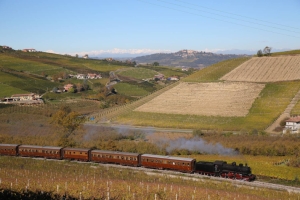
Showcasing Italy through the leisurely pace of discovery, the beauty of the landscape and the promotion of regions stretching from the Alps to the Mediterranean these historic trains will bring passengers to the Piedmontese hills, a UNESCO World Heritage Site, while the catering service will feature local produce This scenic route connects Piedmont to the Ligurian coast, passing through the Val Roya and the Mercosur Park aboard the 1920s Centoporte carriages.
Departures will be on Sundays
These are a journey through time accompanied by food and wine experiences on board, featuring tastings of Italian and French wines that showcase the regions along the way. Departures are scheduled every Sunday from 5 July to 6 September, with the exception of 25 July, 8 and 22 August, with services also running on Saturdays from Turin with stops at Cuneo, Limone, Tende, Breil-sur-Roya, Ventimiglia, Sanremo and Imperia.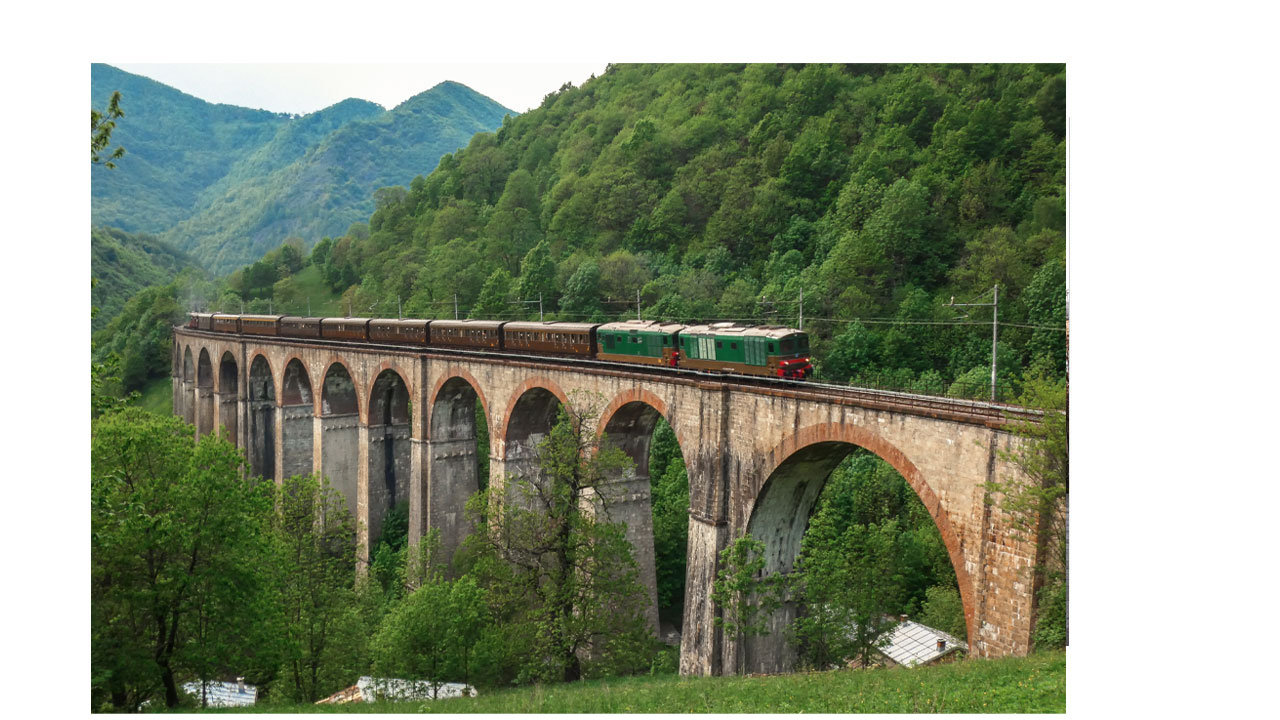
A catering service featuring local produce
Enriching the range of historic trains in Piedmont are two itineraries dedicated to showcasing the wine-making tradition in the UNESCO-listed Langhe region. Every Sunday, from 11 October to 27 December, passengers can experience the thrill of travelling aboard the famous Gran Confort carriages, departing from Milan and arriving in Alba and its renowned Truffle Fair. Passengers will be able to board carriages that epitomized the elegance of Italian travel and the great international connections of the 1970s, with spacious blue velvet seats and a cozy atmosphere. There will also be a catering service featuring local produce and the promotion of the region’s culinary heritage. Every Sunday between 1 and 29 November it will be possible to travel between Turin and Canelli on the Langhe, Roero and Monferrato Railway, aboard the Centoporte carriages for a journey back in time which, on its maiden voyage, will feature a steam locomotive.
A combined flight+train ticket
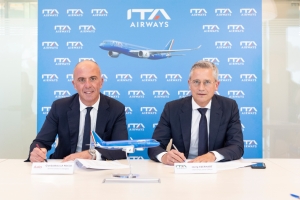
The new memorandum of understanding between the two transport giants will enable the sale of a combined ticket (flight and train) through a single purchase from July. The aim is to ‘optimize an integrated product, making travel smoother and more comfortable, and allowing passengers to benefit from coordinated, high-quality transport solutions, with waiting times reduced to a minimum’.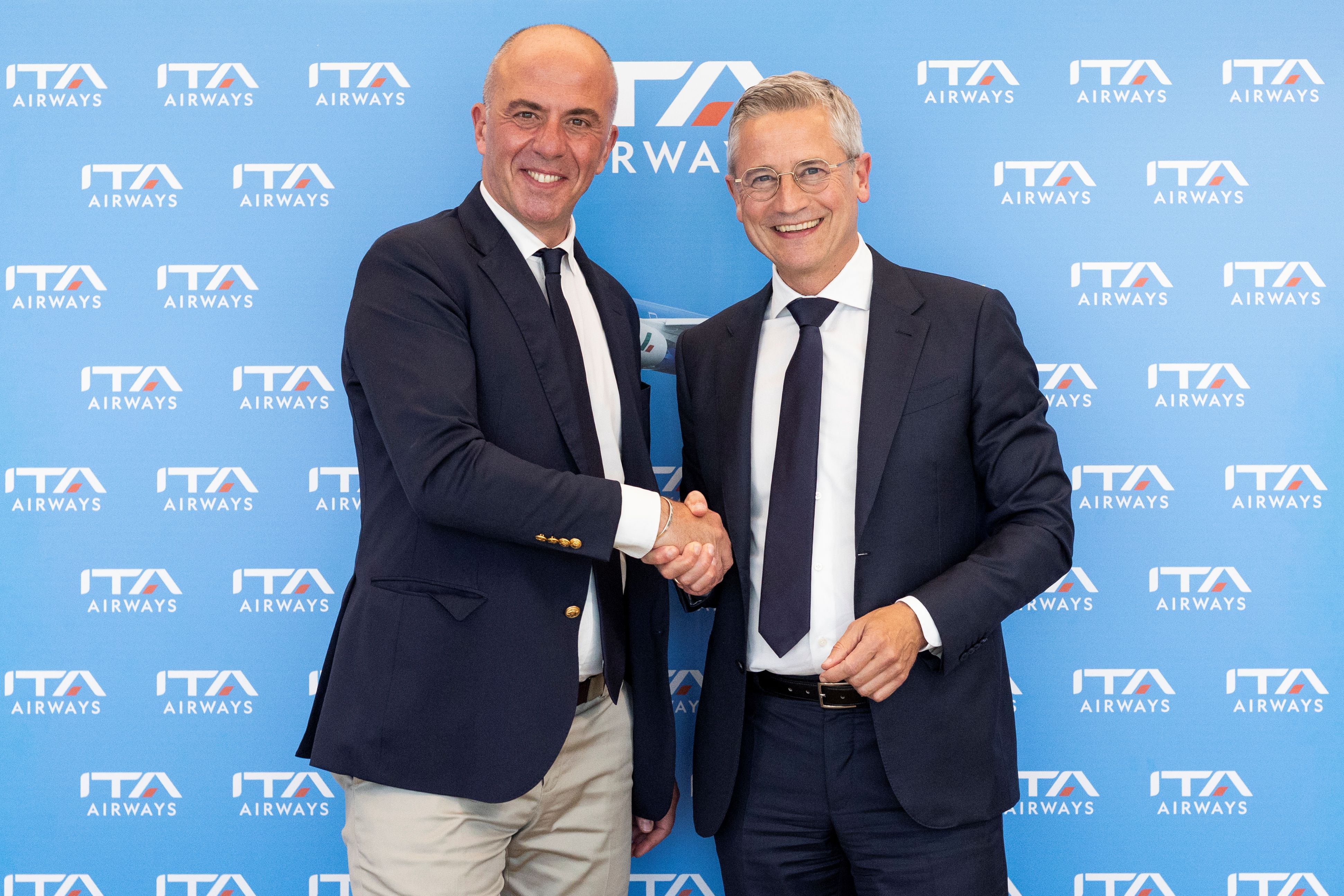 Gianbattista La Rocca and Joerg Eberhart
Fares best suited to passenger needs
The intermodal offering will involve not only the sale of combined air+train tickets (via travel agencies and travel managers and on the company’s website ita-airways.com) but also the provision of an integrated and flexible product, allowing travellers to choose the fares best suited to their needs. The customer experience will be at the heart of the new intermodal service, ensuring a high-quality, simple, integrated and hassle-free travel experience by air and rail.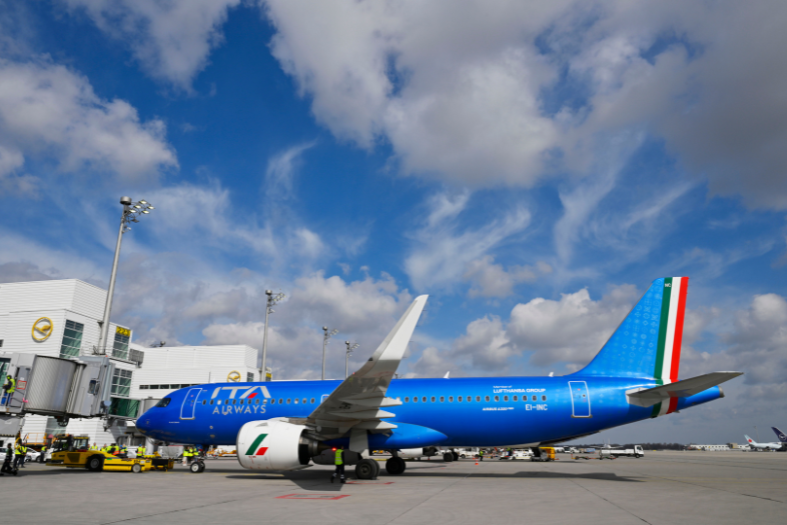
"A shared vision of the future of mobility"
“Thanks to our partnership with Italo, we are adding another piece to the quality connections and services we offer. This collaboration stems from a shared vision of the future of mobility offering travellers an integrated and sustainable travel experience, enhancing the interconnection between air and rail transport, and ensuring increasingly extensive connections across Italy and to the international destinations within Ita’s network," said Joerg Eberhart, CEO and general manager of ITA Airways.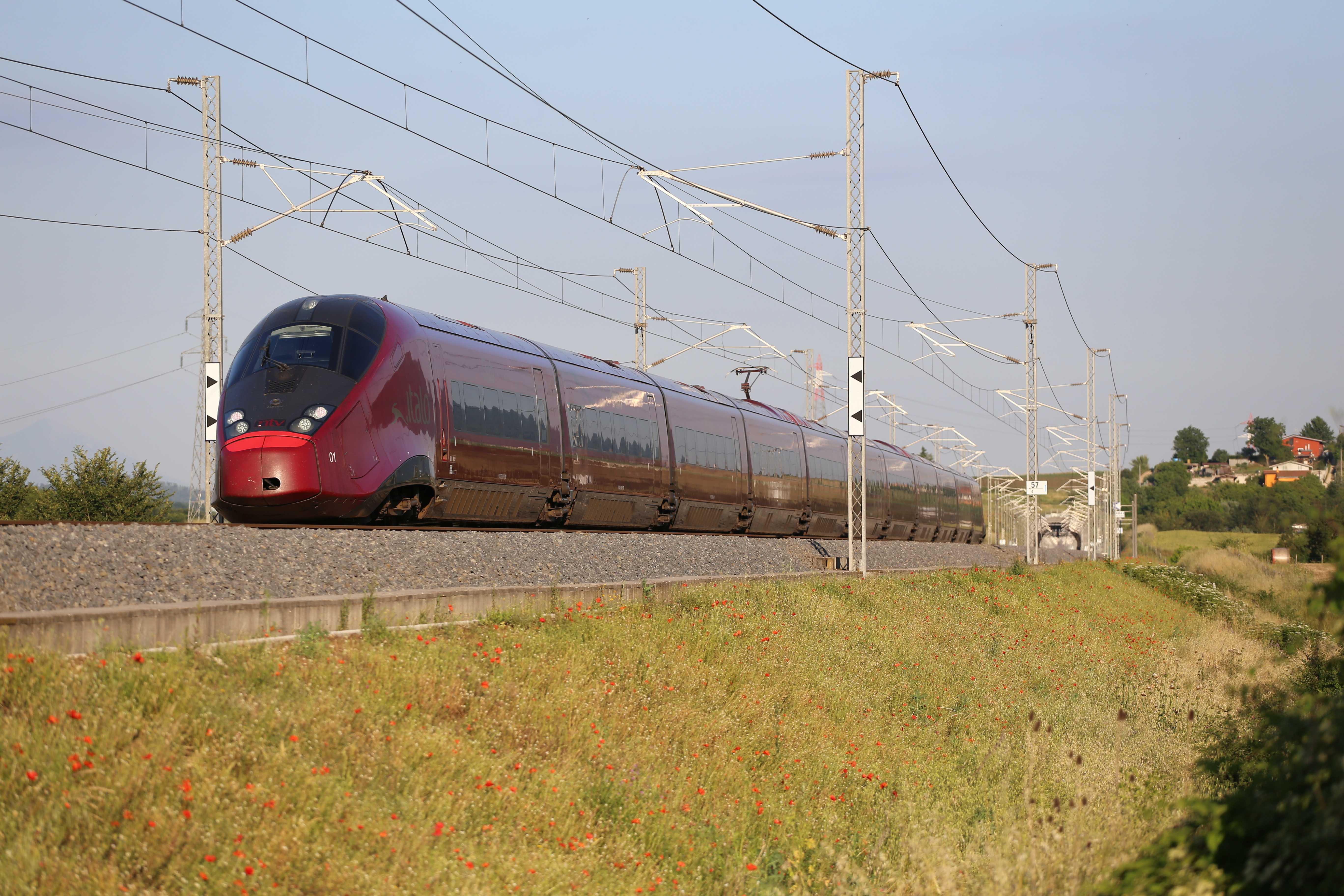
"Mobility will be increasingly shared and sustainable"
Gianbattista La Rocca, CEO and general manager of Italo, added: “Our investment in intermodal travel continues. We believe that in the future mobility will be increasingly shared and sustainable, which is why for years we have been integrating our rail travel solutions with other modes of transport: first buses, then ships, and soon also planes. With ITA Airways, we will be able to offer a dedicated service tailored to travellers’ needs, providing quality, extensive coverage and a wide range of choices. This agreement stems from a shared strategic vision that places the passenger at the heart of the strategy through an increasingly efficient, flexible and sustainable travel experience, in line with our shared ESG commitments.”
Flights will operate from 2 July
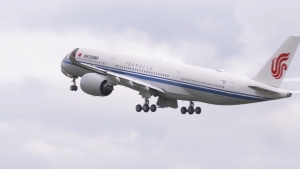
The new route, as announced in April, will launch on 2 July, with a 267-seat Airbus A330-220, on Tuesdays, Thursdays, Saturdays and Sundays. The first flight will land at Marco Polo Airport at 19:15 and depart for Beijing the same evening at 21:30. “Against the backdrop of ever-increasing global connectivity and to mark the 40th anniversary of Air China’s connections with Italy, the new direct Beijing-Venice flight is a significant milestone for aviation cooperation between the two countries, and will contribute not only to further strengthening collaboration in the civil aviation sector, but also to significantly expanding Air China’s network in Italy,” said Li Duo, general manager of Air China Milan.
Air China flies to Milan, Rome and Venice
“Air China is officially extending its presence in Italy to three strategic hubs: Milan, Rome and Venice, making Italy one of the European countries with the highest number of cities served by the airline. Air China will continue to seize this opportunity to optimize its network of international connections and constantly improve the quality of its services, consolidating its role as an air bridge for economic, tourist and cultural exchanges between China and Italy,” continued Li Duo.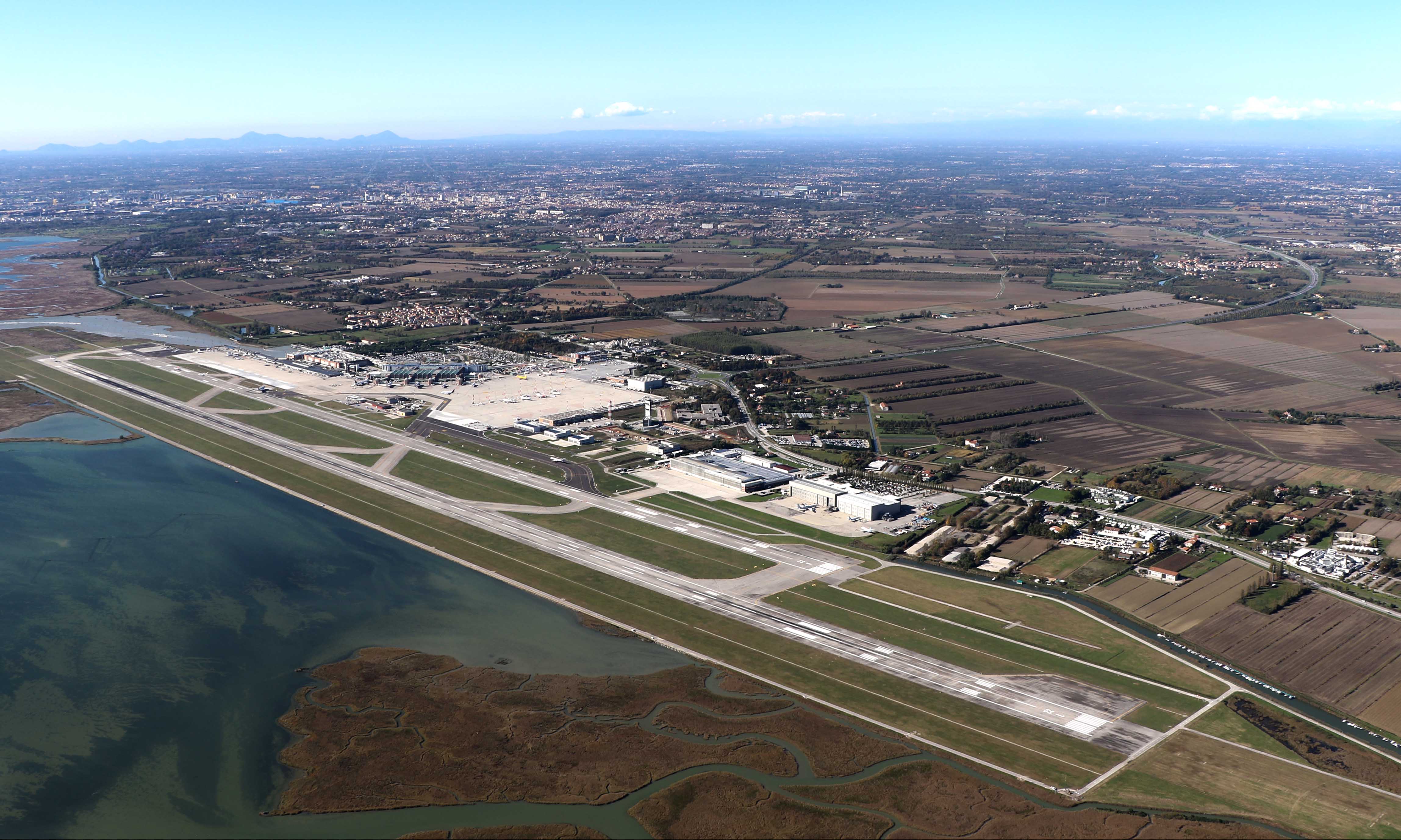 Venice Airport
Venice, Verona and the Dolomites are popular
The new route will serve and stimulate all traffic segments: business and cargo, with the North-East accounting for 13% of trade flows between China and Italy, generating an annual turnover of around €10 billion, second only to that of the Milan area (Istat 2025 data). Leisure tourism finds in the North-East one of the main areas in terms of the number of tourists arriving from China, and it is high-quality tourism, with over 70% of visitors choosing luxury accommodation, attracted in particular by the art cities, led by Venice and Verona, and by the Dolomites. With around 70,000 residents the Chinese community in the North-East is the second largest in Italy after Lombardy. Visits and family reunions will be supported and facilitated by the new flight, with passenger flows from China coming in particular from Beijing, Wenzhou (in Zhejiang province) and Xiamen (in Fujian province).
Strong passenger and cargo flows to and from Venice
“The new flight between Venice and Beijing scales up Marco Polo’s role as a key hub for traffic between our region, China and the Far East, helping to intensify the economic and cultural exchanges that have always been at the heart of our group’s mission,- said Enrico Marchi, chairman of the Save Group. -Together with Air China, we have carried out extensive preparatory work that has led to the achievement of this objective, for which, as was the case with the first flight operated from our airport to China, the support of the Italian Government and the Chinese authorities was crucial.” For the Save Group, which manages Italy’s third intercontinental airport, this new milestone marks the culmination of a journey driven by substantial flows of passengers and cargo between Venice, Beijing, China and the Far East.
Extending the season to 27 October
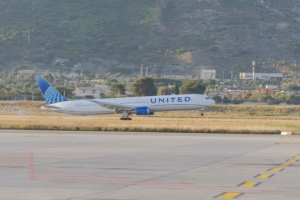
For the first time, Palermo is establishing year-round service to the United States, extending beyond the traditional summer season, which ends on 27 October, thereby upscaling its international standing and ushering in a new phase in the development of intercontinental traffic.
"A key driver for heritage tourism, the business sector"
“United’s decision confirms that Sicily is attractive to global markets and shows how the work that has been done, particularly in recent months, to enhance connectivity, service quality and the airport’s competitiveness is yielding tangible results,- says Gianfranco Battisti, CEO of GESAP, the management company of Palermo’s Falcone Borsellino International Airport. -This connection is not only an opportunity for high-quality leisure tourism, but also a key driver for heritage tourism, the business sector, investment and the strengthening of economic and cultural ties between Sicily and North America.”
A Boeing 764/763 will be deployed on the route
During the summer months, from 22 May, flights will operate on Mondays, Thursdays and Saturdays, whilst in winter the route will be served on Tuesdays, Thursdays and Sundays. A Boeing 764/763 will be deployed on the route. From Palermo's Falcone & Borsellino Airport, it is also possible to reach New York JFK via the Neos flight which operates twice weekly.
Meetings with US travel professionals
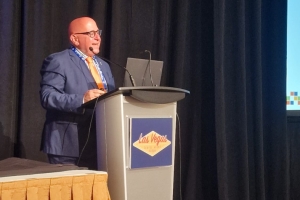
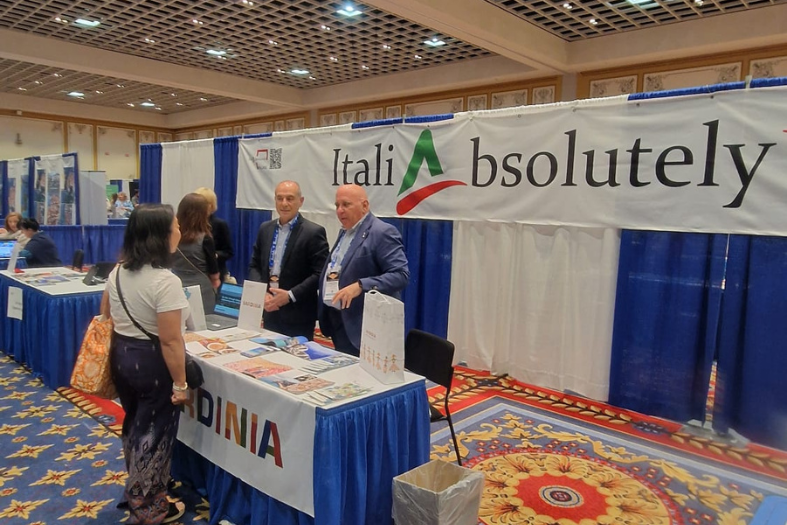
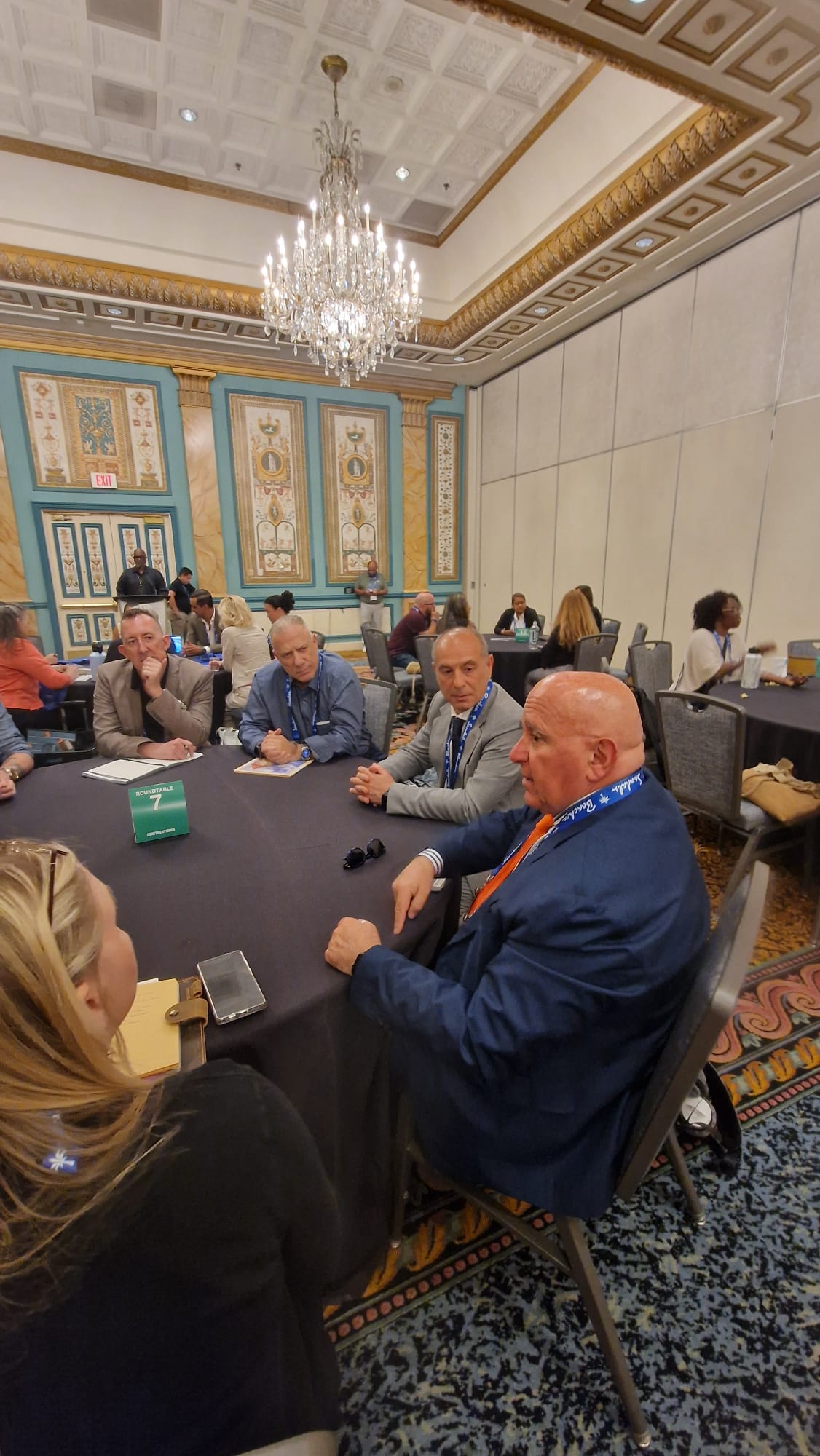
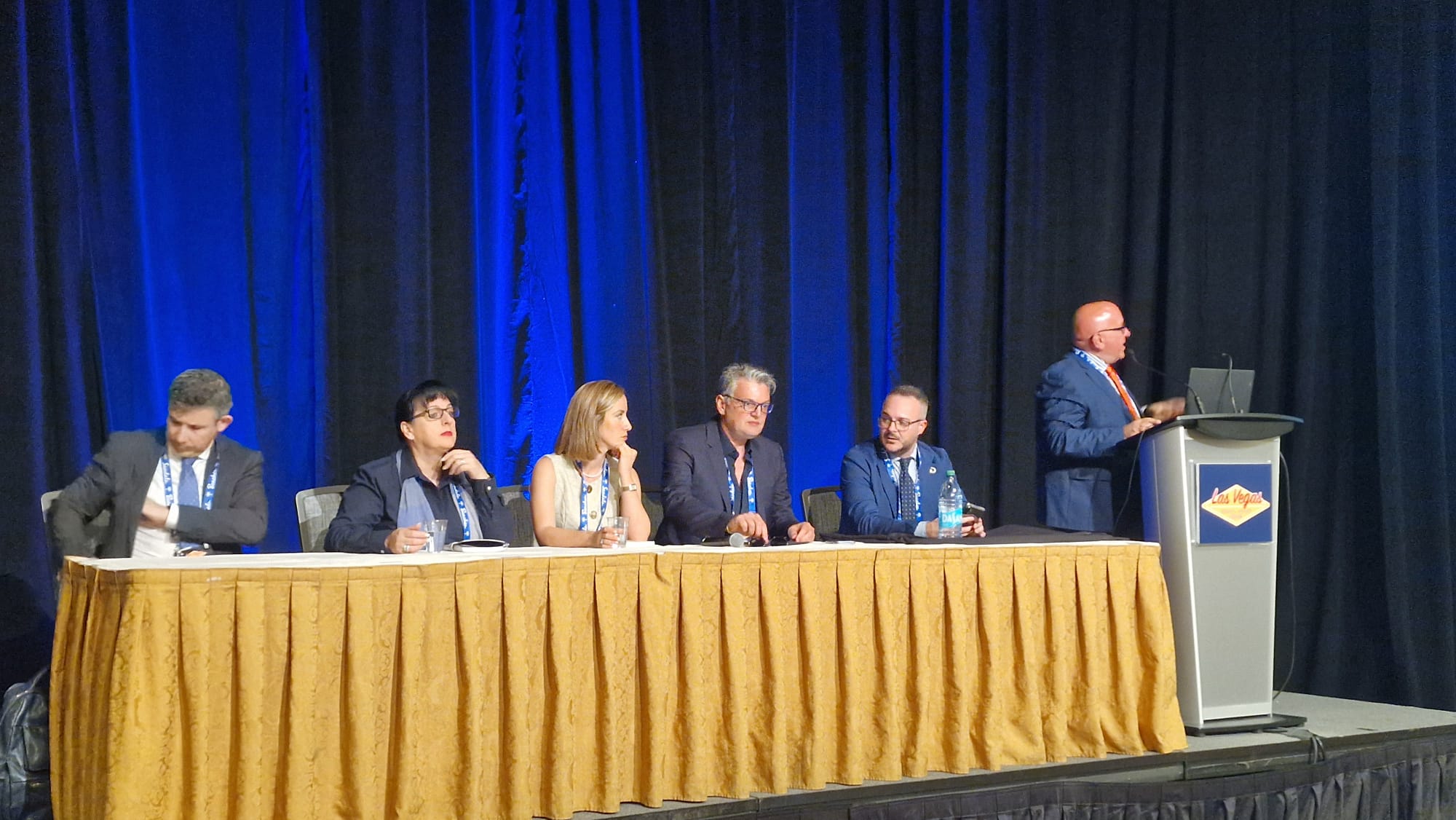
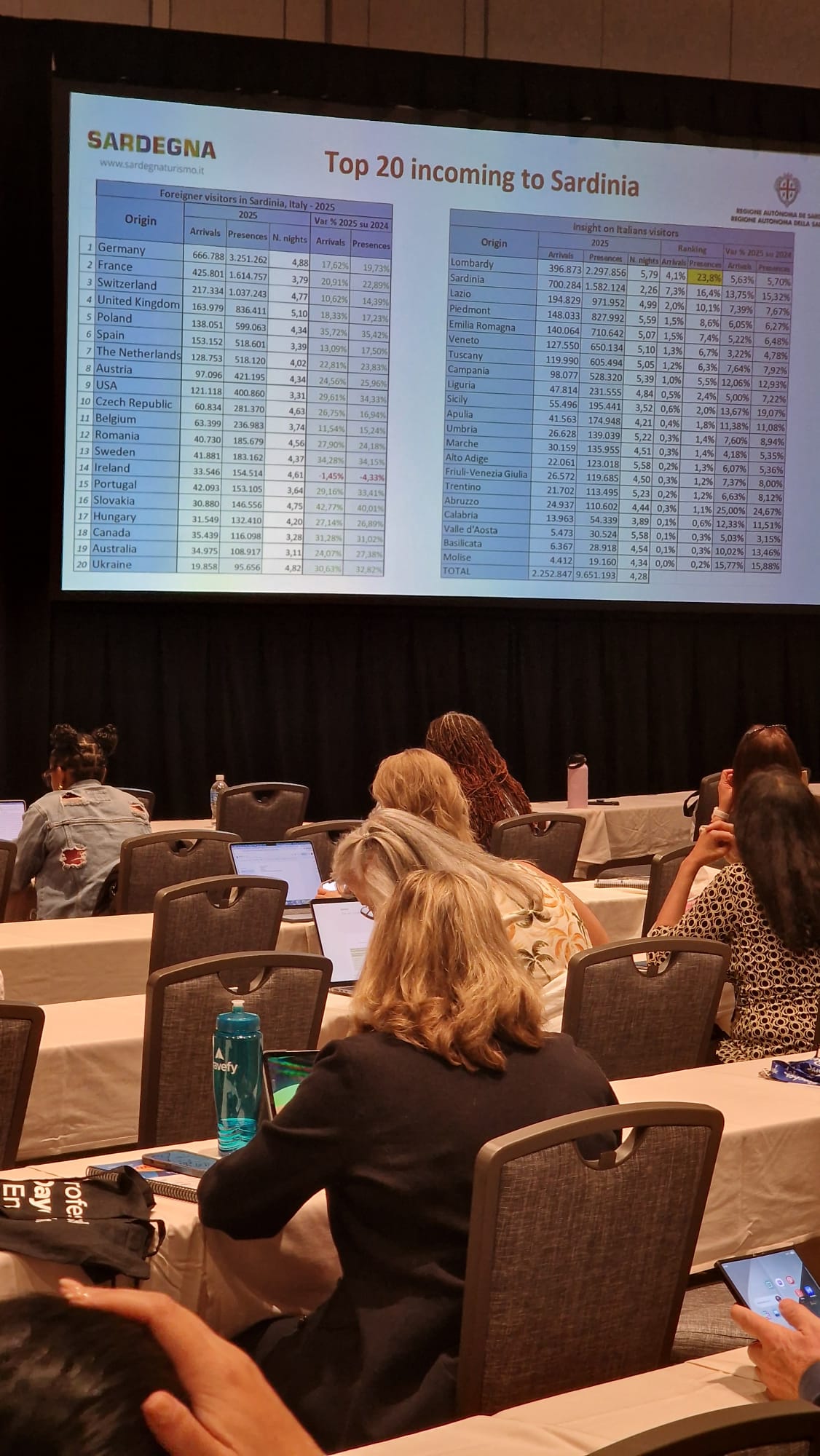
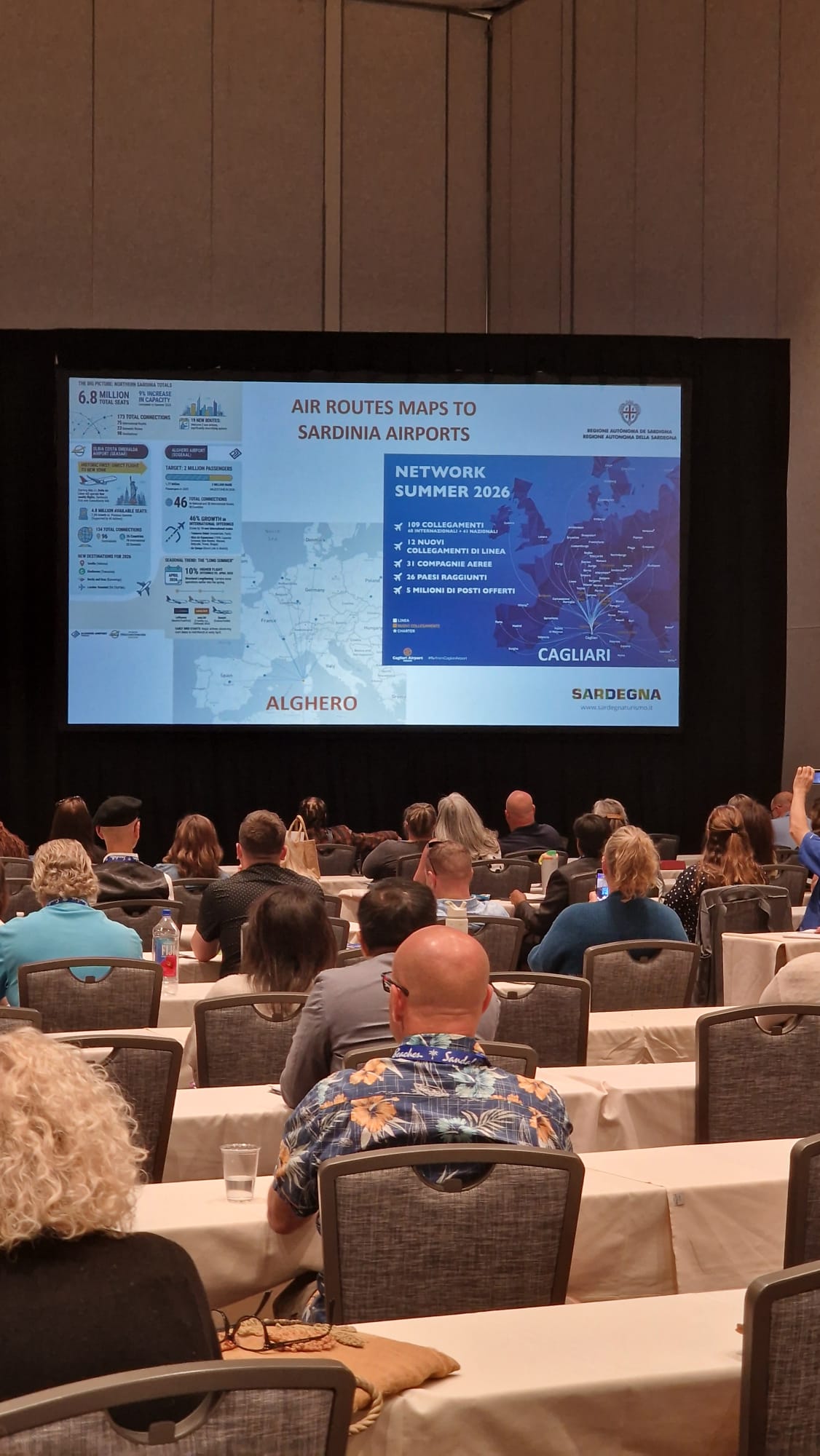
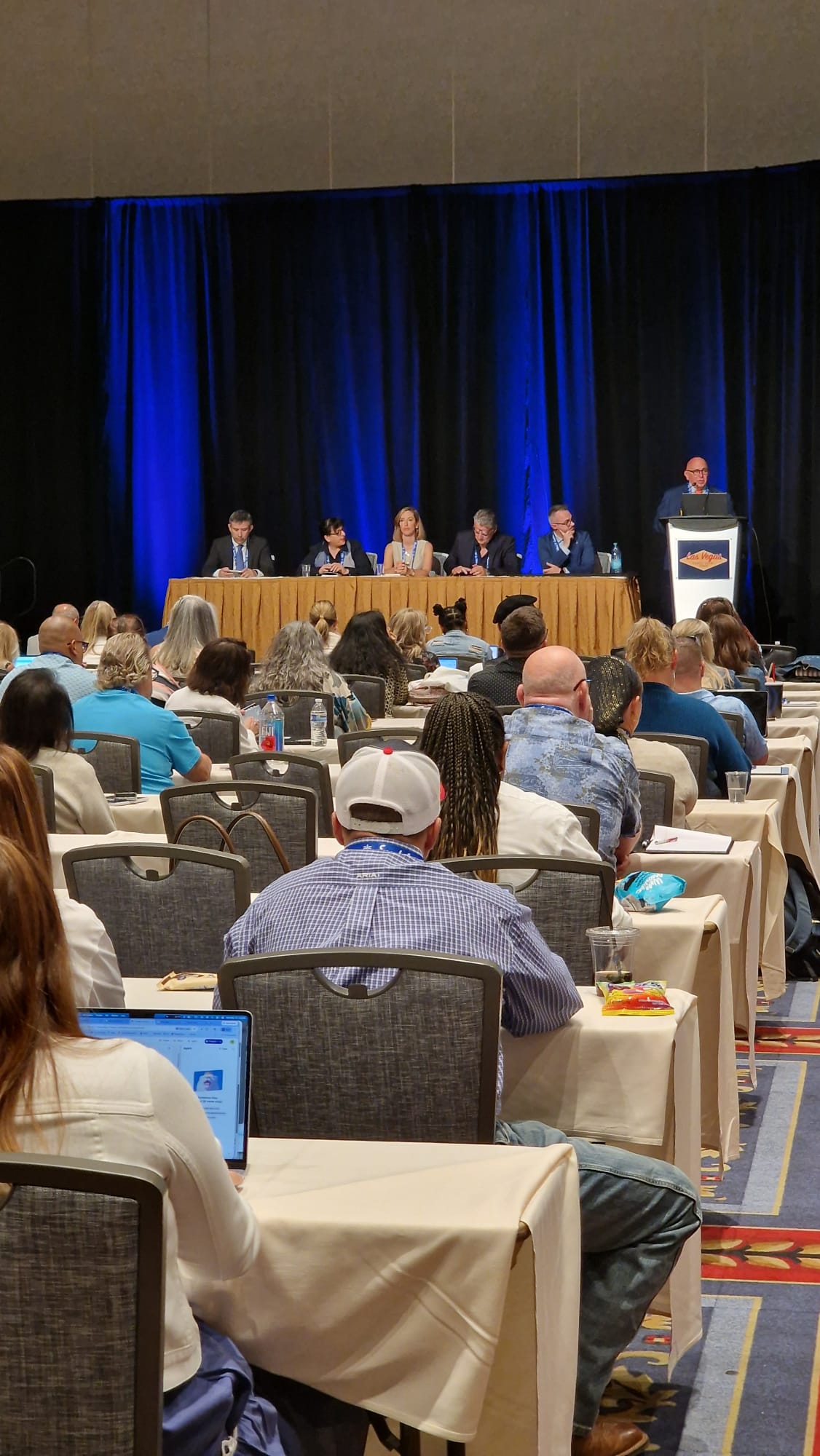
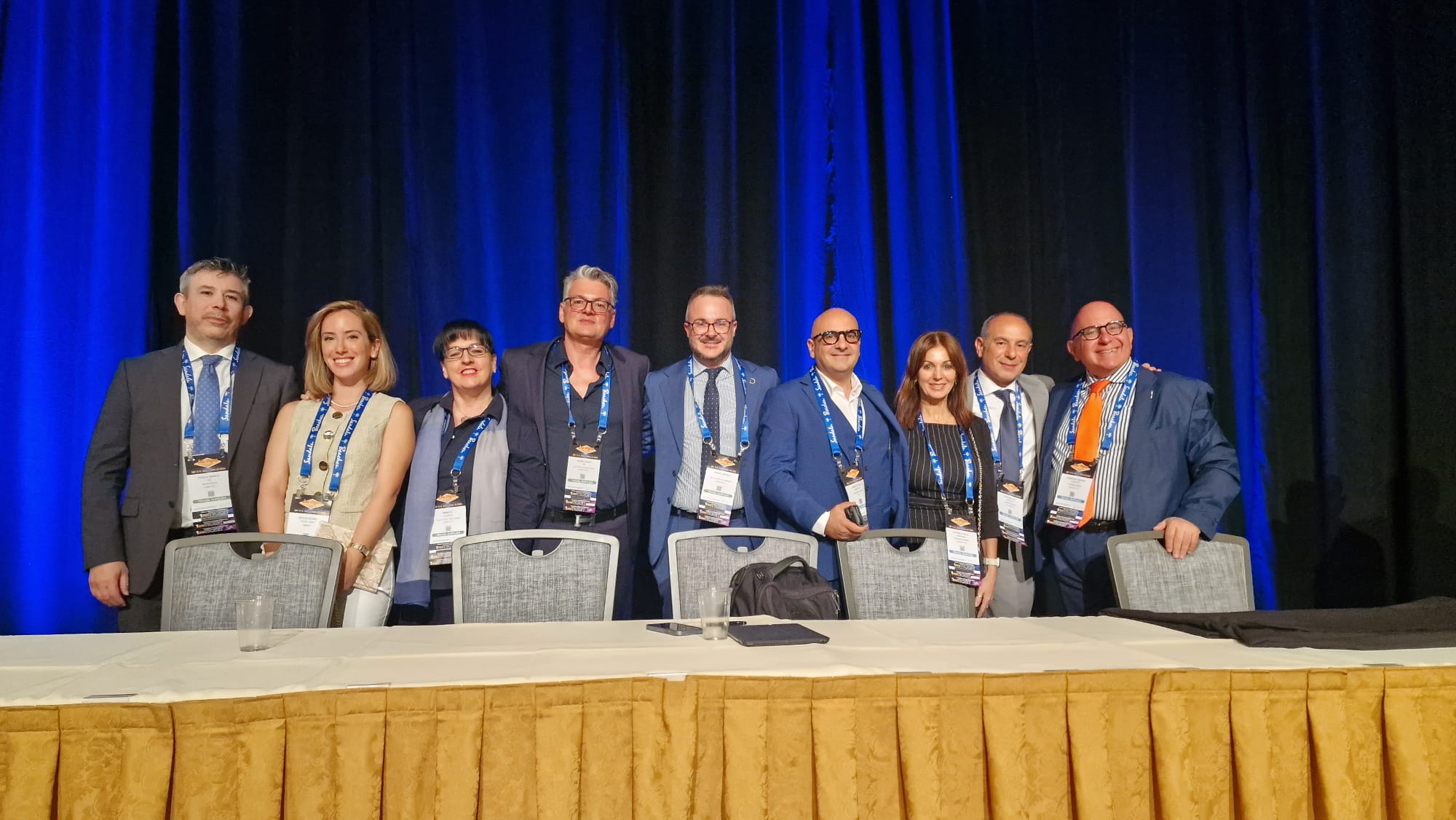
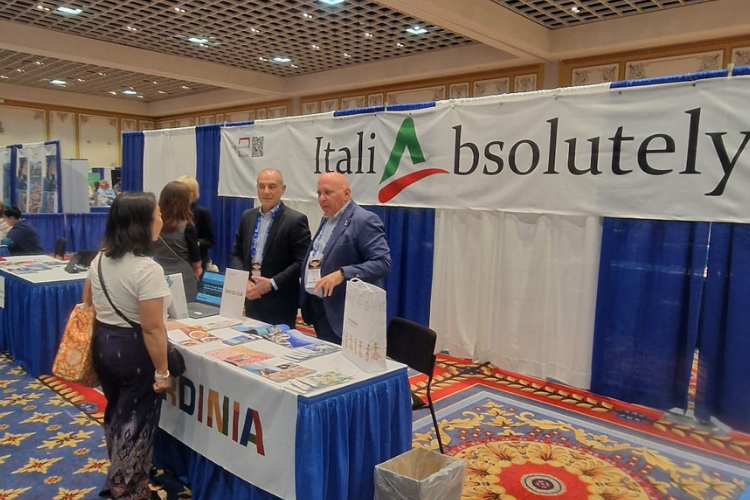
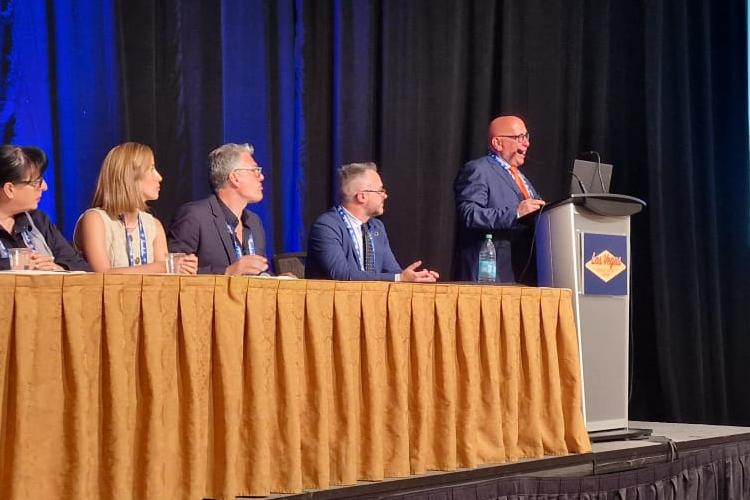
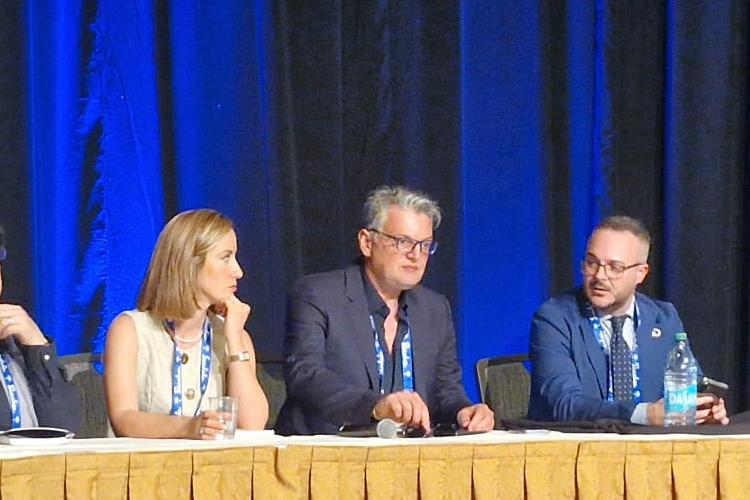
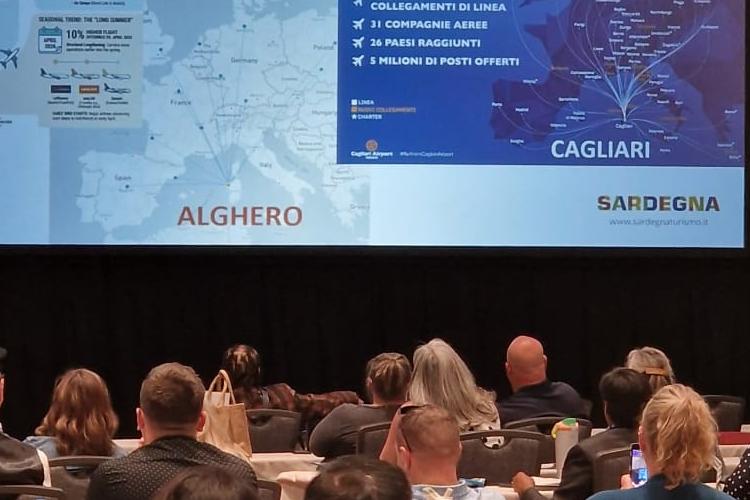
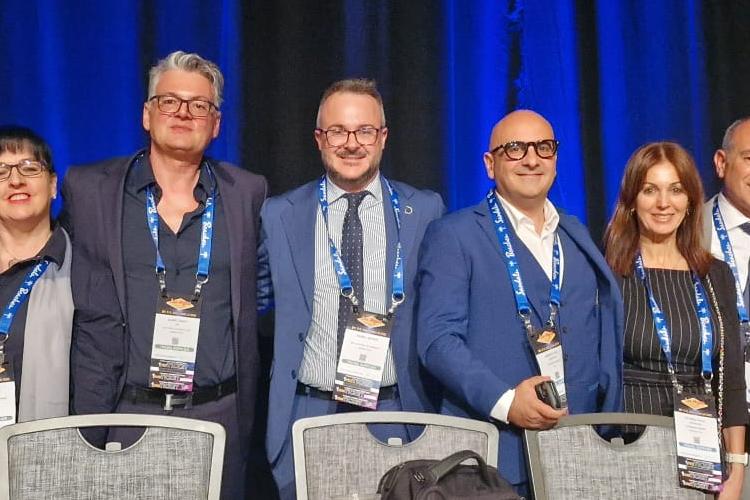
Confirming its status as one of Italy’s most appealing destinations for the U.S. travel trade the Sardinia Region and a group of Sardinian tourism operators, attended the event to meet hundreds of buyers and travel professionals in one of the industry’s leading showcases to promotes the very best of Italian tourism.
"Enhancing the island’s international positioning and global perception”
“Sardinia returns to Las Vegas once again as a protagonist, with the goal of presenting the American market with a destination that is authentic, sophisticated and still wonderfully undiscovered,” said Raimondo Mandis, spokesperson for Sardinia’s Regional Tourism Councillor Franco Cuccureddu. “Being present at the ItaliAbsolutely Village for the second consecutive year allows us to scale up important relationships with the U.S. travel trade while further enhancing the island’s international positioning and global perception.”
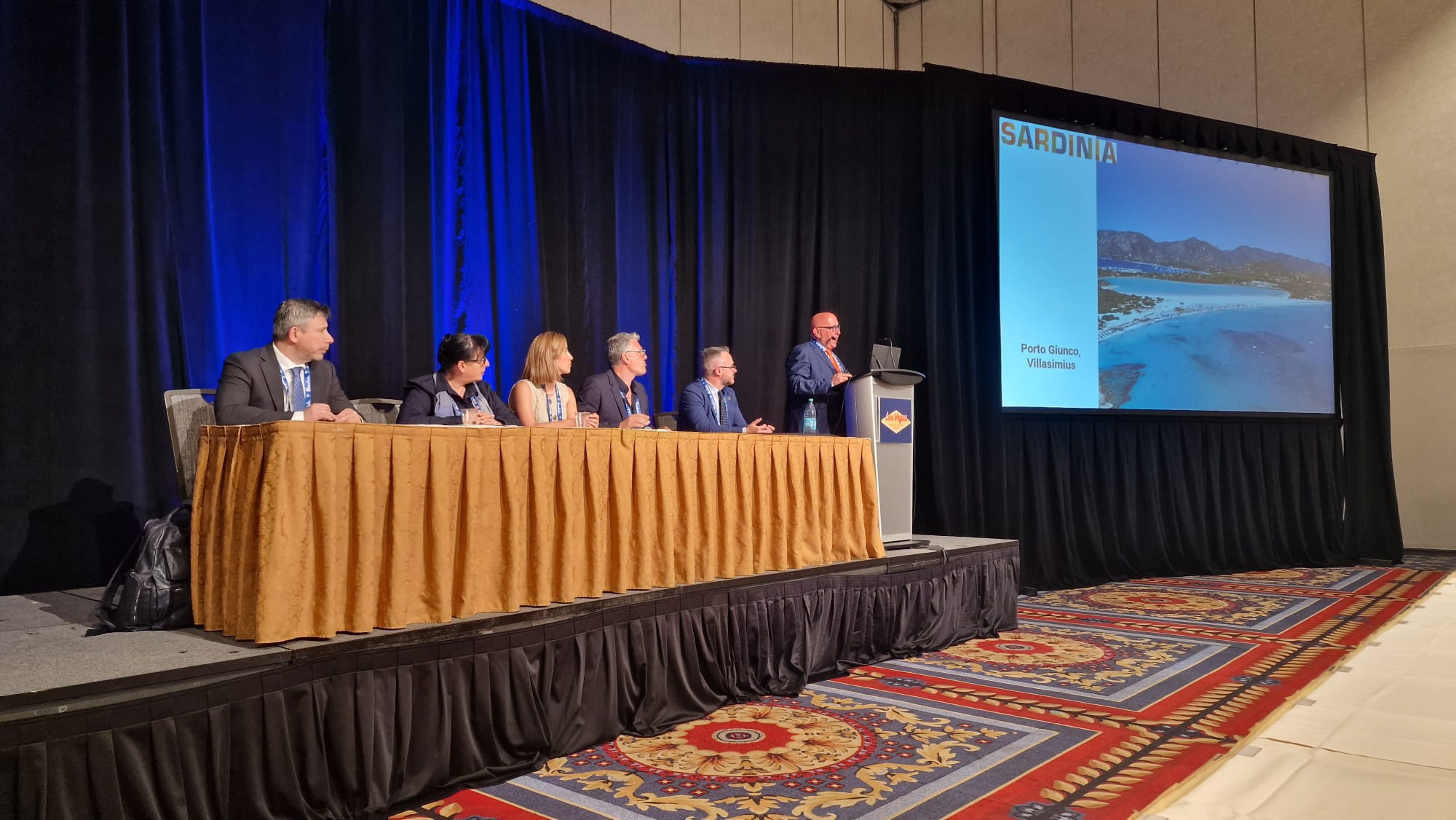





Major developments are shaping Sardinia
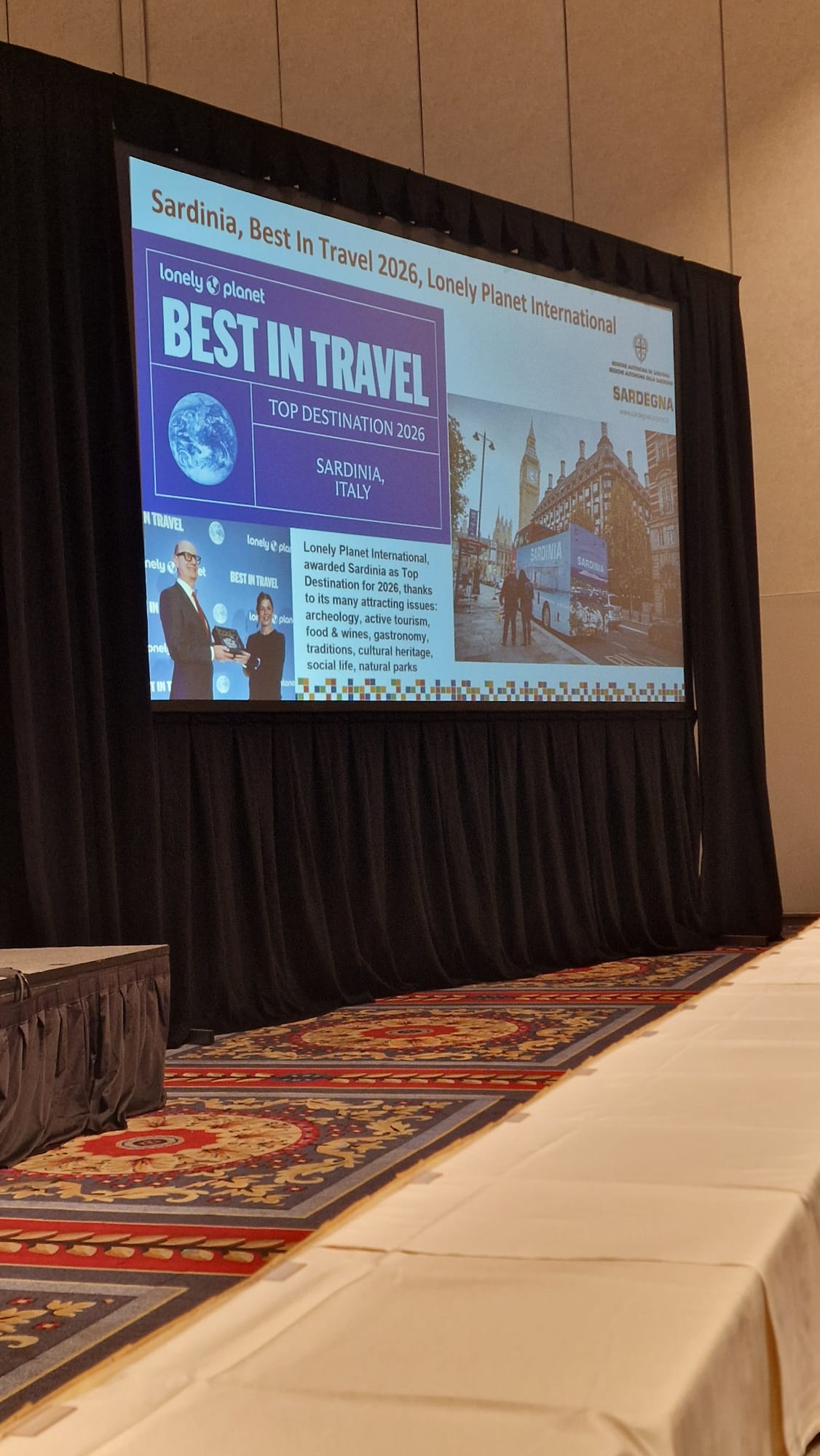
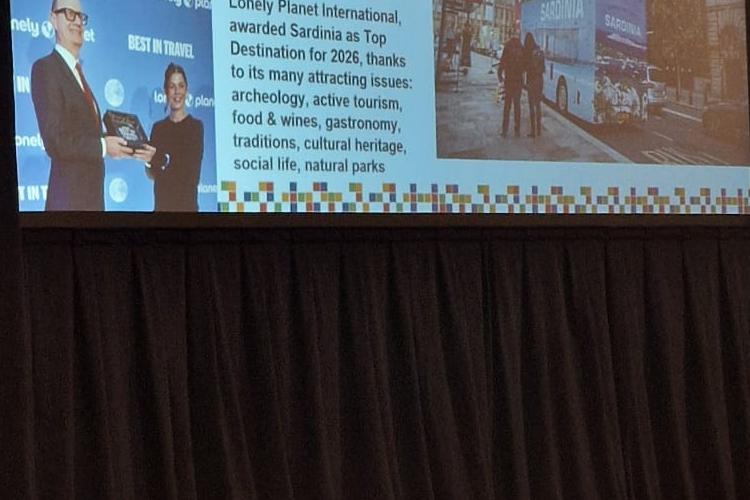
The Forum also provided the perfect platform to unveil some of the major developments shaping Sardinia’s 2026 tourism outlook. “We have three powerful elements that are transforming the way Sardinia is perceived internationally,- Mandis continued. -First is the new Delta Air Lines direct flight between New York and Olbia, launching tomorrow, May 20, with four weekly frequencies throughout the season. Then there is the recognition of the Domus de Janas as a UNESCO World Heritage Site for 2025, together with Sardinia’s inclusion by Lonely Planet among Europe’s Best in Travel Regions for 2026.”
The America's Cup in Cagliari this month
This year will also mark a major moment for international events on the island, beginning with the Louis Vuitton 38th America’s Cup Preliminary Regatta, which will place Cagliari at the center of the global sailing world from May 21–24, 2026. “The America’s Cup is far more than just a major sporting event,- Mandis added. -For four days the city will become the international capital of sailing, welcoming world-class teams, media, industry professionals and visitors from across the globe.” The official opening ceremony is scheduled this Thursday in the spectacular setting of Bastione Saint Remy, with the participation of regional and national institutions, followed by the inauguration of the Race Village at the Port of Cagliari.





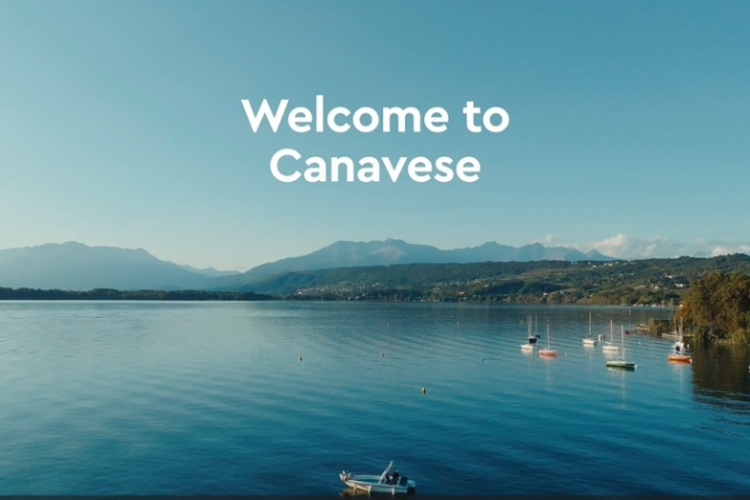
Welcome to Canavese, an unexpected corner of Piedmont where …
844Welcome to Canavese, an unexpected corner of Piedmont where …
844
