







Looking to a bumper summer
The expected turnover of hotel bookings in Italy should reach €14.7 billion between June and September, with advance sales already close to 80% for the month of August, and destined to grow in the coming weeks to at least 90% for the peak summer months. July, with 70% of bookings and September, with 60% are also good.
Autumn bookings for spas and art cities are positive
Italian hospitality operators are reporting consistent advance sales for all the summer's top products. For August 77.4% of available rooms at the seaside, 76.6% in the mountains, 71.9% in the art cities and 75.5% in inland areas linked to green tourism have already been booked. The trend of autumn bookings also appears positive: at the end of June, there were already 43% bookings for stays in October, with peaks of 51% in spa resorts and 47% in the art cities, underscoring Italy’s appeal, and its ability to offer tourist experiences throughout the year.
Estimates put foreign arrivals at 19 million
The country’s strong appeal on international markets is also confirmed and is growing at a higher rate than domestic tourism. Germany, France, the USA, Switzerland and Canada are the main markets showing strong growth with 21% of lake resort operators and 18% of spa resort operators registering a rise in foreign visitors. Data that are confirmed by airport arrival forecasts, which estimate around 19 million arrivals from abroad.
Latium, Marche and Umbria are in high demand
The Jubilee is confirming its positive effect and is also offering an important showcase for neighbouring regions, Marche and Umbria in particular which are leaders in religious tourism. A 30% rise in sales in the first six months of the year compared to 2024 is shared by Latium, Marche and Umbria, reaching almost +50% in Umbria alone, which probably benefits from the spinoff of the strong appeal of the Rome-Assisi axis, also on international markets.With destination Italy once again at the top of the preferences of Italian and foreign tourists the majority of hotel operators are not particularly concerned about the phenomenon of overtourism, with a mere 10% voicing their concern.
“We are extending the season and seeing a rise in autumn bookings”
ENIT S.p.A. and the University of Rome-La Sapienza recently presented the new scientific tourism and sustainability model, presenting the first focus on the city of Rome.
"Tourism is one of the main drivers for our country. We are achieving excellent results, we are extending the season and seeing a rise in autumn bookings. Foreign markets are looking with interest at Italy and the experiences we are able to offer, and reconciling this with sustainability, as is demonstrated by the new scientific model developed by La Sapienza University”, said Ivana Jelinic, CEO ENIT S.p.A.
A project to promote UNESCO and cultural heritage tourism
"Culture is the first holiday motivation of tourists who chose Italy,- said ISNART’s president Loretta Credaro. -The art cities suffer less from the effects of seasonality, and even better are those localities that have a UNESCO site. ISNART is currently working on the Mirabilia project with 21 chambers of commerce to connect the analysis, development, and promotion of tourism with the valorization of UNESCO sites and Italy’s cultural heritage, starting from the theme of the sustainable development of cultural destinations.”
An analysis of some 11,000 posts published on Instagram and Facebook between March and May 2025 by the official channels of territorial tourism promotion bodies in Italy shows how holiday destinations are making use of direct (ecotourism, environmental impact reduction, etc.) and indirect elements of sustainability (use of soft mobility, alternative itineraries, local production, etc.). Out of all the social media content examined sustainability now accounts for an average 13%, a figure that is even higher for destinations in Southern Italy (18%). The leaders in the use of sustainability content are Puglia (23%), Liguria (16%) and Umbria (15%).
Among the most popular themes are how to minimize the tourist's ecological impact (21%) and the conservation of specific biodiversity (20%). These are followed by socio-cultural themes: levers for local development (14%) and respect for local cultures (12%), but also local community participation and environmental education (both 9%) as well as sustainable tourism planning and management (8%). The elements related to companies’ economic sustainability and the transparency of certification mechanisms remain marginal, and the goal of social equity is pursued by only a few.
SUSTAINABILITY ISSUES IN TOURIST BOARDS’ POSTS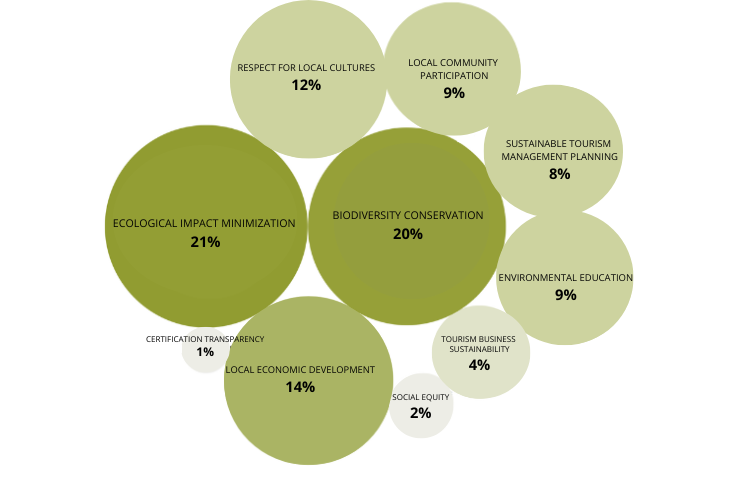
Source: ENIT Studies Office based on Extreme data.
The issues of the conservation of biodiversity and the downscaling of ecological impact are relevant in all areas of the country, with a particular focus on the former in Abruzzo (30.7%) and on the latter in Valle d'Aosta (28.6%), while other factors are more localized. For example respect for local cultures emerges in the islands and in Southern Italy (Campania 35.7%) while local economic development is more prevalent in Northern Italy (Piedmont 18.9%).
SUSTAINABILITY ISSUES IN TOURIST BOARDS’S POSTS BY THEME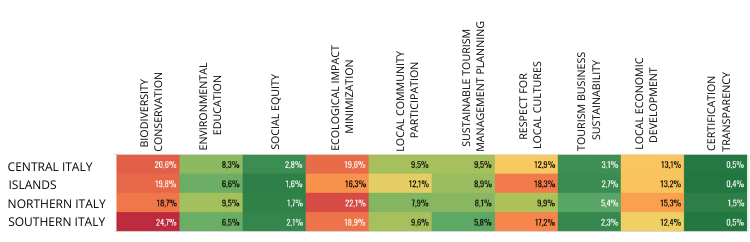
Source: ENIT Studies Office on Extreme Data
From the social communication analyzed, it can be seen how the posts of the southern Italian regions grant more engagement than the rest of Italy (303.3 average engagement per post) and how the more operational themes of transparency in the certification processes (331.3 average engagement per post) and sustainable tourism planning and management (209.6) are the most effective, followed by ecology, biodiversity conservation (197.7), and impact downscaling (185.4). The cultural and economic enhancement of the territories attracts for the respect for local cultures (180.7), the economic sustainability of businesses (150.4) and local economic development (141.1) such as the participation of local communities in the sector's production and economic processes.
THE AVERAGE ENGAGEMENT IN THE SUSTAINABILITY OF TOURIST BOARDS’ POSTS BY AREA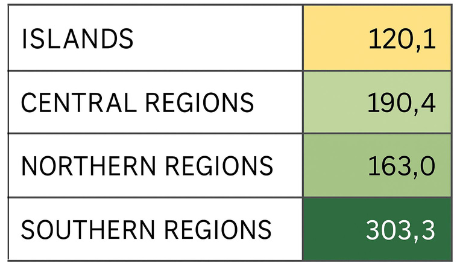
Source: ENIT Studies Office on Extreme Data
THE AVERAGE ENGAGEMENT IN THE SUSTAINABILITY OF TOURIST BOARDS’ POSTS BY THEME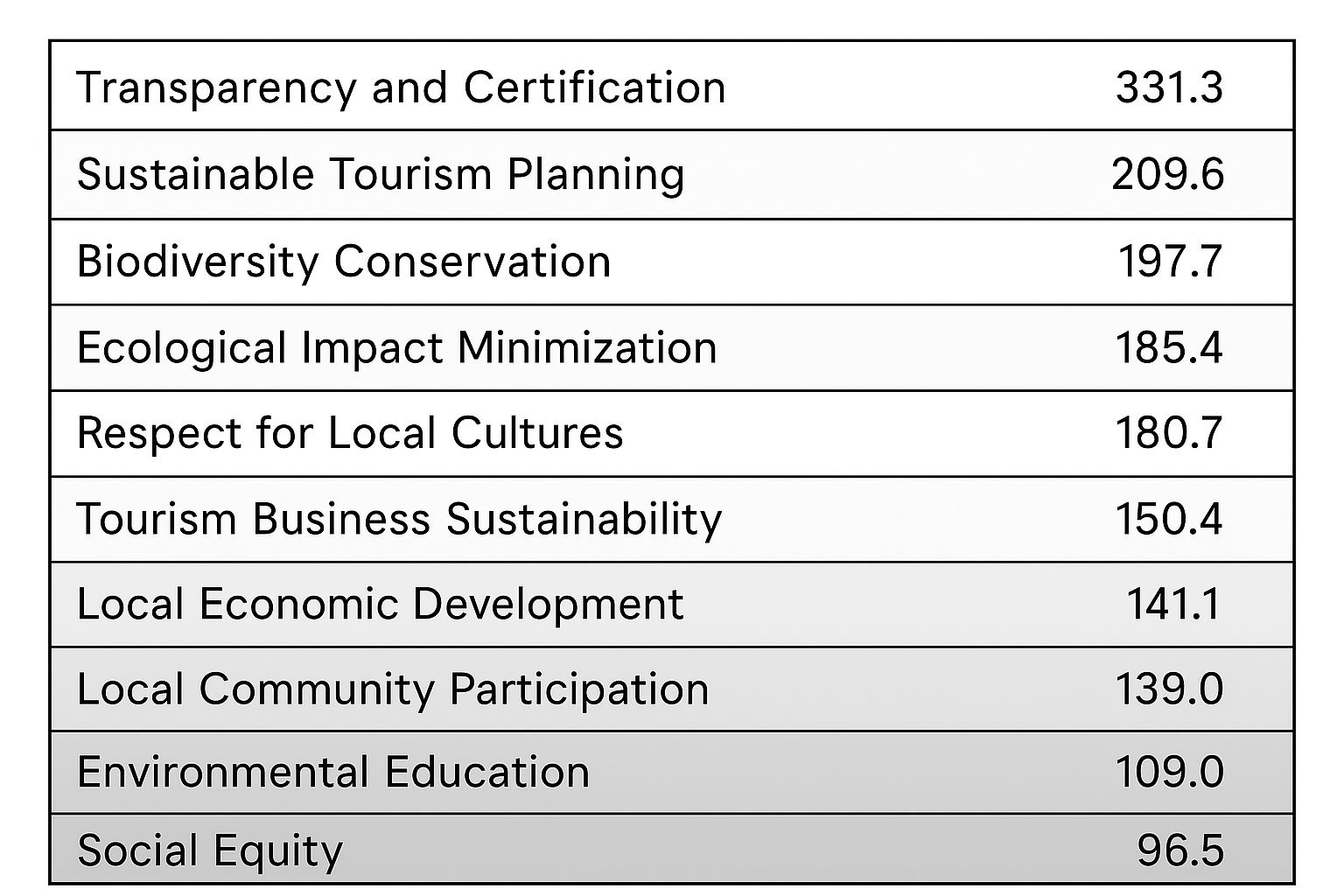
Source: ENIT Studies Office on Extreme Data
Reflection on this initial analysis of the monitoring of the social communication of Italian destinations is comforting for the concreteness of the themes, for the sharing of sustainability objectives from north to south, and for the ability of some themes to make inroads into the social and economic fabric, as a symptom of widespread sensitivity and execution on the road to sustainability in tourism.
Too often, however, social communication still starts from the broadest and lightest assets to propose itself in the key of a green and regenerative growth of destinations, as if a certain cautiousness in adopting sustainable approaches were a strategy to draw the attention of industry operators and businesses.
It will therefore be necessaryto deepen our engagement, exploring new frontiers in sustainable development strategies. This means moving beyond merely mitigating tourism’s impact, and instead embracing approaches that enhance it, transforming the relationship between tourist and destination, human and environment, humanity and planet into a truly positive one.
Advertorial
The trend of experiential tourism in Italy in 2024 wass significantly centered around wellbeing: 215,000 tourists who came for holidays dedicated to mental and physical wellbeing, 130,000 who went on spiritual walks and pilgrimages, 415,000 who chose green experiences, and over a million opting for food and wine itineraries. (Data from the ENIT Studies Office based on Bank of Italy sources.) Economically: €112.1 million were spent on wellness (+11.4 %), €92.1 million on spiritual walks, €363 million on wine and food (+9 %) and €405 million on green tourism (+9.5 %).
These figures clearly show how regenerating experiences are perceived as an added value. Tourists devote their trip not only to relaxation, but to inner and cultural enrichment, in a continuum linking regional recipes, rural landscapes, nature trails and shared experiences in village settings. This expression of Italy’s identity holds strong appeal for many international markets that are more attentive to ecological and identity values - Germany +13 %, Austria +11 % and the United States +37 % in the wellness and spirituality segments, and the United Kingdom +64 %, Germany and the Netherlands +51 % in food and wine and green tourism. Today’s traveller is a modern, proactive, aware tourist and he is eager to live the “Italian experience” in its most authentic and profound form. A holiday is not just a visit, but participation, contamination and personal growth.
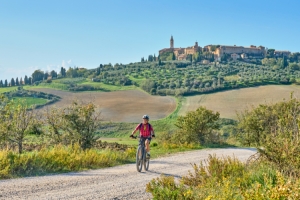
Active holidays participate transversally in these experiences. Cycle tourism, for example, is an emblem of slow tourism. Italy also rediscovers itself in cycling, ranging from excursions (89.1 %), to sporting activities (31.5 %), visits to villages (31.4 %), historic towns (29 %) and natural settings (13.2 %). In fact there were more than 33 million overnight stays for cycle tourism, with an expenditure of €4 billion - a clear sign of a phenomenon that has exploded since the pandemic and is still growing strongly. The bicycle tourist crosses territories, discovers off-the-beaten-path areas, coming into contact with local communities an follows a slow-tourism trail that has a strong socio-economic impact. Soft mobility thus becomes a vehicle for sustainability, a stimulus to the rural economy, and a tool for environmental protection.
Post-pandemic, outdoor tourism has become a strategic lever through slow tourism, hiking, camping, agritourism and nature trails. Today one in ten Italians pick holidays centered on sports and 53% go on hiking weekends. Slow tourism is becoming a way of territorial promotion that can enhance inland areas, rural villages and Italy’s historical heritage, all of which would otherwise remain marginal. The return to pre-Covid flows (UNWTO 2024) has brought to light critical issues related to tourist overlapping in the most popular locations, and has prompted the adoption of national, regional and local laws and regulations, such as new regulations on sustainable tourism that promote models to protect the environment and local communities. Anti-overtourism measures have also been introduced placing restrictions on access, online bookings and quotas and with the creation of low tourist pressure zones as well as territorial governance to protect cultural identity, the quality of life and environmental sustainability.
2025 is also a crucial year for the Extraordinary Jubilee of Hope and the 12th Special Olympics World Winter Games which are proving to be instruments of immense tourist appeal. The Italian system is ready to welcome millions of visitors efficiently and with the same warmth and quality of the hospitality Italy showed for the election of the new Pope Leo XIV.
Religious journeys today are not only an expression of faith, but also a desire for material and immaterial culture, spirituality and introspection. In 2024 the Ministry of Tourism counted 113 religious paths, totalling 30,469 kilometres across the country, from the Via Francigena (1,970 kilometres) to the Basilian Way (1,535 kilometres) and from the Way of St. Michael (1,532 kilometres to the Romea Strata (1,400 kilometres) and the Germanica (1,050 kilometres). These itineraries are not just physical routes, but true “inner journeys,” on which the walker seeks spirituality, interiority, a contact with nature and ways of sharing. The multi-sensory dimension - soil, smells, sounds, tastes - becomes an element of sensitivity and personal enrichment.
But even the more traditional forms of Italian holidays guarantee the authenticity of the experience for tourists in Italy. Beach tourism on our coasts, such as the Ligurian, Amalfi, Salento, Sicilian, Sardinian, Sardinian, Tuscan, Veneto and Emilia-Romagna coasts, generate €7.6 billion annually from foreign guests alone. There are also the circuits of the most famous art cities: from Rome, Florence and Venice to Naples, Palermo, Genoa and Turin, which attract 19.6 million foreigners, and with a total expenditure of over €19 billion.
But these types of stay are now emerging in a renewed form, integrating classic itineraries with cultural and digital innovations, craftsmanship, food and wine, and design, while respecting local identities and communities. The real challenge of contemporary tourism is not numbers, but human values. We need to offer tailor-made, accessible, multicultural, eco-friendly and inclusive experiences that reply to the needs of diversity, disabilities and different cultures. Holidays must enhance interaction, promote dialogue and strengthen communities, and Italy has the capacity, the places, the sensitivities and the infrastructures to do this. Tourism is no longer just a source of profit to be exploited, but an instrument of growth for local ecosystems and visitors, with positive repercussions on social cohesion, cultural growth and environmental sustainability.
In 2025 Italy was a destination at the forefront of sustainability, combining tradition and innovation, hospitality and responsibility, tourism and authenticity by optimizing its appeal, respecting the environment and placing the territory and communities at the centre. By making slow tourism, cycle-tourism, spiritual walks as well as quality seaside and cultural tourism the basis of sustainable tourism models it addresses the global challenge through innovation, as is exemplified by the Jubilee and the Olympics, while ensuring effective governance, security, and hospitality. Guided by sustainability, authenticity, and personal experience, Italian tourism today drives wellbeing, growth, and future prospects, making Italy a place where every visitor can pause, regenerate, and feel welcome, for themselves, for the community, and for the world.
The MICE spend in Italy was €800 in 2024
In 2024, approximately 850,000 foreign travellers arrived in Italy for MICE events like trade fairs and conferences, generating tourist spending of €800 million and 2.75 million overnight stays. Germany, France, the UK, Spain and the USA are the main markets of origin.
IMEX is the world’s leading MICE fair
In the globalized context of contemporary tourism, the MICE (Meetings, Incentives, Conferences, Exhibitions) segment is one of the most dynamic and high value-added components. This is why professionals in the sector are gathering at IMEX in Frankfurt - scheduled to run until 22 May - the world's leading trade fair for the MICE sector in Europe and a strategic platform for institutions, companies and international buyers.
ENIT is in Frankfurt with 78 co-exhibitors
ENIT the Italian Tourist Board is participating with its own stand hosting 78 co-exhibitors, including ten regions/institutions with their companies, taking this opportunity to present the latest trends in the sector. In 2024, Italy recorded a significant increase in international tourism linked to professional events over the previous year: 340,000 foreign travellers arrived to attend conferences (up +22.7%), while 500,000 arrived for trade fairs, recording growth of 18.3% compared to 2023. Tourism spending on conferences followed the same positive trend reaching €270 million (+20% compared to the previous year), while spending on trade fair visits recorded an even more significant increase of +27.7%, equal to €530 million.
“Trade fairs and conferences bring significant spin-offs”
"MICE is a strategic segment for our country. The good growth recorded is a sign that Italy is able to respond to different types of demand. Trade fairs and conferences bring with them significant spin-offs, tourist spending of €800 million and more than 800,000 foreign travellers,” said Ivana Jelinic, CEO of ENIT S.p.A. “It is a pleasure to witness first-hand the ability of Italian institutions to work together with the private sector to encourage, in the spirit of growth diplomacy, incoming tourist flows, economic growth and prosperity in our country,’ì” said Massimo Darchini, Consul General of Italy in Frankfurt.
Sporting events have a strong economic impact
“In 2024 some 560,000 international travellers chose Italy for sports holidays (+4.7% against 2023 ), generating about 2 million overnight stays (+8.7% over 2023) with an economic impact of €338 million (+3.3% compared to ‘23)” says a note from ENIT.
“Events are an important hook for the growth of tourism”
The rapport between tourism and sport in Italy with Germany, the Netherlands, Belgium, the United Kingdom and Austria the main markets that choose Italy for this type of holiday. “Events and sporting events are an important hook for the growth of tourism in Italy, that generate a positive economic impact throughout the country. By attracting foreign travellers in conjunction with major sporting events, Italy makes its unique beauty known,” said ENIT’s CEO Ivana Jelinic.
Sport and tourism rare a winning combination
The Minister of Tourism Daniela Santanchè, who was in Rome at the Internatipnal BNL d’Italia tennis tournament this week, said: “Sport and tourism represent a winning combination for Italy, contributing significantly to the success of Italian tourism and to the wellbeing of our nation. Sporting events like this tennis tournament attract visitors from all over the world, further enhancing the value of our tourist destinations and generating significant economic benefits.”
According to the ENIT observatory, the figures related to food and wine tourism are particularly interesting: +176% in stays, 2.4 million overnights, and €395.5 million in international spending. Which translates into an increase of +9% over 2023, reasserting the inherent worth of this highly strategic market.
Since the niche experiences of the early 2000s, foreign visitors are increasingly motivated by food and wine, marking a clear and sustained trend. The United Kingdom, Germany, Spain and the United States are the main markets, also suggesting a relationship between the export of Italian food and wine excellence and return tourism.
This is a good sign for Italy, which in any case must continue to support a tourism sector that brings wealth and also prestige to our country. Italy's great resources must be guarded with a certain far-sightedness to ensure the Italian product is not affected by inflation-related issues in the tourism sector, as is often the case in other regions and countries.
 Giuseppe Aloe
Editor in Chief
Honeymoons and shopping tourism are growing
Italy also leads the way in honeymoons, ahead of destinations such as Bali, Polynesia and the Maldives, and shopping tourism is also growing with more than 2 million tourists (+7%) and a contribution to GDP of over €2.5 billion Enit S.p.A. the Italian Tourist Board continues to play a leading role on the international stage and was present at the ILTM Latin America in São Paulo, Brazil, a leading trade fair for the luxury travel sector, which attracts exhibitors and visitors from all over the world.
Rome is the top global destination 2025
The luxury sector is fundamental to Italian tourism. As shown by the latest data from Virtuoso's Luxe Report 2025, Italy tops the ranking as Top Global Destination 2025, ahead of Greece, France, Japan and Croatia in the top five. At the city level, Italy also makes it onto the podium with Rome among the favourite destinations (beating cities such as London and Tokyo). Another Italian record is linked to honeymoons: Italy ranks first in the ranking dedicated to Honeymoon Destinations; a significant result that highlights our artistic and naturalistic gems, chosen by travellers from all over the world to celebrate a special occasion such as a wedding. In this ranking Italy beats highly sought-after destinations such as Greece, Bali, Polynesia and the Maldives. Ivana Jelinic
“We are creating value for Italy” says ENIT’s CEO Jelinic
Luxury tourism and shopping tourism are therefore growing phenomena that generate value in Italy: in 2024 alone, there were more than 2 million shopping tourists, an increase of 7% compared to pre-Covid. The data from the Shopping Tourism Monitor, of which ENIT is a partner, confirm the economic importance of this sector. The value of shopping tourism is projected to reach $327.8 billion by 2027 globally. In Italy, the direct contribution of shopping tourism to GDP exceeds €2.5 billion, with China and the United States remaining the target markets. “We are promoting our tourism offering in key markets such as the United States and Latin America. There is strong demand for luxury stays and shopping experiences, and it is our job to respond to these needs of international tourists in order to create value for Italy,” commented Ivana Jelinic, CEO of ENIT.
The South American market is also growing
In 2024, over four million US visitors stayed in Italy, accounting for 4.6% of total international arrivals and generating 33.7 million overnight stays with a total expenditure of approximately €6.5 billion. This positive trend is expected to continue to create value for the current year: between April and September 2025, approximately 1.65 million passengers from the United States are expected to arrive at Italian airports (94% on holidays), an increase of +10.7% compared to 2024. The situation is similar for the LATAM market: between April and September 2025, 334,200 airport passengers are expected from this area, an increase of +10.6% on 2024 and with Brazilian, Argentinean, Mexican and Chilean tourists leading the field.
“A thermometer for understanding future trends”
“It's always a pleasure to return to the Berlin event, one of the most important trade fairs in the world,- said Ivana Jelinic. “The ITB is a kind of thermometer for understanding future trends in world tourism from which we can draw indications for our operators. Germany is our leading European market, and is therefore very important. The Germans know and love Italy, but we must never tire of making even the lesser-known parts of Italy known, and of reminding them why they should come back to our country. We are here with a large delegation from 14 regions, and with over 250 operators, which shows how important this market is for us.”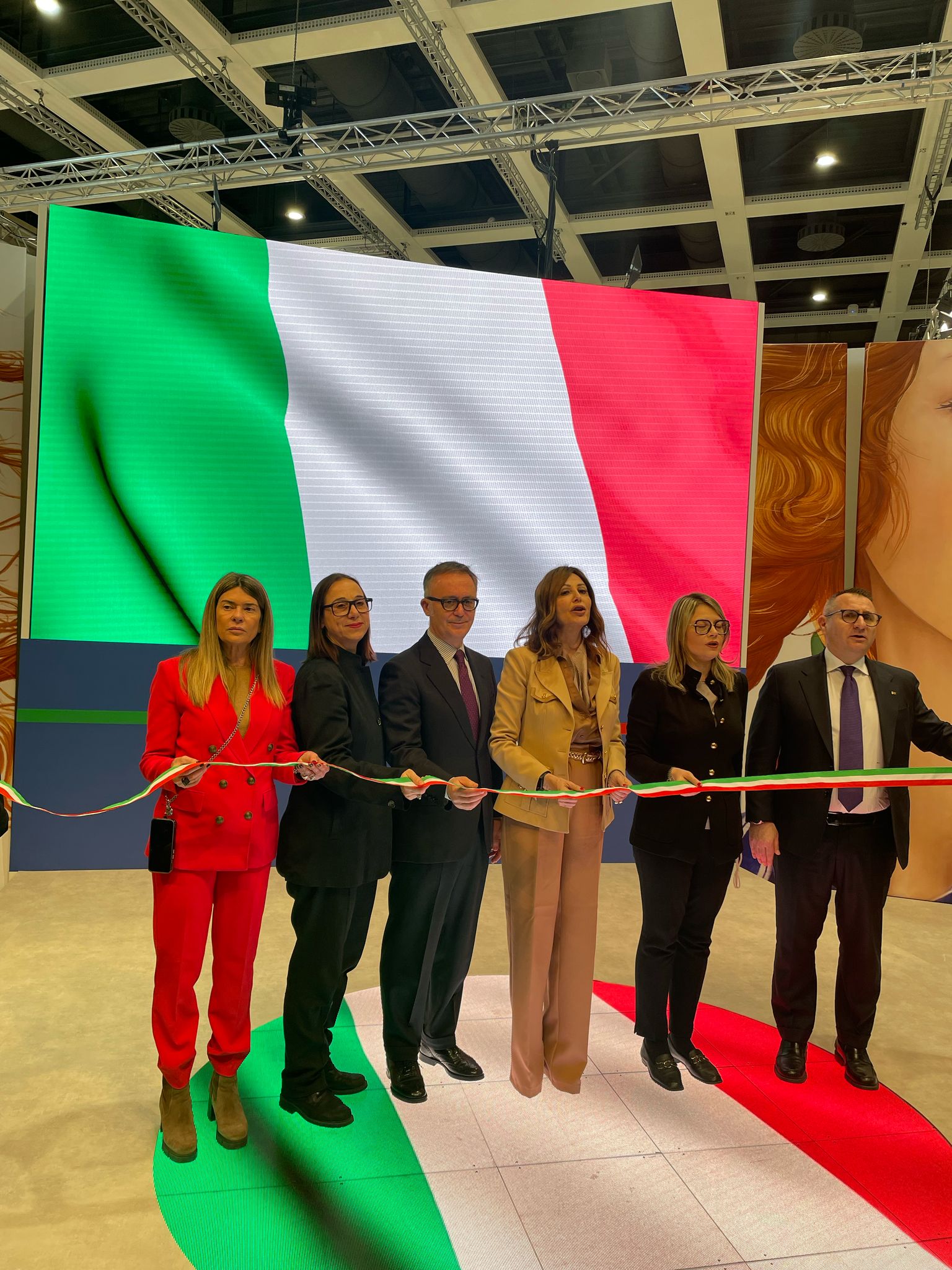
The Milan-Cortina 2026 Winter Olympics will drawmore German visitors
“Tourism is an essential source of wealth for our country, not only in economic terms, but also in terms of culture and image. Italy is in fact among the top ten countries in the world for the number of foreign tourists, and among these Germany is the driving force, with 14% of total arrivals in 2024 - said the ambassador Fabrizio Bucci. -Over the next few years we expect an even greater presence of German tourists, also thanks to the Milan-Cortina 2026 Winter Olympics, which will see more than 3,500 athletes from 93 countries compete for 195 medals in the splendid setting of the Dolomites, which is a UNESCO World Heritage Site.”
“Italy is ready to meet the expectations of German travellers all year round”
“Relations between Italy and Germany are a fundamental pillar for our economy and, in particular, for the tourism sector. Germany is the primary market of origin for travellers who choose Italy as their destination, and this is a tangible sign of the trust and appreciation that the Germans have for our culture, our history and our natural beauty. In 2024 we saw a significant rise in the number of German visitors, and our intention is to continue developing initiatives that can attract more and more tourists. Investing in tourism means investing in the future, and we are committed to promoting Italy as a welcoming and innovative country, ready to meet the expectations of German travellers all year round. Strengthening these ties is essential, not only for tourism, but also for the commercial opportunities that come with it, creating a virtuous circle that will benefit both countries.’
2003 was also an extraordinary year for Italy which recording over 447 million overnight stays, an increase of 8.5% over 2022. Even more significant is the +23.2% increase in international arrivals, testifying to an appeal that transcends all boundaries.
Luxury 4-star and 5-star hotels saw significant growth, with more than 50 million arrivals and 137.5 million overnight stays, and the luxury segment, in particular, achieved outstanding growth with +16% arrivals and +12.3% overnights. International visitors accounted for 54.1% of the total, with emerging markets such as China (+380%), Australia (+134%) and South Korea (+225%) joining traditional ones such as Germany, the United States and the United Kingdom.
Luxury tourism in Italy goes beyond simple sightseeing. Italy turns into a unique lifestyle experience of historic cafés, artisan workshops, starred restaurants and exclusive boutiques. In 2023 tourism spending generated around €51.7 billion, an increase of 16.7% over 2019, which placed Italy in 4th place worldwide for the number of arrivals, and 5th for revenues from international arrivals.
This success is the result of a perfect synergy between tradition, innovation and timeless beauty, positioning Italy as a leading luxury tourism destination. Furthermore, the increasing focus on conscious and sustainable tourism enriches local culture and elevates the country's global prestige. During the winter months luxury tourism fulfills travellers' increasingly refined expectations, from cultural experiences to well-being, but always with a commitment to sustainability. These are the main seasonal trends:
Italy, with its distinctive offerings and capacity to anticipate travellers' needs, confirms itself as a must-visit destination, ready to win the hearts of new luxury explorers.
“Italy's stand is the largest at the fair”
“We are proud to be here in London at one of the most important global tourism fairs,- said ENIT’s CEO Ivana Jelinic at the opening day of the travel show, - and I would like to thank the many Italian regions that are here The strong presence of our operators highlights the market's enduring enthusiasm for business, forward-looking growth, and innovation. And it demonstrates the international demand for and deep affection towards Italy. Italy's stand is the largest at the fair.”
Six million UK visitors to Italy last year
"Italy's strong presence and the immense interest that everything related to Italy continues to inspire,- said Iginio Lambertini, the Italian Ambassador in London. -This is confirmed by the growing British presence in our country. Last year six million UK visitors chose Italy, and a growing number of UK citizens are transferring their residence to Italy. Italy's presence at an event like this is an important showcase.” 
Tourism minister Santanche aims for a united front
Alberto Cirio, Piedmont’s president, highlighted the importance of foreign arrivals to his region, saying that the region's food and wine, the Nitto ATP tennis finals, the Ski World Cup, and other events of great interest, all add to the appeal of Piedmont. “Italy must present itself with a united front to show the world the importance of Italian tourism,- said the minister of tourism Daniela Santanchè. –This year there are two Italian regions outside the Italian pavilion, Veneto and Sardinia, but it will be the last time, because a unified approach is a key strength for the success of a tourism strategy.” 
“The game-changer is reducing seasonality to avoid overtourism”
The minister went on to thank the UK market which this year recorded 15 million overnight stays in Italy. “We are no longer interested in the quantity of tourists, but in the quality. In how much money they spend in our country, and the game-changer is reducing seasonality to avoid overtourism. And let me remind you of an important appointment, the G7 of tourism to be held in Florence from 13 to 15 November.”
Increases in overnight stays and expenditure
Since last year, there has been a sustained increase in both the number of UK travellers choosing Italy (+32.5%), which exceed 6.2 million, and in overnight stays, which total over 34.7 million (+15.9%), for average stays of over 5.5 nights. The growth in expenditure, which stands at €4 million 536 million, a +27.2% rise over 2022, represents the core of this market's deep and diversified interest in what Italy has to offer tourists. Some 52.4% of overnight stays and 63% of expenditure are motivated by leisure holidays, with 26.2% of nights spent visiting family and relatives and accounting for 16.8% of total expenditure, to which should be added around 5% of nights spent visiting friends. Seven per cent of the overnights, totalling 10% of expenditure, were for occasional trips, while 6.5% of the overnights were for study trips, accounting for 2.2% or some €100 million in expenditure.
Culture and art cities dominate
A further €43.4 million was spent on honeymoons, amounting to 205,000 overnight stays.
Almost half of the chosen destinations are related to occasional trips. Among the planned itineraries, cultural locations and the art cities dominate, with a share of 31.5% of the total number of overnight stays - around 11 million - and as much as 37.4% of tourist expenditure, amounting to €1.7 billion. This is followed by seaside destinations, which, with over 4.3 million overnight stays and €600 million in tourist expenditure, account for 12.5% and 13.2% respectively. Lake resorts with 937,000 overnight stays and €231.2 million of expenditure are on the podium as the third type of stay preferred by the British market.
Mountain and green tourism choices are popular
Among the more niche choices, mountain holidays count 697,000 overnight stays and an expenditure of €132.5 million. These are followed by green tourism, with over 591,000 overnight stays and €92 million spent (a 50% rise on last year). Amongst the motivational niches, food and wine trips account for 274,000 overnight stays and over €39 million in tourist spending, with sports holidays counting 153,000 overnight stays and generating €23.3 million.
This positive trend finds Italy with the wind in its sails, and prudent flow management strategies will enable operators to move closer to saturation levels. ENIT is concentrating on sustainability, verifying and monitoring the ecological footprint of tourists, the impact of tourism on destinations, and the ability of businesses to put into practice the sustainability criteria laid down by the EU. It is also supporting destinations with traditional, web, and social communications aimed at an increasingly more aware tourist, working towards the creation of a complex and composite model for a stronger sustainable regeneration of the entire tourism system.
One relevant area is the ability to manage climate change, for which ENIT is analyzing data and best practices to provide destinations with viable solutions for emergencies through planned actions that can counter change, while making its tourism destinations increasingly safe, attractive and exciting. This revolution of the tourism system in a green key is accompanied by shifts in focus necessary to make the Italian tourist offer increasingly competitive. 
In addition to the immense heritage of Italy's cultural and natural resources, typical products and food and wine, the professionals who work to make travel experiences memorable and unique must be put back at the centre of the development of tourism. To boost employee satisfaction we need to implement processes and models that enhance both service efficiency and staff well-being. At the same time digital growth plays a crucial role, driven by innovative solutions from the start-up ecosystem aimed at transforming the tourism industry and improving the services offered.
Our ability to tell the story of Italy’s vitality is passed on to tourists through our natural and cultural landscapes, history, traditions, rituals and local excellences. It is a story that brings countless international travellers back to Italy to visit relatives and friends (7 million in 2023 for 76.8 million overnight stays and €11.2 billion in spending), rediscovering their origins in the year that celebrates Heritage Tourism in Italy.
ENIT recently highlighted the heritage tourism theme in the Italian Village at the Tokyo International Cruise Terminal marking the arrival of the Amerigo Vespucci ship for the first time in Japan, on a tour that included Buenos Aires, Los Angeles, Tokyo, and will continue to Singapore, Darwin and Mumbai. Italy's renowned shopping districts and fashion streets are among the key attractions promoted by ENIT through its 26 international offices, and they draw 7.7 million international visitors annually who contribute €1.2 billion to tourism spending.
The importance of sustainability in tourism grows day the day, necessitating an urgent and fresh approach, and is an issue that must be prioritized in the management of Italian tourist destinations.
First and foremost, the protection of our tourist destinations is crucial. This includes not only areas where the landscape or exceptional natural beauty itself is a reason for vacationing, such as our coasts, lakes, or mountains, but also places where tourism is driven by other Italian excellences. These include culture in our large and small cities of art, as well as "Made in Italy" products, and food and wine tourism, both in inland areas and in our small towns and villages. The entire sector hopes for a progressive economic growth in tourism. However, this growth must be balanced by the careful management of human carrying capacity as well as the assessment of economic impact value, excluding the consumption of the territories.
The issue of managing tourism's sustainability impact on our destinations differs depending on whether we are talking about an urban destination (consider the issue of short-term rentals and their social impact on city centres for residents), a seaside location (where the entire economic system is affected by the limited summer seasonality, with broader direct effects on commerce and services), or a mountain resort (often compelled to readjust local mobility to comfortably accommodate the influx of tourists during limited peak periods of the year).
It is essential, therefore, to explore solutions that positively harness the impact of tourism on local areas, generating local value and jobs in small towns to curb migration to large urban centres. This approach means revitalizing otherwise abandoned areas for tourism purposes in both urban and rural settings, and introducing regenerative tourism practices. These practices should adopt hospitality formats that enable tourists and residents to collaborate on common goals, such as safeguarding natural excellence, supporting agriculture and local culinary traditions, and fostering public-private partnerships to protect and preserve local heritage.
Last but not least is the impact of climate change on destinations not only in Italy but worldwide. ENIT is studying various management solutions for this phenomenon, which vary based on the type of tourist product offered, the involvement of local stakeholders, and the type of tourist. The aim being to enhance the capacity of local tourism systems to develop alternatives to their flagship products, which are often overly dependent on seasonality and vulnerable to climate change.
While these processes cannot be implemented overnight, they can be initiated to avoid having to manage emergencies in the future, thereby making it possible for our regions and businesses to reap the benefits of new tourism opportunities.
Thanks to a rebound in the travel industry between January and December 2023, Italy recorded over 431 million overnight stays in its accommodation facilities, marking a 4.6% increase from 2022. Of these, 222.6 million were by international tourists, a 10.7% rise against 2022, while 208.5 million were by Italian tourists, a slight decrease of 1.1%, also against 2022. This recovery is underscored by the fact that international stays in 2023 surpassed by 0.9% the 220 million recorded in 2019. Growth is expected to continue, barring any major catastrophic events, and over 100,000 airport arrivals were recorded in Italy from January to June 2024, 66.4% of which were international.
Europe is thus set to lead in growth for 2024 and 2025, both in terms of overnight stays and international arrivals, highlighting a significant opportunity for the sustainable management of tourism to drive economic growth both in Italy and across Europe.
The aim of Enit’s green and digital project, “SMARTIES for SMEs: Pills of Sustainable, Smart, Regenerative Tourism to Empower SMEs in the EU Mediterranean Area,” is to boost the competitiveness of small and medium-sized tourism enterprises.
Submitted in the COSME call SMP-COSME-2022-TOURSME, and with a total budget of €3 million, the plan of action is aimed at enhancing the competitiveness of small and medium-sized enterprises (SMEs) in the field of tourism. This is to be achieved by boosting their capacity for green and digital transition, and by promoting innovation, resilience, sustainability and quality in the tourism value chain in the EU Mediterranean region.
The scheme makes €375,000 available for innovative projects that contribute to the environmental, social and economic sustainability of tourism businesses. Each funded project can receive up to €25,000 and avail itself of mentoring by local partners. It can also be selected as good practice for international distribution. The funds are earmarked for 75 innovative projects in five Mediterranean areas: ‘Toscana Nord-Ovest’ in Italy, and four areas in Greece, Cyprus, Portugal and Slovenia.
The project is an opportunity for SMEs to take advantage of the dual green and digital transition. Using demand analysis, training, capacity building and with significant financial and technical support, the aim is to help businesses develop a tourism plan based on authenticity while contributing to the well-being of local communities.
The concept of regeneration, which implies renovation or restoration, is not a new one, but only in recent years has it entered the mainstream in fields such as agriculture and architecture. In tourism the notion surfaced in 2019, thanks to Anna Pollock who is an expert, and through schemes such as Visit Flanders and the Travel to Tomorrow Summit. The COVID-19 pandemic further highlighted the vulnerabilities of the sector, and the need to rethink tourism.
Regenerative tourism goes beyond simply preserving a destination and inspiring visitors to leave a positive impact. It can also include helping to cleanse the environment, improve the habitat of local wildlife, and regenerate the ecosystem. Unlike traditional tourism, which focuses on exploring new destinations, regenerative tourism is closely associated with the economy, society, culture and nature.
The principles of regenerative tourism include:
- Environmental restoration: Tourism processes take place within an ecosystem, and people, as agents of tourism, must become guardians of the natural world.
- Responsible tourism: The success of tourism is not only measured by GDP growth, but also by well-being, cultural prosperity, landscape integrity and a sense of community.
- Local community involvement: The host community is the main agent of regenerative tourism, acting as a steward of local ecosystems.
- Cultural preservation.
The aim of regenerative tourism is to ensure that visitors have a positive impact on destinations, leaving them in better conditions than those in which they found them, while actively contributing to their revival and regeneration. Concrete examples include farmers and travel industry experts who restore degraded land and local communities, the development of ecolodges to help conserve pristine rainforests, and the recovery of biodiversity by restricting cattle grazing and reintroducing wild animals.
It is imperative, however, to prioritize the preservation of these resources, starting with the territories, and acknowledging both their strengths and vulnerabilities. Italy's extraordinary geographical position, from its coastal vistas to its majestic mountains, is a huge advantage which, paradoxically exposes it to inherent risks.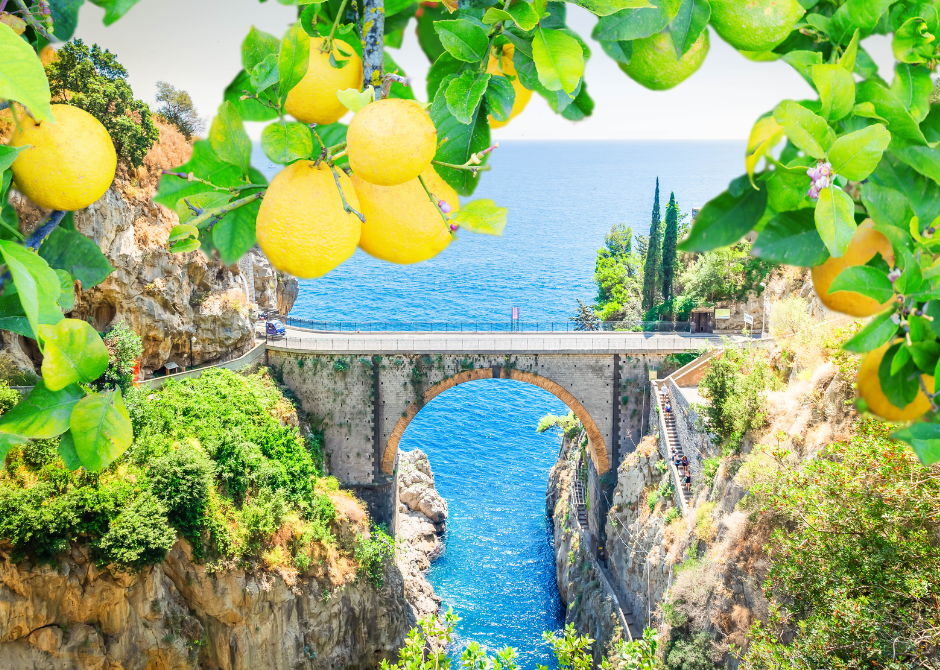
Consequently, the stewardship of our social heritage is necessary, as is the well-being of residents, workers, and the economic sustainability of our tourist havens. It is paramount to avoid compromising the integrity of our unique destinations while fostering sustainable growth in the sector.
Italy’s heritage encompasses inland regions that produce world-class agri-foods, coastal and inland areas that are appreciated by visitors from all over the world, and our artistic and cultural heritage that put us at the top of the list of UNESCO sites. It also encompasses our Alpine and Apennine habitats teeming with distinctive flora and fauna that distinguish us from our neighbours across the Alps. Equally significant are the individuals, and often entire families, who invest their lives in this sector, shaping their futures.
The escalating threats posed by global warming and climate change, which sooner or later will shape our territory, tourism and society, necessitate swift, inclusive actions involving all stakeholders—destinations, operators, and tourists alike—to mitigate its impacts on our land, tourism, and society.
ENIT’s strategic initiatives focus on promoting year-round tourism, particularly in the shoulder seasons, diversifying offerings across lesser-known destinations, and bolstering ongoing seasonal planning. These efforts have proven effective, as is evident in the surge of long-haul markets like Canada (+46.5%), the United States (+40%), and Australia (+150%).
Furthermore, in Italy the symbiotic relationship between culture and tourism is closely entwined, with the country’s cultural riches and they draw tourists, while tourism enriches our local culture. The 59 UNESCO sites epitomize this interplay with both of these sectors putting people and their desires, aspirations and emotions centre stage, thereby influencing our territories, our heritage and our traditions.
Cultural tourism emerged as the leading choice by tourists in 2023, attracting 105.2 million international overnight stays in the great art cities and for cultural holidays, and generating €17.9 billion in expenditure. This sector accounts for 27% of foreign stays and 34.6% of related tourist spending, highlighting its pivotal role in Italy’s tourism landscape (Source: ENIT Studies Office - Bank of Italy).
Moving forward, Italy seeks to transcend seasonal limitations and climatic difficulties to become inclusive all year round, specializing in those tourism products that are not rooted in (and do not promise) cool summers or natural snow in winter. What they do is to make the local lifestyle and the habits of the community, nature’s diversity, and the distinctive cultural material and immaterial fabric of each region, central to the product.
Today’s tourism discourse pivots away from the model of solidarity co-marketing towards a new model of wellbeing for tourists who can handle the authenticity of their experiences with the help of cutting-edge technology and scientific advancements. This new model champions responsible governance, sustainability, and regenerative practices, ensuring the impact of local narratives enhanced by tools of artificial and generative intelligence.



Castellabate is a charming hilltop town located in southern …
460Castellabate is a charming hilltop town located in southern …
460