




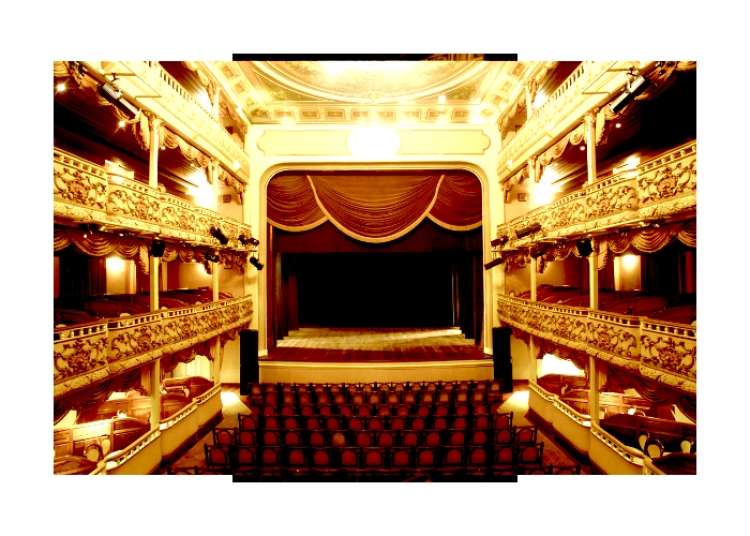


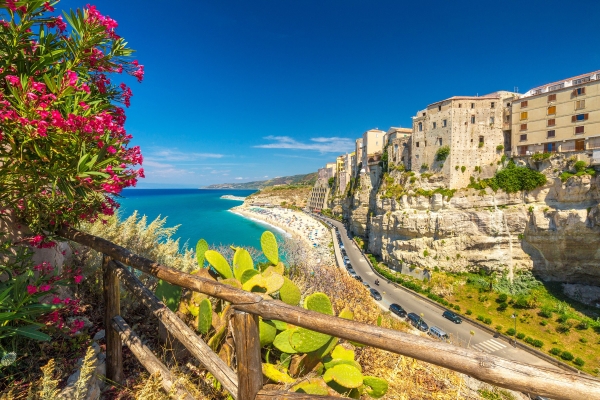
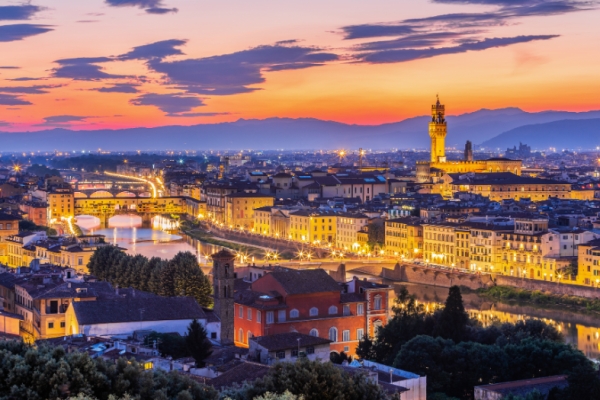


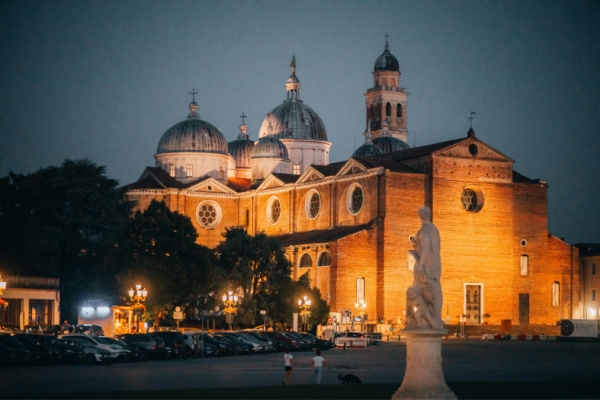



Italy has no shortage of world-famous stages. La Scala. La Fenice. Teatro San Carlo. The Arena in Verona. Yet its newest UNESCO World Heritage recognition belongs to a very different cast of characters: ten remarkable historic teatri condominiali local theatres in little hill towns in the Marche, Umbria and Emilia-Romagna regions.
At first glance they look quite unassuming and have modest façades. But step inside and you realize that heritage is not always monumental: you find gilded boxes, painted ceilings, velvet seats for at the most a few hundred people, perfect acoustics and the unmistakable intimacy of the Italian theatre. Spaces that seem too grand for the towns that contain them, and yet somehow belong there completely. The UNESCO recognition comes not only for all this beauty, but because, unlike Europe's great royal opera houses, these little theatres were built, financed and managed collectively. An astonishingly modern idea for its time: art not as the preserve of a few, but as a civic investment shared by all.
UNESCO's decision recognizes ten remarkable examples of local theatres in central Italy (eight of them are in the Marche) in Jesi, Ascoli Piceno, Offida, Fermo, Macerata, Fabriano, Urbania, San Severino Marche, Sant'Agata Feltria and Spoleto. Together, they tell a story that extends far beyond architecture: one of collaboration, identity and a uniquely Italian understanding that culture thrives when it belongs to everyone.
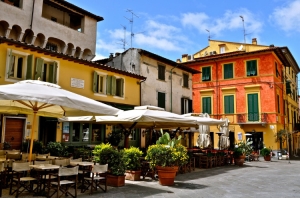
For travellers the new UNESCO listing shines light on another Italy - one far removed from the country's iconic landmarks. These theatre towns invite you to slow down, wander medieval streets, linger over lunch in a family-run trattoria and chat with locals as you discover places where heritage is deeply woven into everyday life. At a time when overtourism dominates the conversation, UNESCO has quietly pointed us towards destinations where authenticity still takes centre stage.


