













Beyond temples and frescoes, Rome reveals a second identity shaped by infrastructure, systems, and interesting mechanical and engineering sites.
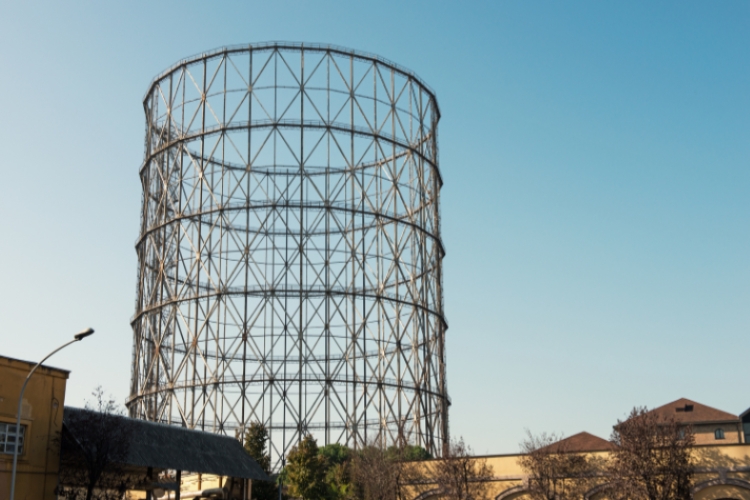
The skeletal Gasometro gas holder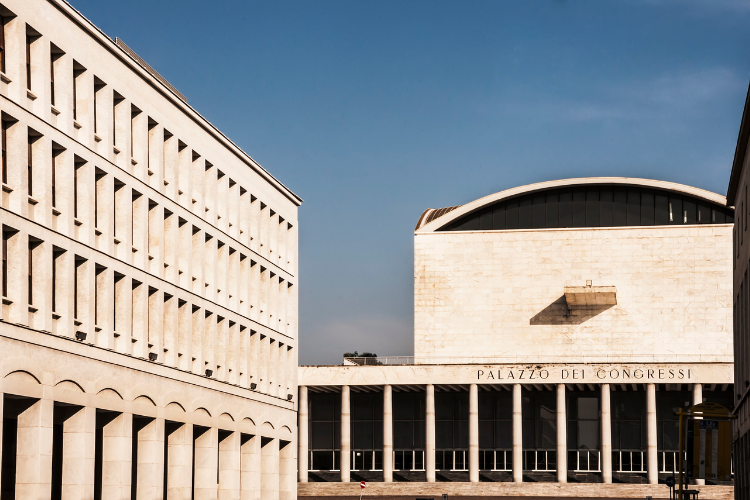
For visitors drawn to how cities work – which is to say how they move water, energy, and people - Rome offers a surprisingly coherent set of mechanical and technical sites that can be explored over a focused day. One example is a natural continuation of the Centrale Montemartini in the Ostiense district - a museum that combines classical archaeology with industrial machinery – the Gasometro which was once part of the city’s gas distribution system, is a vast steel structure that dominates the riverfront with its skeletal geometry. Though no longer operational, it remains one of Rome’s most powerful industrial forms, best appreciated from a distance along the Tiber river or at sunset, when its latticework stands out against the sky.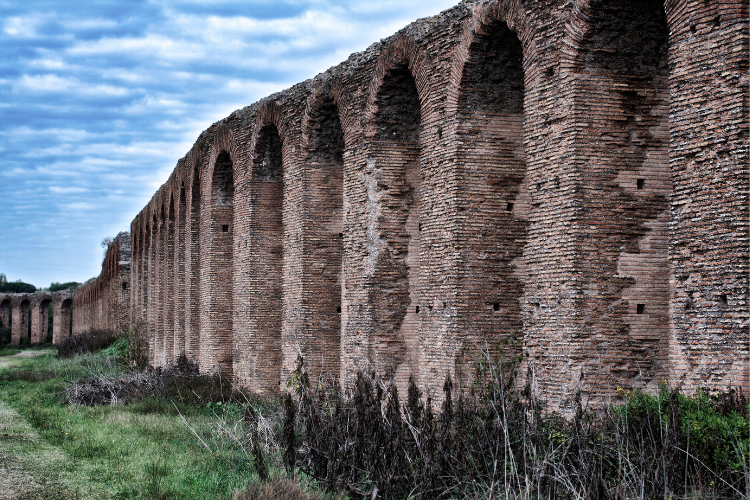
Ancient aqueducts and modern EUR
Equally revealing, though far older, is Rome’s water infrastructure. At the Parco degli Acquedotti, multiple ancient aqueducts intersect across open fields, their arches marching across the landscape. Walking beneath these ancient structures makes Rome’s reputation as a city of builders feel literal rather than symbolic. For a more modern expression of engineered order, the EUR district offers a different perspective. Planned in the 20th century as a rational city, EUR is symmetrical, modular and structurally logic, its wide roads and planned vistas underlinig a vision of the city as a controlled, engineered system.
Rome’s mechanical and engineering sites
These mechanical and engineering sites reveal a Rome built not only on symbolism and beauty, but on function and systems, and for anyone interested in mechanics, engineering, and urban infrastructure, they offer a parallel reading of the city, with Rome is seen as a machine as much as a monument.


