





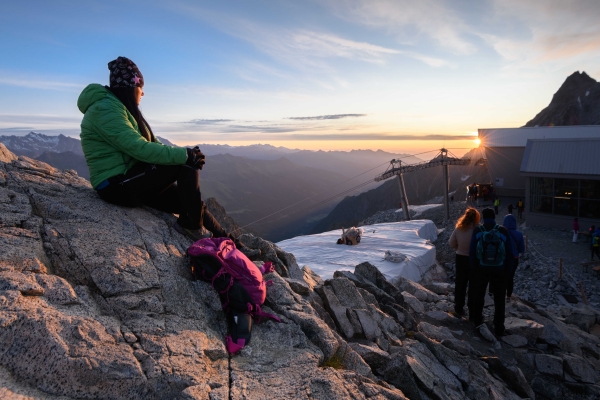

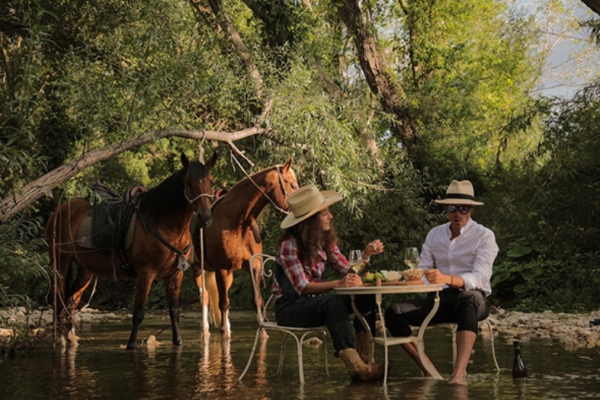







With 320 kilometres of track, the Gran Sasso horse trail is the longest in Italy and crosses three provinces in the Abruzzo region: l'Aquila, Pescara and Teramo as well as eight of the eleven protected tourist-environmental districts in the area. The Gran Sasso (meaning big stone) range is the Abruzzo’s highest and its Corno Grande is the highest mountain in the Apennines, and the second-highest mountain in Italy

Rest areas with shelters for horses
Within the Gran Sasso and Laga Mountains National Park, the horse riding trail runs along the Teramo Aquilano and Pescara sides of the Gran Sasso range. There are rest areas equipped with shelters for horses, like the Paladini complex in Crognaleto which also has a guesthouse with 50 beds, a restaurant, an information point, and a stable that can accommodate up to ten horses.
Nine rest areas with stoves
Along the trail eleven water points have been repositioned and nine drinking troughs and dozens of springs have been restored in support of the local sheep and cattle farmers. Nine rest areas equipped with stoves were also set up, two mountain refuges were refurbished, and eight huts were built for sheltering horses near tourist service facilities.

Farmhouse accommodation and equestrian centres
Along the way the naturalistic, historical-architectural and archaeological attractions are highlighted. As well as the shelters, hostels and local delicacies to be found in the various areas crossed and the long route connects various farmhouses offering accommodation as well as several equestrian centres.
A trail also for hikers and mountain bikers
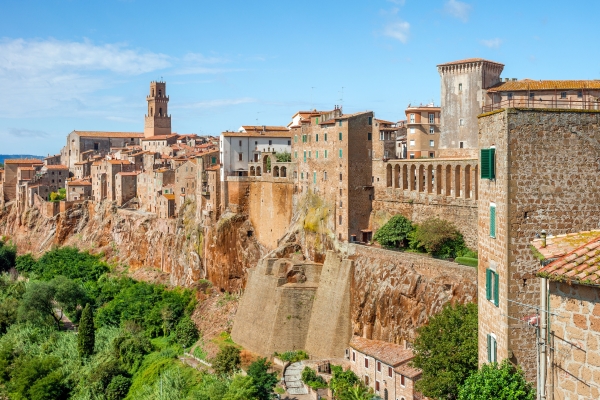
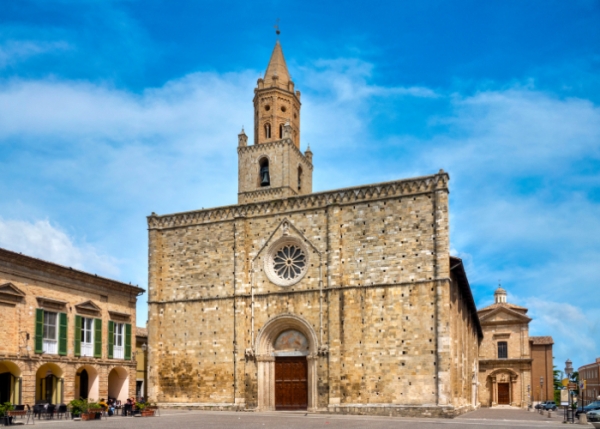
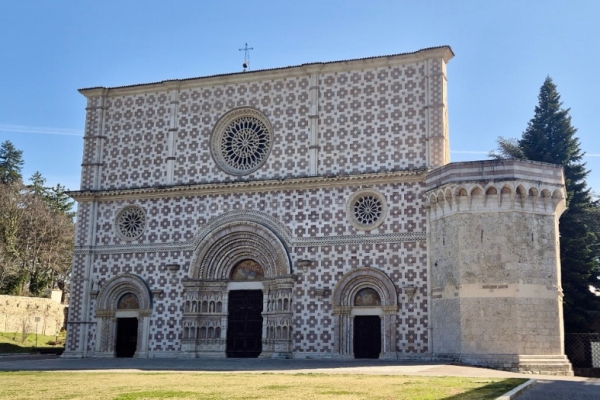
Of course these renovated and well-equipped routes can be travelled not only on horseback, but also on foot or with mountain bikes, making them a hit with nature lovers, and particularly appealing from spring to autumn. The Gran Sasso and Laga Mountains National Park also has medieval hamlets, castles, hermitages and abbeys which are authentic treasures of art, culture, archaeology and tradition, many of which are still shrouded in mystery, and date back to as early as Roman times.


