




Italy has been perfecting the art of wellness for more than 2,000 years. Long before spa weekends became fashionable, the Romans were soaking in natural hot springs, convinced that mineral-rich waters could restore body and mind. Today, Italy’s best thermal towns combine those ancient traditions with beautiful scenery, historic centres, outstanding food and, in some cases, seriously luxurious places to stay. From Tuscany to the Alps and Sicily, these are the Italian thermal destinations worth planning a trip around.
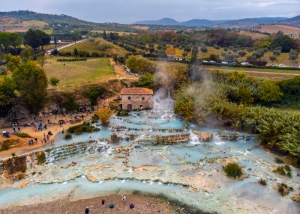
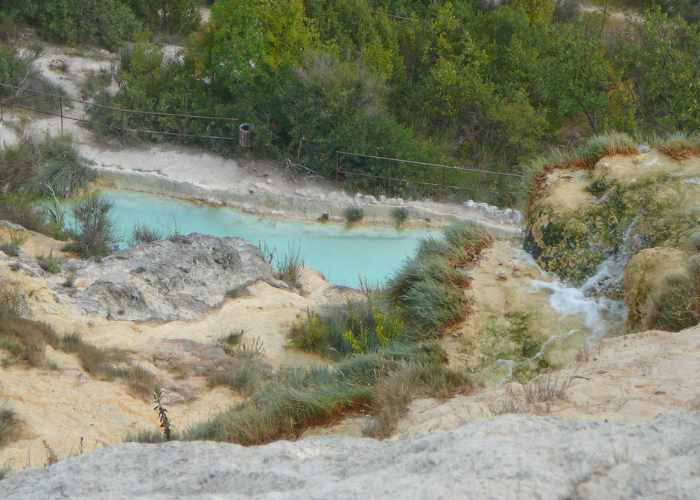
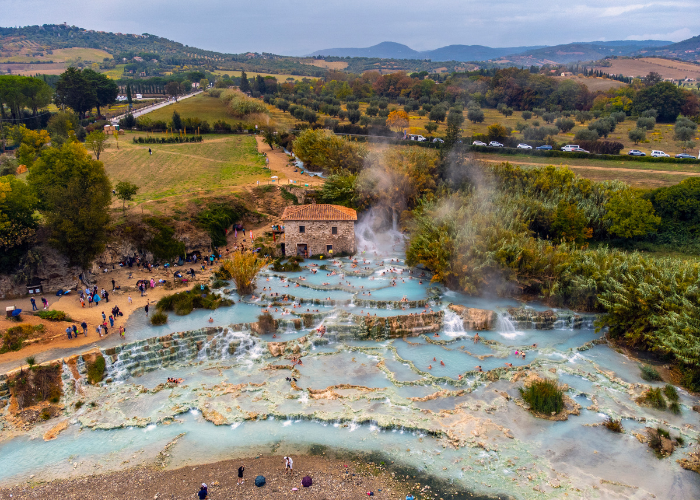
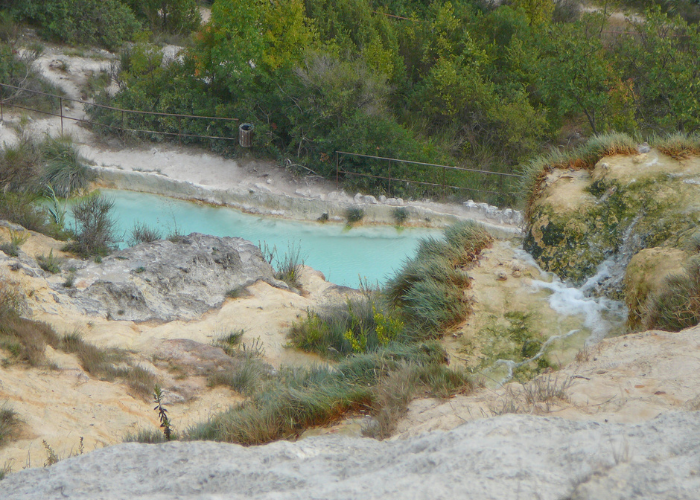
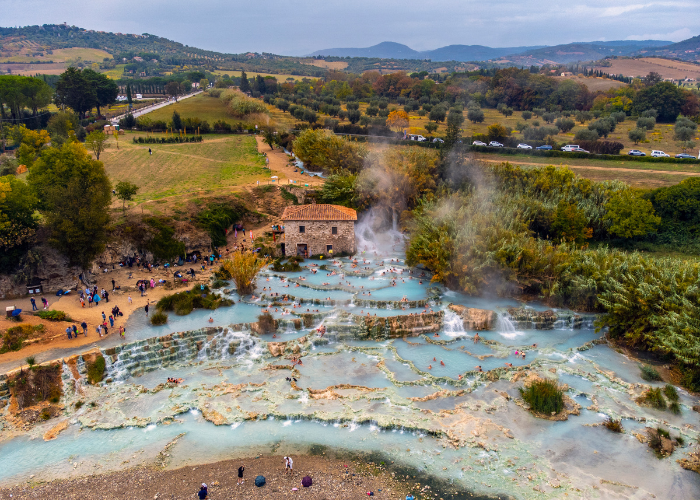
Few thermal destinations are as instantly recognizable as Saturnia, in southern Tuscany. Its star attraction is the Cascate del Mulino, a series of natural limestone pools filled with warm, sulphurous water flowing through the countryside. The setting is spectacular: rolling Tuscan hills, vineyards and stone farmhouses surround the steaming pools. The water remains naturally warm throughout the year, making Saturnia an appealing destination even outside the summer season. Beyond the springs, explore the villages of the Maremma like Montemerano, sample local wines and olive oil, and look for classic Tuscan dishes featuring wild boar, handmade pasta and pecorino cheese. The nearest major airports are Rome Fiumicino and Florence and from there Saturnia is best reached by car.
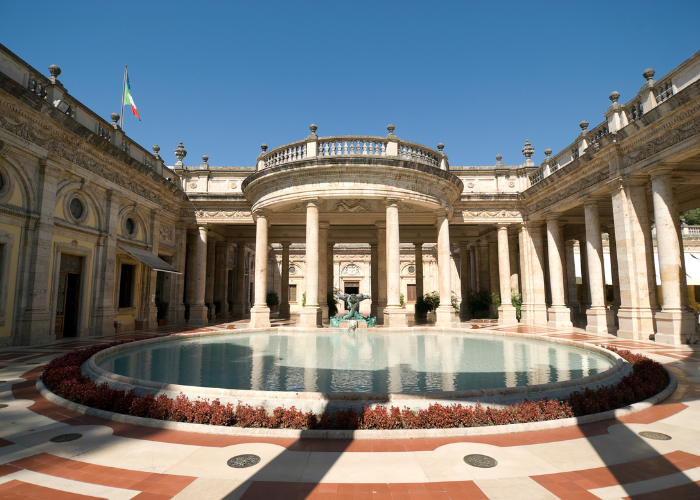
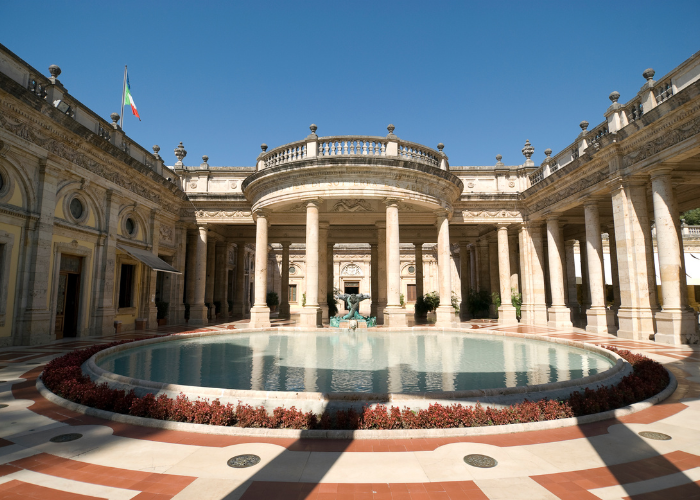
For something more elegant, head to Montecatini Terme, one of Italy’s classic spa towns. Located between Florence and Lucca, it became fashionable in the 19th and early 20th centuries, attracting European aristocrats, artists and celebrities. Its grand thermal spas, parks and Liberty-style architecture give the town a distinctly Belle Époque atmosphere. The experience is not just about spa treatments: visitors can ride the historic funicular up to Montecatini Alto, a charming hilltop village with restaurants, narrow streets and magnificent views across Tuscany.


Just outside Padua, Abano Terme and neighbouring Montegrotto Terme form one of Europe’s largest and most established thermal spa areas. Their mineral-rich waters are particularly associated with therapeutic mud treatments, known as fangotherapy. They are the perfect choice for travellers who want wellness without disappearing into the countryside. Padua is only a short distance away, home to the basilica of St. Anthony, and remember to book a visit to the Capella degli Scrovegni online – you will not regret it! Venice too is easily accessible and the nearest airport is Venice Marco Polo, while Verona is another convenient option. Food lovers should also explore the Veneto’s excellent regional cuisine, from risotto and bigoli pasta to local wines produced in the Euganean Hills.
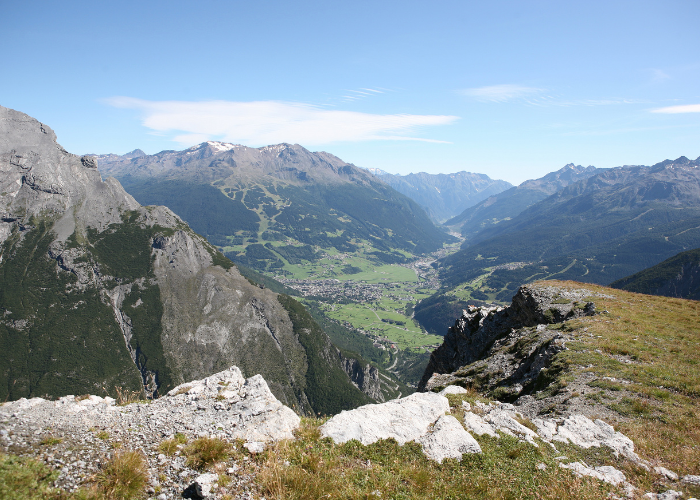
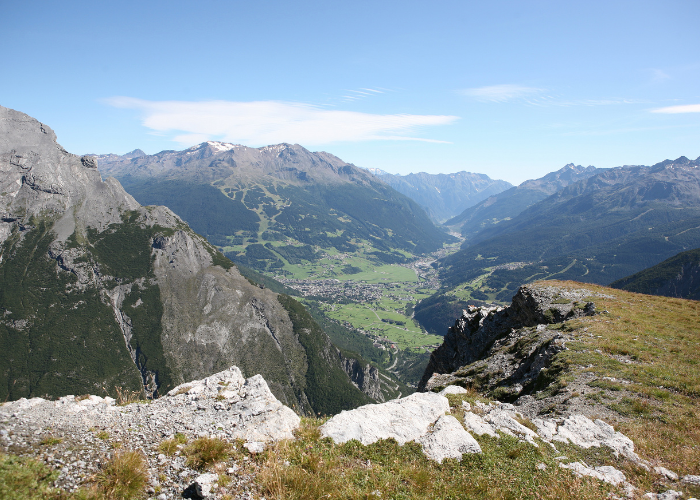
In northern Lombardy Bormio offers one of Italy’s most dramatic combinations: natural thermal waters set in the Alps. After hiking, cycling or skiing, there are few better rewards than soaking in warm pools while looking towards snow-covered peaks. The area has been known for its thermal springs since Roman times and today offers several historic baths and modern wellness centres. Bormio is also close to the spectacular Stelvio Pass, one of Europe’s most famous mountain roads. And don’t leave without trying local specialties such as pizzoccheri, bresaola and mountain cheeses.
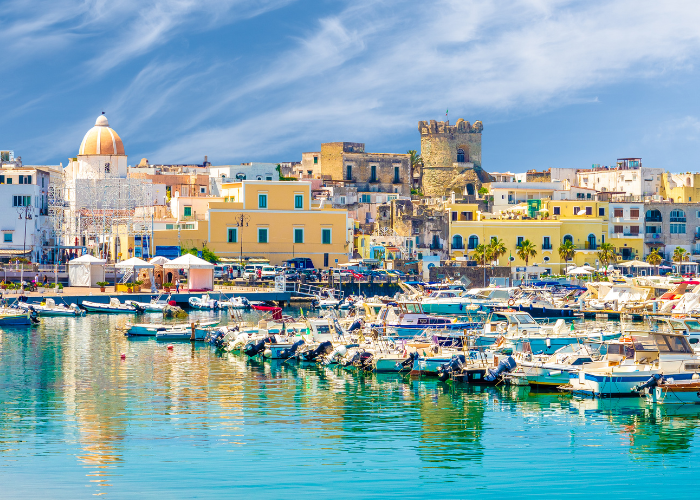
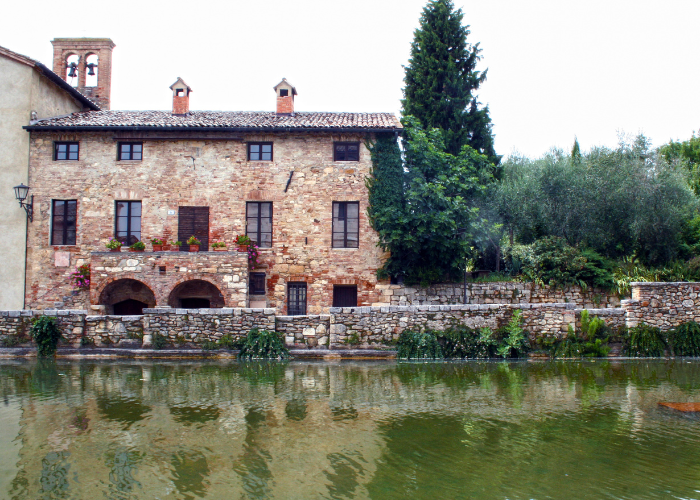
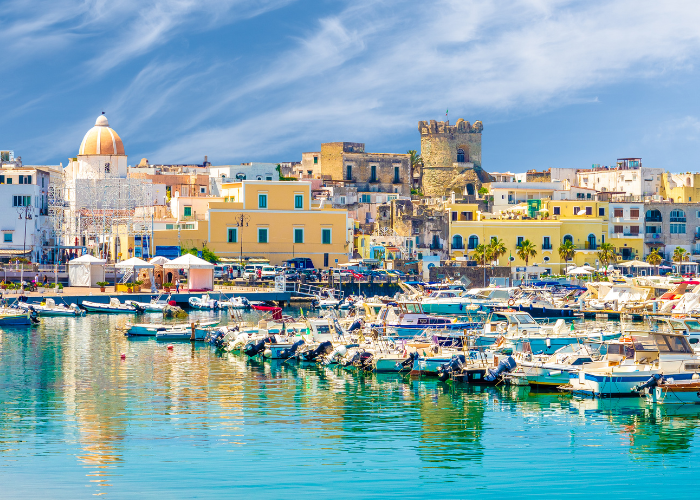
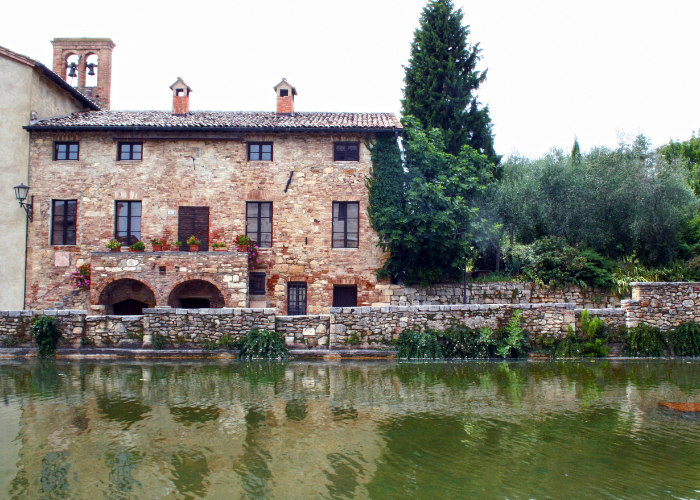
For a spa break with a Mediterranean twist, the little island of Ischia is difficult to beat. In the Bay of Naples it is famous for its natural hot springs, thermal parks and wellness hotels, but it also entices for its beaches, vineyards and spectacular sea views. Spend the morning soaking in thermal pools, then explore colourful villages, or simply enjoy fresh seafood overlooking the water. Tiny Bagno Vignoni, in Tuscany’s Val d’Orcia, offers something completely different. Instead of a conventional main square, the heart of the village is dominated by a huge rectangular thermal pool that has been there since Roman times. Although bathing is not permitted in the historic central pool itself, the village is surrounded by thermal facilities and beautiful countryside, and the location is ideal for combining wellness with some of Tuscany’s greatest highlights, such as Pienza, Montalcino and Montepulciano, and the surrounding Val d’Orcia is a UNESCO World Heritage landscape.
The project transforms waiting times into valuable time, bringing sport to one of the iconic venues for travel and the meeting of people and cultures. A collaboration between ASI (Italian Sports and Social Associations) and Aeroporti di Roma, the project integrates physical activity into passengers’ experience at the Roman airport.
In its initial trial phase, the project involves the installation of two areas, one for yoga and one for mini-golf, in the Departures zones of Terminals T1 and T3, where passengers will be able to turn their waiting time into time for leisure and wellbeing. Each station will be staffed by qualified instructors, some proficient in English, to guide travellers through the various activities. Particular attention will also be paid to younger passengers, offering children a dynamic alternative before their flight, and encouraging interaction with their peers in a highly multicultural environment.
“A major global hub like Rome Fiumicino is increasingly called upon to offer passengers an experience that goes beyond travelling and makes the most of every moment spent at the airport. Bringing sport into the terminals in partnership with ASI means enhancing the quality of the waiting time even further, introducing for the first time a new opportunity for wellbeing that is consistent with our vision of an airport that cares for the thousands of travellers who pass through it every day,” said ADR’s chief executive, Marco Troncone.
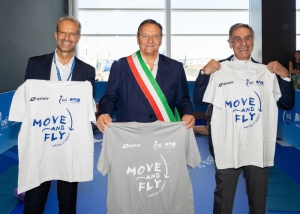
“Waiting is Energy”, the message that accompanies the visual identity of “Move and Fly” for the areas dedicated to the project in the terminals, is therefore more than just a slogan: it is an invitation to change your perspective on waiting. Because even a few minutes can become an opportunity to get moving, meet people and enjoy sport. With Move and Fly, the journey begins even before you board."
Mario Baccini, Mayor of Fiumicino, added: “Fiumicino is investing in sport as a means of promoting wellbeing and social interaction. This is demonstrated by the numerous projects we are implementing. We want state-of-the-art sports centres that can host top-level competitions, and expand the scope of local sporting.
A UNESCO site since 1987
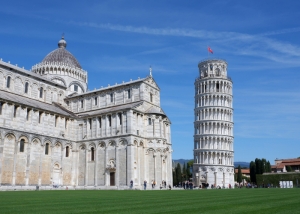
For many visitors, Pisa means one thing: the Leaning Tower. Yet the famous tower is only one part of an extraordinary ensemble that makes Piazza dei Miracoli, or the Square of Miracles, an absolute must-see when travelling through Italy. Set on a vast green lawn just outside Pisa’s medieval centre, the square brings together four masterpieces of medieval architecture: the Leaning Tower, the Cathedral, the Baptistery and the Monumental Cemetery. Together, they form one of Italy’s most remarkable artistic landscapes and have been a UNESCO World Heritage Site since 1987.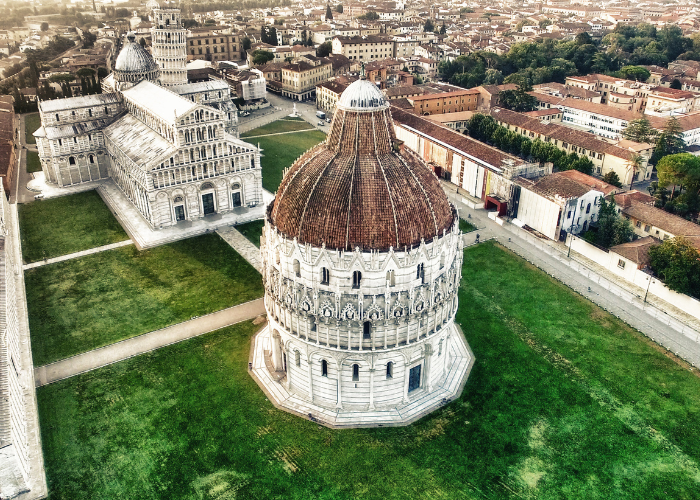
The Leaning Tower
The Leaning Tower is, of course, the star. Its famous tilt began during construction because of unstable ground beneath its foundations, but what could have been an architectural disaster became one of the world’s most famous landmarks. And it is a genuinely memorable experience, especially when viewed alongside the dazzling white marble of the surrounding monuments.
The Cathedral, Baptistry and Cemetery
Just as important is the magnificent Cathedral of Santa Maria Assunta, begun in the 11th century as Pisa was rising to prominence as a powerful Maritime Republic. Its richly decorated façade and distinctive Pisan Romanesque style reflect the wealth, ambition and international connections of medieval Pisa. Do not skip the Baptistery, famous for its remarkable architecture and extraordinary acoustics, or the Camposanto Monumentale cemetery whose cloisters and artistic treasures are a real contrast to the crowds around the Tower.
Pisa is a beautiful historic city
But Pisa is far more than its most famous square. In the historic centre the Piazza dei Cavalieri square, once the political heart of medieval Pisa, today is home to the prestigious Scuola Normale Superiore. The Lungarni are the atmospheric streets that follow the River Arno, where historic palaces create some of Pisa’s most beautiful views. For something completely different, Keith Haring’s enormous Tuttomondo mural is a colourful reminder that Pisa’s artistic story did not end in the Middle Ages.
Sophisticated beaches like Forte dei Marmi
Pisa is perfectly placed for exploring northern Tuscany. The beautiful walled city of Lucca, with its Renaissance walls, elegant piazzas and relaxed atmosphere, makes an easy and rewarding excursion. Visitors should also consider heading towards the celebrated Versilia Coast with long stretches of sandy beach and the dramatic backdrop of the Apuan Alps. Among the most iconic destinations is Forte dei Marmi, famous for its sophisticated atmosphere, and fashionable beach clubs. Long associated with Italian style and summer glamour, it is an ideal place to combine a day by the sea with shopping, strolling and excellent Tuscan cuisine. Other resorts along the Versilia coast offer a more relaxed seaside experience, making the area perfect for visitors who want to add sunshine and Mediterranean life to a trip filled with art and history.
Villa Costanza has 16 rooms and a beach club
To overnight on the coast an interesting new addition to Forte dei Marmi’s facilities is Villa Costanza, which opened at Easter and feels like an elegant private residence with bright interiors Carrara marble, brass, velvet, bespoke furnishings and contemporary art. Its 16 rooms and exclusive terrace suite offer elegant neutral tones and views of the Apuan Alps or the peaceful front garden where the Maison Bistrot serves refined Tuscan cuisine. Guests can also enjoy privileged access to the nearby Federico II Beach Club, embodying Forte dei Marmi’s timeless seaside elegance.
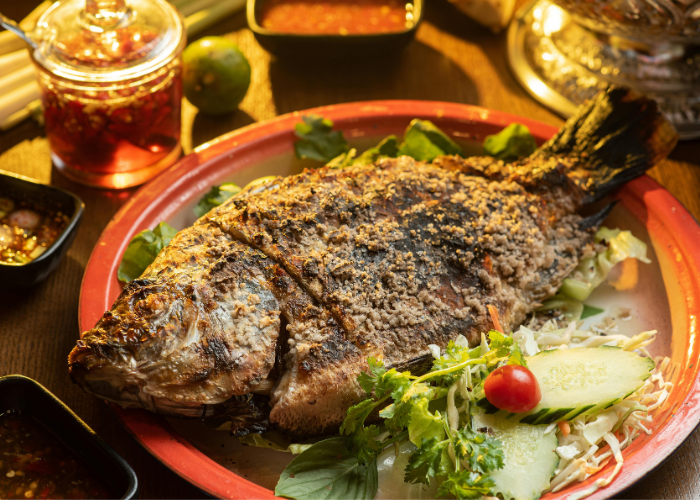
Pasta with rich meat sauces and seafood
And then there is the food. Pisa offers a delicious introduction to Tuscan cooking, where simple local ingredients are transformed into memorable dishes. Do not miss “Cecina,” a thin savoury flatbread made from chickpea flour and one of the area's most popular specialties. Try traditional pasta dishes with rich meat sauces, as well as “Ribollita,” the hearty vegetable and bread soup that is one of Tuscany’s great comfort foods. Local cured meats and cheeses are perfect for a casual lunch, while Tuscan olive oil, beans and seasonal vegetables feature prominently on traditional menus. And of course the star of the show is very often fish, from grilled seafood to stews and carpaccios.
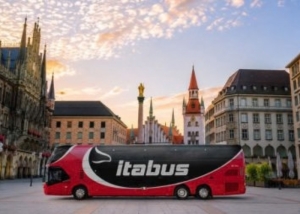
In addition to the two daily journeys from Turin and Milan to Munich (via Lugano e Coira), the long-distance coach operator is also to launch a service to central and southern Italy from Germany. Connecting Naples, Caserta, Rome, Florence, Bologna, Mantua, Verona, Trento, Bolzano, Bressanone, Vipiteno and Innsbruck, it continues on to Munich. So new countries are joining the Itabus network, such as Austria (with Innsbruck), along with new destinations that were previously unserved, such as Trento, Bolzano, Bressanone and Vipiteno.
Two new daily services are to be introduced in response to the strong demand already seen in the first few weeks of operations to Germany. From Naples and Rome, night buses (departing at 19:40 from Naples and 22:50 from Rome) arrive in the early morning in Trento and Bolzano (making them ideal for those travelling to these destinations) before continuing on to Munich where it arrives at 12:25. For those travelling from Munich, an Itabus departs at 17:40, reaching Trento and Bolzano by the evening before continuing on to Naples. This provides an opportunity to connect the whole of Italy with the Bavarian city, following the initial success of the services via Milan and Turin.
With just a few weeks to go before the launch, "We are seeing a very positive response from passengers. The success of the services between Milan, Turin and Munich confirms the interest in a service that makes the main European destinations increasingly accessible. With this new international route, Itabus is further expanding its services by connecting Munich and Innsbruck to all the major cities in the Italian network, from north to south,” comments Francesco Fiore, managing director Itabus.
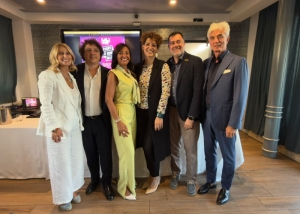
Hosted by the Atlante Star Hotel the discussion, moderated by tourism and innovation journalist Claudiana Di Cesare, brought together institutions, tourism authorities, hospitality operators and communication professionals. The focus was on ways to attract new markets, extend the tourist season, redistribute visitor flows and create new reasons to travel. For Paolo Giuntarelli, director of the Lazio Region’s directorate for presidential affairs and tourism, "major events must establish a genuine relationship with the area in which they are organized. Looking ahead to 2027, Rome will host two stages of the Giro d’Italia and a World Rally, and we have plans to bring sone 50 international operators to Lazio to showcase destinations beyond the city of Rome."
The international perspective was illustrated first by Daniele Manetti, director Italy of Visit Flanders, who presented the COPPA, Contemporary Platform for Public Art in Flanders event, launching in 2027 which will connect four established contemporary art events in Kortrijk, Beaufort, Watou and Bruges. The aim, he explained, "is to complement the established cultural identity of Flanders with a contemporary narrative to attract new audiences and direct visitors towards less-explored areas." Then Ester Tamasi, director Italy of the Malta Tourism Authority, focused on the role of events in extending the season. "Italian arrivals to Malta have risen from around 140,000 in 2009 to 540,000 in 2025. Events are important in helping to keep hotels open during the winter and they encourage visitors to discover areas beyond the island’s best-known destinations and attractions."
Federico Mencucci, general manager of Hotel Atlante Star, described how the hotel’s Les Etoiles terrace and restaurants have been developed as spaces also for local residents and not just hotel guests. "Corporate events, private celebrations and especially weddings," he said, "are creating new opportunities, including pre-wedding stays in Rome for international couples marrying elsewhere in Italy." Belinda Bortolan, founder and partner of Bortolan Carnevali & Partners, said events must have a component of authenticity and emotion. "These are qualities found not only in major events but also in neighbourhood initiatives and everyday places. Strategic communication means understanding the sentiment and the hidden desires of a place and its audiences, and then creating events that respond to them."
Gianni Russo, general manager of Club Esse, which has holiday villages in Sardinia, Calabria, Puglia and Valle d'Aosta, underlined the importance of opening resorts to their surroundings. "The traditional self-contained holiday village can no longer meet today’s expectations, guests want it to also encompass the local area. At Club Esse we work closely with local businesses and employ local staff, which is also a way to allow our guests to discover local foods and the local culture straight from the people who come from the area. It is a very natural way to connect our visitors with where they are staying."
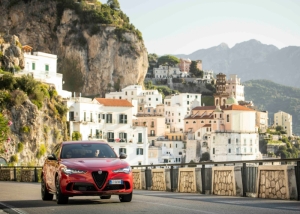
This grand tour is an immersive driving experience that recalls the historic Grand Tour with a contemporary twist. The tour debuts this year with two Italian stops in Rome and Amalfi, and from 2027 it will expand to other European destinations. With the first itinerary setting off this month, guests will travel along Europe’s most picturesque roads in Alfa Romeo’s most iconic models, from the Giulietta – an icon of the mid-20th century – to the contemporary Giulia sports saloon and the dynamic Stelvio SUV. For those seeking even higher performance, the Quadrifoglio versions of the Giulia and Stelvio offer a superior, racing-inspired driving experience.
The Dolce Vita Tour, the first itinerary to mark the launch of this new partnership, will set off from the Anantara Palazzo Naiadi Rome Hotel. Leaving behind the Roman Hills and the coast of Sperlonga, the route continues towards Ravello, before winding its way down the curves of the Amalfi Coast and ending at the Anantara Convento di Amalfi Grand Hotel. Guests will be able to experience the Italian art of fine living with seaside lunches, tastings at family-run wineries and strolling through Positano.
“As our presence in Europe grows, so too does our ability to create journeys rich in depth and authenticity, offering guests an experience where the journey itself becomes a story and every stop a moment to savour. With Alfa Romeo Stellantis as our partner, travelling through Europe’s most iconic landscapes becomes an experience just as meaningful as the destination itself,” said Giles Selves, SVP of Minor Luxury Hotels Europe & Americas. “Alfa Romeo has always embodied passion, Italian design and the pure pleasure of driving. This collaboration with Anantara brings our values to some of Europe’s most fascinating roads,” added Eugenio Franzetti, Alfa Romeo's head of global marketing.
Looking ahead to 2027 the Anantara Grand Tour of Europe will expand into new countries continuing to reveal Europe through a lens of authenticity, beauty and refined adventure. The new itineraries will include the Côte d’Azur, the route from Málaga to Marbella, the route from Dublin to Amsterdam, and The Imperial Capitals Tour. The latter follows a route through Europe’s historic capitals and cities, beginning and ending at the Anantara Palais Hansen Vienna Hotel and the Anantara New York Palace Budapest. Along the way guests will travel along imperial boulevards and scenic routes, with stops dedicated to experiences that celebrate Europe’s cultural richness through music, art and gastronomy. Guests may choose to experience the Grand Tour in its entirety or select a single itinerary, with connecting flights available to facilitate travel between Anantara properties.
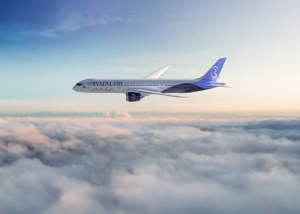
Milan is the latest addition to Riyadh Air’s international network. The Saudi airline will launch its service to Malpensa on 16 December with a flight from King Khalid International Airport in Riyadh. The route will be served by four weekly flights on Mondays, Wednesdays, Fridays and Sundays, operated by Boeing 787-9 Dreamliners. Milan is the fifth European destination in the Saudi carrier’s network, following its commercial launch on 10 June with the first flight to London Heathrow, followed by Málaga on 14 July, Madrid on 17 July and Manchester on 17 September. The flight schedule sees the aircraft taking off from Riyadh at 02:45 and arriving at Malpensa at 07:05; the return flight from Milan is scheduled to depart at 09:55 and arrive in the Saudi capital at 17:15. Tickets for the new route are already on sale through all Riyadh Air distribution channels.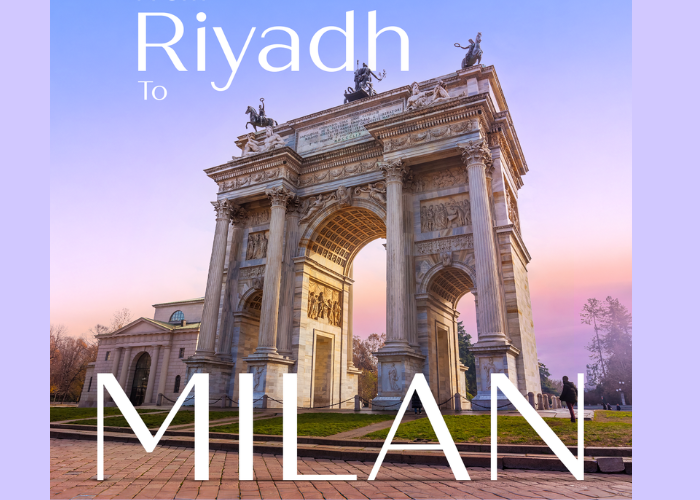
“The launch of sales for Milan marks our official debut in Italy, a market of paramount importance to us. Milan embodies global excellence in design, business and tourism, perfectly in line with Riyadh Air’s vision. We look forward to welcoming Italian travellers on board our aircraft to offer them a unique and fully digital experience, whilst supporting the ambitious goals of Saudi Arabia’s Vision 2030,” said Tony Douglas, CEO Riyadh Air.
The new route strengthens the dynamic bilateral relationship between Italy and Saudi Arabia, founded on trade, fashion, luxury and rapidly expanding tourism. As a testament to this bond, the Salone del Mobile in Milan will hold its first-ever international edition in Riyadh, attracting a high-profile clientele. Furthermore, tourist demand between Italy and Saudi Arabia is currently booming, with over 322,000 Saudi tourists recorded as having visited Italy in 2024 according to the Italian Ministry of Tourism, whilst Saudi Arabia is attracting growing interest from Italian travellers seeking new cultural, historical and leisure experiences. As well as facilitating point-to-point travel, the route positions Riyadh as a leading transport hub. Passengers travelling on the Milan route will benefit from convenient connections via Riyadh to Bangkok, Islamabad, Jeddah, Kuala Lumpur and Manila, enjoying greater flexibility and seamless connectivity to Asia and within the Kingdom of Saudi Arabia.
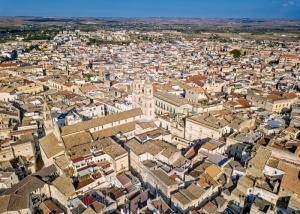
Just 20 kilometres from Matera, across the border in Puglia, Altamura is an excellent addition to any journey through southern Italy. While Matera is internationally celebrated for its extraordinary Sassi cave dwellings, Altamura offers something rather different: a genuine, lived-in town where history, food and everyday life are still closely intertwined, a town less crowded and, in many ways, more immediately Italian. You could say that Altamura is best thought of not as a substitute for Matera, but as its more down-to-earth neighbour.
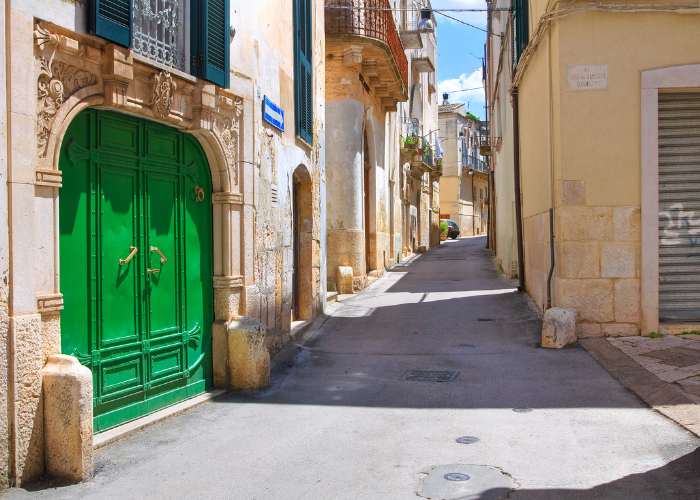
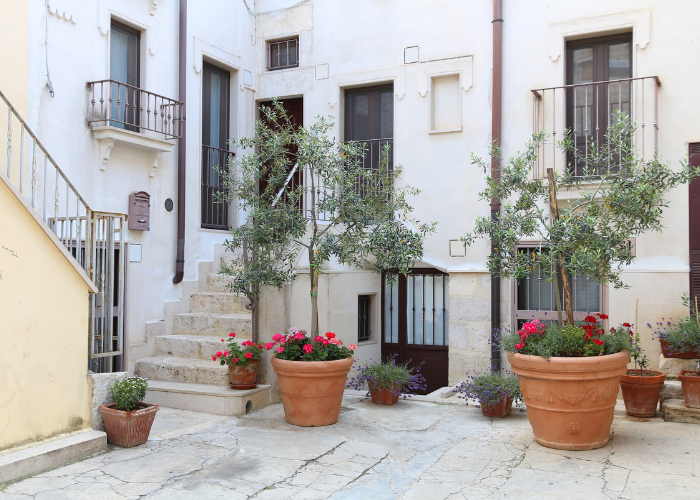
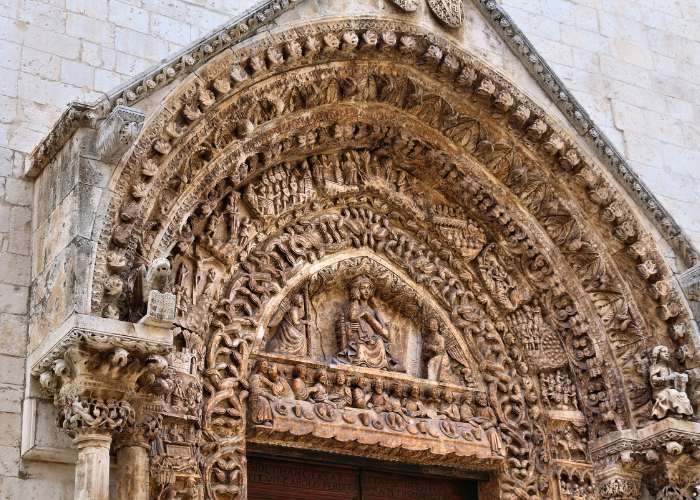
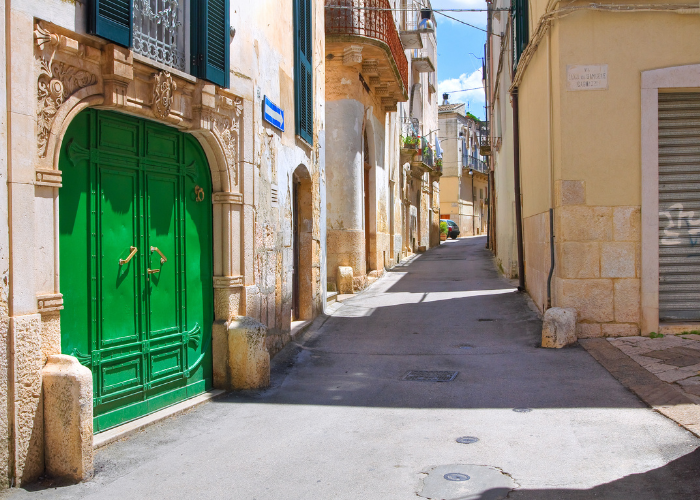
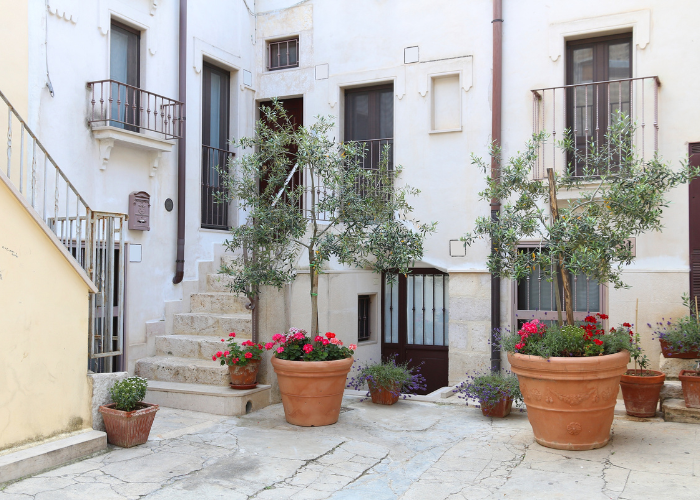
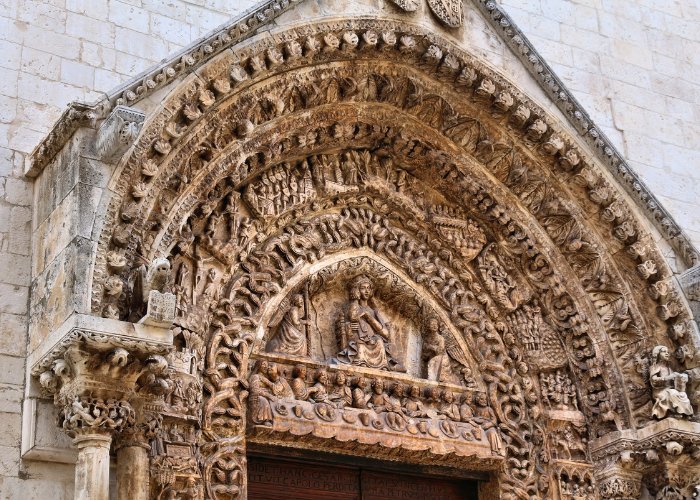
Known as the “City of Bread”, Altamura sits on the high limestone plateau of the Alta Murgia. Its historic centre is a maze of narrow streets, elegant palazzi, small churches and the characteristic "claustri" courtyards in the local houses. These courtyards were once small communal neighbourhoods and remain one of the most distinctive features of the town. At the heart of the old town stands the Cathedral of Santa Maria Assunta, an imposing Romanesque-Gothic masterpiece commissioned by the Emperor Frederick II in the 13th century. Its richly decorated portal and impressive rose window are particularly beautiful. Around the cathedral, the historic centre is a succession of little streets and squares with traces of Altamura's much older past; in fact sections of the ancient Megalithic Walls can still be seen.
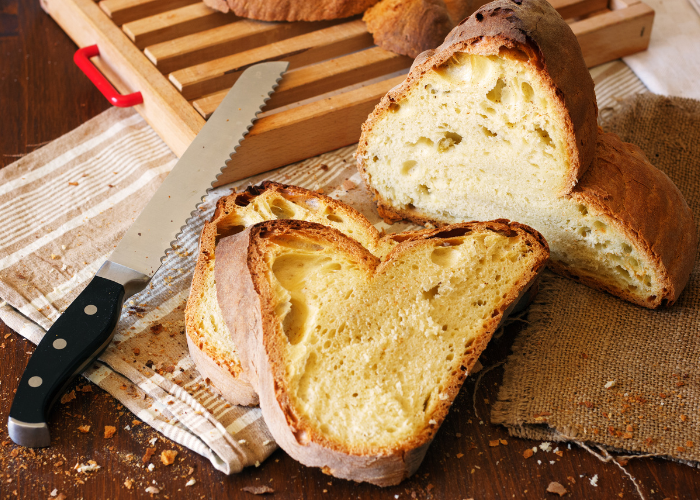
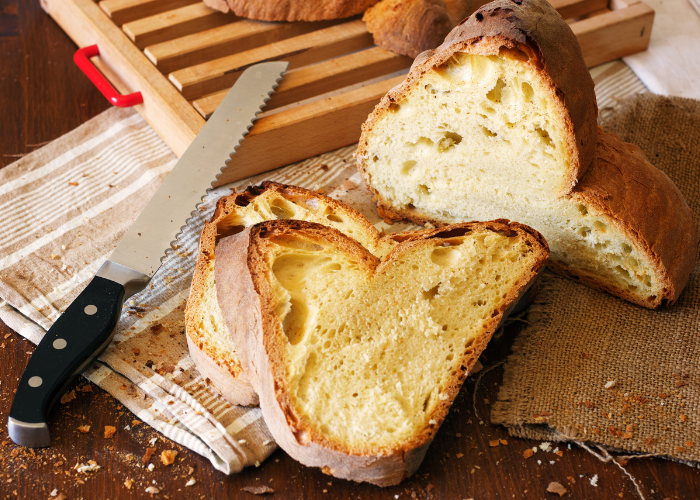
Altamura's greatest attraction may well be something you can eat. "Pane di Altamura DOP" is one of Italy's most celebrated breads, made from locally grown durum wheat and traditionally baked in wood-fired ovens and was the first European baked product to receive PDO status. It has a thick, dark, exceptionally crisp crust and a fragrant yellow crumb, and its origins are deeply connected to the agricultural traditions of the Alta Murgia. Don't leave without visiting a traditional bakery and buying a loaf, preferably still warm. Bread is also the basis of some of the simplest local dishes, including "bruschette and pane cotto." The town's food culture also includes focaccia, handmade pasta, local cheeses and cured meats. Other local dishes feature seasonal vegetables, mushrooms and wild herbs, as well as lamb and other traditional meat dishes. This is a town where the history is remarkable, but where everyday life remains the real attraction.
Altamura also has an extraordinary prehistoric story. In 1993, the almost complete skeleton now known as the Man of Altamura was discovered in the Lamalunga cave just outside the town. The discovery is one of the most remarkable prehistoric finds in Italy. Today, the Altamura Man Museum Network brings together Palazzo Baldassarre, the Lamalunga Visitor Centre and the National Archaeological Museum, allowing visitors to understand both the fossil and the prehistoric landscape in which it was found. For nature and archaeology, the nearby Pulo di Altamura is another worthwhile excursion: a vast karst depression surrounded by limestone countryside, caves and walking trails. Altamura is particularly convenient. Bari, the nearest major city, is about 45 kilometres away, while Matera is only around 20 kilometres, and Bari Karol Wojtyła Airport is the most practical international gateway.
Altamura itself is not a UNESCO World Heritage Site. However, its location makes it an excellent companion to several UNESCO-listed destinations. Most importantly, Matera's Sassi and Rupestrian Churches are only a short drive away. The spectacular Castel del Monte, another UNESCO World Heritage Site in Puglia, can also be incorporated into a wider itinerary.
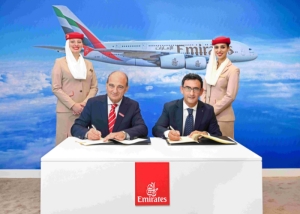
The MOUs establish a strategic framework for promoting the region on international markets. The collaboration will involve coordinated marketing, trade, communications and media relations activities, and the aim is to increase visitor numbers to one of Europe’s wealthiest regions by showcasing its rich cultural heritage, world-famous cuisine, lifestyle experiences and appeal to business travellers. As part of the partnership the Dubai-based airline will collaborate with the two organizations on a series of ventures targeting selected international markets. These may include joint promotional campaigns, educational tours for industry professionals and the media, seminars, webinars and activities aimed at the general public to raise awareness of the region and encourage an increase in tourist arrivals.
Bologna Welcome and Parma Welcome will also support Emirates by taking part in specific promotional activities for Emilia-Romagna including roadshows, events and trade events, and by providing logistical support for selected visits by industry professionals and the media. They will also work closely with local stakeholders to showcase the region as a tourist destination. “Emilia-Romagna is an extraordinary combination of culture, heritage, gastronomy and business opportunities, making it one of Italy’s most attractive destinations. Thanks to our collaboration with Bologna Welcome and Parma Welcome, we are delighted to be able to promote the region even further to travellers within our global network, working closely with our trade and media partners and contributing to the growth of international tourism to Bologna, Parma and the entire region,” says Thierry Aucoc, Emirates' SVP commercial operations, Europe and the Americas.
“This agreement heralds a new phase in the long-standing relationship that has linked Emirates and Bologna for eleven years and is an important opportunity to strengthen the international visibility of Bologna and its metropolitan city, especially to new audiences in key global markets,” said Daniele Ravaglia, Bologna Welcome Foundation's president. Parma Welcome's director added Mario Marini: “Thanks to Emirates’ extensive global network and our collaboration with Fidenza Village, a luxury shopping destination which is part of The Bicester Collection, we can create new opportunities to attract high-end travellers and enhance the region’s international appeal.”
This international occasion focuses on the importance of tourism and its contribution to society, culture and the global economy. Tourism means much more than travelling as it is a tool for preserving cultural heritage and boosting employment and economic growth. But why was 27 September chosen? The date was established in 1979 by the World Tourism Organization (UNWTO), now known as UN Tourism, at its general assembly in Torremolinos, Spain, to mark the day the agency's statutes were adopted, and the first World Tourism Day was celebrated in 1980. Every year World Tourism Day focuses on a specific theme, with conferences, cultural events, exhibitions, educational initiatives and activities organized by governments, tourism organizations, businesses and local communities around the world.
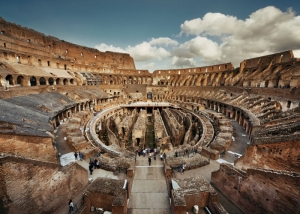
As one of the world’s major tourism destinations Italy uses the occasion to highlight its extraordinary heritage of art, history, archaeology, landscapes, food, traditions and hospitality. This year's theme focuses on the future of tourism in the digital age and the growing role of artificial intelligence, and Italy will give the day a distinctly cultural dimension, with an event announced by the Italian ministry of tourism at the Temple of Venus, between the Colosseum and the Roman Forum in Rome. Entitled “Perché il turismo è un’industria” (“Why tourism is an industry”), the event will bring together government and city administrators with tourism stakeholders to discuss tourism's economic, cultural and social importance for Italy.
The celebrations will also place Rome’s extraordinary heritage in the international spotlight. A special event at the Colosseum with Alberto Angela, the Italian television presenter, author and science communicator who will focus on Julius Caesar and ancient Rome. Angela will bring history and archaeology to a broad television audience, connecting Italy’s ancient heritage with contemporary cultural tourism. The choice of the Temple of Venus and the Colosseum is symbolic, as together they represent the extraordinary historical legacy that attracts visitors from around the world.
The ministry of tourism recently released figures showing Italy hosted 72.4 million arrivals and 276 million overnight stays this summer from June to August. This means over 5.5 million more overnight stays than in the same period in 2025, which is a 2% increase with an average stay of 3.8 nights, leaving occupancy rates for accommodation facilities in Italy "a full 13 percentage points ahead of Spain and 23 ahead of France,” said tourism minister Gianmarco Mazzi.
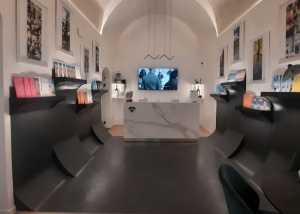
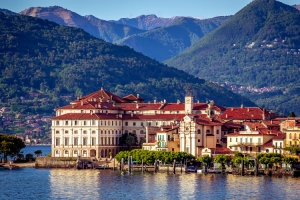



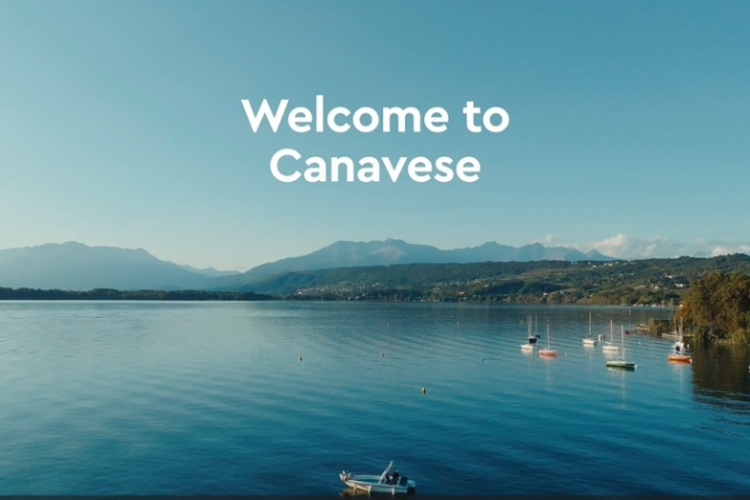
Welcome to Canavese, an unexpected corner of Piedmont where …
842Welcome to Canavese, an unexpected corner of Piedmont where …
842
