










Bormio is among the first Olympic resorts to be able to say “we are ready” for the Winter Milan-Cortina Olympics.
Bormio is the pearl of Alta Valtellina
With the inauguration of the Ski Stadium and Ski Park -built by Concessioni Autostradali Lombarde - Bormio, the pearl of Alta Valtellina, takes a decisive step towards the Milan-Cortina 2026 Winter Games, but above all opens a new season of tourism development that looks far beyond the sporting event.
Minimizing environmental impact
The works were created with a clear objective in mind: to integrate into the Alpine landscape and minimize environmental impact, while enhancing the experience of Bormio residents both in winter and in summer. So local materials such as wood and stone were used, to echo the architectural identity of the area, while state-of-the-art plant engineering solutions were adopted.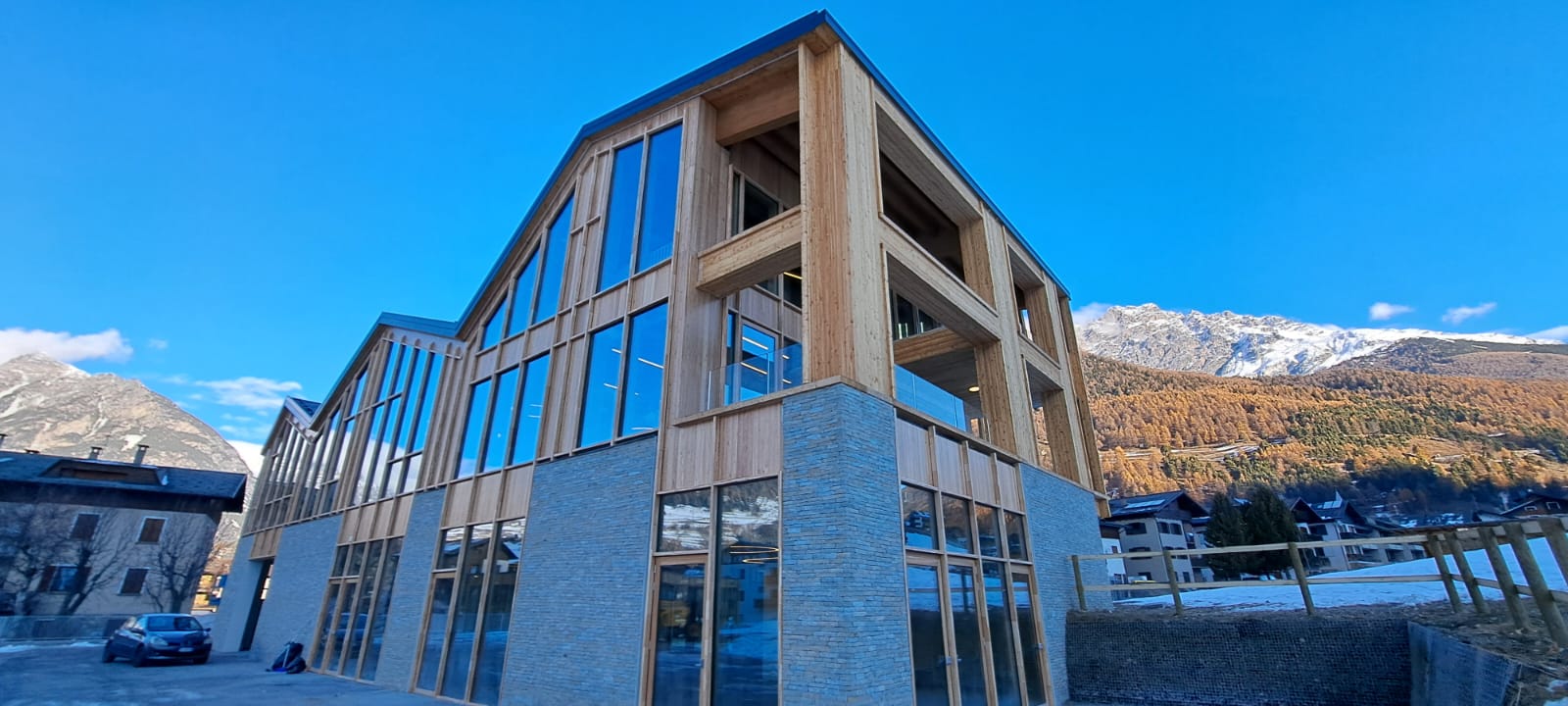
The works were delivered ahead of schedule
The new Ski Stadium, the heart of the arrival area of the famous Stelvio slope, houses the Family Lounge and Hospitality Lounge: modern, bright and completely flexible spaces, to host sports events, tourist events, exhibitions, cultural meetings, co-working activities and community services. Next to the Stadium, the Ski Park redesigns the accessibility to the ski area with a modern vision of mobility: a multi-storey car park, dozens of electric recharging stations, a new roundabout and the suggestive cycle-pedestrian walkway on the Frodolfo, which directly connects the parking area to the ski lifts. Reinforcing the value of these interventions is the fact that the works were delivered ahead of schedule and in full compliance with the planned budget.
“A concrete legacy for tourism”
“Bormio today is among the first Olympic cities that are ready, thanks to beautiful, functional and sustainable works,- says Cal president Cristiana Molin. -The Ski Stadium and the Ski Park were built on time and within the allocated public resources, with local materials, a renewable energy system, and maximum attention to their inclusion in the landscape. But above all, they are structures designed to stay: a concrete legacy for tourism, for events, for the social and economic life of the area even after the Olympics. This is the deepest sense of Cal's work: to create quality infrastructure at the service of communities and places.”


