

















Rome’s Non-Catholic Cemetery, also known as the Protestant Graveyard, offers a peaceful retreat from the bustling city.
Not far from the Colosseum
In the shadow of Rome's ancient pyramid, the Piramide Cestia, in the Eternal City’s Testaccio district (popular in the evening for its many restaurants and night clubs), this serene sanctuary makes visitors feel worlds away from the city's lively streets, offering a peaceful retreat seemingly far removed from Rome’s ever-thronged tourist sites. Although, in point of fact, one of the city’s most visited attractions, the majestic Colosseum, is not much more than half an hour’s walk away. The cemetery is the final resting place of the two great English romantic poets John Keats and Percy Bysshe Shelley, whose verses continue to inspire literary pilgrims from across the globe. Their graves, steeped in timeless beauty and poignant epitaphs, are among the most visited sites in the cemetery. 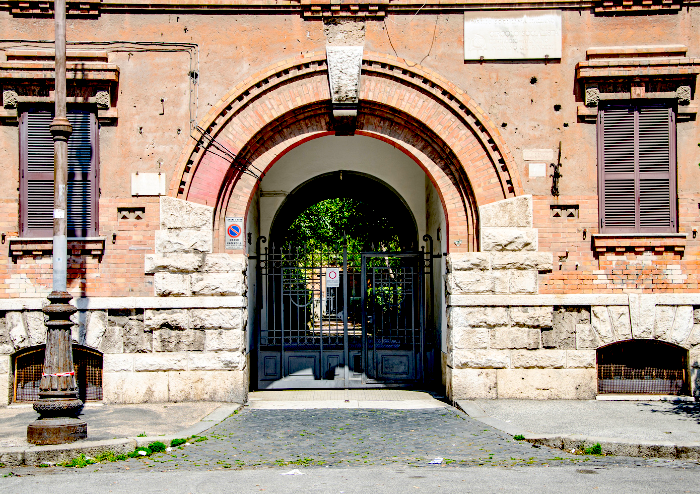
The resting place of many famous artists
But this historic resting place is far more than a shrine to Romanticism, with its legacy bridging centuries, It also holds the grave of Antonio Gramsci, the revolutionary thinker and founder of the Italian Communist Party, whose ideas on culture and politics resonate through Italian history, making his grave a must-visit for political enthusiasts. And also lying at rest here are modern luminaries such as the beloved Italian author Andrea Camilleri, the Sicilian author of the popular Inspector Montalbano series. 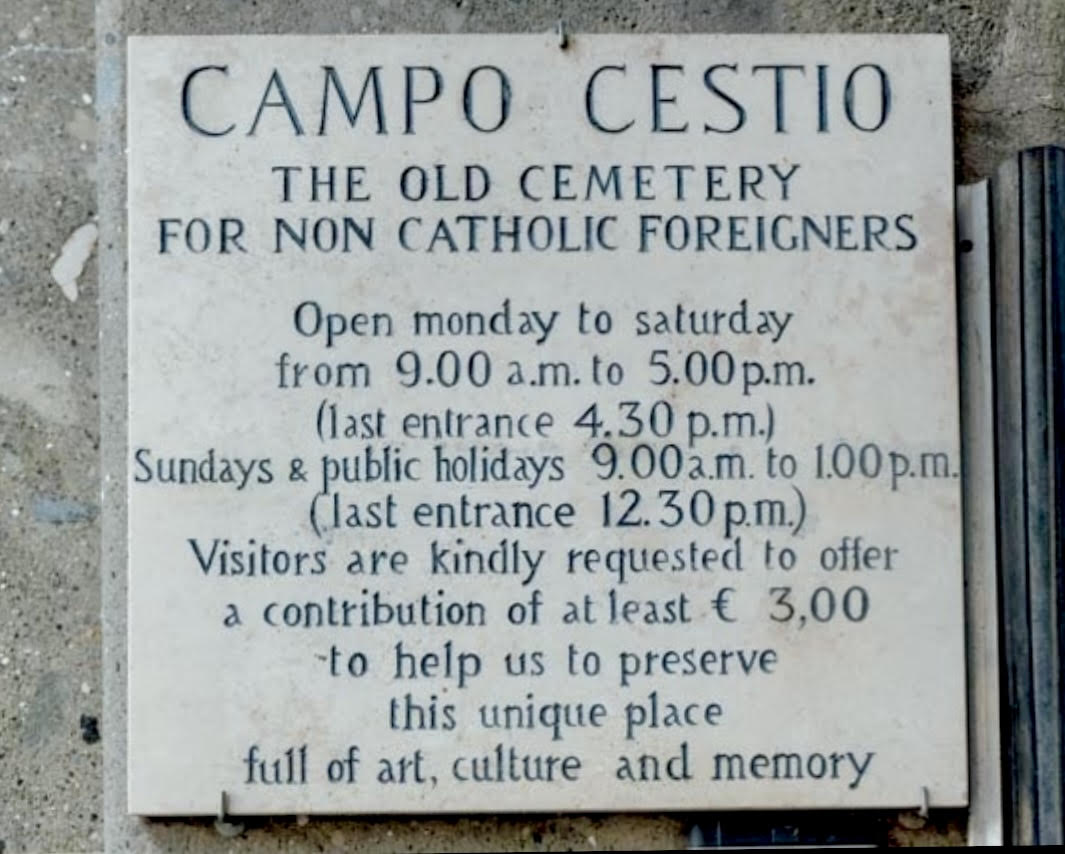
A quiet corner and place of pilgrimage
Beyond its historical and cultural significance, the Non-Catholic Cemetery is a feast for the senses. Its tranquil pathways, framed by cypress trees and, in the warmer months, vibrant flowering shrubs, invite visitors to pause, reflect, and breathe in its romantic atmosphere. It's no wonder many consider it one of Rome’s most enchanting and intimate corners. Whether drawn by its literary heritage, captivated by its historical gravitas, or simply seeking a moment of calm amid the city’s buzz, this cemetery offers a rare glimpse into Rome's layered cultural tapestry, making it a site of pilgrimage for literature and history enthusiasts from all over the world.


