




The expansion of the DoubleTree brand of the Hilton group adds six new hotels in Europe including one in Malpensa close to Milan. The new hotels in Italy, France, Romania, Hungary, the Netherlands and Germany, are part of a development strategy that plans to open an additional 37 properties in the area over the next five years, adding to the more than 120 hotels already operating in Europe, the Middle East and Africa.
DoubleTree by Hilton in 19 different European countries
"Since the debut of DoubleTree in Europe in 2008 the brand has continued to expand, and today it has hotels in 19 different European countries, to which seven more will be added in the coming years," says Senior Vice President Development EMEA, Patrick Fitzgibbon.
Two Hilton hotels near Milan’s Malpensa Airport
The DoubleTree by Hilton Milan Malpensa Solbiate Olona will be the group's second opening in the Milan airport area, after the Hilton Garden Inn Milan Malpensa. The new property will open next April and have 246 rooms. As part of a franchise agreement with Gdf Group, an established partner for Hilton in Italy, the hotel will also include seven meeting rooms.
Openings in Europe
The other new openings are DoubleTree Sittard in the Netherlands, already operational since last December, Hannover Schweizerhof in Hannover, Germany, which also opened at the end of the year, the Lyon Eurexpo in France, opened in January, Budapest Buda Hills Hotel and Residences in Hungary, which is expected to open in 2023 and Brasov City Centre in Romania, due to open in 2024.
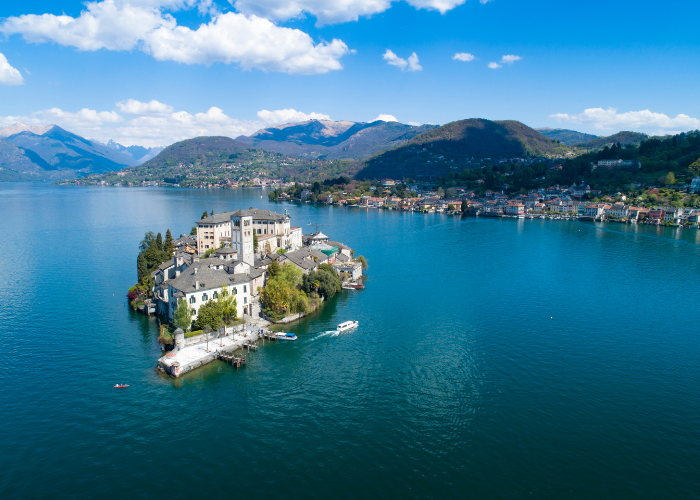
Lake Orta is well known as one of the most romantic lakes in Italy and is to be found near Cusio, between the Ossola plain and the western shore of Lower Lake Maggiore. It is the westernmost of the pre-Alpine lakes and begins at the southern front of the Simplon Glacier.
A haunt for artists and writers, celebrity chefs and industrialists
An ideal destination for artists and writers, the coastal towns of Lake Orta are often described in the works of important authors such as Balzac, Rodari, Montale and Soldati. Over the years, world renowned chefs and industrialists have also added to its fame. This area of Lake Orta, also known as Cusio, is a fascinating treasure trove where nature, art and culture are magically intertwined in the rarefied atmosphere that is typical of lake resorts.
Orta San Giulio is a jewel of medieval architecture
Its Omegna and Orta San Giulio banks represent the main centres. Omegna, located at the northern end of the lake, is the centre par excellence of the household goods district and is known for its centuries-old festival of San Vito. The true pearl of the lake, however, is Orta San Giulio, a small village that has enchanted writers for centuries. It is a jewel of medieval architecture where, among its narrow and suggestive alleys, you are taken into its truly cloaked atmosphere.
The Island of San Giulio has a Romanesque church
In Piazza Motta with its outdoor tables around the first municipal seat, the 16th-century Palazzotto, there is the landing and launch stage the Island of San Giulio, a small island dominated by a Romanesque church and with an ancient monastery. This is the patch of land where, according to legend, San Giulio defeated mighty dragons and snakes.
Ameno is an enchanting place
Regarding the other surrounding towns, a visit to Ameno is a must, one of the most welcoming, enchanting and magical places on the entire eastern shore of Lake Orta. Located a few kilometres from the village of Orta San Giulio, the town of Ameno resembles a jagged horn on the landscape and it has less than a thousand inhabitants.
It is a place that manages to convey calm and relaxation while at the same time being packed with excitement, emotions and inspirations.
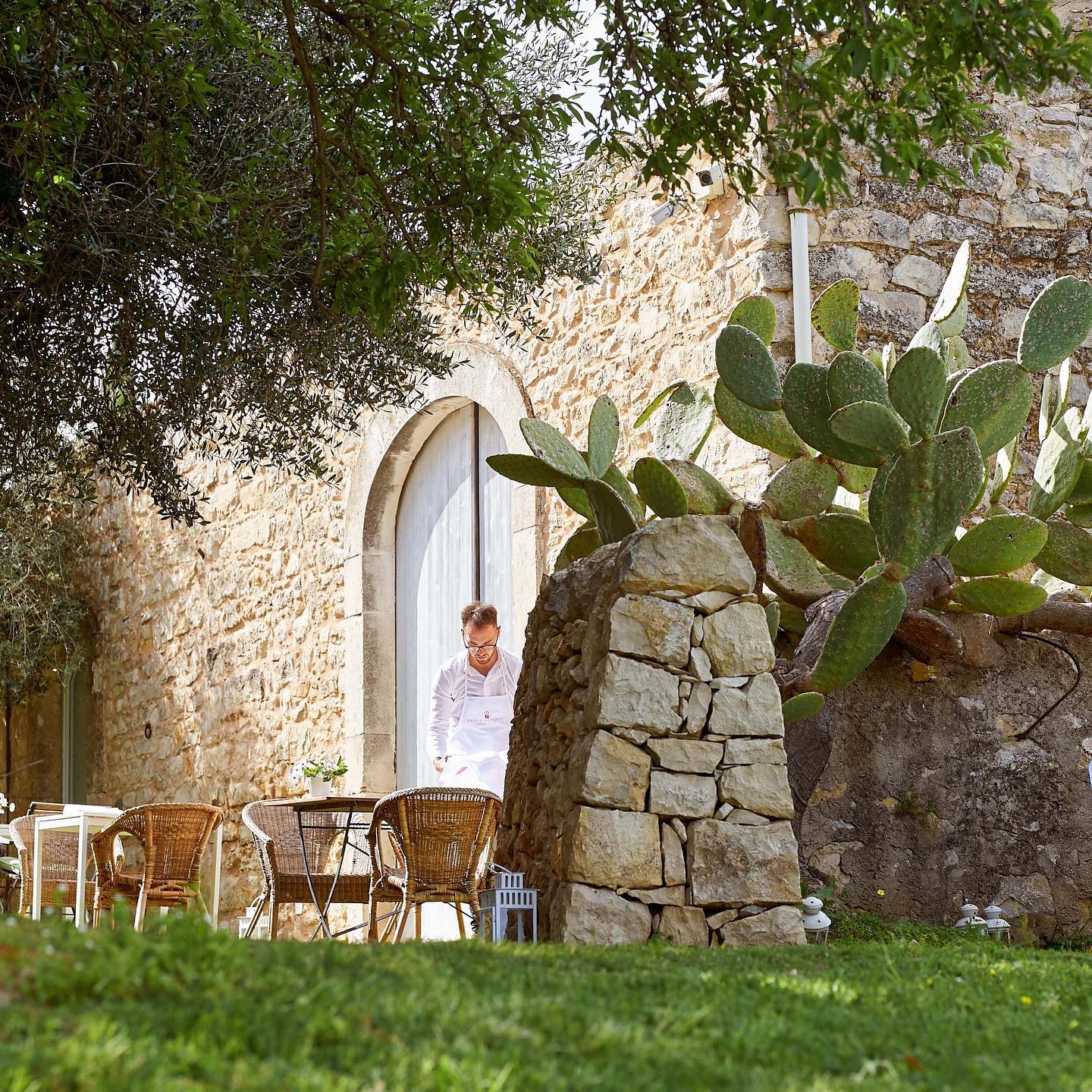
At Baglio Occhipinti near Ragusa the seasons compete in charm and beauty, and with its climatic and geographical appeal Sicily is one of those places where every season competes with the others to prove that it is the best time to enjoy a holiday in the area. Baglio Occhipinti, a relais de charme in the countryside near Ragusa, has a splendid vegetable garden which is the source of most of the ingredients on which the cuisine of the estate is based.
 Baroque jewels such as
Scicli, Ragusa, Modica and Noto
If you decide to beat the summer holiday hoards and visit in spring, you can experience Sicily at is most tranquil, heading towards Baroque jewels such as Scicli, Ragusa, Modica and Noto. If you want the local culture and nature, take part in Ragusan cheese tastings directly at the producer’s facility, or enjoy horse and bike rides starting from the Baglio to discover the surrounding area.
An aperitif by the pool surrounded by citrus groves
This is the ideal time to enjoy a picnic among the rows of a vineyard or to learn how to forage or respectfully harvest wild plants and fruits. It is also possible to take part in unusual cooking classes, where the main dish is, for example Scaccia Ragusana with garden tomatoes cooked in a wood oven. And sipping an aperitif by the pool surrounded by citrus groves while enjoying an almost private sunset, is perhaps the best way to end an incredibly long day...
 Catania is 90 kilometres away
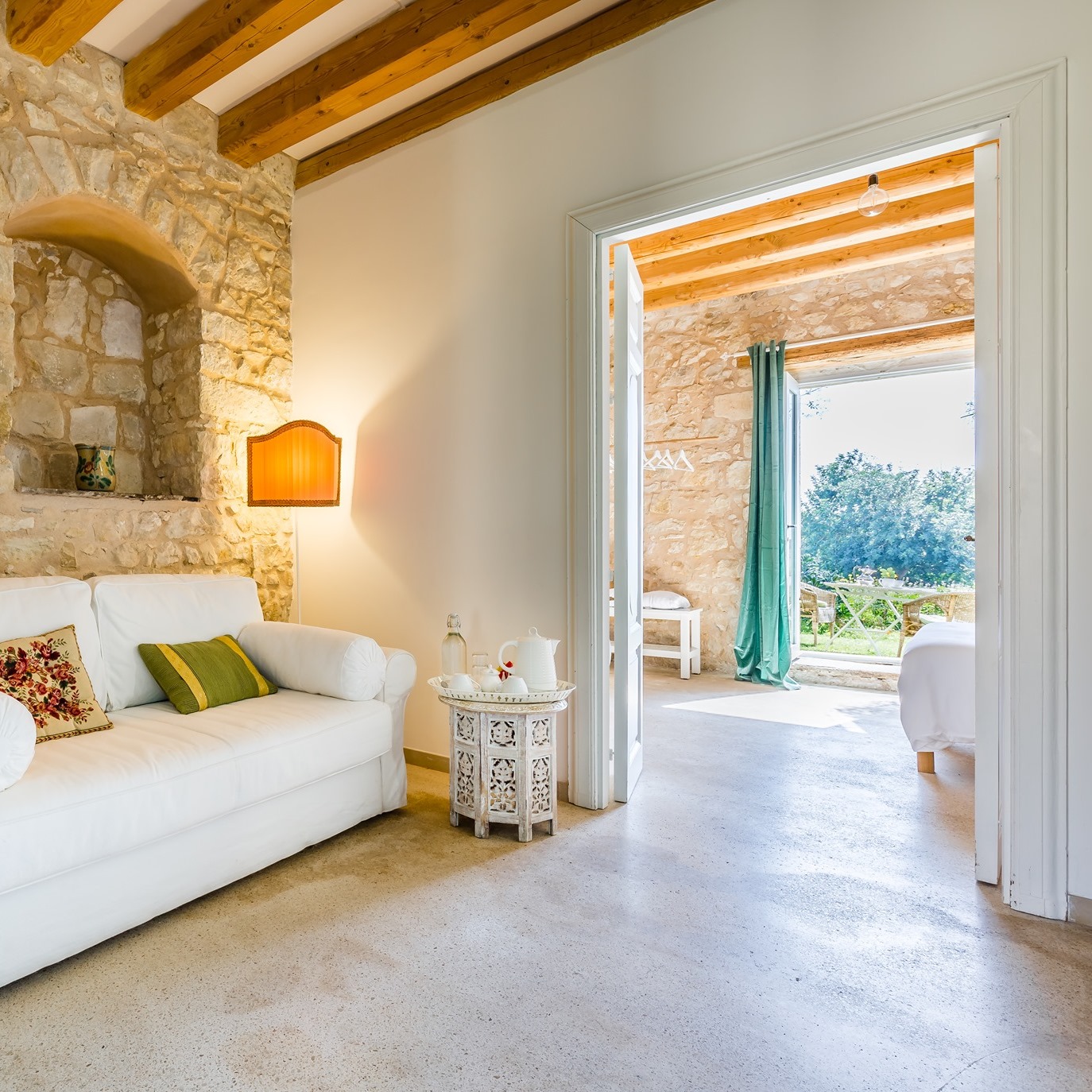
Baglio Occhipinti has 12 rooms with gardens and panoramic views of the vineyards and of the Iblei mountains, a restaurant and a swimming pool immersed in an Arabian citrus grove. Comiso airport is 8.5 kilometres away, Catania, which has an international airport, 90 kilometres and Baglio Occhipinti organizes transfers for guests.
Scalapay and Ota DLT Travel, after just 6 months of partnership, have posted a 24.33% increase in customers and a corresponding boost in average revenue per transaction of 10.82%. On top of this, at it’s peak 24% of orders were placed with Scalapay services, and in the last six months 3.1% of users who used a deferred payment system also made a second purchase.
Paying for holidays even after the departure date
These numbers underline the extraordinary success of Scalapay and Ota DLT Travel after just 6 months of partnership. Marketing Manager DLT Travel, Alredo Miraglia explains: "Scalapay has allowed us to overcome a great limitation: letting customers pay for their holiday even after the departure date. This was of crucial importance, especially following the change in customer behaviour caused by Covid, which has led to a tendency to book and pay more speculatively.”
“It is essential to be dynamic”
Travel Director Scalapay, Matteo Ciccalé adds: “The pandemic has transformed Italian consumers by catapulting them at least 20 years forward in terms of digital usage. In a constantly changing world, it is essential to be dynamic. In this scenario, we offer a performance marketing system with no fixed costs that allows us to be flexible, fast and risk-free.”
Francigena and Taste Trails in Tuscia is a new destination management organization promoting the central Italian Tuscia Viterbese region. With some 60 industry player partners, the DMO will promote new forms of tourism in the area around Viterbo, highlighting its history and heritage, nature, archaeology, pilgrims' trails and places of meditation.

Biking along ancient pilgrim trails
The project, led by the municipality of Acquapendente, integrates digital and heritage to highlight new ways of discovering the UNESCO Via Francigena. Starting with the TusciApp, Francigena and Taste Trails in Tuscia will network with pilgrim trails through each of the municipalities along the route. The enhancement of the trails will include Viterbo-Rome via Francigena by Mountain-bike - 115 kilometers of Tuscia with a 1,500-meter elevation, starting in the heart of Rome, passing through Vetralla, Capranica, Torre di Orlando, Sutri and ending in Monterosi.
Trails for tourists with mobility impairments
Those who prefer a slower and more meditative kind of tourism will enjoy Stories of Bike and Friendship: a writing workshop that blends the beauty of the Via Francigena with travelling by bike - along routes also intended for tourists with mobility impairments, raising awareness for this segment and making the trail accessible to all.

Environmental training and protection
The environment takes centre stage with I Love Francigena in collaboration with the Buratti High School, leader of the provincial network of Green Schools, and with cultural operators from Capranica. Students and operators will discuss and train on issues of environmental protection, engaging in waste collection and cleaning, as well as telling stories of the ancient pilgrims and of the artisan stores the met along the way.
Cowboys, brigands and herdsmen
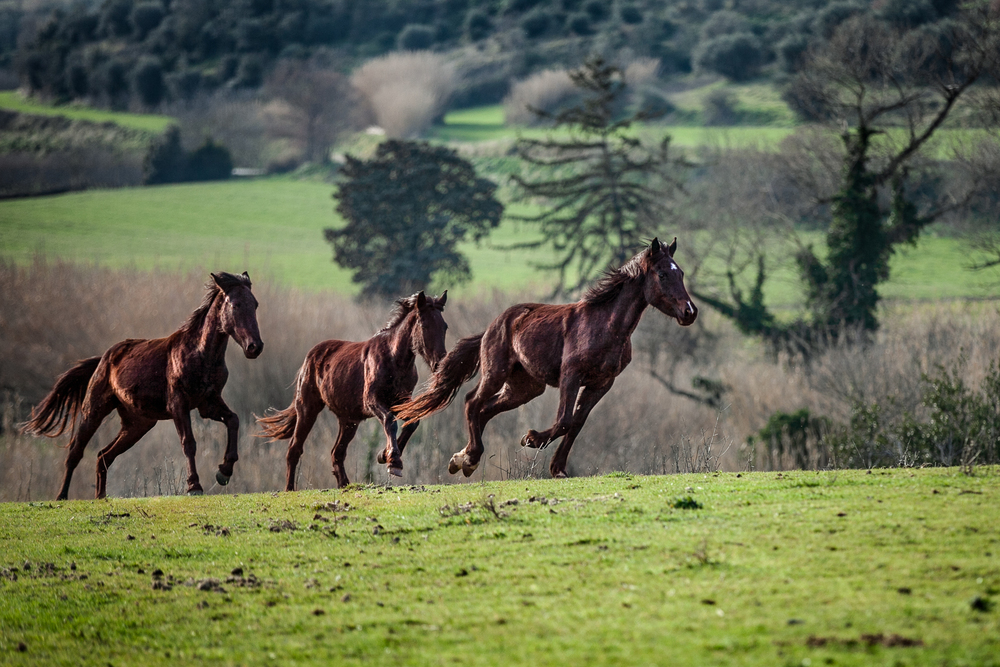
There is also space for folklore, re-enactments, culture and live entertainment with the Forest on the Francigena, a theatrical event in the charming Sasseto forest. Other attractions will include thematic events related to the figures of brigands, cowboys and sharecroppers; a series of events to discover the fascinating and controversial figure of the brigand through hiking-storytelling in the areas once frequented by these famous characters of the Alta Tuscia. Also along the way you will discover the traditions of the cowboys of the Latium Maremma, the last horse herdsmen in Europe.
A gastronomic contest for starred chefs
The Pilgrim's Basket is an ideal link between the Francigena and the foods and wines of the region in an eco-sustainable format. The DMO will also propose Tuscia under the Stars a gastronomic contest involving the starred chefs of the region and the many excellent producers or local foods and wines. Ivana Pagliara, Destination Manager for La Francigena and Taste Routes in Tuscia, who heads the project, is a professional with over 25 years of experience in territorial marketing and co-owner of PromoTuscia , a project management and tour operating company.
La Certosa or simply Certosa, is a little island in the Venetian lagoon where visitors can enjoy sailing, canoeing and cultural events. The small 54-acre island consists mostly of a public park and the ruins of the ancient cloister that gave the island its name. It is part of the Northern Lagoon of Venice and is just half a kilometre from Venice Lido.
A rich environmental heritage
In the 19th century under Napoleonic rule, the monks were exiles, the island was stripped of its works of art and it became a military outpost until its definitive abandonment in the middle of the last century. For about ten years the island has been undergoing a phase of redevelopment, with the establishment of a park that enhances its rich environmental heritage, where wild animals can shelter among white poplars, ash trees, privets, hawthorns, mulberries and other plants typical of the coast.

Sailing courses and canoe rentals
The island is now managed by the Polo Nautico Vento company which has built a dock and organizes sailing courses, activities and cultural events and there is a hotel for anyone who wants to stay overnight. On La Certosa visitors make excursions on foot or rent a canoe or a small boat with an electric motor to discover the nearest islands. The only historic building left on the island is the Casello delle Polveri, a 17th-century complex that housed military ammunition and is now a venue for events and conferences.
An 18-room hotel close to the vaporetto water bus pier
Certosa is served by public transport, and there is also a shuttle organized by the managers of the Polo Nautico for the less served time slots. For visitors looking for a place to stay, or simply to enjoy a drink or a meal, the 18-room Venice Certosa Hotel is located next to the marina and within a short walk of the ACTV vaporetto pier.
Tourism resources being promoted in Sicily by Italia Nostra include the Historical Trains and Cultural Itineraries project for the Noto to Pachino line. Support for cultural heritage sites, buildings, and naturalistic areas in Sicily comes from the Strategic Investment Plan, aimed at creating environmentally sustainable attractions to bring more visitors to lesser known parts of the island.
Easing the heavy visitor flow to Marzamemi
The funding being made available will go to various projects including the old railway line between Noto and Pachino. The aim is to turn it into a tourist and cultural route with passengers travelling by train to Marzamemi, San Lorenzo, Vendicari, Pachino, and Noto. This would greatly ease the currently unsustainable visitor flows into the Vendicari Natural Reserve and the charming seaside village of Marzamemi.

Work is progressing on the tracks and the old stations
This single-track line, which will get funding for a total €62 million, is about 27 kilometres long and is a branch from Noto station, along the Syracuse - Ragusa section, to Pachino. It was built in 1935 and was used for both passenger and freight services, but closed in 1986. Currently it is still usable although the eight stations are in a state of neglect. Work will also have to be done on the three-span bridge over the Tellaro River (180 meters long) and the 10-meter revolving platform in Pachino station. Under the Railways Foundation the project is already underway, and the line should be put into operation within the next three years.
Italia Nostra’s support
The Italia Nostra Val di Noto, Siracusa, and Melilli sections, as well as the Italia Nostra Sicilia regional council, with the aim of supporting the restoration of historic infrastructure in the region, is urging the municipalities of Noto and Pachino to establish a "permanent observatory for the design and execution of works on the Noto-Pachino railway."

Eleven paths through the park
The Paths of the Vesuvius National Park consist of 11 paths with a combined length of 54 kilometres. The idea of these walks was to raise awareness of the risks on each of the paths, with signs displaying descriptions of the main naturalistic, geological and historical emergencies encountered during the walk. To make the area easily accessible to the public they have mapped out six circular nature paths, an educational path, a scenic path, and an agricultural path, while stabilization and consolidation operations were carried out to mitigate the risks.

Archaeological museums and cities
In the park there is so much to see, from the extraordinary archaeological city of Pompeii, to the excavations and virtual Archaeological Museum of Herculaneum, the Antiquarium of Boscoreale, the lava on permanent display by Creator Vesevo and the ascent to the Gran Cono which is the highest point visitors can climb to the top of the volcano. The Railway Museum of Pietrarsa in Portici, terminus of the first Italian line built by the Bourbon, the Coral Museum in Torre del Greco, and the Peasant Civilization in Somma Vesuviana are other fascinating attractions that tell the extraordinary story of man’s rapport with the volcano.
In 1997 Padua’s Botanical Garden was added to the UNESCO World Heritage List. This was the first of the world’s botanical gardens and is at cradle of science, scientific knowledge and of insight into the relationships between nature and culture. It has largely contributed to the progress of numerous modern scientific disciplines, in particular botany, medicine, chemistry, ecology and pharmacy.
The world’s oldest university botanical garden
It was founded in 1545 and is therefore the world's oldest university botanical garden that has maintained its original location and structure, and for this reason it was added to the World Heritage List.
Practical and theoretical training in medicinal plants
In the Middle Ages medicinal plants were the primary therapeutic resource, so it was necessary to establish a Horto where medical students could receive both practical and theoretical training in recognizing and learning about medicinal plants. Alas, as their use was based on the interpretation of ancient Greek, Latin, and Arabic medical written texts, errors in interpretation and identification of the described species were common, resulting in negative or ineffective outcomes for their use in medicine.
The mother of all botanical gardens
It was a popular destination for foreign students and scholars visiting Italy, who saw it as a model to follow in the creation of similar gardens in their own countries. As a result, the Padua’s garden is known as "the mother" of all botanical gardens. Ginkgo biloba, magnolia, potato, jasmine, acacia and sunflower, lilac, rhubarb, and Persian cyclamen, for a total of about 70 species, have all been introduced to and spread in Italy thanks to this garden.
The Hortus Sphaericus
The so-called Hortus Sphaericus, which is about 85 meters in diameter, is the garden's original nucleus. The circular shape and the distinctive geometric division that divides the area has many Renaissance references and cosmological symbols. One of the trees in the garden is a St. Peter's palm. It is known as Goethe's palm as it inspired the German writer with a theory on plant metamorphosis, and it is the oldest plant in the garden, dating back to 1585.
Take this opportunity to enjoy moments of culture and leisure in one of the most enchanting places in this elegant and fascinating city.
The new calendar of activities for the Royal Gardens
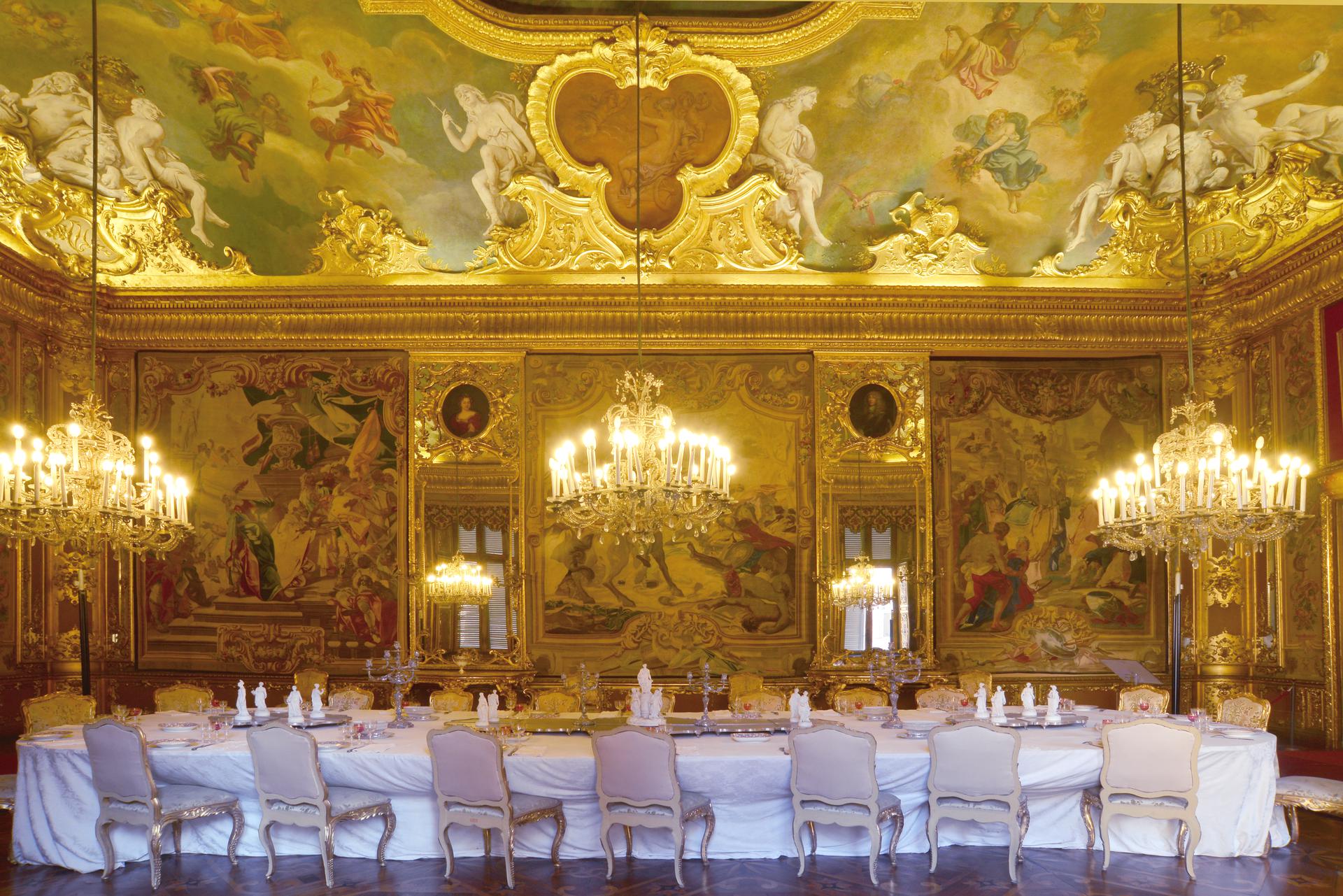
The new calendar of special activities dedicated to the Royal Gardens is available on the website. Up to March 2022 visitors can join exclusive tours and visits with the amazing narration of both the curators and restorers of the Musei Reali. While some of these are reserved for members others are open to the public.
Great collectors and priceless treasures
Every Friday the public will be able to visit the magnificent apartments of Queen Maria Teresa on the first floor of the Royal Palace, the Cabinet of the Secret Plot and the evocative royal kitchens to relive the ancient uses of the court. Every Saturday visitors can discover two great collectors, Riccardo Gualino and Prince Eugenio di Savoia-Soissons, who were united by a passion for art that help shed light on the evolution of collecting between the 18th and 20th centuries. And on Sundays the historical-artistic events related to the construction of the Chapel of the Holy Shroud give visitors the chance to admire the priceless treasures preserved in the sacristy and in the royal chapel.

An exhibition of Fabio Viale’s works
Extended until Sunday 13 February 2022, In Between is the first exhibition in Turin dedicated to the Piedmontese sculptor Fabio Viale, famous for his tattooed statues and extraordinary marble scenes. Five monumental works have been set up in the Piazzetta Reale area for this exhibition curated by Filippo Masino and Roberto Mastroianni. Created in collaboration with the Galleria Poggiali in Florence, the exhibition is included in the admission ticket to the Musei Reali.
Animals from A to Z
This exhibition for children in the Discovery Space will run until 3 April 2022. The project, curated by Rosario Maria Anzalone and Enrica Pagella, is designed for children and families, from the height of the windows to the graphic elements: paintings, drawings, engravings, archaeological finds and decorative art objects. Some forty works from the Musei Reali are united by the representation of animals, and they are all interactive. This exhibition is included in the entrance ticket to the Musei Reali.




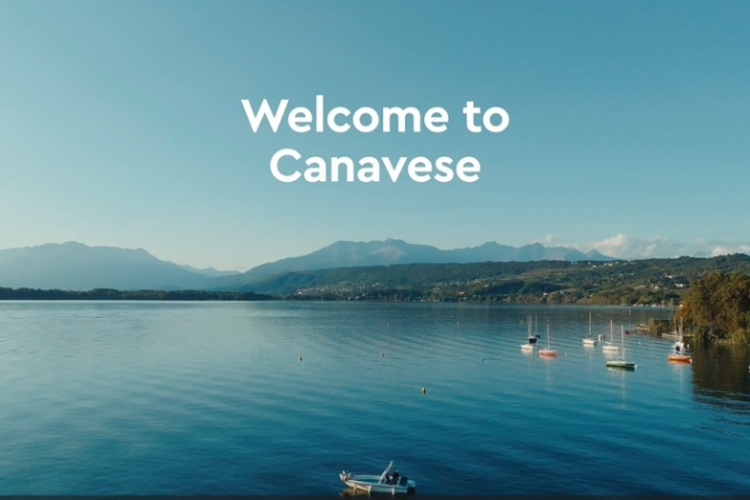
Welcome to Canavese, an unexpected corner of Piedmont where …
844Welcome to Canavese, an unexpected corner of Piedmont where …
844
