


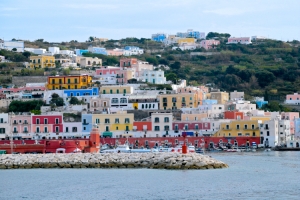


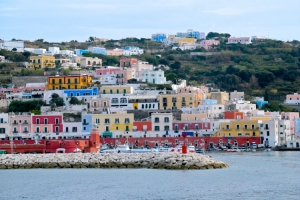
Nature, sun and sea, sailing, archaeology, maritime culture, hospitality and food and wine: Ponza is an authentic destination that lives well beyond the traditional summer season. In Tyrrhenian waters off the coast of Lazio, the island's ferry connections with the mainland ensure significant visitor flows. Linking the island to the main tourist hubs of Lazio and Campania, they create opportunities for longer stays, excursions and experiential tourism. The sea remains Ponza's defining asset.
"Ponza is an unspoiled natural and geological treasure. We are committed to preserving it for future generations and want visitors to experience its unique natural heritage," says mayor Francesco Ambrosino. Caves, cliffs, coves and crystal-clear waters mean sailing, snorkelling, diving and boat excursions, while the harbour accommodates yachts and pleasure craft, supporting Ponza's integration into Mediterranean sailing itineraries and the growth of high-value tourism.
Its underwater environment, with its seabeds, rocky walls and caves, attracts divers, snorkellers, photographers and nature tourists. Beyond the coast, trails, terraced fields and countryside provide opportunities for trekking, hiking, photography and active tourism, particularly in spring and autumn with the summer months mostly dedicated to water activities. History adds another dimension with archaeological and historical itineraries, and its maritime tradition survives with fishing, boating and the local cuisine. The two little sister islands of Palmarola and Zannone further broaden the range of tourism experiences, with archipelago itineraries centred on sailing, nature, diving, trekking and the landscape.
Summer activities focus mostly on the sea and sailing, while spring and autumn bring outdoor activities like diving and archaeology, gastronomy and wine and experiential itineraries. Hotels, restaurants, and specialist operators have integrated tours and experiences for couples, families, small groups, water enthusiasts and international travellers. Ponza is an authentic Mediterranean experience where sea, nature, culture, archaeology, hospitality, food and wine come together to create a quintessential Mediterranean destination.
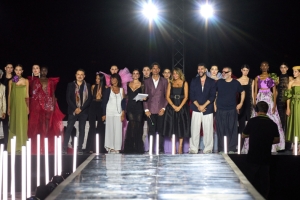
The project, promoted by Roma Capitale and the Lazio Region, showcased the entire fashion industry supply chain, from emerging talents to the ateliers that embody the excellence of Made in Italy. The stars of the final evening were the designers Franco Ciambella, Giada Curti, Nino Lettieri, Antonio Martino Couture, Michele Miglionico, Sabrina Persechino, Jamal Taslaq and Gian Paolo Zuccarello, who showcased a contemporary form of couture that blends sartorial tradition, innovation and creative exploration, reaffirming Rome’s status as one of the key centres of Italian haute couture.
The event was opened by Alessandro Onorato, councillor for major events, sport, tourism and fashion for Roma Capitale, and Roberta Angelilli, vice-president of the Lazio Region. Both underscored the strategic value of the fashion sector, not only as a cultural and creative heritage but also as a driver of economic development, employment and tourism. Onorato said that Ensemble is a tangible investment in young people, training and small and medium-sized enterprises within the sector, highlighting Rome’s return to the centre of the international fashion scene - a trend which is also evidenced by the growing number of major fashion houses that have chosen the capital for their fashion shows and events. This development, according to the councillor, is helping to boost the city’s appeal and consolidate its role on the international fashion scene.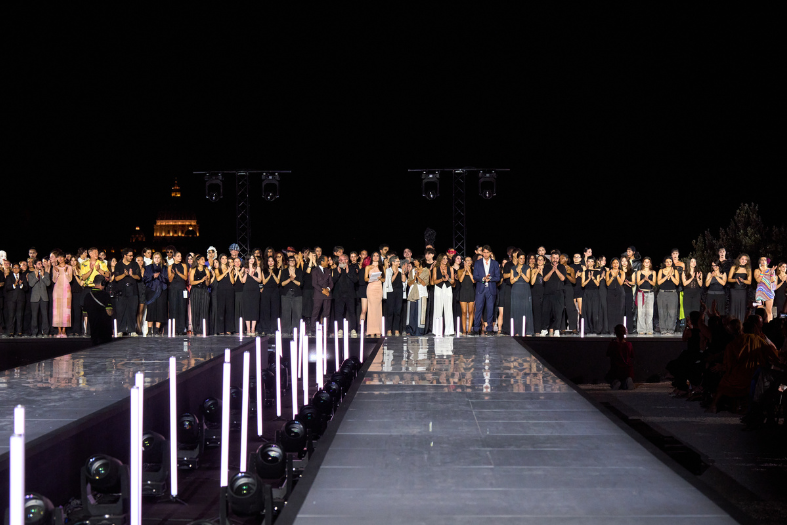
Roberta Angelilli highlighted the Lazio Region’s commitment to supporting the artisan fashion sector through measures aimed at competitiveness and innovation. This sector is one of the hallmarks of Italian excellence and generates exports worth some €1 billion in Lazio, with regional investments aimed at strengthening its presence on international markets. The initiative is part of the Roma Smart Tourism project, funded by the Ministry of Tourism.
The annual Acqualagna International White Truffle Fair
«Acqualagna is a place deeply rooted in truffles and truffle culture. Thanks also to my professional experience in the tourism sector, I closely follow the promotion of the region and its products of excellence, - says Laura Sabbatini, Acqualagna's tourism councillor. -Since last year, our event has officially become the Acqualagna International White Truffle Fair: a prestigious recognition that places us alongside Alba and Norcia, as the only Italian towns authorized to use the name of the region associated with the product.
Truffles are harvested all year round
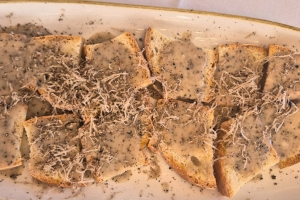
A small town in the heart of the Marche region, in the province of Pesaro Urbino, Acqualagna is known worldwide as one of Italy's truffle capitals. Situated along the ancient Via Flaminia and just a few kilometres from the spectacular Gola del Furlo, it boasts a long tradition linked to the hunting and trade of truffles. Offering truffles all year round thanks to the presence of the main varieties: the precious white, the winter black, the summer black and the "bianchetto" or "marzuolo." In Acqualagna, you can also visit the Truffle Museum, take part in truffle hunting experiences, discover specialist businesses and enjoy nature trails in the Gola del Furlo Nature Reserve.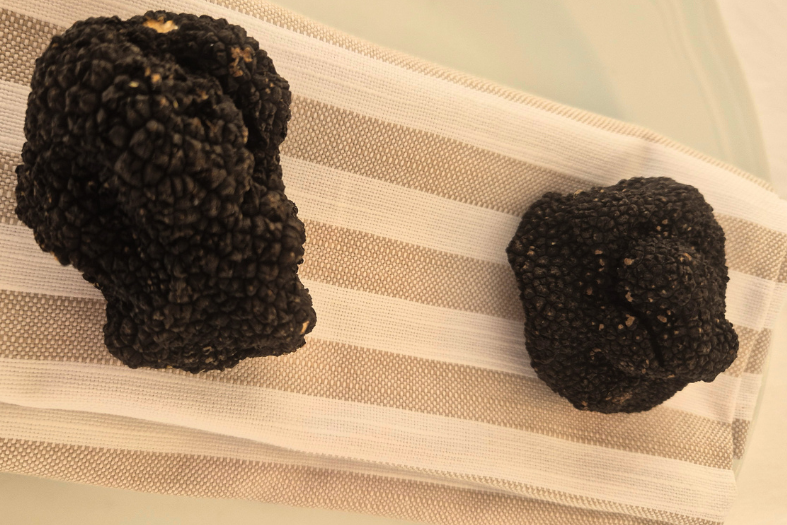
An experimental truffle plantation
"This year we have also launched the first experimental white truffle plantation on municipal land, a project that underscores our commitment to developing the entire supply chain. Acqualagna is a member of the National Association of Truffle Towns and we are working on joint initiatives to enhance the sector and promote the area on international markets as well.
Foreign investments in truffle production
In recent years, the truffle has seen significant growth in terms of recognition and tourist interest, becoming a product capable of generating economic value and attracting visitors. This is why, Councillor Sabbatini explained, they are encouraging the establishment of new truffle grounds and sustainable cultivation projects, which are also essential for the protection of this natural resource, which is becoming increasingly rare in the wild. Truffles are also drawing interest from abroad. "A Belgian investor recently set up a new truffle farm near Acqualagna dedicated to both white and black truffles. A concrete sign of the great international potential of this sector.”
Very close to Urbino
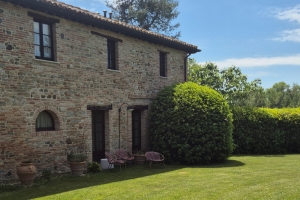
The property is part of a project by the Rossi family which restored the ancient rural complex, preserving its authenticity and charm. Located in Borgo Massano in the municipality of Montecalvo in Foglia, just a few kilometres from Urbino, the property dates back to the early 16th century and is on a farmstead of sone one hundred hectares.
A wellness centre with a heated pool
The 23 rooms are unique and retain original features such as wooden beams, exposed brickwork and stone, helping to create an authentic and refined atmosphere. The jewel in the crown of the property is the 200-square-metre wellness centre spread over two levels, with a 37-degree heated pool with Jacuzzi jets, a sauna, a Turkish bath, a sensory experience with hot and cold showers, and a relaxation area. The wellness centre is open to both hotel guests and external visitors, with limited entry slots at designated times.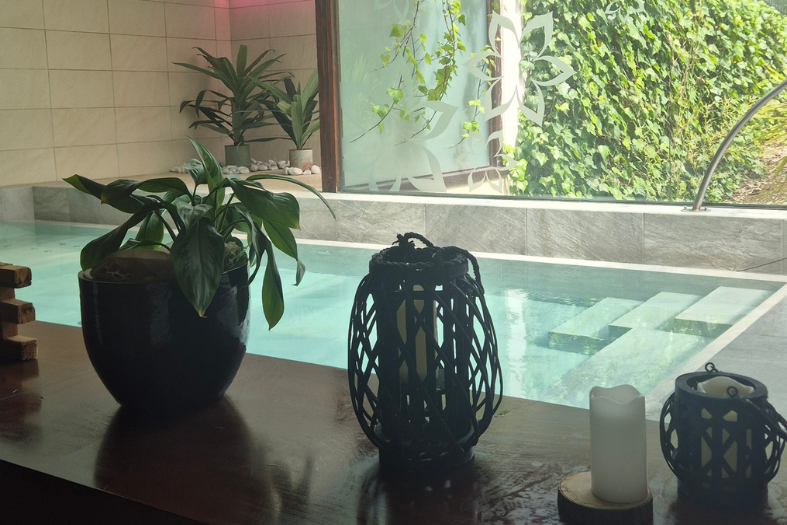
Local specialties like Carpegna cured ham
Catering is also a distinctive feature of Ca’ Virginia. The restaurant, housed in the property’s former stable, showcases the region’s culinary traditions with menus based on locally sourced produce and regional specialties, from local wines to typical cheeses such as Casciotta d’Urbino DOP, and the famous Carpegna ham.
One of the Marche region's historic bike hotels
The surrounding area also offers numerous opportunities for slow and outdoor tourism. The hills of Montefeltro and the Urbino area are ideal for e-bike rides, guided excursions and trails immersed in nature. Ca’ Virginia is, in fact, one of the Marche region’s historic bike hotels and offers services tailored to cycle tourists, from bike hire to organised tours for various fitness levels. Ca’ Virginia’s green philosophy, launched back in 2004, incorporates a photovoltaic system, a geothermal system and a solar thermal system, enabling the hotel to drastically reduce its use of fossil fuels.
Evaluating Italian and regional tourism trends
“These meetings are important opportunities to discuss trends in the Italian and regional tourism market. Today, we operators are used to operating in a constantly evolving context, marked by rapid changes and an international climate that inevitably influences people’s travel choices,” says Federico Scaramucci, owner of Raffaello Travel Group – a tour operator specialized in inbound tourism in the Marche region – and founding member of Lands of Urbino, the association established in 2020 to promote and enhance the province of Pesaro Urbino,
Special interest from the French and German markets
Looking to the coming months with confidence Scaramucci continues: “Tourism is a dynamic sector that can react quickly to economic and geopolitical scenarios. We are therefore cautiously optimistic about the summer season. Many Italians might choose to holiday at home, favouring less crowded locations with a stronger sense of identity over traditional destinations. Then we are seeing interest from European markets close to Italy, particularly from German-speaking and French-speaking areas such as Germany, Switzerland, Belgium, the Netherlands and France.”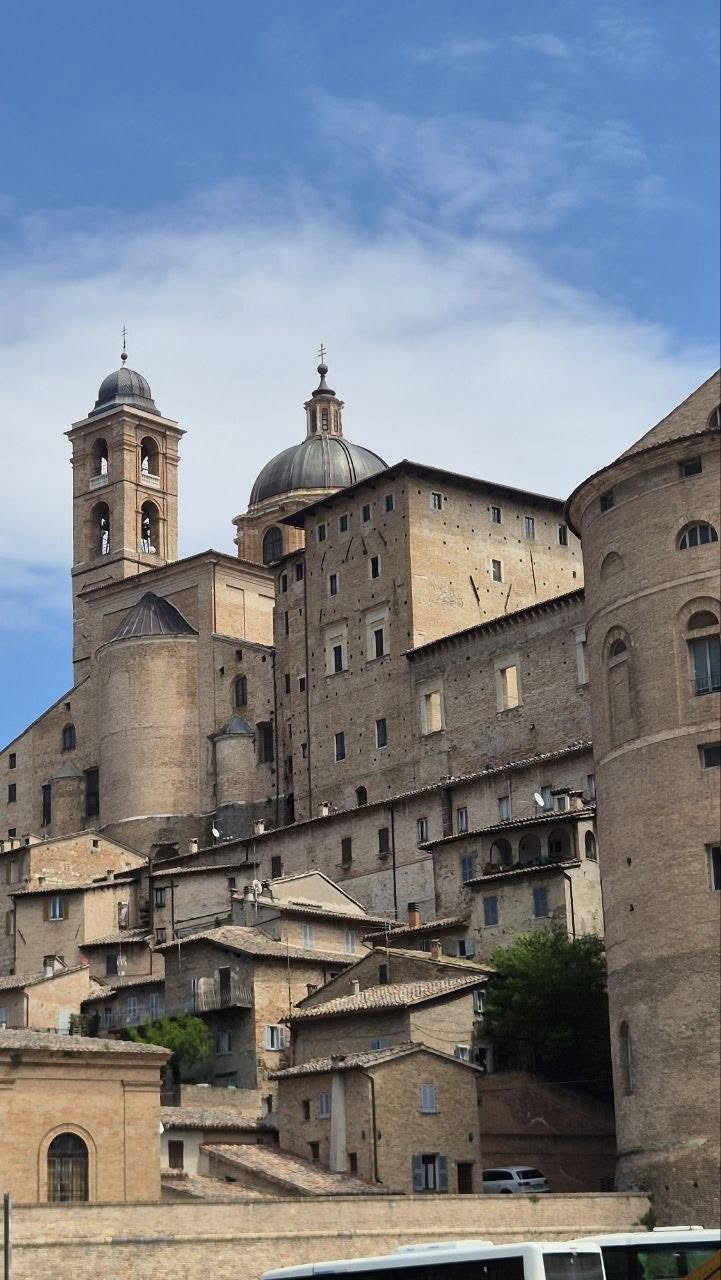
Developing a coordinated ongoing promotional strategy
In this context the Marche region can play a strategic role thanks to its small towns and villages, the quality of its hospitality and its slow and experiential tourism. “Our region is particularly appealing to those seeking authenticity, tranquillity, nature, culture and experiences linked to local traditions. “We are working alongside local operators and institutions to establish a destination management organization, and to develop a coordinated and ongoing promotional strategy, active all year round, targeting both Italian and international markets.”
Digital communication is vital
Significant attention is also being paid to digital communication. “Today, tourists want to get to know and experience a destination even before they leave home. This is why it is essential to invest in online promotion and to showcase the region in an engaging and contemporary way.” Among the Marche region’s strengths, Scaramucci underscores experiential tourism linked to nature, sport, the outdoors and food and wine, with the truffle cited as a symbol of identity and an ambassador for the region on international markets. The aim is to stretch tourist flows throughout the year through authentic experiences and activities spread across the region.
Aiming for European Capital of Culture 2033
Scaramucci also refers to promoting Urbino, together with Pesaro and the entire provincial area, to be nominated as European Capital of Culture 2033: “This is a strategic project that could represent a significant opportunity for growth and international promotion for the whole region. The coming years will be decisive in building on this.”
Tales of Urbino Educational 2026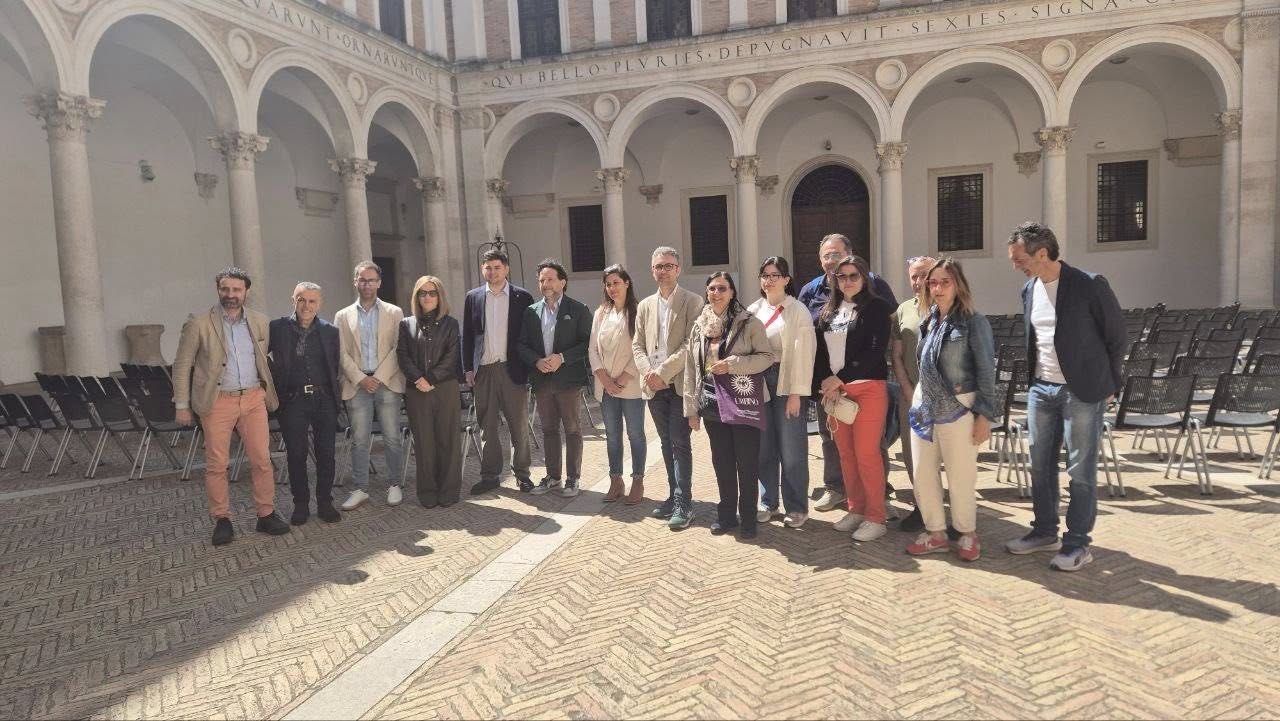
 Creating a genuine tourism supply chain
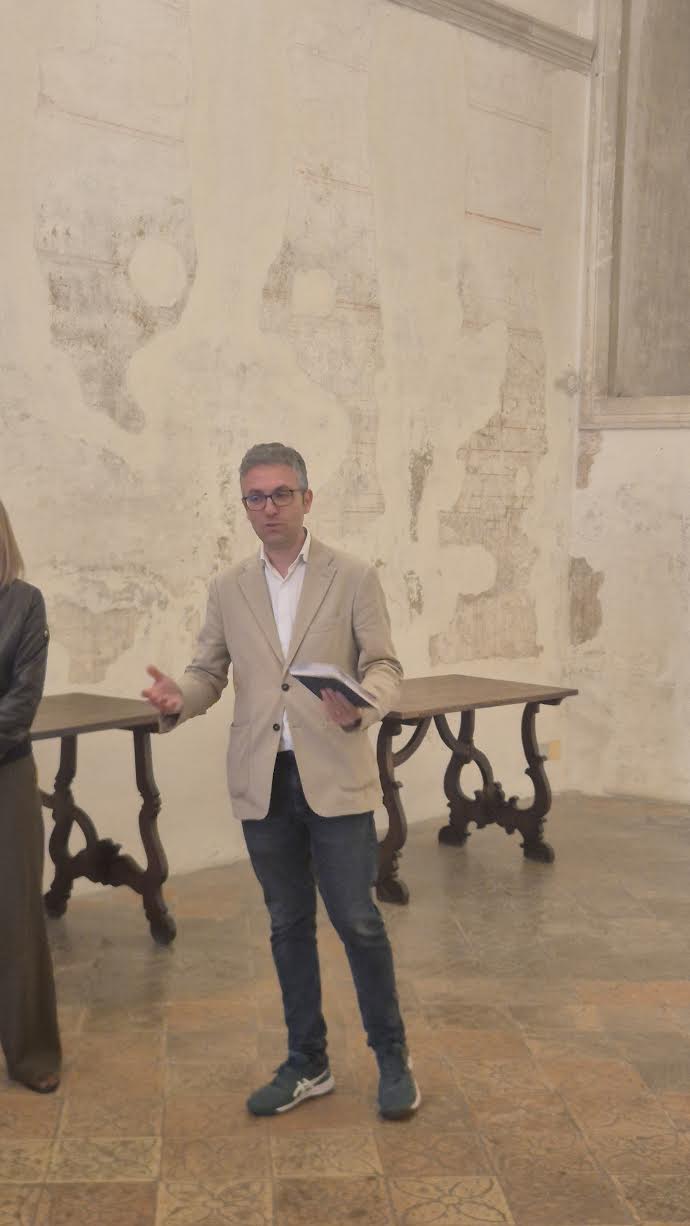
Describing the aims of the association president Paolo Costantini says it extends to the entire province of Pesaro and Urbino and consists of cultural projects, experiential itineraries and an integrated network of tourism operators. “We felt the need to create a genuine tourism supply chain because today, to be attractive, it is essential to offer coordinated services and a well-organized offering.” The Pesaro and Urbino area is one of the most authentic destinations in central Italy, rich in historic towns and villages, rolling landscapes, culinary excellence and cultural itineraries that are still little known to international tourists.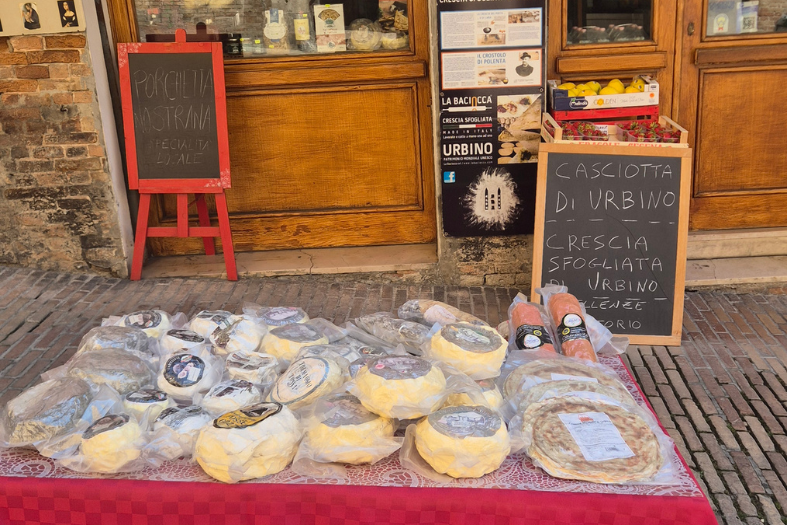
Renaissance history and genuine foods and wines
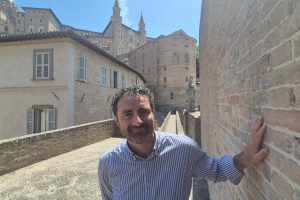
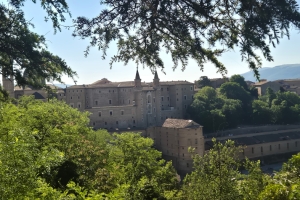
Among the main points of interest are Urbino, a UNESCO World Heritage Site and cradle of the Renaissance, the Montefeltro region, the medieval towns and villages of the inland areas, nature trails in the Marche hills, and the numerous experiences linked to crafts, local traditions and food and wine. This heritage allows for the development of slow and experiential tourism, increasingly sought after by international markets. Great attention is also paid to the food and wine which are one of the destination’s main strengths, featuring local specialties, farms, wineries, truffles, traditional Marche cuisine and itineraries dedicated to the flavours of the region. “We want to showcase not only the best-known places, but also the small communities that preserve the authentic identity of our inland areas,” says Costantini.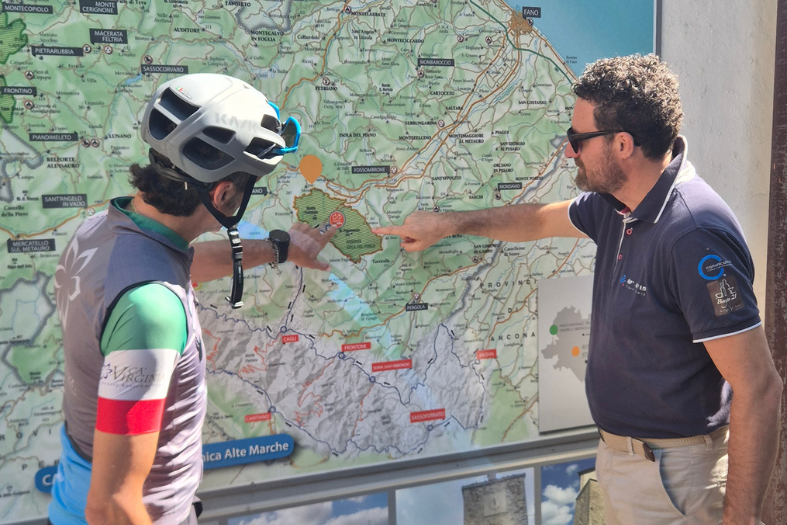
A network to support and grow local businesses
“Lands of Urbino was launched thanks to the initiative of some forty tourism stakeholders, ranging from hotels to guesthouses, from bed & breakfasts to artisans, right through to service providers. The aim has always been to build a solid network that can support and grow local businesses”. It has given rise to various projects, including a series of podcasts produced on the Loquis platform, an app specialized in geolocated audio stories dedicated to travel and experiential tourism. The content explores towns and villages, traditions and local identities across the 29 municipalities involved, from Montefeltro to the inland areas of the province.
Today the association counts 46 members
The association works closely with its members with the aim of building an increasingly structured destination management model that can coordinate tourism promotion and services across a vast and complex area. Today the network counts 46 members who are local producers, agri-food businesses, artisans, shops and hospitality providers, all united by a desire to create an integrated and authentic tourism offering. Looking to the future, Lands of Urbino seeks to foster stronger collaboration with public authorities in order to develop shared tourism offerings that are more competitive and better positioned in the market. “Our areas are rich in local identity and distinctive features: this is why it is important to create a shared vision capable of presenting them in a unified and recognizable way”.
A coffee table book with in-depth essays
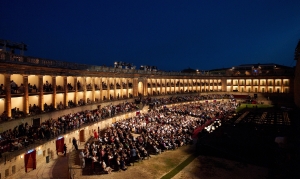
This cross-disciplinary work of art is a true collector’s piece and will also be available for purchase online alongside performance tickets, at a price designed to remain affordable and accessible to all. With in-depth essays on the operas written by the artists responsible for staging the productions, and original images by one of the most highly regarded figures in international art photography: the award-winning photographer Christian Tasso.
The book has photos by Christian Tasso
Tasso's images capture the artistic essence of the Sferisterio as experienced through the opera, thanks to the unique perspective of his photographs, thus offering purchasers of the Libretto Unico a different and emotional narrative of the year’s most eagerly awaited events. Despite the Libretto Unico’s actual market value, its retail price will be just €10, whether purchased online in advance, at the Sferisterio shop or at the ticket office. Anyone purchasing the booklet online will be able to collect it from the box office on the evening of the performance, thus avoiding queues at the Book Shop.
The 2026 Macerata Opera Festival programme
Nabucco by Giuseppe Verdi on 17, 26 July, 1, 9 August
Il Barbiere di Siviglia by Gioachino Rossini - 18, 24 July, 2, 8 August
Il Trovatore by Giuseppe Verdi - 19, 25, 31 July
Carmina Burana by Carl Orff - 7 August
Teramo dates back to Imperial Rome
This journey was experienced on a recent travel agent educational tour organized by the Abruzzo-based tour operator Baltour into the region's most authentic treasures; an itinerary that blended historical heritage, local identity and food and wine experiences. Teramo, the ancient Interamnia, preserves traces of Roman and medieval history with a Roman Theatre as well as the Cathedral of Santa Maria Assunta, and the famous Mosaico del Leone Roman mosaic floor in the historic centre. This work, with the figure of a lion framed by geometric motifs, bears witness to the cultural vitality of the city as early as Imperial Rome.
L’Aquila’s rebirth after the 2009 earthquake
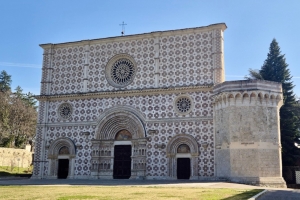
L'Aquila, the Italian Capital of Culture 2026, is one of the most significant European examples of urban and cultural rebirth following the 2009 earthquake, the impressive restoration and reconstruction having restored churches, palaces and squares. Among the city's most symbolic sites places are the Basilica of Collemaggio, linked to Pope Celestine V and the first Jubilee of 1294, and the Fountain of the 99 Spouts, a medieval masterpiece with decorated spouts and symbols that recount the collective identity of the people of L'Aquila.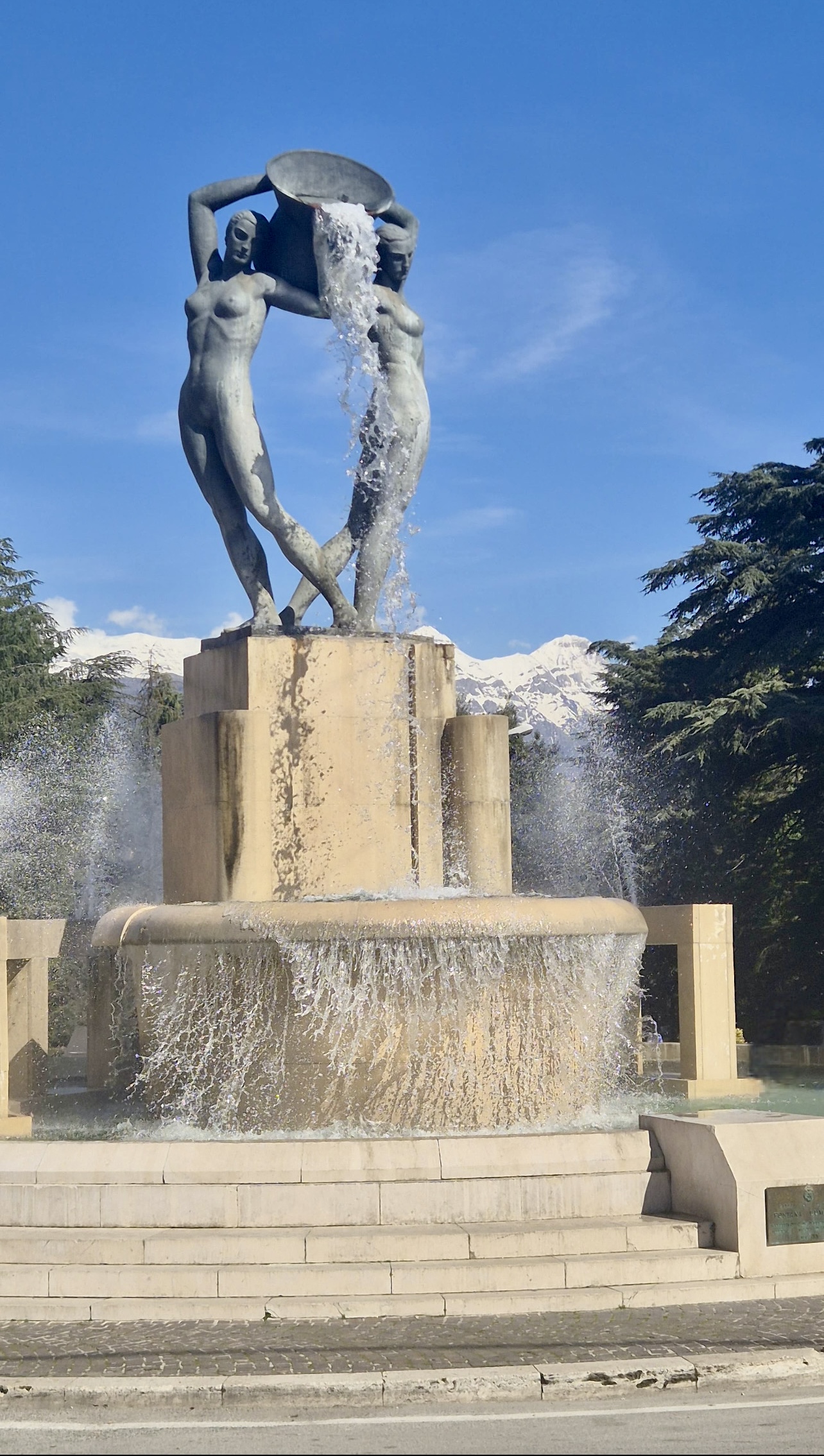
Majolica and a replica of the Holy Stairs
Nearby Castelli is a village famous for its centuries-old ceramic tradition, its majolica tiles having embellished European courts and residences since the Renaissance. The Church of San Donato, with its extraordinary majolica ceiling, is a unique testimony to this art. Not far away, Campli is home to the Holy Stairs, built in 1772 and recognized by the Holy See as a faithful reproduction of the Scala Santa in Rome. The National Archaeological Museum tells of the area’s Italic and Roman origins, while the gastronomic traditions go from porchetta to typical rural products.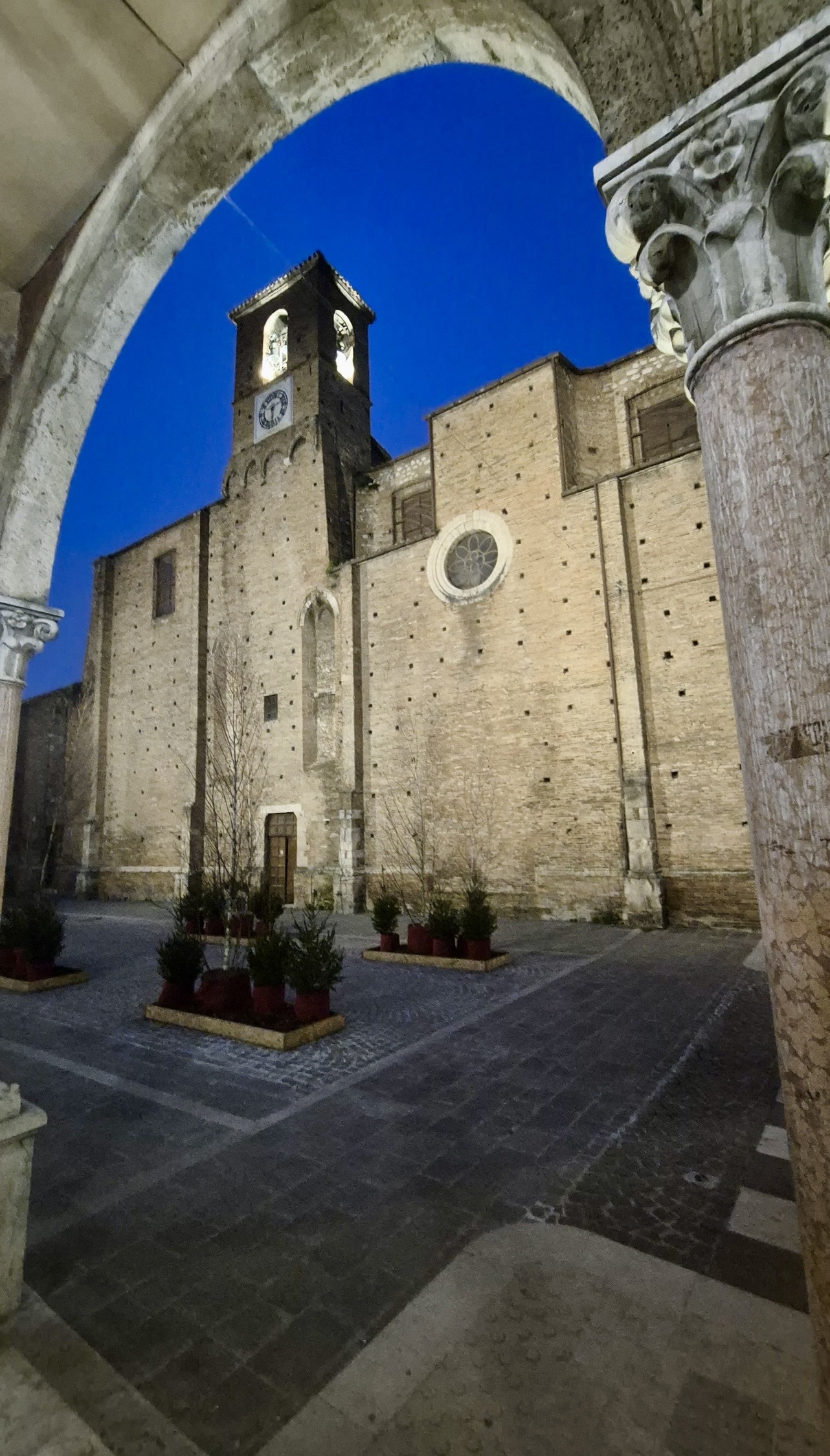
Abruzzo at its most authentic
Civitella del Tronto is dominated by the majestic Bourbon Fortress, one of the largest in Europe, with views that embracs the Apennines and the Adriatic Sea, ideally sealing the encounter between history and nature that defines the soul of this region. Baltour’s fam trip allowed a group of tourism professionals to experience not only a destination, but an authentic Abruzzo, where culture, resilience, craftsmanship and gastronomy interact in perfect balance. For information: https://baltourbus.it/
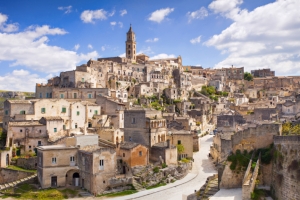
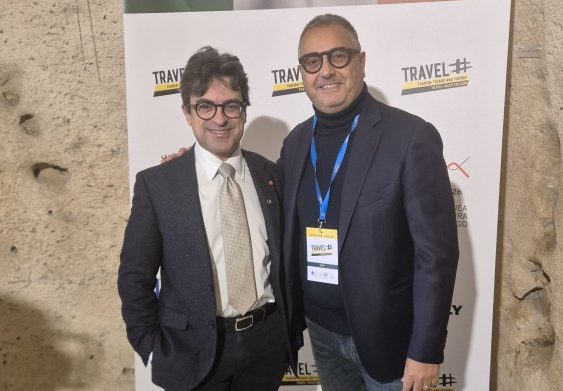 Matera invites visitors to slow down
The mayor’s clear strategy for tourism in the city in the coming years is to consolidate the legacy of 2019, transforming it into a stable, international and market-oriented project. “Matera has a unique relationship with time, an element that directly influences the visitor's experience. In an era of fast and fragmented travel, the city invites visitors to slow down and immerse themselves in its layered history, not only as a backdrop, but as part of the experience itself,” said the mayor.
Mediterranean Capital of Culture and Dialogue 2026
After its experience as European Capital of Culture in 2019, Matera is preparing for 2026 as Mediterranean Capital of Culture and Dialogue. But, the mayor warns, the title is not the goal: “It is the message of a city that is planning itself”. The idea is to go beyond the isolated event and build a concrete legacy: “It is not a project that starts and ends in 2026, it must have a future life.”
Matera’s House of Emerging Technologies
The title chosen for 2026, “Terre Immerse” (Immersed Lands), broadens the vision of the Mediterranean to include inland areas and their cultural stratifications. Not just coastlines, but territories with common roots in symbolic cities such as Jerusalem, Athens and Rome. Alongside the cultural dimension, Nicoletti mentioned the House of Emerging Technologies, a hub that works on advanced technologies such as 5G networks, artificial intelligence, blockchain and quantum communication, applying them to tourism and communication. In practice, it is a place where innovation and culture come together to create new services, experiences and opportunities for the city.
“A destination…with integration between culture and innovation”
Collaboration with the Italian Space Agency and the European Space Agency also strengthen Matera in the business, MICE and educational segments. “Matera does not want to replicate 2019, but make 2026 a structural lever for growth. For the trade this means a destination with a stable vision, long-term planning and integration between culture and innovation. 2026 will not be a point of arrival, but the beginning of a new phase of international positioning,” concluded the mayor.
“Innovation and environmental protection can go hand in hand”
The arrival of the first LNG-powered vessel to the GNV fleet, the first ship of this type operated by an Italian company on long-haul routes, confirms GNV’s concrete commitment to innovation, sustainability and energy transition. “This project is a measurable step on our path towards reducing emissions and the progressive decarbonization of maritime transport,- says GNV’s CEO Matteo Catani. -It is not a declaration of intent, but a ship that now sails and significantly reduces its environmental impact and overall CO₂ emissions. The introduction of LNG into our fleet is a clear signal of our commitment to more sustainable and responsible shipping. We want to show that innovation and environmental protection can go hand in hand.”
Improved services and value for communities
“Investing in these technologies means already looking ahead to the future of sustainable maritime mobility. Continuity of connections is fundamental. With these two units we are enhancing the frequency and quality of our service, making the entire transport system between North and South more efficient. The new ferry is strategic infrastructure for Italy and, in particular, for Sicily, not only economically but also socially. Every new unit that enters service is a breath of fresh air for the local economy. Our goal is to generate sustainable development, creating value for the communities we serve.”
Focus on the Genoa-Palermo route
The new ship will be used on the historic Genoa-Palermo route, the first opened by GNV over thirty years ago. Palermo and Termini Imerese now cover about 30% of the company's overall traffic, making Sicily central in the group's development strategy. Within a few months GNV's sister ship Aurora, also powered by LNG, will enter service.
The new LNG ship
The new LNG ship has 440 cabins and public spaces designed to ensure comfort, brightness and quality of the travel experience. “For passengers innovation and sustainability must go hand in hand with comfort and safety, says Catani. Every year GNV carries soms 770,000 passengers to and from Sicily. The overall economic impact generated by passengers on Italian destinations is estimated at almost €1 billion, while freight traffc exceeds €1.5 billion. "These numbers confirm that our route network is not just transport, but a development tool. The GNV fleet is concrete proof of how innovation, economy and sustainability can grow together.”.



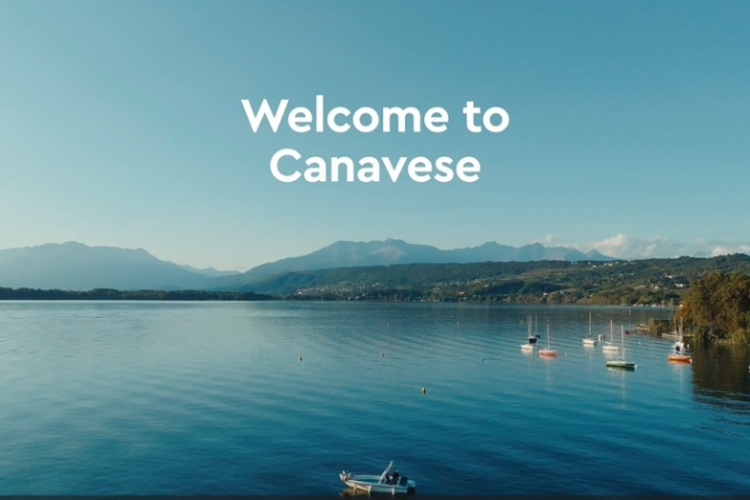
Welcome to Canavese, an unexpected corner of Piedmont where …
843Welcome to Canavese, an unexpected corner of Piedmont where …
843
