



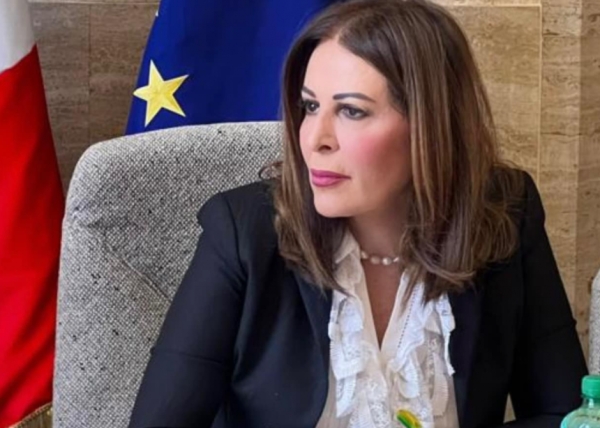





With her third year in office drawing to a close, in this interview with ItaliAbsolutely Daniela Santanchè, the Minister of Tourism, takes stock of the situation and says “the numbers are on our side.”
Minister, what are the final figures for the summer season?
"The numbers are on our side: not only has the Italian summer confirmed that the industry is thriving and expanding, but the policies we have put in place are bearing fruit. We are seeing a change in trends favouring year-round tourism and an even distribution of flows not only towards the sea, but also towards the mountains, villages, and walking routes, with an overall growth in outdoor tourism. The summer has been positive, and tourism is finally being recognized as an industry capable of generating employment and creating economic, social, and human value. This definitely makes a difference.”
How much have current conflicts affected - and how much might they continue to affect - inbound tourism?”
“The ongoing conflicts, which are contributing to a particularly fragile global geopolitical context, are inevitably influencing tourist flows. Italy continues to be a popular destination thanks to its beauty and culture, but we are also working to promote it as a safe and welcoming place. In fact, we are second only to Spain in the index of tourist satisfaction, and first in Europe for the perception of safety. These are key factors for continuing to invest in quality.”
Trade associations often release conflicting data. How should these discrepancies be interpreted?
“There are different methodologies of collection and analysis to consider. It is crucial that we work together to find a common language and a shared database to give us a clearer picture. There is an over-fragmentation of data, which makes it difficult to interpret the sector as a whole. This is why we are developing a comprehensive data lake to gather all available tourism data worldwide and enable a clear, consistent, and transparent understanding of the entire tourism ecosystem.”
The introduction of the National Identification Code has revealed “underground” tourism. How much has this factor influenced the numbers?
"The introduction of the NIC has definitely contributed to greater transparency in the sector, bringing to light a part of undeclared tourism. This gives us a clearer view of the market and allows us to better plan our development strategies. However, tourism data is not solely influenced by this, as there are other factors, such as the Jubilee pilgrim flows, that cannot always be mapped. According to the analyses we have collected up to 18 August thanks to the Viminale's Alloggiati Web platform, hotel accommodation registered an increase of 5.8%, which cannot be attributed just to the NIC. These analyses need to be explored in further depth in the coming months, but one thing is certain: tourism is healthy and growing, and the government’s measures to enhance transparency and curb illegal practices are working, contributing to a higher standard of tourism.”
Are the positive figures for Italian mountain tourism a prelude to the success of the Winter Olympics? What are the initial results?
“We are undoubtedly talking about very positive signals, and this augurs well for the Milan-Cortina Winter Games. The initial feedback is encouraging, and we are working to maximize the impact of the Games on tourism, also because events of this scale are fundamental to creating value, encouraging investment, and showcasing Italy on the global stage.”
Price alert: how are tourist flows being managed to prevent sharp rate increases and protect service quality?
"We are implementing a series of strategies aimed at monitoring and managing tourist flows, working in collaboration with industry stakeholders. We will set up dedicated task forces to keep prices reasonable and guarantee consistently high-quality service.”
Let's come to a topic on everyone's lips: overtourism and flow management. Are there any virtuous examples to take inspiration from?
“There are several examples of destinations that have successfully implemented tourist flow management strategies. For example, the project of the Apuan Ligurian area favours integration and synergies between nearby territories. Furthermore, the sustainable tourism projects of Italy’s top destinations can shed light on the key challenges posed by overtourism.”
What key projects is the Ministry currently working on? And what issues remain to be addressed?
"We are working on several projects aimed at promoting sustainability and raising the level of quality. These challenges must be overcome to make tourism the driving force of the Italian economy.”
There is growing concern about the preservation of artworks amid rising tourist numbers and irresponsible visitor behaviour. What’s being done to address this issue?
“We need to work together with the Ministry of Culture to implement control and awareness measures, educating visitors to respect works of art. It is crucial to protect our cultural heritage and ensure that tourist experiences are sustainable and respectful."
Read the Article in the WTM Special Edition 2025


