





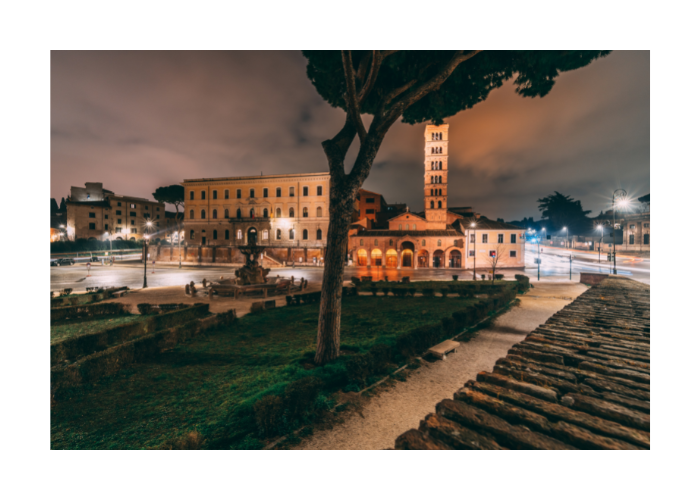
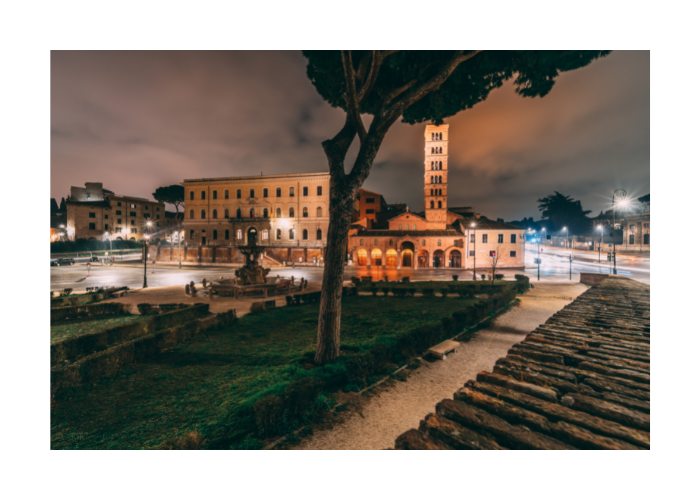
The Bocca della Verità (Mouth of Truth) is one of Rome's legendary attractions and most famous symbols, monolithic marble mask that in 1632 was walled into one of the outside walls of the Basilica of Santa Maria in Cosmedin in Rome. The church is just a short walk from the Coliseum and from the central Piazza Venezia Square and the mask, with a bearded face, hollow nose, eyes and mouth is one of the most popular stops on a tour of Rome. Not so much for its artistic merits, but for the legend that lies behind it and has captured people’s imagination.
The mask was once a manhole cover
Of course there is more than one legend associated with the mask, but the most popular links it with the gods of water and of the river Tiber which flows close by. Compared to its fame today the mask – which is almost two metres in diameter - this attraction started out life as a very common and simple manhole cover. Which is why scholars favour the theory that the face belongs to a deity linked to the world of water.
A test for lying merchants
In ancient Rome, in fact, manholes often bore the effigy of river deities, as they “swallowed” rainwater and carried it towards the sea. Another legend would have it that the mask was the cover for a scared well at which Roman merchants swore their honesty when buying and selling. Anyone suspected of telling a lie was put to the test and had his hand put into the mask’s mouth. If he had told a lie the hand, it was said, would be bitten off by the avenging god.
Gregory Peck plays a trick on Audrey Hepburn




The mask plays a comic role in William Wyler’s iconic Roman Holiday when Gregory Peck, taking Audrey Hepburn on a Vespa tour the Eternal City, stops at Santa Maria in Cosmedin and has the actress put her hand into the mouth. Nothing happens to her, but when he puts his hand in he roars in pain, but quickly reveals to the relieved Hepburn that it was only a joke.
The Foro Boario was Rome’s ancient meat market
The mask is in the area of the former Foro Boario, which was Rome’s cattle market, and is a particularly fascinating part of the Eternal City. It has many ancient monuments including the richly decorated Arch of the Argentari, the four-sided the Arch of Janus which must have housed sculptures in its many niches, and the little circular Temple of Hercules Victor.
The basilica has a beautiful inlaid pavement
Most visitors to the Mouth of Truth as so busy getting their photos taken that they don’t even look inside the church, which is a great pity. The brick campanile of the basilica is one of the most beautiful in all of Rome and inside it has a very beautiful geometrical inlaid Medieval Cosmatesque stone pavement. For information: https://www.turismoroma.it
Enna is the navel of Sicily and also Italy’s highest regional capital, a sleepy little medieval town perched on a high plateau at 1,000 metres asl. It is situated in the centre of the island, roughly 130 kilometres southeast of Palermo and 85 northwest of Catania
Views of Mount Etna from the town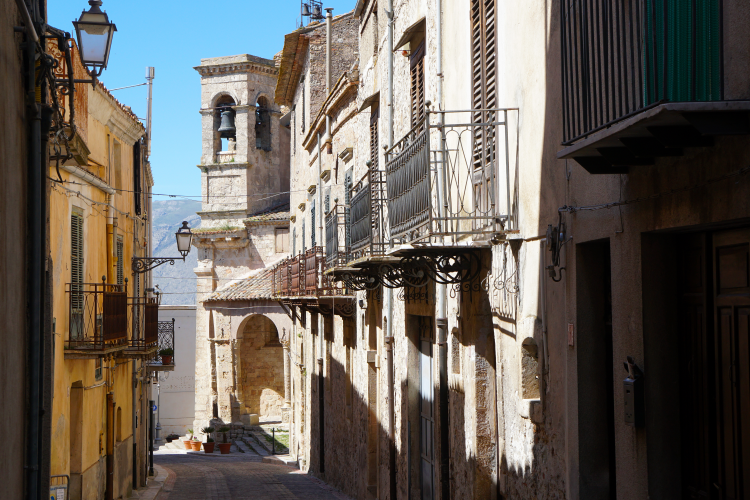

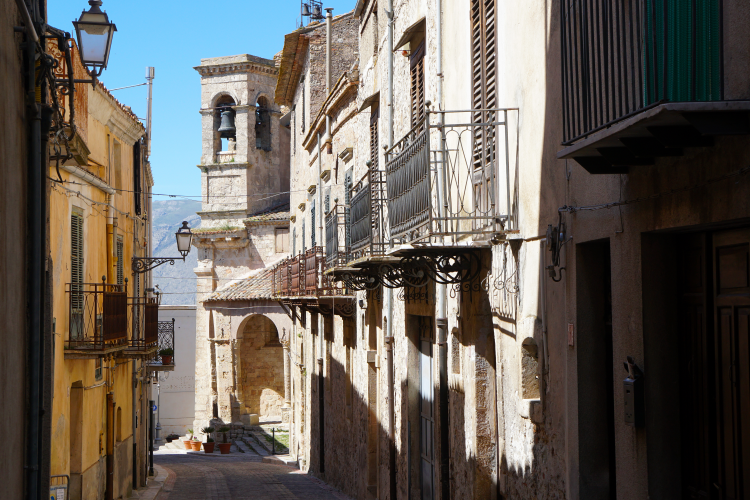

It is the only Sicilian province that is landlocked, but with its many nature reserves and the stunning views from the town - especially those of Mount Etna – it leaves a lasting impression on visitors. The town is in two parts, the historic hilltop town known as Enna Alta and the modern town, Enna Bassa which is below.
Of the 20 original towers in the old castle only six are left
Narrow, winding streets lead up to the cliff-hanging Norman Lombardy Castle. This was built as a fortress and later embellished by Frederic III of Aragon who transformed it into his summer residence. Of the 20 towers that protected it only six have survived and from the Torre Pisana, with its crown of crenellations, on a clear day it is possible to see all three of Sicily’s coasts.
The cathedral has a clock tower on the facade
The Via Roma is Enna’s central shopping street and on the main Piazza Vittorio Emanuele square stands a handsome bronze fountain which is a reproduction of Bernini’s 17th century The Rape of Persephone. The Cathedral, built in the 14th century by Queen Eleonora, wife of Frederick III, was Sicily’s first Norman cathedral. It has a handsome façade while inside there are two aisles flanked by massive Corinthian columns, and three apses.
Enna had seven monumental city gates
The only monumental gate remaining of the original seven old city gates is the Arco Janniscuru. It is located in the middle of a stone staircase along which there are many burial caves dating back to the Neolithic period, including the Grotta della Guardiola which is one of the most important. The Archaeological Museum in Palazzo Varisano shows prehistoric, classical, and medieval finds, and in all has over 1,500 artefacts in its ten rooms.
A troglodyte village with cave dwellings
The Vallone Canalotto Byzantine village is a few kilometers north of Enna. Dating back to between 535 and 827 A.D. the homes and other troglodyte areas formed a fortress in the rocky outcropping. Today in the caves it is possible to see places of worship, burial rooms and canals that supplied water at different levels.
The Lake Pergusa Nature Reserve has an ancient necropolis
The Lake Pergusa Nature Reserve, some six six kilometres from Enna, is a paradise for birdwatchers. The nearby archeological site of Cozzo Matrice has the remains of an ancient fortified village with walls dating back to 8000 B.C., the ruins of an ancient temple and a large necropolis. For information: https://www.turismoenna.it
Borgo San Gaetano di Bernalda is a must for anyone visiting the Basilicata region. On a journey in the name of tradition you will eat well all year round in this region, but when the weather cools, traditional products take on even more flavour. And so the autumn season is ideal for a break to discover the Basilicata’s food and wine delicacies.
Borgo San Gaetano is a charming relais with gourmet dining
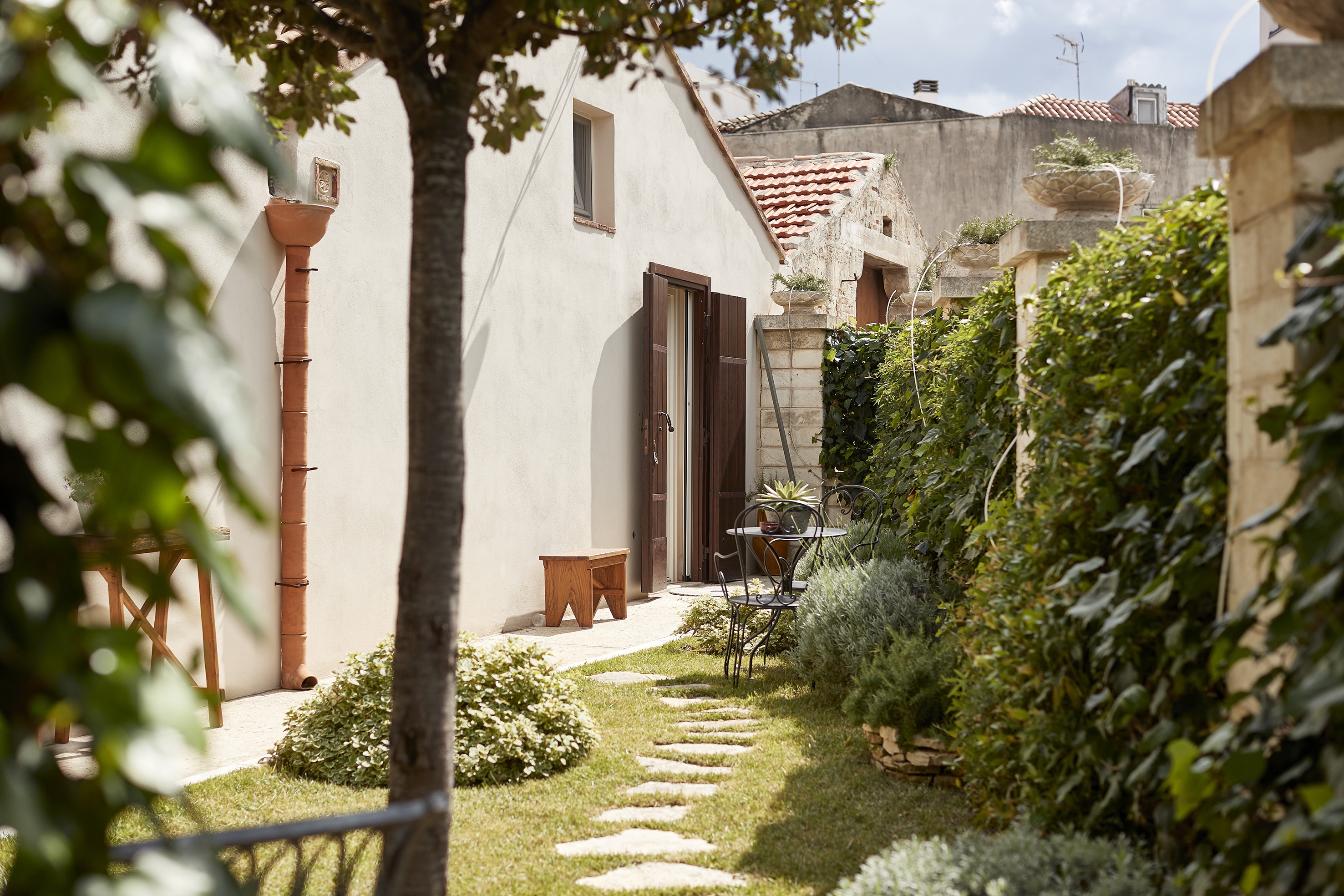
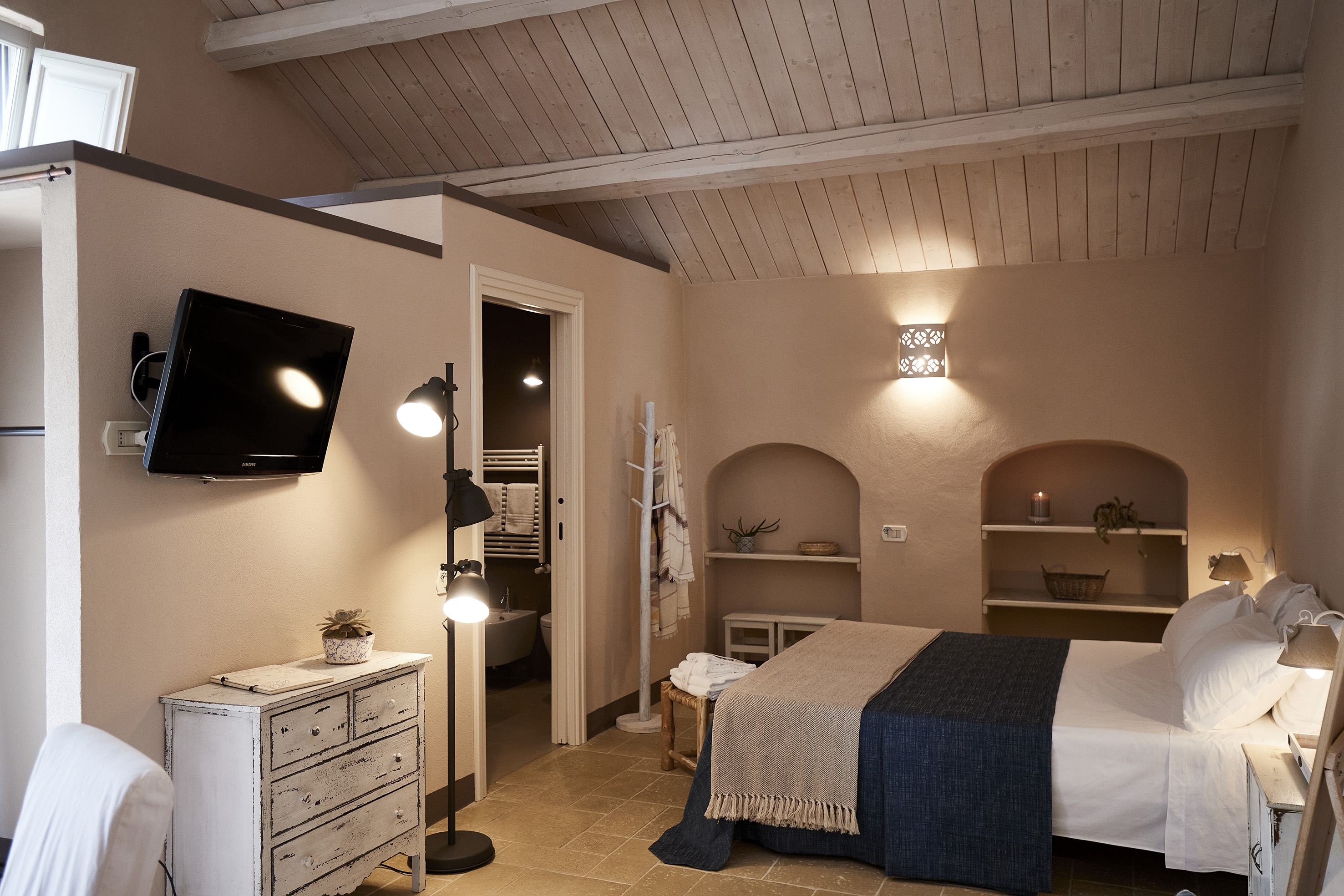
Borgo San Gaetano, Bernalda's enchanting and charming relais near






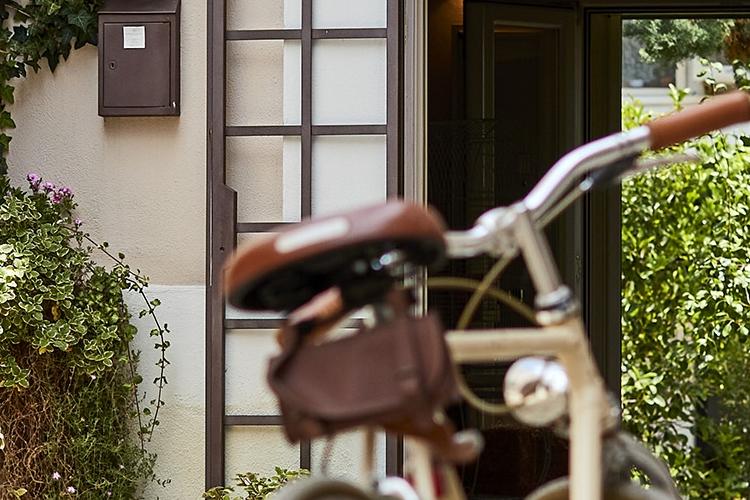
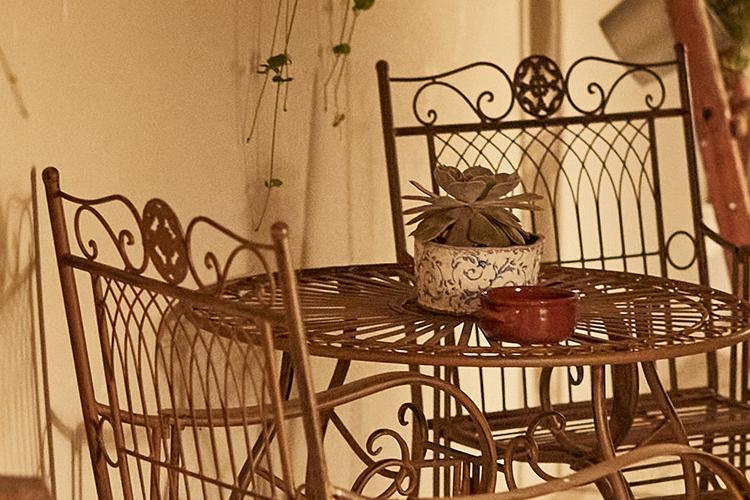


Several high-end restaurants
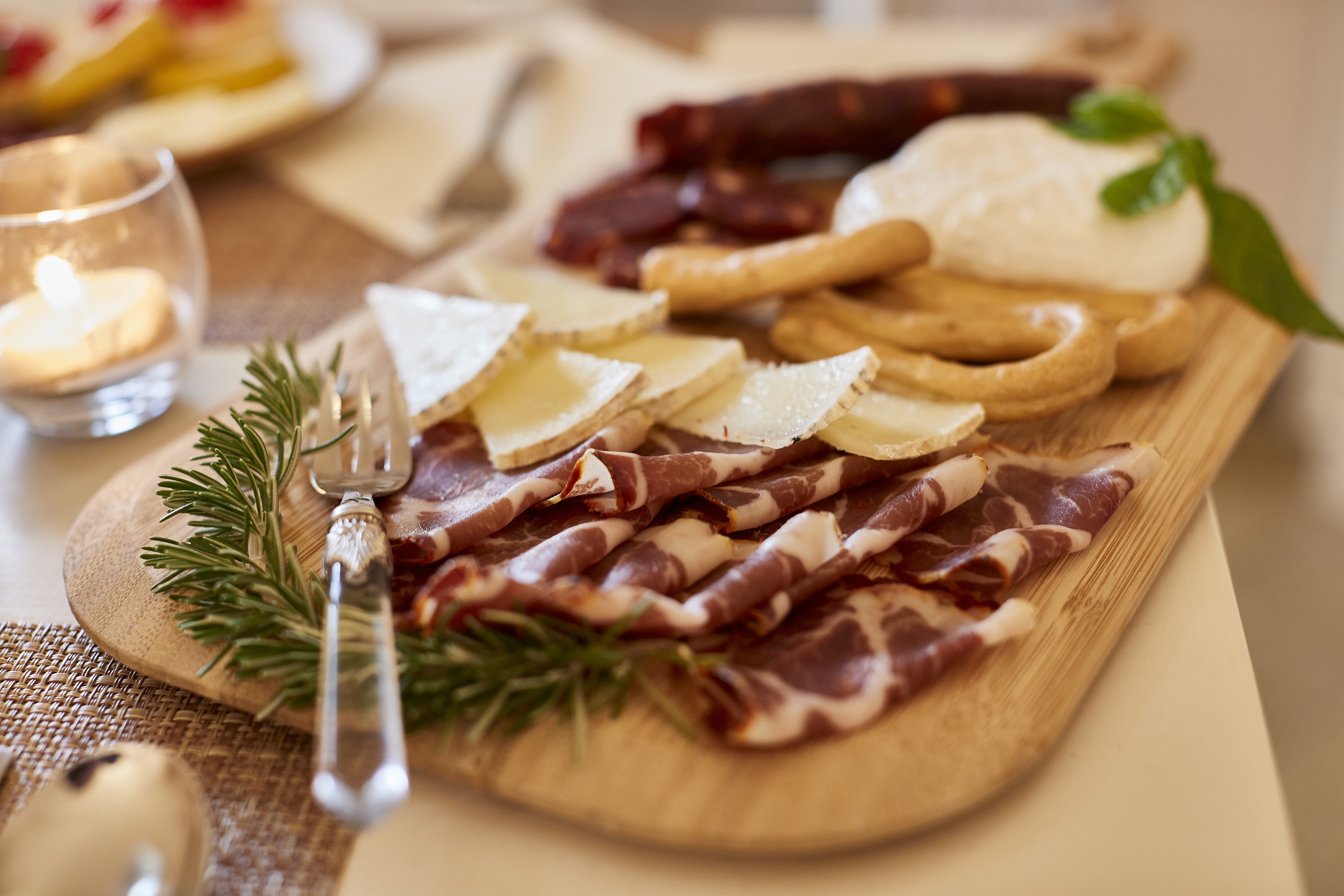
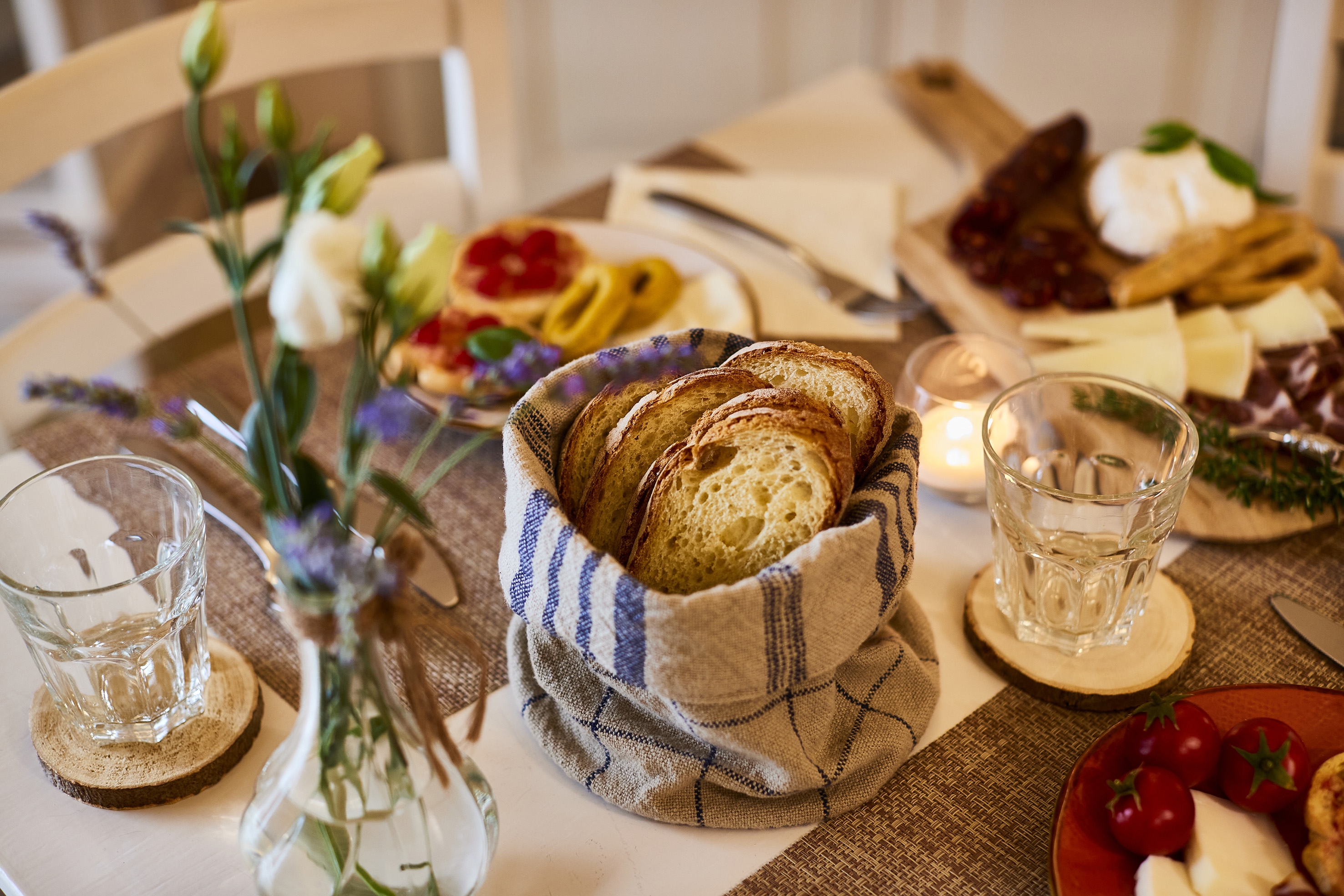
In Borgo San Gaetano food lovers are pampered right from breakfast, which is actually a brunch in which sweet and savoury elements alternate to delight the palate. The town of Bernalda has several high-level restaurants where you can enjoy typical local dishes. And staying guests can follow the production phases of the local cheese thanks to a collaboration with the Caseificio Esposito. Burrata,Stracciatella, scamorza, caccaicavallo, provolone and mozzarella are all wonderful cheeses to be enjoyed with bread, sausages, and a good glass of wine.
Private guided tours
The farm is also a fun discovery for kids, who can pet the cows and donkeys. The staff at Borgo San Gaetano is available to organize private guided tours and advise on itineraries. A stay in Borgo San Gaetano costs between €90 and €150 per night for two people, including that truly bountiful breakfast! For information: www.borgosangaetano.com
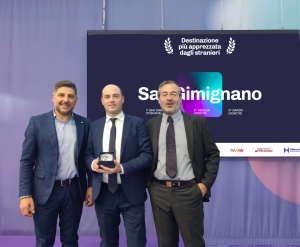
The Tuscan town of San Gimignano has won the prestigious Italian Digital Destination awarded by The Data Appeal Company - Almawave Group.
Relaunching San Gimignano
Mayor Andrea Marrucci, who received the award at the 2022 TTG Travel Experience fair, said:
"This award repays us for relaunching and repositioning San Gimignano as a tourist destination. It is an accolade that makes us proud of how the operators and the municipal administration have worked side by side with a perspective capable of looking beyond the pandemic.”
The Tuscan town recorded the best online performances
"We were coming from two years of closures, any liquidity made by hotels went to cover the costs of the previous two years and of taxes like IMU that were also present during the closure. Now we are about to enter the low season and the music is changing because revenues are not sufficient to cover the increase in energy costs. We are energy-intensive businesses, and bills have increased by 600% over 2019. When there are sufficient revenues it is fine, while there will be no profitswe can go on. But today we are having to choose between paying bills or salaries.”
A positive summer with the return of American visitors
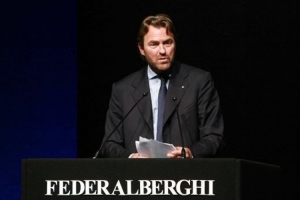
Bernabò Bocca, president of Federalberghi, the Italian hotels’ federation was speaking at the Il Sole 24 Ore and Financial Times’s Made in Italy Summit. "We have had a positive summer season, thanks to the influx of foreign visitors, for example from the US. We were worried about the lack of Russian and Chinese arrivals, but the Americans came in large numbers. This is why the GDP is higher than in other European countries. The GDP growth is mainly due to tourism.”
“We would like to see a ministry for sport, tourism and major events”
“The situation is complex. We are forced to ask the banks for loans, but the rates today are not what they used to be. We are entering a vicious circle that will lead to the closure of many hotels. Many of them will not make it through the low season and will only reopen for the 2023 high season. It will also be a problem for the supply chain which absorbs 60% of tourist spending. With the formation of the new government we would very much like to see a Ministry for sport, tourism and major events."
Federalberghi president Bernabò Bocca emphasised the difficulties the Italian hospitality industry in facing with these two new challenges. In addition to closures, Bocca said, the coming winter season is at risk. Because bills are now soaring to unheard of heights, and with this huge onus it’s only natural to think that many winter destinations will not even be able to open. Leading to a new collapse of the system which, let's be frank, may not be able to withstand a second blow.
The new government must intervene, first by lowering prices, by trying to work with Europe to cap the cost of gas. The powers that be already don’t do very much for tourism, but this time millions people could be out of a job. So now it’s time to act.
 Giuseppe Aloe
Editor in Chief
Negotiations are underway for a reopening
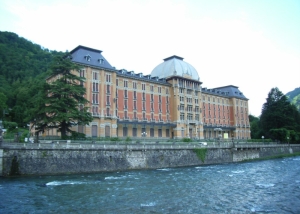
Now its potential reopening may be on the cards. Following a partial €22 million renovation over 13 years, according to Pambianco reports, negotiations are in fact underway between the municipality of San Pellegrino Terme and Cassa Depositi e Prestiti bank.
€26 million to complete the refurbishment
Cdp would intervene along the lines followed for another Italian spa icon, the Grand Hotel Salsomaggiore which was recently purchased at auction. In this case, however, the Bergamasque municipality would not sell the asset, opting for a long-term lease, while the Cassa would contribute to the completion of the refurbishment for some €26 million
The outcome at the end of the year
The works would involve the four floors of guestrooms, the attic and the basement and on completion the management would be proposed to Qc Terme. Discussions between the municipality and Cdp are expected to continue for a few more months, with the outcome of the negotiations expected by the end of the year.
Rome and its delights in a single portal
WayGlo Roma, the new Typimedia-branded cross-media platform, illustrates the city and its environs. This tourist-cultural format develops content by focusing on the user's interests: from history to traditions, from art to culture, from nature to food, from news to entertainment. Everything, in a single portal. Divided into channels and thematic formats, users navigate through the most diverse content with a constant and daily update that interfaces hour by hour on social media channels.
A daily filmed story
Dedicated to current events, the WayDay and WayNews channels feature Rome’s exhibitions and events. The city’s most evocative places and corners are to be found in the original WayNovel, a daily filmed story featuring the capital based on updates from leading newspapers.
Food experiences in Rome
The WayTour channel is a long journey through the capital, from its monuments, churches and street art to its beaches and sporting facilities. WayLife, the channel of the good life, features delightful aperitifs and historic taverns as well as food experiences. It also explains how to get married in Rome and where to go shopping as well as focusing on what the city has in store for children and families.
The history and traditions of the Eternal City
WayLand delves into Rome’s history and traditions, from places and people of the past to the most popular locations in the modern city. WayVisit takes us to the many neighbourhoods and districts of Rome, with the platform’s editorial staff suggesting the "ten things to do and see in...,” and WayPodcast presents a selection of podcasts. “Wayglo aims at telling the story of Rome, going beyond what we already know. It is a 360-degree platform featuring all there is to see, know, experience and discover in Rome,” says project manager Luigi Carletti.
Urbino was a Renaissance cultural capital
Frederico di Montefeltro was one of the great figures of the Italian Renaissance who, in the 15th century, transformed Urbino into a cultural capital, calling great artists, architects, poets and philosophers to his court. This year he is the perfect testimonial for the many exciting tourist itineraries planned as part of the celebrations for his birth. Many Italian and international visitors came to the area this summer attracted by the unique mix of history, art, nature and culinary delights of this charming region.
“Foreign visitors were up 130% this summer”
“Tourism went very well this year, - says Amerigo Varotti, president of Confturismo Terre di Urbino e del Montefeltro. – There were many Italians of course, but also a return of foreign visitors, especially the Dutch, Austrians and Germans, but also American, French and English tourists. Taking into account that the Marche region, - Varotti continued, - has a limited presence of international arrivals compared to the rest of Italy, this summer we registered 130% more foreign visitors, with Urbino itself standing out as a pole of attraction.”
September is drawing a record number of visitors
“We will have a complete picture only by the end of the year, as the season is still not over. September is drawing higher than usual numbers, with many visitors now enjoying fairs and festivals, from those featuring the prized white truffle, to beer and cheese events. Many also come for outdoors activities, discovering the unspoiled beauty of the region.
A land of stunning landscapes
Biking and trekking and another popular novelty, gravel biking, are attracting sporting enthusiasts to the Cesane Forest, the Furlo Gorge and Mount Nerone, Mount Catria and Mount Petrano mountain ranges. Here you can still see landscapes as they were painted by Raphael, Piero della Francesca and Leonardo da Vinci. Not many people realize that the landscape behind Leonardo’s world-famous portrait of Mona Lisa is Montefeltro.”
Trails aimed at different target audiences
This is slow tourism at its best: a varied network of ring-shaped cycle and pedestrian routes for each town involved, with trails aimed at different target audiences - bikers, expert walkers, families with children, etc. - and a wide range of activities. Visitors will also discover foods, wine and artistic experiences in the area, as well as thematic products such as places of faith, folklore and cultural events.
Free GPX files and descriptive roadbooks
Over several days the Great Ring of the Villages of the Two Valleys can be travelled on foot or by bicycle, along a route of some 80 kilometres, crossing hills of olive groves and vineyards, woods and plains and passing through Torgiano, Bettona, Cannara and Collazzone. Free GPX files and descriptive roadbooks of all the routes - in Italian and English - are available on the regional tourism portal UmbriaTourism at www.iborghidelleduevalli.it.
Parks and museums
In Torgiano, an ancient fortified town known for its production of wine and extra virgin olive oil, in addition to visiting the Baroque Palazzo Graziani Baglioni, the Baglioni Tower, the Wine Museum, the Oil Museum, and the Museum of Contemporary Ceramic Art, visitors should not miss the Brufa Sculpture Park. This is an open-air museum with over 30 works combining urban and rural landscapes and contemporary sculptures. The Parco Fluviale del Tevere path along the river Tiber to its confluence with the Chiascio, also known as the 'Parco dei Mulini' is another lovely nature trail.
Trails along Etruscan pathways
In Bettona, in addition to a visit to the Palazzo del Podestà, it is possible to step outside the ancient Etruscan Walls and enjoy the outdoor trails of the Bettona Etruscan MTB, a true oasis with marked paths suitable for trekking, running and mountain biking. At Cannara, in the centre of the Umbrian Valley right opposite Assisi and Spello, it is possible to visit three places that retrace the life of St. Francis, starting with the Church of St. Francis, continuing with the Majolica-Landrini Palace and then the famous Piandarca wayside shrine on the road to Bevagna.



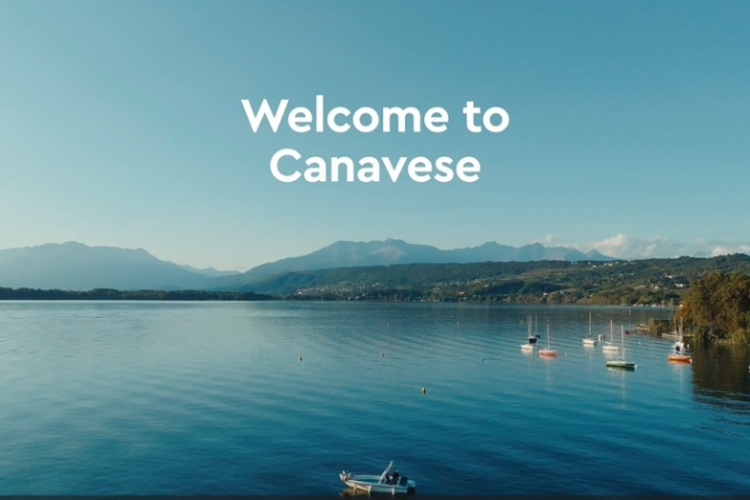
Welcome to Canavese, an unexpected corner of Piedmont where …
846Welcome to Canavese, an unexpected corner of Piedmont where …
846
