




A luxurious home-away-from-home

The dazzling white Art Nouveau building, five minutes by car from the lively heart of Sorrento, was a private home that was converted into a hotel in the 1960s. The Marasca-Monti family, which still owns and manages the Hotel Mediterraneo, has taken it through a total and elegant renovation, and from three to four, and then in 2021 to five-stars. 
Palm trees and a large swimming pool
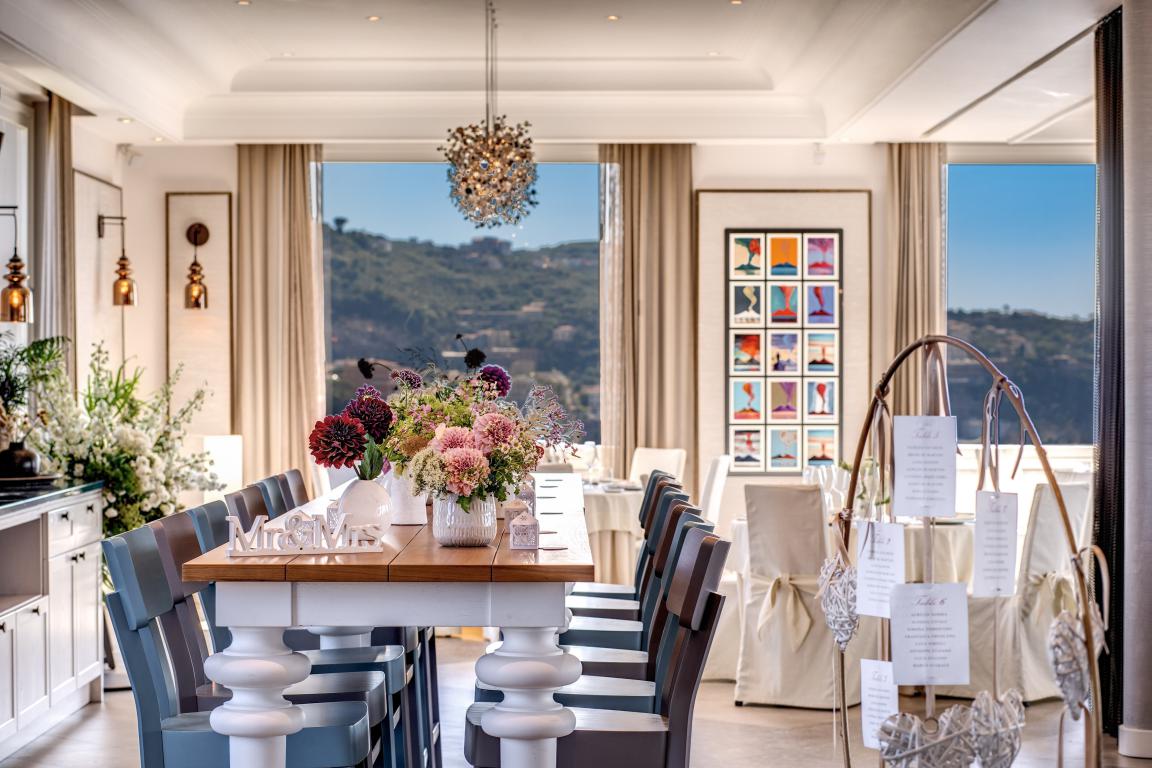
Many of the 61 rooms and junior suites have balconies and views of the Bay of Naples while others overlook the gardens with their tall palm trees and large swimming pool. The rooms are discreet yet sophisticated with touches that reflect the area’s history and seafaring traditions, like the fisherman’s lampara lights, the turquoise Vesuvius lava stone bedside tables, and the decor in Mediterranean shades of blue and teal. 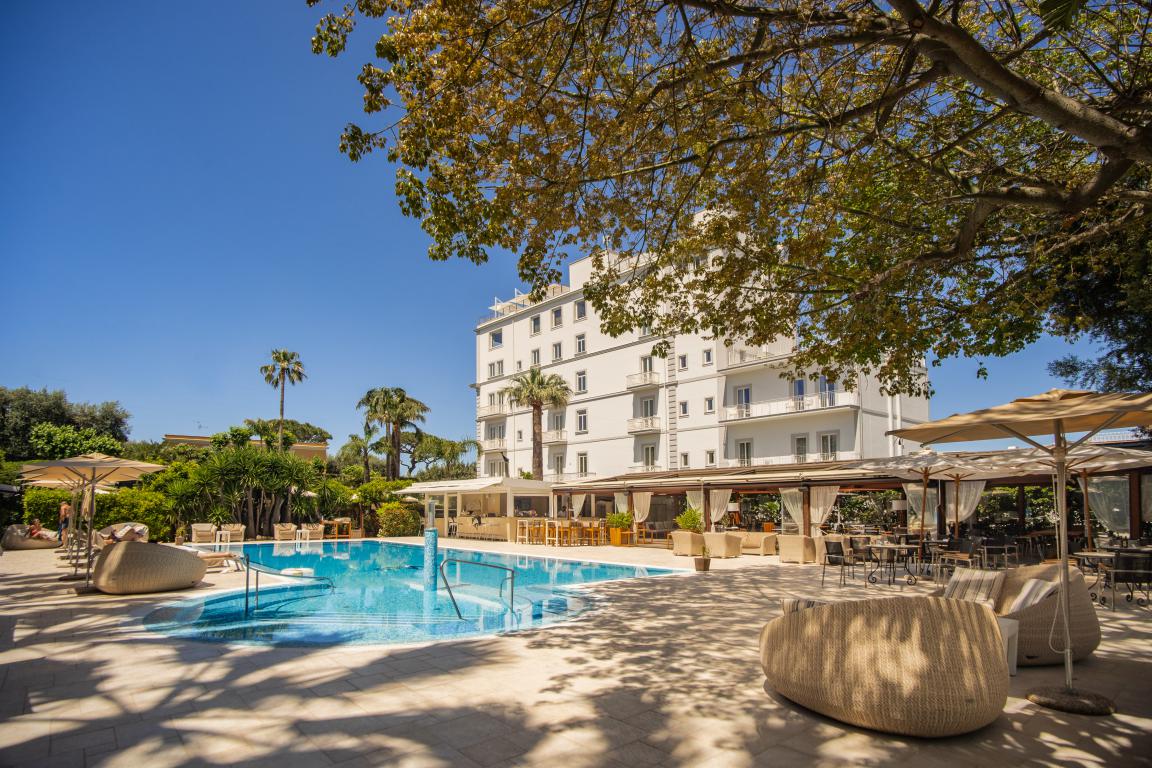
Traditional and modern cuisine, champagne and cocktails
In the Vesuvio Restaurant the traditional and international menu features local favourites with a contemporary twist that are impeccably served on refined tableware. The Aqua Pool Lounge by the pool serves pizzas, grilled meats and fish lunches, and the new Oltremare Lounge Bar in the lobby has an extensive list of wines, champagnes, signature cocktails and seafood finger food.
“The rooftop Vista SkyBar has live music and an eclectic menu”
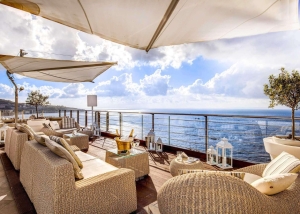
Resident manager Francesco Monti says there are spectacular sunsets and stunning views of the Sorrento Coast, Naples and Capri from the Vista Sky Bar.
“The rooftop is one of the Coast’s coolest rendezvous, with live and DJ music and an eclectic menu showcasing local and international specialties.”

A sustainable itinerary along Rome’s Tiber river
The newly formed DMO Tiberland brings together the cities, towns and villages, associations and economic operators of the area and the mouth of Rome’s Tiber river. The route, that winds for 70 kilometres, offers a travel experience immersed in nature, and an opportunity to combine leisure, culture and relaxation, focusing on sustainable mobility (horses, bicycles, walking routes, etc.) as well as on alternative accommodation, local foods and wines. 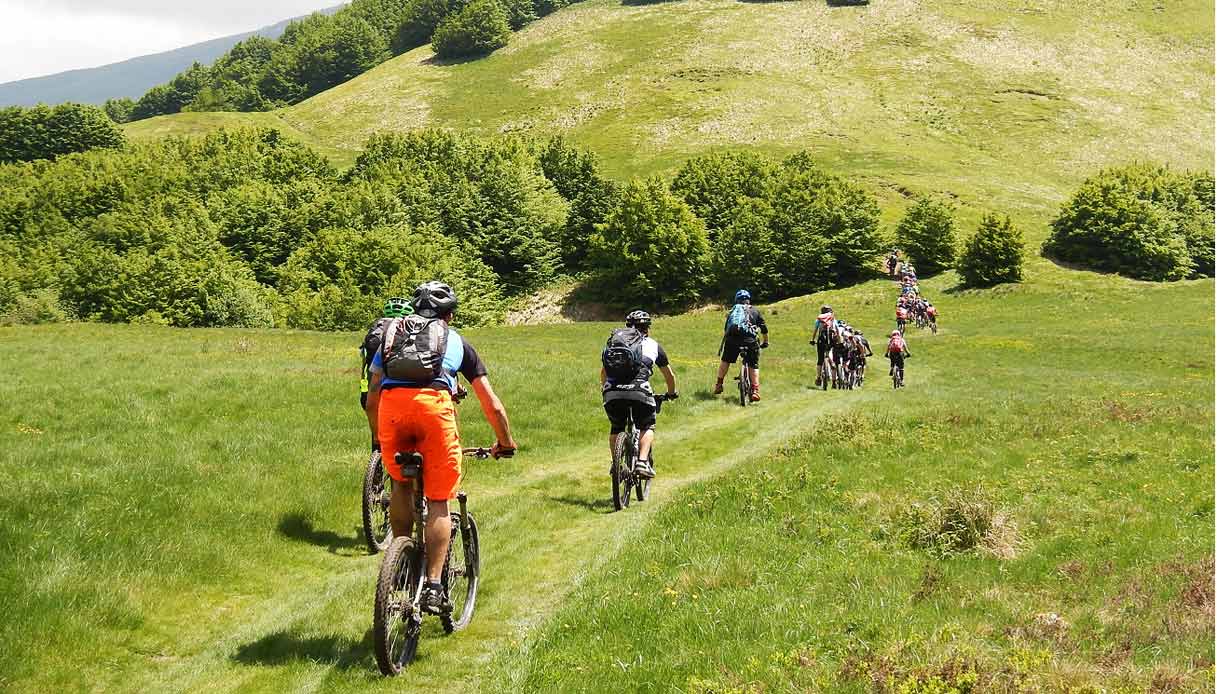
Discovering what lies beyond the Eternal City
Tiberland is a destination to be experienced in a contemporary, proactive, and sustainable way, looking at Rome from the outside, and discovering the beauties of the city beyond its historic centre in a geographical area that stretches from the capital to the sea. For nature lovers Tiberland offers green trails that can be explored on donkeys, on foot or by bicycle. And there is also the possibility to relax and forage, a DIY approach to adding flavour to your food, and you can also opt for the train, from the stations of the Roma Nord railway. river boat
Alternative accommodation and discounts
There are also tours within the capital and there is no shortage of itineraries centred around the historical and naturalistic charm of the towns and villages located along the northern part of the Tiber. The tourism proposed by Tiberland is sustainable as can be found in the type of accommodation that include "en plein air" stays, with a welcoming family dimension and an accessible quality-price ratio. The Tiberland project includes the Tiber Card, which gives the cardholder offers and benefits, such as discounts on services including guided tours, workshops, and restaurants, as well as on books and other items at museum giftshops.
A charming resort in Going’s Summer 2023 programme
Favignana, the heart of the Marine Protected Area of the Egadi Islands off the coast of Sicily is confirmed in the Going Summer 2023 programme, with Il Baglio sull'Acqua in the Going Lifestyle section, where the MSC Cruises tour operator includes charming proposals with assistance.
A romantic and exclusive hotel of charm
At the resort, which opens today 25 May and will close on 8 October, the service is bed and breakfast, while it is also possible to use the adjoining à la carte restaurant. In the Sicilian architectural tradition of an old fortified country farm with a large courtyard in the centre, overlooked by suites and communal areas, the resort stands out for its charming atmosphere and attentive service. It is a romantic and exclusive boutique hotel with just ten rooms and suites, some with furnished terraces and whirlpool baths, overlooking the garden or on the first floor, with a sea view.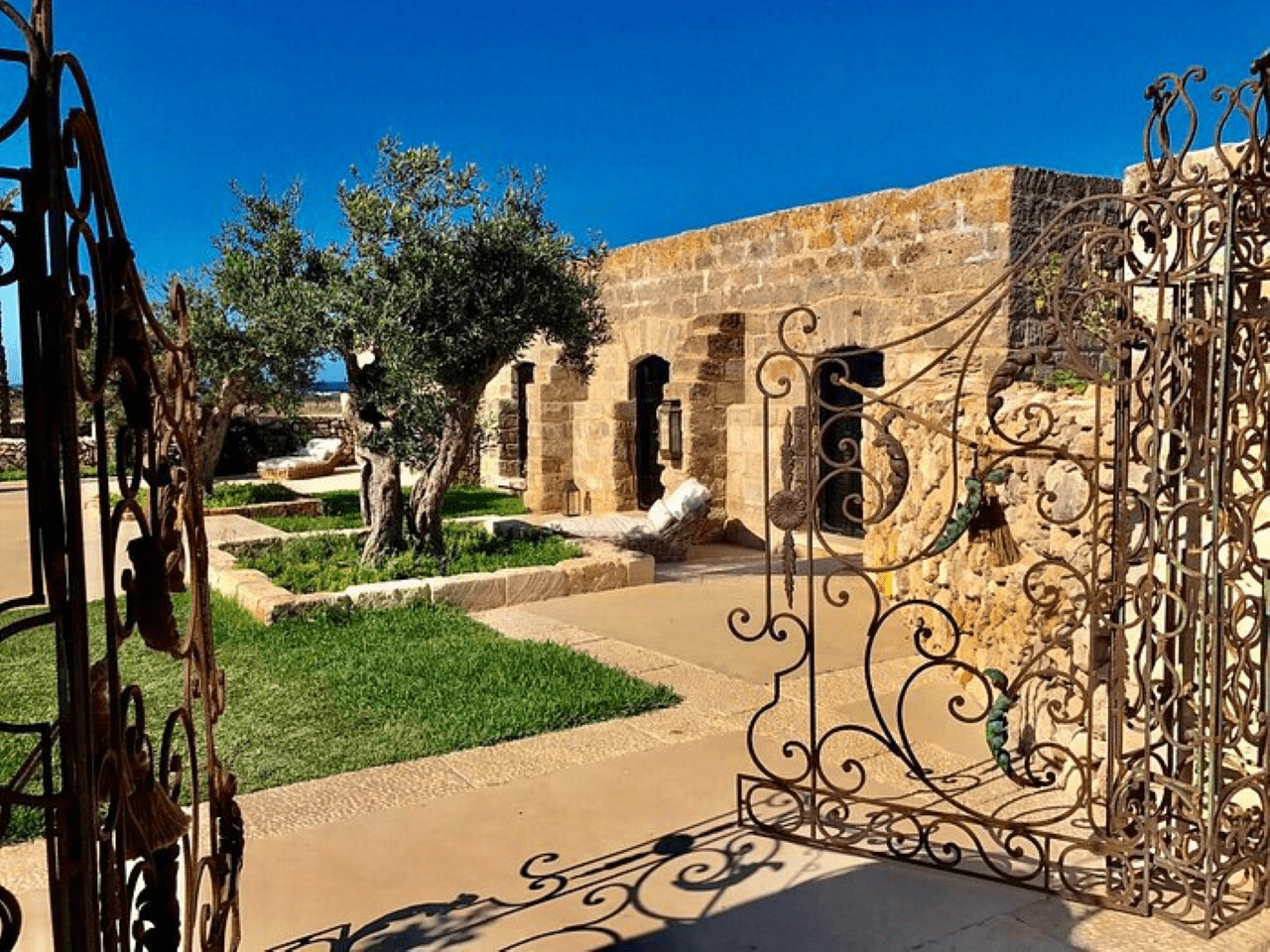
“Favignana is authentic, a little wild and simple”
"We are not a hotel, but a home that welcomes guests as friends during their stay. Favignana is special because it has remained authentic, unspoiled, a little wild and at the same time simple,” says, manager Beppe Pellegrino. The island is made for being discovered by bicycle and scooter or on long walks. It also has trekking routes and from the mountains in the centre you can see all seven of the Egadi islands. 
A good choice for events and for fashion and film shoots
The destination has a strong sustainable vocation thanks to the AMP Egadi Marine Protected Area, and to the efforts made to raise tourism awareness of the protection of the marine and natural environments. Baglio sull'Acqua is also available for private outdoor events for up to 70 people, with classy set-ups and is perfect for fashion and film shoots.
Leica and the Portrait Firenze hotel team for photography coaching
Spring is an ideal time for re-connecting the brain and body, and Italy has some fantastic locations in which to indulge in activities of an artistic nature like photography and painting. One of the best parts of any holiday is when you return home and share your photographs with your loved ones. Let Leica and Portrait Firenze guide you to enhance your technique. The Ferragamo-owned hotel has partnered with the leading camera and optical lenses manufacturer to enjoy Florence while learning technical know-how with a professional photographer arranged by Leica. 
End a day behind the lens with indelible memories
At the end of the day, you’ll be able to save all your pictures on a USB stick at the Leica store, ready to print out your photos at home. The Leica Experience is available at Portrait Firenze from €800 per day based on two people joining. Stays at Portrait Firenze which offers rooms from €715 per night, based on two adults sharing exclude breakfast. lungarnocollection.com/portrait-firenze
Painting lessons on an organic Tuscan estate
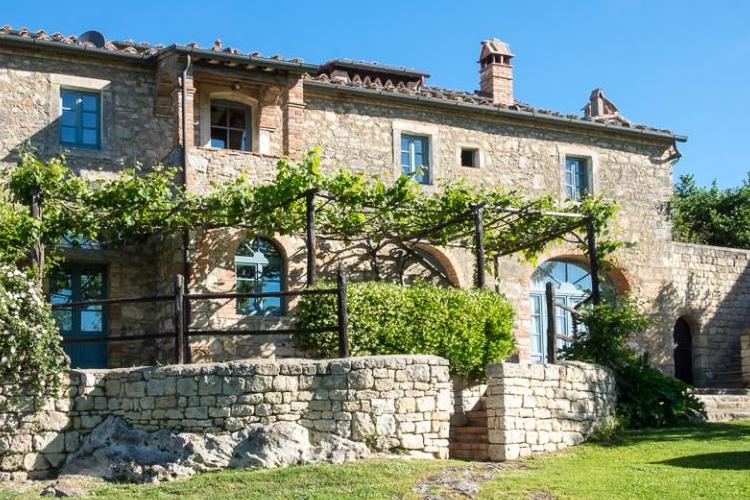
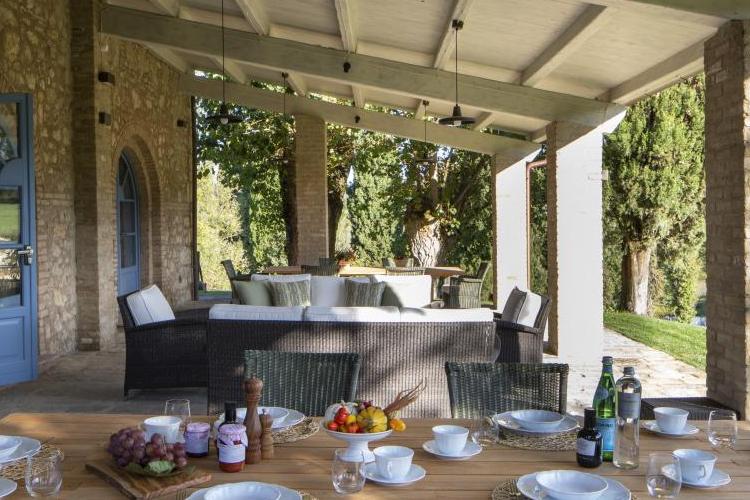
Borgo Pignano (Volterra - Florence), set in the heart of a picturesque 750-acre organic estate an hour from Florence has a long-established relationship with The Royal Drawing School in London. Whether you’re a professional painter, avid collector or just an art enthusiast, Borgo Pignano is the perfect place for you to release your inner Michelangelo. Students from The Royal Drawing School visit Pignano every summer as part of their studies and whilst staying are available to offer guests private drawing lessons.




An art studio with canvases and paint supplies
The property is home to an art studio equipped with complimentary canvases and paint supplies, overlooking the inspiring Tuscan Hills. The classes with the RDS students help guests learn all about perspective, how different times of the day can change the colour palette and how the types of equipment they use can mould their own unique style.
Group and individual art classes
Set against the backdrop of the Tuscan hills, Borgo Pignano’s innovative art programme helps to nourish creativity and fuel happiness. Borgo Pignano, Tuscany offers double rooms from €320 per night in La Villa on a B&B basis. An individual painting class at Borgo Pignano costs €50 for two hours. A group class costs €40 per person for two hours. borgopignano.com/en
Routes served by ATR72-600s
The flights will operate every Saturday from 2 September to 4 November 2023, following the introduction of seasonal flights from Ajaccio-Rome in 2022, and the Bastia-Rome for summer 2023. The new ATR72-600s will serve both routes, with a total capacity of 2,880 seats. These new flights will be a significant test for the tourism market in the low season, and also for short stays in Italy for the island's clientele throughout autumn.
The new flights are aimed at extending the season
“After the good results on the Rome route last year Air Corsica is now expanding its presence in Italy by targeting new customers in Milan with the aim of extending the shoulder season,- said Marie-Hélène Csanova-Servas, chair of Air Corsica's Supervisory Board. – Our commercial strategy is enabling us to expand our network beyond the public service. This development, connecting Corsica with Europe, will also enhance the mobility of the islanders, who always prefer direct flights.”
To be enjoyed without crowds
The first thing that strikes you, apart from the beautifully manicured gardens, is that the villa and grounds are rarely crowded.They get nothing like the number of visitors other Roman attractions do. Such as the Vatican Museums, where works by Raphael, who painted the very beautiful frescoes in Villa Farnesina, draw massive crowds. That same Raphael Sanzio whose four rooms in the Apostolic Palace in the Vatican Museums attract millions of visitors every year, and whose Galathea Loggia in this hushed mansion are every bit as stunning.
A head perhaps painted by Michelangelo
The property was bought the end of the 16th century by Cardinal Alessandro Farnese, from which the name Farnesina derives. This mansion is not to be confused with Palazzo Farnese, now the French Embassy which has a famous façade by Michelangelo and is is on the other side of the Tiber river. In 1517 and 1518 Raphael and his apprentices painted scenes from the fable of Cupid and Psyche on the vaulted ceiling of the vast loggia, while legend has it that one of the lunettes, with the gigantic head of a young man, is the work of the great Michelangelo.
Raphael’s fresco of Galatea
The Loggia of Galatea gets its name from Raphael’s fresco of the nymph Galatea. The great master gave the nymph delicate facial features contrasting with her lush body, and she is transported across the water in a chariot formed by a shell pulled by dolphins and surrounded by tritons, cupids and nereids.
All kinds of water sports, but also land activities and golf courses
Torri del Benaco, located less than 40 kilometres from Verona, is the very essence of Lake Garda. This small lake town is an oasis of serenity that has remained unchanged over the centuries. Sailing is the most popular sport, and boats can be rented for sailing and swimming offshore. Diving is also popular and so is water skiing. Trekking through the forests of Monte Baldo and mountain biking are excellent alternatives to the water sports, as are climbing, paragliding, rafting, canyoning, horse riding and tennis. This Lake Garda area also has golf courses in the immediate vicinity, including the Ca' degli Ulivi Golf Club, which is only four kms away. Ph credits Florian Andergassen
Three swimming pools, private pools and Jacuzzis
Cape of Senses in Torre del Benaco will be reserved for guests over the age of 14 for overnight stays of a minimum of three nights, and the new facility promises to satisfy the five senses through meticulous care of body and soul, and its sustainable and excellent cuisine. It will have 55 suites, as well as a spacious spa, three swimming pools, two restaurants and incredible views.  Ph credits Florian Andergassen
Suites with pergolas and panoramic views
A distinctive feature of all rooms are the views of Lake Garda both from inside and from the panoramic terraces. Each suite will have a pergola terrace, and the most beautiful rooms a will also have a second roof terrace with a private pool or Jacuzzi on the upper floor.
Some of the most popular holiday and weekend destinations
“Things are under control," said Patrizia Rinaldis of Federalberghi Rimini, the association of hoteliers of the resort towns in the Romagna region. "The hotels did not close, and the lido operators are all working to fix the beaches."
The region was hard hit by the bad weather but it is once again ready to show that, be it for sea, art or mountain holidays, it is one of the most popular destinations in Italy for holidays or weekends.
In 2022 seven million visitors chose the riviera’s resort towns
The riviera towns of Rimini, Riccione, Milano Marittima, just to name the best known, totalled no fewer than 42 million overnights in 2022 (+15.5%on 2021), with more than seven million arrivals (+22.4%). This is followed by art cities and business arrivals, which, with the recovery over 2021, now account for more than a quarter of overall arrivals (26.3%) and 13.8% of total regional overnights.
“We will bounce back quickly”
Andrea Babbi, national vice-president of Fiavet, the association of Italian travel agents, is also optimistic:
"We will bounce back quickly, as we usually do. Within a week all our tourist facilities will be as welcoming as they were seven days ago.”
Full-day round-trips from Civitavcchia to the Eternal City
With the new Green Line Tours hop-on-hop-off bus visitors to Civitavecchia can now discover the town on the Lazio coast south of Rome, an area rich in history. At the same time, the sightseeing company also offers the possibility of taking a one-day round-trip from Civitavecchia to the Eternal City via an integrated shuttle service with tourist services, which is an optimal solution for cruise passengers. In ancient times Civitavecchia was the naval landing place for the Roman Empire and the gateway to the Eternal City and still today it is home to numerous important archaeological sites. Civitavecchia
“We will also strive to develop further itineraries”
"We are excited to provide this beautiful city with tourist transport services for cruise repeaters and new visitors. We will also strive to develop further itineraries to meet the multiple demands of transit passengers," says Emanuele Orlando Desideri, managing director of Green Line Tour S.p.A.
Civitavecchia is an ancient port and town on the Latium coast
So Green Line Tours which has always offered guided tours to museums and major places of historical interest in the city of Rome, as well as day trips by coach around the Italian capital, is now operative in Civitavecchia, the ancient port and town on the Latium coast rich in history and culture.
For information: www.greenlinetours.com/Civitavecchia
A heated swimming pool and rose-covered pergolas
A 1900s private home, perched on a terraced hillside just minutes above Capri’s Marina Piccola port, Villa Marina is a refined and charming 5-star boutique hotel. It has the most beautiful hotel garden on the island, with manicured lawns, flower beds, lemon and palm trees, rose-covered pergolas, a heated swimming pool and elegant dining and leisure areas.
Three of the suites have plunge pools
The 21 rooms and junior suites, many with sea views and whimsical bathrooms, are named after personalities who have left their mark on the island, from Chilean poet Pablo Neruda to the Swedish writer Axel Munthe who built Villa San Michele in Anacapri. There are also three suites with plunge pools, and two connecting rooms that can sleep up to five. And in each room, as a welcome gift, a bottle of champagne.
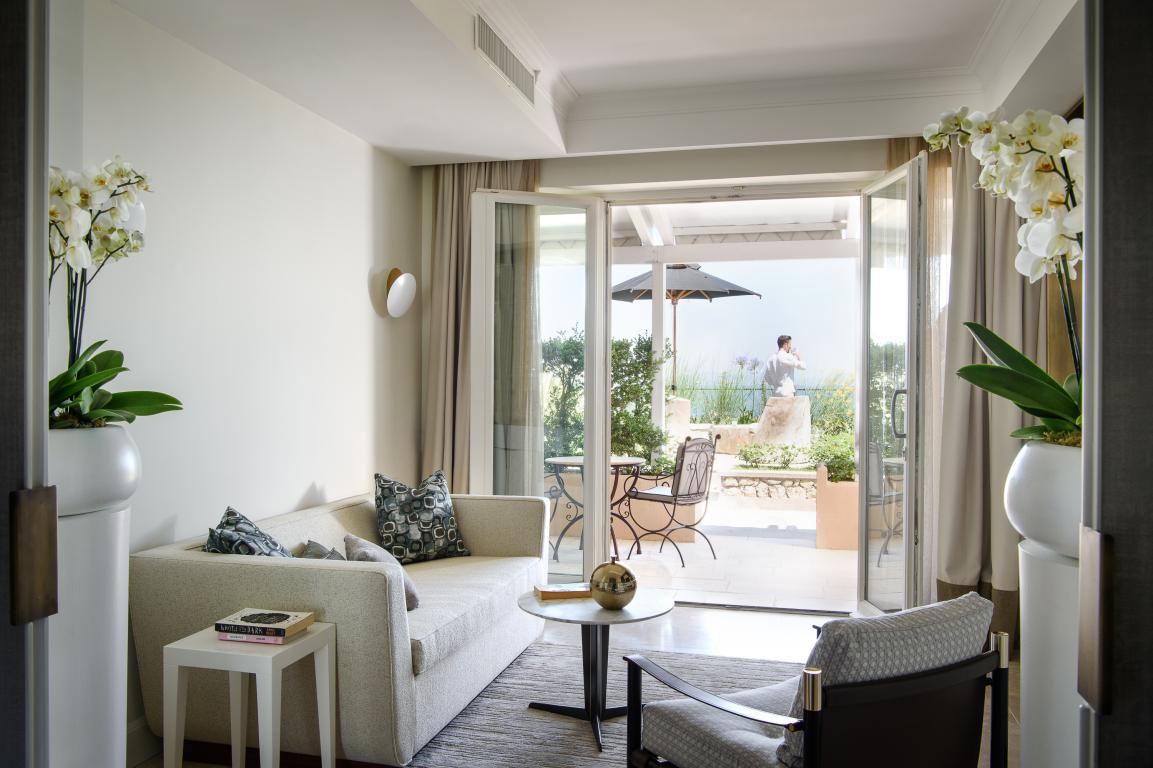


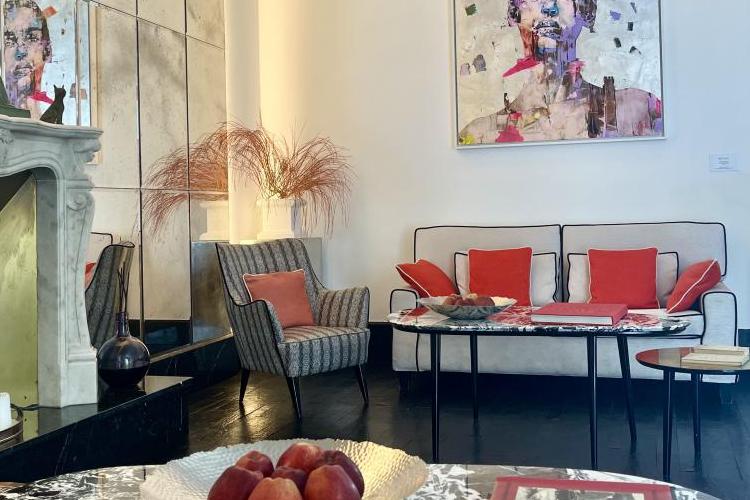
“The new La Castello Suite will have a garden with a private pool”
General manager Giada Falanga says that as a boutique hotel it is in high demand and rooms tend to fly off the shelf for the summer months, while it is certainly easier to find ad-hoc availability in April or in October, adding “next year we will open the La Castello Suite on the highest level. It will have a master bedroom, a library and a garden with a private pool. 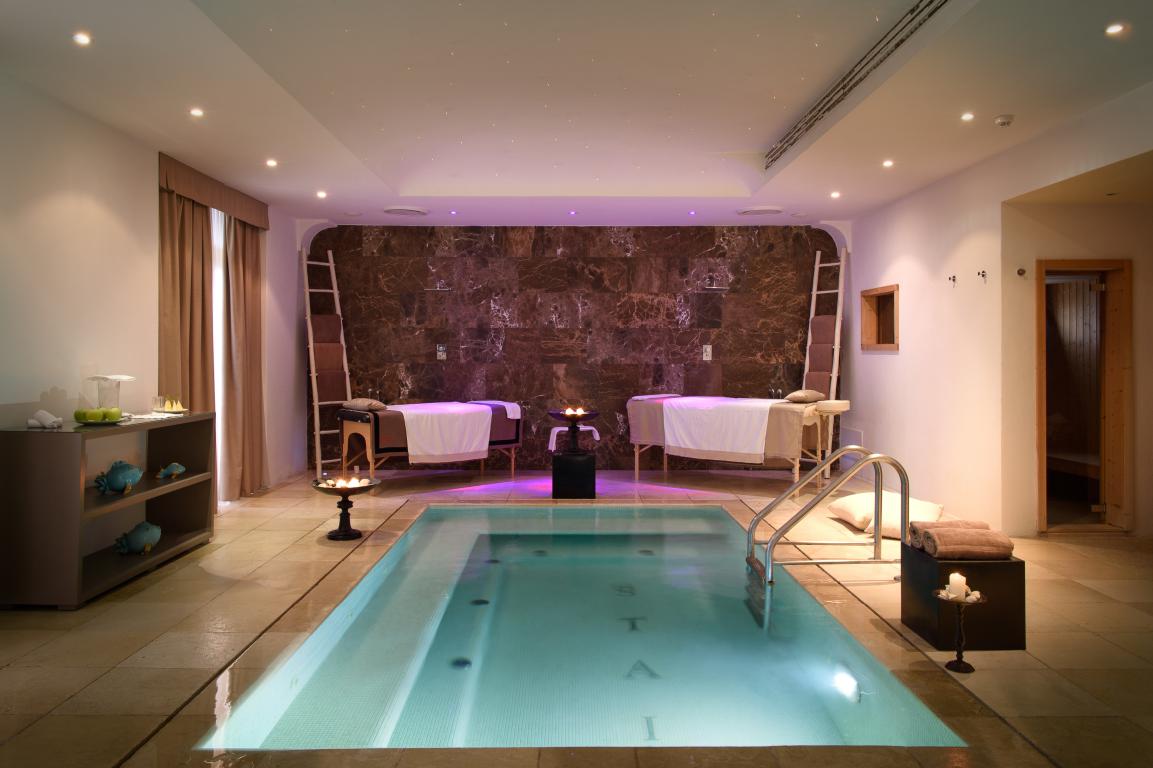 Villa Marina Stai Spa
The entire Stai Spa can be booked privately
The Stai Spa, with a heated pool, sauna and Turkish bath is the only spa on Capri that allows guests to book the entire facility privately, and outside, overlooking the sea, there is a covered fitness area. The hotel shuttle is available for transfers to and from the island’s main towns and tourist attractions. 
The Ziqù is a very popular fine-dining venue
The Ziqù Restaurant, which is also popular with non-residents, has a shaded area as well as tables under lemon trees in the garden. Executive chef Manuele Cattaruzza, who comes from such prestigious kitchens as Le Cirque in New York and the Mandarin Oriental Hyde Park in London, uses local flavours and products with masterful flair for his fine-dining menus. The Ziqù Bar pergola can host small events and parties, and the indoor Viva Bar has comfortable seating, also in the garden.




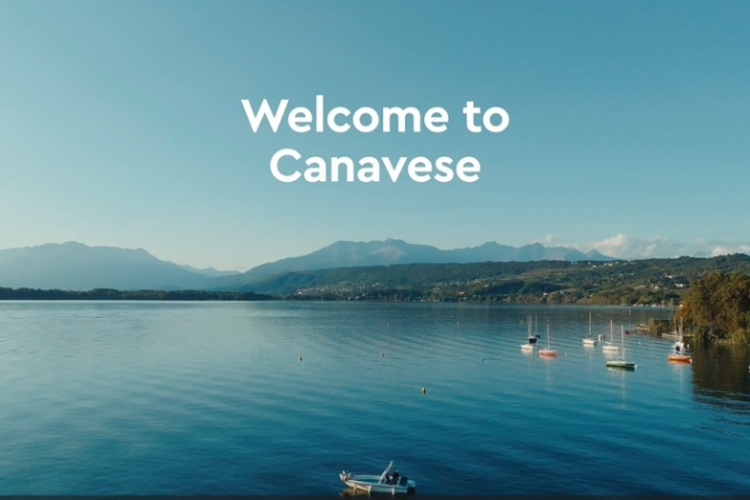
Welcome to Canavese, an unexpected corner of Piedmont where …
850Welcome to Canavese, an unexpected corner of Piedmont where …
850
